
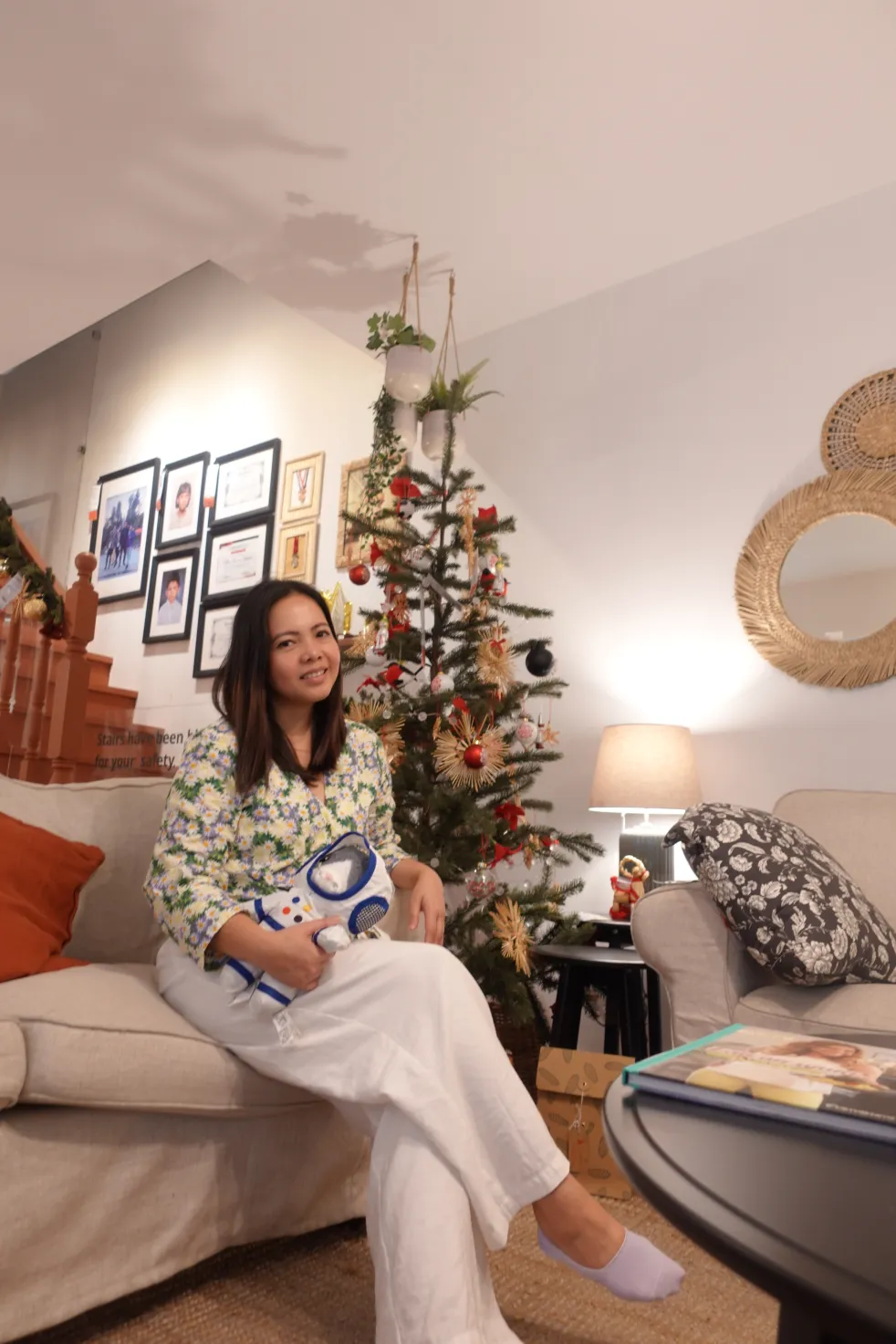
Last August, IKEA Philippines engaged with Better World Smokey Mountain, a newly opened community center operated by the San Miguel Foundation, which shares a similar goal of improving the lives of many Filipino people. Through this partnership, IKEA Philippines provided and assembled home furnishings for the classrooms and library of Better World Smokey Mountain community… Continue reading Help Create a Better World with IKEA Soft Toys
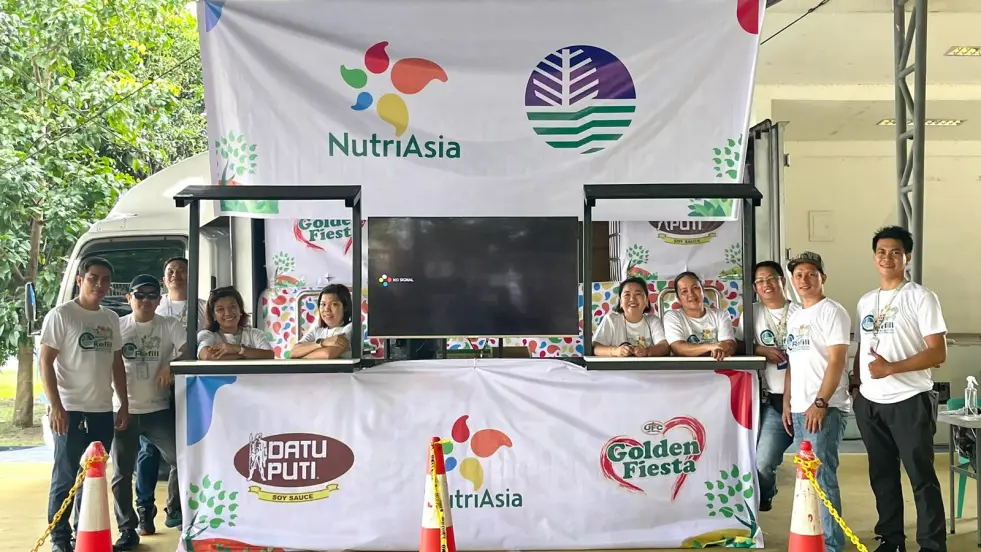
NutriAsia, the country’s top producer of condiments and sauces, continues its support of Refill Revolution; a project by the Department of Environment and Natural Resources EMB 3 that aims to help reduce Filipinos’ single-use plastics consumption. At Refill Revolution, residents get to recycle their single-use plastic bottles by reusing and filling it with their choice… Continue reading NutriAsia and DENR renews partnership for Refill Revolution

Preparing Your Toddler for a New Sibling With a Photo Book
A new baby changes a toddler’s familiar world long before the birth. Daily routines may shift, adults may talk about hospitals and feeding, and the child may sense that something important is happening without understanding what it means. A personalised photo book can turn this unfamiliar experience into a gentle, concrete story.
Pictures of the family, the toddler’s bedroom, the maternity hospital and ordinary moments at home help make the transition easier to understand. The book becomes a familiar object your child can revisit, giving them language for big feelings and a sense of belonging in the family’s changing story.
Start With Your Toddler’s Everyday World
A photo book works best when it begins with what your toddler already knows. Include photographs of their bed, childcare centre, favourite park, grandparents, pets and the adults who care for them. Familiar images provide a secure foundation before you introduce the baby.
For a family living in Sydney, Melbourne, Brisbane or a regional Australian town, this might include a local playground, the pram route to the shops or a weekend visit to the beach. Everyday details are more meaningful than polished studio photographs because they reflect the child’s real life.
Keep the wording short and calm. A page might say, “This is your room,” followed by, “Soon, the baby will have a room too.” Avoid language suggesting that the baby will take over the toddler’s belongings or attention. Phrases such as “We will make space for the baby, and you will always have your special things” support security.
Use inclusive language throughout the story. Say “our baby” rather than “your replacement” or “the new boss of the house”. The goal is to show that the toddler remains an important family member, with a role that grows without becoming a responsibility.
Plan the Story Before Taking Photographs
A simple sequence helps your child understand what will happen. The book does not need to predict every detail, because birth and newborn life rarely follow a perfect plan. Instead, focus on the parts your family can explain honestly.
A useful sequence begins with the toddler learning about the pregnancy, followed by a visit to the doctor or midwife, preparations at home, the birth-day plan, meeting the baby and life after the baby arrives. Include a page about who will care for the toddler if the pregnant parent goes to hospital. This might be a grandparent, family friend or familiar educator.
Australian families may need to explain that the pregnant parent will travel to a public or private hospital, depending on their care arrangement. A photograph of the hospital entrance can make the place less mysterious. Check the hospital’s current visitor policy before promising that a toddler can visit immediately, as rules can vary during periods of illness or seasonal outbreaks.
A page about waiting can be especially valuable. Write, “While the baby is being born, you will stay with Grandma,” or “Dad will call you when we know more.” Avoid promising an exact birth date. “Around spring” or “when the baby is ready” is more accurate than a fixed day that may create confusion.
Choose Photos, Words and Format With Care
The best book is clear, durable and suited to the toddler’s stage of development. Board-book pages or a small softcover photo book are easier for little hands to manage than thin paper pages. Rounded corners, large images and minimal text reduce frustration for children who are still developing language skills.
| Photo book choice | Helpful for | Points to consider |
|---|---|---|
| Printed board book | Toddlers who handle books roughly | Durable, but often has fewer customisation options |
| Softcover photo book | A longer family story with many pages | Keep it away from food, bath water and enthusiastic tearing |
| Digital slideshow | Families who want to update images quickly | Requires a device and adult supervision |
| Handmade scrapbook | Older toddlers who enjoy textures and craft | Avoid loose ribbons, buttons and small decorations |
| Shared family album | Grandparents or carers who need the same story | Check privacy settings before sharing photos online |
Choose photographs with clear faces and uncluttered backgrounds. A toddler may struggle to understand a crowded hospital scene or a picture taken from far away. Add one idea per page, such as “Mum rests,” “Dad packs the bag” or “You cuddle Grandma.”
Talk about the baby using realistic newborn behaviour. Include words such as “cry”, “sleep”, “feed” and “need help”. This prepares your child for the sounds and demands of early infancy without making the baby seem frightening. A page could read, “Babies cry to tell us they need something. Grown-ups will help the baby, and grown-ups will help you too.”
If you order the book online, review the seller’s printing and delivery terms. Under the Australian Consumer Law, products must be of acceptable quality and match their description, so keep order records and contact the business if the finished book is damaged or substantially different from what was advertised. Avoid uploading unnecessary identifying information, such as your home address, and check how a photo service stores and uses family images.
Read It Before and After the Birth
Introduce the photo book several weeks before the expected arrival, when your toddler has enough time to become comfortable with it. Read it during a quiet part of the day, such as after a bath or before a nap. Repetition is useful; toddlers often need the same story many times before an idea feels familiar.
Pause when your child points, names someone or asks a question. Follow their lead rather than turning the reading into a lesson. If they say, “Baby go away,” respond with empathy: “You are worried there may be less time for you. We will still have cuddles and special time together.”
The book can also support preparation for practical changes. Add photographs of a bassinet, baby carrier, nappies or a feeding chair, but explain that the toddler’s routine will continue wherever possible. If your child attends long day care, show the centre or educator and explain who will do drop-off while the baby is small. Families using the Australian Child Care Subsidy should check their expected bookings and session arrangements early, since a new baby can affect work, study and care patterns.
After the birth, update the story with photographs of the toddler meeting the baby, helping in a safe way and enjoying time alone with a parent. Do not pressure the child to smile, kiss the baby or perform as an older sibling. A natural photograph of them looking, sitting nearby or holding a nappy can communicate belonging without demanding affection.
Keep private family images within trusted circles. If you share the finished book or photos with relatives through a cloud album or messaging app, use privacy controls and avoid public posts that reveal your toddler’s name, childcare location or daily routine. This is especially important for families who prefer to limit children’s digital footprints.
Make Space for Feelings and Connection
A photo book should make room for mixed emotions. Your toddler may feel proud, curious, jealous, unsettled or bored, sometimes within the same afternoon. A page titled “Sometimes I have big feelings” can show the child with a parent, a comfort toy or a quiet corner.
Give your child words they can borrow: “I want Mum,” “I need help,” “The crying is too loud” or “Can I have a cuddle?” Practise these phrases while reading. When the baby arrives, respond to the message behind difficult behaviour rather than labelling the toddler as naughty. Gentle parenting still includes boundaries: “I won’t let you pull the baby’s arm. You can touch their toes gently or sit beside me.”
A short, predictable one-to-one ritual may matter more than a large present. Try a morning cuddle, a story after childcare or a walk to the local park while another adult watches the baby. In busy Australian households, including those balancing commuting, hot weather, school drop-offs or support from relatives interstate, small rituals are easier to maintain than elaborate activities.
Acknowledge the toddler’s continuing identity. Include pages about favourite foods, preschool friends, swimming lessons, grandparents and places they enjoy. The new sibling is part of their life, not the whole of it. This balance helps the child see that family growth does not erase their existing relationships or interests.
Build a Gentle Sibling Story
Use the completed book as a flexible guide rather than a script. Some details will change: the baby may arrive by planned caesarean birth or unexpectedly, the first meeting may happen later than expected, and feeding or sleep arrangements may be different from the photographs. Explain changes simply and replace pages when needed.
Recommendations for making the book reassuring and useful:
- Include the toddler in selecting a few photographs and choosing a title or colour.
- Read the story regularly, then stop if your child loses interest or becomes upset.
- Add a page showing who will care for the toddler during labour and hospital time.
- Use realistic newborn images and words about crying, feeding, sleeping and needing help.
- Keep a second copy with a grandparent, childcare carer or other trusted adult if routines may change.
Once the baby arrives, let your toddler revisit the book freely. They may focus on one page, correct the story or ask the same question repeatedly. These moments show how they are processing the change. Add new pages gradually, including ordinary family moments such as a shared book, a walk with the pram or a quiet cuddle.
With honest language, familiar photographs and steady connection, the photo book becomes more than a preparation activity. It gives your toddler a safe way to understand the baby’s arrival, express uncertainty and recognise their continuing place in the family.

Mercato Centrale, in collaboration with Indian Women in Enterprise Philippines (I-We), is set to host "The Great Indian Fiesta" to mark 75 years of friendship between India and the Philippines. The dynamic two-day event is scheduled to take place on September 30 to October 1, 2023, at Paseo De Roxas Street, Makati City. Aiming to… Continue reading Mercato Centrale Partners with I-We to Host ‘The Great Indian Fiesta’, Commemorating 75 Years of India-Philippines Friendship

My stomach would usually start growling at 10 am even after taking a big breakfast. This is probably because I am a morning person and I move a lot throughout the day hence snacking is something that I can't avoid. This potatoes and chicken wrap recipe is easy to prepare and would keep me full… Continue reading Potato and Chicken Wrap
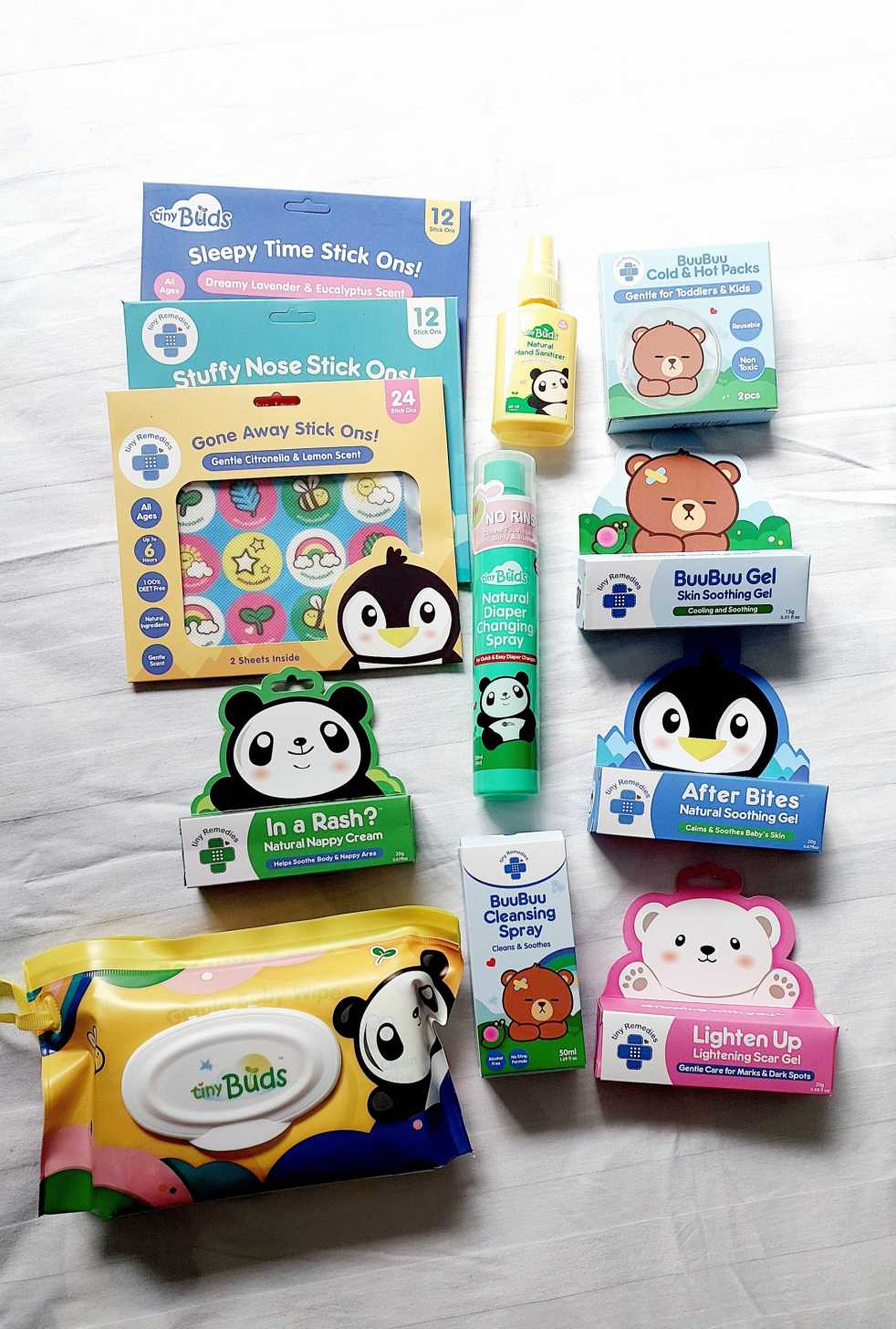
Your baby’s skin is more delicate than most, this is why you have to choose products that are designed for sensitive skin. Tiny Buds is a pioneer in integrating natural ingredients into baby care and today has over 50 innovative natural baby care essentials and is one of the Top Baby Personal Care brands. Here… Continue reading Product Review: Tiny Buds Baby Naturals Baby Essentials
Where your child goes to school is a big decision and shouldn’t be taken lightly. Given how their education can impact their future, you might be tempted to take control and decide for them. However, you might be doing more damage than helping them in the long run. Your job as parents is to support… Continue reading HOW TO CHOOSE THE BEST SCHOOL FOR YOUR CHILD
As poet and philosopher Rumi once eloquently said, “raise your words, not your voice. It is rain that grows flowers, not thunder.” Parenting is a challenging journey, and the truth is that nobody has everything figured out. One parenting style might suit others best, and some might favor other methods. However, children respond better to… Continue reading A SIMPLE GUIDE TO GENTLE PARENTING
Whether you’re a new mom to be, mom of a toddler, mom who have school-aged kids, you’re bound to have so many questions. Let's start with your baby's skin. Infant skin has unique needs; gentle care is essential to prevent damage to the skin barrier, which can lead to irritation. When caring for infant skin,… Continue reading Keeping Baby’s Diapered Skin Healthy
As parents, we want to give our child the best possible start in life and that begins with nurturing their intelligence. Throughout history, the notion of success has been linked to academic intelligence. However, there has been an increased awareness on the importance of emotional intelligence. This question gets at the heart of the never-ending… Continue reading IQ or EQ, which one is a better predictor of your child’s success?
 wondermomma.net