

Last August, IKEA Philippines engaged with Better World Smokey Mountain, a newly opened community center operated by the San Miguel Foundation, which shares a similar goal of improving the lives of many Filipino people. Through this partnership, IKEA Philippines provided and assembled home furnishings for the classrooms and library of Better World Smokey Mountain community… Continue reading Help Create a Better World with IKEA Soft Toys

NutriAsia, the country’s top producer of condiments and sauces, continues its support of Refill Revolution; a project by the Department of Environment and Natural Resources EMB 3 that aims to help reduce Filipinos’ single-use plastics consumption. At Refill Revolution, residents get to recycle their single-use plastic bottles by reusing and filling it with their choice… Continue reading NutriAsia and DENR renews partnership for Refill Revolution

Helping Your Toddler Welcome a New Baby
A new baby brings excitement, but a toddler may experience the change as confusing or threatening. Until now, your child may have enjoyed your attention, familiar routines, and a clear place in the family. The arrival of a sibling can make that secure world feel suddenly different.
Preparing your toddler for a new sibling is less about expecting instant affection and more about giving your child time, information, and reassurance. A young child may understand that a baby is coming without fully grasping what pregnancy, birth, or sharing a parent will mean in daily life.
With gentle preparation, realistic expectations, and plenty of connection, you can help your toddler adjust to becoming an older sibling. Small steps before and after the birth can make the transition calmer for the whole family.
Start preparing early and gently
Begin talking about the baby when your toddler can notice a visible change or when you feel ready to share the news. The timing will depend on your child’s age, personality, and understanding. A short, simple explanation is usually more helpful than a detailed announcement.
Use clear language such as, “There is a baby growing in Mommy’s tummy. The baby will live with us after birth.” Toddlers may ask the same question many times, so repeating the answer patiently helps them process the idea. Avoid giving a precise arrival date if your child does not understand calendars. Link the birth to familiar events instead, such as “after the rainy season” or “around your birthday.”
Picture books about becoming a big brother or sister can make the subject easier to discuss. Look at baby photos of your toddler and explain that they also cried, drank milk, needed cuddles, and slept often. This helps children see that they once needed intensive care too, rather than feeling that the baby is receiving special treatment for no reason.
Explain what life with a newborn may look like
Toddlers often imagine a baby as a playmate who can talk, run, and share toys. Gently explain that a newborn will mostly sleep, cry, feed, and need help from adults. This prevents disappointment and gives your child a more realistic picture of early sibling life.
You can practice with a doll, stuffed animal, or family friend’s baby, as long as the activity stays relaxed. Show your toddler how to touch gently, wait while an adult is feeding, and ask for help when curious. Keep the lesson brief, since toddlers learn through repetition rather than one long conversation.
Prepare your child for changes that may happen around the birth, such as staying with grandparents, sleeping in another room, or having a different caregiver for a few days. If relatives or trusted friends will help in the Philippines, invite them into the routine before the baby arrives. A toddler who already feels comfortable with a caregiver may find separation less stressful.
Protect your toddler’s sense of belonging
The phrase “big sibling” can sound positive, but it should not mean that your toddler must suddenly act grown-up. Continue to offer affection, help with ordinary tasks, and opportunities for play. A young child may still need assistance with feeding, toileting, dressing, and settling down, even after the baby comes home.
Avoid blaming the baby for limits whenever possible. Instead of saying, “I can’t play because the baby needs me,” try, “I will finish feeding the baby, then we can build your blocks.” This shows that the delay is temporary and that your relationship remains dependable. When you can, invite your toddler to choose between two options: “Would you like to read while I feed the baby, or sit beside me and look at the pictures?”
Keep a few familiar rituals unchanged. A bedtime story, morning cuddle, weekend walk, or short one-on-one chat can reassure your toddler that their place in the family is secure. These moments do not need to be long; consistent attention often matters more than elaborate activities.
Practise routines before the birth
A newborn’s arrival may affect sleep, meals, childcare, and transport. If major changes are necessary, introduce them several weeks or months before the due date. Moving your toddler to a new bed, changing caregivers, or starting preschool at the same time as the birth can create too many adjustments at once.
Make routine practice playful. Let your child visit the room where they may stay, meet the person who will care for them, or practise saying goodnight when you leave briefly. If a hospital or birth centre visit is expected, explain who will be present and how your toddler can contact you.
The following examples can help you use language that is honest while still reassuring:
| Situation | Toddler-friendly words | Avoid saying |
|---|---|---|
| Feeding the baby | “The baby is having milk. You may sit with me or choose a book.” | “Go away; the baby needs me.” |
| The baby is crying | “The baby is telling us something. I am going to check.” | “The baby is being naughty.” |
| Your toddler wants to be carried | “I cannot carry you right now, but I can hold your hand and cuddle you on the sofa.” | “You are too big for cuddles now.” |
| A caregiver is visiting | “Lola will stay with you while I meet the doctor. I will come back.” | “You have to stay because I am busy.” |
| Your child touches too roughly | “I will stop your hands. Babies need gentle touches. You can pat the blanket.” | “You are hurting the baby on purpose.” |
Make room for mixed feelings
A toddler may feel proud, jealous, curious, angry, affectionate, or uninterested, sometimes within the same hour. These emotions are normal. Your role is to set safe boundaries while accepting the feeling underneath the behavior.
Try naming what you observe: “You wanted me to pick you up, and I was holding the baby. That felt disappointing.” Validation does not mean allowing unsafe actions. You can follow with, “I will not let you hit the baby. You can stomp your feet beside me or ask for a hug.”
Regression is also common. A toilet-trained child may have accidents, a confident toddler may become clingy, or a child who slept independently may request extra support. Respond calmly and avoid teasing. Offer practical help while keeping expectations appropriate for your child’s developmental stage.
Give your toddler safe ways to participate without making them responsible for the baby. They might choose a blanket, bring a clean nappy, sing during tummy time, or help select a baby outfit. Always supervise closely and make participation optional. Praise kindness specifically, such as, “You waited while I finished. That was patient,” rather than expecting constant helpfulness.
Build a relationship at your toddler’s pace
The first meeting can be simple and calm. If possible, greet your toddler with warmth before presenting the baby. A cuddle, familiar snack, or quiet story may help your child reconnect with you after time apart. Avoid forcing a hug, kiss, or gift exchange if your toddler seems overwhelmed.
Create small moments when both children are nearby, while remembering that the relationship will develop gradually. Talk to the baby about your toddler’s interests, display a drawing, or let the baby “listen” while your toddler tells a story. These playful habits can help your older child feel seen.
It is also valuable to spend time with your toddler when the baby is asleep or cared for by another trusted adult. Even ten focused minutes of floor play, reading, or conversation can restore connection. Put away your phone when possible and let your child lead the activity.
Everyday ways to encourage sibling connection
- Invite your toddler to choose between two safe baby items, such as a blanket or song.
- Keep a special basket of books, puzzles, or toys for quiet moments during feeds.
- Take photos of ordinary sibling moments, while avoiding pressure to pose or smile.
- Celebrate gentle interactions without demanding that your toddler repeat them.
- Give each child private time with a parent, even when the schedule is busy.
Support the transition after birth
Expect the adjustment to take weeks or months rather than a few days. Some toddlers adapt quickly, while others need repeated reassurance. Family members may focus heavily on the newborn, so remind visitors to greet and engage with your older child too.
Protect your toddler from comparisons. Comments such as “You are so much easier than the baby” or “The baby is cuter when quiet” can create competition. Speak about each child as an individual, noticing qualities without ranking them. “You love dancing, and the baby loves listening to your songs” keeps the tone warm and inclusive.
Watch for ongoing distress that affects eating, sleeping, play, or safety. Frequent aggression, intense withdrawal, or persistent anxiety may call for support from a paediatrician or child development professional. Seeking help is a caring step, especially when parents are also recovering from birth and managing limited sleep.
Your toddler does not need to become a perfect older sibling. They need steady boundaries, honest explanations, and confidence that love and attention have not disappeared. Prepare the practical details, preserve familiar connection, and allow feelings to unfold at a manageable pace.
Save these phrases and routines before the baby arrives, then return to them during the early weeks. With patient guidance and dependable affection, your toddler can gradually find joy and security in their new place within the family.

Mercato Centrale, in collaboration with Indian Women in Enterprise Philippines (I-We), is set to host "The Great Indian Fiesta" to mark 75 years of friendship between India and the Philippines. The dynamic two-day event is scheduled to take place on September 30 to October 1, 2023, at Paseo De Roxas Street, Makati City. Aiming to… Continue reading Mercato Centrale Partners with I-We to Host ‘The Great Indian Fiesta’, Commemorating 75 Years of India-Philippines Friendship

My stomach would usually start growling at 10 am even after taking a big breakfast. This is probably because I am a morning person and I move a lot throughout the day hence snacking is something that I can't avoid. This potatoes and chicken wrap recipe is easy to prepare and would keep me full… Continue reading Potato and Chicken Wrap
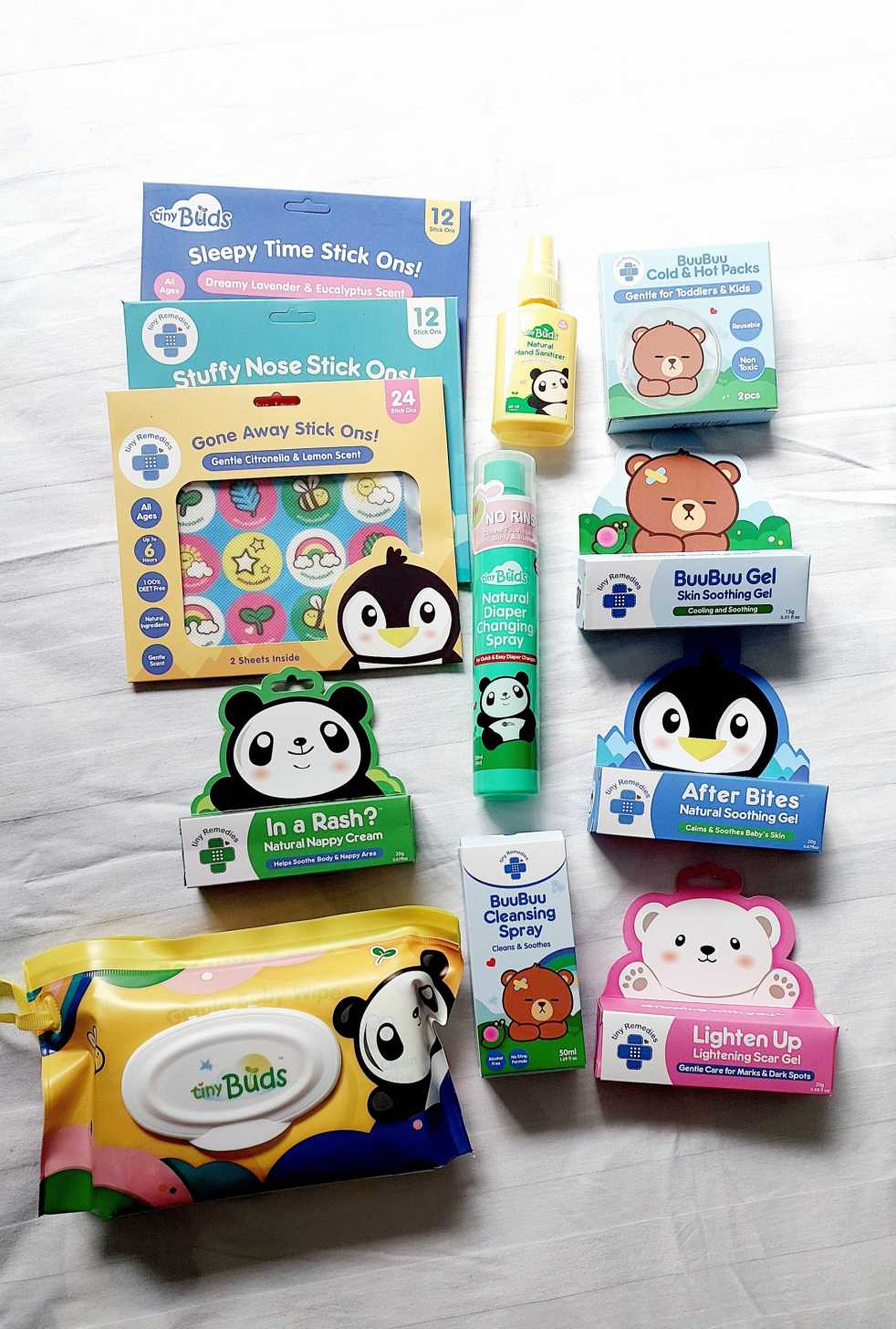
Your baby’s skin is more delicate than most, this is why you have to choose products that are designed for sensitive skin. Tiny Buds is a pioneer in integrating natural ingredients into baby care and today has over 50 innovative natural baby care essentials and is one of the Top Baby Personal Care brands. Here… Continue reading Product Review: Tiny Buds Baby Naturals Baby Essentials
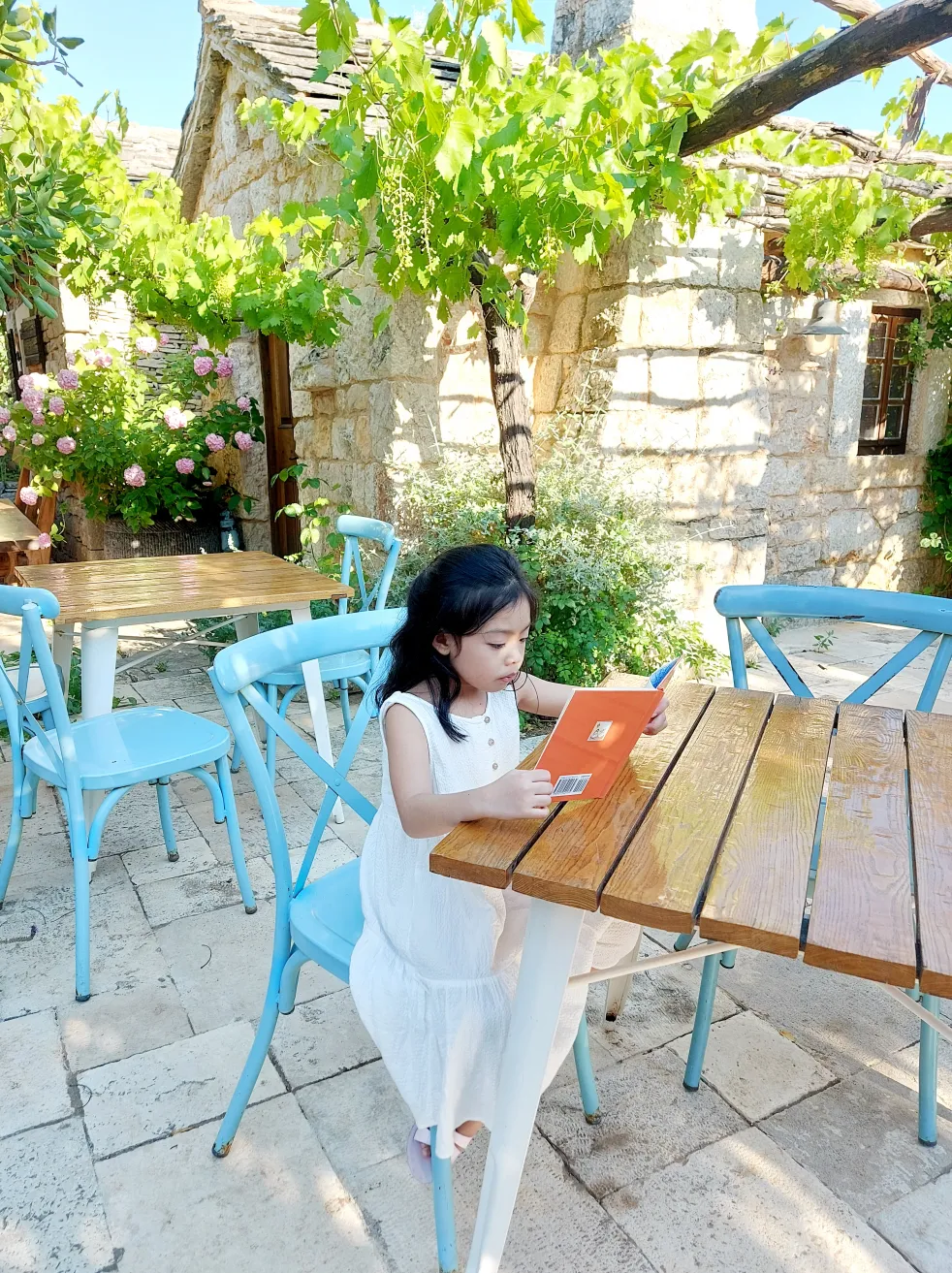
Where your child goes to school is a big decision and shouldn’t be taken lightly. Given how their education can impact their future, you might be tempted to take control and decide for them. However, you might be doing more damage than helping them in the long run. Your job as parents is to support… Continue reading HOW TO CHOOSE THE BEST SCHOOL FOR YOUR CHILD
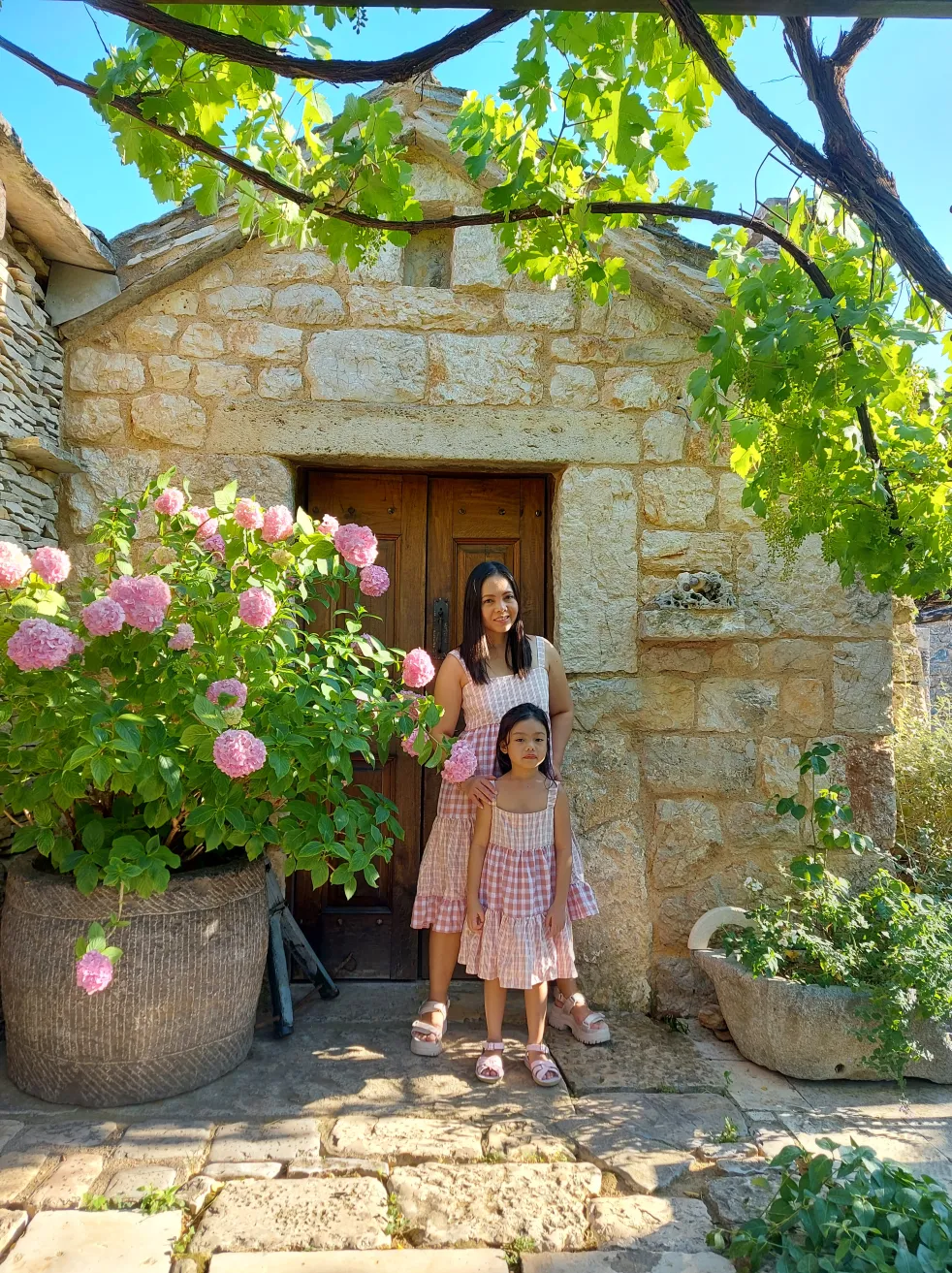
As poet and philosopher Rumi once eloquently said, “raise your words, not your voice. It is rain that grows flowers, not thunder.” Parenting is a challenging journey, and the truth is that nobody has everything figured out. One parenting style might suit others best, and some might favor other methods. However, children respond better to… Continue reading A SIMPLE GUIDE TO GENTLE PARENTING

Whether you’re a new mom to be, mom of a toddler, mom who have school-aged kids, you’re bound to have so many questions. Let's start with your baby's skin. Infant skin has unique needs; gentle care is essential to prevent damage to the skin barrier, which can lead to irritation. When caring for infant skin,… Continue reading Keeping Baby’s Diapered Skin Healthy
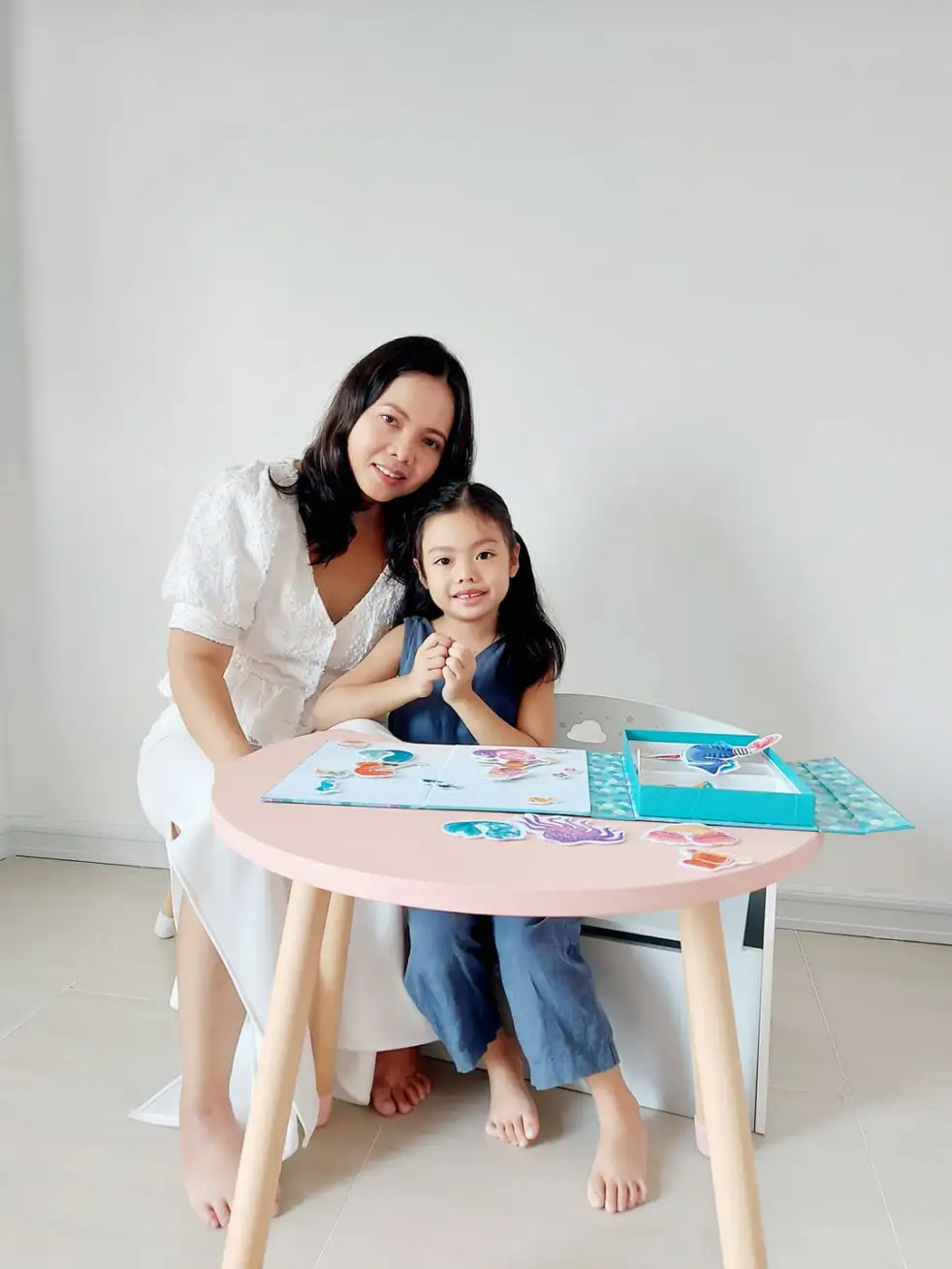
As parents, we want to give our child the best possible start in life and that begins with nurturing their intelligence. Throughout history, the notion of success has been linked to academic intelligence. However, there has been an increased awareness on the importance of emotional intelligence. This question gets at the heart of the never-ending… Continue reading IQ or EQ, which one is a better predictor of your child’s success?
 wondermomma.net