
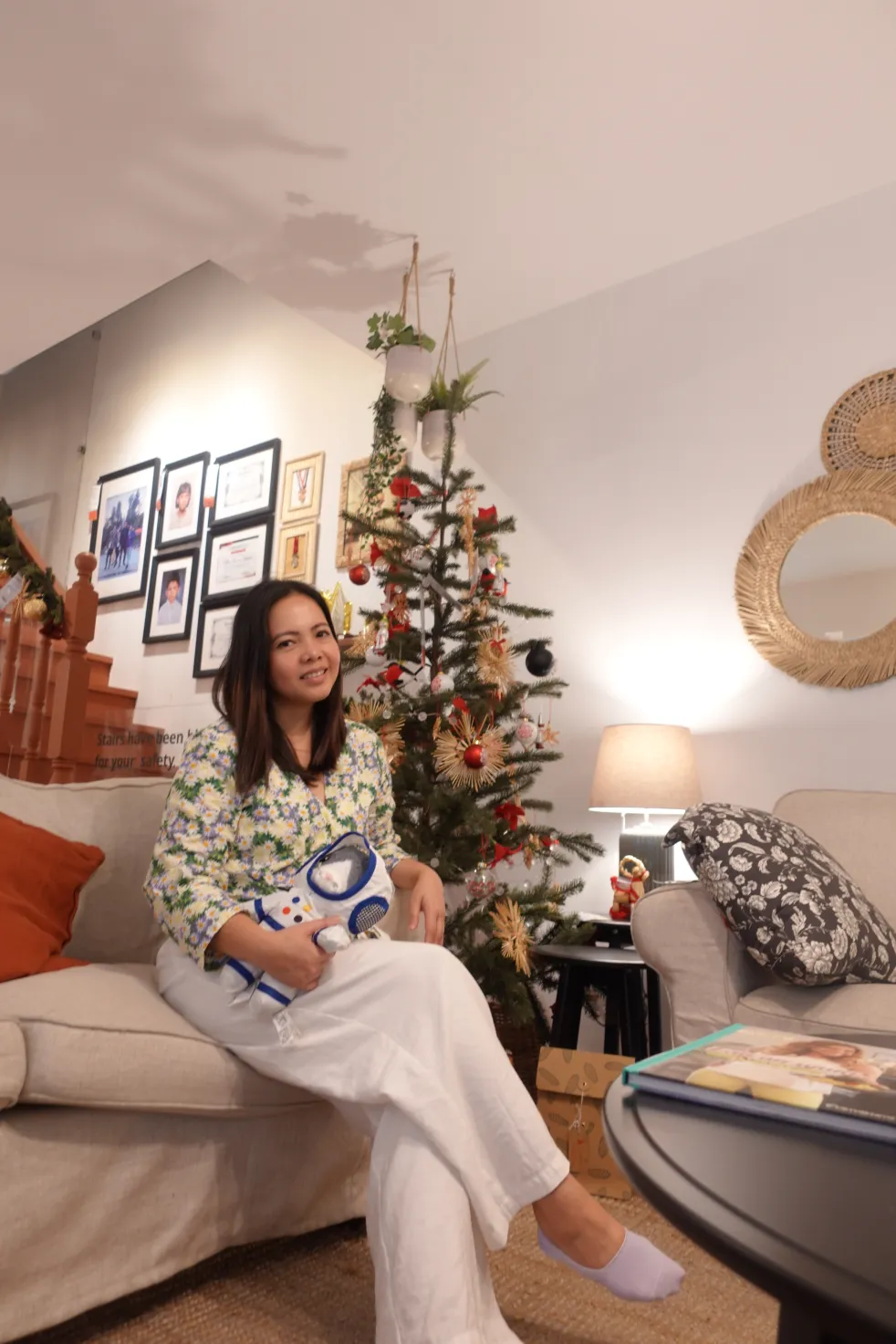
Last August, IKEA Philippines engaged with Better World Smokey Mountain, a newly opened community center operated by the San Miguel Foundation, which shares a similar goal of improving the lives of many Filipino people. Through this partnership, IKEA Philippines provided and assembled home furnishings for the classrooms and library of Better World Smokey Mountain community… Continue reading Help Create a Better World with IKEA Soft Toys
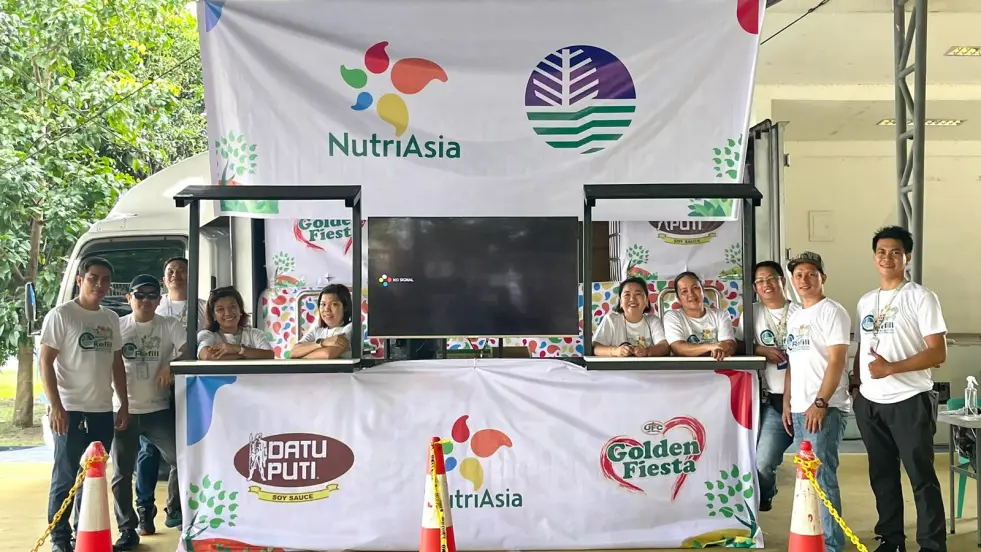
NutriAsia, the country’s top producer of condiments and sauces, continues its support of Refill Revolution; a project by the Department of Environment and Natural Resources EMB 3 that aims to help reduce Filipinos’ single-use plastics consumption. At Refill Revolution, residents get to recycle their single-use plastic bottles by reusing and filling it with their choice… Continue reading NutriAsia and DENR renews partnership for Refill Revolution

Potty Training in One Week: A Realistic Plan for Tired Parents
Many Australian parents hear about the "three-day method" and wonder whether a one-week timeline is genuinely achievable. The truth sits somewhere between the glossy social media claims and the long, drawn-out struggle often passed down through older relatives. Most toddlers between 22 and 36 months can pick up the basics of using the toilet within a week if they show clear readiness signs and the household is properly prepared. The catch is that "basics" does not mean "fully trained" — it means catching most needs, with accidents still part of the deal.
This guide draws on routines commonly followed in long day care centres across Sydney, Melbourne, and Brisbane, mixed with practical advice from maternal health nurses and paediatric occupational therapists. It also accounts for the realities of an Australian summer, beach weekends, and the early starts that come with kindergarten drop-off. The aim is to walk through a realistic plan that respects your child's pace while still giving you a clear roadmap for seven days.
Spotting Readiness Before You Start
A successful one-week potty training push begins before Day 1. The single biggest predictor of how the week will unfold is whether your toddler shows physical and emotional readiness. Common signs include staying dry for two-hour stretches during the day, showing curiosity when family members use the toilet, hiding to poo, and being able to pull pants up and down with minimal help. If your child is in the middle of a language explosion or starting at a new childcare centre in Brisbane, it is usually better to wait two or three weeks before kicking off.
Clear signs your toddler is ready
- Stays dry for two hours or more during the day
- Shows curiosity when you use the toilet
- Can pull pants up and down with little help
- Uses simple words for wee and poo
Parents in colder states like Melbourne and Tasmania often feel pressure to start during winter so children are out of nappies before summer, but this can backfire if the timing clashes with layers of clothing and slower laundry drying. Many maternal health nurses instead recommend starting during a stretch of mild weather — late spring in Perth or early autumn in Adelaide — so your child can run around the backyard in undies without overheating or freezing.
Stocking the Essentials Without Overspending
You do not need a trolley full of gadgets. A child-sized potty or a sturdy toilet seat insert, three to four pairs of training pants, and a waterproof mattress protector will cover most situations. Discount chains like Kmart, Big W, and Target Australia usually have a small but reliable range of potties for under $25, which keeps the experiment affordable if it takes longer than expected. A pack of cheap face washers also works well as a portable seat cover for public toilets at Westfield centres or the local library.
What you really need on Day 1
- A potty or toilet seat insert
- Three to four pairs of training pants
- A waterproof mattress protector
- Spare clothes stashed in every room
Stock the pantry with simple drinks and snacks that are gentle on little bladders. Diluted barley water, water from a sippy cup, and easy-to-digest fruit keep hydration steady without pushing your child toward constipation. For between-meal nibbles, healthy snacks for kids without sugar keep energy levels stable and reduce the sugary drinks that often make bladder control harder.
The Seven-Day Roadmap
Plan the week around a stretch when you can stay home or stay close to home. Avoid starting the night before a long-haul flight, a road trip to the Gold Coast, or a busy weekend with multiple social events. Most Australian families find that the days leading into a long weekend or the school holidays — when parents are off work — work best.
| Day | Focus | Your Role | What Success Looks Like |
|---|---|---|---|
| 1 | Introduction | Sit your child on the potty every 45–60 minutes, fully clothed at first | Child sits without fear and understands the seat is theirs |
| 2 | Bare bottom time | Remove the nappy indoors and watch for signals | At least one wee caught in the potty |
| 3 | Building the habit | Continue reminders and add a reward chart | Two or more catches and fewer surprise puddles |
| 4 | Going out | Short outings with a spare change of clothes | Child tells you before going at the park |
| 5 | Kindergarten-ready practice | Drop-off simulation and public toilet practice | Uses a different toilet at least once |
| 6 | Nappy-free sleep trial | One nap without a nappy | Dry nap or only a small wet patch |
| 7 | Reflection | Note what worked and what still trips your child up | Most wees caught, poos roughly consistent |
Keep language calm and matter-of-fact. Children pick up on stress faster than they pick up on instructions, and a relaxed tone makes the bathroom feel like a normal room rather than a stage.
Handling Accidents Without Losing Your Cool
Every toddler will wee on the floor at least once an hour during the first three days. Treat each puddle as information rather than failure. Comment simply — "Oh, the wee went on the floor. Next time we try the potty" — and avoid the older-school approach of shame, which research consistently links to slower progress and more bedwetting later. Keep a small cleaning kit in each bathroom: paper towel, a spray bottle of white vinegar and water, and a spare set of clothes for your child.
If you are sharing the load with a partner, agree on a handover time. Many couples in dual-income households across Sydney and Canberra use a 6 pm shift, when the parent coming home takes over bathroom duty so the one who has been on the floor all day can cook dinner or simply sit down. Childcare educators also flag that children who are potty trained at home often regress slightly in the first two weeks at daycare, simply because the room is louder and the routine unfamiliar. Reassure educators that the regression is normal and ask them to follow your home script as closely as possible.
Night-Time, Naps, and Travel Days
Daytime control almost always arrives before night-time control, and a week-long plan should not promise both. Plan to keep a nappy on for sleeps and overnight for at least another two to three months. Lifting your child for a quiet wee before you go to bed is the standard Australian approach, often taught at first-time-parent groups run through local councils in areas like Parramatta, Geelong, and the Sunshine Coast. Limit drinks in the hour before bed, and skip the post-bath milk top-up once your child is genuinely thirsty, not just asking out of habit.
Travel days complicate things. A portable potty that folds into a tote bag, a roll of puppy training pads for car seats, and a small plastic bag for soiled clothes make the difference between a manageable road trip and a nightmare one. On flights within Australia, pack two changes of clothes in your carry-on and accept that your child may simply hold on for the duration — most do.
What Comes After the First Week
By the end of seven days, most children are catching around 80 percent of their daytime needs and wearing undies for short outings. The following two weeks are about consolidation. Continue offering the potty after meals, before sleep, and any time your child does the "potty dance" — suddenly stopping mid-play, holding the crotch, or squatting. Praise effort rather than results; a child who tries and misses is closer to success than one who has lost interest.
Expect a wobble when your child starts at kindy, comes down with a cold, or visits a relative's house without a familiar potty. These regressions are temporary. Keep the language the same, keep the routine the same, and resist the urge to go back to pull-ups for more than a few days at a time. Within a month, the nappy bin in your laundry will sit empty most weeks, and the high chair strap will stop smelling faintly of pee. That quiet milestone often arrives without fanfare, which is exactly how most parents say they prefer it.

Mercato Centrale, in collaboration with Indian Women in Enterprise Philippines (I-We), is set to host "The Great Indian Fiesta" to mark 75 years of friendship between India and the Philippines. The dynamic two-day event is scheduled to take place on September 30 to October 1, 2023, at Paseo De Roxas Street, Makati City. Aiming to… Continue reading Mercato Centrale Partners with I-We to Host ‘The Great Indian Fiesta’, Commemorating 75 Years of India-Philippines Friendship

My stomach would usually start growling at 10 am even after taking a big breakfast. This is probably because I am a morning person and I move a lot throughout the day hence snacking is something that I can't avoid. This potatoes and chicken wrap recipe is easy to prepare and would keep me full… Continue reading Potato and Chicken Wrap
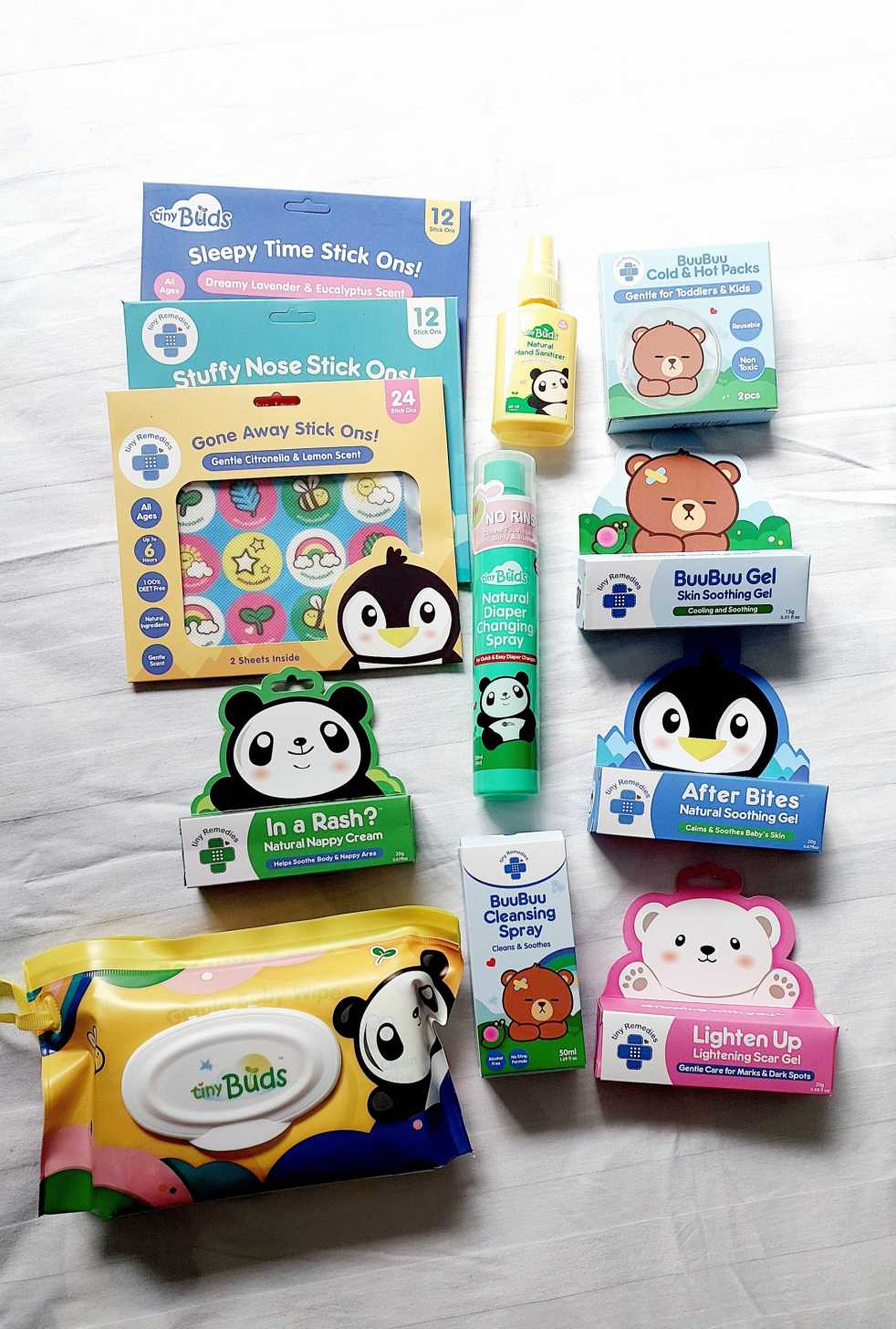
Your baby’s skin is more delicate than most, this is why you have to choose products that are designed for sensitive skin. Tiny Buds is a pioneer in integrating natural ingredients into baby care and today has over 50 innovative natural baby care essentials and is one of the Top Baby Personal Care brands. Here… Continue reading Product Review: Tiny Buds Baby Naturals Baby Essentials
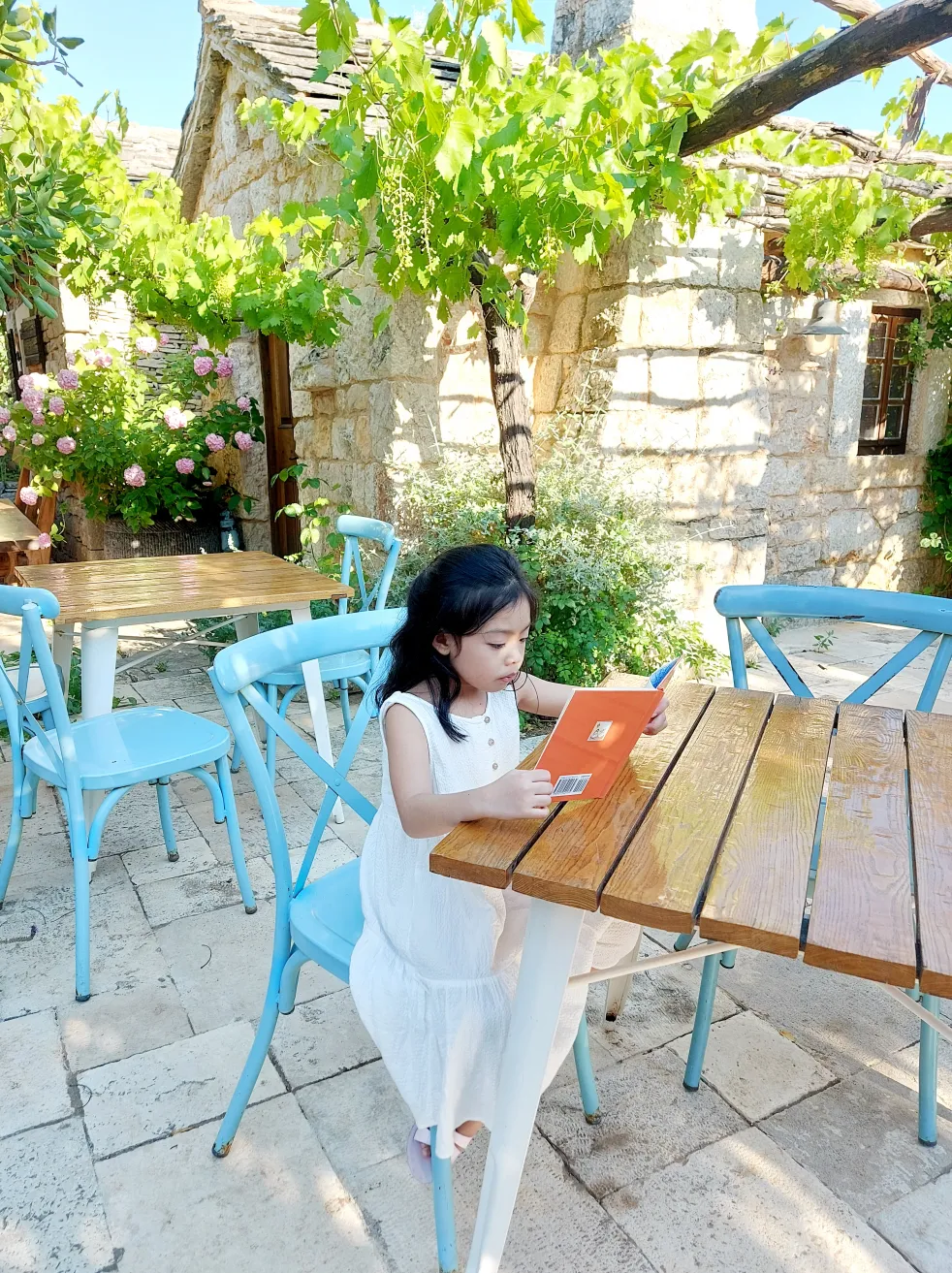
Where your child goes to school is a big decision and shouldn’t be taken lightly. Given how their education can impact their future, you might be tempted to take control and decide for them. However, you might be doing more damage than helping them in the long run. Your job as parents is to support… Continue reading HOW TO CHOOSE THE BEST SCHOOL FOR YOUR CHILD
As poet and philosopher Rumi once eloquently said, “raise your words, not your voice. It is rain that grows flowers, not thunder.” Parenting is a challenging journey, and the truth is that nobody has everything figured out. One parenting style might suit others best, and some might favor other methods. However, children respond better to… Continue reading A SIMPLE GUIDE TO GENTLE PARENTING

Whether you’re a new mom to be, mom of a toddler, mom who have school-aged kids, you’re bound to have so many questions. Let's start with your baby's skin. Infant skin has unique needs; gentle care is essential to prevent damage to the skin barrier, which can lead to irritation. When caring for infant skin,… Continue reading Keeping Baby’s Diapered Skin Healthy
As parents, we want to give our child the best possible start in life and that begins with nurturing their intelligence. Throughout history, the notion of success has been linked to academic intelligence. However, there has been an increased awareness on the importance of emotional intelligence. This question gets at the heart of the never-ending… Continue reading IQ or EQ, which one is a better predictor of your child’s success?
 wondermomma.net