

Last August, IKEA Philippines engaged with Better World Smokey Mountain, a newly opened community center operated by the San Miguel Foundation, which shares a similar goal of improving the lives of many Filipino people. Through this partnership, IKEA Philippines provided and assembled home furnishings for the classrooms and library of Better World Smokey Mountain community… Continue reading Help Create a Better World with IKEA Soft Toys

NutriAsia, the country’s top producer of condiments and sauces, continues its support of Refill Revolution; a project by the Department of Environment and Natural Resources EMB 3 that aims to help reduce Filipinos’ single-use plastics consumption. At Refill Revolution, residents get to recycle their single-use plastic bottles by reusing and filling it with their choice… Continue reading NutriAsia and DENR renews partnership for Refill Revolution

How to Play with Your Newborn: Simple Bonding Activities
Newborns do not need elaborate toys or structured entertainment. Their favorite playthings are usually a familiar face, a calm voice, a warm cuddle, and the steady reassurance of a responsive parent. At this age, play is less about keeping a baby busy and more about helping them feel safe while their senses and relationships begin to develop.
Short, gentle moments throughout the day can support early communication, emotional security, movement, and sensory awareness. A few minutes of singing after a diaper change, looking into your baby’s eyes during feeding, or holding them close during skin-to-skin contact can become meaningful bonding activities.
Every newborn has a different temperament. Some babies enjoy lively interaction, while others need quiet pauses and plenty of sleep. Following your baby’s cues is more important than completing a particular activity or keeping to a strict schedule.
What Newborn Play Really Looks Like
During the first weeks, babies spend much of their time sleeping, feeding, and adjusting to life outside the womb. Their vision is still developing, so they see best at close range, roughly the distance between your face and theirs during a cuddle. High-contrast shapes, slow movements, and familiar voices are easier for them to notice than busy surroundings.
Play may last only a few minutes. A baby might look at your face, move their arms, make a small sound, or briefly focus on a picture. These responses are signs of participation, even when they seem subtle. Repeating a simple activity gives your baby time to become familiar with your voice, expressions, and touch.
Choose moments when your newborn is calm and alert, such as after a feed and burp or after waking from a nap. Avoid starting active play when the baby is hungry, overtired, uncomfortable, or immediately after a full feed. A quiet cuddle is still a successful bonding experience.
Face-to-Face Connection
Holding your newborn close and talking softly is one of the easiest ways to encourage early social development. Use a warm, expressive voice while describing what you are doing: “We are putting on your clean shirt,” or “I’m here with you.” Your baby may not understand the words, but they are learning the rhythm, pitch, and emotional tone of language.
Try slowly moving your face from one side to the other while staying within your baby’s comfortable viewing distance. Pause often so your newborn can look, rest, and respond. Smiling, raising your eyebrows, and gently sticking out your tongue may invite your baby to study your expressions.
Singing works just as well as talking. A lullaby, a family song, or a simple repeated tune can become a soothing part of your routine. Babies often respond to repetition, so you do not need a large collection of songs. The sound of a familiar caregiver is what makes the activity special.
Gentle Touch And Movement
Skin-to-skin contact can be calming for both parent and baby. Place your newborn, wearing only a diaper, against your bare chest while you are awake and fully supported. Cover the baby’s back with a light blanket if needed, keep the face visible, and make sure the nose and mouth remain clear. This quiet time can support closeness and help a baby settle.
You can also offer a gentle hand or foot massage when your newborn is calm. Warm your hands first and use slow, light strokes over the arms, legs, or back. Avoid massaging broken, irritated, or freshly treated skin. If you use a product, choose one made for babies, fragrance-free, and patch-tested according to pediatric guidance; plain touch is perfectly enough.
Slow rocking, carrying, or swaying can become a form of movement play. Keep your baby’s head and neck supported, especially during the early weeks. Never shake, bounce forcefully, toss, or make sudden movements. Gentle movement should leave your baby relaxed rather than startled.
| Bonding activity | Good time to try it | What your baby may do | When to pause |
|---|---|---|---|
| Face-to-face talking | During a calm alert period | Looks at you, moves arms, makes sounds | Turns away, fusses, or becomes still |
| Skin-to-skin cuddling | After feeding and burping, while you are awake | Relaxes, settles, or rests quietly | Feels hot, uncomfortable, or unusually sleepy |
| Short tummy time | When awake and supervised | Lifts or turns the head briefly | Cries persistently or struggles to breathe comfortably |
| Singing or reading | During a quiet routine | Listens, watches your face, or quiets | Becomes overstimulated or looks away |
| Gentle massage | After a bath or diaper change | Opens hands, relaxes, or stretches | Skin reddens or baby resists touch |
First Sensory Games
Tummy time is an important early activity because it gives babies practice lifting and turning their heads while strengthening the muscles needed for future movement. Begin with very short sessions on a firm, flat surface while your newborn is awake and supervised. You can place your face near the baby, use your voice for encouragement, or try tummy time across your chest while you are fully awake.
A newborn may tolerate only a minute or two at first. Several brief sessions can be more comfortable than one long attempt. Stop when your baby becomes distressed, and try again later. Tummy time is for awake play only; babies should always be placed on their backs for sleep.
Simple visual play can involve a black-and-white card, a plain household object, or a soft cloth with a clear pattern. Hold it still at a comfortable distance, then move it slowly. Give your baby plenty of time to look. There is no need for flashing lights, noisy electronic toys, or screens, which can be overwhelming and do not replace human interaction.
Stories, Songs, And Everyday Conversation
Reading to a newborn supports bonding even when the baby cannot follow a story. Choose a board book with bold pictures, a family photo book, or any short children’s story. Hold the book close enough for your baby to see and let your voice carry the activity. You can read the same book repeatedly because the sound of your voice and the predictable rhythm are reassuring.
Nursery rhymes can become playful during diaper changes, bathing, or dressing. Pair a gentle song with slow movements, such as opening and closing your baby’s hands or moving their legs like a soft bicycle. Keep the movement comfortable and never force a joint or pull on a limb.
Everyday conversation is valuable too. Talk during household routines, name body parts while dressing, or describe the weather during a walk. In a busy family home, older siblings can speak or sing to the baby while an adult supervises. This helps build familiarity and gives siblings a positive role in welcoming the newest family member.
Reading Your Baby’s Signals
Newborns communicate through body movements, facial expressions, sounds, and changes in attention. A baby who is ready for interaction may have relaxed hands, bright eyes, a quiet body, or a steady gaze. Small coos, smiles, and arm movements can also show interest, although newborn smiles are not always intentional social smiles yet.
Signs of overstimulation include turning the head away, spreading the fingers, hiccupping, stiffening, frowning, yawning, or becoming fussy. A baby who suddenly becomes very quiet may also need a break. Reduce noise and movement, hold your newborn close, or allow them to rest.
Bonding does not require constant entertainment. Feeding, burping, bathing, changing clothes, and settling for sleep all offer chances to respond warmly. When a caregiver notices a cue and answers calmly, the baby begins to build trust in the people and environment around them.
Create A Calm Daily Rhythm
A flexible rhythm can help families include connection without making newborn play feel like another task. Consider weaving small activities into routines that already happen several times a day:
- Spend a few quiet minutes making eye contact during a feed or after burping.
- Add one short tummy-time session when your baby is awake and comfortable.
- Sing the same calming song before a nap, bath, or evening cuddle.
- Let another trusted caregiver or sibling share supervised talking and reading time.
- Keep a favorite high-contrast card or cloth nearby for brief, face-to-face visual play.
In warm or humid weather, dress your baby lightly for cuddles and check for signs of overheating. During outdoor time, use shade and age-appropriate sun protection advice from your healthcare provider. Keep newborns away from smoke, strong fragrances, and crowded spaces when they are still adjusting.
If your baby consistently avoids eye contact, does not respond to loud sounds, seems unusually floppy or difficult to wake, or struggles during feeding, mention your observations to a pediatrician. Early guidance can reassure parents and help identify support when needed.
Let Small Moments Lead The Way
The most meaningful newborn activities are often the simplest: holding your baby close, answering a cry, singing during a diaper change, or resting together after a feed. These repeated moments teach your newborn that care is dependable and that their signals matter.
Choose one gentle activity today and give it your full attention for a few minutes. Put the phone aside, watch your baby’s cues, and stop whenever they need rest. With patience and consistency, ordinary family routines can become the foundation of a strong, loving bond.

Mercato Centrale, in collaboration with Indian Women in Enterprise Philippines (I-We), is set to host "The Great Indian Fiesta" to mark 75 years of friendship between India and the Philippines. The dynamic two-day event is scheduled to take place on September 30 to October 1, 2023, at Paseo De Roxas Street, Makati City. Aiming to… Continue reading Mercato Centrale Partners with I-We to Host ‘The Great Indian Fiesta’, Commemorating 75 Years of India-Philippines Friendship

My stomach would usually start growling at 10 am even after taking a big breakfast. This is probably because I am a morning person and I move a lot throughout the day hence snacking is something that I can't avoid. This potatoes and chicken wrap recipe is easy to prepare and would keep me full… Continue reading Potato and Chicken Wrap
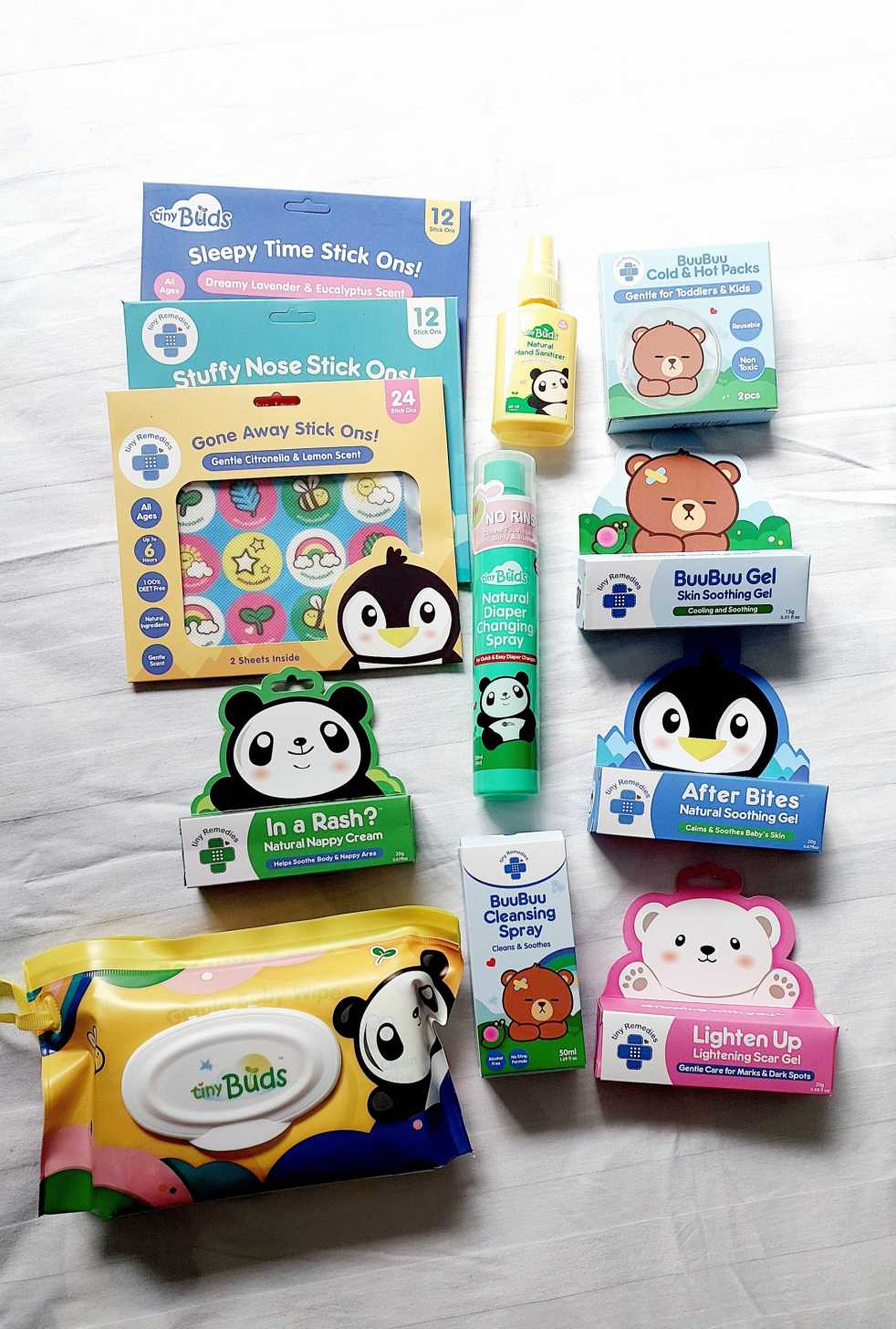
Your baby’s skin is more delicate than most, this is why you have to choose products that are designed for sensitive skin. Tiny Buds is a pioneer in integrating natural ingredients into baby care and today has over 50 innovative natural baby care essentials and is one of the Top Baby Personal Care brands. Here… Continue reading Product Review: Tiny Buds Baby Naturals Baby Essentials
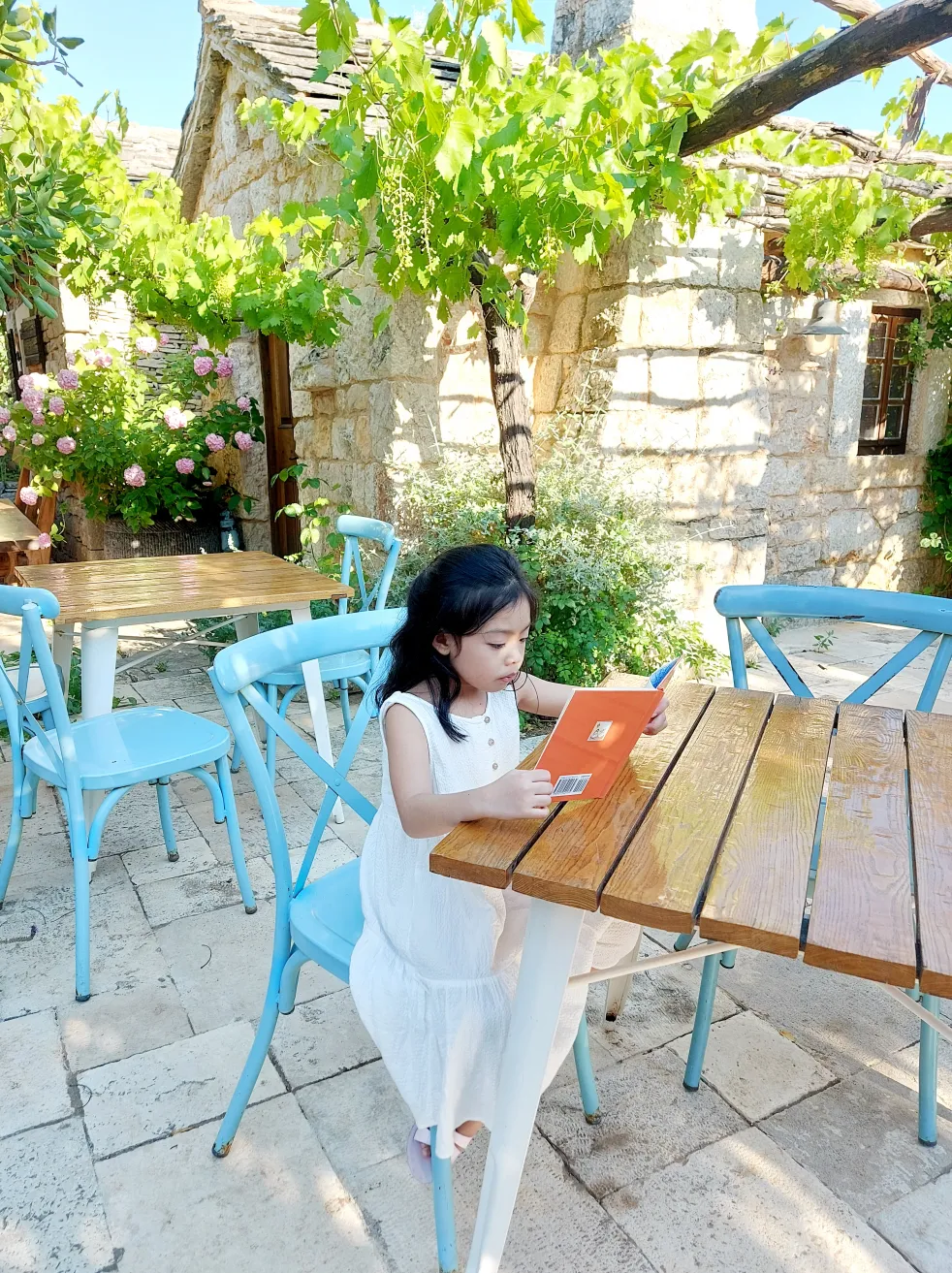
Where your child goes to school is a big decision and shouldn’t be taken lightly. Given how their education can impact their future, you might be tempted to take control and decide for them. However, you might be doing more damage than helping them in the long run. Your job as parents is to support… Continue reading HOW TO CHOOSE THE BEST SCHOOL FOR YOUR CHILD

As poet and philosopher Rumi once eloquently said, “raise your words, not your voice. It is rain that grows flowers, not thunder.” Parenting is a challenging journey, and the truth is that nobody has everything figured out. One parenting style might suit others best, and some might favor other methods. However, children respond better to… Continue reading A SIMPLE GUIDE TO GENTLE PARENTING

Whether you’re a new mom to be, mom of a toddler, mom who have school-aged kids, you’re bound to have so many questions. Let's start with your baby's skin. Infant skin has unique needs; gentle care is essential to prevent damage to the skin barrier, which can lead to irritation. When caring for infant skin,… Continue reading Keeping Baby’s Diapered Skin Healthy
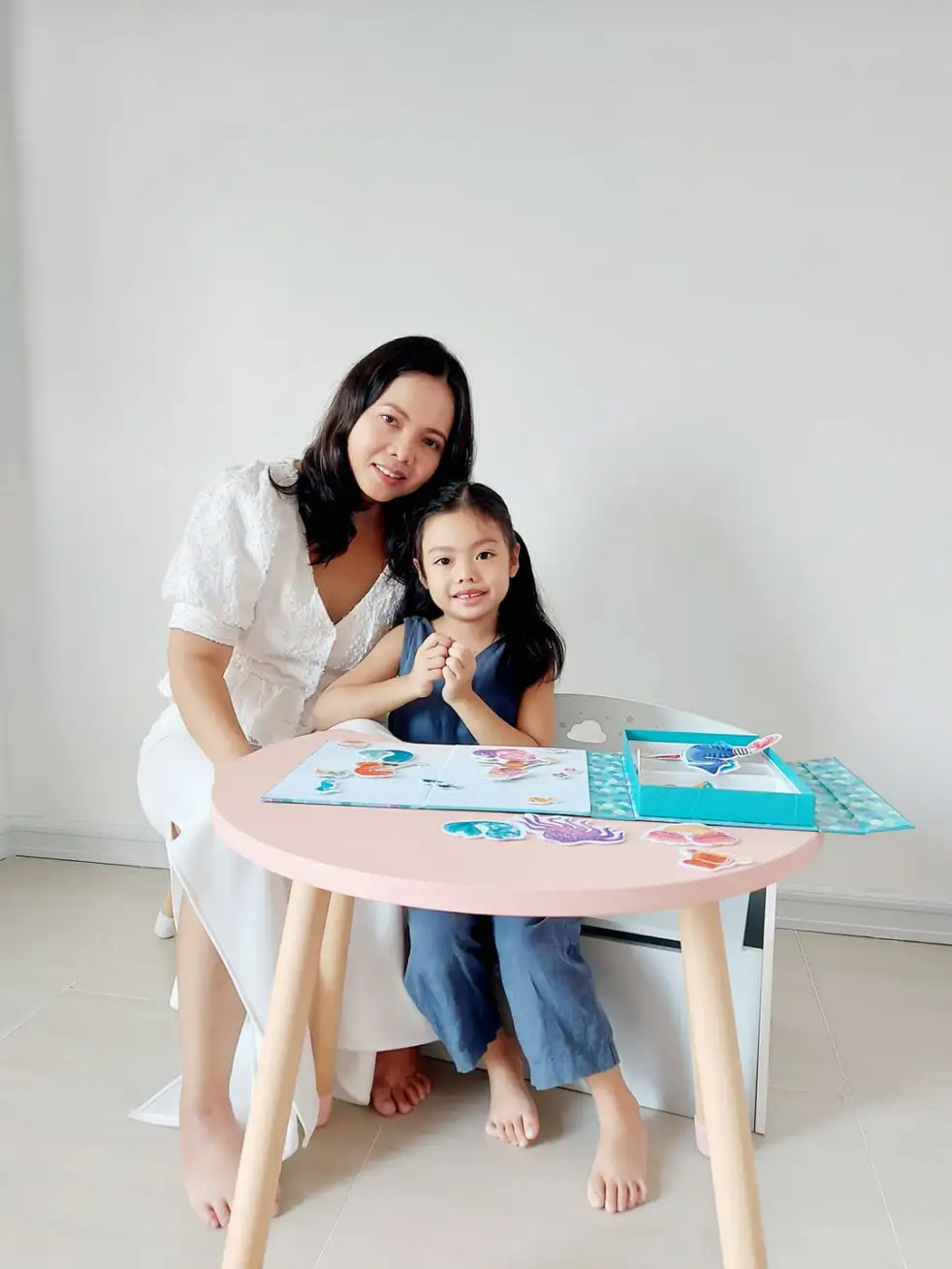
As parents, we want to give our child the best possible start in life and that begins with nurturing their intelligence. Throughout history, the notion of success has been linked to academic intelligence. However, there has been an increased awareness on the importance of emotional intelligence. This question gets at the heart of the never-ending… Continue reading IQ or EQ, which one is a better predictor of your child’s success?
 wondermomma.net