

Last August, IKEA Philippines engaged with Better World Smokey Mountain, a newly opened community center operated by the San Miguel Foundation, which shares a similar goal of improving the lives of many Filipino people. Through this partnership, IKEA Philippines provided and assembled home furnishings for the classrooms and library of Better World Smokey Mountain community… Continue reading Help Create a Better World with IKEA Soft Toys

NutriAsia, the country’s top producer of condiments and sauces, continues its support of Refill Revolution; a project by the Department of Environment and Natural Resources EMB 3 that aims to help reduce Filipinos’ single-use plastics consumption. At Refill Revolution, residents get to recycle their single-use plastic bottles by reusing and filling it with their choice… Continue reading NutriAsia and DENR renews partnership for Refill Revolution
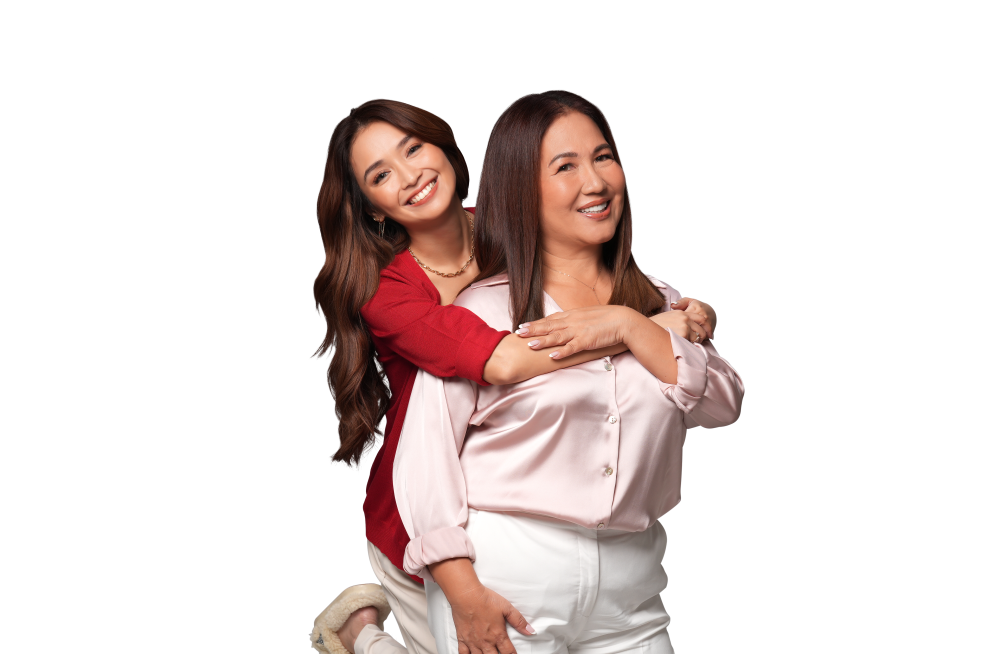
How to Manage Postpartum Hair Loss Naturally
Finding extra hair on your pillow, in the shower drain or wrapped around your baby’s fingers can be unsettling. Postpartum hair shedding is common, though, and usually reflects the normal changes that happen after pregnancy rather than permanent hair loss. Many mothers notice it between two and five months after birth, when pregnancy hormones begin to settle.
During pregnancy, higher oestrogen levels keep more hairs in the active growth phase. After delivery, those hairs gradually enter the resting phase and shed together. This process is called postpartum telogen effluvium. It can be especially noticeable when you are already tired, breastfeeding, recovering from birth and adjusting to life with a newborn.
Natural care focuses on supporting your body, protecting the hair you still have and allowing time for the growth cycle to reset. A gentle routine can help reduce breakage and scalp irritation, while balanced nutrition and appropriate medical advice address problems that may be contributing to excessive shedding.
Understand what your hair is doing
Postpartum shedding often looks dramatic because several months’ worth of retained hair can fall over a shorter period. You may see more hair when washing or brushing, yet still have an even amount of hair across your scalp. Short new hairs around the hairline are often a sign that regrowth has started.
The shedding phase commonly improves within three to six months, although overall thickness can take close to a year to feel normal. Hair growth is gradual, so a few fine strands at the temples do not mean that your routine is failing. Changes can last longer after a difficult pregnancy, a caesarean birth, significant blood loss, thyroid problems or ongoing stress.
Contact your GP if you develop clearly defined bald patches, a painful or scaly scalp, intense itching, redness, or sudden loss of eyebrows and eyelashes. Medical assessment is also sensible if shedding continues beyond six months without improvement or comes with fatigue, dizziness, palpitations, unexplained weight changes or feeling unusually cold.
Build nutrition around recovery
Hair is made from protein, and your body needs nutrients for wound healing, milk production and everyday recovery before it can prioritise new growth. Include protein at regular meals through eggs, fish, chicken, tofu, beans, lentils, yoghurt or lean meat. A breakfast of eggs on wholegrain toast, for example, can be more useful than relying on a hair-focused drink.
Iron deficiency is worth discussing with your GP, particularly after heavy bleeding during birth. Iron-rich foods include red meat, legumes, spinach and fortified cereals. Pairing plant sources with vitamin C from capsicum, kiwifruit, citrus or tomatoes helps your body absorb iron. Do not begin high-dose iron or other supplements without a blood test and professional advice.
Australian mothers can ask their GP about checking ferritin, thyroid function, vitamin B12 and vitamin D when symptoms suggest a deficiency. Pregnancy or breastfeeding supplements may be appropriate for some people, but formulas vary. A product from an Australian pharmacy, supermarket or online retailer is not automatically suitable simply because it is marketed as “natural”.
Keep washing and styling gentle
Washing does not cause postpartum hair loss. It removes hairs that have already finished their growth cycle. Cleanse the scalp as often as needed for comfort, especially in warm weather or after exercise. A mild shampoo and lukewarm water can reduce dryness, while conditioner applied to the lengths helps limit tangles and snapping.
Use a wide-tooth comb, begin at the ends and work upwards, and blot rather than rub wet hair with a soft towel. Avoid tight ponytails, braids and buns because constant pulling can cause traction-related thinning. Loose clips, fabric-covered elastics and a relaxed hairstyle are kinder options during the shedding period.
Heat styling, bleaching and chemical straightening can make fragile strands break more easily. Let hair dry partially before using a hairdryer, choose a low or medium setting and keep the appliance moving. In Australia, a hat or scarf can protect exposed hair and scalp from strong summer sun, particularly during walks in Brisbane, Perth or coastal areas.
Choose natural treatments carefully
Scalp massage may feel soothing and can help you spend a few quiet minutes caring for yourself. Use the pads of your fingers, not your nails, and apply light pressure for three to five minutes while shampooing or before bed. Massage will not override hormonal shedding, but it can support relaxation and help distribute natural oils along the hair.
Coconut, jojoba or olive oil may reduce friction on dry hair lengths when used sparingly as a pre-wash treatment. Patch-test any product first, keep oils away from a baby’s hands and mouth, and wash them out thoroughly. Essential oils require extra caution: they can irritate sensitive skin, trigger allergies and may be unsafe around infants. Never apply concentrated essential oils to the scalp without qualified guidance.
Be sceptical of supplements, gummies and topical serums promising rapid regrowth. Biotin is unlikely to help if you are not deficient and can interfere with some blood test results. Minoxidil and other active treatments should be discussed with a doctor, especially while breastfeeding. “Herbal” does not always mean risk-free, and Australian product claims can differ between cosmetics, complementary medicines and medicines regulated by the TGA.
Protect your scalp and your wellbeing
A healthy scalp benefits from simple habits: rinse away sweat, avoid scratching, and stop using a product that causes burning or persistent flaking. Dandruff or dermatitis can increase irritation and breakage, so a pharmacist or GP can recommend a suitable treatment. Avoid applying kitchen ingredients such as undiluted apple cider vinegar, onion juice or raw egg, which may irritate skin and create hygiene problems.
Sleep deprivation and emotional strain do not mean you are causing the shedding. Still, ongoing stress can affect the hair cycle and make recovery feel harder. Accept practical help with meals, housework or baby care where possible. A short walk, a nourishing snack and a regular shower are realistic forms of self-care in the early weeks.
If hair loss is affecting your confidence, mention it during a postnatal appointment rather than waiting until it feels overwhelming. Australian maternal and child health nurses, including services attached to local councils in Melbourne, Sydney and other communities, can provide practical support and direct you to a GP or dietitian. A referral may be useful when hair changes appear alongside low mood or anxiety.
Create a manageable hair-care plan
The most helpful routine is one you can maintain when your baby’s sleep is unpredictable. Wash according to your scalp’s needs, detangle gently, eat regular meals and take photographs once a month rather than inspecting the hairline every day. Monthly photos in similar lighting make gradual improvement easier to recognise.
Before buying a product, consider whether it addresses a real need. A gentle shampoo may improve comfort, but it cannot stop a hormone-related shed. A nourishing meal may support recovery, while an expensive supplement may add little if your nutrient levels are adequate. The guide below separates sensible supportive choices from options that need extra care.
| Option | Potential role | Sensible approach after birth |
|---|---|---|
| Gentle shampoo and conditioner | Reduces dryness, tangling and breakage | Choose a simple formula and wash as needed |
| Wide-tooth comb and loose styles | Limits pulling and mechanical damage | Detangle from the ends and avoid tight elastics |
| Protein- and iron-rich foods | Supports general recovery and hair production | Include varied foods; test for deficiency before supplementing |
| Light scalp massage | May feel relaxing and reduce friction during washing | Use clean fingers and stop if the scalp becomes sore |
| Coconut or jojoba oil | Can soften dry lengths | Patch-test, use sparingly and keep away from the baby |
| Essential oils and “regrowth” blends | Evidence and safety vary | Avoid concentrated use without professional advice |
| High-dose hair supplements | May be unnecessary or interfere with tests | Discuss ingredients with a GP or pharmacist |
Hair usually regains its normal rhythm with time, nutrition and low-tension care. If the pattern looks unusual, your health is deteriorating or shedding remains intense, a clinical check is more useful than adding another product. A GP can look for iron deficiency, thyroid changes and other treatable causes while helping you choose safe options for your stage of postpartum recovery.

Mercato Centrale, in collaboration with Indian Women in Enterprise Philippines (I-We), is set to host "The Great Indian Fiesta" to mark 75 years of friendship between India and the Philippines. The dynamic two-day event is scheduled to take place on September 30 to October 1, 2023, at Paseo De Roxas Street, Makati City. Aiming to… Continue reading Mercato Centrale Partners with I-We to Host ‘The Great Indian Fiesta’, Commemorating 75 Years of India-Philippines Friendship

My stomach would usually start growling at 10 am even after taking a big breakfast. This is probably because I am a morning person and I move a lot throughout the day hence snacking is something that I can't avoid. This potatoes and chicken wrap recipe is easy to prepare and would keep me full… Continue reading Potato and Chicken Wrap
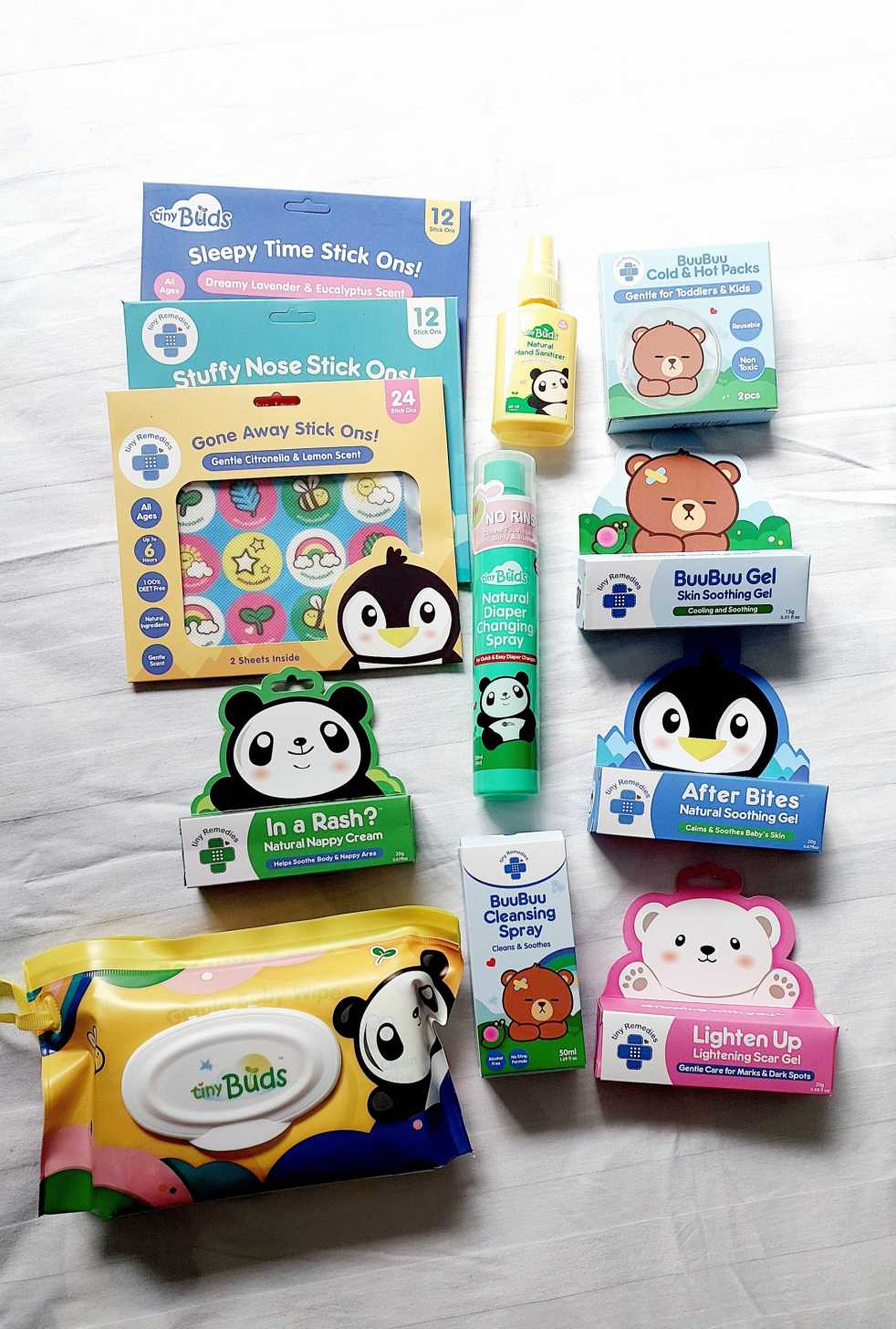
Your baby’s skin is more delicate than most, this is why you have to choose products that are designed for sensitive skin. Tiny Buds is a pioneer in integrating natural ingredients into baby care and today has over 50 innovative natural baby care essentials and is one of the Top Baby Personal Care brands. Here… Continue reading Product Review: Tiny Buds Baby Naturals Baby Essentials
Where your child goes to school is a big decision and shouldn’t be taken lightly. Given how their education can impact their future, you might be tempted to take control and decide for them. However, you might be doing more damage than helping them in the long run. Your job as parents is to support… Continue reading HOW TO CHOOSE THE BEST SCHOOL FOR YOUR CHILD
As poet and philosopher Rumi once eloquently said, “raise your words, not your voice. It is rain that grows flowers, not thunder.” Parenting is a challenging journey, and the truth is that nobody has everything figured out. One parenting style might suit others best, and some might favor other methods. However, children respond better to… Continue reading A SIMPLE GUIDE TO GENTLE PARENTING

Whether you’re a new mom to be, mom of a toddler, mom who have school-aged kids, you’re bound to have so many questions. Let's start with your baby's skin. Infant skin has unique needs; gentle care is essential to prevent damage to the skin barrier, which can lead to irritation. When caring for infant skin,… Continue reading Keeping Baby’s Diapered Skin Healthy

As parents, we want to give our child the best possible start in life and that begins with nurturing their intelligence. Throughout history, the notion of success has been linked to academic intelligence. However, there has been an increased awareness on the importance of emotional intelligence. This question gets at the heart of the never-ending… Continue reading IQ or EQ, which one is a better predictor of your child’s success?
 wondermomma.net