

Last August, IKEA Philippines engaged with Better World Smokey Mountain, a newly opened community center operated by the San Miguel Foundation, which shares a similar goal of improving the lives of many Filipino people. Through this partnership, IKEA Philippines provided and assembled home furnishings for the classrooms and library of Better World Smokey Mountain community… Continue reading Help Create a Better World with IKEA Soft Toys

NutriAsia, the country’s top producer of condiments and sauces, continues its support of Refill Revolution; a project by the Department of Environment and Natural Resources EMB 3 that aims to help reduce Filipinos’ single-use plastics consumption. At Refill Revolution, residents get to recycle their single-use plastic bottles by reusing and filling it with their choice… Continue reading NutriAsia and DENR renews partnership for Refill Revolution

How to Manage Your Child’s Screen Time Without Constant Battles
Screens are woven into family life. Children use them for schoolwork, cartoons, games, video calls, and creative activities, while parents often rely on devices to finish chores or take a short break. The difficulty begins when a reasonable amount of media turns into repeated requests, hidden devices, tears, or angry arguments about switching off.
A calmer approach does not depend on finding one perfect daily limit. It comes from creating predictable boundaries, choosing suitable content, preparing children for transitions, and staying connected when they feel disappointed. Screen time works best as one part of a balanced routine that also includes sleep, movement, play, learning, and family conversation.
For practical ideas about family life, child development, and everyday parenting, family parenting resources can provide useful support alongside your own observations of what works at home.
Understand What Is Driving The Conflict
A child may resist turning off a device because the activity is genuinely absorbing, because they are tired, or because the screen has become their easiest way to relax. Young children also have limited impulse control. They can understand a rule and still struggle to stop when a favorite show or game ends.
Look beyond the behavior before deciding how to respond. A child who asks for “five more minutes” every evening may need a more predictable bedtime routine. A child who becomes distressed after fast-paced videos may be overstimulated. A child who only argues during transitions may need advance warnings and a clearer stopping point.
It also helps to examine adult habits without guilt. If a phone is always present during meals or family conversations, children receive a mixed message about digital boundaries. Modeling intentional device use makes screen rules feel like a family practice rather than a punishment aimed only at children.
Set Limits Children Can Understand
Rules are easier to follow when they are specific. “Use your tablet less” leaves room for negotiation, while “One episode after homework, then the tablet rests on the shelf” gives a child a clear sequence. Keep the number of rules small enough to remember and repeat them calmly.
A useful family agreement may cover when screens are available, where devices are used, what content is allowed, and what happens when time ends. For example, devices might stay out of bedrooms at night, games may be played only after responsibilities are complete, and children may choose between two approved programs.
Consider the child’s age and developmental stage. Younger children benefit from visual timers, picture schedules, and adult help with every transition. Older children can participate in setting weekday and weekend limits, reviewing their own habits, and discussing how online activities affect sleep, mood, schoolwork, and relationships.
Match Media Choices To Family Priorities
The quality and purpose of media matter as much as the clock. A video call with grandparents has a different social value from endless short clips, while an educational game may require more concentration than a familiar cartoon. These differences do not remove the need for limits, but they can guide thoughtful choices.
Use the following framework as a starting point rather than a rigid prescription. Children vary in temperament, sleep needs, school demands, and sensitivity to stimulation. The most useful plan protects essential activities first and leaves room for connection and flexibility.
| Age or stage | Helpful media approach | Boundary that supports balance |
|---|---|---|
| Toddlers and preschoolers | Short, calm, age-appropriate content with an adult nearby | Co-view when possible and stop before sleep or meals |
| Early primary years | Selected programs, creative apps, and limited games | Complete daily routines first and use a visible timer |
| Older children | A mix of entertainment, learning, communication, and hobbies | Agree on time, content, privacy, and device-free periods |
| Preteens and teens | Increasing independence with regular conversations about digital choices | Review sleep, schoolwork, social media, and online safety together |
When choosing content, look for a manageable pace, positive behavior, clear language, and opportunities to think or create. Watching together occasionally gives parents a chance to discuss characters, advertising, privacy, and problem-solving without turning every viewing session into a lesson.
Make Transitions Predictable
Most screen-time battles happen at the moment of stopping. A child who is deeply involved in a game may experience the interruption as abrupt, even when the end time was announced earlier. Preparing the child helps their brain shift from one activity to another.
Give a ten-minute warning, then a five-minute warning, using the same wording each day. A visual countdown or kitchen timer can reduce the impression that a parent is making an arbitrary decision. When the time ends, state the next activity: “The tablet is finished. Now we are putting on pajamas and choosing a book.”
Avoid lengthy negotiations after the limit has been reached. Repeating the rule in a neutral voice is often more effective than explaining it several times. If the child protests, acknowledge the feeling while holding the boundary: “You wanted to keep playing, and stopping is hard. The game is finished for today.”
Respond To Big Feelings With Calm Boundaries
Gentle parenting does not mean allowing unlimited access or avoiding consequences. It means recognizing the child’s feelings while remaining responsible for the limit. A calm parent can say, “You are angry because you wanted another episode. I will not let you hit or throw the controller. I am here to help you calm down.”
During a meltdown, reasoning may not work because the child is too overwhelmed to process a long explanation. Reduce your words, keep your voice steady, and protect people and property. Once the child is calm, revisit what happened and practice a better transition for next time.
Natural, related consequences can teach responsibility. If a child repeatedly hides a device, access may need to happen in a shared area for a while. If gaming delays bedtime, the next session may be shorter or moved earlier. Explain the connection without shame, threats, or labels such as “addicted” or “bad.”
Replace The Screen, Not Just Remove It
A limit is easier to accept when children know what comes next. Create a menu of alternatives that require little preparation: building blocks, drawing, music, outdoor play, helping with dinner, puzzles, reading, or a short family game. Keep a few options visible so the child does not need to invent an activity while already frustrated.
The replacement should match the child’s need. A child seeking movement may enjoy dancing or a walk, while a tired child may prefer a story, sensory play, or quiet time beside a parent. Offering two choices provides some control without reopening the question of whether screen time will continue.
Small rituals can make the transition pleasant. After a program, children might water plants, prepare a snack, or tell a parent one favorite part of the story. These routines create a bridge between digital entertainment and real-world connection.
Build A Family Media Routine
A regular daily rhythm reduces repeated bargaining. Decide in advance when devices are usually available and when they are put away. Place charging stations in a common area, use parental controls as a support rather than a secret weapon, and keep notifications from interrupting homework, meals, or sleep.
Parents can set shared device-free moments, such as breakfast, the first part of the morning, and the hour before bed. If adults need to make an exception for work, explain it briefly and return to the family routine afterward. Children are more likely to cooperate when rules are visible in adult behavior.
Use weekends and holidays thoughtfully. A completely unrestricted day can make it harder to return to school routines, while an overly strict schedule can create unnecessary tension. Agree on flexible blocks for entertainment, outdoor time, social connection, and household responsibilities.
Review What Is Working
A screen-time plan should be adjusted as children grow and family circumstances change. Review it when sleep becomes difficult, school responsibilities increase, a new device enters the home, or a child’s interests shift. Look for patterns rather than judging a single difficult day.
Track a few practical signs: how easily the child stops, whether they sleep well, whether they still enjoy offline play, and whether media use affects family relationships. If the answers are generally positive, the routine may be serving its purpose even if occasional complaints continue.
Keep these habits at the center of your plan:
- State limits before the device is turned on.
- Give consistent warnings before the stopping point.
- Choose content that fits your child’s age and temperament.
- Offer a realistic offline activity after screen use.
- Stay calm, firm, and connected during protests.
Healthy media habits develop gradually. Children will still test boundaries, especially when tired or excited, but predictable routines make those moments shorter and less personal. Start with one screen-free period, one clear transition phrase, and one appealing alternative activity, then build from there as your family gains confidence.

Mercato Centrale, in collaboration with Indian Women in Enterprise Philippines (I-We), is set to host "The Great Indian Fiesta" to mark 75 years of friendship between India and the Philippines. The dynamic two-day event is scheduled to take place on September 30 to October 1, 2023, at Paseo De Roxas Street, Makati City. Aiming to… Continue reading Mercato Centrale Partners with I-We to Host ‘The Great Indian Fiesta’, Commemorating 75 Years of India-Philippines Friendship

My stomach would usually start growling at 10 am even after taking a big breakfast. This is probably because I am a morning person and I move a lot throughout the day hence snacking is something that I can't avoid. This potatoes and chicken wrap recipe is easy to prepare and would keep me full… Continue reading Potato and Chicken Wrap
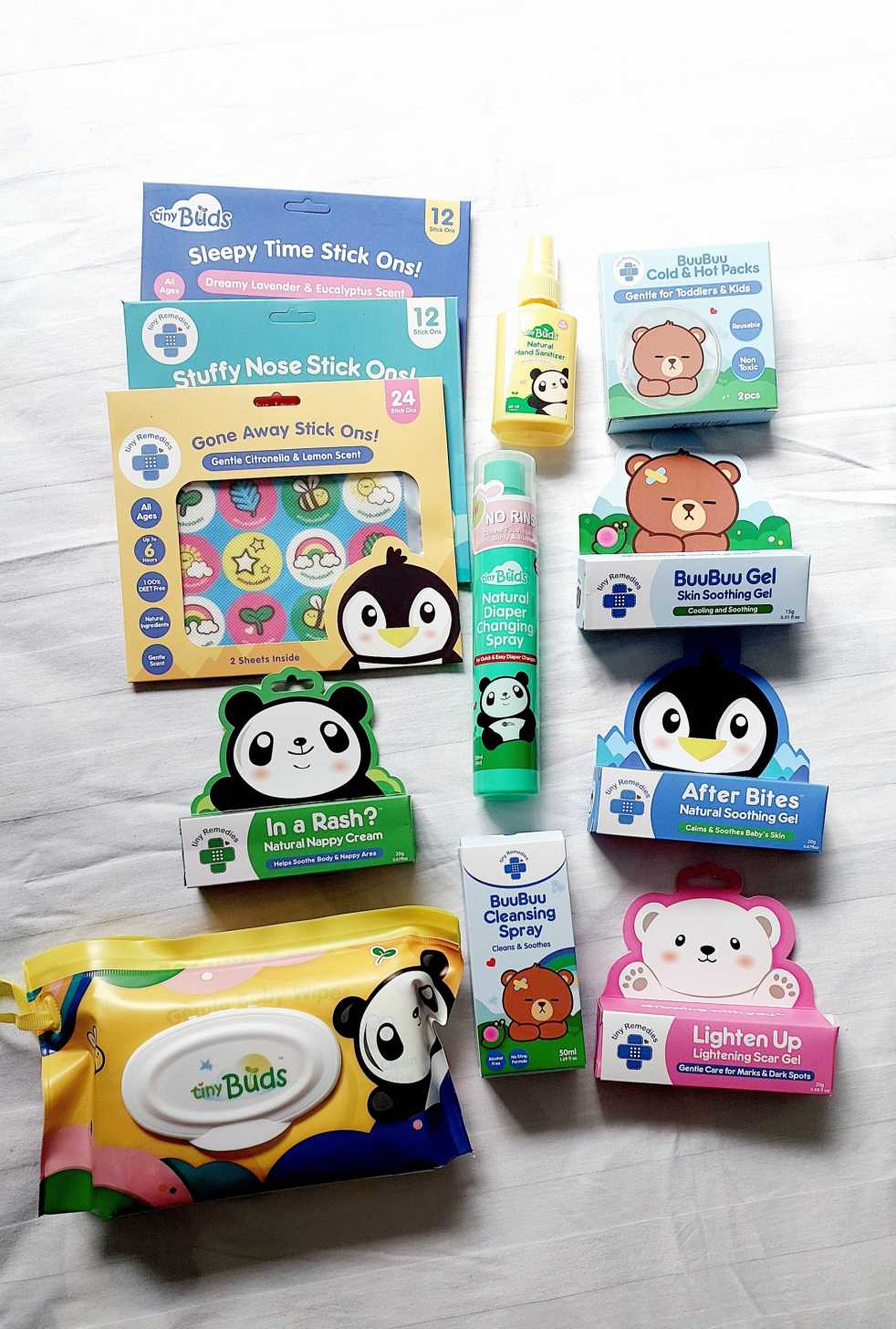
Your baby’s skin is more delicate than most, this is why you have to choose products that are designed for sensitive skin. Tiny Buds is a pioneer in integrating natural ingredients into baby care and today has over 50 innovative natural baby care essentials and is one of the Top Baby Personal Care brands. Here… Continue reading Product Review: Tiny Buds Baby Naturals Baby Essentials

Where your child goes to school is a big decision and shouldn’t be taken lightly. Given how their education can impact their future, you might be tempted to take control and decide for them. However, you might be doing more damage than helping them in the long run. Your job as parents is to support… Continue reading HOW TO CHOOSE THE BEST SCHOOL FOR YOUR CHILD

As poet and philosopher Rumi once eloquently said, “raise your words, not your voice. It is rain that grows flowers, not thunder.” Parenting is a challenging journey, and the truth is that nobody has everything figured out. One parenting style might suit others best, and some might favor other methods. However, children respond better to… Continue reading A SIMPLE GUIDE TO GENTLE PARENTING

Whether you’re a new mom to be, mom of a toddler, mom who have school-aged kids, you’re bound to have so many questions. Let's start with your baby's skin. Infant skin has unique needs; gentle care is essential to prevent damage to the skin barrier, which can lead to irritation. When caring for infant skin,… Continue reading Keeping Baby’s Diapered Skin Healthy
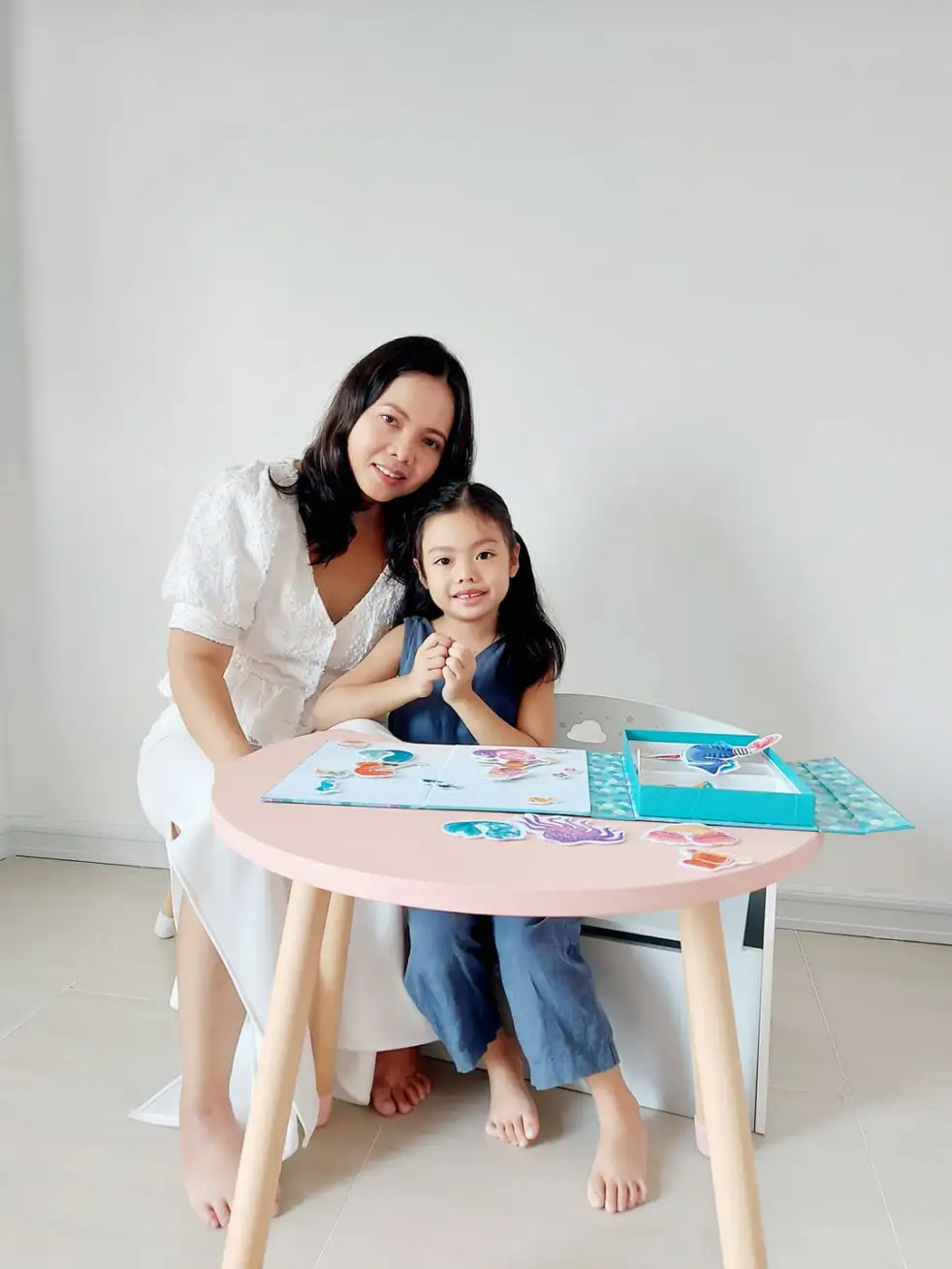
As parents, we want to give our child the best possible start in life and that begins with nurturing their intelligence. Throughout history, the notion of success has been linked to academic intelligence. However, there has been an increased awareness on the importance of emotional intelligence. This question gets at the heart of the never-ending… Continue reading IQ or EQ, which one is a better predictor of your child’s success?
 wondermomma.net