

Last August, IKEA Philippines engaged with Better World Smokey Mountain, a newly opened community center operated by the San Miguel Foundation, which shares a similar goal of improving the lives of many Filipino people. Through this partnership, IKEA Philippines provided and assembled home furnishings for the classrooms and library of Better World Smokey Mountain community… Continue reading Help Create a Better World with IKEA Soft Toys
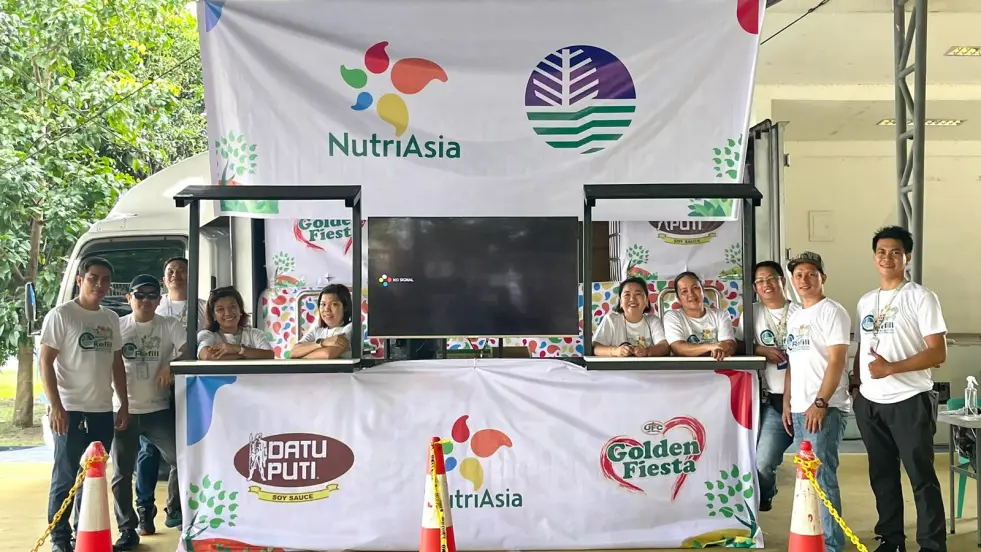
NutriAsia, the country’s top producer of condiments and sauces, continues its support of Refill Revolution; a project by the Department of Environment and Natural Resources EMB 3 that aims to help reduce Filipinos’ single-use plastics consumption. At Refill Revolution, residents get to recycle their single-use plastic bottles by reusing and filling it with their choice… Continue reading NutriAsia and DENR renews partnership for Refill Revolution

How to manage the morning rush with a toddler and a baby
Mornings with a toddler and a baby rarely follow the tidy schedule imagined the night before. One child may wake hungry while the other refuses to put on socks, and the clock keeps moving towards childcare drop-off, preschool, work or the school run. The aim is not a perfectly quiet start. It is a repeatable rhythm that reduces decisions and gives everyone enough time to leave safely.
Families in Australia often juggle long commutes, early childcare starts and changing weather. A parent in Melbourne may need jackets and wet-weather shoes in the same week that a Brisbane family reaches for sun hats and water bottles. Even a short trip across Sydney or Perth can take longer than expected during peak traffic, so a little preparation has a real effect on the whole day.
Toddlers need time to switch between activities, while babies need prompt attention for feeding, nappy changes and comfort. Treating both children as if they can move at adult speed creates stress. A better approach separates urgent care from flexible tasks, then builds small pauses into the routine.
The most useful system is simple enough to repeat when sleep has been broken. Prepare the essentials in advance, use visual cues, offer limited choices and keep a backup plan for spills, delays and unexpected tears. Gentle parenting in the morning means holding the boundary while acknowledging that leaving home can feel difficult for a small child.
| Morning pressure point | Helpful response | Why it works |
|---|---|---|
| Baby needs a feed while the toddler is dressing | Feed first, then use a nearby clothing basket | Keeps the baby settled while making the next task visible |
| Toddler refuses to leave | Give two acceptable choices | Creates a sense of control without changing the limit |
| Missing shoes or bags | Keep a departure station by the door | Removes last-minute searching |
| Breakfast takes too long | Offer two prepared options | Protects time while preserving choice |
| Weather changes | Store seasonal extras in the car or pram | Prevents a small forecast change becoming a major delay |
Prepare the night before
The evening reset should focus on the things that commonly derail departure. Place nappies, wipes, spare clothes and feeding supplies in the baby bag. Put the toddler’s clothes, socks and shoes together in one spot, and check that the day’s childcare items are ready. If the family uses daycare, label bottles, lunch boxes and comfort items before bedtime.
Pack bags according to the next day rather than keeping everything permanently full. A lightweight muslin wrap may be enough for a warm Queensland morning, while a cool Canberra start may require an extra layer. Check the weather forecast and transport conditions, especially when a storm, roadworks or a major event could affect the commute.
Breakfast can also be partly prepared. Wash fruit, portion cereal or place bread beside the toaster. Keep a few reliable options available for a toddler who suddenly rejects a familiar meal. This is not about creating elaborate meal prep; it is about avoiding a decision-heavy kitchen routine when both children are asking for attention.
Create a predictable sequence
A short sequence helps children understand what happens next. For example: wake up, toilet or nappy change, get dressed, eat breakfast, brush teeth, shoes, bags and out the door. Use the same order most days, even if the exact times change. A simple picture chart can help a toddler who cannot yet read, with images for clothes, food, teeth and shoes.
Give transition warnings before each change. “Five more minutes, then we put on shoes” is easier to process than suddenly ending play. Follow it with a shorter cue, such as “Two more minutes” or “Shoes are next.” If the toddler protests, acknowledge the feeling without opening a debate: “You want to keep playing. It is time to leave, and you can choose the red shoes or the blue shoes.”
Keep instructions brief and concrete. A tired toddler may struggle with “Get ready for childcare,” but can respond to “Put your top on.” Offer one step at a time when the baby is crying or the household feels rushed. Calm repetition is usually more effective than raising your voice or adding extra explanations.
Give the toddler a useful role
Toddlers often cooperate more readily when they have a real job. They can carry a small bag, place a dummy in the baby’s pouch, choose a bib or check whether everyone has shoes. The task should be safe and achievable, rather than a responsibility for the baby’s wellbeing. Praise the effort specifically: “You put the wipes in the bag, and now we are ready.”
A role can also occupy the toddler during baby care. Keep a small basket near the feeding chair with board books, reusable stickers or a simple posting game. Rotate the contents so they remain interesting. This works particularly well when the baby needs a longer feed before the family can continue dressing.
Avoid making the toddler wait silently for long periods. If the baby needs an urgent nappy change, explain what is happening and give the toddler a nearby activity. “I am changing the baby, then I will help with your jumper” communicates that their need has been heard. A timer or a short song can make the wait feel more contained.
For parents looking for gentle family routines and practical parenting ideas, WonderMomma family resources can provide useful inspiration alongside advice from trusted health professionals.
Make breakfast and dressing easier
A morning meal needs to be nourishing, familiar and quick enough for the household’s schedule. Toast with avocado, yoghurt and fruit, overnight oats, eggs prepared in advance or a banana alongside wholegrain cereal can work well. Babies who have started solids should follow advice from their child health nurse or health professional, especially regarding texture, allergens and safe eating.
Let the toddler choose between two options rather than asking an open question. “Would you like toast or yoghurt?” is manageable; “What do you want for breakfast?” may lead to several changes of mind. Sit down when possible, but do not turn every unfinished meal into a battle. A calm family breakfast may sometimes mean taking a small snack for the journey.
Clothing should prioritise comfort and speed. Elastic waists, slip-on shoes and layers reduce fiddly fastenings. Keep a spare outfit for the toddler in the car or childcare bag because water play, breakfast spills and toilet accidents happen. For a baby, pack clothes that suit the temperature rather than relying on a thick blanket, especially when moving between a heated car and the outdoors.
In warmer areas, apply sun protection according to current Australian guidance and use hats and shade. On chilly mornings, dress the baby in layers that can be removed easily in a heated vehicle. Check the child’s body temperature rather than judging only by your own comfort.
Organise the exit point
A departure station near the front door can hold shoes, hats, bags, keys and a small basket for items that need to leave the house. Use hooks or low shelves so the toddler can participate. Keep adult essentials in a consistent place, and return them there after arriving home. The fewer objects scattered through the house, the less time is spent searching.
Load the pram, car seat items and bags in a set order. Some parents find it helpful to place the baby in the carrier while assisting the toddler, provided the carrier is used according to its instructions and the baby’s airway remains clear. Others secure the toddler first and keep the baby in a safe cot or play space until the final moments. Choose the arrangement that suits the children and the home layout.
For families driving in Sydney, Melbourne or Brisbane, allow a buffer for traffic, school zones and finding a legal parking space. If walking to a local early learning centre, keep wet-weather covers, water bottles and a spare tote by the door. Public transport may require extra planning for pram access, lifts and crowded platforms, so checking the route the previous evening can prevent avoidable surprises.
Safety comes before speed. Never leave a baby or toddler unattended in a car, even briefly, and check the back seat before locking the vehicle. A phone, bag or work item placed beside the car seat can serve as a reminder to look before walking away.
Handle resistance with calm boundaries
A toddler may resist because the transition is hard, the child is hungry or tired, or the morning contains too many instructions. Stay close, name the feeling and hold the necessary limit. “You are upset about leaving. I will help you put on your shoes” is firm without shaming. If the child will not move, offer a choice between walking and being carried when safe and practical.
Avoid promising rewards for every ordinary task. A predictable ritual can be more effective: a goodbye wave at the window, one song in the car or a special book kept for the pram. These small rituals provide connection without making cooperation dependent on treats or screens. Screens may occasionally be part of family life, but relying on them every morning can make transitions harder when time runs out.
When both children cry, decide what is urgent. A baby who needs immediate feeding, a toddler near a driveway and a forgotten water bottle do not have equal priority. Secure the children first, then solve the less important problem. Use a phrase such as “Everyone is safe; I am helping one person at a time” to steady yourself.
A rushed morning does not mean the whole day has gone badly. Repair is possible after a sharp tone or a difficult exit. A cuddle, a brief apology and a fresh start teach children that relationships can recover. Parents also deserve practical support, enough rest where possible and realistic expectations rather than pressure to make every departure look effortless.

Mercato Centrale, in collaboration with Indian Women in Enterprise Philippines (I-We), is set to host "The Great Indian Fiesta" to mark 75 years of friendship between India and the Philippines. The dynamic two-day event is scheduled to take place on September 30 to October 1, 2023, at Paseo De Roxas Street, Makati City. Aiming to… Continue reading Mercato Centrale Partners with I-We to Host ‘The Great Indian Fiesta’, Commemorating 75 Years of India-Philippines Friendship

My stomach would usually start growling at 10 am even after taking a big breakfast. This is probably because I am a morning person and I move a lot throughout the day hence snacking is something that I can't avoid. This potatoes and chicken wrap recipe is easy to prepare and would keep me full… Continue reading Potato and Chicken Wrap
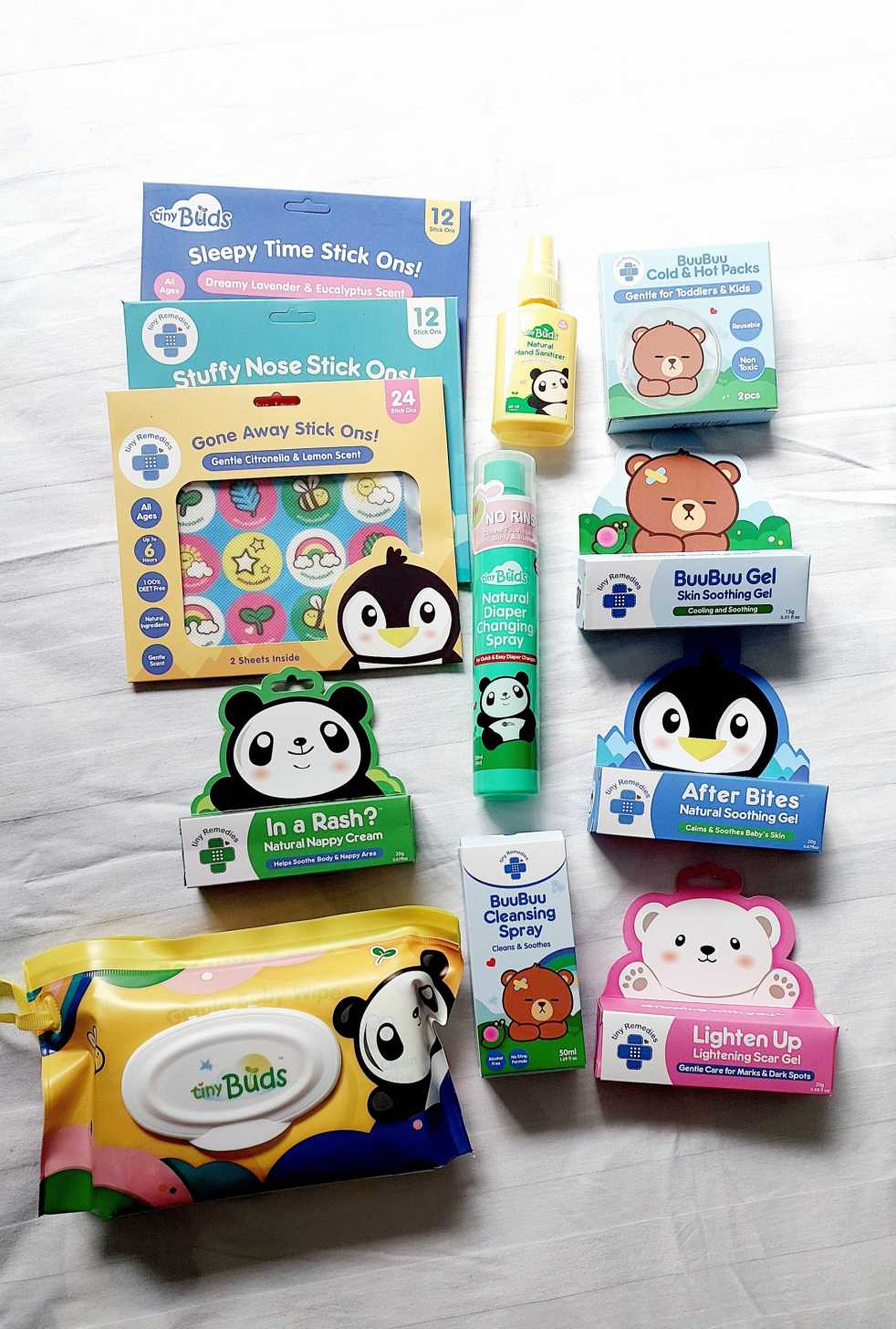
Your baby’s skin is more delicate than most, this is why you have to choose products that are designed for sensitive skin. Tiny Buds is a pioneer in integrating natural ingredients into baby care and today has over 50 innovative natural baby care essentials and is one of the Top Baby Personal Care brands. Here… Continue reading Product Review: Tiny Buds Baby Naturals Baby Essentials
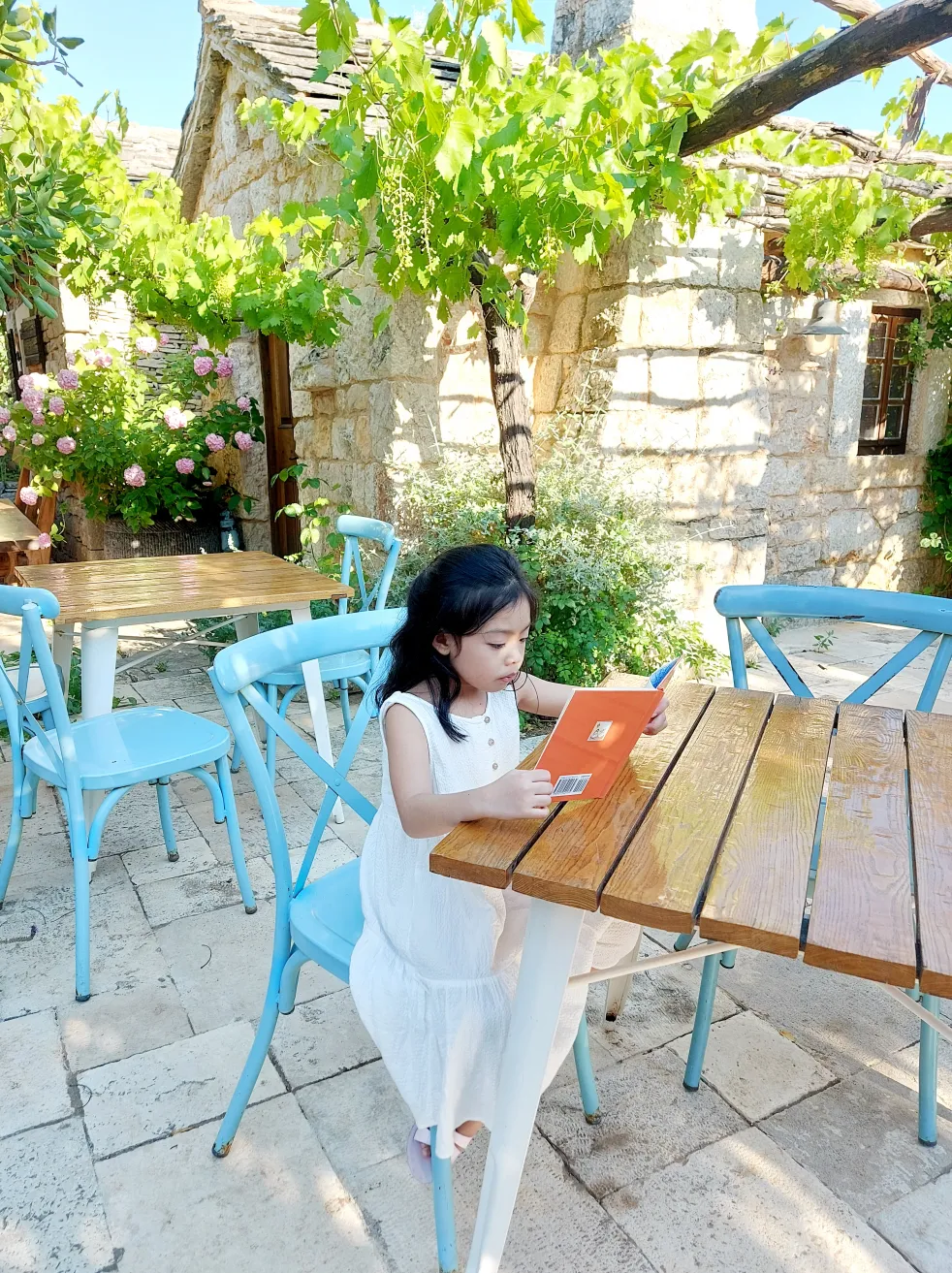
Where your child goes to school is a big decision and shouldn’t be taken lightly. Given how their education can impact their future, you might be tempted to take control and decide for them. However, you might be doing more damage than helping them in the long run. Your job as parents is to support… Continue reading HOW TO CHOOSE THE BEST SCHOOL FOR YOUR CHILD
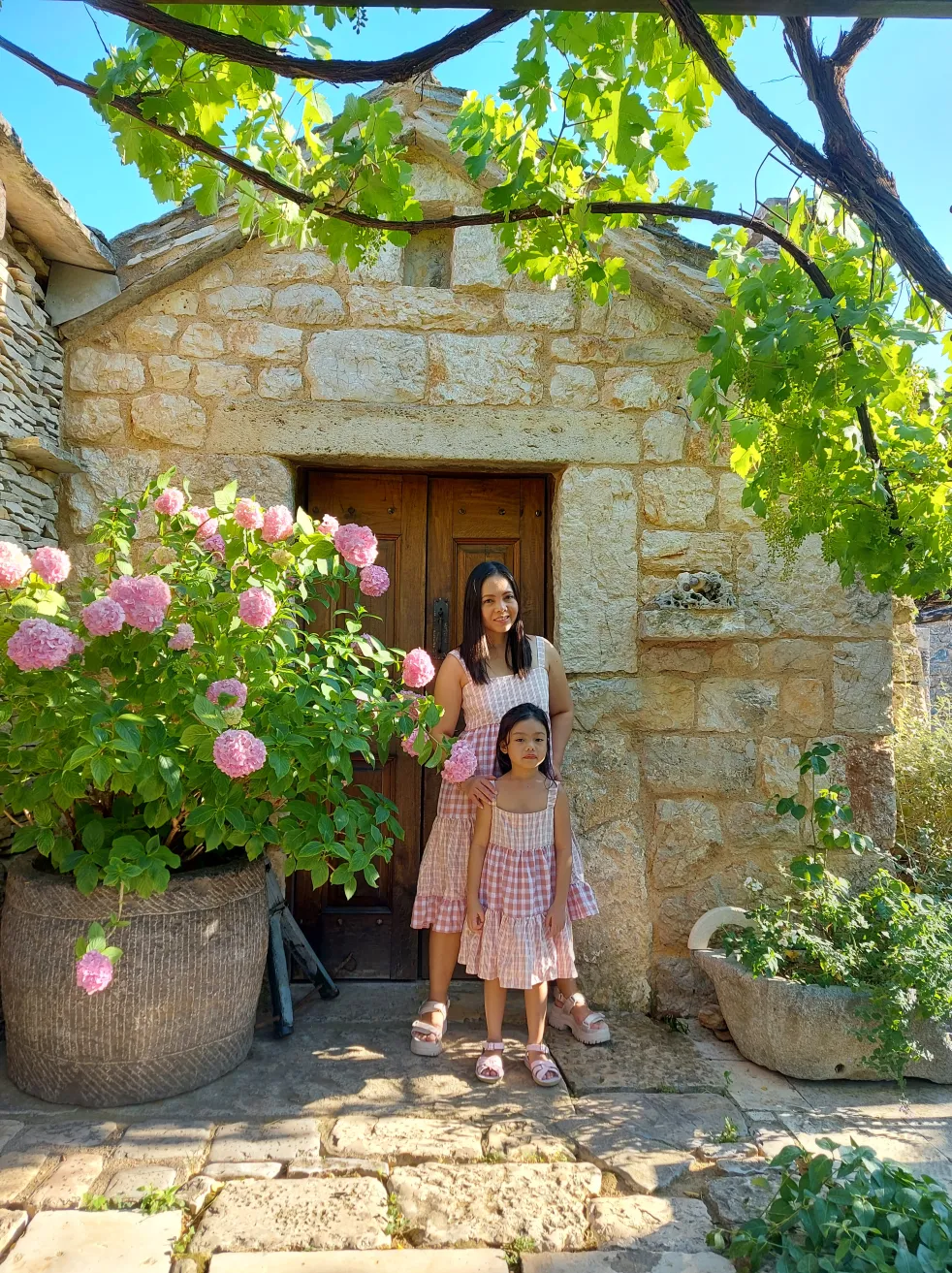
As poet and philosopher Rumi once eloquently said, “raise your words, not your voice. It is rain that grows flowers, not thunder.” Parenting is a challenging journey, and the truth is that nobody has everything figured out. One parenting style might suit others best, and some might favor other methods. However, children respond better to… Continue reading A SIMPLE GUIDE TO GENTLE PARENTING

Whether you’re a new mom to be, mom of a toddler, mom who have school-aged kids, you’re bound to have so many questions. Let's start with your baby's skin. Infant skin has unique needs; gentle care is essential to prevent damage to the skin barrier, which can lead to irritation. When caring for infant skin,… Continue reading Keeping Baby’s Diapered Skin Healthy
As parents, we want to give our child the best possible start in life and that begins with nurturing their intelligence. Throughout history, the notion of success has been linked to academic intelligence. However, there has been an increased awareness on the importance of emotional intelligence. This question gets at the heart of the never-ending… Continue reading IQ or EQ, which one is a better predictor of your child’s success?
 wondermomma.net