
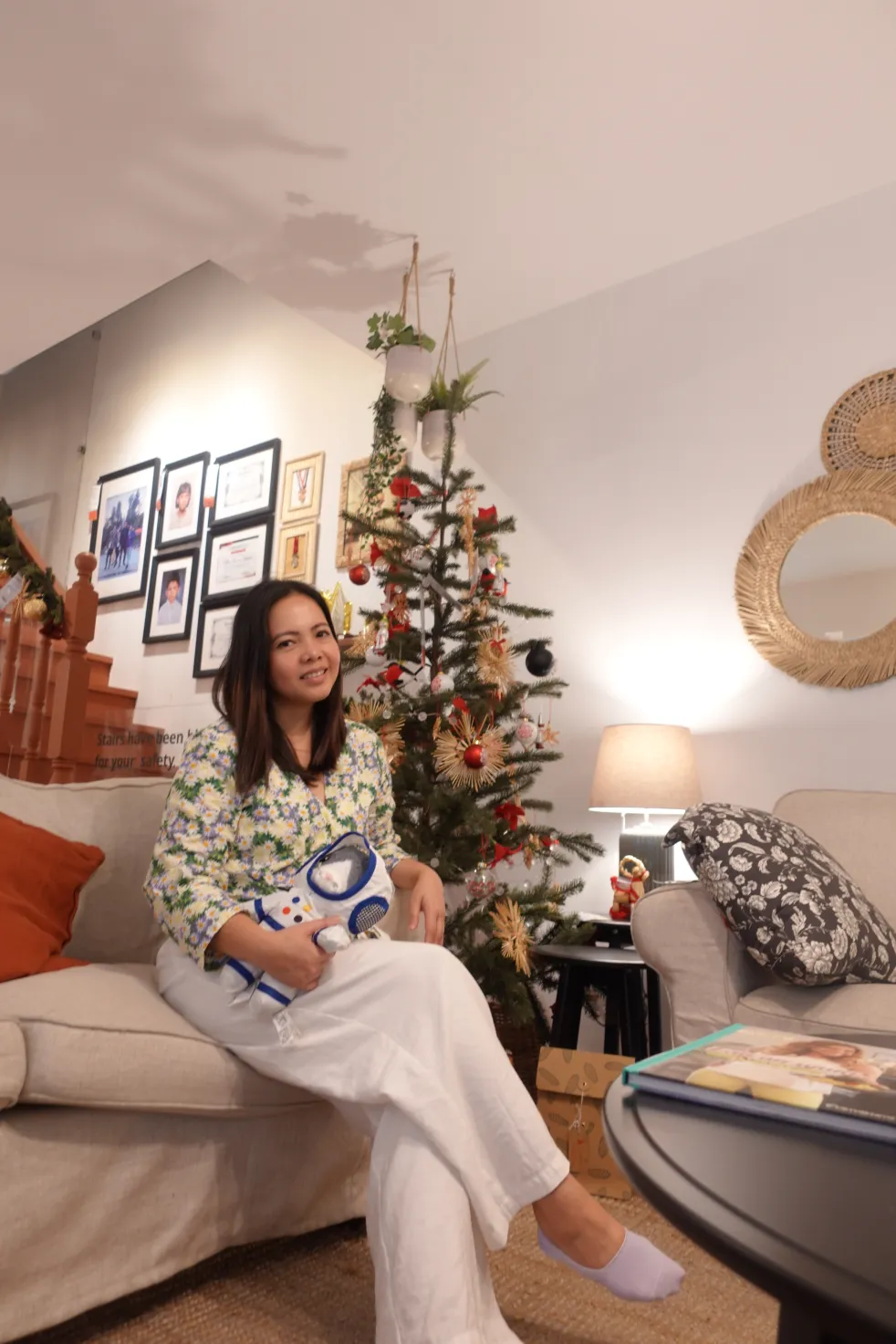
Last August, IKEA Philippines engaged with Better World Smokey Mountain, a newly opened community center operated by the San Miguel Foundation, which shares a similar goal of improving the lives of many Filipino people. Through this partnership, IKEA Philippines provided and assembled home furnishings for the classrooms and library of Better World Smokey Mountain community… Continue reading Help Create a Better World with IKEA Soft Toys
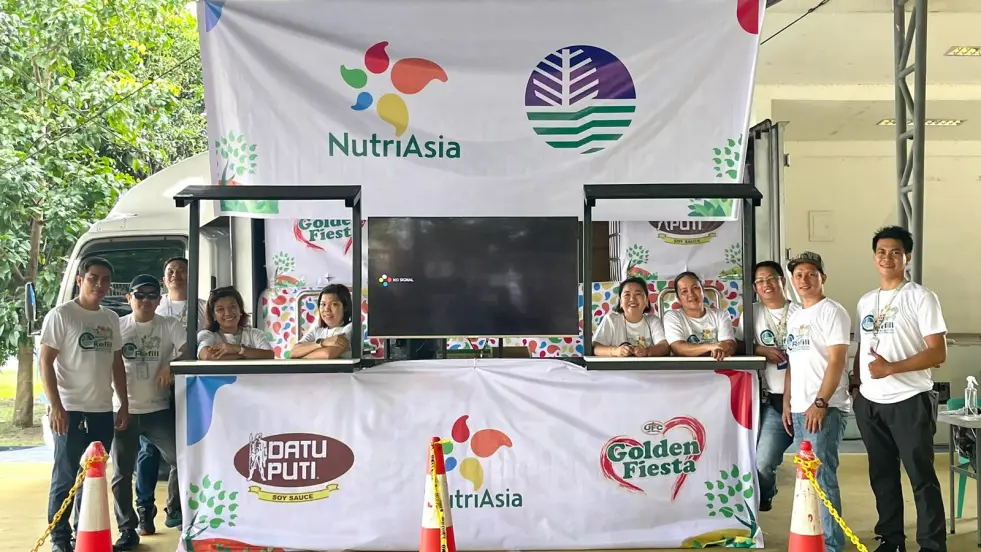
NutriAsia, the country’s top producer of condiments and sauces, continues its support of Refill Revolution; a project by the Department of Environment and Natural Resources EMB 3 that aims to help reduce Filipinos’ single-use plastics consumption. At Refill Revolution, residents get to recycle their single-use plastic bottles by reusing and filling it with their choice… Continue reading NutriAsia and DENR renews partnership for Refill Revolution

Managing toddler screen time with less guilt
Screen time can be a useful part of family life, especially when a parent needs to prepare a meal, answer a work message, rest with a baby, or manage a long commute. A short cartoon or video call does not define your parenting. What matters is the overall rhythm of your toddler’s day and the quality of care surrounding digital media.
For many families in the Philippines, screen use is woven into ordinary routines. Relatives may connect through video calls, older siblings may need devices for schoolwork, and parents may rely on a phone during hot afternoons, rainy days, or busy household moments. A practical plan should fit real family circumstances rather than create another source of pressure.
The goal is not to create a screen-free childhood. It is to help your child enjoy age-appropriate media while still having enough sleep, movement, imaginative play, conversation, and emotional connection. When boundaries are calm and predictable, parents can guide toddlers without carrying unnecessary guilt.
Start with a realistic family goal
Before changing your toddler’s routine, observe when and why screens are being used. Is the device mainly used during meals, before bed, while you work, or when your child is upset? Understanding the pattern helps you choose one manageable adjustment instead of attempting a complete household reset.
Official guidance can provide a helpful reference, but it is not a measure of parental worth. The World Health Organization advises avoiding sedentary screen time for children under two, apart from activities such as video chatting, and limiting it for children aged two to four. The American Academy of Pediatrics encourages families to choose high-quality media and create a family media plan for young children. These recommendations should be considered alongside your child’s temperament, development, sleep, and daily needs.
A useful starting goal might be moving videos away from bedtime, reducing background television, or keeping meals screen-free. One small change that lasts is more valuable than a strict schedule that causes daily conflict.
Understand what your toddler needs
Toddlers learn through movement, repetition, imitation, and responsive relationships. They need opportunities to climb safely, carry objects, scribble, sing, pretend, look at picture books, and practise everyday skills. These activities build language, coordination, attention, and confidence in ways a screen cannot fully replace.
This does not mean digital content has no value. A slow-paced programme with simple language, music, or stories can support learning when it matches your child’s age and interests. The parent’s presence makes a difference too. Naming colours, copying actions, singing along, and talking about what is happening can turn passive viewing into shared learning.
Watch for signs that screen use is interfering with basic needs. Trouble settling at night, frequent requests for a device, less interest in toys, reduced outdoor play, or intense distress whenever a video ends may signal that the routine needs adjustment. These signs call for calm changes, not shame.
Build a rhythm that works
Toddlers respond well to predictable transitions. Instead of offering a device whenever your child asks, connect screen use to a familiar part of the day, such as after lunch or while dinner is being prepared. A consistent routine helps your child know when media is available and when another activity will begin.
Use a timer that your toddler can see or hear, and give advance reminders: “Five more minutes, then we will wash our hands.” A visual schedule with simple pictures can also help. When the programme ends, move directly into an appealing next activity, such as bath time, snacks, blocks, or a short walk.
Keep devices out of bedrooms when possible, and create a screen-free period before sleep. Bright screens and exciting content can make winding down harder. Reading, gentle music, cuddles, or quiet conversation can provide a more soothing transition, particularly after a full day of stimulation.
Choose content and co-view when possible
Quality matters more than simply filling a set number of minutes. Look for programmes and apps designed for toddlers, with clear speech, slower pacing, simple stories, and limited advertising. Avoid frightening images, aggressive scenes, rapid editing, and autoplay features that encourage endless viewing.
Co-viewing does not need to mean sitting beside your child for every second. Even a few minutes of shared attention can help you understand what your toddler is watching and extend the learning. Pause to describe actions, connect the story to daily life, or invite your child to move and respond.
| Screen activity | Possible benefit | Helpful parent role |
|---|---|---|
| Video call with family | Supports connection and recognition | Join the conversation and help your toddler take turns |
| Story or song programme | Encourages language, rhythm, and listening | Sing along, repeat new words, and relate it to books |
| Simple creative app | Offers guided drawing or matching practice | Set a clear ending and explore the activity together |
| Familiar short cartoon | Provides rest or entertainment | Choose calm content and follow it with active play |
| Learning video | Introduces a topic or concept | Check whether your child can use the idea away from the screen |
Downloaded content can be useful when travelling or during an appointment because it reduces exposure to unpredictable advertisements. Keep the selection small and intentional. A device loaded with a few familiar choices is easier to manage than unrestricted access to an entire video platform.
Respond to protests with calm boundaries
Crying when a screen turns off is developmentally normal. Toddlers have limited impulse control and little understanding of elapsed time, so the end of a favourite video can feel abrupt. Their upset does not mean the limit is harmful or that you have handled the situation badly.
Acknowledge the feeling while keeping the boundary brief: “You wanted another video. It is hard to stop. Screen time is finished.” Avoid lengthy negotiations, threats, or repeated warnings. If your child cries, stay nearby, protect everyone’s safety, and allow the feeling to pass without restarting the programme.
Offer two acceptable choices after the limit: “Would you like blocks or crayons?” This gives your toddler some control without changing the decision. If a meltdown happens often, examine the timing. Hunger, tiredness, illness, or an overly stimulating programme can make transitions harder.
Try these practical habits for a gentler media routine:
- Keep the daily screen plan simple enough for every caregiver to follow.
- Use the same closing phrase each time, such as “The screen is resting now.”
- Turn off autoplay and notifications that draw your child back to the device.
- Prepare a basket of easy alternatives, including books, puzzles, play dough, and toy animals.
- Let your toddler see adults putting phones away during meals and conversations.
Protect connection and flexibility
A healthy media routine leaves room for affection, conversation, active play, and ordinary family participation. Invite your toddler to help rinse vegetables, fold small towels, water plants, or sort laundry. These everyday tasks may seem less entertaining than a video, yet they support independence and give children meaningful contact with adults.
Outdoor time also helps balance sedentary activities. A walk around the neighbourhood, play in a nearby garden, dancing indoors, or simple ball games can provide movement even when weather or space is limited. The activity does not need to be elaborate. Toddlers benefit from frequent chances to move throughout the day.
Flexibility matters during illness, travel, celebrations, or demanding family seasons. A few extra videos while your child recovers from fever or while you care for a newborn will not undo your usual habits. When circumstances settle, return to your familiar rhythm without punishment or dramatic restrictions.
Create a shared plan for caregivers
Grandparents, babysitters, older siblings, and other relatives may have different ideas about digital media. A short, respectful family agreement can prevent confusion. Share the preferred programmes, approximate viewing times, bedtime limits, and what to do when your toddler asks for more.
Keep the plan focused on your child’s needs rather than blaming anyone. You might say, “We are keeping videos earlier in the day because sleep has been difficult,” or “Please give a five-minute warning before turning it off.” Clear explanations are easier for caregivers to follow than a long list of rules.
Review the routine every few weeks as your toddler grows. A plan that works for a two-year-old may need changes at three or four. Pay attention to language, mood, sleep, appetite, play, and family stress. If screen use remains difficult to control or your child shows concerning developmental changes, discuss your observations with a paediatrician or child development professional.
You are allowed to use screens as a tool without feeling that you have failed. Loving, responsive parenting is built through thousands of ordinary moments, and one difficult afternoon does not erase them. Choose content thoughtfully, set limits with warmth, and return to connection after every transition. Start with one screen-time change this week, then build a family rhythm that supports both your toddler and the adults caring for them.

Mercato Centrale, in collaboration with Indian Women in Enterprise Philippines (I-We), is set to host "The Great Indian Fiesta" to mark 75 years of friendship between India and the Philippines. The dynamic two-day event is scheduled to take place on September 30 to October 1, 2023, at Paseo De Roxas Street, Makati City. Aiming to… Continue reading Mercato Centrale Partners with I-We to Host ‘The Great Indian Fiesta’, Commemorating 75 Years of India-Philippines Friendship

My stomach would usually start growling at 10 am even after taking a big breakfast. This is probably because I am a morning person and I move a lot throughout the day hence snacking is something that I can't avoid. This potatoes and chicken wrap recipe is easy to prepare and would keep me full… Continue reading Potato and Chicken Wrap
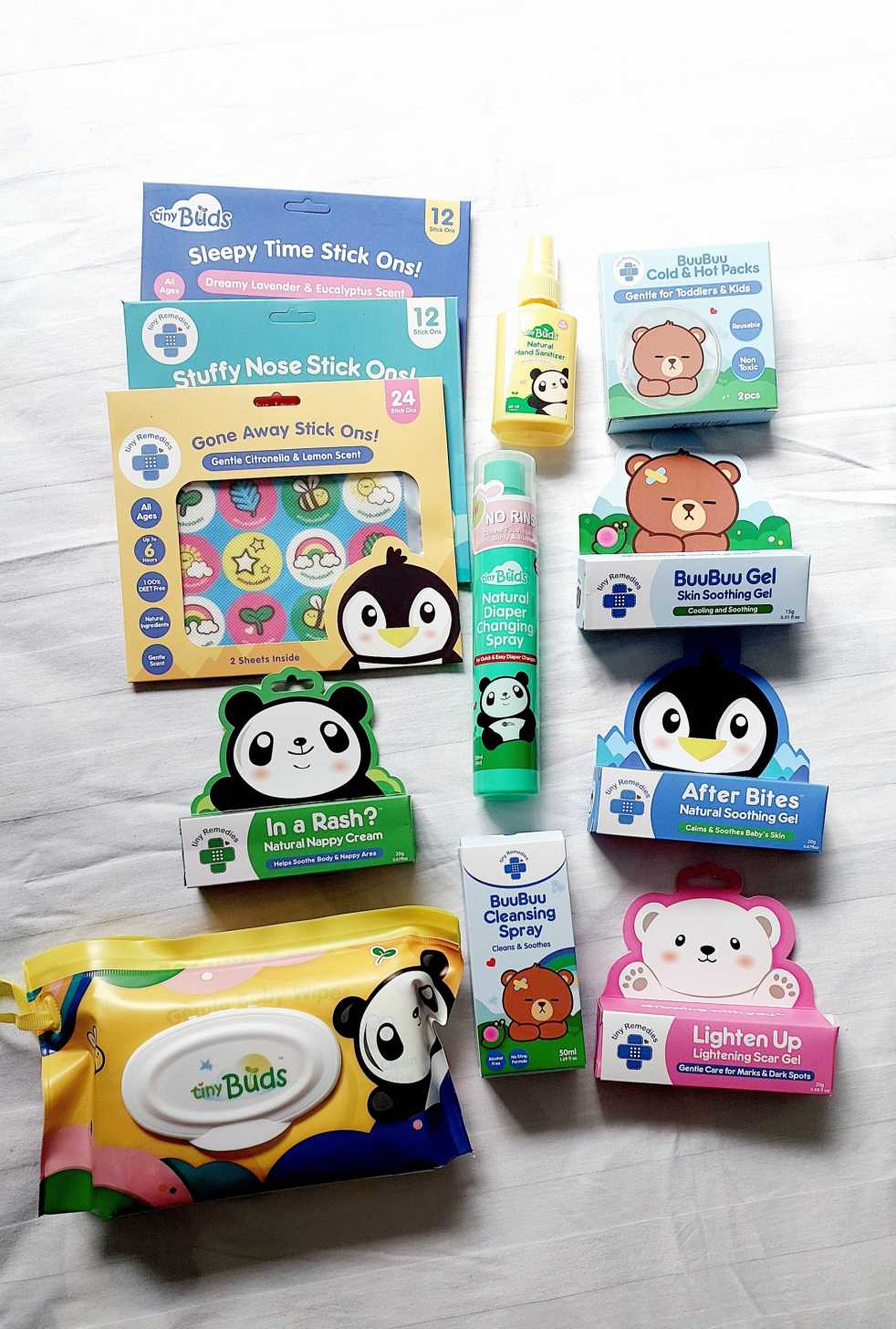
Your baby’s skin is more delicate than most, this is why you have to choose products that are designed for sensitive skin. Tiny Buds is a pioneer in integrating natural ingredients into baby care and today has over 50 innovative natural baby care essentials and is one of the Top Baby Personal Care brands. Here… Continue reading Product Review: Tiny Buds Baby Naturals Baby Essentials
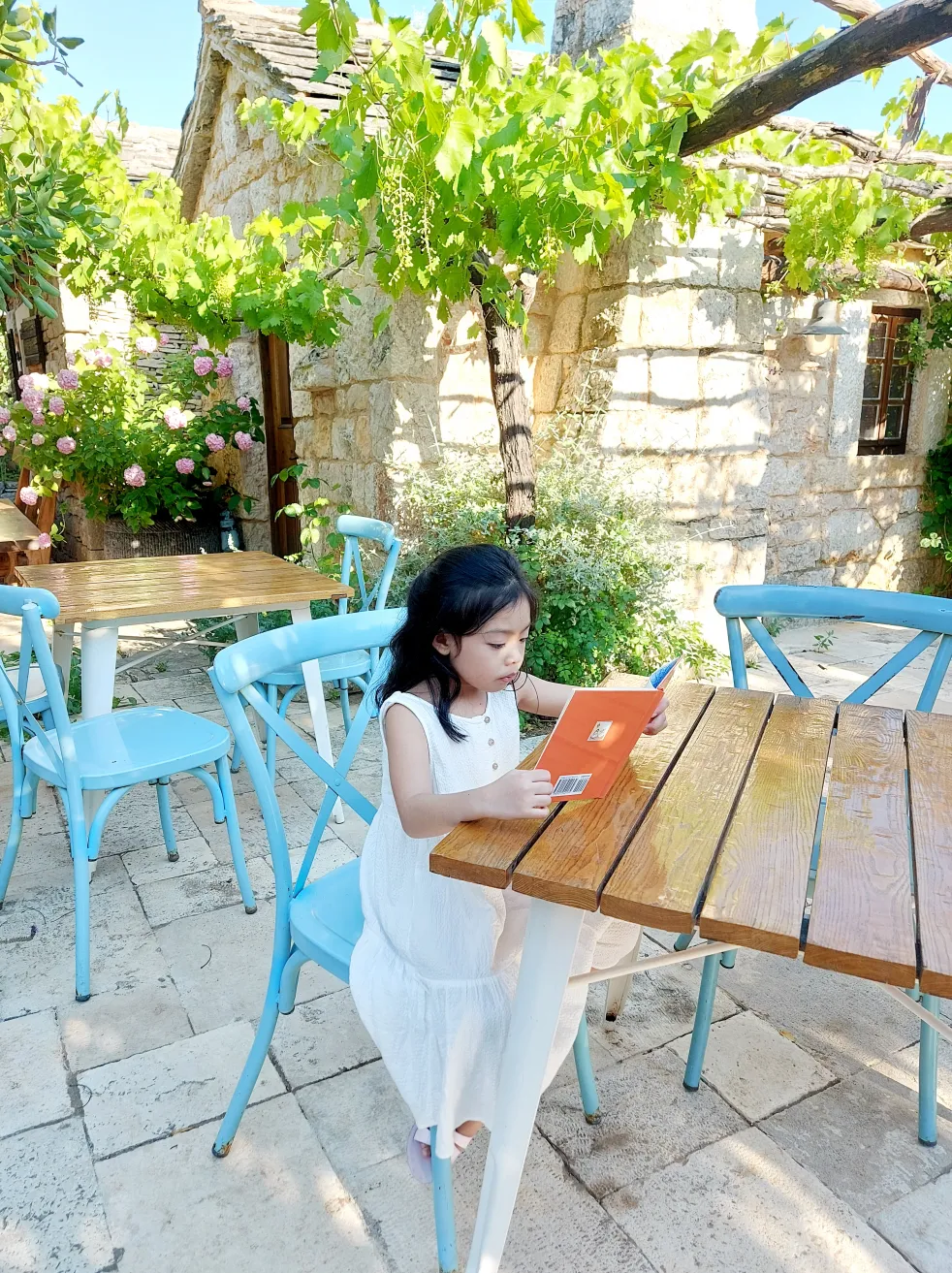
Where your child goes to school is a big decision and shouldn’t be taken lightly. Given how their education can impact their future, you might be tempted to take control and decide for them. However, you might be doing more damage than helping them in the long run. Your job as parents is to support… Continue reading HOW TO CHOOSE THE BEST SCHOOL FOR YOUR CHILD

As poet and philosopher Rumi once eloquently said, “raise your words, not your voice. It is rain that grows flowers, not thunder.” Parenting is a challenging journey, and the truth is that nobody has everything figured out. One parenting style might suit others best, and some might favor other methods. However, children respond better to… Continue reading A SIMPLE GUIDE TO GENTLE PARENTING

Whether you’re a new mom to be, mom of a toddler, mom who have school-aged kids, you’re bound to have so many questions. Let's start with your baby's skin. Infant skin has unique needs; gentle care is essential to prevent damage to the skin barrier, which can lead to irritation. When caring for infant skin,… Continue reading Keeping Baby’s Diapered Skin Healthy
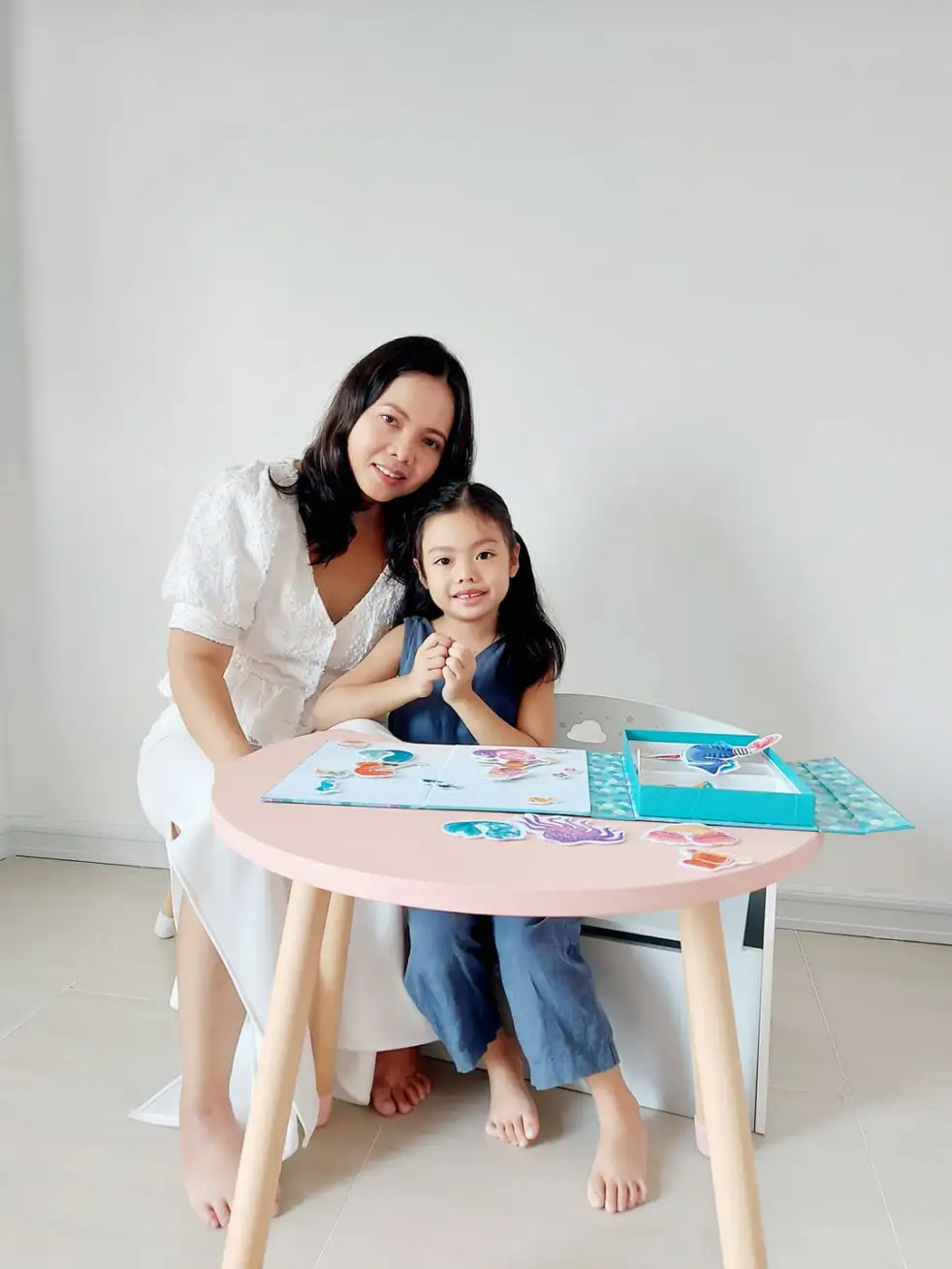
As parents, we want to give our child the best possible start in life and that begins with nurturing their intelligence. Throughout history, the notion of success has been linked to academic intelligence. However, there has been an increased awareness on the importance of emotional intelligence. This question gets at the heart of the never-ending… Continue reading IQ or EQ, which one is a better predictor of your child’s success?
 wondermomma.net