

Last August, IKEA Philippines engaged with Better World Smokey Mountain, a newly opened community center operated by the San Miguel Foundation, which shares a similar goal of improving the lives of many Filipino people. Through this partnership, IKEA Philippines provided and assembled home furnishings for the classrooms and library of Better World Smokey Mountain community… Continue reading Help Create a Better World with IKEA Soft Toys
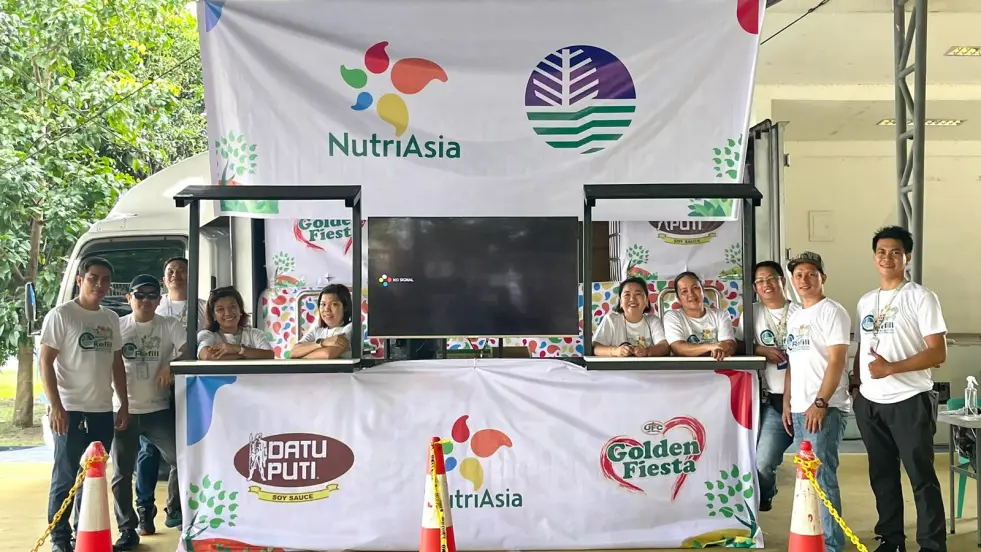
NutriAsia, the country’s top producer of condiments and sauces, continues its support of Refill Revolution; a project by the Department of Environment and Natural Resources EMB 3 that aims to help reduce Filipinos’ single-use plastics consumption. At Refill Revolution, residents get to recycle their single-use plastic bottles by reusing and filling it with their choice… Continue reading NutriAsia and DENR renews partnership for Refill Revolution

Natural Insect Repellent for Kids: Safer DIY Options
Warm weather brings plenty of outdoor fun in Australia, from evening barbecues in Brisbane to walks around Melbourne parks and beach trips near Perth. It also brings mosquitoes, flies and ticks, which can make children uncomfortable and, in some regions, carry illness. A homemade insect repellent may seem like a simple alternative to commercial products, but “natural” does not automatically mean gentle or effective.
The safest approach combines clothing, screens, pram nets and careful use of suitable products. For babies and young children, physical protection is usually preferable to applying essential oils to the skin. If you decide to try a DIY blend, keep it weak, avoid high-risk ingredients and treat it as a limited aid rather than a guaranteed barrier against bites.
Why Homemade Repellent Needs Care
Essential oils are highly concentrated plant extracts. A few drops can contain a large amount of aromatic compounds, and children’s skin is more delicate than adult skin. Citronella, peppermint, clove, cinnamon, lemongrass and eucalyptus oils may cause irritation, allergic reactions or breathing discomfort when used too strongly. Some oils are dangerous if swallowed, even in small amounts.
A homemade mixture also has uncertain performance. A blend may smell unpleasant to mosquitoes without providing reliable protection for the length of a family outing. This matters in northern Australia, where mosquito-borne illnesses such as dengue are a concern around tropical areas including Cairns and Darwin. Ross River virus is also reported across parts of Queensland and other regions.
Commercial repellents sold in Australia are assessed and regulated according to their claims. Products that make insect-repellent claims generally fall under the Australian Pesticides and Veterinary Medicines Authority, or APVMA. A kitchen-made product has not gone through that testing, so it should never be presented as equivalent to a registered repellent or used as the only protection in a high-risk area.
Choosing Safer Ingredients
If you are preparing a DIY insect repellent for an older child, select a plain carrier such as jojoba oil, fractionated coconut oil or sweet almond oil. Jojoba is often a practical choice because it is relatively light and has a long shelf life. Avoid food-based ingredients that spoil quickly, as well as undiluted essential oils applied directly to skin.
Citronella is a familiar ingredient in natural mosquito products, but its scent and effect are short-lived. Lavender may add a pleasant fragrance, though it should not be treated as a dependable mosquito barrier. Oil of lemon eucalyptus requires special care: it is different from lemon eucalyptus essential oil, and products containing PMD, the active component used in some registered repellents, have specific age and use directions.
Do not use clove, cinnamon, wintergreen, camphor, pennyroyal or concentrated peppermint oil in a child’s skin preparation. Eucalyptus oils can also be unsuitable for young children, particularly if inhaled or swallowed. Keep every essential oil locked away, since an attractive bottle or sweet-smelling blend can invite accidental ingestion.
A Mild Oil Blend for Older Children
For children who are old enough for a topical blend and have no known sensitivity to the ingredients, use a 1% dilution. Add approximately 20 drops of a suitable essential oil or a carefully chosen combination to 100 millilitres of carrier oil. A simple option is 10 drops of citronella and 10 drops of lavender in jojoba oil. Mix in a clean, dark glass bottle and label it with the ingredients and preparation date.
This dilution is deliberately modest. Do not increase the essential-oil content because the scent seems weak. More oil does not necessarily mean better protection, and it increases the chance of skin irritation. Apply a small amount to clothing-covered skin first, then wait for several hours to check for redness, itching or discomfort. Stop using the blend immediately if any reaction appears.
Avoid spraying an oil mixture near the face, eyes, mouth or hands. Children frequently touch their faces and put their fingers in their mouths, so apply only a small amount to exposed arms or legs. Never use the blend on broken, sunburned or eczema-prone skin without advice from a health professional. A homemade oil blend is not suitable for infants, and many children with asthma, allergies or very sensitive skin are better protected without scented oils.
Practical Safety Checks for Families
A few habits make DIY use safer and help reduce bites without relying on fragrance alone.
- Keep homemade blends away from babies, pets, heat and direct sunlight.
- Patch-test every new mixture on a small area before outdoor use.
- Wash treated skin with soap and water after coming indoors.
- Never use an essential oil blend inside a child’s mouth, nose or eyes.
Water-based sprays can be more difficult to prepare safely than oil blends. Essential oils do not dissolve properly in plain water, so drops can float together and land on the skin in a concentrated patch. Alcohol, witch hazel and homemade emulsifiers do not automatically make a stable or child-safe formula. Use a labelled commercial spray if you need a non-greasy product.
Extra protection is especially important during Australian summer evenings and after rain, when mosquito activity can increase.
- Dress children in loose, long sleeves, socks and long trousers.
- Use fitted insect screens on windows, doors, cots and prams.
- Empty standing water from buckets, pot plants and outdoor toys.
- Stay indoors or use screened areas around dawn and dusk when mosquitoes are active.
When a Registered Product Is the Better Choice
For camping, bushwalking, travel to tropical Queensland or time spent near wetlands, a registered insect repellent is usually the more dependable option. Read the Australian label carefully for age limits, reapplication intervals and instructions for use around the face. Apply repellent to your own hands before smoothing it onto a child’s face, avoiding the eyes, lips and nostrils.
Products containing DEET, picaridin or PMD may provide more predictable protection than a homemade essential-oil mixture, but the appropriate choice depends on the child’s age and the product directions. “Natural” products can still be regulated, and a product made with plant extracts is not automatically safer than a synthetic alternative. The label, rather than the marketing language, should guide use.
Repellent should be applied after sunscreen, allowing the sunscreen to absorb first. Do not mix the two products together, since this can alter how either product works. Reapply sunscreen according to its directions, while reapplying insect repellent only as instructed. Covering a pram or cot with a properly fitted mosquito net can reduce the need to apply any product to a baby’s skin.
After outdoor time, check children for bites and ticks, particularly following bush walks in areas around Sydney, the Blue Mountains, Tasmania or regional Victoria. Seek medical advice if a bite becomes increasingly red, painful or swollen, or if a child develops fever, unusual tiredness, breathing difficulty or a spreading rash. A gentle DIY blend can have a place in a family’s routine, but barriers, sensible timing and approved products provide the more reliable foundation for outdoor protection.

Mercato Centrale, in collaboration with Indian Women in Enterprise Philippines (I-We), is set to host "The Great Indian Fiesta" to mark 75 years of friendship between India and the Philippines. The dynamic two-day event is scheduled to take place on September 30 to October 1, 2023, at Paseo De Roxas Street, Makati City. Aiming to… Continue reading Mercato Centrale Partners with I-We to Host ‘The Great Indian Fiesta’, Commemorating 75 Years of India-Philippines Friendship

My stomach would usually start growling at 10 am even after taking a big breakfast. This is probably because I am a morning person and I move a lot throughout the day hence snacking is something that I can't avoid. This potatoes and chicken wrap recipe is easy to prepare and would keep me full… Continue reading Potato and Chicken Wrap
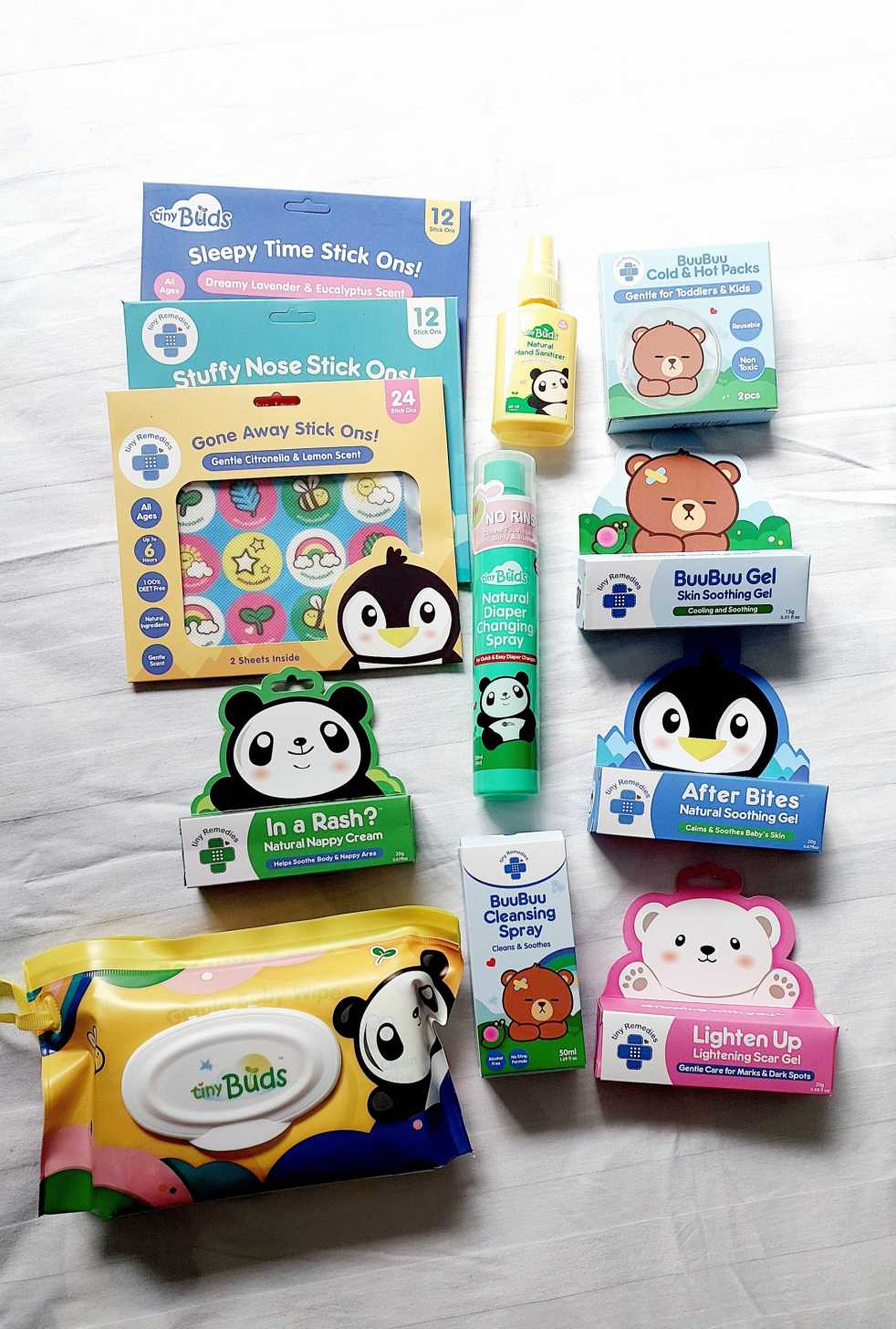
Your baby’s skin is more delicate than most, this is why you have to choose products that are designed for sensitive skin. Tiny Buds is a pioneer in integrating natural ingredients into baby care and today has over 50 innovative natural baby care essentials and is one of the Top Baby Personal Care brands. Here… Continue reading Product Review: Tiny Buds Baby Naturals Baby Essentials
Where your child goes to school is a big decision and shouldn’t be taken lightly. Given how their education can impact their future, you might be tempted to take control and decide for them. However, you might be doing more damage than helping them in the long run. Your job as parents is to support… Continue reading HOW TO CHOOSE THE BEST SCHOOL FOR YOUR CHILD
As poet and philosopher Rumi once eloquently said, “raise your words, not your voice. It is rain that grows flowers, not thunder.” Parenting is a challenging journey, and the truth is that nobody has everything figured out. One parenting style might suit others best, and some might favor other methods. However, children respond better to… Continue reading A SIMPLE GUIDE TO GENTLE PARENTING
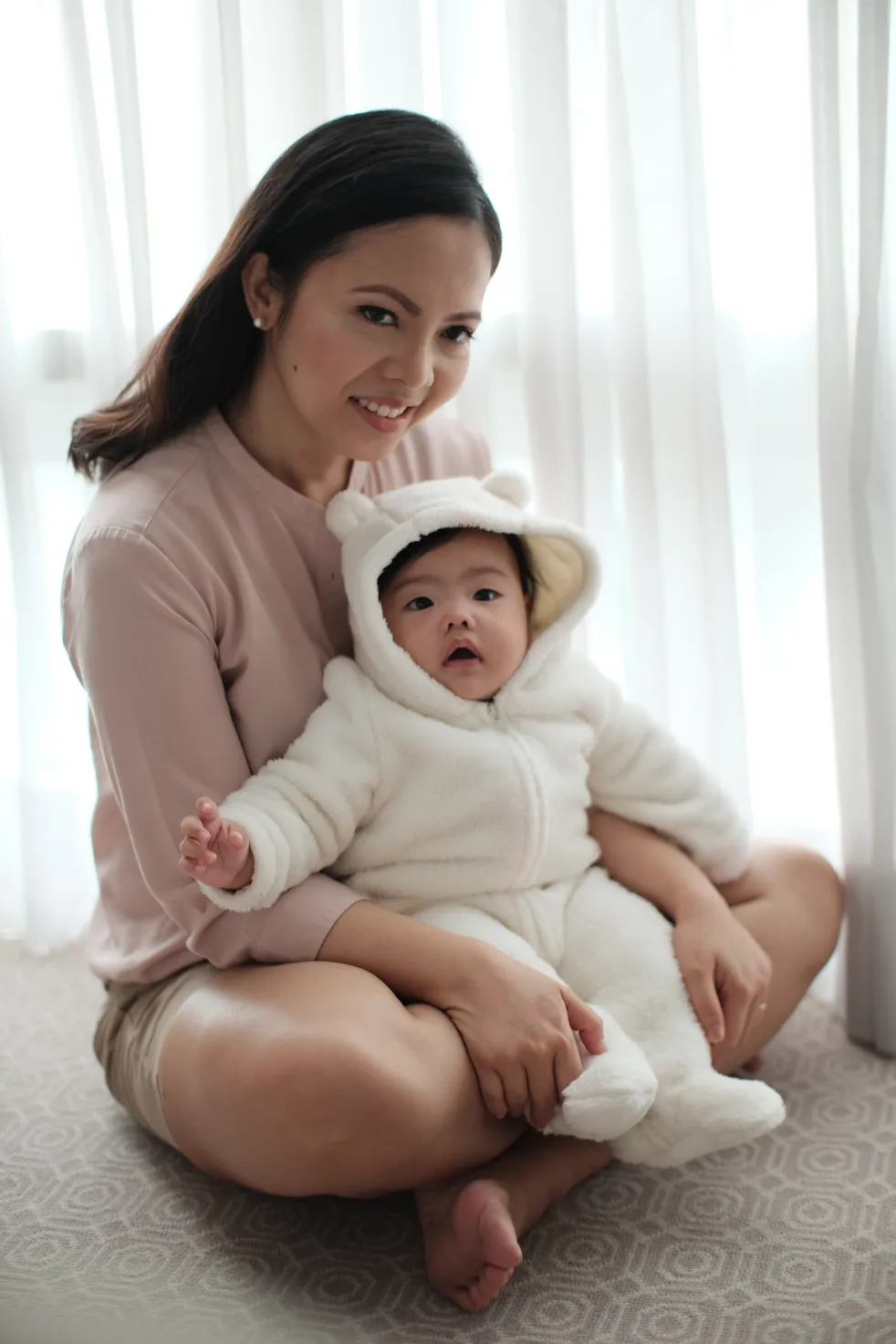
Whether you’re a new mom to be, mom of a toddler, mom who have school-aged kids, you’re bound to have so many questions. Let's start with your baby's skin. Infant skin has unique needs; gentle care is essential to prevent damage to the skin barrier, which can lead to irritation. When caring for infant skin,… Continue reading Keeping Baby’s Diapered Skin Healthy
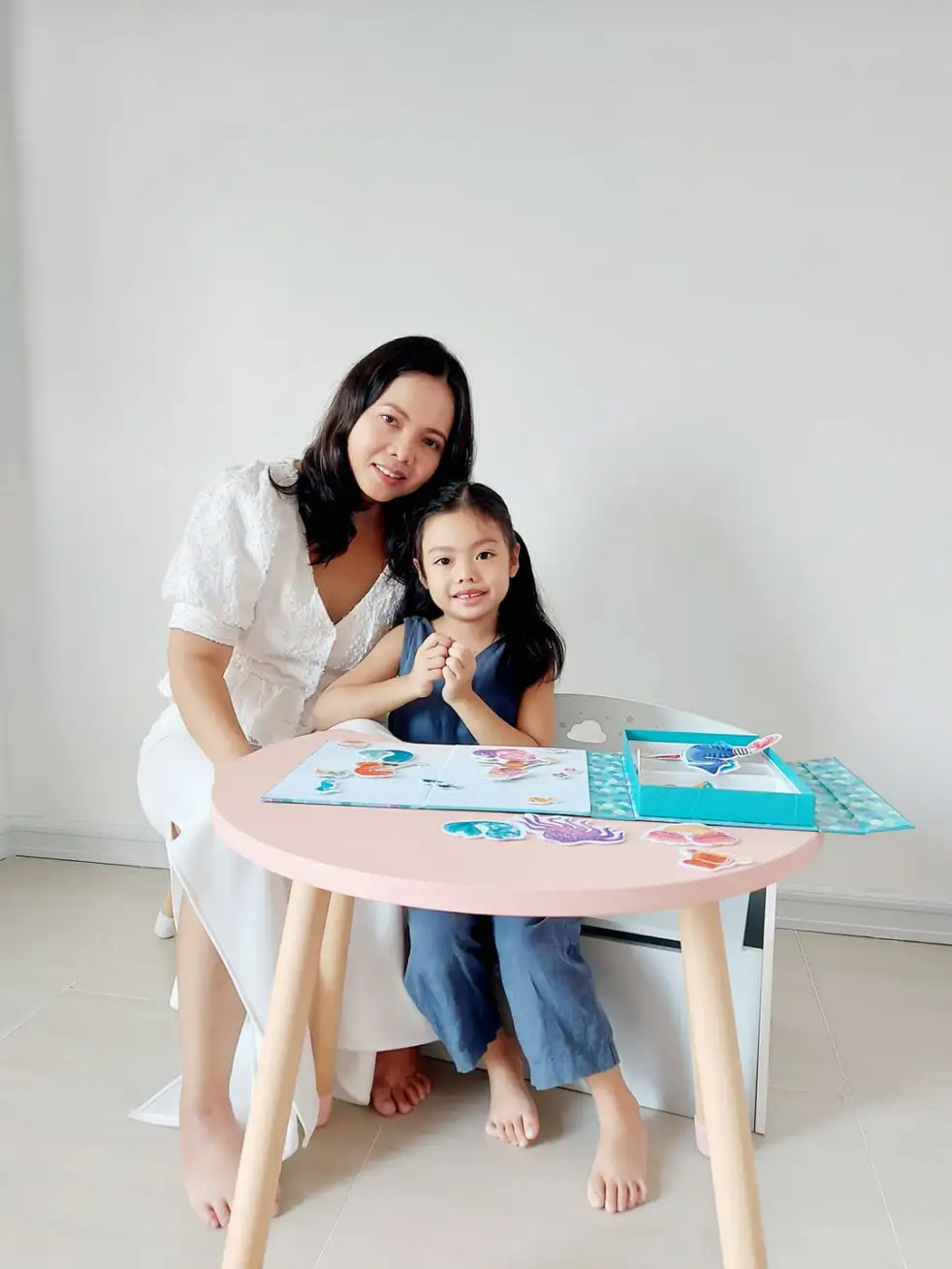
As parents, we want to give our child the best possible start in life and that begins with nurturing their intelligence. Throughout history, the notion of success has been linked to academic intelligence. However, there has been an increased awareness on the importance of emotional intelligence. This question gets at the heart of the never-ending… Continue reading IQ or EQ, which one is a better predictor of your child’s success?
 wondermomma.net