

Last August, IKEA Philippines engaged with Better World Smokey Mountain, a newly opened community center operated by the San Miguel Foundation, which shares a similar goal of improving the lives of many Filipino people. Through this partnership, IKEA Philippines provided and assembled home furnishings for the classrooms and library of Better World Smokey Mountain community… Continue reading Help Create a Better World with IKEA Soft Toys
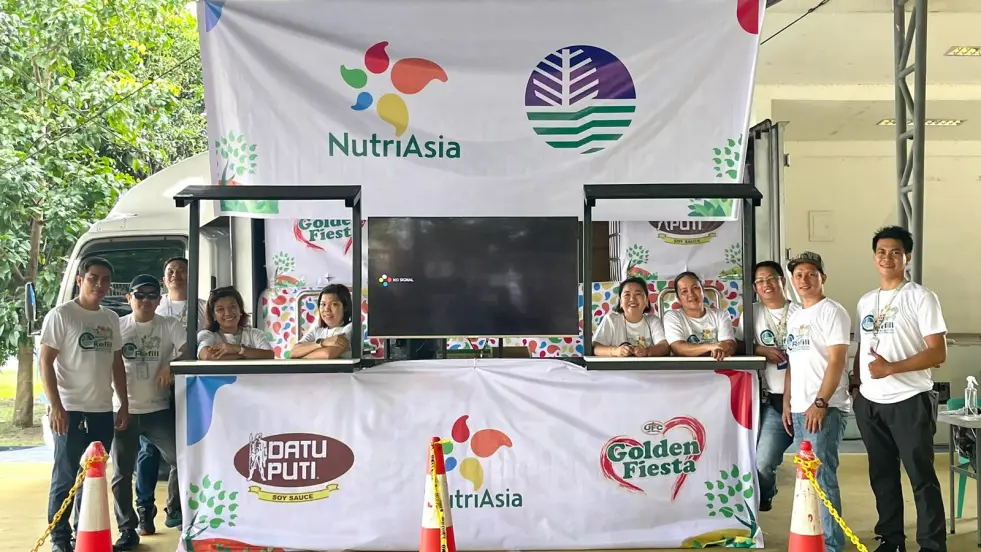
NutriAsia, the country’s top producer of condiments and sauces, continues its support of Refill Revolution; a project by the Department of Environment and Natural Resources EMB 3 that aims to help reduce Filipinos’ single-use plastics consumption. At Refill Revolution, residents get to recycle their single-use plastic bottles by reusing and filling it with their choice… Continue reading NutriAsia and DENR renews partnership for Refill Revolution

How to make your own baby wipes at home
Making baby wipes at home can be a simple way to reduce packaging, control the ingredients touching your baby’s skin, and keep a practical supply available between shopping trips. A homemade wipe may be made with soft cotton cloths, washable baby wipes, paper towels, or unscented disposable tissue designed to hold moisture.
The safest formula is usually the simplest: clean water and a freshly washed cloth. Babies have delicate skin, and ingredients that smell pleasant or feel soothing to adults can cause dryness, irritation, or allergic reactions in infants. Homemade wipes should therefore be treated as short-term, freshly prepared products rather than a shelf-stable replacement for commercial wipes.
Families in warm and humid areas, including the Philippines, need to pay particular attention to storage. Heat and moisture can encourage bacteria and mold to grow quickly. Preparing a small batch, keeping it covered, and discarding anything that develops an unusual smell, color, or texture are essential parts of safe use.
Why parents choose homemade baby wipes
Some parents make their own wipes to avoid fragrances, alcohol, essential oils, and other additives. A plain water wipe can be useful for routine diaper changes, especially when a baby’s skin is prone to redness or reacts to fragranced products. It can also help families choose reusable materials instead of throwing away a wipe after every change.
The cost may be another benefit. Soft cotton washcloths or old, clean T-shirts can be cut into manageable squares and washed repeatedly. For travel or occasions when laundry is not convenient, plain paper towels can be moistened in small quantities.
Homemade wipes are not automatically safer than store-bought wipes. Their safety depends on clean materials, clean water, careful handling, and proper storage. Without preservatives, a wet wipe mixture can spoil much faster than a sealed commercial product.
Gather the right materials
For reusable wipes, choose soft, absorbent fabric that will not shed loose fibers. Cotton flannel, muslin, terry cloth, or purpose-made washable wipes are practical options. Avoid rough fabric, heavily dyed material, fabric with loose threads, and anything washed with strongly scented detergent or fabric softener.
If you prefer a disposable option, select plain, unscented paper towels without printed designs. A strong, thick paper towel is less likely to break apart during a diaper change. Cut large sheets into smaller pieces if needed, but avoid creating tiny pieces that could become a choking hazard.
You will also need a clean bowl or measuring jug, a covered container, and freshly washed hands. A clean spray bottle can be useful for applying the solution directly to a cloth, although the bottle must be washed and dried thoroughly before each refill. Do not reuse a container that previously held chemicals, cleaning products, or heavily scented cosmetics.
Prepare a gentle wipe solution
The most dependable homemade baby wipe recipe uses boiled water that has been allowed to cool. Bring water to a full boil, let it cool in a covered container, and use it to dampen the wipes. You can also use sterile or distilled water if it is readily available. Plain water is often enough for urine and ordinary diaper residue.
Some families add a small amount of mild, fragrance-free baby wash or a few drops of a simple oil. These additions are not necessary and may cause irritation, especially for newborns or babies with eczema. If you decide to use any cleanser, choose one made specifically for infants, use very little, and stop immediately if the skin becomes red or dry.
Avoid homemade recipes containing essential oils, perfume, lemon juice, vinegar, baking soda, alcohol, antibacterial products, or strong herbal extracts. “Natural” does not mean suitable for infant skin. Tea tree, lavender, peppermint, and citrus oils can be irritating, and acidic or alkaline ingredients may disturb the skin barrier.
| Wipe option | Best use | Storage guidance | Important caution |
|---|---|---|---|
| Warm or cooled boiled water on cloth | Everyday diaper changes | Prepare a small daily batch | Keep covered and discard leftovers |
| Plain water in a spray bottle | Quick changes at home | Wash and dry the bottle frequently | Spray the cloth, not the baby’s face |
| Fragrance-free baby wash diluted in water | Sticky residue on intact skin | Make only a short-term batch | Stop if dryness or redness appears |
| Dry reusable cloths with a water bowl | Newborn care and sensitive skin | Store cloths dry until needed | Use a fresh section for each wipe |
| Unscented paper towels moistened with water | Travel or limited laundry | Use promptly and do not stockpile | Discard after one use |
Make the wipes step by step
Start by washing your hands and cleaning the work surface. Wash reusable cloths in hot water when appropriate for the fabric, rinse them thoroughly, and dry them completely. If using paper towels, place a small number in a clean, covered container rather than preparing a large supply.
Pour cooled boiled water over the cloths until they are damp but not dripping. Too much liquid creates a warm, wet environment where microbes can multiply quickly and may leave the container difficult to clean. Another method is to keep the cloths dry and wet one at a time during each diaper change.
Close the container immediately after preparing the wipes. Label it with the preparation date and keep it in a cool place. Refrigeration may slow spoilage, but chilled wipes can feel uncomfortable for a baby, and refrigeration does not make a contaminated mixture safe. Allow a wipe to warm slightly in your hand if needed rather than heating the whole batch.
Use a clean wipe for each pass and move from the cleanest area toward the dirtiest area. For diaper changes, wipe from front to back, especially for girls. Pat the skin dry before putting on a fresh diaper. Rubbing, repeated wiping, and leaving the skin damp can contribute to irritation.
Protect sensitive baby skin
The diaper area is exposed to moisture, friction, urine, and stool, so even a gentle wipe can sting broken skin. If your baby already has a rash, rinse with lukewarm water or use a soft damp cloth, pat dry, and apply a suitable barrier product recommended by a healthcare professional or pharmacist.
Test a new material or ingredient on a small area of healthy skin before using it regularly. Watch for redness, bumps, swelling, peeling, unusual dryness, or increased discomfort. Stop using the homemade wipe mixture if any of these signs develop, and return to plain water or a product your baby has previously tolerated.
Do not use homemade wipes on the eyes, inside the mouth, on open wounds, or around the umbilical stump unless a healthcare professional has advised you to do so. Seek medical guidance for a rash that spreads, blisters, oozes, bleeds, produces a strong odor, or does not improve with gentle care.
Store and wash them safely
Prepare only enough wet wipes for one day, or for a shorter period if your home is hot and humid. A conservative approach is to refrigerate a covered batch and discard unused wipes within 24 hours. If the wipes are kept at room temperature, use them within the same day and discard them sooner if the container becomes warm.
Never “top up” an old container with new water or fresh cloths. Wash the container with hot, soapy water, rinse it well, and let it dry fully before preparing another batch. Discard the entire mixture if it smells sour, looks cloudy, feels slimy, or shows any discoloration or mold.
Wash used reusable wipes separately from heavily soiled household laundry when possible. Rinse off solid waste into the toilet, place the cloths in a closed washable bag, and launder them promptly. Use a suitable detergent, rinse thoroughly, and dry completely before storing. Do not use a wipe for more than one diaper change.
Make the routine easier and safer
A simple system helps homemade baby wipes stay convenient without turning them into a source of unnecessary risk. Keep dry cloths near the changing area, place a small bowl of clean water within reach, and keep a covered container available for used wipes. Store all supplies away from older children and pets.
These practical habits can make the routine more manageable:
- Prepare a small amount rather than soaking a week’s supply.
- Choose plain water first, especially for newborns and babies with eczema.
- Mark the preparation date and discard leftovers promptly.
- Keep separate containers for clean wipes and used cloths.
- Pack dry cloths and a small bottle of water for outings instead of carrying a large wet batch.
When leaving home, a dry reusable wipe plus water is often safer and more flexible than a container of homemade wet wipes. You can wet the cloth just before use and place it in a sealed bag afterward. For longer trips, keep commercial fragrance-free wipes available as a backup, particularly when clean water and laundry facilities may be limited.
Homemade wipes can fit well into a family’s baby-care routine when cleanliness, simplicity, and short storage times come first. Start with plain water and a soft cloth, observe how your baby’s skin responds, and adjust only when there is a clear reason. If irritation persists or the diaper rash looks unusual, pause the homemade mixture and contact your pediatrician or another qualified healthcare professional for advice.

Mercato Centrale, in collaboration with Indian Women in Enterprise Philippines (I-We), is set to host "The Great Indian Fiesta" to mark 75 years of friendship between India and the Philippines. The dynamic two-day event is scheduled to take place on September 30 to October 1, 2023, at Paseo De Roxas Street, Makati City. Aiming to… Continue reading Mercato Centrale Partners with I-We to Host ‘The Great Indian Fiesta’, Commemorating 75 Years of India-Philippines Friendship

My stomach would usually start growling at 10 am even after taking a big breakfast. This is probably because I am a morning person and I move a lot throughout the day hence snacking is something that I can't avoid. This potatoes and chicken wrap recipe is easy to prepare and would keep me full… Continue reading Potato and Chicken Wrap
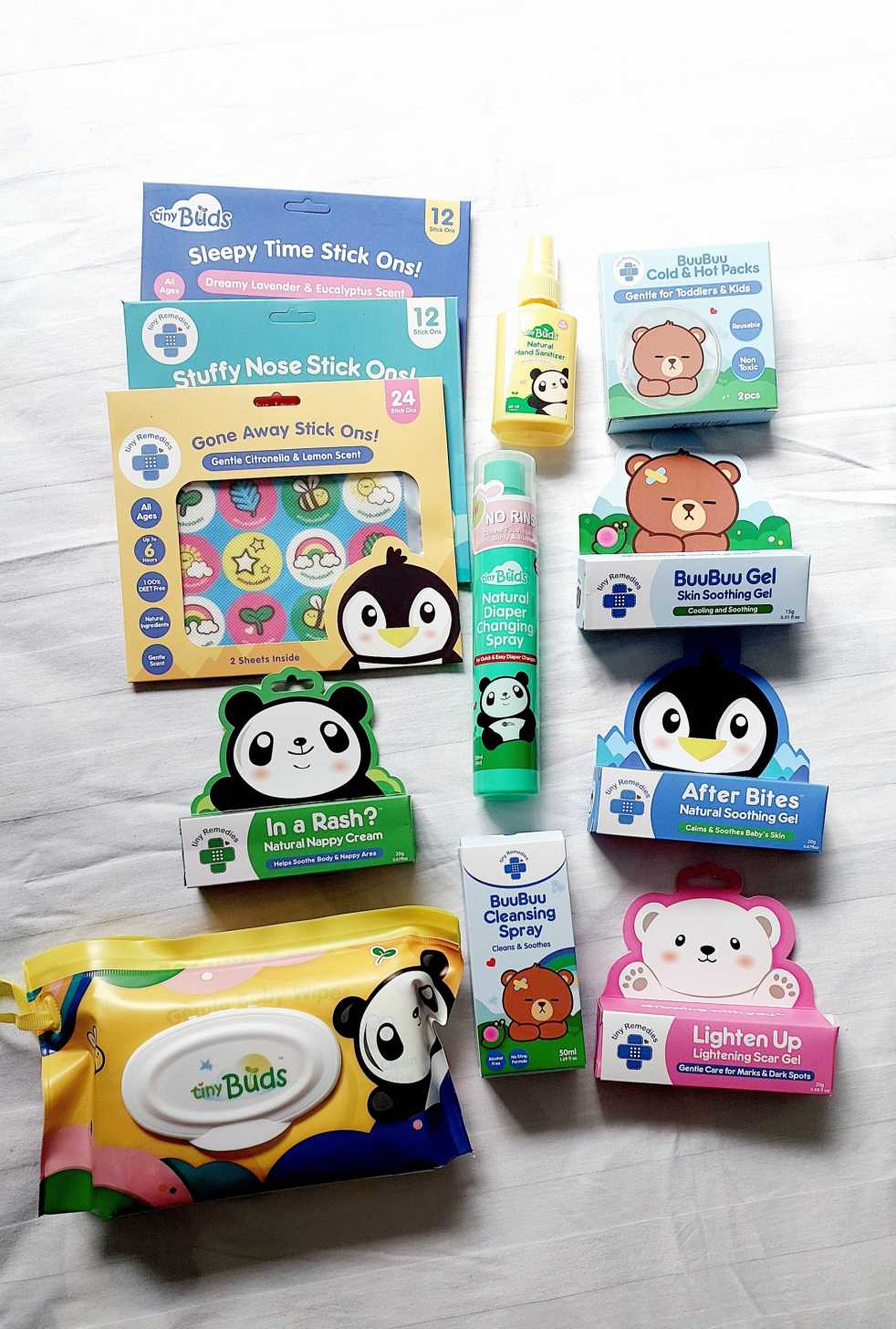
Your baby’s skin is more delicate than most, this is why you have to choose products that are designed for sensitive skin. Tiny Buds is a pioneer in integrating natural ingredients into baby care and today has over 50 innovative natural baby care essentials and is one of the Top Baby Personal Care brands. Here… Continue reading Product Review: Tiny Buds Baby Naturals Baby Essentials
Where your child goes to school is a big decision and shouldn’t be taken lightly. Given how their education can impact their future, you might be tempted to take control and decide for them. However, you might be doing more damage than helping them in the long run. Your job as parents is to support… Continue reading HOW TO CHOOSE THE BEST SCHOOL FOR YOUR CHILD
As poet and philosopher Rumi once eloquently said, “raise your words, not your voice. It is rain that grows flowers, not thunder.” Parenting is a challenging journey, and the truth is that nobody has everything figured out. One parenting style might suit others best, and some might favor other methods. However, children respond better to… Continue reading A SIMPLE GUIDE TO GENTLE PARENTING
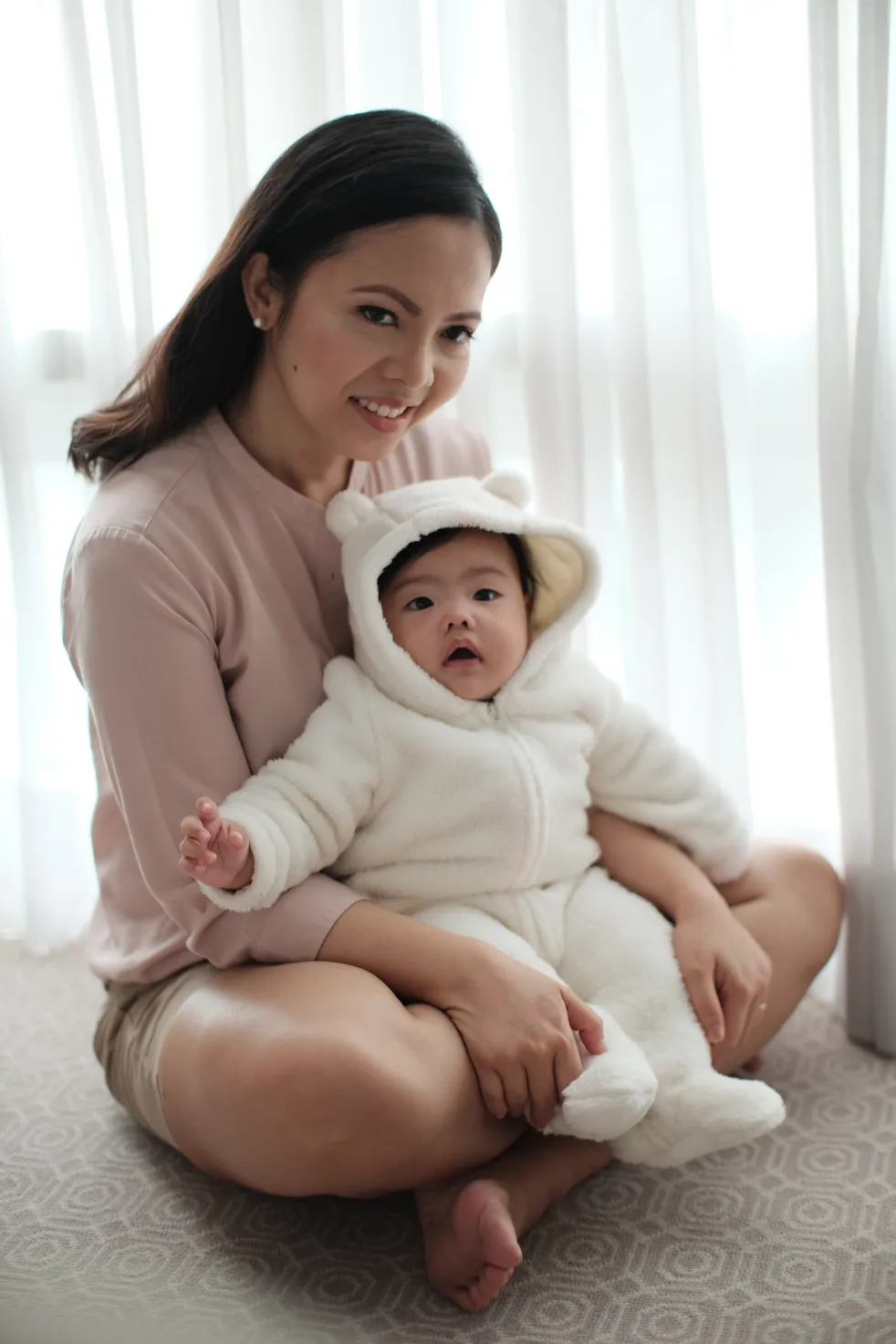
Whether you’re a new mom to be, mom of a toddler, mom who have school-aged kids, you’re bound to have so many questions. Let's start with your baby's skin. Infant skin has unique needs; gentle care is essential to prevent damage to the skin barrier, which can lead to irritation. When caring for infant skin,… Continue reading Keeping Baby’s Diapered Skin Healthy
As parents, we want to give our child the best possible start in life and that begins with nurturing their intelligence. Throughout history, the notion of success has been linked to academic intelligence. However, there has been an increased awareness on the importance of emotional intelligence. This question gets at the heart of the never-ending… Continue reading IQ or EQ, which one is a better predictor of your child’s success?
 wondermomma.net