

Last August, IKEA Philippines engaged with Better World Smokey Mountain, a newly opened community center operated by the San Miguel Foundation, which shares a similar goal of improving the lives of many Filipino people. Through this partnership, IKEA Philippines provided and assembled home furnishings for the classrooms and library of Better World Smokey Mountain community… Continue reading Help Create a Better World with IKEA Soft Toys
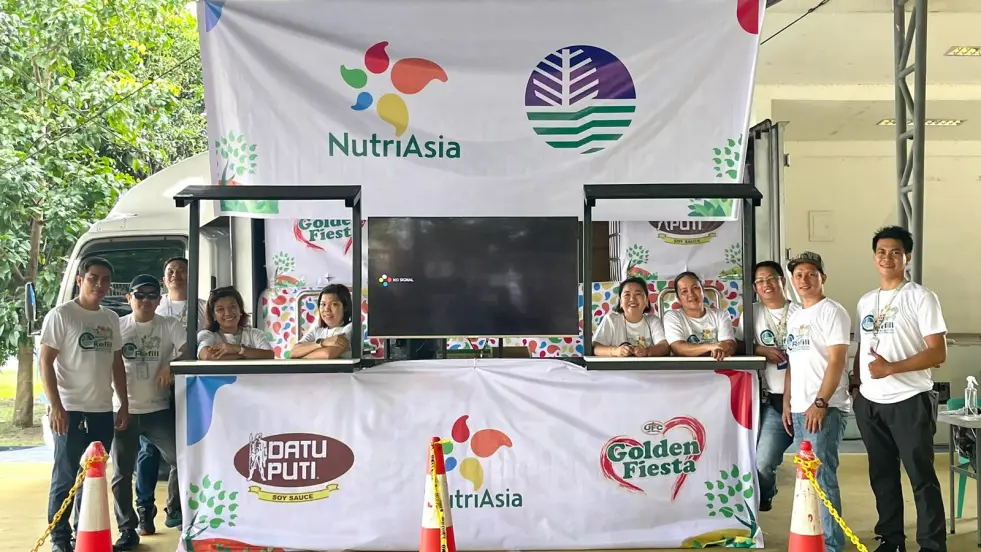
NutriAsia, the country’s top producer of condiments and sauces, continues its support of Refill Revolution; a project by the Department of Environment and Natural Resources EMB 3 that aims to help reduce Filipinos’ single-use plastics consumption. At Refill Revolution, residents get to recycle their single-use plastic bottles by reusing and filling it with their choice… Continue reading NutriAsia and DENR renews partnership for Refill Revolution

Homemade Baby Food Pouches for Easy Family Outings
Homemade baby food pouches can make busy days easier while giving parents control over the ingredients, texture, and portion size. A few simple blends prepared at home can support family trips, daycare routines, and quick snacks between errands.
Making your own baby food also lets you use seasonal produce, familiar Filipino ingredients, and foods your baby already enjoys. You can prepare smooth purées for early eaters or thicker combinations for babies developing their chewing skills.
The key is to treat pouch preparation as a small food-safety routine. Choose age-appropriate ingredients, cool food promptly, pack it in a reliable container, and keep it cold until mealtime.
Choose Foods That Match Your Baby’s Stage
Most babies begin complementary foods around six months when they show signs of readiness, such as sitting with support, controlling their head, reaching for food, and swallowing rather than pushing food out with their tongue. Every child develops differently, so follow guidance from your pediatrician, especially if your baby was premature or has feeding concerns.
For early eaters, blend soft cooked vegetables, ripe fruits, iron-rich foods, or smooth grains into a thin purée. Sweet potato, squash, banana, avocado, pear, mango, and well-cooked carrots are convenient choices. Breast milk or prepared formula can loosen a purée, but add it after cooking and use the mixture promptly.
As babies gain experience, gradually offer thicker textures with small soft lumps. Oats with mashed banana, lentils with squash, shredded chicken blended with vegetables, and soft rice with fish can provide more variety. Avoid honey before 12 months, unpasteurized ingredients, added salt, and added sugar.
Gather Simple Pouch-Filling Equipment
You do not need a large collection of specialized tools. A steamer or saucepan, blender or food processor, clean spoon, measuring cup, and washable silicone pouch can cover most homemade baby food needs. A fine sieve may help create a smoother texture when using fibrous produce.
Reusable silicone pouches are convenient for regular use because they are durable and easier to clean than disposable packaging. Look for a wide opening, secure cap, leak-resistant seal, and clear measurement marks. Some pouches can be filled with a spoon, while others work with a dedicated filling station.
Wash every component with hot soapy water immediately after use. Pay close attention to caps, valves, seams, and narrow corners where food can remain. Allow the pouch to dry completely before storing it. If the manufacturer permits sterilizing, follow the product instructions rather than exposing it to excessive heat.
Prepare, Blend, and Fill Without a Mess
Wash produce under running water and peel or remove seeds when needed. Steam or boil firm foods until they are soft enough to mash easily. Cooking can improve texture and make vegetables safer for young babies to swallow. Keep raw meat, seafood, eggs, and produce separate during preparation.
Blend the food with a small amount of safe liquid until it reaches the texture your baby currently manages. Add liquid gradually because a thin purée can be difficult to transport and may separate inside the pouch. For older babies, mash or pulse the food instead of blending it completely smooth.
Cool the food in a shallow container before filling the pouch. Leaving a small amount of space at the top allows for expansion if the pouch will be frozen. Wipe the opening before sealing, check that the cap is firmly closed, and label each pouch with the recipe and preparation date.
Match Storage to Your Day
Fresh homemade baby food should be refrigerated promptly and kept at 4°C or below. A practical guideline is to use vegetable, fruit, grain, or meat purées within one to two days, unless your pediatrician or a trusted food-safety authority gives different advice. When in doubt, discard food that has been stored too long or smells unusual.
Freeze portions you will not use soon. Small servings freeze faster and reduce waste, while silicone trays can help portion food before transferring it to sealed pouches. Thaw frozen food in the refrigerator or warm it gently in a bowl of water. Do not thaw food at room temperature or refreeze a fully thawed pouch.
| Storage Method | Best Use | Typical Time Limit | Practical Tip |
|---|---|---|---|
| Refrigerator | Next-day meals and snacks | 1–2 days | Store at 4°C or below |
| Freezer | Batch cooking and meal planning | 1–2 months for best quality | Leave room for expansion |
| Insulated cooler | Travel and outdoor trips | Keep cold with ice packs | Pack the pouch straight from the refrigerator |
| Room temperature | Immediate serving only | About 2 hours, less in hot weather | Discard food left out too long |
Travel conditions in the Philippines may be hot and humid, so an insulated lunch bag with frozen ice packs is especially important. Keep the pouch away from direct sunlight and avoid leaving it in a parked vehicle. If the food becomes warm, treat it as unsafe rather than trying to chill it again.
Try Balanced, Baby-Friendly Combinations
A pouch is more satisfying when it includes a useful mix of ingredients. Pair a fruit or vegetable with a source of energy and, when suitable for your baby’s stage, a source of protein or iron. For example, mango with oats offers a soft, naturally sweet blend, while squash with lentils creates a savory option.
Try sweet potato with chicken, avocado with banana, pear with plain full-fat yogurt, or apple with cinnamon-free oatmeal. For Filipino-inspired flavors, combine rice with squash, mung beans with sweet potato, or soft fish with vegetables. Cook ingredients thoroughly and remove bones, skin, and tough fibers before blending.
Introduce one new ingredient at a time when practical, particularly if your baby has a history of eczema, food allergy, or digestive sensitivity. This makes it easier to notice a reaction. Common allergens such as egg, peanut, dairy, wheat, soy, fish, and shellfish should be introduced in safe forms and according to medical advice when there is elevated allergy risk.
Avoid turning every pouch into a sweet fruit drink. Frequent exposure to very sweet blends may make savory foods less appealing, and sipping continuously can affect developing teeth. Rotate flavors and offer water with meals when your child is developmentally ready and your healthcare provider recommends it.
Make Feeding Safe During Outings
Younger babies should be seated upright and supervised while eating. A pouch can be squeezed onto a spoon so the parent controls the pace and amount. Older babies who can manage thicker textures may hold a pouch with assistance, but direct sucking should still be supervised and limited.
Bring a clean spoon, bib, wipes, and a small rubbish bag with the pouch. Pack one serving at a time so leftovers are easier to manage. Once your baby has eaten directly from a pouch or spoon, saliva can introduce bacteria, so refrigerating the remainder does not make it safe to serve again later.
For longer journeys, pack separate pouches for each meal and keep them in the coldest part of the cooler. If you need to warm food, place the sealed pouch in warm water and test the temperature before serving. Never microwave a sealed pouch, since heat can spread unevenly and pressure may build inside the container.
Keep a Practical Weekly Routine
A simple preparation routine can prevent homemade baby food from becoming another demanding household task. Choose two or three ingredients during your regular grocery trip, cook them together where appropriate, and freeze small portions. Combining a fresh ingredient with a frozen base can create variety without requiring daily cooking.
- Prepare smaller portions until you know how much your baby usually eats.
- Label every pouch with the ingredients and preparation date.
- Use separate utensils for raw and cooked foods.
- Keep an insulated cooler and frozen ice packs ready for travel days.
- Check reusable pouches for cracks, stains, odors, or damaged seals.
Let your baby’s appetite guide the portion size rather than filling every pouch to capacity. Babies may eat different amounts from day to day, especially during teething, illness, or growth spurts. Homemade pouches should support family meals, not replace opportunities to explore soft finger foods and different textures.
Bring Homemade Flavor Along
With a few dependable recipes and careful storage habits, portable baby meals can fit smoothly into errands, visits, and weekend trips. Start with foods your baby already tolerates, then gradually expand the menu as new textures and flavors become familiar.
Prepare a small batch this week, label each portion, and pack one chilled pouch for your next family outing. A little planning can give your baby nourishing choices while making mealtimes more manageable wherever the day takes you.

Mercato Centrale, in collaboration with Indian Women in Enterprise Philippines (I-We), is set to host "The Great Indian Fiesta" to mark 75 years of friendship between India and the Philippines. The dynamic two-day event is scheduled to take place on September 30 to October 1, 2023, at Paseo De Roxas Street, Makati City. Aiming to… Continue reading Mercato Centrale Partners with I-We to Host ‘The Great Indian Fiesta’, Commemorating 75 Years of India-Philippines Friendship

My stomach would usually start growling at 10 am even after taking a big breakfast. This is probably because I am a morning person and I move a lot throughout the day hence snacking is something that I can't avoid. This potatoes and chicken wrap recipe is easy to prepare and would keep me full… Continue reading Potato and Chicken Wrap
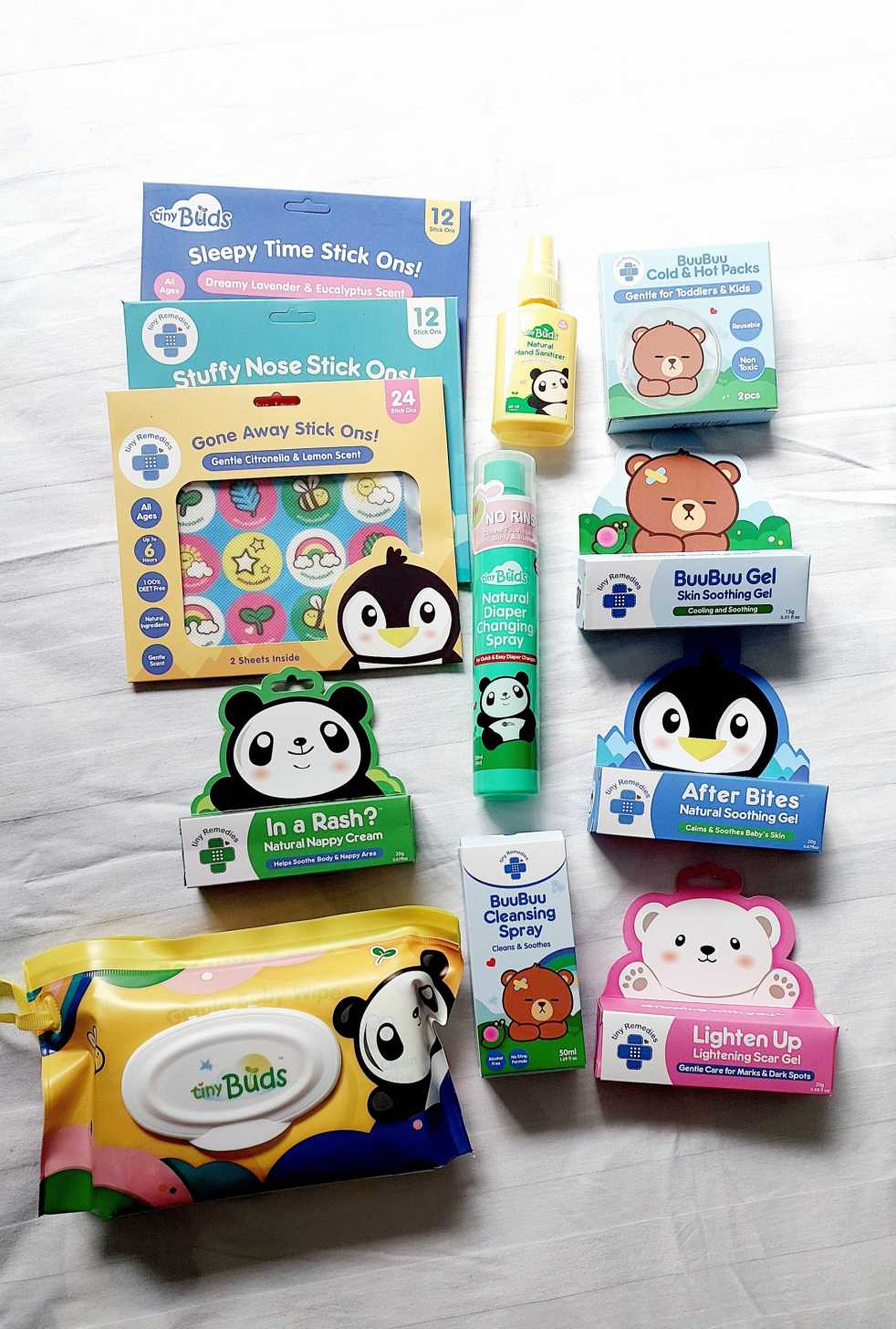
Your baby’s skin is more delicate than most, this is why you have to choose products that are designed for sensitive skin. Tiny Buds is a pioneer in integrating natural ingredients into baby care and today has over 50 innovative natural baby care essentials and is one of the Top Baby Personal Care brands. Here… Continue reading Product Review: Tiny Buds Baby Naturals Baby Essentials
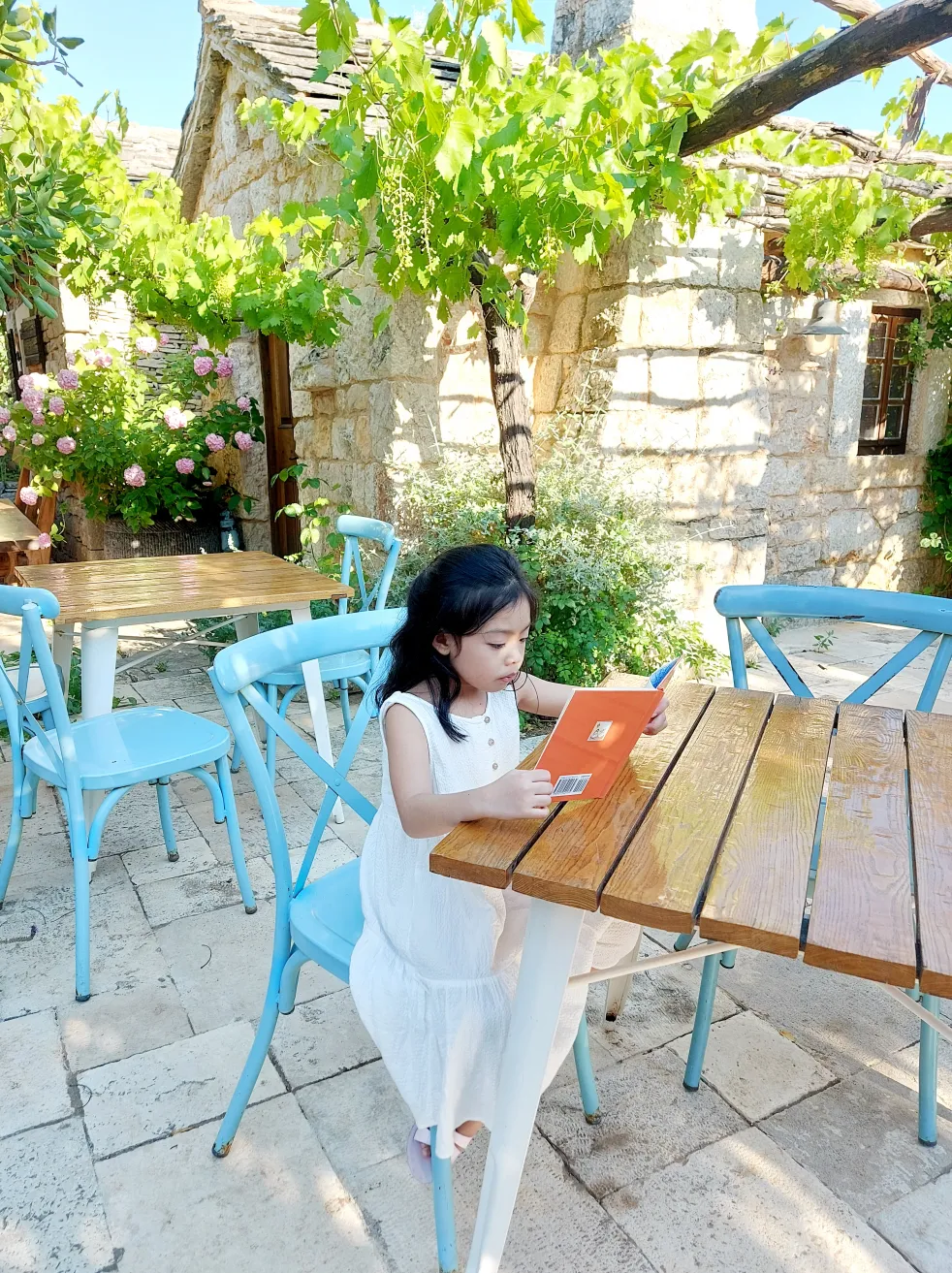
Where your child goes to school is a big decision and shouldn’t be taken lightly. Given how their education can impact their future, you might be tempted to take control and decide for them. However, you might be doing more damage than helping them in the long run. Your job as parents is to support… Continue reading HOW TO CHOOSE THE BEST SCHOOL FOR YOUR CHILD
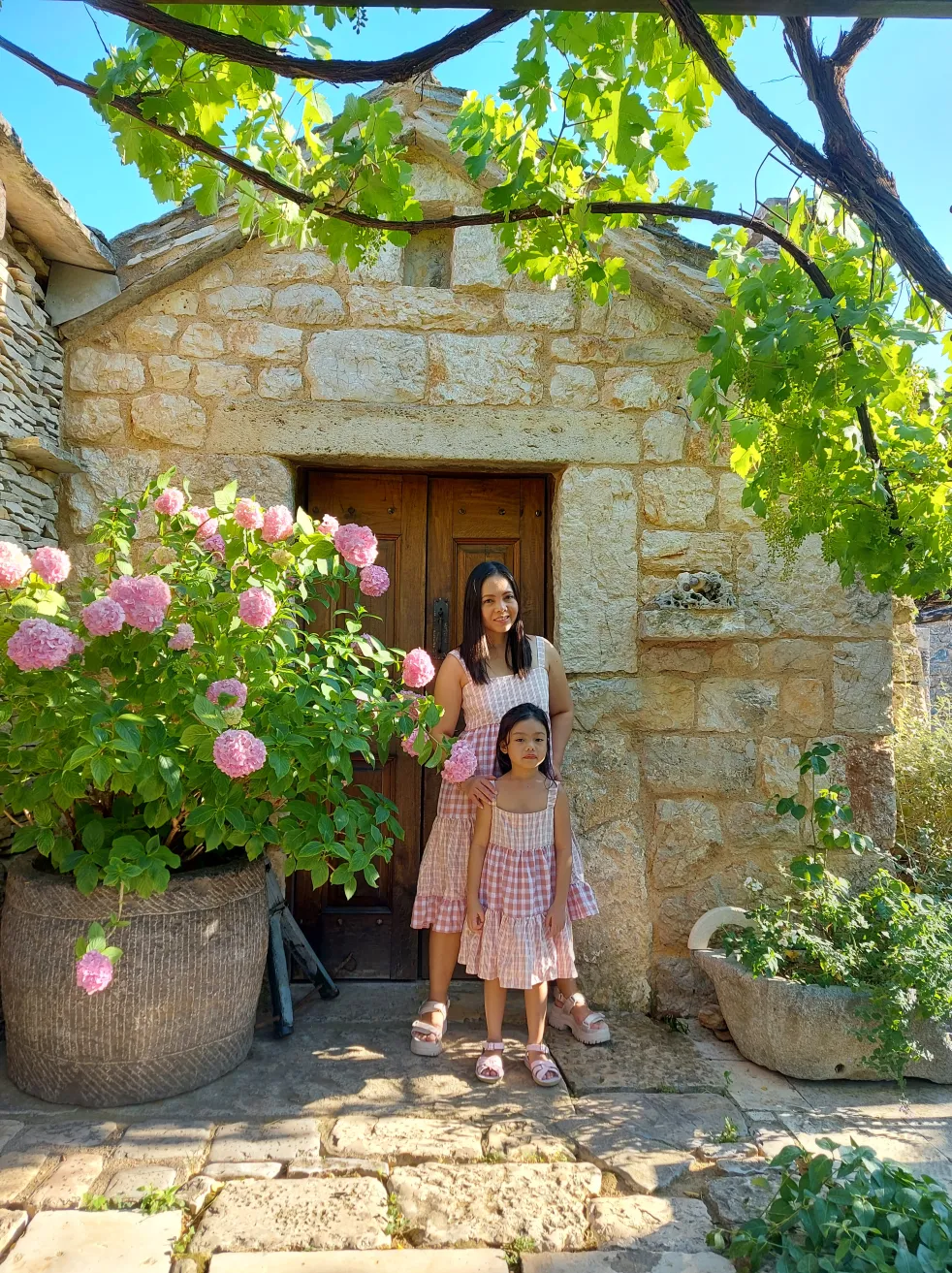
As poet and philosopher Rumi once eloquently said, “raise your words, not your voice. It is rain that grows flowers, not thunder.” Parenting is a challenging journey, and the truth is that nobody has everything figured out. One parenting style might suit others best, and some might favor other methods. However, children respond better to… Continue reading A SIMPLE GUIDE TO GENTLE PARENTING
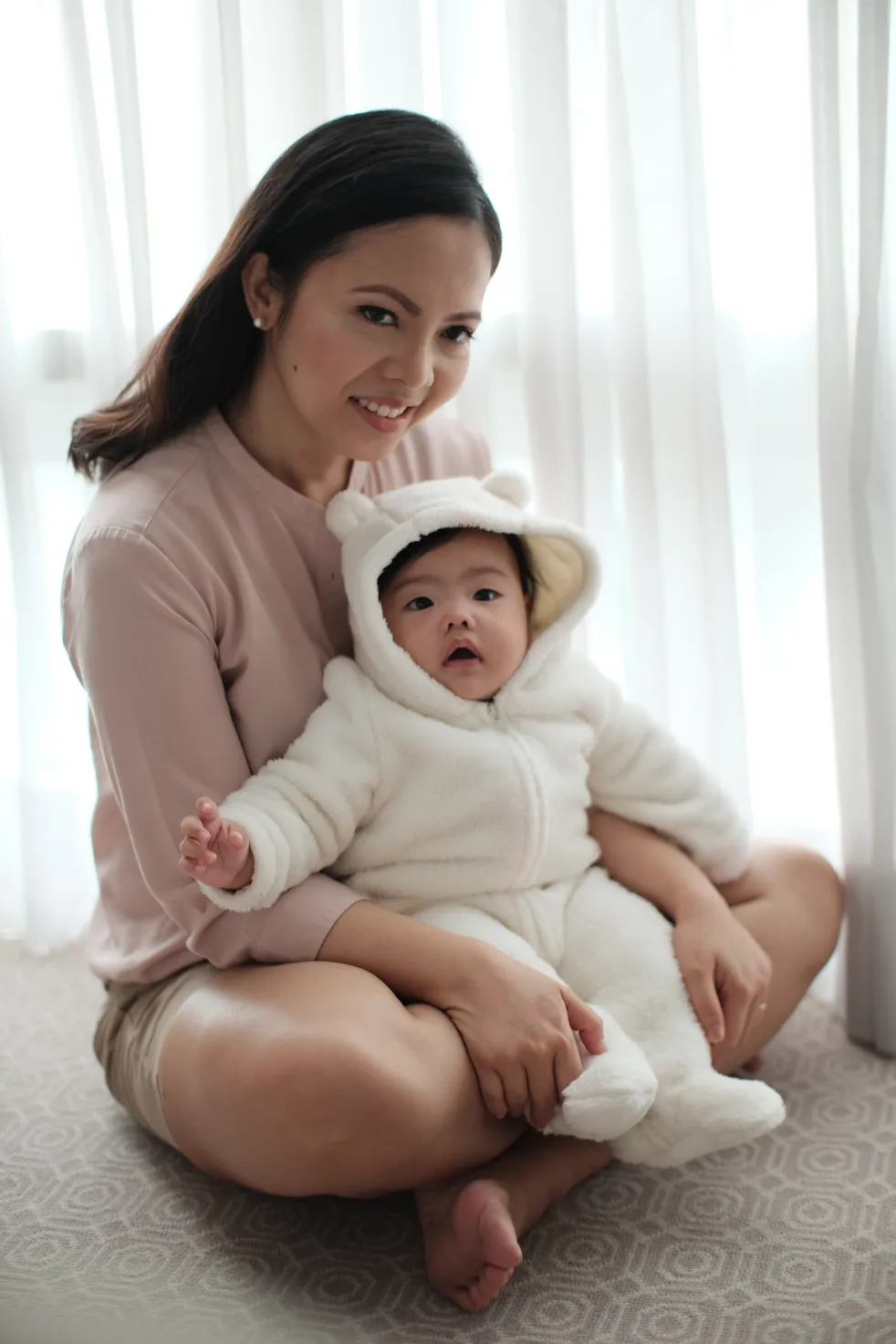
Whether you’re a new mom to be, mom of a toddler, mom who have school-aged kids, you’re bound to have so many questions. Let's start with your baby's skin. Infant skin has unique needs; gentle care is essential to prevent damage to the skin barrier, which can lead to irritation. When caring for infant skin,… Continue reading Keeping Baby’s Diapered Skin Healthy
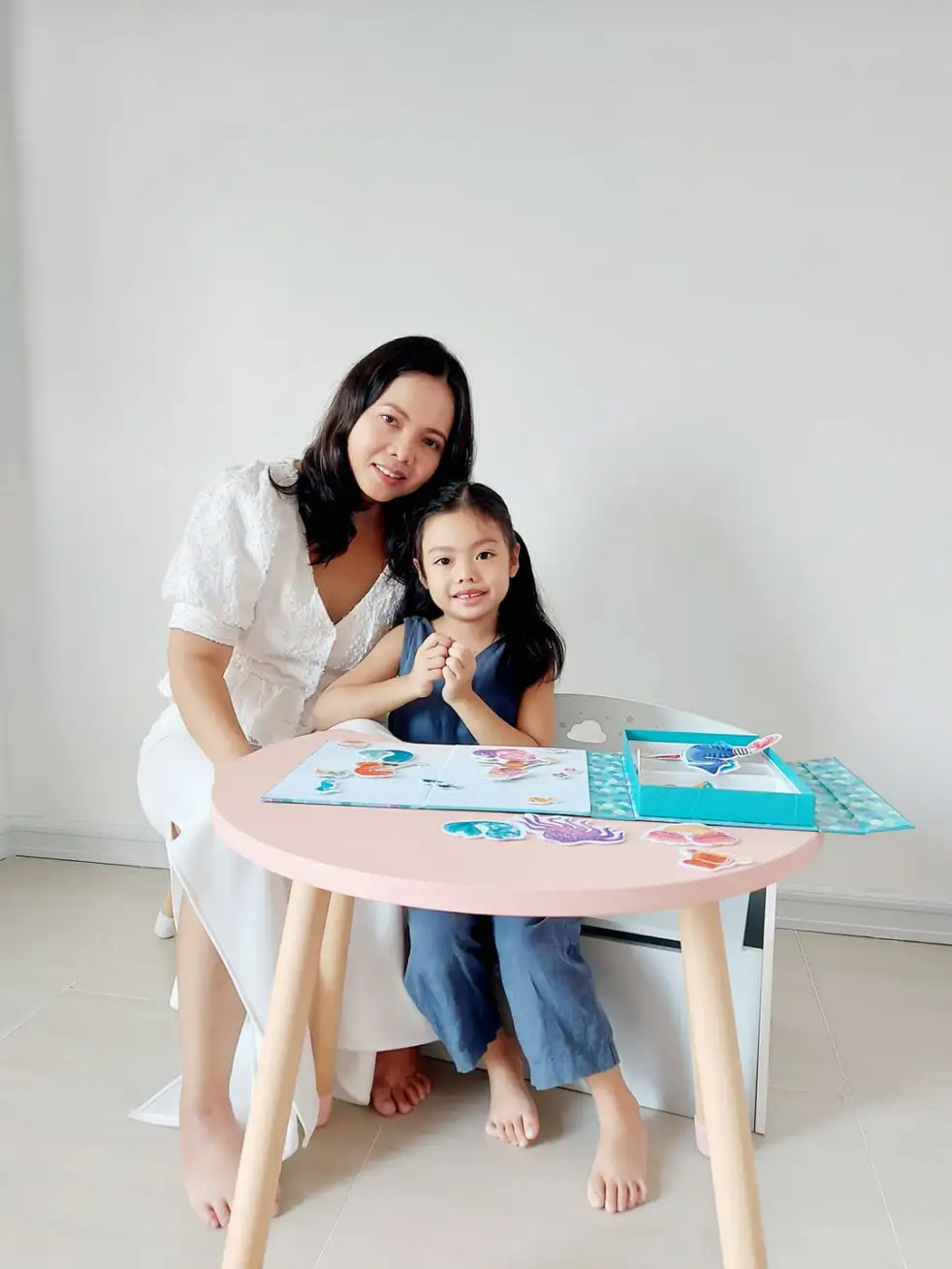
As parents, we want to give our child the best possible start in life and that begins with nurturing their intelligence. Throughout history, the notion of success has been linked to academic intelligence. However, there has been an increased awareness on the importance of emotional intelligence. This question gets at the heart of the never-ending… Continue reading IQ or EQ, which one is a better predictor of your child’s success?
 wondermomma.net