

Last August, IKEA Philippines engaged with Better World Smokey Mountain, a newly opened community center operated by the San Miguel Foundation, which shares a similar goal of improving the lives of many Filipino people. Through this partnership, IKEA Philippines provided and assembled home furnishings for the classrooms and library of Better World Smokey Mountain community… Continue reading Help Create a Better World with IKEA Soft Toys
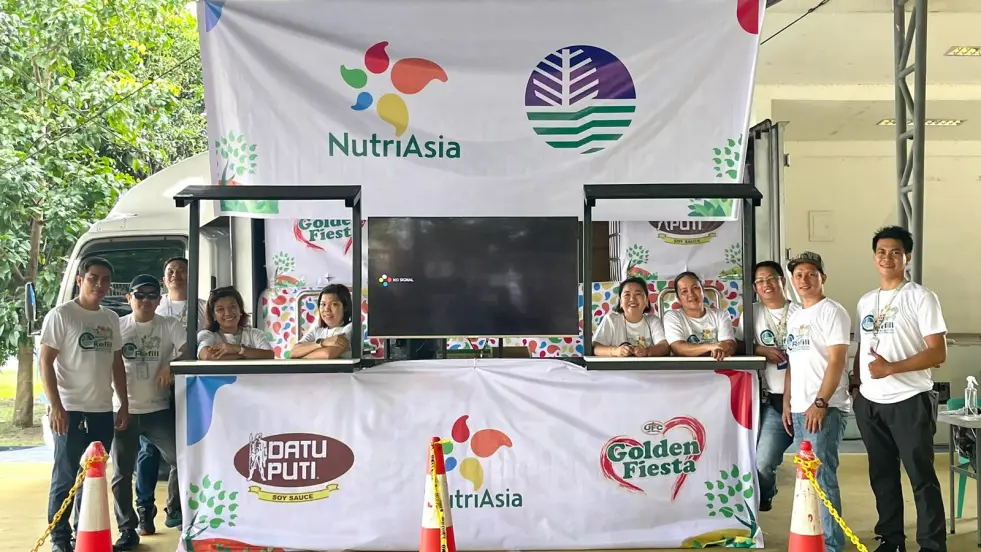
NutriAsia, the country’s top producer of condiments and sauces, continues its support of Refill Revolution; a project by the Department of Environment and Natural Resources EMB 3 that aims to help reduce Filipinos’ single-use plastics consumption. At Refill Revolution, residents get to recycle their single-use plastic bottles by reusing and filling it with their choice… Continue reading NutriAsia and DENR renews partnership for Refill Revolution

How to Make Homemade Playdough with Natural Ingredients
Homemade playdough gives children a soft, moldable material for imaginative play, sensory exploration, and early learning. With a few familiar pantry ingredients, parents can create a colorful dough without relying on complicated equipment or specialty supplies. The process is simple enough for a relaxed afternoon activity and flexible enough to suit toddlers, preschoolers, and older children.
Making your own dough also allows you to control the ingredients, scent, texture, and color. This can be helpful for families who prefer gentle, low-waste play materials or who want to avoid strong fragrances. Natural playdough is still a children’s craft material rather than food, so children should always play with it under adult supervision.
For more family activities, parenting guidance, and practical ideas suited to everyday life, explore these helpful parenting resources.
Why Homemade Dough Works
Playdough supports several areas of child development at the same time. Rolling and squeezing strengthen small hand muscles needed for writing, drawing, dressing, and using utensils. Pinching, poking, and shaping also encourage hand-eye coordination, while pretend cooking and construction invite children to practice language and storytelling.
The sensory experience can be calming as well. A child may enjoy the smooth, cool texture and repetitive movement of kneading, especially after a busy day. Playdough activities do not need a fixed outcome. A child can make pretend food, animals, flowers, letters, buildings, or abstract shapes, allowing creativity to lead the play.
Natural ingredients are especially useful when parents want an easy homemade activity. Flour, salt, water, and cooking oil are affordable and widely available in the Philippines. Food-based coloring and mild natural scents can add interest, but they are optional. A plain dough can be just as engaging when paired with cookie cutters, shells, craft sticks, or bottle caps.
Gather The Ingredients
A basic cooked playdough recipe needs two cups of plain flour, half a cup of fine salt, one and a half cups of water, one tablespoon of cooking oil, and one tablespoon of cream of tartar. Cream of tartar helps create a soft, elastic texture and improves the dough’s shelf life. If it is unavailable, the recipe can still work, although the dough may be slightly less smooth.
For natural color, use small amounts of ingredients such as turmeric for yellow, beetroot powder or a little beet juice for pink, cocoa powder for brown, and matcha for green. These additions can affect the smell and texture, so add them gradually. A few drops of food-grade lavender or orange extract may provide scent, but avoid essential oils unless they are specifically considered safe for children and properly diluted.
Use fine salt rather than coarse crystals because it dissolves more easily. Plain white flour produces the most predictable texture, while whole-wheat flour creates a darker, grainier dough. Choose a neutral cooking oil such as coconut, sunflower, or vegetable oil. Coconut oil can add a pleasant scent, but it may become firm in a cool room and soft in warm weather.
Mix The Dough Carefully
Place the flour, salt, cream of tartar, and any dry coloring powder in a saucepan. Stir the ingredients together before adding the water and oil. Mixing the dry ingredients first helps distribute the salt and color evenly, reducing the chance of pale streaks or salty pockets in the finished dough.
Add the water and oil, then stir over low to medium heat. Keep scraping the bottom and sides of the pan with a wooden spoon or silicone spatula. At first, the mixture will look like a thick batter. As it warms, it will begin to gather into a sticky mass. Continue stirring until the dough pulls away from the sides and forms a soft ball.
Turn the dough onto a clean surface and allow it to cool until it is comfortable to touch. Knead it for several minutes, pressing, folding, and turning it repeatedly. If the dough feels sticky, sprinkle in a little flour. If it feels dry or crumbly, knead in a few drops of water or oil. Small adjustments are better than adding a large amount at once.
| Ingredient or Addition | Purpose | Useful Note |
|---|---|---|
| Plain flour | Forms the main structure | Use white flour for a smoother finish |
| Fine salt | Adds body and discourages quick spoilage | Dissolve it well during cooking |
| Water | Brings the ingredients together | Add gradually if adjusting texture |
| Cooking oil | Creates softness and flexibility | Neutral oils give a mild scent |
| Cream of tartar | Improves elasticity | Helps the dough stay usable longer |
| Turmeric | Provides yellow color | Use sparingly to limit staining |
| Cocoa powder | Creates brown color and scent | It may make the dough slightly drier |
| Beetroot powder | Gives pink or red tones | Add a little at a time |
Adjust Texture And Color
The ideal homemade dough should feel smooth, pliable, and easy to shape without leaving a heavy residue on the hands. Humidity can change the result, which is especially important in warm, rainy, or coastal areas. If the dough becomes sticky after cooling, knead in flour one teaspoon at a time. Avoid adding too much, since excess flour can make it stiff.
When using natural colorants, divide the finished plain dough into several pieces. Make a small hollow in each piece, add the coloring, and knead until the shade becomes even. Wearing disposable gloves can prevent turmeric, beetroot, and other pigments from coloring the hands temporarily. Cover each portion while working on the others so the surface does not dry.
Natural colors are often softer than commercial coloring, which can be a lovely fit for gentle, nature-inspired play. Children can also mix two dough colors to observe changes. Blue and yellow can become green, while red and yellow can produce orange. This turns a simple craft into an informal lesson about prediction, observation, and cause and effect.
Make Play Safe And Meaningful
Adult supervision is essential, especially for toddlers who may taste unfamiliar materials. Although the ingredients are common in cooking, the high salt content means playdough should not be eaten. Keep the dough away from children with wheat, gluten, or other relevant allergies, and wash hands and surfaces before and after the activity.
Set up play on a washable tray, placemat, or low table. Offer a small amount of dough at first, along with child-safe tools such as plastic rollers, cookie cutters, craft sticks, measuring cups, and large silicone molds. Avoid tiny objects that could become choking hazards. Dried beans, beads, and small buttons should only be used with children who can handle them safely and with close supervision.
The activity can be adapted to a child’s age and interests. Toddlers may simply squeeze, flatten, and poke the dough. Preschoolers can make pretend meals, faces, or animals. Older children might build letter shapes, count objects, create patterns, or design a miniature bakery. Parents can support learning by describing actions rather than directing every step: “You rolled a long piece,” or “You used three small balls for the eyes.”
Store And Refresh The Dough
Once the play session ends, brush away crumbs and place each color in an airtight container or resealable bag. Press out extra air before sealing. Store the dough in a cool, dry cupboard and label the container with the date it was made. Refrigeration is usually unnecessary and may make the dough harder to handle.
Check the playdough before each use. Discard it if it develops mold, an unpleasant smell, unusual stickiness, or visible contamination. Homemade dough generally lasts for several weeks when handled with clean hands, though its lifespan depends on humidity and storage. If it begins to dry slightly, knead in a few drops of water or oil rather than throwing it away immediately.
For a seasonal activity, add shapes and colors connected to family celebrations or local surroundings. Green and brown dough can inspire garden play, while blue and white can become clouds, waves, or rainy-day scenes. Children can also press safe textured objects into the dough to make patterns, encouraging them to notice leaves, fabric, shells, or kitchen tools.
Simple Habits For Better Play
A few practical habits make homemade playdough easier to prepare, safer to use, and more enjoyable for everyone. Keep the recipe consistent at first, then make small changes after observing how the dough behaves in your home.
- Measure the flour and water carefully before cooking to create a reliable base.
- Add natural color in small amounts so the dough does not become wet or overly scented.
- Let the dough cool fully before inviting children to knead it.
- Use washable tools and a dedicated play surface to simplify cleanup.
- Store each color separately in airtight containers and inspect it before every session.
Children often enjoy helping with the preparation, too. Older children can measure dry ingredients, compare colors, or record how the texture changes during cooking. Younger children can choose the colors and tools after the dough has cooled. Giving children a small role builds independence while keeping the activity manageable for adults.
Homemade playdough is a useful addition to a family’s collection of low-cost indoor activities. It offers open-ended creativity, supports fine motor development, and can be adapted to different ages, seasons, and learning goals. Prepare a batch, set out a few simple tools, and make space for children to shape their own ideas.

Mercato Centrale, in collaboration with Indian Women in Enterprise Philippines (I-We), is set to host "The Great Indian Fiesta" to mark 75 years of friendship between India and the Philippines. The dynamic two-day event is scheduled to take place on September 30 to October 1, 2023, at Paseo De Roxas Street, Makati City. Aiming to… Continue reading Mercato Centrale Partners with I-We to Host ‘The Great Indian Fiesta’, Commemorating 75 Years of India-Philippines Friendship

My stomach would usually start growling at 10 am even after taking a big breakfast. This is probably because I am a morning person and I move a lot throughout the day hence snacking is something that I can't avoid. This potatoes and chicken wrap recipe is easy to prepare and would keep me full… Continue reading Potato and Chicken Wrap
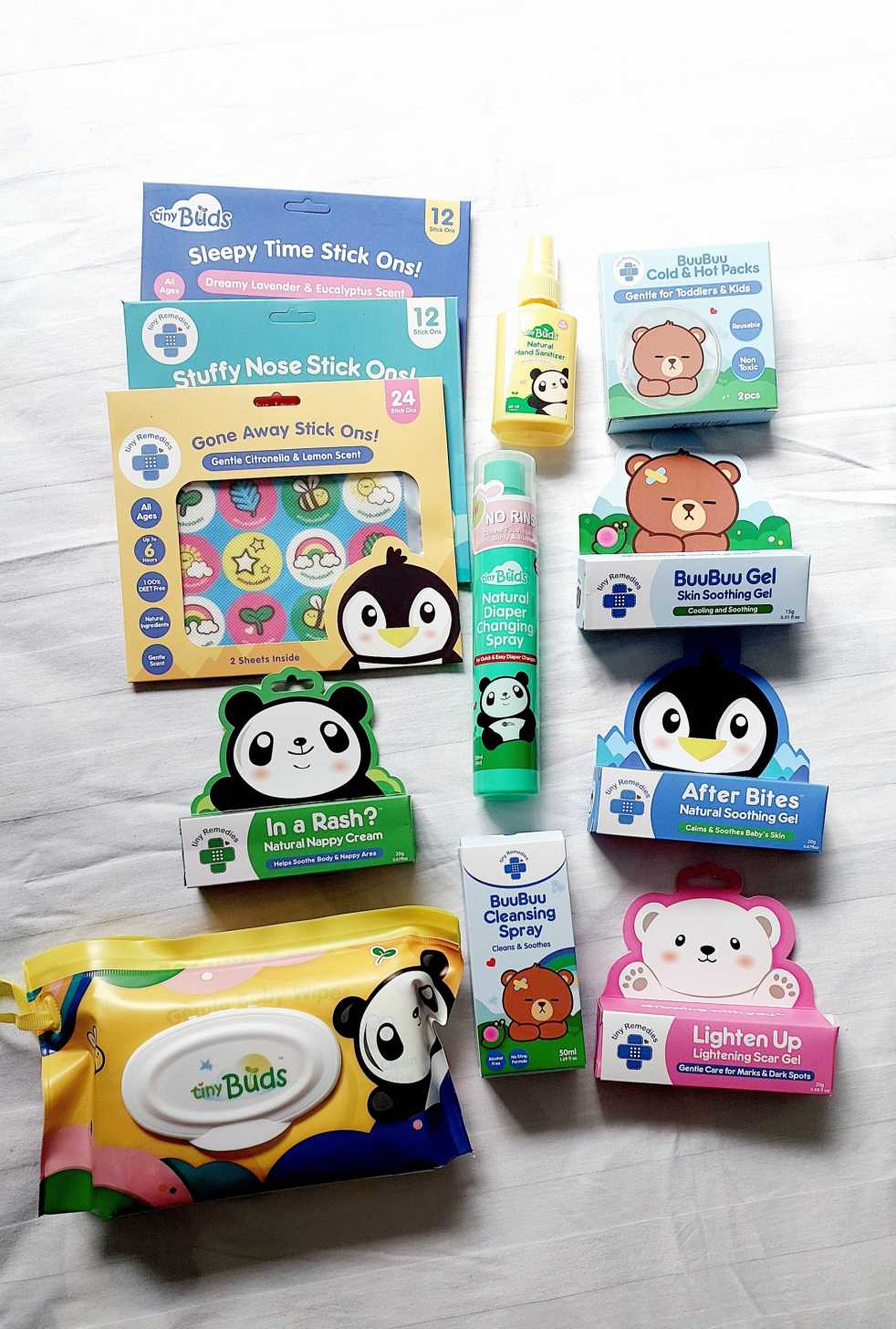
Your baby’s skin is more delicate than most, this is why you have to choose products that are designed for sensitive skin. Tiny Buds is a pioneer in integrating natural ingredients into baby care and today has over 50 innovative natural baby care essentials and is one of the Top Baby Personal Care brands. Here… Continue reading Product Review: Tiny Buds Baby Naturals Baby Essentials
Where your child goes to school is a big decision and shouldn’t be taken lightly. Given how their education can impact their future, you might be tempted to take control and decide for them. However, you might be doing more damage than helping them in the long run. Your job as parents is to support… Continue reading HOW TO CHOOSE THE BEST SCHOOL FOR YOUR CHILD
As poet and philosopher Rumi once eloquently said, “raise your words, not your voice. It is rain that grows flowers, not thunder.” Parenting is a challenging journey, and the truth is that nobody has everything figured out. One parenting style might suit others best, and some might favor other methods. However, children respond better to… Continue reading A SIMPLE GUIDE TO GENTLE PARENTING

Whether you’re a new mom to be, mom of a toddler, mom who have school-aged kids, you’re bound to have so many questions. Let's start with your baby's skin. Infant skin has unique needs; gentle care is essential to prevent damage to the skin barrier, which can lead to irritation. When caring for infant skin,… Continue reading Keeping Baby’s Diapered Skin Healthy
As parents, we want to give our child the best possible start in life and that begins with nurturing their intelligence. Throughout history, the notion of success has been linked to academic intelligence. However, there has been an increased awareness on the importance of emotional intelligence. This question gets at the heart of the never-ending… Continue reading IQ or EQ, which one is a better predictor of your child’s success?
 wondermomma.net