

Last August, IKEA Philippines engaged with Better World Smokey Mountain, a newly opened community center operated by the San Miguel Foundation, which shares a similar goal of improving the lives of many Filipino people. Through this partnership, IKEA Philippines provided and assembled home furnishings for the classrooms and library of Better World Smokey Mountain community… Continue reading Help Create a Better World with IKEA Soft Toys
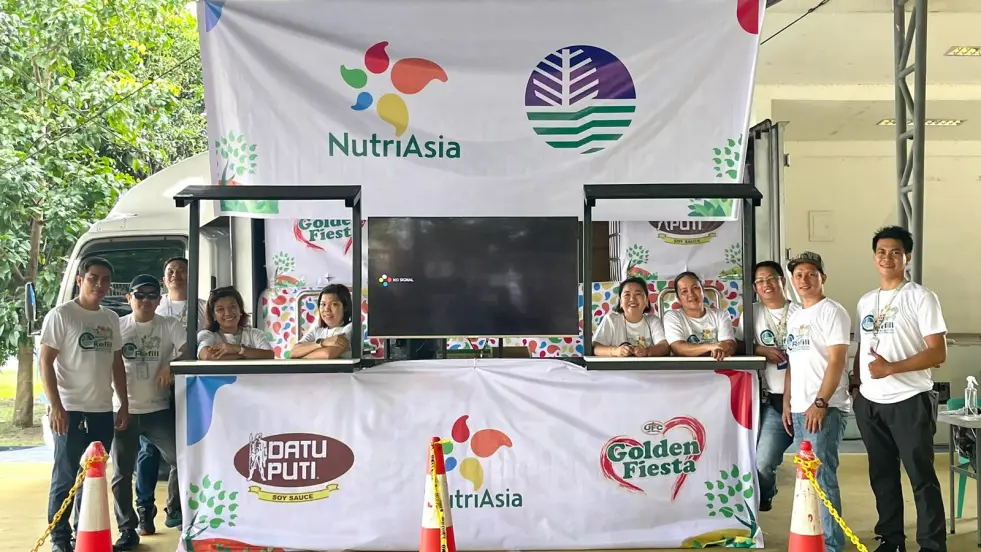
NutriAsia, the country’s top producer of condiments and sauces, continues its support of Refill Revolution; a project by the Department of Environment and Natural Resources EMB 3 that aims to help reduce Filipinos’ single-use plastics consumption. At Refill Revolution, residents get to recycle their single-use plastic bottles by reusing and filling it with their choice… Continue reading NutriAsia and DENR renews partnership for Refill Revolution

How to Make Homemade Baby Puree on a Budget
Preparing your baby’s first foods at home can be simple, affordable, and reassuring. You control the ingredients, texture, and portion size, while familiar family produce can become nourishing meals for your little one. Homemade puree also makes it easier to introduce one food at a time and observe how your baby responds.
A small blender, food processor, or fork is usually enough to begin. You do not need expensive baby-food equipment or a pantry filled with specialty ingredients. With careful shopping, safe preparation, and a little batch cooking, homemade baby meals can fit comfortably into a family budget in the Philippines.
Before offering solids, follow your pediatrician’s advice and look for readiness signs such as sitting with support, steady head control, bringing food to the mouth, and showing interest in meals. Breast milk or formula remains your baby’s main source of nutrition during the early stages of complementary feeding.
Start with affordable seasonal produce
The most budget-friendly ingredients are often the fruits and vegetables that are in season, locally grown, and sold at public markets. Squash, sweet potato, banana, papaya, ripe mango, carrots, potatoes, and sayote can all become smooth baby food with little preparation. Prices vary by location, so compare market stalls, supermarkets, and neighborhood produce shops.
Choose fresh ingredients that are firm, clean, and free from mold or bruising. Frozen vegetables without added salt or seasoning can also be useful when fresh produce is expensive. They are often washed and prepared quickly, which reduces waste and saves time.
Use what your family already eats when possible, but set aside your baby’s portion before adding salt, sugar, fish sauce, soy sauce, stock cubes, or spicy seasonings. This approach keeps meals suitable for infants while allowing the rest of the family’s food to be seasoned normally.
Use simple cooking methods and equipment
Steaming is a good way to soften vegetables while preserving their flavor and making them easy to mash. Place peeled and chopped squash, sweet potato, carrot, or sayote in a steamer until a fork slides through easily. You can also simmer produce in a small amount of water, although some nutrients may move into the cooking liquid.
For soft fruits such as banana, avocado, papaya, and ripe mango, cooking may not be necessary. Mash them thoroughly with a clean fork and adjust the consistency with breast milk, prepared formula, or a little safe drinking water. Never add honey to food for a child under 12 months because of the risk of infant botulism.
A blender creates a smooth puree, but it is not essential. A fork, potato masher, or fine mesh strainer can work well for small portions. If you use a blender, add liquid gradually so the puree does not become too thin. Wash and dry all utensils before and after use, especially items that touch raw produce or animal products.
Build nutritious combinations gradually
Begin with a single ingredient so you can identify possible reactions. Offer a small amount when your baby is alert, then wait and observe over the next few days before introducing another new food. Once individual foods are familiar, combine complementary flavors such as sweet potato and banana, squash and potato, or avocado and papaya.
Iron-rich foods deserve regular attention as babies grow. Pureed beans, lentils, well-cooked egg, chicken, fish without bones, and soft meat can be introduced in developmentally appropriate forms. Ask your pediatrician about the right timing and texture, particularly if your baby has allergies, eczema, feeding difficulties, or a family history of food reactions.
A puree does not have to be perfectly smooth forever. As your baby becomes comfortable with eating, gradually make the texture thicker and slightly lumpy. Progressing from smooth puree to mashed food and soft finger foods supports chewing skills and helps children learn different textures.
| Ingredient | Preparation | Helpful pairing | Approximate storage |
|---|---|---|---|
| Squash | Steam and blend with water | Potato or lentils | Refrigerator up to 2 days; freezer about 1 month |
| Sweet potato | Bake, steam, or boil until soft | Banana or chicken | Refrigerator up to 2 days; freezer about 1 month |
| Banana | Mash fresh with a fork | Avocado or oats | Best served immediately |
| Papaya | Peel, remove seeds, and mash | Banana or yogurt when suitable | Best served immediately |
| Carrot | Steam until very tender | Potato or rice | Refrigerator up to 2 days; freezer about 1 month |
| Beans or lentils | Cook until soft and blend | Squash or sweet potato | Refrigerator up to 2 days; freezer about 1 month |
Make batch cooking work for your budget
Cooking a larger batch once or twice a week can reduce electricity use, preparation time, and food waste. Wash, peel, and chop several ingredients together, then cook each one separately if you are still tracking possible reactions. After your baby has tried them safely, you can prepare mixed purees in larger batches.
Spoon cooled puree into clean ice cube trays or small freezer-safe containers. Once frozen, transfer the portions to a labeled food-safe bag or container. Write the ingredient and preparation date on the label so older portions are used first. Small portions thaw faster and prevent you from wasting food when your baby eats only a few spoonfuls.
Thaw frozen puree in the refrigerator, in a bowl of warm water, or using a microwave followed by thorough stirring. Check for hot spots before serving. Do not refreeze food that has already been thawed, and discard leftovers from your baby’s bowl because saliva can introduce bacteria into the food.
Keep preparation safe and gentle
Wash your hands, work surfaces, utensils, and produce before preparation. Keep raw meat, poultry, and fish separate from fruits and vegetables. Cook animal foods thoroughly, remove every bone, and blend them with a soft vegetable or a little cooking liquid. Avoid whole nuts, hard raw vegetables, popcorn, uncut grapes, and other choking hazards.
Do not use cow’s milk as a main drink before 12 months, though small amounts may be suitable in some cooked recipes according to professional guidance. Avoid added sugar and salt, and check packaged ingredients for hidden sodium. Babies are learning the natural taste of food, so mild flavors are enough.
Food safety also includes your baby’s skin and comfort. If your child has eczema-prone skin, food around the mouth can sometimes irritate already sensitive areas. Keep a soft cloth nearby, pat rather than rub after meals, and use products suited to your child’s needs; this guide to baby skincare for eczema can provide helpful care reminders.
Keep meals practical and responsive
A baby may accept a food one day and reject it the next. That reaction is normal and does not necessarily mean the food is disliked permanently. Offer small portions without pressure, and allow your child to decide how much to eat. Mealtimes should be calm, supervised, and free from force.
Use inexpensive family staples to create variety. Rice can be blended with vegetables, oats can be cooked until soft, and leftover plain vegetables can be transformed into a baby portion before adult seasoning is added. Rotate colors and flavors across the week instead of buying many ingredients at once.
A simple weekly rhythm might include banana or avocado in the morning, squash or sweet potato at lunch, and a protein-and-vegetable blend later in the day when appropriate for your baby’s stage. Keep breast milk or formula feeds consistent, and follow local medical guidance about portions and meal frequency.
Shop, cook, and store with less waste
Plan three or four baby-friendly ingredients before visiting the market. Buy produce that can be used by everyone in the household, such as a whole squash, a bunch of bananas, or several sweet potatoes. Inspect what you already have at home before shopping, and freeze ripe fruit before it spoils.
Use vegetable cooking water to thin purees when it has been prepared safely and contains no salt. Save edible scraps for family cooking where appropriate, but do not use damaged, moldy, or questionable produce for your baby. A small food diary can help you track new foods, reactions, preferred textures, and freezer portions.
Affordable baby food is about consistency rather than complexity. A few carefully prepared ingredients can provide many combinations, and homemade meals can grow with your child as textures change.
Budget-friendly habits worth keeping
- Choose seasonal produce and compare prices at local markets.
- Cook one or two large batches, then freeze small labeled portions.
- Use a fork or masher instead of buying specialized equipment.
- Prepare the baby’s plain portion before seasoning the family meal.
- Introduce new ingredients separately and record any reactions.
Begin with one soft, familiar ingredient this week and prepare a small portion at home. As your baby becomes more comfortable, add new flavors, thicker textures, and iron-rich foods while keeping preparation safe, gentle, and affordable.

Mercato Centrale, in collaboration with Indian Women in Enterprise Philippines (I-We), is set to host "The Great Indian Fiesta" to mark 75 years of friendship between India and the Philippines. The dynamic two-day event is scheduled to take place on September 30 to October 1, 2023, at Paseo De Roxas Street, Makati City. Aiming to… Continue reading Mercato Centrale Partners with I-We to Host ‘The Great Indian Fiesta’, Commemorating 75 Years of India-Philippines Friendship

My stomach would usually start growling at 10 am even after taking a big breakfast. This is probably because I am a morning person and I move a lot throughout the day hence snacking is something that I can't avoid. This potatoes and chicken wrap recipe is easy to prepare and would keep me full… Continue reading Potato and Chicken Wrap
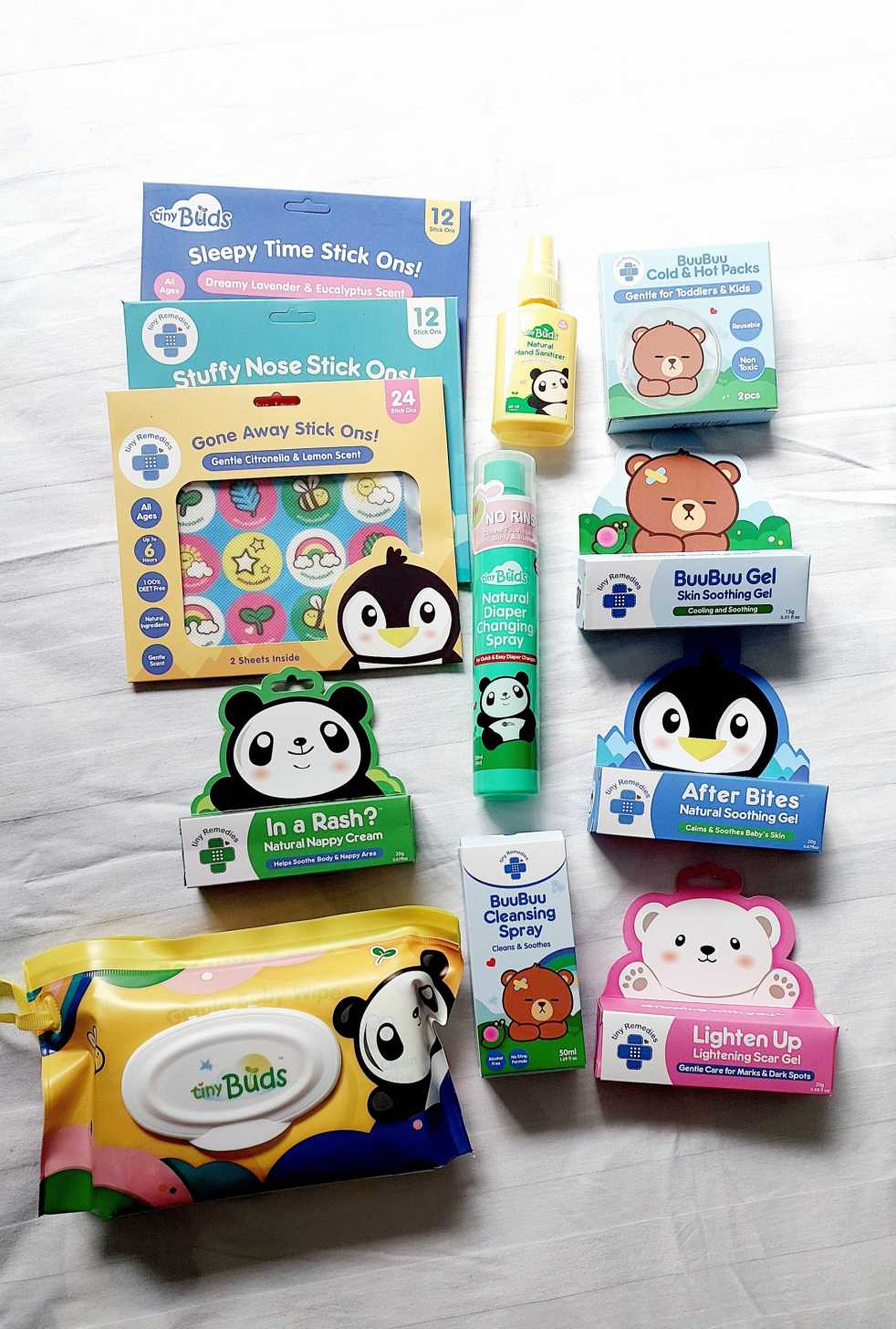
Your baby’s skin is more delicate than most, this is why you have to choose products that are designed for sensitive skin. Tiny Buds is a pioneer in integrating natural ingredients into baby care and today has over 50 innovative natural baby care essentials and is one of the Top Baby Personal Care brands. Here… Continue reading Product Review: Tiny Buds Baby Naturals Baby Essentials
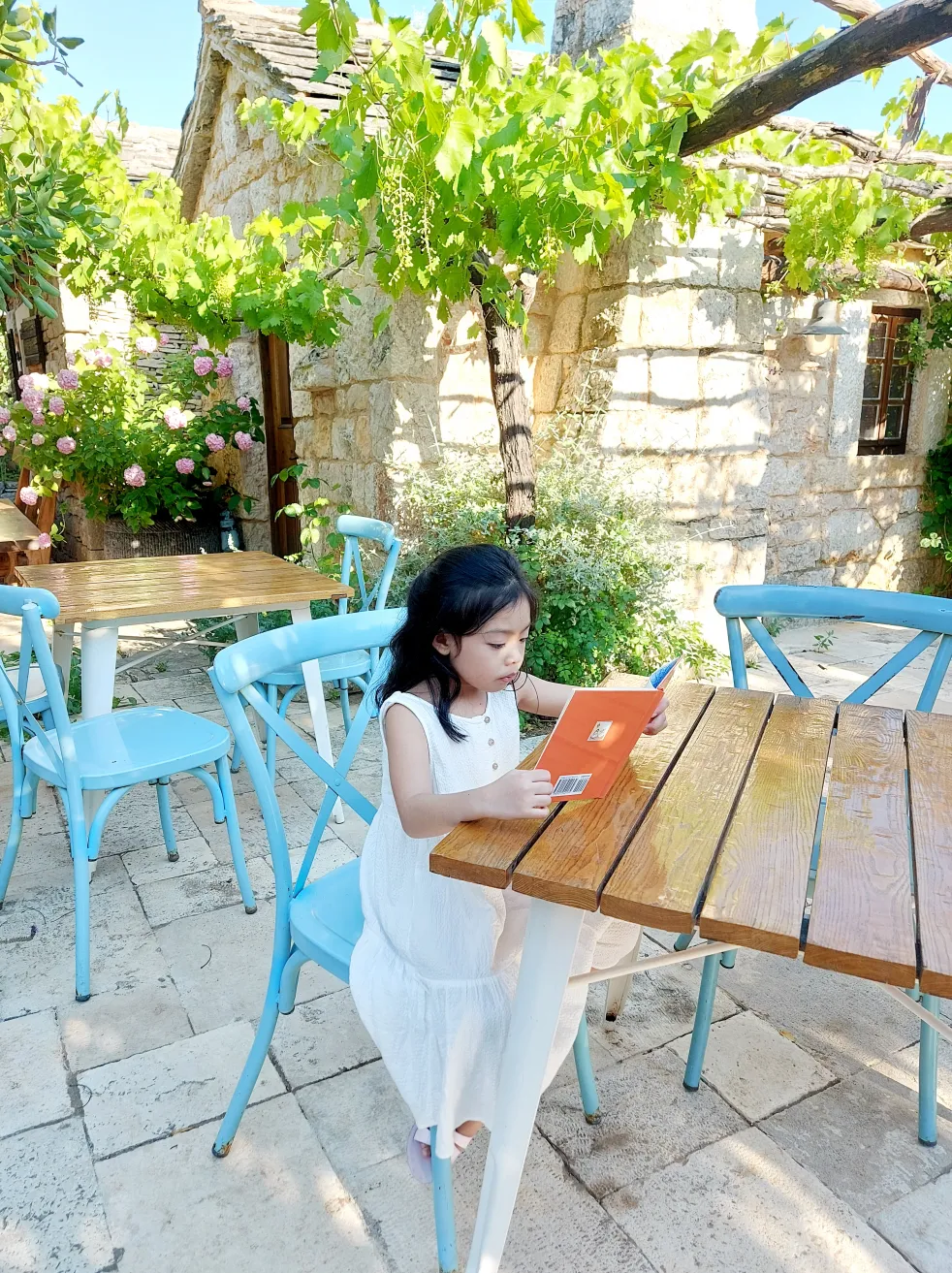
Where your child goes to school is a big decision and shouldn’t be taken lightly. Given how their education can impact their future, you might be tempted to take control and decide for them. However, you might be doing more damage than helping them in the long run. Your job as parents is to support… Continue reading HOW TO CHOOSE THE BEST SCHOOL FOR YOUR CHILD
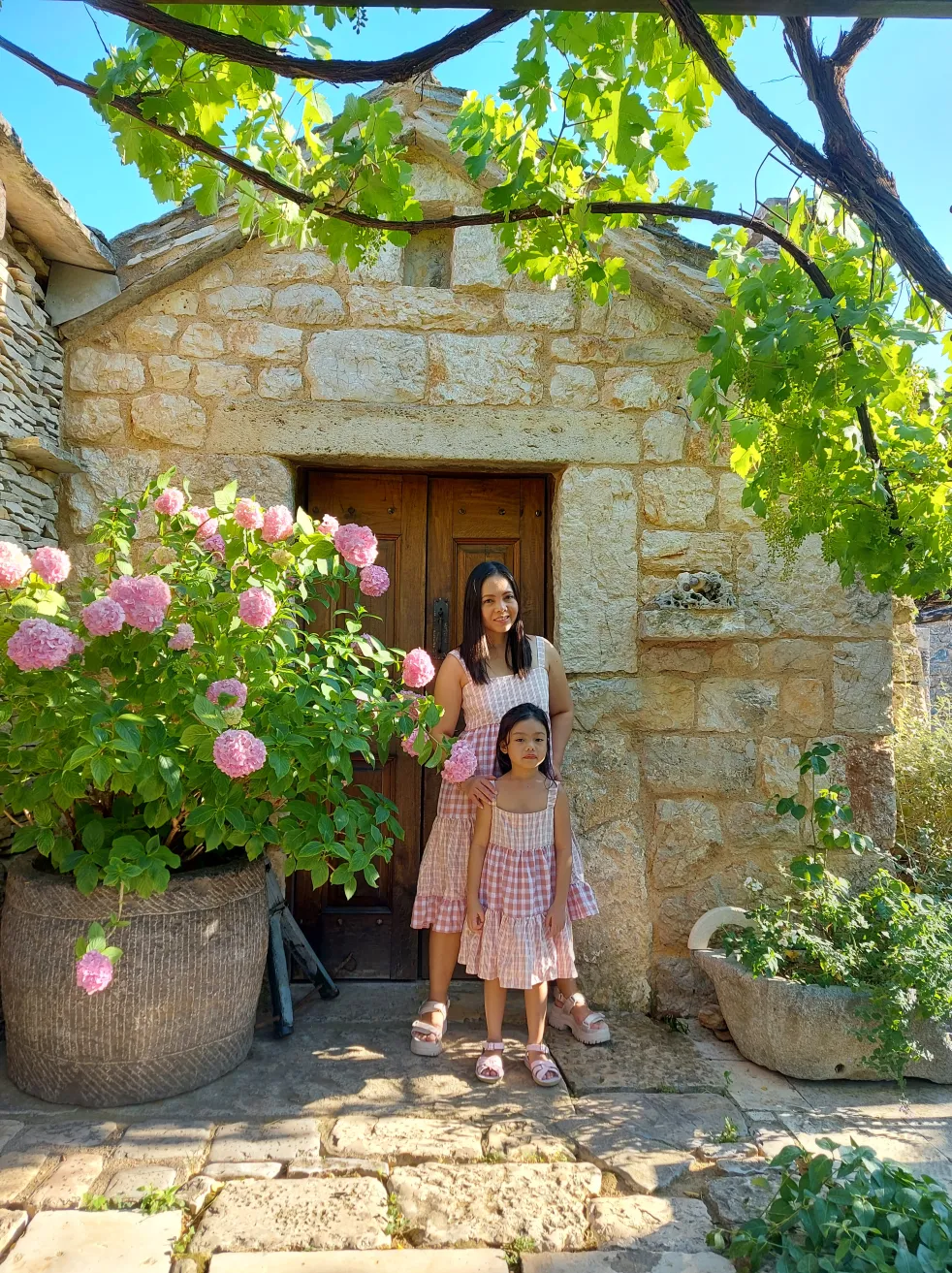
As poet and philosopher Rumi once eloquently said, “raise your words, not your voice. It is rain that grows flowers, not thunder.” Parenting is a challenging journey, and the truth is that nobody has everything figured out. One parenting style might suit others best, and some might favor other methods. However, children respond better to… Continue reading A SIMPLE GUIDE TO GENTLE PARENTING

Whether you’re a new mom to be, mom of a toddler, mom who have school-aged kids, you’re bound to have so many questions. Let's start with your baby's skin. Infant skin has unique needs; gentle care is essential to prevent damage to the skin barrier, which can lead to irritation. When caring for infant skin,… Continue reading Keeping Baby’s Diapered Skin Healthy
As parents, we want to give our child the best possible start in life and that begins with nurturing their intelligence. Throughout history, the notion of success has been linked to academic intelligence. However, there has been an increased awareness on the importance of emotional intelligence. This question gets at the heart of the never-ending… Continue reading IQ or EQ, which one is a better predictor of your child’s success?
 wondermomma.net