

Last August, IKEA Philippines engaged with Better World Smokey Mountain, a newly opened community center operated by the San Miguel Foundation, which shares a similar goal of improving the lives of many Filipino people. Through this partnership, IKEA Philippines provided and assembled home furnishings for the classrooms and library of Better World Smokey Mountain community… Continue reading Help Create a Better World with IKEA Soft Toys
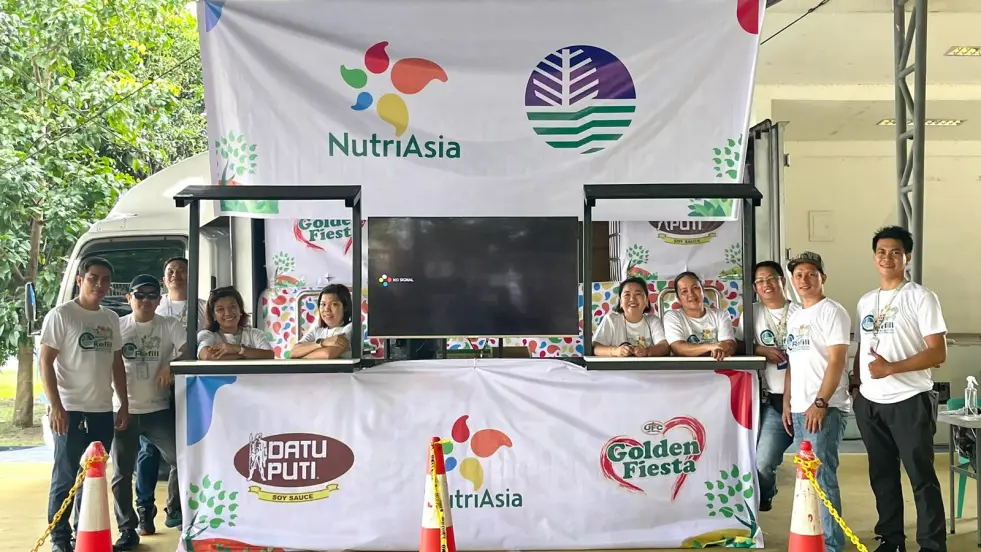
NutriAsia, the country’s top producer of condiments and sauces, continues its support of Refill Revolution; a project by the Department of Environment and Natural Resources EMB 3 that aims to help reduce Filipinos’ single-use plastics consumption. At Refill Revolution, residents get to recycle their single-use plastic bottles by reusing and filling it with their choice… Continue reading NutriAsia and DENR renews partnership for Refill Revolution
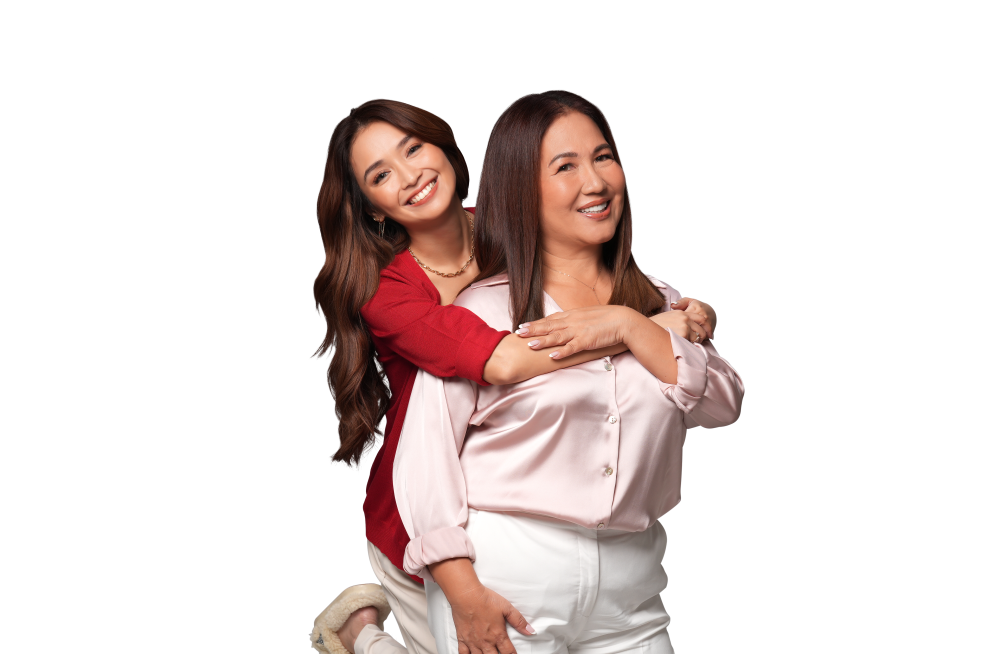
How to Make Homemade Baby Cereal with Local Grains
Homemade baby cereal can be a simple way to introduce soft grains while your baby learns new tastes and textures. Oats, rice, barley, millet and other pantry staples can be cooked into a smooth porridge, then gradually thickened as eating skills develop. The aim is a nourishing first food, not a complicated recipe.
In Australia, many families begin complementary foods at around six months, when a baby can sit upright with steady head control, reach for food and swallow rather than push it out. Breast milk or infant formula remains the main source of nutrition at this stage. Speak with your GP, child health nurse or an Aboriginal health service if your baby was premature, has growth concerns or may have feeding difficulties.
| Grain | Preparation | Best use | Important note |
|---|---|---|---|
| Rolled oats | Grind or cook whole | Creamy everyday porridge | Choose plain oats without added sugar |
| Brown or white rice | Cook very soft, then blend | Mild first cereal | Vary grains because rice can contain inorganic arsenic |
| Barley | Grind or cook until soft | Thicker, hearty porridge | Contains gluten |
| Millet | Rinse, cook and blend | Naturally mild cereal | Can become thick as it cools |
| Sorghum | Use finely milled flour | Smooth, gluten-free option | Buy from a reliable food supplier |
| Quinoa | Rinse thoroughly and cook | Protein-containing grain-like seed | A useful rotation food, though not a traditional cereal grain |
Choosing Grains For A Baby
Plain rolled oats are widely available at Coles, Woolworths, Aldi and independent grocers, making them an easy starting point. Australian-grown oats, barley, rice and millet may also be found in health-food shops or farmers’ markets in areas such as Adelaide, Melbourne and regional New South Wales. Select products with one ingredient and avoid flavoured sachets, sweetened cereals and products containing added salt.
Rice cereal has a mild taste, but it should not be the only grain offered. Food Standards Australia New Zealand advises reducing exposure to inorganic arsenic by eating a varied diet, and this principle is useful when planning baby meals. Rotate rice with oats, millet, barley or sorghum rather than serving rice at every meal.
Grains to try
- Plain rolled oats or quick oats
- Millet, sorghum or barley
- White or brown rice in rotation
- Quinoa after thorough rinsing
Shopping checks
- Look for one-ingredient packets
- Check the best-before date and packaging
- Avoid added sugar, honey and salt
- Choose finely milled flour for a smooth texture
Preparing Grain Flour At Home
For a smooth cereal, make a small amount of grain flour before cooking. Place dry oats, millet, barley or rice in a clean blender, spice mill or food processor and pulse until finely ground. Work in short bursts so the motor does not overheat. Store the flour in an airtight container in the refrigerator and use a clean, dry spoon each time.
You can also cook whole grains first. Rinse rice, millet or quinoa under cool running water, then simmer them in plenty of water until very soft. Barley may need longer cooking than oats, while millet can become creamy with gentle simmering. If using packaged flour, check that it is intended for food use and has been stored according to the label.
Good kitchen hygiene matters, particularly during an Australian summer or in warm homes in Brisbane, Darwin and Perth. Wash hands, clean the blender thoroughly and use separate utensils for raw and cooked ingredients. Homemade infant cereal should never be made with homemade infant formula or diluted cow’s milk.
Cooking A Smooth Baby Porridge
For a basic oat cereal, combine one tablespoon of finely ground oats with about 100 millilitres of water. Whisk while bringing the mixture to a gentle simmer, then cook for five to eight minutes, stirring often. Add a little more water if it becomes gluey. Allow it to cool before serving and test the temperature on the inside of your wrist.
Ground millet, rice or sorghum may need 10 to 20 minutes of simmering, depending on how finely they are milled. Cook until there are no gritty pieces. A stick blender can make the cereal smoother, but do not blend steaming food in a sealed container because pressure can build up. Add breast milk or prepared formula after cooking and cooling if you want a familiar flavour; never boil breast milk or formula.
Begin with a small amount, such as one or two teaspoons, and let your baby set the pace. Some babies prefer a spoon-fed puree at first, while others manage a soft, lumpy porridge. At around six months, the texture can be smooth, but it should gradually become thicker and more textured as chewing and swallowing skills improve.
Adding Iron And Gentle Flavours
Iron is especially important when babies begin eating solids. A grain porridge can be paired with iron-rich foods such as smooth meat puree, well-cooked lentils, mashed beans or iron-fortified infant cereal. Ask a health professional about iron needs if your baby was born early or follows a vegetarian or vegan diet.
Once a grain has been tolerated, mix the cereal with mashed pumpkin, sweet potato, pear, apple or banana. Steamed vegetables can add savoury flavour, while fruit can provide sweetness without sugar. For older babies who are ready for thicker textures, plain full-fat yoghurt may be stirred through after cooking, provided dairy has been introduced safely.
Use ordinary family ingredients rather than salt, stock powder, sugar or syrup. Babies do not need sweetened cereal, and honey must not be given before 12 months because of the risk of infant botulism. Spices such as cinnamon or a tiny amount of cumin may be suitable for some babies, but keep the overall recipe simple while you identify reactions.
Introducing Allergens Safely
Gluten-containing grains include wheat, barley and rye. Gluten itself is not a reason to delay these foods for most babies, but introduce them in a safe form and offer them regularly if tolerated. A smooth barley porridge is easier to manage than dry toast or intact grains. Speak with your GP before introducing foods if your baby has severe eczema, an existing food allergy or a strong family history of allergy.
Common allergens should be introduced one at a time in small amounts, so a reaction is easier to identify. Peanut butter must be smooth and thinned with warm water or cereal; never offer a spoonful of thick nut butter. Egg, dairy, wheat, peanut and other allergenic foods should be served in age-appropriate forms while an adult watches closely.
Signs of a mild reaction can include hives, facial swelling, vomiting or worsening eczema. Breathing difficulty, tongue swelling, unusual paleness or floppiness is an emergency: call 000. Keep a simple record of new foods, portions and symptoms. A motherhood journal can also become a practical place to note feeding milestones and foods your baby has tried.
Storing And Serving Cereal Safely
Cook only what you expect your baby to eat. Bacteria from a used spoon can enter the bowl, so discard leftovers that have been in contact with your baby’s mouth. Fresh cereal can be cooled quickly, covered and refrigerated at 5°C or below, then used within 24 hours. Reheat it once until steaming hot, stir well and cool before serving.
If you prepare dry grain flour in advance, label the container with the grain and preparation date. Keep it sealed and refrigerated, particularly in warm weather. Do not leave cooked porridge at room temperature for long periods, and take extra care with food packed for childcare in Sydney, Canberra or other busy urban areas where it may sit in a bag during travel.
Safe serving habits
- Sit your baby upright and stay nearby
- Use a small, soft-tipped spoon
- Check for hot spots after reheating
- Offer water in an open cup with meals when developmentally ready
Australian infant feeding guidance supports responsive feeding: offer food without forcing, watch hunger and fullness cues, and allow your baby to stop. Cereal is one part of a varied diet that will eventually include vegetables, fruit, legumes, meat or alternatives, dairy foods and age-appropriate finger foods.
Useful signs to watch
- Turning away or closing the mouth when full
- Reaching for food or opening the mouth when hungry
- Managing a thicker texture without persistent coughing
- Gradually accepting different flavours and grains
A homemade grain porridge can fit easily into Australian family life, from a quick breakfast before a Melbourne commute to a make-ahead meal for a rural childcare day. Keep the ingredients plain, rotate the grains, prioritise iron-rich foods and follow your baby’s readiness. With safe preparation and patient feeding, a simple cereal can support a positive start to family meals.

Mercato Centrale, in collaboration with Indian Women in Enterprise Philippines (I-We), is set to host "The Great Indian Fiesta" to mark 75 years of friendship between India and the Philippines. The dynamic two-day event is scheduled to take place on September 30 to October 1, 2023, at Paseo De Roxas Street, Makati City. Aiming to… Continue reading Mercato Centrale Partners with I-We to Host ‘The Great Indian Fiesta’, Commemorating 75 Years of India-Philippines Friendship

My stomach would usually start growling at 10 am even after taking a big breakfast. This is probably because I am a morning person and I move a lot throughout the day hence snacking is something that I can't avoid. This potatoes and chicken wrap recipe is easy to prepare and would keep me full… Continue reading Potato and Chicken Wrap
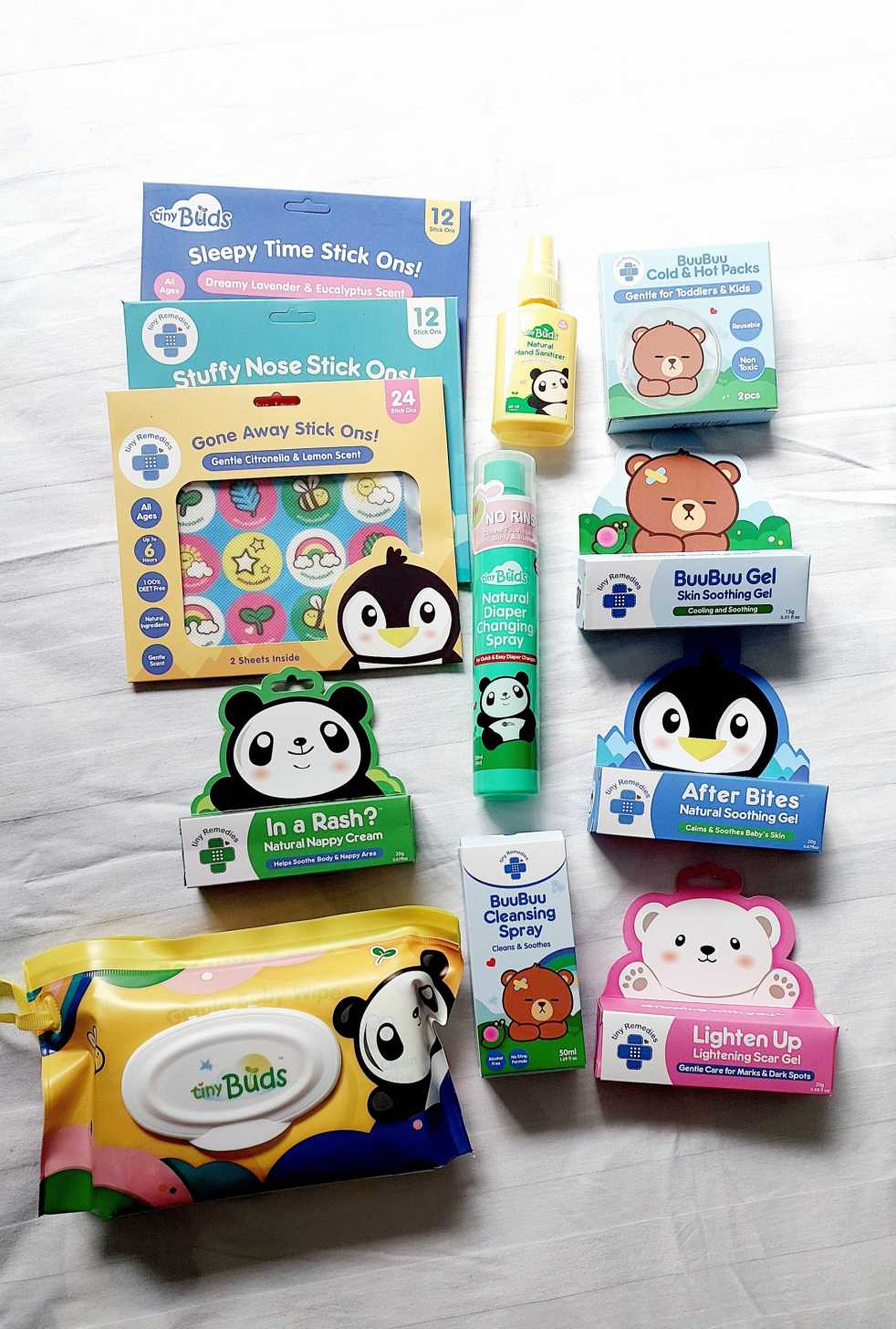
Your baby’s skin is more delicate than most, this is why you have to choose products that are designed for sensitive skin. Tiny Buds is a pioneer in integrating natural ingredients into baby care and today has over 50 innovative natural baby care essentials and is one of the Top Baby Personal Care brands. Here… Continue reading Product Review: Tiny Buds Baby Naturals Baby Essentials
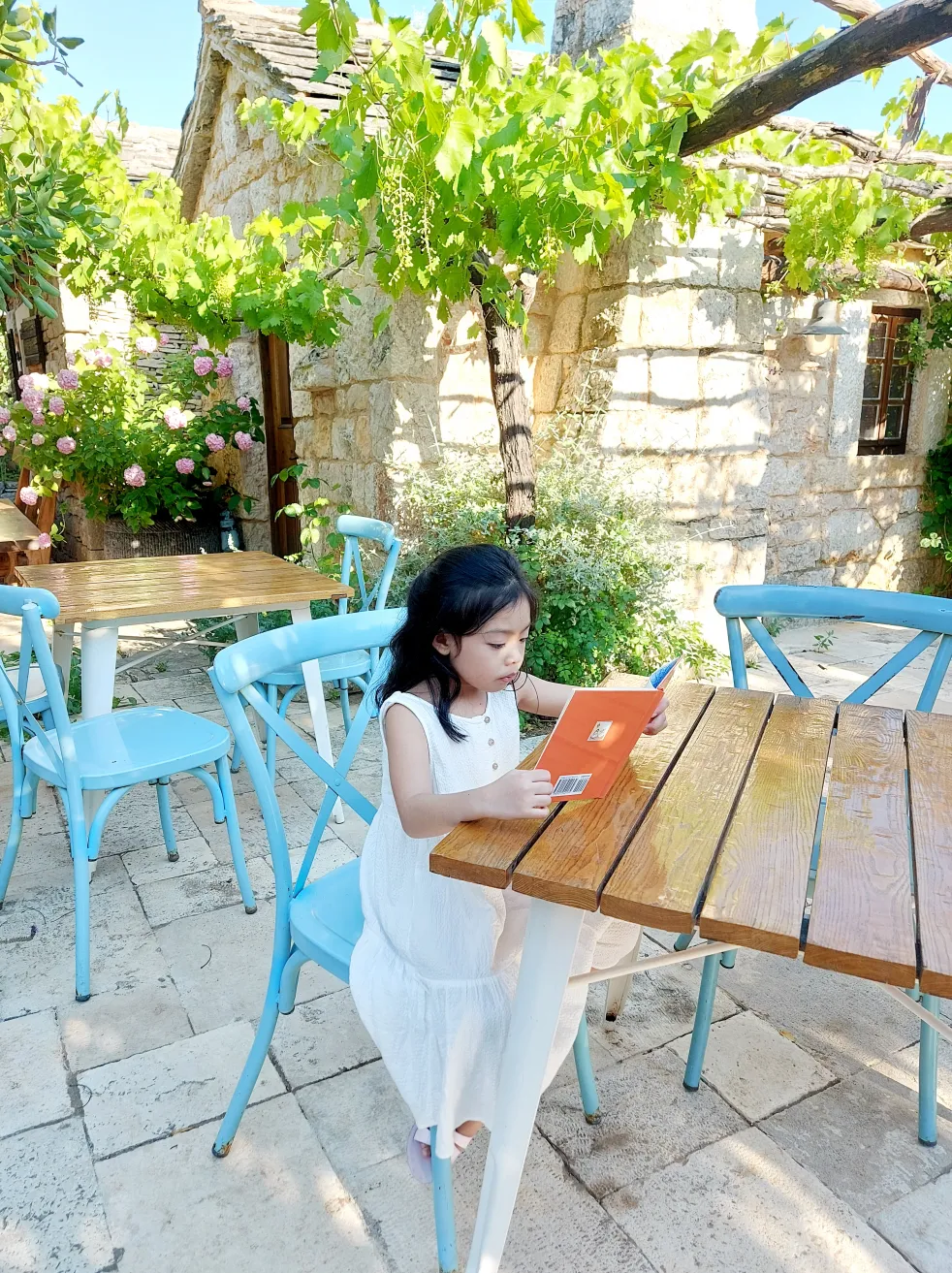
Where your child goes to school is a big decision and shouldn’t be taken lightly. Given how their education can impact their future, you might be tempted to take control and decide for them. However, you might be doing more damage than helping them in the long run. Your job as parents is to support… Continue reading HOW TO CHOOSE THE BEST SCHOOL FOR YOUR CHILD
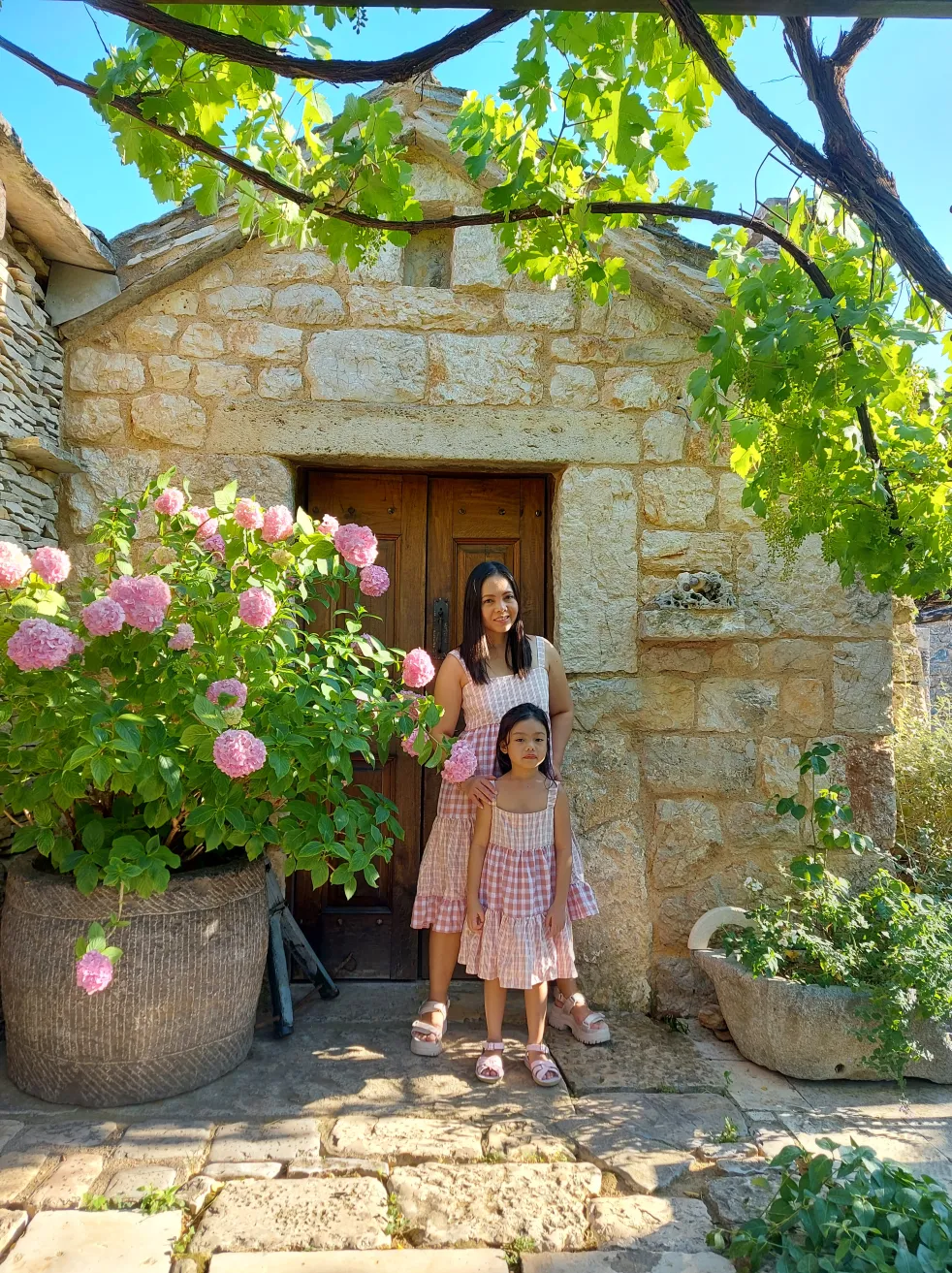
As poet and philosopher Rumi once eloquently said, “raise your words, not your voice. It is rain that grows flowers, not thunder.” Parenting is a challenging journey, and the truth is that nobody has everything figured out. One parenting style might suit others best, and some might favor other methods. However, children respond better to… Continue reading A SIMPLE GUIDE TO GENTLE PARENTING
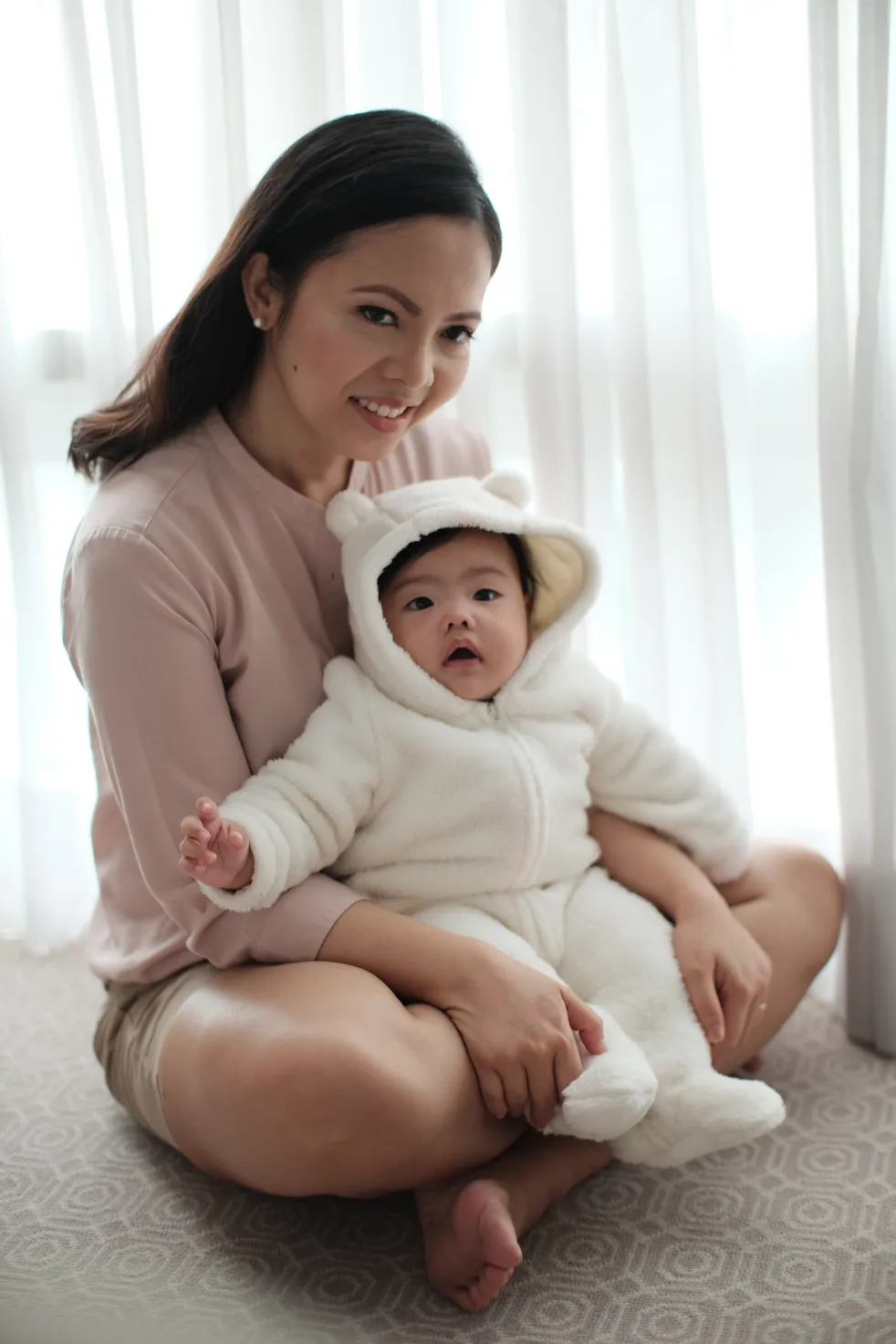
Whether you’re a new mom to be, mom of a toddler, mom who have school-aged kids, you’re bound to have so many questions. Let's start with your baby's skin. Infant skin has unique needs; gentle care is essential to prevent damage to the skin barrier, which can lead to irritation. When caring for infant skin,… Continue reading Keeping Baby’s Diapered Skin Healthy
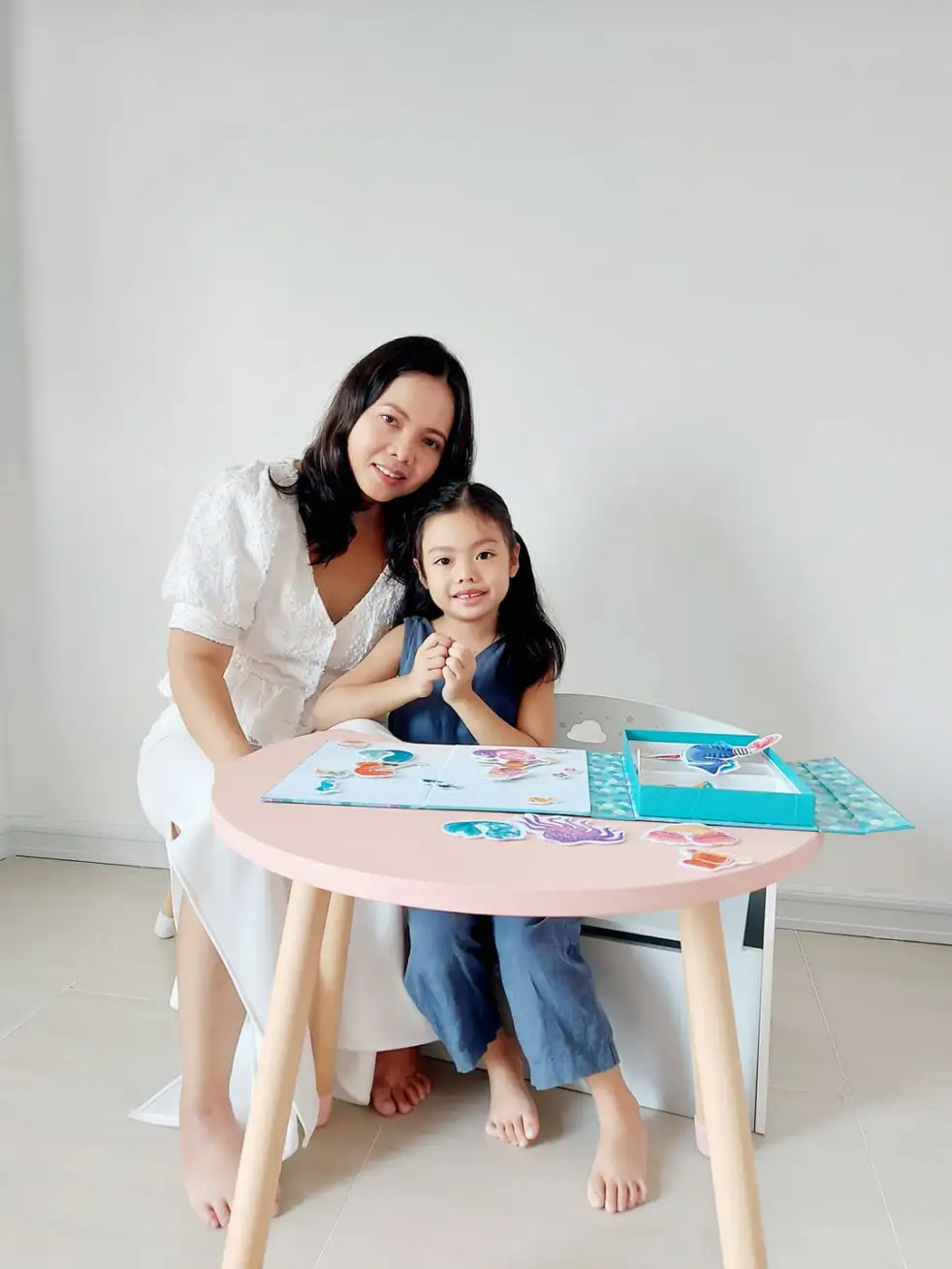
As parents, we want to give our child the best possible start in life and that begins with nurturing their intelligence. Throughout history, the notion of success has been linked to academic intelligence. However, there has been an increased awareness on the importance of emotional intelligence. This question gets at the heart of the never-ending… Continue reading IQ or EQ, which one is a better predictor of your child’s success?
 wondermomma.net