

Last August, IKEA Philippines engaged with Better World Smokey Mountain, a newly opened community center operated by the San Miguel Foundation, which shares a similar goal of improving the lives of many Filipino people. Through this partnership, IKEA Philippines provided and assembled home furnishings for the classrooms and library of Better World Smokey Mountain community… Continue reading Help Create a Better World with IKEA Soft Toys
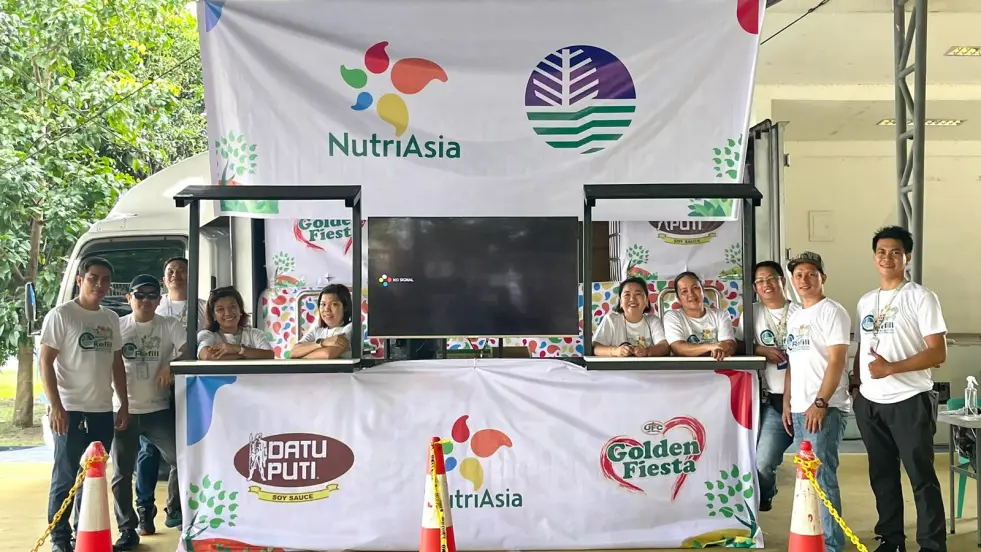
NutriAsia, the country’s top producer of condiments and sauces, continues its support of Refill Revolution; a project by the Department of Environment and Natural Resources EMB 3 that aims to help reduce Filipinos’ single-use plastics consumption. At Refill Revolution, residents get to recycle their single-use plastic bottles by reusing and filling it with their choice… Continue reading NutriAsia and DENR renews partnership for Refill Revolution
How to Make Baby Food Jars Last Longer: Storage Tips
Baby food jars can make mealtimes easier, especially on busy days, while travelling, or when your baby is trying new flavours. Good storage keeps the food fresh, protects its texture, and helps reduce waste. The safest approach depends on whether the jar is unopened, partly used, homemade, or commercially prepared.
Before storing anything, check the product label and follow the manufacturer’s instructions. Storage advice can vary between fruit purées, vegetable blends, meat meals, cereals, and desserts. A jar that is safe at room temperature before opening may need to be refrigerated immediately once its seal is broken.
Warm weather also deserves extra care. In the Philippines, food can reach unsafe temperatures quickly in a hot kitchen, car, or nappy bag. Planning smaller portions and returning unused food to the refrigerator promptly are simple ways to make baby food jars last longer without compromising food safety.
Know which jar you have
Commercially prepared baby food sold in a sealed jar, pouch, or tub is usually shelf-stable until opened. It should have an intact safety seal, a clear expiry or best-before date, and packaging without leaks, cracks, bulges, or unusual rust. Do not use a jar if the lid is swollen, the seal is broken, or it makes an unexpected popping or hissing sound when opened.
Homemade baby food follows different rules. Fresh purées and meals made at home generally need prompt refrigeration or freezing. They should not be stored in a cupboard simply because they are inside a glass jar. Safe home canning requires tested methods and recipes, and ordinary baby food recipes should not be preserved using an improvised water-bath process.
Texture and ingredients also affect storage time. Plain fruit and vegetable purées may keep slightly longer in the refrigerator than meals containing meat, fish, egg, or dairy. When uncertain, use the shortest recommended storage period and discard food that has been held too long.
Store unopened jars correctly
Keep sealed jars in a cool, dry cupboard away from direct sunlight, the cooker, and damp areas. Avoid storing them in a hot car or near a window, since repeated heat exposure can affect quality even before the printed date. Organise jars so that the oldest ones are at the front and will be used first.
A sealed jar does not normally need refrigeration unless the label specifically says so. Refrigerating unopened jars may take up valuable space without extending the printed shelf life. Keeping them at a stable room temperature is usually more practical, provided the cupboard is clean and not exposed to excessive heat.
Inspect each container before serving. A cracked glass jar, loose lid, leaking pouch, or damaged rim should be discarded. Never taste food to decide whether it is safe if its packaging looks suspicious. Foodborne bacteria may be present without changing the smell, colour, or flavour.
Handle opened food safely
Once a jar is opened, cover it and refrigerate it promptly at 4°C or below. Perishable food should generally go into the refrigerator within two hours, or within one hour when the surrounding temperature is above 32°C. This is particularly important during hot Philippine weather or when food is served outdoors.
Use a clean spoon to transfer a small amount into a separate bowl. Feeding directly from the jar allows saliva to enter the food, and bacteria from the baby’s mouth can multiply during storage. Any portion that has been in contact with the spoon used for feeding should be discarded rather than returned to the jar.
As a general guide, opened fruit and vegetable purées may be refrigerated for two to three days. Meat, fish, egg, or combination meals often have a shorter window, commonly one to two days. Always give priority to the label, and write the opening date on the lid if the original instructions are difficult to read.
Choose portions and containers carefully
Serve only what your baby is likely to eat during that meal. You can add more from the jar later using a fresh spoon, but you cannot safely reclaim food that has already been touched by a used spoon. Small portions are especially useful when your baby is beginning solids and eating only a few teaspoons at a time.
If you will not use the remaining food within the recommended refrigerator period, freeze it soon after opening. Transfer the purée to small, freezer-safe containers or silicone portions, leaving room for expansion. Glass jars can crack when their contents freeze, particularly if they are filled to the top or move between extreme temperatures.
Cool freshly cooked homemade food quickly in shallow containers before refrigerating or freezing it. Do not place a large, steaming pot directly into a crowded refrigerator, as it can raise the temperature of nearby food. Divide the meal into individual servings so it cools faster and can be thawed according to your baby’s appetite.
| Food or storage situation | Practical storage approach | Important reminder |
|---|---|---|
| Unopened commercial jar | Store in a cool, dry cupboard until the printed date | Reject bulging, leaking, cracked, or unsealed packaging |
| Opened fruit or vegetable purée | Refrigerate promptly and use within about 2–3 days | Follow the label if it gives a shorter period |
| Opened meat, fish, egg, or combination meal | Refrigerate and use within about 1–2 days | Use a clean spoon and keep the lid closed |
| Food touched during feeding | Discard leftovers from the serving bowl | Do not return them to the original jar |
| Homemade purée for later use | Refrigerate for short-term use or freeze in small portions | Label the preparation date and ingredients |
| Frozen baby food | Thaw in the refrigerator or warm gently before serving | Do not refreeze food that has already thawed |
Build a simple fridge and freezer routine
Label every opened jar and homemade portion with the date and, when useful, the ingredients. A small piece of masking tape on the lid makes it easy to see what needs to be used first. For frozen food, include the type of purée as well as the date, since frozen portions can look similar once solid.
Thaw frozen baby food in the refrigerator overnight, or place the sealed container in cool water and change the water regularly. You can warm it gently in a saucepan or microwave-safe bowl, stirring thoroughly and checking the temperature before serving. Microwaves can create hot spots, so never serve food immediately after heating without mixing and testing it.
Do not thaw baby food on the kitchen counter. Avoid repeated heating and cooling, since this can encourage bacterial growth and weaken the food’s quality. Warm only the portion your baby is ready to eat, and keep the rest cold until needed.
Make safe storage part of mealtime
A few consistent habits can protect food quality and help families use every safe portion:
- Wash your hands before opening, portioning, or serving baby food.
- Use clean, dry utensils and never place a used feeding spoon back into the jar.
- Keep opened jars tightly covered in the coldest practical part of the refrigerator, not in the door.
- Label homemade portions with the date, ingredients, and any allergen information.
- Throw food away if it smells unusual, develops mould, changes unexpectedly, or has been left warm too long.
Be cautious with foods containing common allergens such as peanut, egg, dairy, wheat, fish, or soy. Store them in clearly labelled containers and introduce them according to guidance from your baby’s doctor or health professional. Separate storage prevents mix-ups when several purées are prepared in advance.
A small weekly routine can make storage easier: check the cupboard for damaged packaging, move older jars forward, review opened dates in the refrigerator, and freeze suitable leftovers in baby-sized portions. This approach saves time while keeping safety decisions straightforward.
With the right handling, commercial jars and homemade purées can fit comfortably into family life. Check the seal, portion food before feeding, refrigerate promptly, and use labels to keep track of time. Put these baby food storage practices into place at the next mealtime to keep your baby’s food fresh, safe, and ready when needed.

Mercato Centrale, in collaboration with Indian Women in Enterprise Philippines (I-We), is set to host "The Great Indian Fiesta" to mark 75 years of friendship between India and the Philippines. The dynamic two-day event is scheduled to take place on September 30 to October 1, 2023, at Paseo De Roxas Street, Makati City. Aiming to… Continue reading Mercato Centrale Partners with I-We to Host ‘The Great Indian Fiesta’, Commemorating 75 Years of India-Philippines Friendship

My stomach would usually start growling at 10 am even after taking a big breakfast. This is probably because I am a morning person and I move a lot throughout the day hence snacking is something that I can't avoid. This potatoes and chicken wrap recipe is easy to prepare and would keep me full… Continue reading Potato and Chicken Wrap
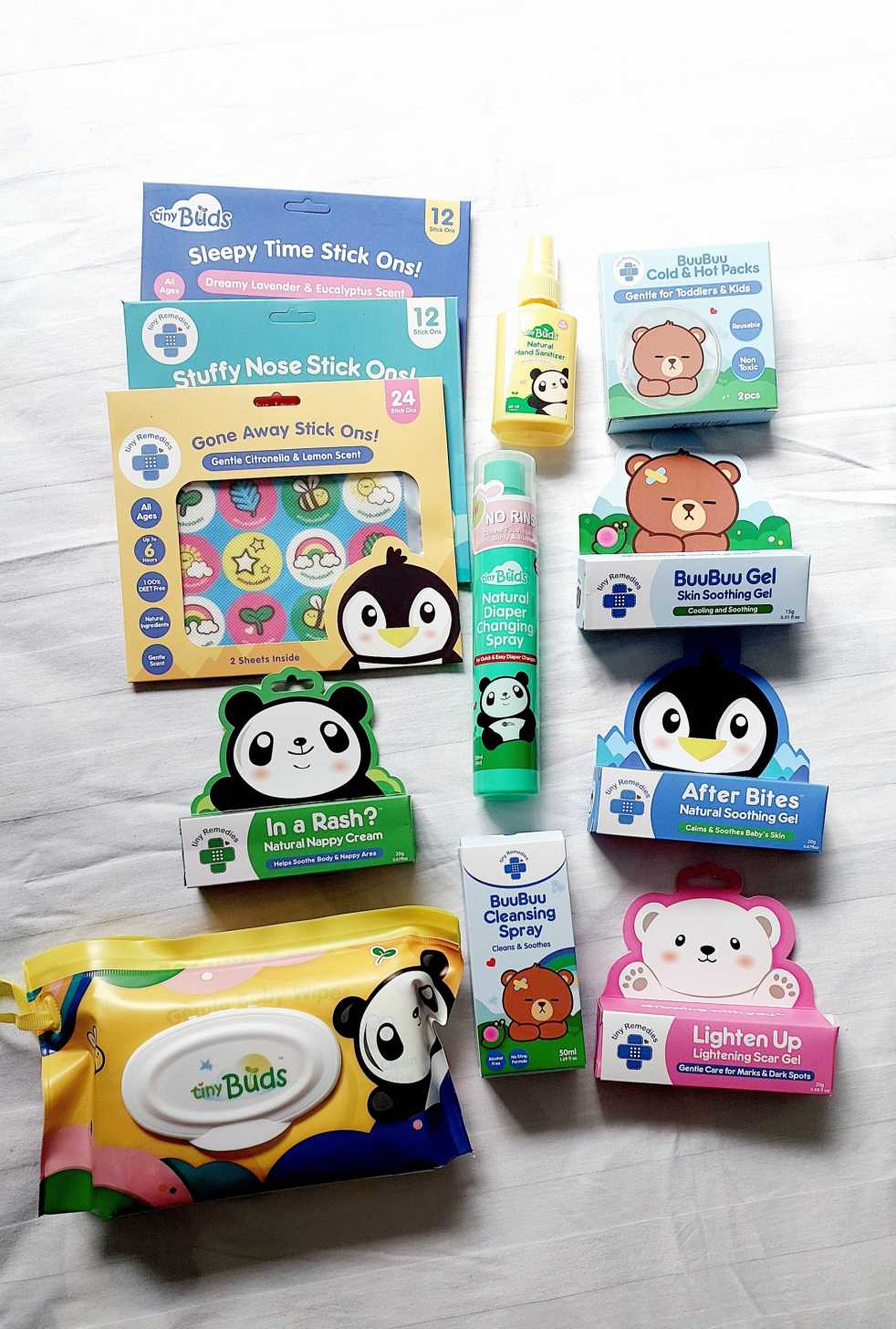
Your baby’s skin is more delicate than most, this is why you have to choose products that are designed for sensitive skin. Tiny Buds is a pioneer in integrating natural ingredients into baby care and today has over 50 innovative natural baby care essentials and is one of the Top Baby Personal Care brands. Here… Continue reading Product Review: Tiny Buds Baby Naturals Baby Essentials
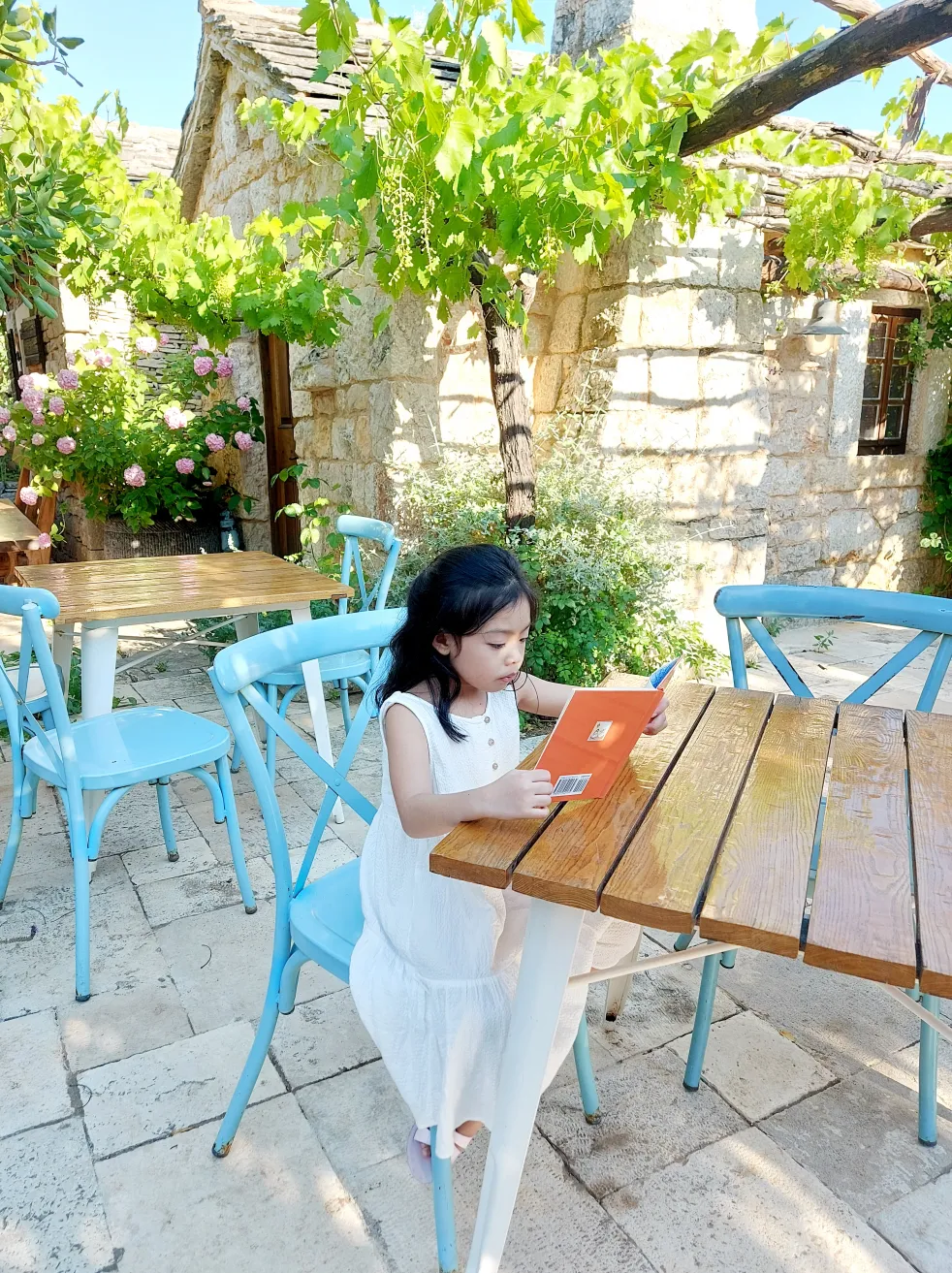
Where your child goes to school is a big decision and shouldn’t be taken lightly. Given how their education can impact their future, you might be tempted to take control and decide for them. However, you might be doing more damage than helping them in the long run. Your job as parents is to support… Continue reading HOW TO CHOOSE THE BEST SCHOOL FOR YOUR CHILD
As poet and philosopher Rumi once eloquently said, “raise your words, not your voice. It is rain that grows flowers, not thunder.” Parenting is a challenging journey, and the truth is that nobody has everything figured out. One parenting style might suit others best, and some might favor other methods. However, children respond better to… Continue reading A SIMPLE GUIDE TO GENTLE PARENTING
Whether you’re a new mom to be, mom of a toddler, mom who have school-aged kids, you’re bound to have so many questions. Let's start with your baby's skin. Infant skin has unique needs; gentle care is essential to prevent damage to the skin barrier, which can lead to irritation. When caring for infant skin,… Continue reading Keeping Baby’s Diapered Skin Healthy
As parents, we want to give our child the best possible start in life and that begins with nurturing their intelligence. Throughout history, the notion of success has been linked to academic intelligence. However, there has been an increased awareness on the importance of emotional intelligence. This question gets at the heart of the never-ending… Continue reading IQ or EQ, which one is a better predictor of your child’s success?
 wondermomma.net