
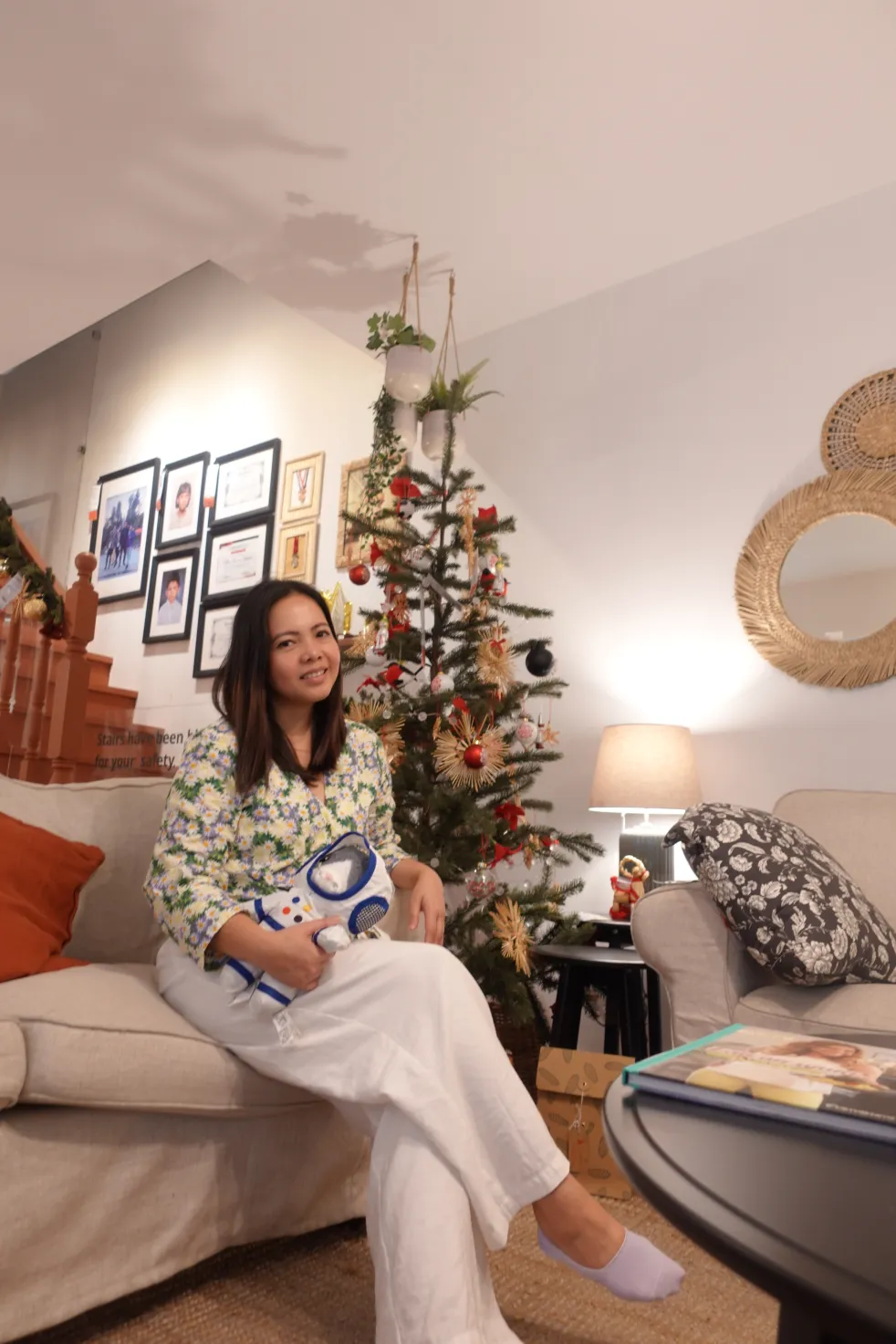
Last August, IKEA Philippines engaged with Better World Smokey Mountain, a newly opened community center operated by the San Miguel Foundation, which shares a similar goal of improving the lives of many Filipino people. Through this partnership, IKEA Philippines provided and assembled home furnishings for the classrooms and library of Better World Smokey Mountain community… Continue reading Help Create a Better World with IKEA Soft Toys
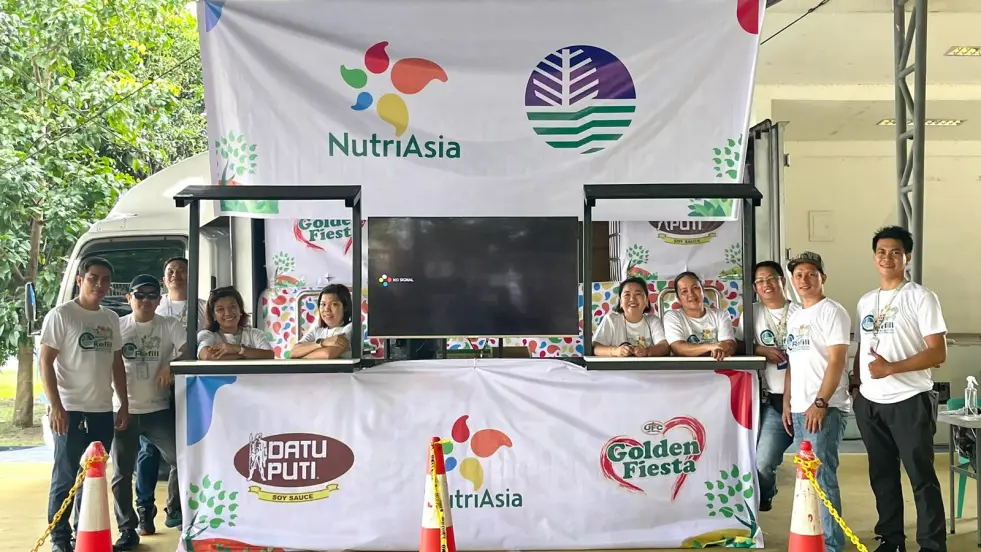
NutriAsia, the country’s top producer of condiments and sauces, continues its support of Refill Revolution; a project by the Department of Environment and Natural Resources EMB 3 that aims to help reduce Filipinos’ single-use plastics consumption. At Refill Revolution, residents get to recycle their single-use plastic bottles by reusing and filling it with their choice… Continue reading NutriAsia and DENR renews partnership for Refill Revolution

How to Make a Sensory Bin for Less Than 200 Pesos
A sensory bin gives children a simple way to explore texture, movement, sound, and pretend play using ordinary household materials. It can support fine motor skills, hand-eye coordination, language development, and early problem-solving without requiring expensive toys or complicated preparation.
For Filipino families, a DIY sensory activity can be made with items from the kitchen, sari-sari store, supermarket, or recycling bin. The goal is not to create a picture-perfect setup. A clean container, a safe filler, and a few objects for scooping and sorting are enough to keep a child engaged.
This budget-friendly activity works well for toddlers and preschoolers, although the materials and level of supervision should match the child’s age. If you are looking for more practical ideas for family life, you can also explore parenting ideas on WonderMomma while planning activities at home.
Choose a simple filler
The filler is the material that fills most of the container and creates the main tactile experience. Uncooked rice is a convenient choice because it is easy to find, relatively inexpensive, and flows through the fingers like sand. Other options include dry pasta, corn kernels, rolled oats, shredded paper, clean pebbles, or large pom-poms.
For a child who still puts objects in their mouth, avoid small fillers such as rice, beans, beads, and uncooked pasta. Use large fabric scraps, chunky blocks, clean washcloths, or big plastic balls instead. Even edible ingredients can be unsafe if they are inhaled or placed in the ears or nose, so active adult supervision remains essential.
Pick one filler rather than mixing several types for your first attempt. A single texture makes cleanup easier and allows your child to notice how the material feels, sounds, and moves. Once your child understands the rules, you can add another filler for a more varied sensory experience.
Gather low-cost materials
You do not need to buy a special sensory table or a set of matching tools. A clean plastic food container, basin, shoe box lined with a reusable bag, or shallow laundry basket can work. Choose a container that is wide enough for both hands and low enough for the child to reach comfortably.
Look around the house before shopping. Measuring cups, plastic spoons, an old ice cube tray, bottle caps, cardboard tubes, large plastic lids, and washed food containers can become sensory bin tools. Reusing these items keeps the activity affordable and teaches children that play materials do not always need to come from a toy store.
Here is a sample budget for a dry rice sensory bin. Prices vary by location and brand, but the total can stay below 200 pesos when several items are already available at home.
| Material | Estimated cost | Purpose |
|---|---|---|
| 500 g uncooked rice | ₱30–₱40 | Main sensory filler |
| Small food coloring or washable paint | ₱10–₱20 | Optional color |
| Plastic cups or scoops | ₱0–₱20 | Pouring and transferring |
| Large plastic animals or blocks | ₱0–₱50 | Pretend play and hiding |
| Cardboard tubes or bottle caps | ₱0 | Sorting and filling |
| Shallow recycled container | ₱0 | Holds the activity |
| Estimated total | ₱40–₱130 | Leaves room for extra supplies |
If you already have rice, reusable containers, and plastic toys, the cost may be close to zero. Do not feel pressured to use every item listed. A bin with one filler and two tools can provide plenty of open-ended play.
Prepare the bin in a few steps
Start by washing and drying the container and all reusable objects. If you are using a recycled food tub, check for sharp edges, cracks, labels that are peeling, or small pieces that could break off. The container should sit flat and remain stable when the child reaches into it.
To color rice, place it in a sealed bag with a few drops of food coloring and a small amount of vinegar or rubbing alcohol, if available. Shake the bag until the grains are coated, then spread the rice on a tray or newspaper to dry completely. Coloring is optional; plain rice works just as well and creates less preparation and cleanup.
Pour the dry filler into the bin until it is deep enough for scooping but not so full that it spills easily. Add a few tools and larger objects, then place the bin on a washable mat, old bedsheet, or tiled floor. Present only a small number of objects at first. Too many choices can make the activity messy and less focused.
Add play ideas for learning
A sensory bin becomes more valuable when children have a reason to touch, move, compare, and describe the materials. Invite your child to scoop rice into a cup, transfer it between containers, fill a cardboard tube, or make a pretend meal for plastic animals. These actions strengthen the small muscles needed for drawing, buttoning clothes, and using utensils.
You can turn the same setup into a simple early-learning activity. Hide large objects inside the filler and ask your child to find a red block, a toy animal, or a big spoon. Count scoops together, compare which container holds more, or use words such as full, empty, heavy, light, rough, smooth, fast, and slow.
Keep instructions brief and leave space for independent exploration. Instead of directing every action, describe what you notice: “The rice is falling through the cup,” or “You found the yellow block.” This supports language development while allowing the child to lead the play.
Keep sensory play safe
An adult should stay within arm’s reach of babies and young toddlers during sensory activities. Small fillers and accessories can become choking hazards, even when a child has used similar objects safely before. Avoid materials with sharp edges, toxic finishes, strong fragrances, mold, or loose parts.
Check the bin before every session. Rice and other dry foods should remain clean and dry, while outdoor materials such as stones, leaves, or sand should be washed and inspected carefully. Do not use items collected from roadsides, construction areas, or places that may have been exposed to chemicals or animal waste.
Set a few calm rules before play begins: materials stay in the bin, tools are used gently, and hands are washed afterward. If your child throws the filler repeatedly, mouths the objects, or becomes overstimulated, end the activity and clean up. Sensory play should feel inviting rather than stressful.
Make the activity fit your child
The best sensory bin is one that matches your child’s interests and developmental stage. A child who loves vehicles may enjoy a construction-themed bin with large toy trucks and cardboard ramps. A child who likes cooking can use cups, spoons, and large pretend food pieces. Simple themes encourage imaginative play without requiring themed decorations.
- Use a shallow tray and large objects for a younger toddler.
- Choose large scoops, chunky toys, and fabric fillers when choking is a concern.
- Add picture cards or color sorting for preschoolers.
- Offer only two or three tools to reduce overstimulation.
- Use a washable mat and a small bin for faster cleanup.
Rotate the contents rather than replacing the entire activity. Remove the filler and add plastic animals one day, then switch to cups and cardboard tubes another day. This creates a fresh experience while protecting the family budget.
You can also connect the bin to everyday learning. After a grocery trip, sort clean plastic lids by color. Before bath time, practice pouring with empty containers. During a lesson about nature, use large leaves or toy insects after checking that they are clean and safe. These small changes help children see learning as part of ordinary family life.
Store and reuse the materials
When play ends, ask your child to help with cleanup. Use a scoop or cup to return rice to a labeled container, then wipe the bin and tools. A funnel made from a cut plastic bottle can make transferring dry filler easier and turn cleanup into another fine motor exercise.
Store the filler in a tightly closed container in a cool, dry place. Throw it away if it becomes wet, smells unusual, develops mold, or is mixed with unsafe items. Reusable tools can be washed with soap and water, dried fully, and kept in a small basket for the next activity.
A sensory bin does not need to be available every day. Bringing it out for 10 to 20 minutes can preserve your child’s interest and reduce mess. Short, relaxed sessions are often more successful than leaving a large setup out for hours.
With a reused container, an affordable filler, and a few safe household objects, you can create meaningful sensory play for less than 200 pesos. Prepare the space, supervise closely, and let your child explore at their own pace. Save the materials in a small activity box so the bin is ready whenever your family needs a simple, screen-free play idea.

Mercato Centrale, in collaboration with Indian Women in Enterprise Philippines (I-We), is set to host "The Great Indian Fiesta" to mark 75 years of friendship between India and the Philippines. The dynamic two-day event is scheduled to take place on September 30 to October 1, 2023, at Paseo De Roxas Street, Makati City. Aiming to… Continue reading Mercato Centrale Partners with I-We to Host ‘The Great Indian Fiesta’, Commemorating 75 Years of India-Philippines Friendship

My stomach would usually start growling at 10 am even after taking a big breakfast. This is probably because I am a morning person and I move a lot throughout the day hence snacking is something that I can't avoid. This potatoes and chicken wrap recipe is easy to prepare and would keep me full… Continue reading Potato and Chicken Wrap
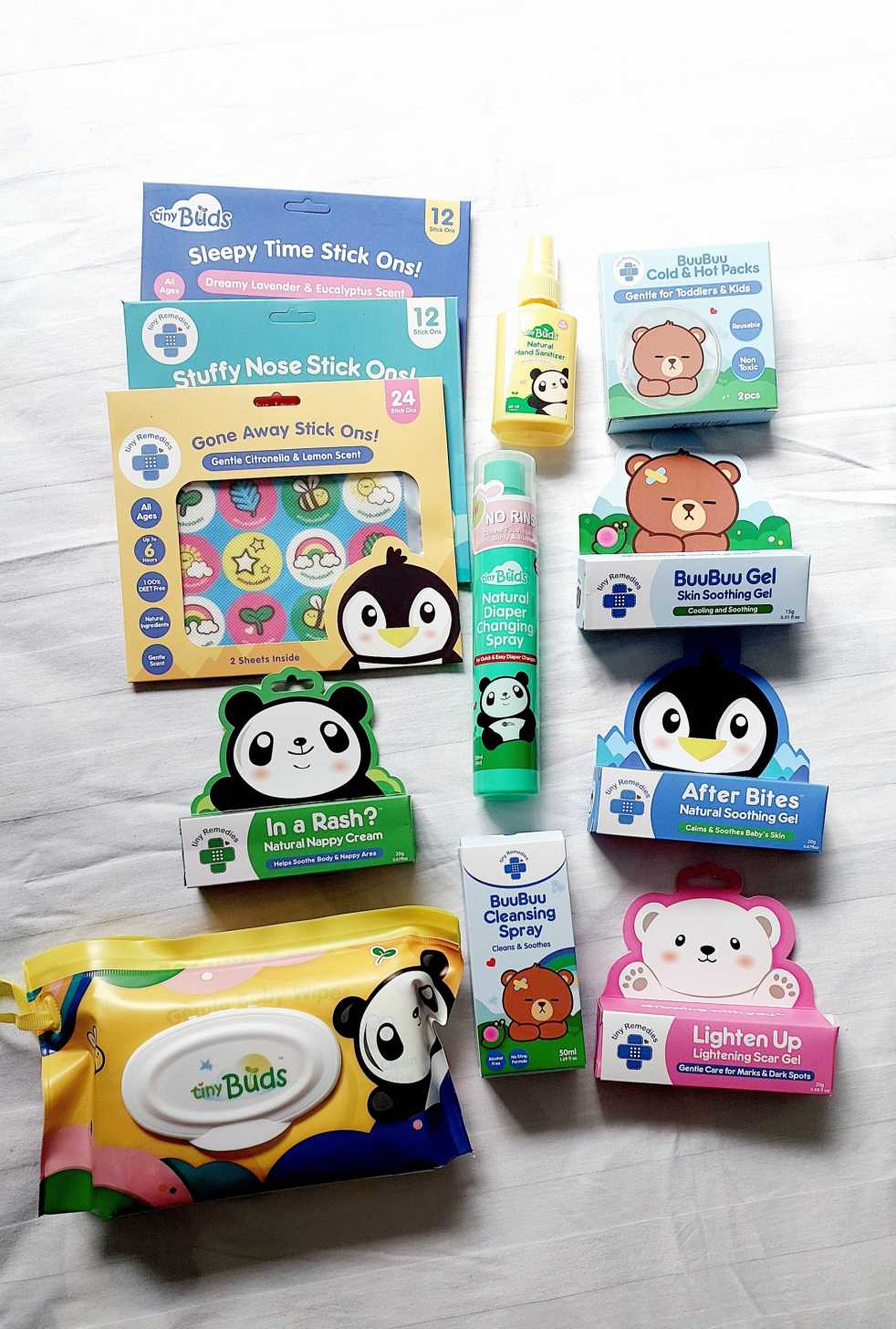
Your baby’s skin is more delicate than most, this is why you have to choose products that are designed for sensitive skin. Tiny Buds is a pioneer in integrating natural ingredients into baby care and today has over 50 innovative natural baby care essentials and is one of the Top Baby Personal Care brands. Here… Continue reading Product Review: Tiny Buds Baby Naturals Baby Essentials
Where your child goes to school is a big decision and shouldn’t be taken lightly. Given how their education can impact their future, you might be tempted to take control and decide for them. However, you might be doing more damage than helping them in the long run. Your job as parents is to support… Continue reading HOW TO CHOOSE THE BEST SCHOOL FOR YOUR CHILD
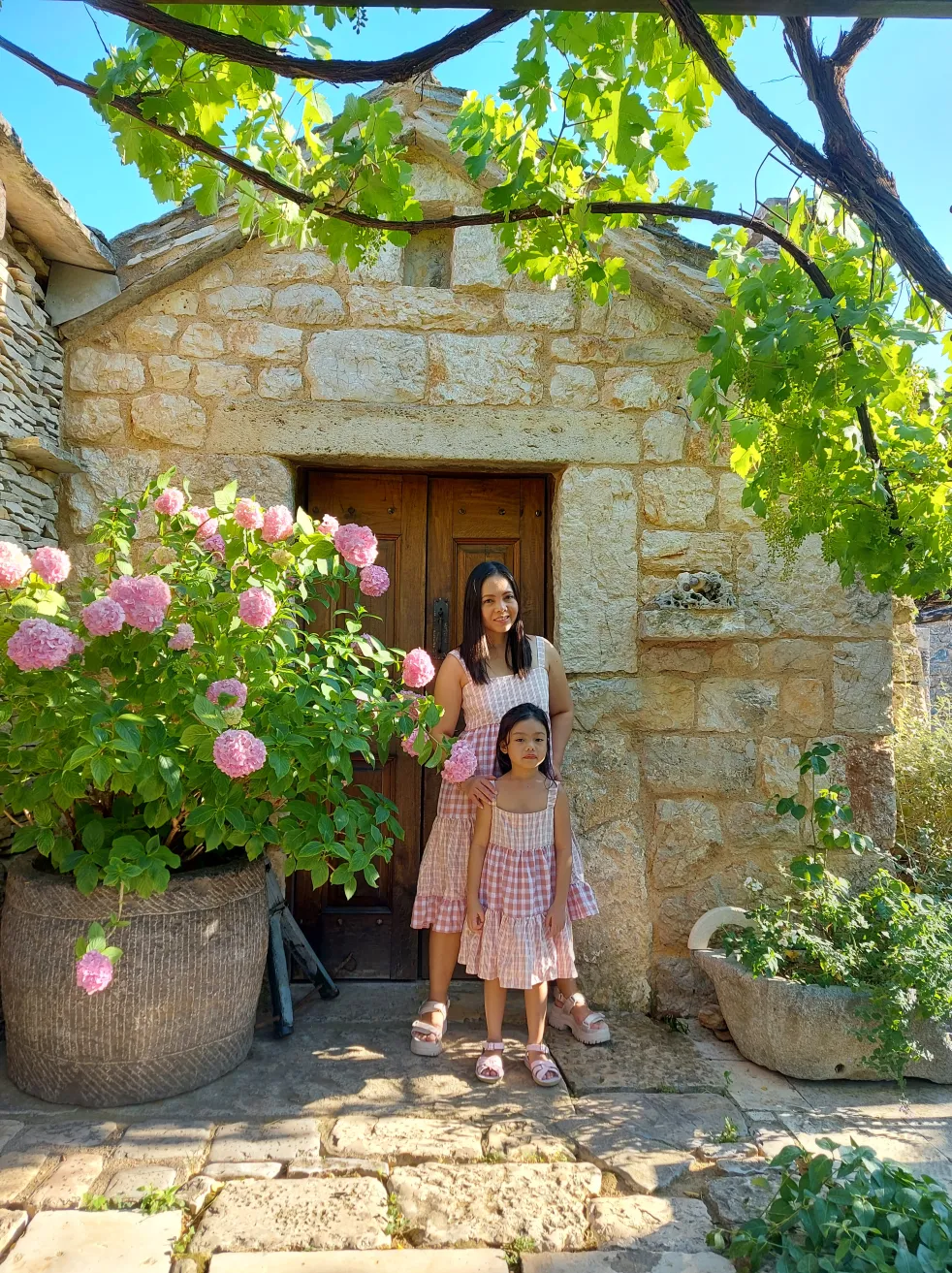
As poet and philosopher Rumi once eloquently said, “raise your words, not your voice. It is rain that grows flowers, not thunder.” Parenting is a challenging journey, and the truth is that nobody has everything figured out. One parenting style might suit others best, and some might favor other methods. However, children respond better to… Continue reading A SIMPLE GUIDE TO GENTLE PARENTING
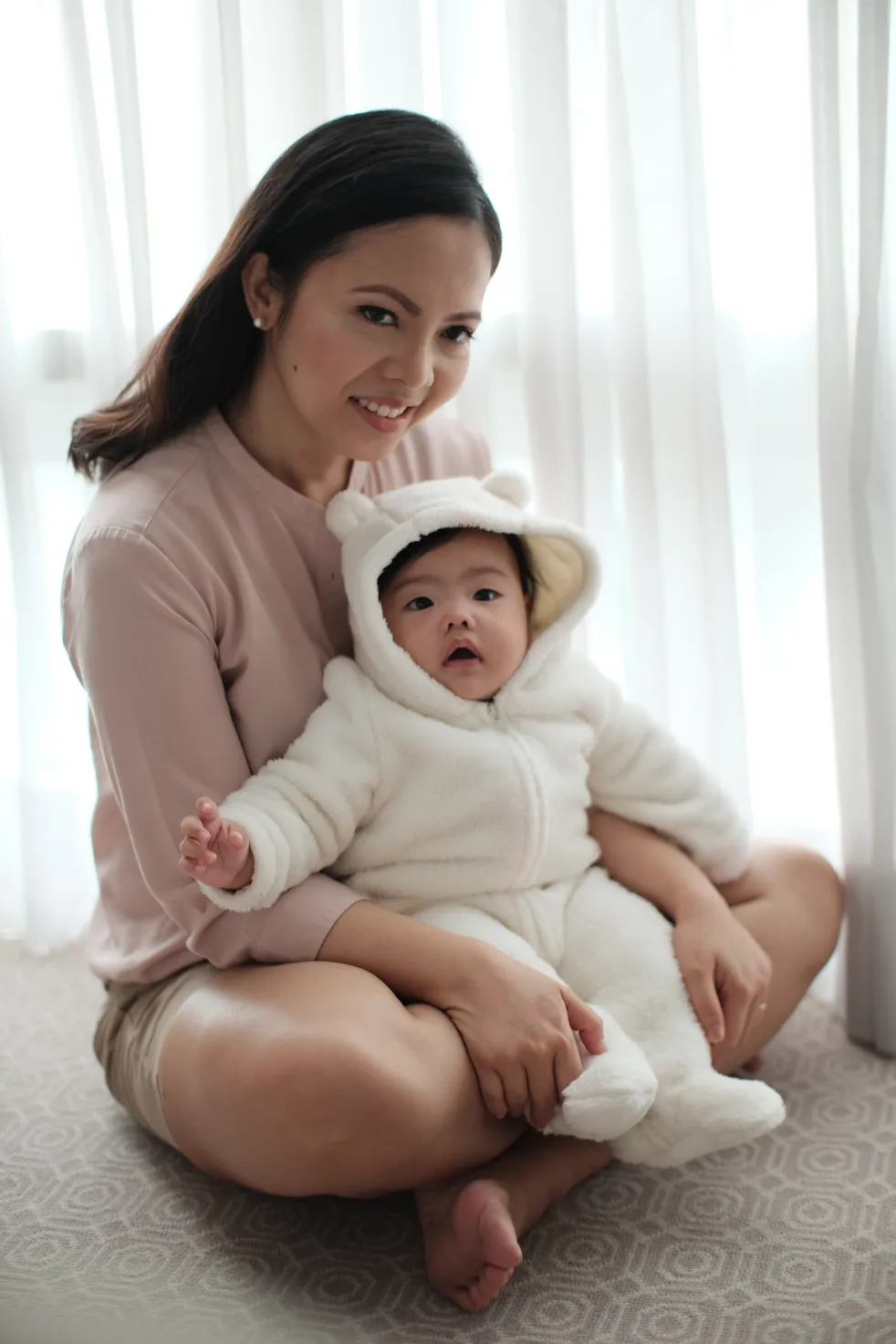
Whether you’re a new mom to be, mom of a toddler, mom who have school-aged kids, you’re bound to have so many questions. Let's start with your baby's skin. Infant skin has unique needs; gentle care is essential to prevent damage to the skin barrier, which can lead to irritation. When caring for infant skin,… Continue reading Keeping Baby’s Diapered Skin Healthy
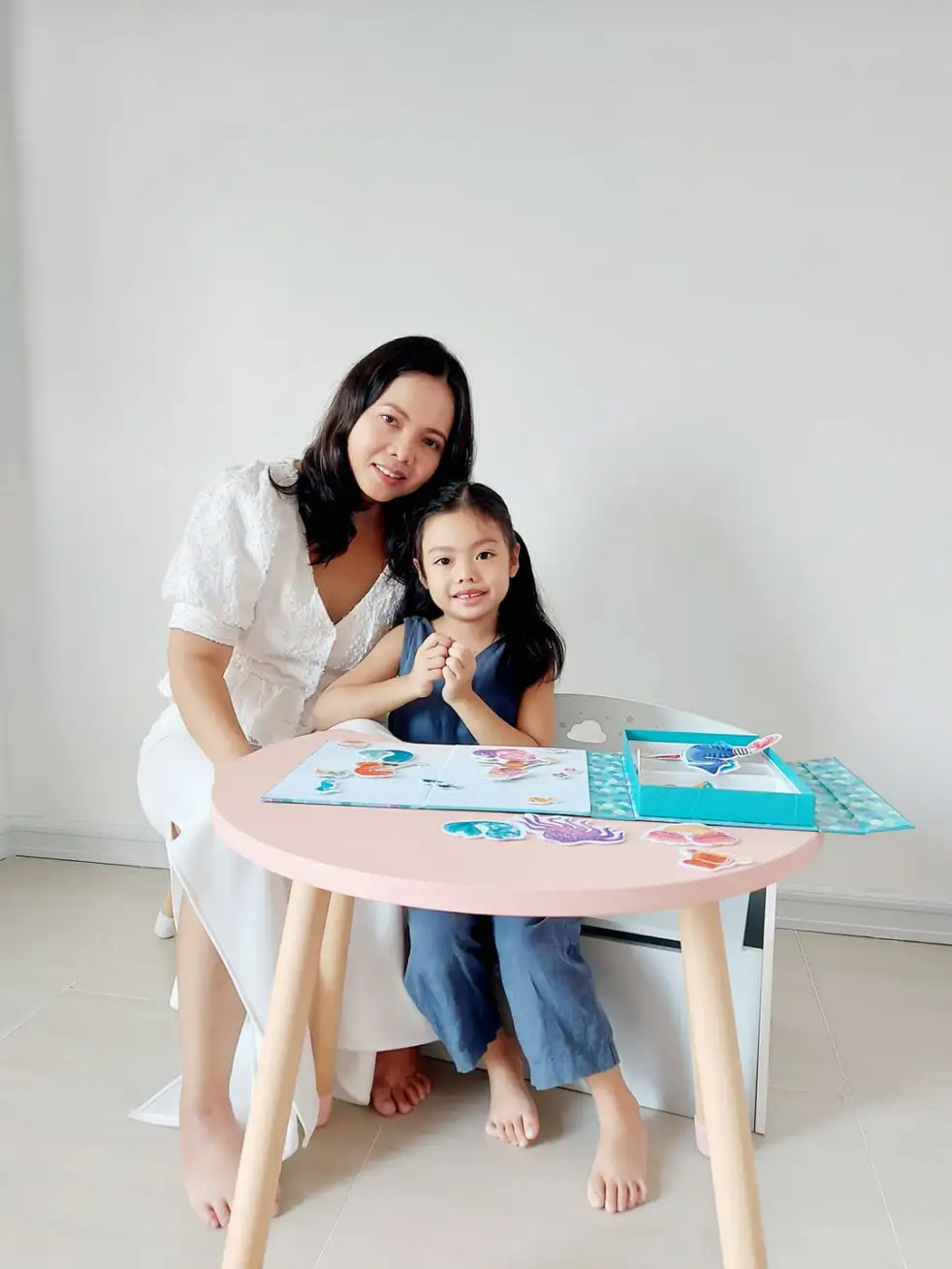
As parents, we want to give our child the best possible start in life and that begins with nurturing their intelligence. Throughout history, the notion of success has been linked to academic intelligence. However, there has been an increased awareness on the importance of emotional intelligence. This question gets at the heart of the never-ending… Continue reading IQ or EQ, which one is a better predictor of your child’s success?
 wondermomma.net