

Last August, IKEA Philippines engaged with Better World Smokey Mountain, a newly opened community center operated by the San Miguel Foundation, which shares a similar goal of improving the lives of many Filipino people. Through this partnership, IKEA Philippines provided and assembled home furnishings for the classrooms and library of Better World Smokey Mountain community… Continue reading Help Create a Better World with IKEA Soft Toys
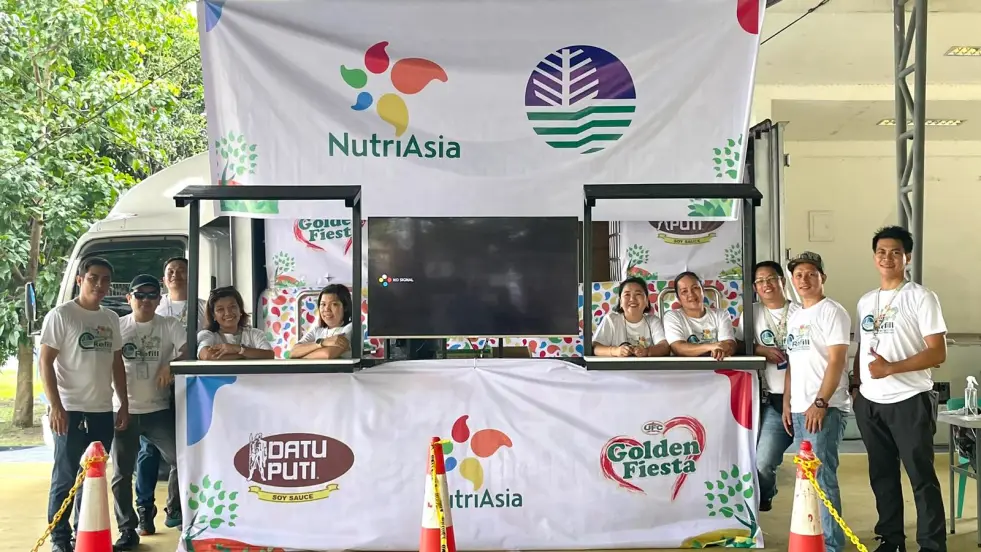
NutriAsia, the country’s top producer of condiments and sauces, continues its support of Refill Revolution; a project by the Department of Environment and Natural Resources EMB 3 that aims to help reduce Filipinos’ single-use plastics consumption. At Refill Revolution, residents get to recycle their single-use plastic bottles by reusing and filling it with their choice… Continue reading NutriAsia and DENR renews partnership for Refill Revolution

How to Make a Family Emergency Plan Kids Can Understand
A family emergency plan works best when it is simple enough for a child to remember and realistic enough to use. Instead of a folder of complicated instructions, give each family member three clear answers: what to do, where to go, and whom to call. Children who understand these details are less likely to panic, wander away or make a dangerous decision while an adult is busy.
The plan should reduce confusion without making emergencies seem likely or frightening. Explain that adults manage the most difficult parts, while children receive age-appropriate tasks. Keep language calm and concrete, and avoid graphic descriptions of disasters. A rehearsed plan gives children confidence and reminds parents that preparation involves everyone in the family.
Australian conditions vary considerably. Sydney families may need to prepare for bushfire smoke, Melbourne families for intense heatwaves, and Brisbane households for tropical cyclones and flooding. Regional communities may face road closures, power outages or limited access to services. Planning also matters during busy family periods such as Australia Day gatherings, Easter holidays and long weekends, when relatives and children may be together away from home.
Children remember short instructions, repeated actions and familiar objects better than long explanations. Let them help choose the meeting place, identify the emergency bag and practise the plan. Their involvement builds understanding without giving them responsibility for adult decisions. The result should feel like a family routine rather than a warning about something terrible.
Match the plan to Australian hazards
Begin by listing the emergencies your family could realistically encounter. A coastal family in Queensland may prioritise cyclone preparation and flood routes, while a family near Melbourne may focus on extreme heat, power loss and medical needs. Families in bushfire-prone areas should know the local fire danger rating, when to leave and which official evacuation route applies.
Adults should also know where reliable local information comes from. Check Emergency Alert messages, state emergency service websites, the Bureau of Meteorology and local council updates. In New South Wales, the Fires Near Me app provides fire information; Victoria families can follow VicEmergency, while Queensland warnings and Emergency WA serve their respective states. ABC Emergency remains a useful source when internet access is unreliable. Call Triple Zero, or 000, for immediate danger and life-threatening emergencies.
Write down the relevant warning sign, the adult response and the child response for each likely hazard. For example, heavy smoke means adults follow official advice promptly, while children stay with a caregiver. Floodwater means nobody drives or walks through it. Extreme heat means the family moves to a cool room, drinks water and checks on vulnerable relatives. This prevents children from hearing frightening news without knowing what adults are doing about it.
Choose meeting points children can find
Select a meeting place within the immediate neighbourhood that children can reach without crossing a main road or entering a hazardous area. A small park, community centre or landmark may work, provided it remains safe during the type of emergency. For bushfires, floods or severe storms, the correct destination can change, so the plan should identify both an outdoor meeting point and a suitable indoor shelter where relevant.
Use a specific description rather than an address alone. “The large eucalyptus tree near the playground at the corner of Smith and Bell Streets” is easier for a child to visualise than a set of coordinates. Draw the route on a simple map and mark the meeting point with a symbol. Let the child explain the route back to you, but also check it yourself because children may interpret directions differently.
If children become separated, they should stay at the meeting place rather than searching for the family. A school-aged child may be able to find a trusted neighbour or contact a relative, but younger children should remain with a caregiver or nearby responsible adult whenever possible. The family meeting point card should include the family name, home suburb and a parent’s phone number.
Give children roles suited to their age
A child’s emergency job should be simple, achievable and reassuring. Children under eight can learn to stay with their caregiver, hold their family contact card and help put shoes on. Older children can carry a small torch, collect the emergency bag, check that younger siblings have their shoes or help prepare the pet carrier. Give each child one role rather than a long checklist that might overwhelm them.
Make it clear that children never need to fight a fire, approach floodwater, handle wires or make major decisions. Adults remain responsible for evacuation, medical care and communication. Saying “Your job is to stay close and tell me where you are” gives a young child a concrete contribution without placing adult-level pressure on them.
Pets should have a simple plan too. The person who normally feeds or walks the dog may prepare the pet carrier, while another adult collects essential bags. If the family uses a pet sitter, include the sitter’s details and explain who will collect the animal. This prevents children from rushing back into a hazardous area because they believe a pet has been left behind.
Pack supplies children can recognise
Prepare a go bag for each family member and keep it near an exit. Suitable items include a torch, charged phone, power bank, first-aid supplies, necessary medication, water, easy-to-eat food, spare clothing, toiletries and copies of important documents. Include any medical equipment the child uses regularly. Familiar objects, such as a comfort toy or small family photo, can steady a frightened child during an evacuation.
Water is essential for Australian heat emergencies and prolonged outages. Plan for at least four litres per person each day for drinking and food preparation, with any additional needs considered for infants, older people and pets. Large containers should stay accessible to adults rather than being placed where children could mistake them for sports drink.
Food does not need to be expensive or specially bought for emergencies. Shelf-stable breakfast bars, nut-free spreads, crackers, fruit and other familiar snacks from Coles, Woolworths or your local greengrocer are practical choices. Check allergies and avoid anything that could spoil quickly. A small torch, whistle and written contact sheet may be more useful to a child than a heavy bag of supplies.
For bushfire smoke, follow official health advice about staying indoors, closing windows and reducing activity. A well-fitting P2 or N95 mask may protect adults and older children in some smoky conditions, but masks are not suitable for babies and many young children. Adults should act on smoke warnings without expecting a child to manage protective equipment.
Practise calm, realistic emergency drills
Run short drills at home and rehearse the plan again whenever something changes. A drill might involve an announcement that the family must leave the building, a pretend power outage or smoke visible outside. Keep the tone playful and controlled, and stop if the child becomes distressed. The aim is to build confidence, not simulate a disaster.
Give children different simple scenarios and let them show what they would do. Ask where they would go, which adult they would find and what they would carry. Younger children might respond better to actions such as “put on your shoes” than to technical instructions. Older children can practise checking the emergency bag, calling Triple Zero from a toy phone and reading their contact card aloud.
Children should know what to do if they cannot find an adult. Stay in a safe public place, approach a police officer or designated neighbour, and call 000 if there is immediate danger. If they give 000, they should say their name, suburb, nearby landmark and what happened. They should not leave the area simply because someone unknown offers to “take them home”.
Keep contacts current and review together
Keep one written and one digital copy of the plan. Include Triple Zero, at least two adult contacts who can be reached, the meeting point, alternate meeting point, school details, medical information and the names of anyone authorised to collect the children. The school should have current contact details and clear pickup rules, but families should not assume a school can reach every parent during a major outage.
A reliable family emergency check includes:
- Keeping a one-page plan with the meeting point, backup location and 000 prominently displayed.
- Giving each child a card with the family name, home suburb and an adult’s phone number.
- Storing essential documents, medication and chargers in the emergency bags.
- Reviewing official warnings before travel, major gatherings and long school holidays.
- Running a short family drill twice a year and after moving, changing schools or updating contacts.
Review the emergency plan together after each drill. Ask the children which part was confusing, then make the instructions clearer without blaming anyone for mistakes. Update the contact sheet immediately when phone numbers change. A current plan gives the whole family something useful to remember, and regular practice turns those instructions into calm habits rather than a stressful conversation.

Mercato Centrale, in collaboration with Indian Women in Enterprise Philippines (I-We), is set to host "The Great Indian Fiesta" to mark 75 years of friendship between India and the Philippines. The dynamic two-day event is scheduled to take place on September 30 to October 1, 2023, at Paseo De Roxas Street, Makati City. Aiming to… Continue reading Mercato Centrale Partners with I-We to Host ‘The Great Indian Fiesta’, Commemorating 75 Years of India-Philippines Friendship

My stomach would usually start growling at 10 am even after taking a big breakfast. This is probably because I am a morning person and I move a lot throughout the day hence snacking is something that I can't avoid. This potatoes and chicken wrap recipe is easy to prepare and would keep me full… Continue reading Potato and Chicken Wrap
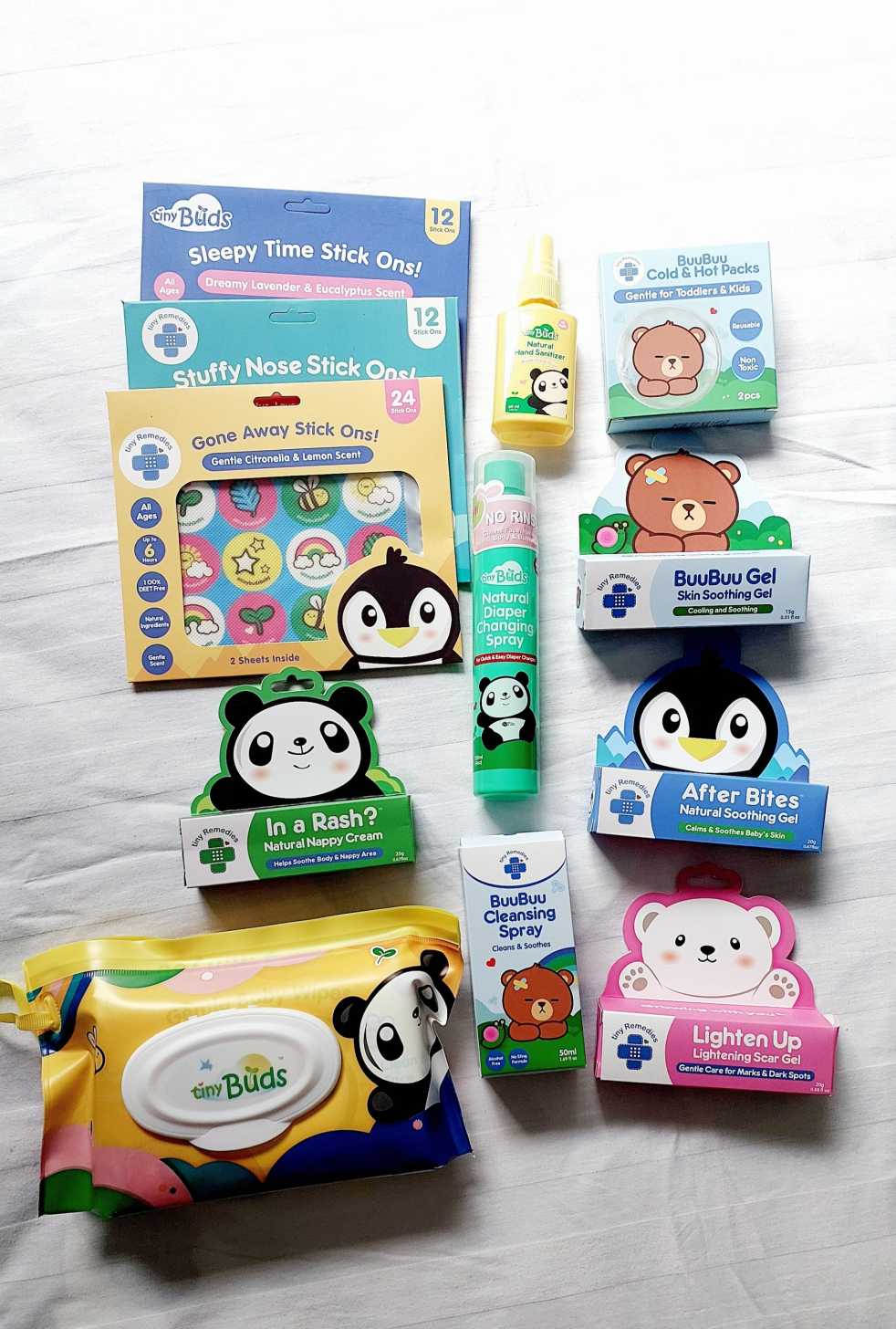
Your baby’s skin is more delicate than most, this is why you have to choose products that are designed for sensitive skin. Tiny Buds is a pioneer in integrating natural ingredients into baby care and today has over 50 innovative natural baby care essentials and is one of the Top Baby Personal Care brands. Here… Continue reading Product Review: Tiny Buds Baby Naturals Baby Essentials
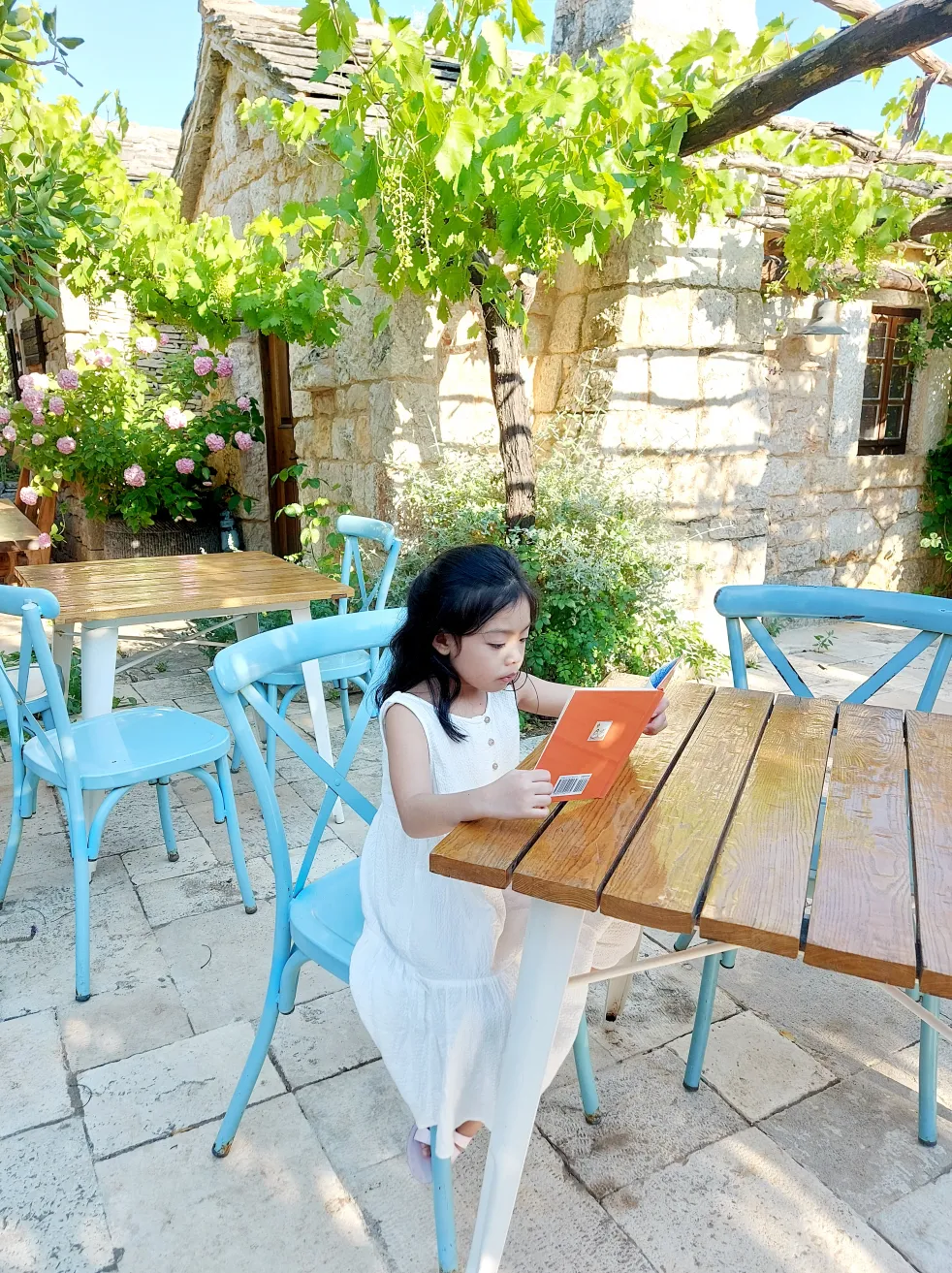
Where your child goes to school is a big decision and shouldn’t be taken lightly. Given how their education can impact their future, you might be tempted to take control and decide for them. However, you might be doing more damage than helping them in the long run. Your job as parents is to support… Continue reading HOW TO CHOOSE THE BEST SCHOOL FOR YOUR CHILD
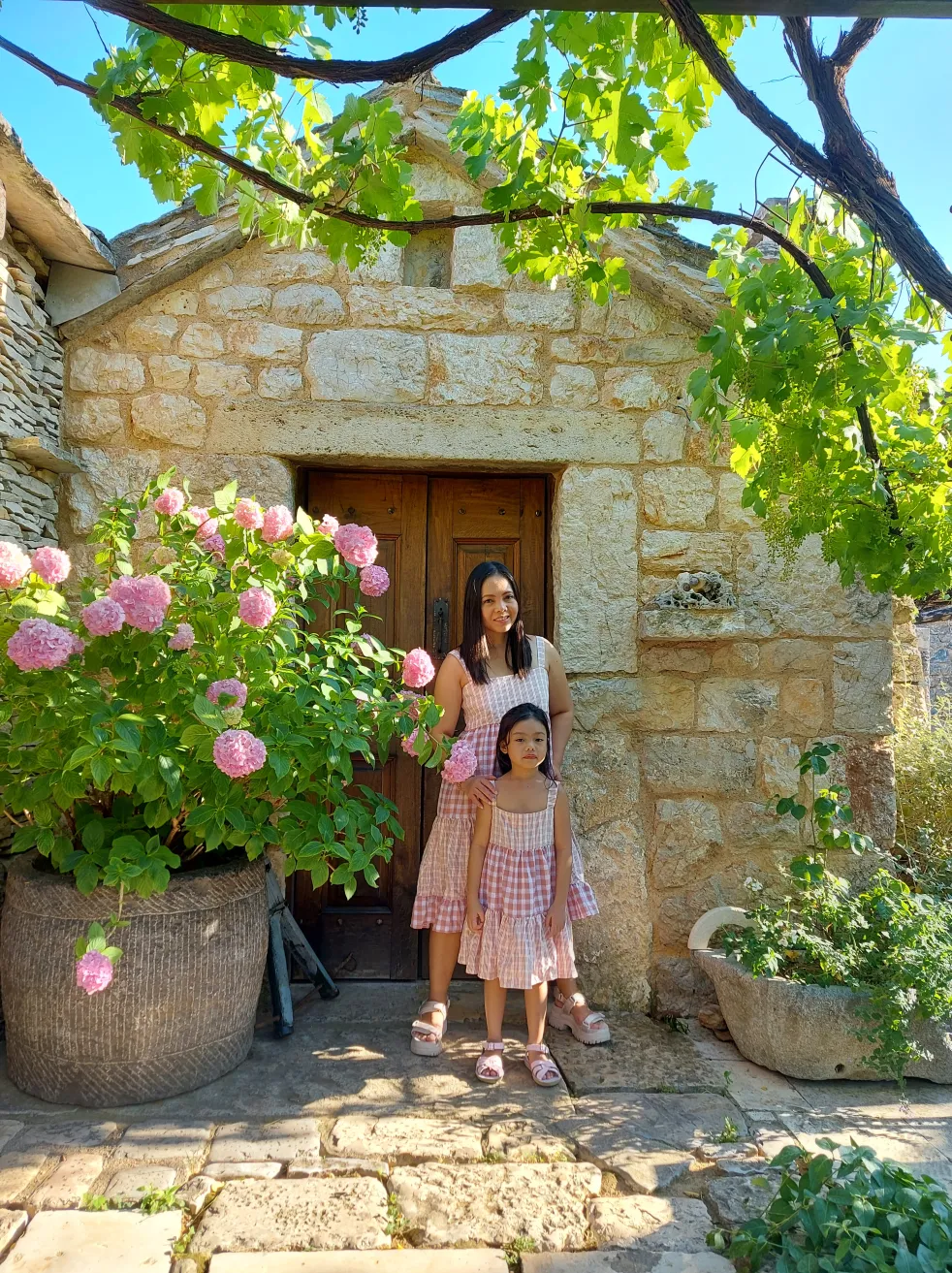
As poet and philosopher Rumi once eloquently said, “raise your words, not your voice. It is rain that grows flowers, not thunder.” Parenting is a challenging journey, and the truth is that nobody has everything figured out. One parenting style might suit others best, and some might favor other methods. However, children respond better to… Continue reading A SIMPLE GUIDE TO GENTLE PARENTING

Whether you’re a new mom to be, mom of a toddler, mom who have school-aged kids, you’re bound to have so many questions. Let's start with your baby's skin. Infant skin has unique needs; gentle care is essential to prevent damage to the skin barrier, which can lead to irritation. When caring for infant skin,… Continue reading Keeping Baby’s Diapered Skin Healthy
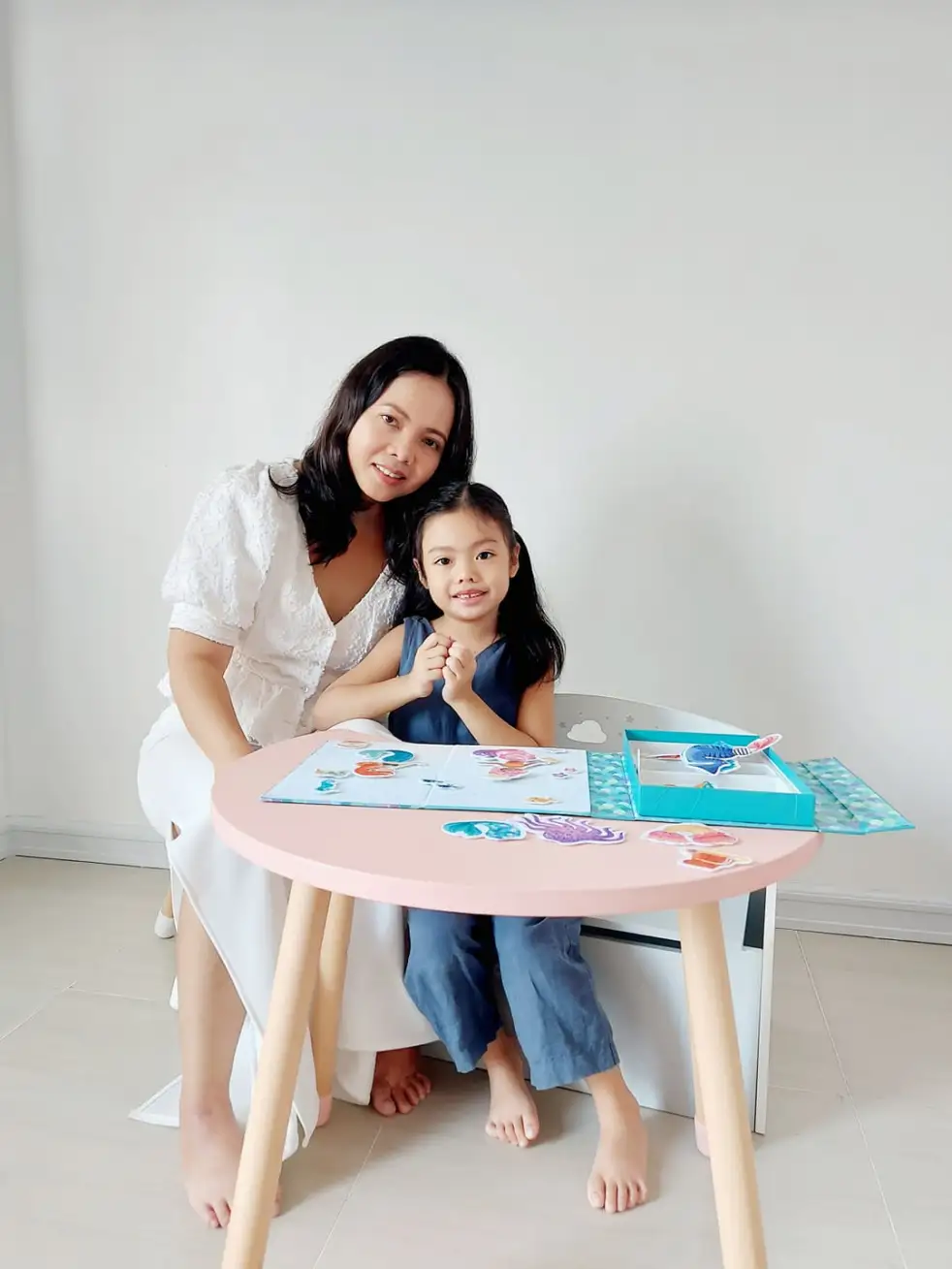
As parents, we want to give our child the best possible start in life and that begins with nurturing their intelligence. Throughout history, the notion of success has been linked to academic intelligence. However, there has been an increased awareness on the importance of emotional intelligence. This question gets at the heart of the never-ending… Continue reading IQ or EQ, which one is a better predictor of your child’s success?
 wondermomma.net