

Last August, IKEA Philippines engaged with Better World Smokey Mountain, a newly opened community center operated by the San Miguel Foundation, which shares a similar goal of improving the lives of many Filipino people. Through this partnership, IKEA Philippines provided and assembled home furnishings for the classrooms and library of Better World Smokey Mountain community… Continue reading Help Create a Better World with IKEA Soft Toys
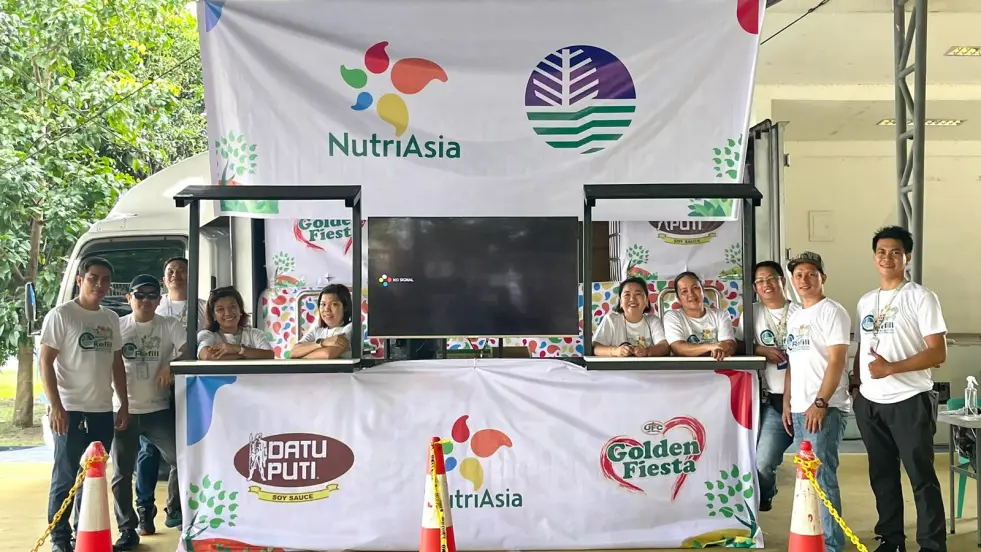
NutriAsia, the country’s top producer of condiments and sauces, continues its support of Refill Revolution; a project by the Department of Environment and Natural Resources EMB 3 that aims to help reduce Filipinos’ single-use plastics consumption. At Refill Revolution, residents get to recycle their single-use plastic bottles by reusing and filling it with their choice… Continue reading NutriAsia and DENR renews partnership for Refill Revolution

DIY first aid kit essentials for families with kids
A family first aid kit is a small, organised collection of supplies for handling everyday injuries, minor illnesses and unexpected situations. With children, the most useful kit is rarely the largest one. It is the one adults can open quickly, understand easily and replace before an item runs out.
A scraped knee after a playground visit, a splinter from the backyard or a minor burn while cooking can all be managed more calmly when the essentials are together. A portable kit also helps during beach trips, camping weekends, school holidays and long drives between Australian towns.
Keep first aid separate from medicines used routinely, such as prescription treatments or daily vitamins. This reduces confusion during a stressful moment and makes it easier to check expiry dates. Children should never have unsupervised access to the kit, even when its contents appear harmless.
The guide below is designed for Australian families and covers a home station, a travel pouch and sensible child-safe supplies. It cannot replace professional medical advice. Call Triple Zero (000) for a serious injury, breathing difficulty, heavy bleeding, loss of consciousness or any situation that feels life-threatening.
| Kit type | Best location | Useful contents | Main priority |
|---|---|---|---|
| Home kit | High, locked cupboard | Dressings, thermometer, saline, cold pack, gloves | Broad coverage |
| Day-trip pouch | Nappy bag or backpack | Plasters, wipes, gauze, gloves, hand sanitiser | Light and portable |
| Car kit | Secured boot compartment | Reflective blanket, dressings, gloves, torch | Heat and travel safety |
| Outdoor kit | Hiking or camping pack | Bandages, tweezers, sting care, blister pads | Rugged, waterproof packing |
Choose a safe container and location
Use a bright, sturdy container with a secure lid, such as a labelled plastic box or waterproof pouch. Transparent compartments make it easier to see what is available, while resealable bags can keep dressings dry. Avoid loose items in a handbag or an unlocked bathroom drawer, where young children may find them.
Store the home kit somewhere cool, dry and out of direct sunlight. It should be high enough to prevent access by toddlers, but reachable by an adult without climbing over furniture. In a hot Australian summer, a car can become too warm for some products, so do not leave medicines, creams or adhesive items permanently in a parked vehicle.
Keep a small emergency card inside the lid with each child’s name, allergies, medical conditions, regular medicines and emergency contacts. Add the family GP, health insurer details if useful, and the address of the nearest emergency department. The Australian Poisons Information Centre can be contacted on 13 11 26 for advice about possible poisoning or swallowed products.
Pack wound care basics
Start with different sizes of adhesive plasters, including fabric versions for knees and elbows and small waterproof ones for fingers. Add sterile gauze pads, non-stick dressings, medical tape and a few elastic bandages. A triangular bandage can support an arm or create a temporary sling, while a cohesive wrap can secure a dressing without sticking directly to skin.
Include disposable nitrile gloves, alcohol-free cleansing wipes, sterile saline pods and a small pair of blunt-ended scissors. Tweezers are useful for visible splinters, but never dig deeply into skin or attempt to remove embedded glass. A digital thermometer is more practical than a glass thermometer and should be cleaned according to its instructions.
For a minor graze, wash hands, rinse away dirt with clean running water or saline, and cover the area with a suitable dressing. Change it when wet or dirty. Seek medical care if a wound is deep, gaping, contaminated, caused by an animal bite, or showing increasing redness, swelling, warmth, pain or discharge.
Add items for common childhood accidents
A reusable instant cold pack can help with bumps and swelling. Wrap it in a cloth before applying it and use short periods rather than placing it directly on skin. Include burn dressings or a clean non-fluffy covering, but remember that cool running water is the first response to a minor burn. Avoid ice, butter, toothpaste and adhesive dressings on burnt skin.
For nosebleeds, pack tissues or gauze and teach older children to sit upright, lean slightly forward and pinch the soft part of the nose. Do not tilt the head backwards. Oral rehydration solution sachets may be useful for diarrhoea or vomiting, especially when travelling, but follow the packet directions and seek medical guidance for babies, persistent symptoms or signs of dehydration.
Sunscreen, insect repellent and a sun hat are sensible additions for Australian outings, particularly around Brisbane, Perth or Darwin where strong ultraviolet exposure and warm weather can be part of everyday life. Choose products suitable for the child’s age and follow the label. Sunscreen belongs in an outing pouch rather than the core wound-care box, since heat can affect storage and it needs regular reapplication.
Handle medicines with extra care
Medicines require more planning than plasters. Ask a pharmacist which child-appropriate products are suitable for your family and record each child’s current weight, allergies and usual dose instructions. Use the measuring syringe or cup supplied with a medicine, never a kitchen teaspoon, and check the active ingredient to avoid accidentally giving two products containing the same ingredient.
Australian medicine packaging and labels may include storage warnings, age limits and Therapeutic Goods Administration details. Follow them closely, especially for cough and cold products, antihistamines and pain relief. Keep medicines in their original containers with the leaflet and expiry date intact. Do not transfer them into unlabelled containers or rely on memory for dosing.
Do not place prescription medicines, asthma inhalers or adrenaline auto-injectors in a general kit unless they are prescribed for that child and included as part of an agreed action plan. Keep essential treatments accessible to responsible adults, while still preventing children from handling them. Replace expired products through a participating pharmacy rather than flushing medicines down the sink.
Families travelling from Melbourne to regional Victoria, or from Sydney to a rural camping area, should carry enough regular medication for delays. A written action plan can be especially helpful for asthma, anaphylaxis, diabetes or seizures, and childcare or school staff should know where the relevant plan and medicine are kept.
Build a practical travel pouch
A day-trip pouch needs only the items most likely to be used: several plasters, two sterile gauze pads, cleansing wipes, gloves, hand sanitiser, saline, tweezers, a small bandage and a cold pack. Add blister pads for walking holidays and a few disposable bags for soiled dressings. Choose a waterproof pouch for beach visits around the Gold Coast or family boat trips.
For newborn and postpartum travel, first aid supplies are only one part of preparation. Families arranging hospital essentials can also use this hospital bag checklist to think through practical care items before welcoming a baby. A separate pouch for nappies, wipes and prescribed products helps prevent the first aid supplies from becoming mixed with daily baby-care items.
Keep the travel pouch in an adult’s backpack rather than at the bottom of a child’s bag. During road trips, pack water, hats, food, charged phones and any required health documents. In remote areas, mobile coverage may be unreliable, so tell another adult your route and expected arrival time when heading into bushland or isolated coastal areas.
Check, practise and replace supplies
Set a reminder every three months to inspect the kit. Replace expired medicines, dried-out wipes, opened saline, used dressings and damaged packaging. Check that batteries for a thermometer or torch still work. Review whether plasters fit your children’s ages and whether the clothing, sunscreen and insect protection match the coming season.
Practise simple responses with children without making the activity frightening. They can learn to tell an adult when someone is hurt, wash their hands, sit still for a plaster and never touch tablets or creams without permission. Older children can memorise their address and how to call 000, while adults can explain that emergency operators may ask for the location and details of the injury.
Keep records of allergies and medical plans up to date, particularly before holidays, school camps or visits to relatives. Australian childcare and school settings may have their own medication forms and storage rules, so provide the required documents rather than sending loose medicine in a backpack. Check the arrangements with the centre before an excursion.
A well-maintained kit supports calm first aid for minor problems, but worsening symptoms need medical assessment. Persistent fever, unusual drowsiness, difficulty breathing, serious allergic reactions, suspected fractures, significant burns and head injuries should be assessed promptly, with 000 used whenever urgent emergency help is needed.

Mercato Centrale, in collaboration with Indian Women in Enterprise Philippines (I-We), is set to host "The Great Indian Fiesta" to mark 75 years of friendship between India and the Philippines. The dynamic two-day event is scheduled to take place on September 30 to October 1, 2023, at Paseo De Roxas Street, Makati City. Aiming to… Continue reading Mercato Centrale Partners with I-We to Host ‘The Great Indian Fiesta’, Commemorating 75 Years of India-Philippines Friendship

My stomach would usually start growling at 10 am even after taking a big breakfast. This is probably because I am a morning person and I move a lot throughout the day hence snacking is something that I can't avoid. This potatoes and chicken wrap recipe is easy to prepare and would keep me full… Continue reading Potato and Chicken Wrap
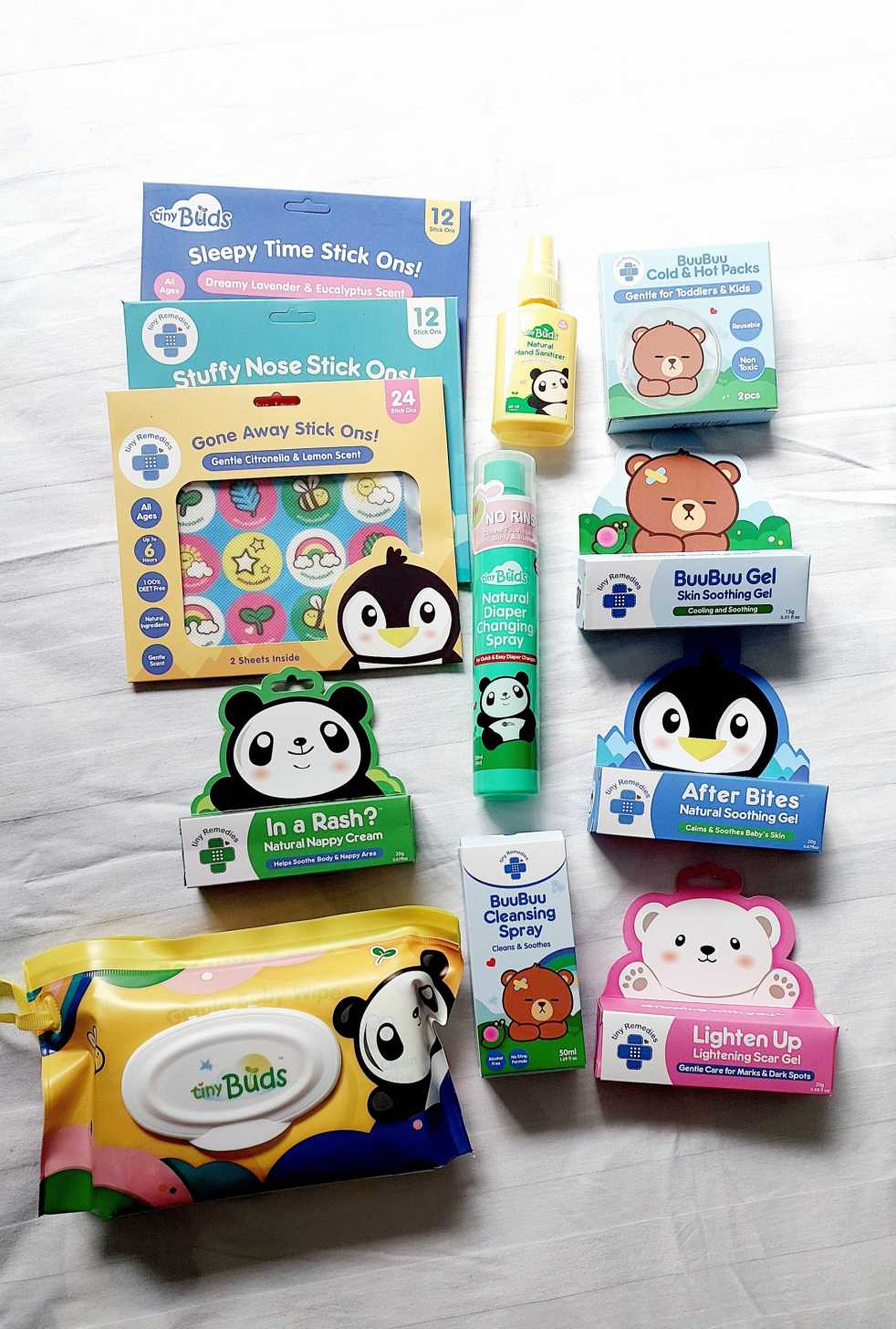
Your baby’s skin is more delicate than most, this is why you have to choose products that are designed for sensitive skin. Tiny Buds is a pioneer in integrating natural ingredients into baby care and today has over 50 innovative natural baby care essentials and is one of the Top Baby Personal Care brands. Here… Continue reading Product Review: Tiny Buds Baby Naturals Baby Essentials
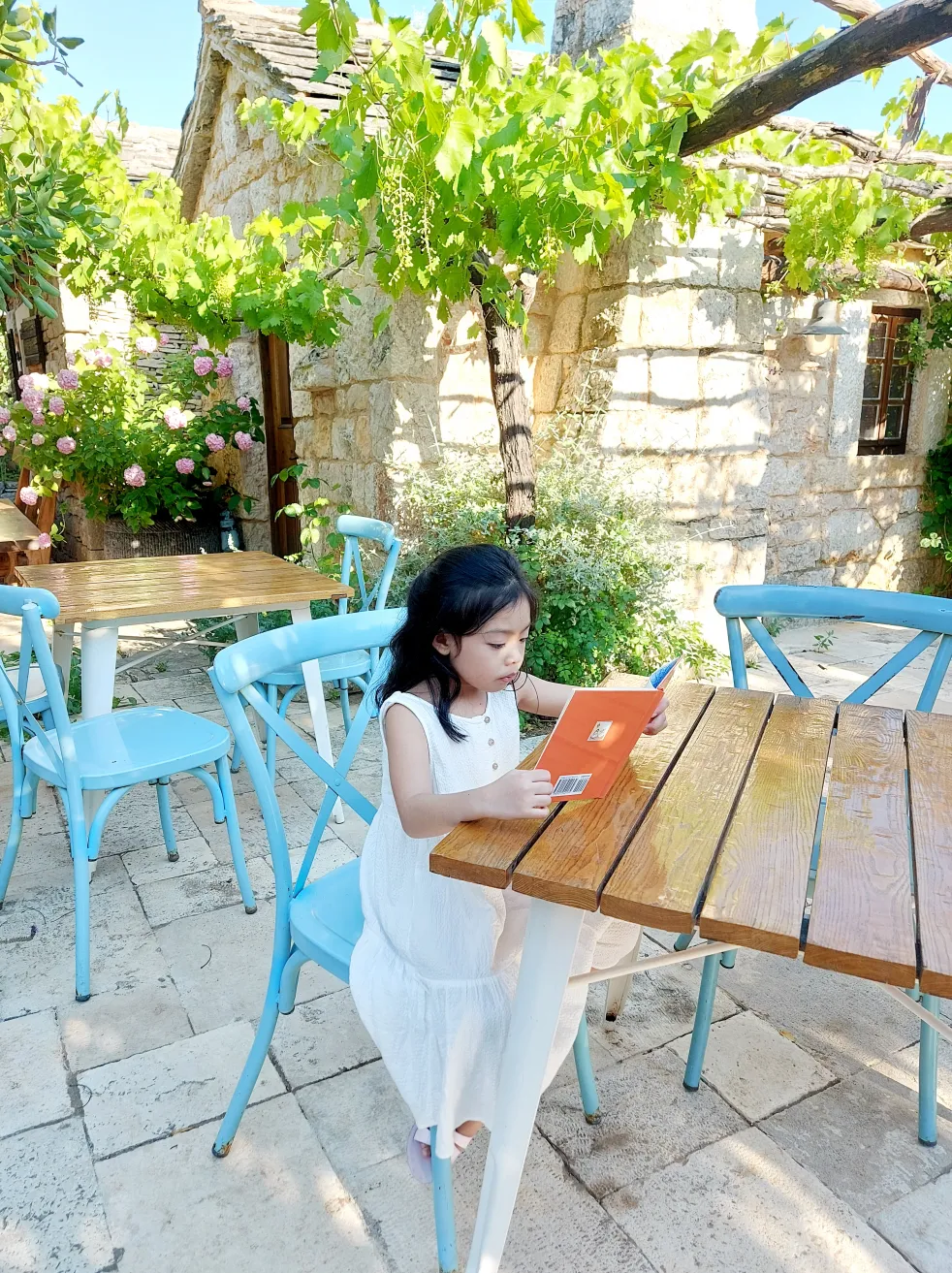
Where your child goes to school is a big decision and shouldn’t be taken lightly. Given how their education can impact their future, you might be tempted to take control and decide for them. However, you might be doing more damage than helping them in the long run. Your job as parents is to support… Continue reading HOW TO CHOOSE THE BEST SCHOOL FOR YOUR CHILD
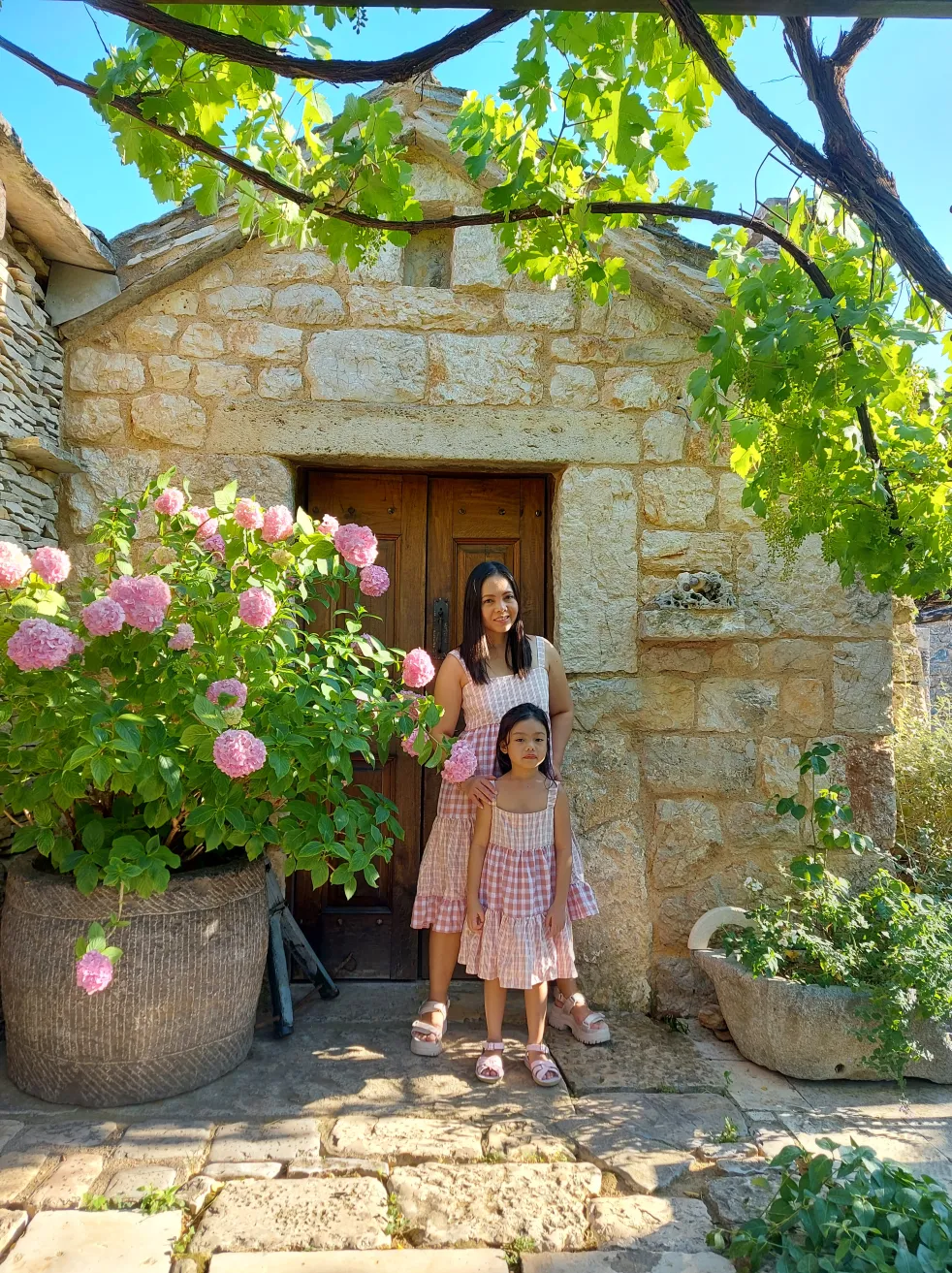
As poet and philosopher Rumi once eloquently said, “raise your words, not your voice. It is rain that grows flowers, not thunder.” Parenting is a challenging journey, and the truth is that nobody has everything figured out. One parenting style might suit others best, and some might favor other methods. However, children respond better to… Continue reading A SIMPLE GUIDE TO GENTLE PARENTING
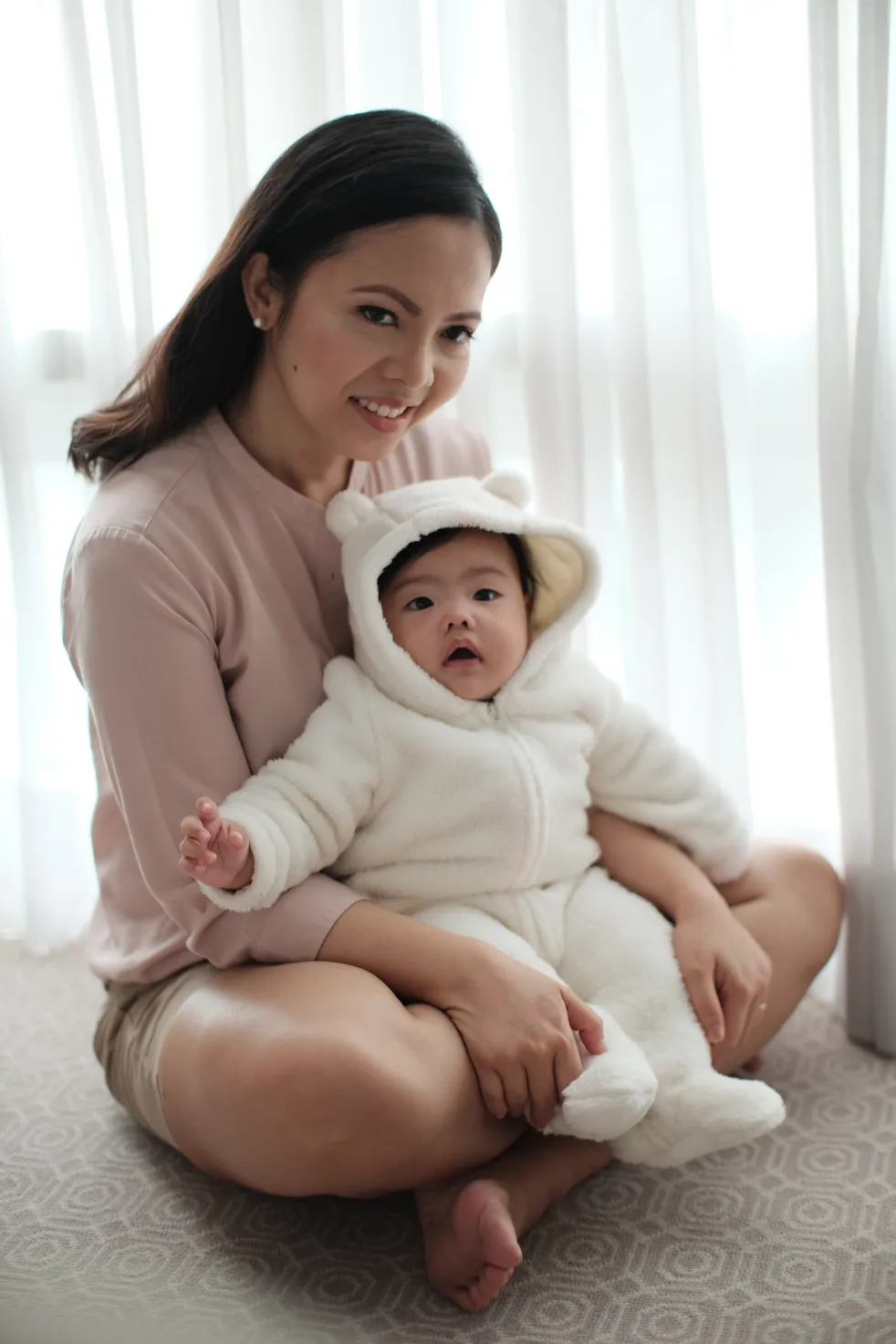
Whether you’re a new mom to be, mom of a toddler, mom who have school-aged kids, you’re bound to have so many questions. Let's start with your baby's skin. Infant skin has unique needs; gentle care is essential to prevent damage to the skin barrier, which can lead to irritation. When caring for infant skin,… Continue reading Keeping Baby’s Diapered Skin Healthy
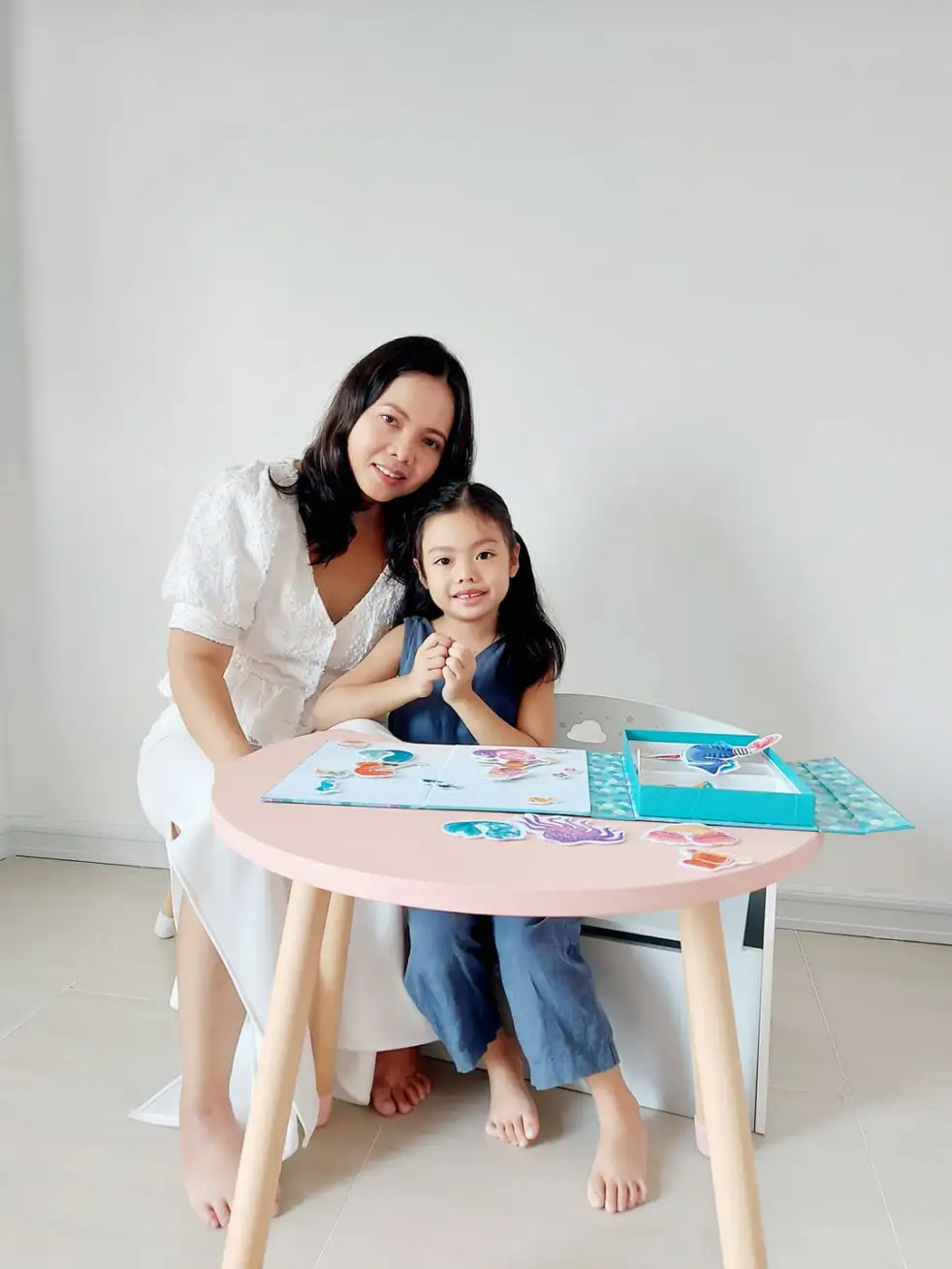
As parents, we want to give our child the best possible start in life and that begins with nurturing their intelligence. Throughout history, the notion of success has been linked to academic intelligence. However, there has been an increased awareness on the importance of emotional intelligence. This question gets at the heart of the never-ending… Continue reading IQ or EQ, which one is a better predictor of your child’s success?
 wondermomma.net