
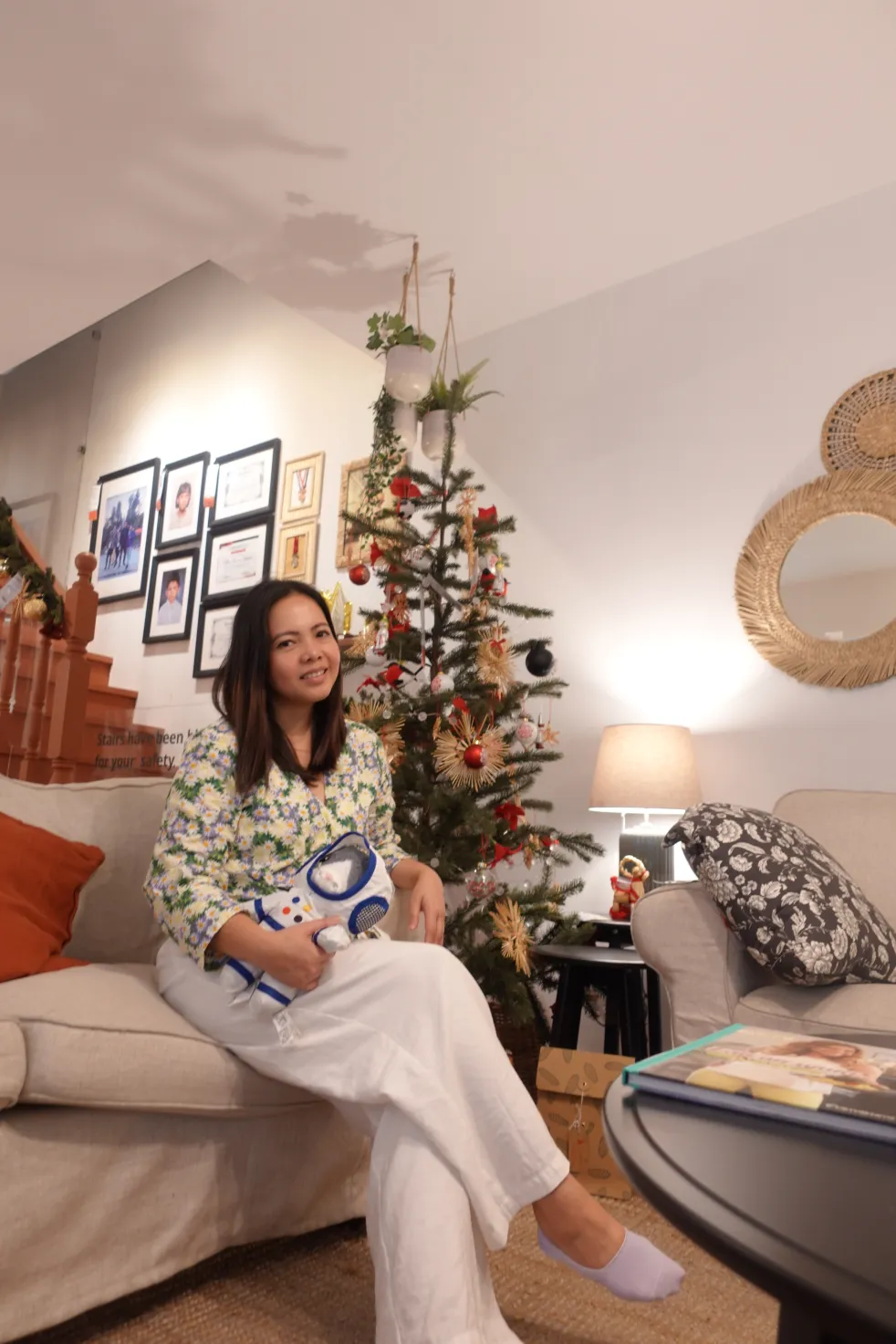
Last August, IKEA Philippines engaged with Better World Smokey Mountain, a newly opened community center operated by the San Miguel Foundation, which shares a similar goal of improving the lives of many Filipino people. Through this partnership, IKEA Philippines provided and assembled home furnishings for the classrooms and library of Better World Smokey Mountain community… Continue reading Help Create a Better World with IKEA Soft Toys
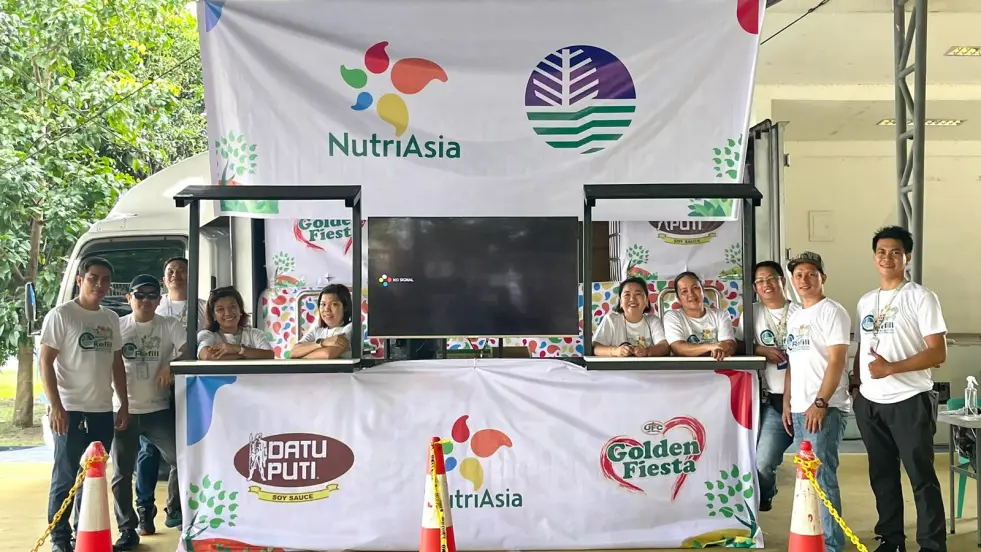
NutriAsia, the country’s top producer of condiments and sauces, continues its support of Refill Revolution; a project by the Department of Environment and Natural Resources EMB 3 that aims to help reduce Filipinos’ single-use plastics consumption. At Refill Revolution, residents get to recycle their single-use plastic bottles by reusing and filling it with their choice… Continue reading NutriAsia and DENR renews partnership for Refill Revolution

How to Make a DIY Busy Board for Fine Motor Skills
A busy board is a hands-on activity panel filled with safe, everyday objects that children can open, close, turn, slide, fasten, and explore. It gives little hands a purposeful way to practise movements while building curiosity and confidence through play.
The best homemade activity boards do not need expensive toys or complicated tools. A wooden board, a few household hardware pieces, and thoughtful planning can create hours of supervised learning for toddlers and preschoolers. Each feature should offer a clear action, such as twisting a knob, pulling a zipper, or matching a buckle.
For families in the Philippines, locally available materials from a hardware shop, craft store, or even a recycled packaging box can work well. The important priorities are sturdiness, smooth edges, secure attachments, and age-appropriate activities. A parent or caregiver should always stay close during play.
Why a busy board supports early development
Everyday fasteners and moving parts encourage children to use their fingers independently. Turning a latch, pushing a switch, or threading a shoelace involves grasping, pinching, rotating, pulling, and coordinating both hands. These actions strengthen hand muscles and support the dexterity needed for drawing, eating with utensils, dressing, and eventually writing.
A sensory activity board also develops hand-eye coordination. Children must watch where a piece goes while controlling the movement of their fingers. Repeating these actions helps them understand cause and effect: a bolt moves when it is twisted, a zipper opens when its tab is pulled, and a wheel spins when it is pushed.
There are cognitive and emotional benefits, too. A child may practise problem-solving by figuring out how a clasp works or persist with a difficult buckle until it opens. When the task is manageable, success gives children a sense of independence without requiring an adult to direct every step.
Choose a safe base and suitable materials
A smooth wooden panel is the most durable base for a toddler busy board. A piece of untreated pine, plywood, or a sturdy pre-cut craft board can work well. Aim for a size that a child can comfortably reach across while sitting, such as approximately 30 by 45 centimetres. A smaller board is easier to store, while a larger one allows more activities.
Sand every edge and corner carefully, including the holes created by drilling. Avoid warped wood, splinters, peeling paint, rusty metal, and parts with sharp points. If you paint the board, choose a water-based, non-toxic product and allow it to dry and cure completely before play.
Good attachments include large door latches, chunky zippers, cabinet handles, wide buckles, large wooden wheels, sturdy switches, curtain rings, shoelaces, and plastic gears designed for children. Avoid small magnets, loose beads, coins, button batteries, long cords, and detachable pieces that could become choking hazards.
| Activity | Skill encouraged | What to check |
|---|---|---|
| Large zipper | Pincer grasp and bilateral coordination | Stitch or screw it down securely |
| Door latch | Finger strength and problem-solving | Choose a smooth, child-sized latch |
| Buckle | Precision and dressing practice | Use a wide, durable buckle |
| Spinning wheel | Wrist rotation and cause-and-effect learning | Ensure it cannot pinch fingers |
| Shoelace or ribbon | Pulling and hand coordination | Keep it short and firmly attached |
| Light switch | Finger isolation and control | Use a safe, non-powered switch |
Plan the activities before assembling
Lay all the materials on the board before attaching anything. Group activities by movement and leave enough space for little fingers to operate each item. A crowded panel can be frustrating, especially for a young toddler who is still learning how to focus on one task at a time.
Include a mix of easy and challenging features. A large handle or spinning wheel can provide an immediate success, while a latch or buckle may require more concentration. Placing simpler items near the edges and more complex ones in the centre can make the board easier to explore.
Think about the child’s interests as well. A future helper may enjoy a pretend switch panel, while another child may be drawn to bright fabric, textured ribbons, or a small wheel. Keep colours cheerful but avoid attaching decorative items that can be pulled off. Function should remain more important than appearance.
Assemble the homemade activity board
Start by marking the position of each item with a pencil. Check that screws, bolts, or backing plates will not collide on the underside. Drill pilot holes where needed, then attach each feature tightly using appropriately sized screws and washers. If a screw extends through the back, replace it or cover it with a secure protective cap.
Zippers, fabric flaps, and shoelaces need special attention because they can tear or become loose with repeated use. Sew or screw their anchor points firmly to the board, and inspect them after the first few play sessions. Use short lengths of cord only, with both ends secured, to reduce entanglement risk.
When the board is complete, test every item with adult strength. Pull, twist, push, and shake each attachment. Nothing should wobble excessively, produce sharp edges, or detach under pressure. Wipe the finished board clean and allow any adhesive or finish to dry fully before introducing it to a child.
For younger toddlers, place the board flat on the floor or secure it to a low, stable surface. A wall-mounted version can be useful for standing practice, but it must be fixed into a strong support rather than attached only to plasterboard or a weak panel. Never leave a child alone with the board, even after it has passed an initial safety check.
Adapt the board as skills grow
A busy board can change with the child. At first, offer only a few large, simple features. Demonstrate one action slowly, then allow the child to experiment. Avoid taking over immediately; a little time to try, pause, and try again supports persistence and independent thinking.
As hand control improves, add more demanding tasks such as a combination of a zipper and button, a larger shoelace pattern, a sliding bolt, or matching clips by colour. You can also attach removable activity cards nearby, such as pictures showing “open,” “close,” “turn,” or “pull.” These encourage language development while the child works.
Observe rather than test. Some children will repeatedly spin a wheel, while others will focus on one latch for several minutes. Both types of play can be valuable. Use simple words to describe what is happening—“You turned the knob,” “The buckle opened,” or “You pulled the ribbon”—without turning the activity into a performance.
Simple design recommendations for families
A thoughtful board should be enjoyable, washable, and easy for caregivers to inspect. These practical choices help make a homemade fine motor activity safer and more useful:
- Choose large, sturdy components that are easy for small hands to grasp and difficult to swallow.
- Use rounded hardware, sanded wood, and non-toxic finishes suitable for children.
- Secure every feature with screws or reinforced stitching instead of relying only on glue.
- Leave clear spaces between activities so fingers do not become trapped or pinched.
- Inspect the board regularly for loose fasteners, frayed fabric, rust, splinters, and damaged parts.
Rotate features when the board begins to feel familiar. A removable fabric pocket, a seasonal texture, or a new large fastening can renew interest without requiring a completely new project. Families can also invite children to use the board alongside practical routines, such as practising a zipper before getting dressed or learning how a simple latch works.
Keep play safe and meaningful
Age recommendations matter because a component that is suitable for a preschooler may be unsafe for a baby. Children under three are particularly vulnerable to choking, and supervision should be close enough for an adult to intervene quickly. Do not include small parts simply because they look attractive or add variety.
Avoid electrical wiring and functioning power sockets. A pretend switch or unconnected toggle is enough to provide the hand movement and cause-and-effect experience. Keep the board away from water, heat, open windows, and furniture that a climbing child could use to pull it down.
Cleaning is also important in a warm, busy family environment. Wipe non-porous surfaces with a child-safe cleaner and dry them thoroughly. Fabric pieces should be washable or easy to replace. If the board becomes cracked, loose, or difficult to clean, remove it from use until it has been repaired.
The goal is not to create a perfect educational product. It is to provide a safe invitation to touch, move, notice, and solve. With a few well-chosen materials and regular adult supervision, a DIY busy board can become a practical part of playtime and a gentle way to build everyday independence.
Gather a sturdy base and a handful of safe hardware, sketch a simple layout, and begin with three or four activities your child can explore successfully. Share the finished project with another parent or caregiver, and keep observing which movements spark the most curiosity as your child’s skills develop.

Mercato Centrale, in collaboration with Indian Women in Enterprise Philippines (I-We), is set to host "The Great Indian Fiesta" to mark 75 years of friendship between India and the Philippines. The dynamic two-day event is scheduled to take place on September 30 to October 1, 2023, at Paseo De Roxas Street, Makati City. Aiming to… Continue reading Mercato Centrale Partners with I-We to Host ‘The Great Indian Fiesta’, Commemorating 75 Years of India-Philippines Friendship

My stomach would usually start growling at 10 am even after taking a big breakfast. This is probably because I am a morning person and I move a lot throughout the day hence snacking is something that I can't avoid. This potatoes and chicken wrap recipe is easy to prepare and would keep me full… Continue reading Potato and Chicken Wrap
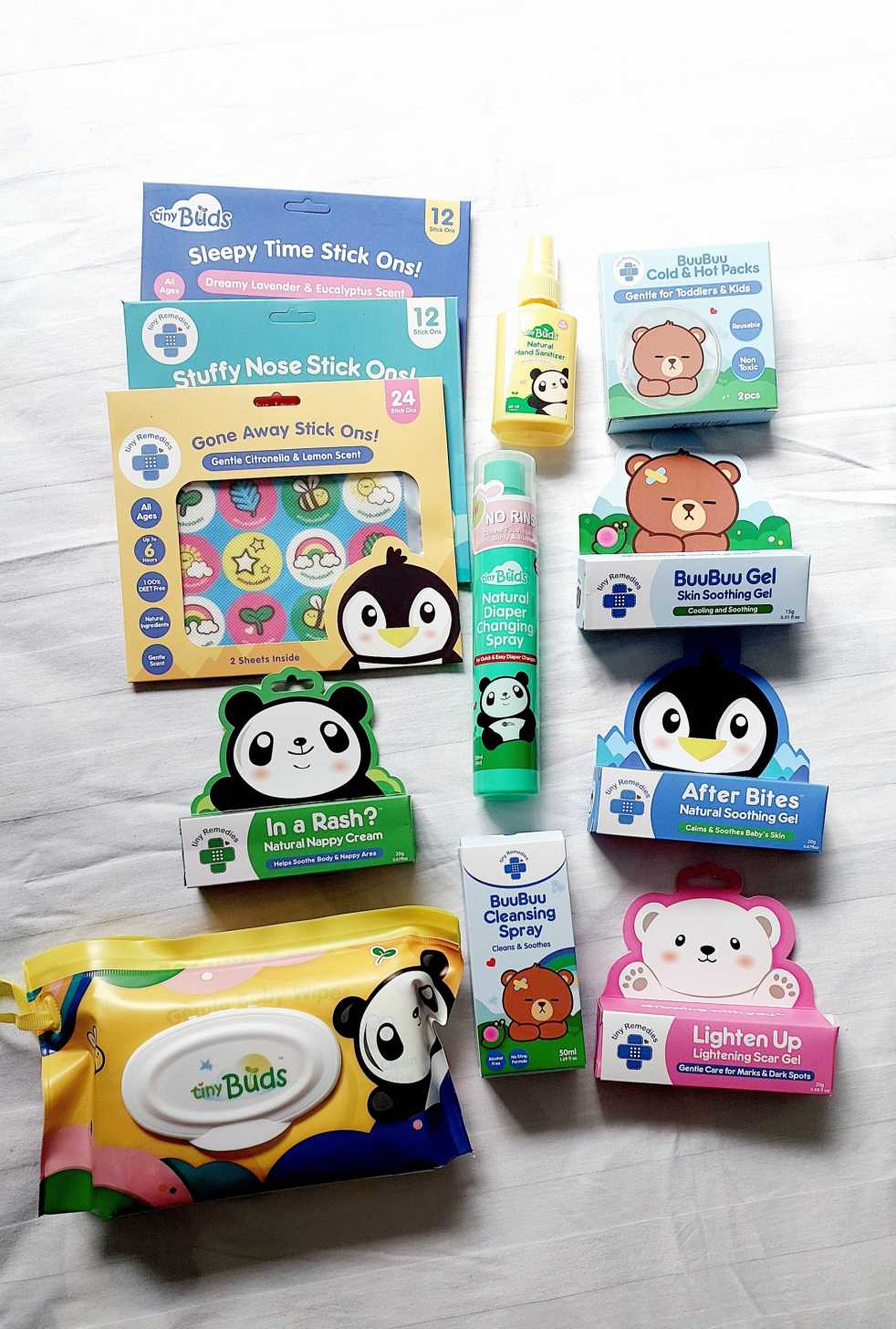
Your baby’s skin is more delicate than most, this is why you have to choose products that are designed for sensitive skin. Tiny Buds is a pioneer in integrating natural ingredients into baby care and today has over 50 innovative natural baby care essentials and is one of the Top Baby Personal Care brands. Here… Continue reading Product Review: Tiny Buds Baby Naturals Baby Essentials
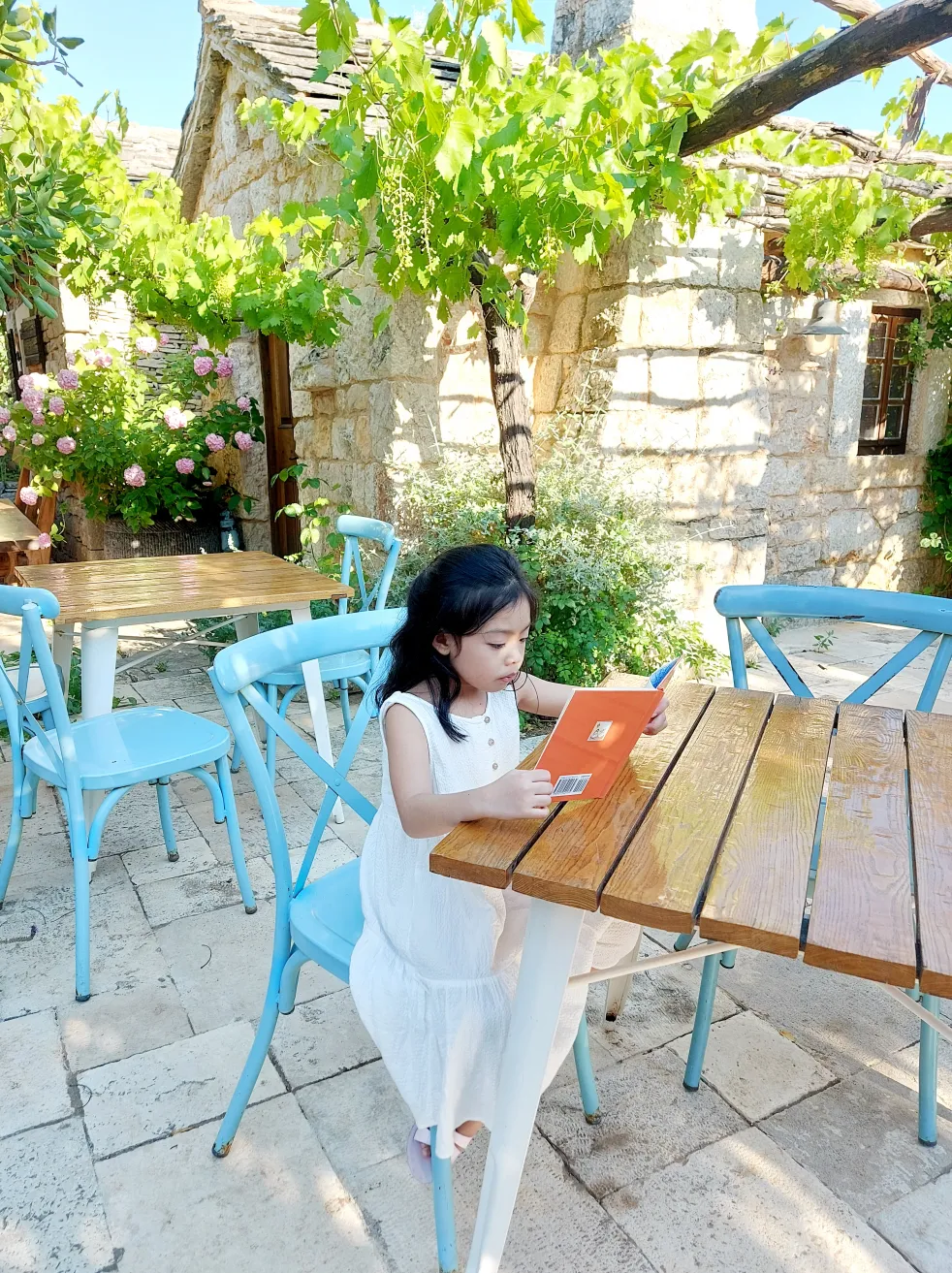
Where your child goes to school is a big decision and shouldn’t be taken lightly. Given how their education can impact their future, you might be tempted to take control and decide for them. However, you might be doing more damage than helping them in the long run. Your job as parents is to support… Continue reading HOW TO CHOOSE THE BEST SCHOOL FOR YOUR CHILD
As poet and philosopher Rumi once eloquently said, “raise your words, not your voice. It is rain that grows flowers, not thunder.” Parenting is a challenging journey, and the truth is that nobody has everything figured out. One parenting style might suit others best, and some might favor other methods. However, children respond better to… Continue reading A SIMPLE GUIDE TO GENTLE PARENTING

Whether you’re a new mom to be, mom of a toddler, mom who have school-aged kids, you’re bound to have so many questions. Let's start with your baby's skin. Infant skin has unique needs; gentle care is essential to prevent damage to the skin barrier, which can lead to irritation. When caring for infant skin,… Continue reading Keeping Baby’s Diapered Skin Healthy
As parents, we want to give our child the best possible start in life and that begins with nurturing their intelligence. Throughout history, the notion of success has been linked to academic intelligence. However, there has been an increased awareness on the importance of emotional intelligence. This question gets at the heart of the never-ending… Continue reading IQ or EQ, which one is a better predictor of your child’s success?
 wondermomma.net