

Last August, IKEA Philippines engaged with Better World Smokey Mountain, a newly opened community center operated by the San Miguel Foundation, which shares a similar goal of improving the lives of many Filipino people. Through this partnership, IKEA Philippines provided and assembled home furnishings for the classrooms and library of Better World Smokey Mountain community… Continue reading Help Create a Better World with IKEA Soft Toys
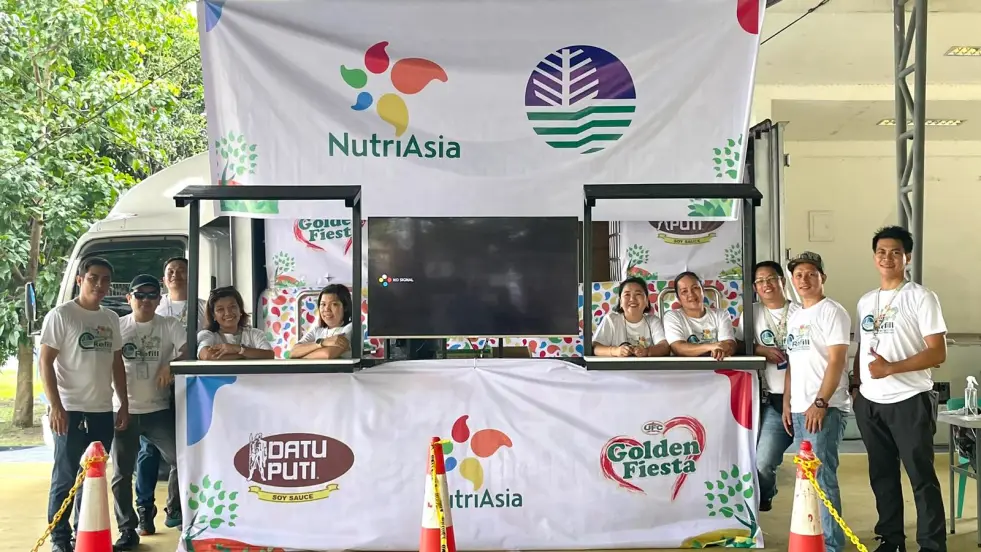
NutriAsia, the country’s top producer of condiments and sauces, continues its support of Refill Revolution; a project by the Department of Environment and Natural Resources EMB 3 that aims to help reduce Filipinos’ single-use plastics consumption. At Refill Revolution, residents get to recycle their single-use plastic bottles by reusing and filling it with their choice… Continue reading NutriAsia and DENR renews partnership for Refill Revolution

How to Make a Picnic Lunch That’s Easy and Kid-Approved
A picnic lunch can turn an ordinary weekend into a small family adventure. With a few familiar foods, sensible portions and a little room for choice, children are more likely to eat well and enjoy the outing. The best picnic menu is simple to carry, easy to serve and flexible enough for different ages.
Australian families have plenty of lovely places to spread out a rug, from Sydney’s harbour parks and Melbourne’s botanic gardens to shaded playgrounds in Brisbane, Adelaide and Perth. A successful outdoor meal does not need elaborate recipes. It needs food that travels safely, suits the weather and can survive enthusiastic little hands.
Aim for a balance of carbohydrates, protein, fruit or vegetables and a small treat. Finger food usually works better than meals requiring cutlery, especially when toddlers are eager to explore the playground. Let children help choose between two or three options so they feel involved without turning lunch into a negotiation.
Good preparation also means thinking about heat, allergies, waste and clean-up. Australia’s strong sunshine, warm summer temperatures and changing weather can affect food safety and comfort. Pack carefully, bring plenty of water and keep the menu relaxed enough for a family day outside.
Build A Balanced Picnic Box
Start with one filling base, such as mini sandwiches, wraps, savoury muffins or cold pasta salad. Wholegrain bread, small pita pockets and rice crackers are practical choices for children who prefer familiar textures. Fill sandwiches with chicken, egg, cheese, avocado or hummus, and cut them into strips, triangles or bite-sized squares.
Add colourful produce that is easy to hold. Seedless grapes, berries, mandarin segments, cucumber sticks, cherry tomatoes and sliced capsicum are usually convenient, although round foods such as grapes and cherry tomatoes should be cut lengthways for young children. Softer fruit can be packed in a small container to prevent bruising.
Include a protein-rich item to keep little stomachs satisfied during active play. Yoghurt pouches, cheese cubes, boiled eggs, shredded roast chicken and bean dip can work well when kept cold. For children with allergies, follow the family’s usual medical advice and check whether the destination, playgroup or school picnic has specific allergy rules.
A small sweet item can have a place in the lunch box without becoming the centre of the meal. Try homemade oat bars, banana bread or two small plain biscuits. Water should be the main drink; a frozen bottle can help keep food cool while providing refreshing water as it melts.
Choose Foods That Travel Well
The easiest picnic foods are sturdy, portioned and enjoyable at room temperature for a short period. Avoid dishes that leak, wilt quickly or require complicated assembly. Keep dressings and dips in small, secure containers, and place crackers separately from moist fillings so they stay crisp.
For a hot day in Perth or a sunny afternoon in Sydney, use an insulated cooler bag with frozen ice bricks. Perishable foods such as cooked meat, dairy, eggs and cut fruit should stay cold until they are ready to eat. Food Standards Australia New Zealand recommends keeping potentially hazardous food at 5°C or colder, so do not leave chilled items sitting in the sun.
Pack the cooler bag last and open it only when needed. A frozen yoghurt pouch or drink bottle can act as an extra cold pack, while an insulated lunch bag helps maintain a safer temperature. If food has been warm for several hours, it is safer to discard it rather than return it to the fridge.
Think about how children will eat when selecting containers. Leakproof boxes with separate compartments keep portions distinct, and small reusable tubs are useful for dips, fruit and leftovers. A few cheerful labels or family-friendly design ideas from creative picnic designs can make the lunch feel special without adding complicated decorations.
Make Children Part Of The Planning
Offer children manageable choices before leaving home. They might select one sandwich filling, one fruit and one crunchy snack from a short list. This gives them ownership while allowing adults to guide the overall balance. Older children can wash produce, spread fillings or place napkins in the basket.
A mix-and-match lunch can suit siblings with different preferences. Pack plain bread alongside fillings, or offer vegetables separately from dip. One child may happily eat cucumber sticks while another prefers grated carrot in a wrap. Familiar food deserves a place beside new flavours, rather than being removed in the hope that hunger will force acceptance.
Helpful Jobs For Little Hands
- Washing apples, grapes or cucumber
- Choosing between two sandwich fillings
- Counting napkins, cups and food containers
- Decorating a paper bag with washable pencils
Give children a clear role during the picnic as well. They can hand out fruit, collect reusable containers or help check that rubbish has been packed. These small responsibilities build practical skills and make the outing feel like a shared family activity.
Keep expectations realistic. Running, talking and exploring may be more exciting than sitting still for a full meal. Serve small portions first and offer seconds when needed, rather than packing one large serving that may feel overwhelming.
Prepare For Australian Weather
Check the forecast before packing, particularly in places where conditions can change quickly. Melbourne families may leave home under grey skies and find bright sun by lunchtime, while Brisbane and Darwin families need to plan carefully around heat, humidity and sudden storms. A lightweight picnic blanket, rain cover and spare clothes can prevent minor weather changes from spoiling the day.
Shade is important throughout Australia, especially between late morning and mid-afternoon. Choose a park with trees or bring a broad-brimmed hat, sunglasses and child-safe sunscreen. Reapply sunscreen according to the product directions, particularly after water play or sweating. A pop-up shade shelter can be useful, provided it is secured safely and permitted at the location.
Carry more water than you think the family will need. Active children can become thirsty before they recognise the signs, especially on warm days. A refillable bottle for each child reduces waste and suits Australia’s many parks with drinking fountains, although families should check local facilities before setting out.
Mosquitoes, ants and uneven ground are also worth considering. A sealed container protects food from insects, while a picnic mat creates a cleaner eating area. In bushland or coastal areas, supervise children near water, roads, cliffs and wildlife, and follow signs about fires, dogs and protected habitats.
Pack A Low-Waste Picnic Kit
A reusable picnic kit can make outdoor meals simpler over time. Bring washable containers, cloth napkins, refillable bottles and a small rubbish bag. Australia’s waste-reduction habits vary between councils, so check local recycling guidance rather than assuming every park bin accepts the same materials. Some councils provide food-organics services, while others do not.
Choose packaging that children can open independently but cannot spill easily. Wide-mouth containers are often more practical than tightly wrapped foil, and silicone cups can separate snacks inside a larger lunch box. Use an insulated bag for chilled food and keep a separate dry bag for napkins, utensils and rubbish.
Small Items Worth Packing
- Hand sanitiser or wet wipes
- A rubbish bag and spare zip-lock bags
- Reusable spoons, cups and cloth napkins
- A small first-aid kit and insect repellent
A picnic knife is useful for adults but should be stored securely. Bring child-sized cutlery only when it genuinely helps, as many foods can be eaten with clean hands. Pack a damp cloth for sticky fingers and a spare outfit for spills, water play or muddy grass.
When the picnic is over, cool any safe leftovers promptly and avoid saving food that has been sitting warm. Wash containers once home and dry them fully before storing. This routine reduces odours, discourages mould and makes the next family outing easier to organise.
Create A Simple Menu For Every Age
Toddlers need food cut to an appropriate size and shape, with close supervision while eating. Avoid hard, sticky or round choking hazards, and follow current guidance from an Australian child health professional if you are unsure about a particular food. Babies who have recently started solids may need softer textures and familiar foods rather than a full shared picnic menu.
Preschoolers often enjoy mini versions of family favourites, such as small quesadillas, vegetable fritters or pasta spirals. Primary-school children may appreciate a more substantial wrap, a homemade snack bar and fruit that can be eaten while sitting on the rug. Teenagers may need extra carbohydrates and protein after sport, so add a larger sandwich or an additional snack.
The following combinations can be adjusted for dietary needs, age and appetite:
| Picnic Style | Main Food | Fresh Side | Extra Snack |
|---|---|---|---|
| Toddler-friendly | Soft cheese and avocado sandwich strips | Banana or steamed vegetable pieces | Plain yoghurt |
| Preschool picnic | Mini chicken wrap | Cucumber and berries | Oat muffin |
| School-age lunch | Egg, lettuce and cheese roll | Apple slices and capsicum | Homemade trail mix without unsafe allergens |
| Active family outing | Cold pasta salad with chicken or beans | Orange segments and snow peas | Wholegrain crackers and dip |
Keep the atmosphere pleasant by avoiding pressure to clean the plate. Children may eat more or less depending on activity, temperature and mood. A calm picnic, familiar foods and enough time to explore can do more for positive eating habits than a perfectly styled lunch box.

Mercato Centrale, in collaboration with Indian Women in Enterprise Philippines (I-We), is set to host "The Great Indian Fiesta" to mark 75 years of friendship between India and the Philippines. The dynamic two-day event is scheduled to take place on September 30 to October 1, 2023, at Paseo De Roxas Street, Makati City. Aiming to… Continue reading Mercato Centrale Partners with I-We to Host ‘The Great Indian Fiesta’, Commemorating 75 Years of India-Philippines Friendship

My stomach would usually start growling at 10 am even after taking a big breakfast. This is probably because I am a morning person and I move a lot throughout the day hence snacking is something that I can't avoid. This potatoes and chicken wrap recipe is easy to prepare and would keep me full… Continue reading Potato and Chicken Wrap
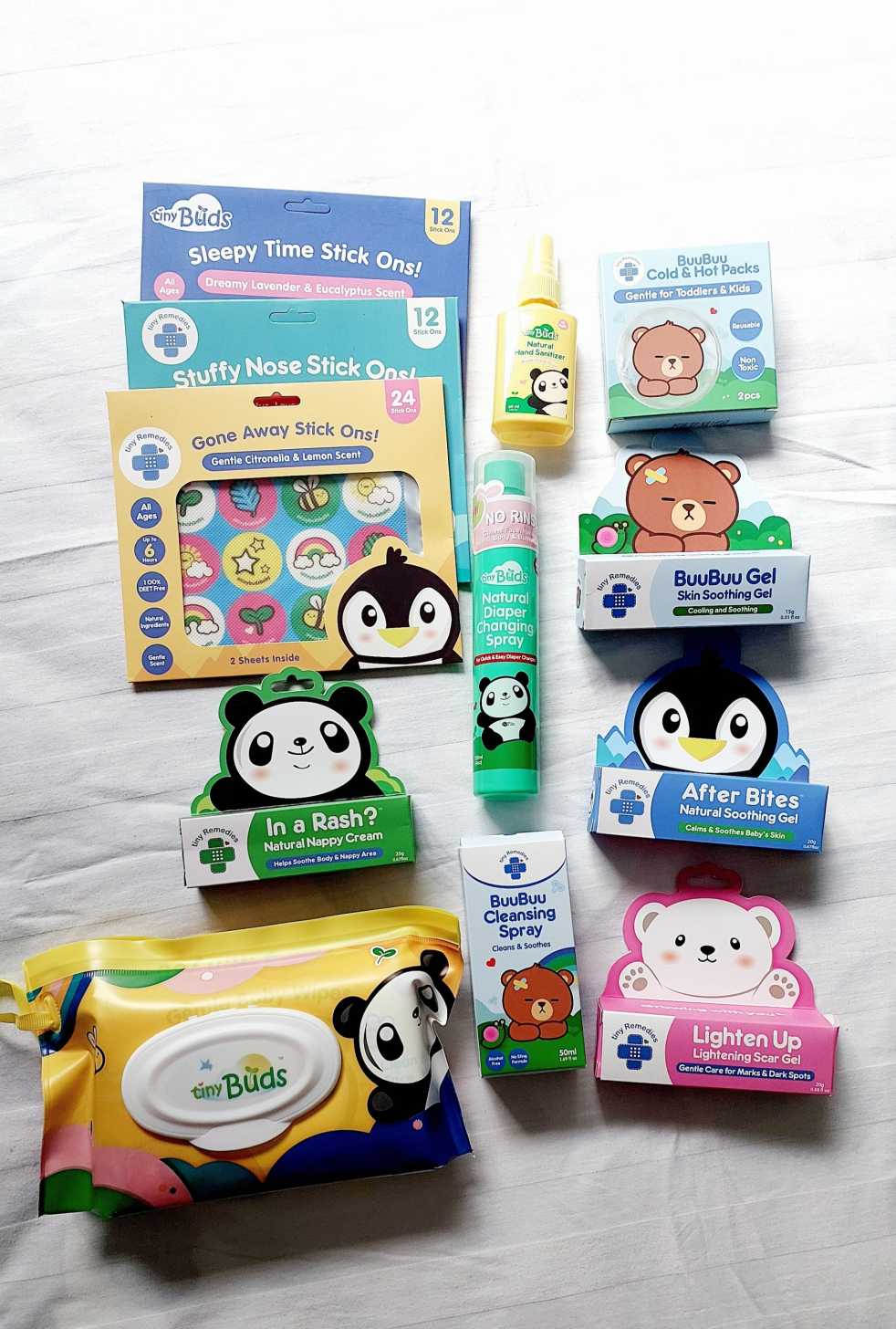
Your baby’s skin is more delicate than most, this is why you have to choose products that are designed for sensitive skin. Tiny Buds is a pioneer in integrating natural ingredients into baby care and today has over 50 innovative natural baby care essentials and is one of the Top Baby Personal Care brands. Here… Continue reading Product Review: Tiny Buds Baby Naturals Baby Essentials
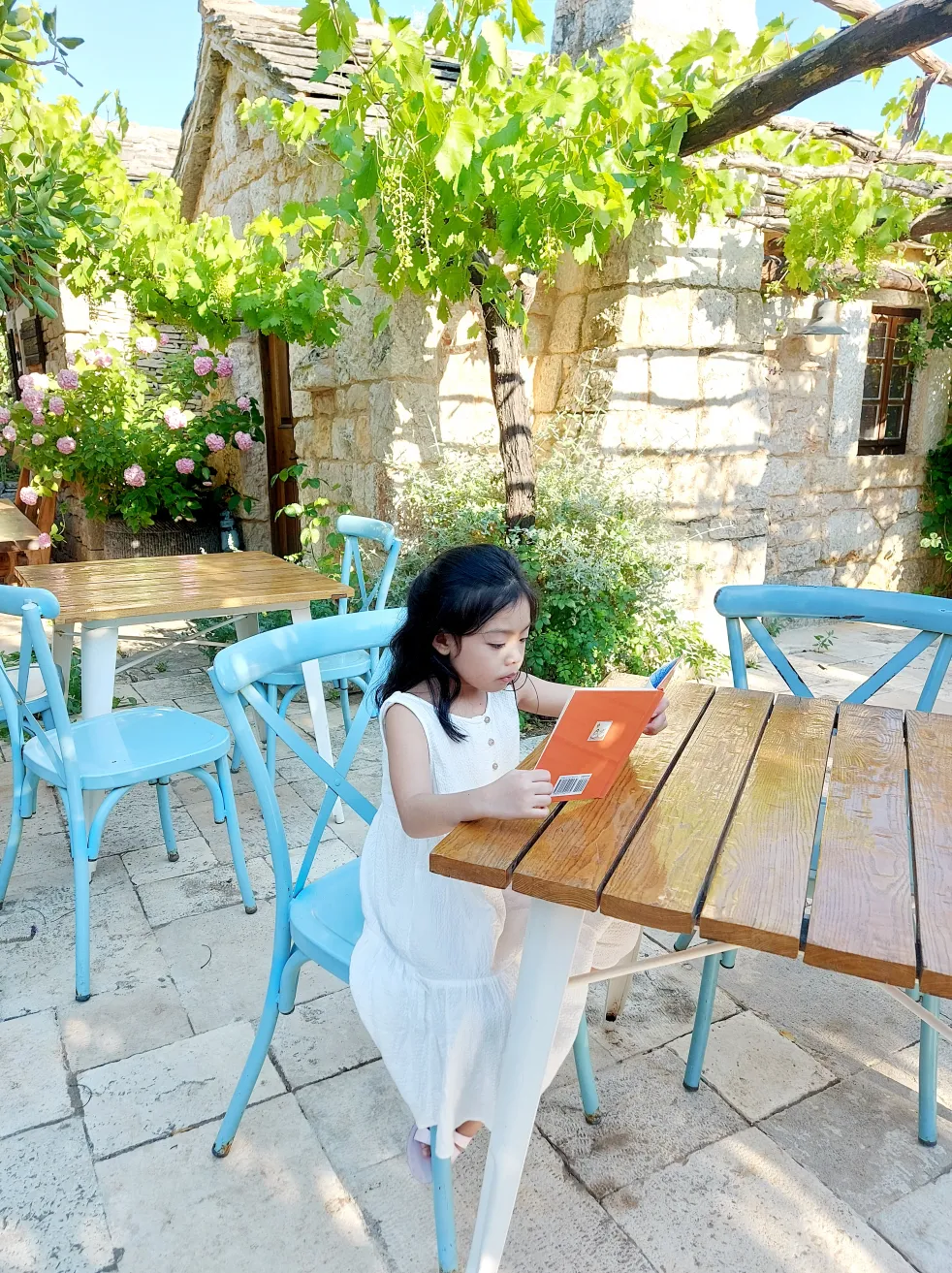
Where your child goes to school is a big decision and shouldn’t be taken lightly. Given how their education can impact their future, you might be tempted to take control and decide for them. However, you might be doing more damage than helping them in the long run. Your job as parents is to support… Continue reading HOW TO CHOOSE THE BEST SCHOOL FOR YOUR CHILD
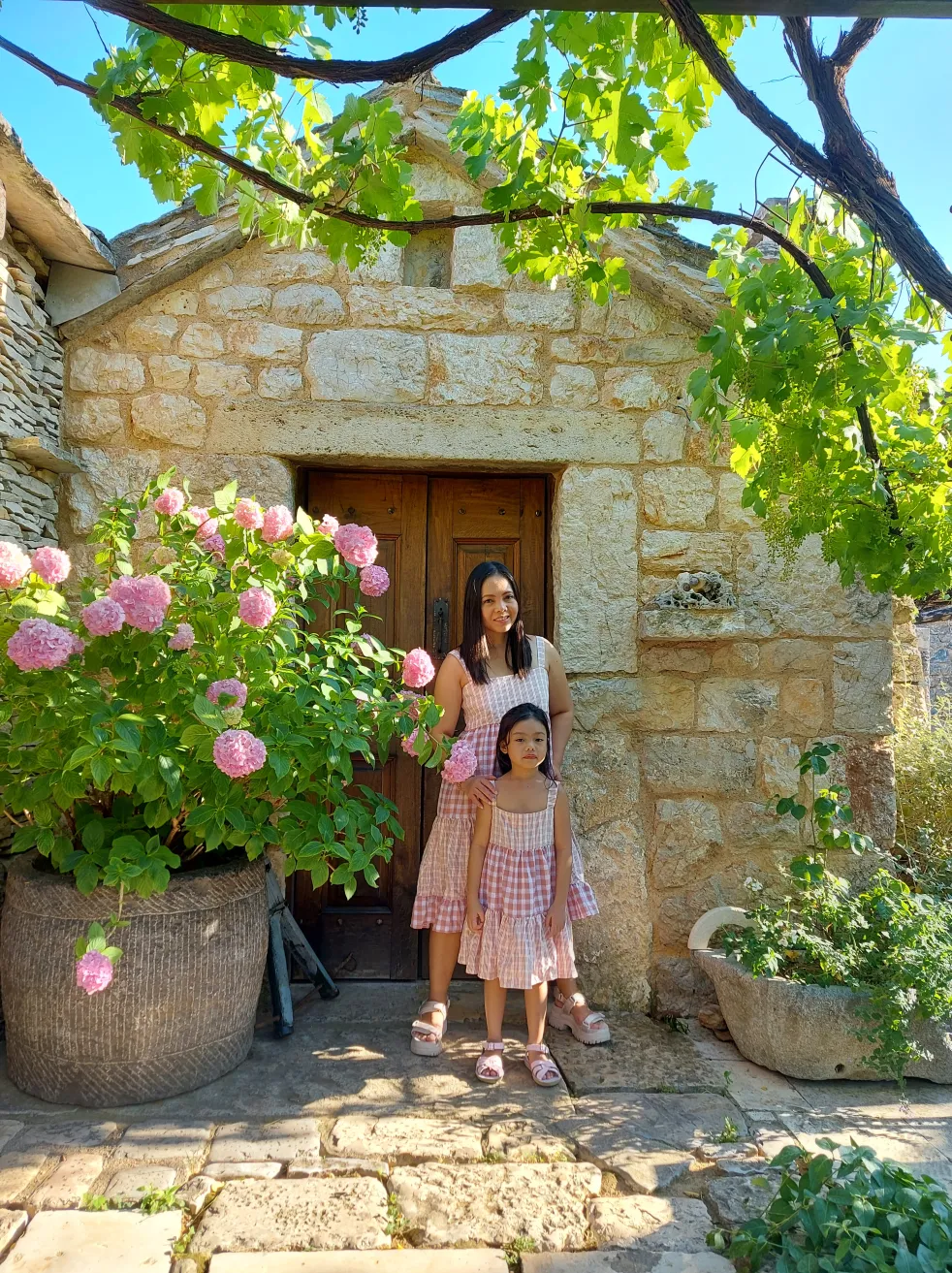
As poet and philosopher Rumi once eloquently said, “raise your words, not your voice. It is rain that grows flowers, not thunder.” Parenting is a challenging journey, and the truth is that nobody has everything figured out. One parenting style might suit others best, and some might favor other methods. However, children respond better to… Continue reading A SIMPLE GUIDE TO GENTLE PARENTING
Whether you’re a new mom to be, mom of a toddler, mom who have school-aged kids, you’re bound to have so many questions. Let's start with your baby's skin. Infant skin has unique needs; gentle care is essential to prevent damage to the skin barrier, which can lead to irritation. When caring for infant skin,… Continue reading Keeping Baby’s Diapered Skin Healthy
As parents, we want to give our child the best possible start in life and that begins with nurturing their intelligence. Throughout history, the notion of success has been linked to academic intelligence. However, there has been an increased awareness on the importance of emotional intelligence. This question gets at the heart of the never-ending… Continue reading IQ or EQ, which one is a better predictor of your child’s success?
 wondermomma.net