
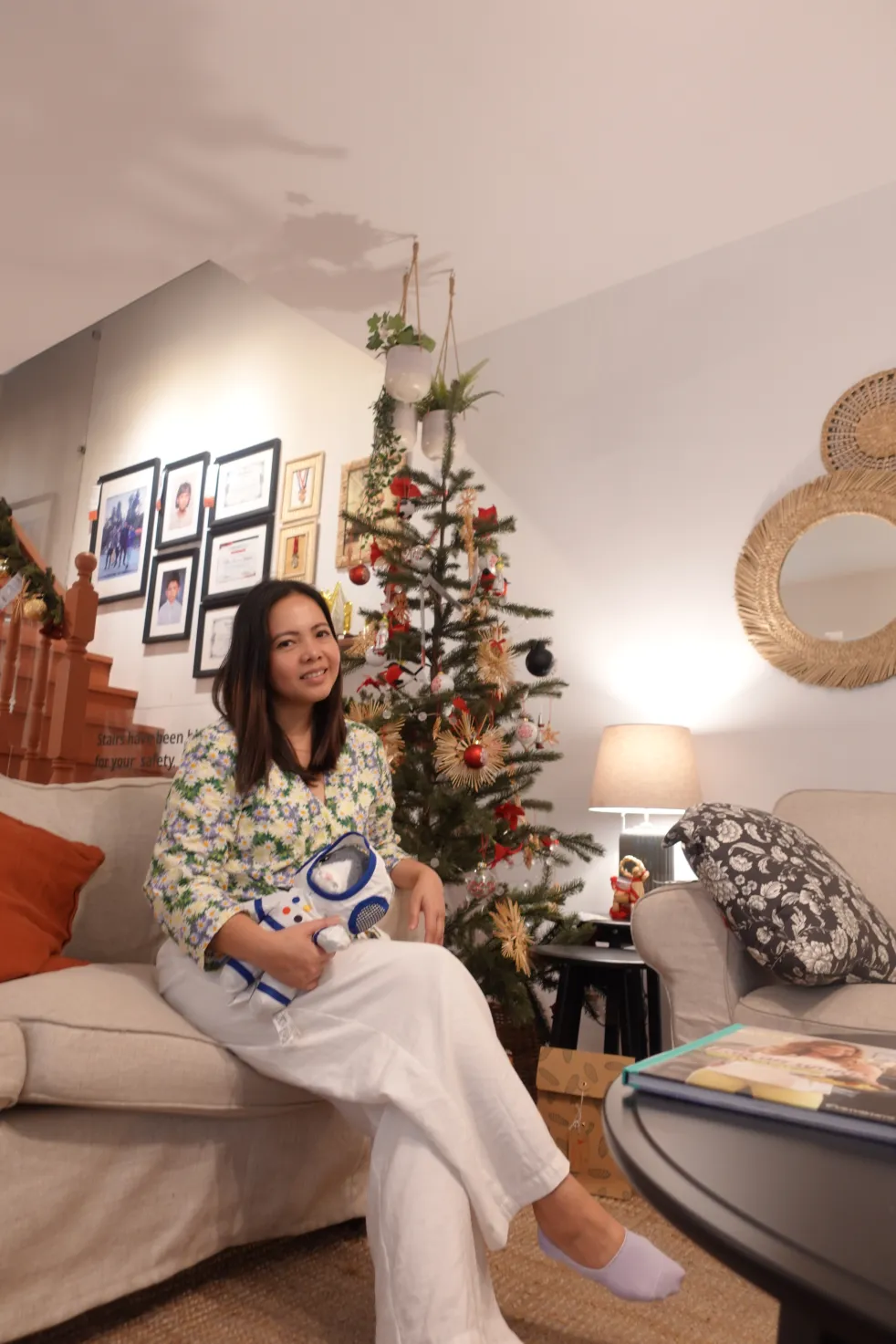
Last August, IKEA Philippines engaged with Better World Smokey Mountain, a newly opened community center operated by the San Miguel Foundation, which shares a similar goal of improving the lives of many Filipino people. Through this partnership, IKEA Philippines provided and assembled home furnishings for the classrooms and library of Better World Smokey Mountain community… Continue reading Help Create a Better World with IKEA Soft Toys
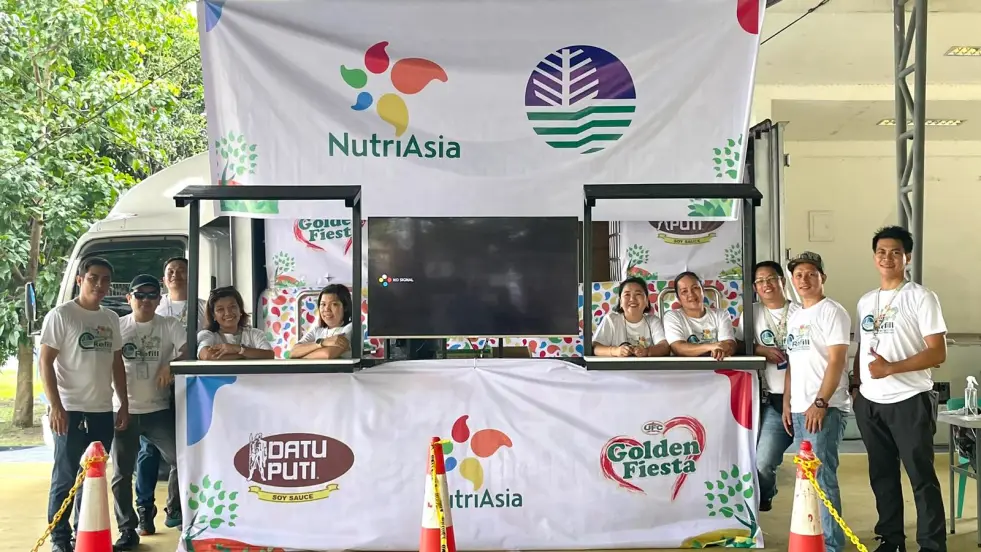
NutriAsia, the country’s top producer of condiments and sauces, continues its support of Refill Revolution; a project by the Department of Environment and Natural Resources EMB 3 that aims to help reduce Filipinos’ single-use plastics consumption. At Refill Revolution, residents get to recycle their single-use plastic bottles by reusing and filling it with their choice… Continue reading NutriAsia and DENR renews partnership for Refill Revolution

How to keep your toddler safe in the kitchen
Toddlers are naturally curious, energetic and eager to imitate the adults around them. A kitchen offers tempting sights, sounds and objects, but it is also home to hot surfaces, sharp tools, glass, cleaning products and food that can choke. Toddler kitchen safety therefore works best when it combines constant supervision with thoughtful changes to the room.
Australian family kitchens often have open-plan layouts that connect cooking, dining and play areas. Tiled floors, gas or electric stoves, a boiling kettle and a backyard or balcony barbecue are familiar features, while summer heat can make food safety even more important. Whether your home is a compact apartment or a suburban house, identifying hazards before they become accessible is essential.
Create safe zones before your toddler can explore
Begin by deciding which parts of the kitchen are adult-only zones. The area directly in front of the stove, oven, microwave, sink and rubbish bin should be treated as a cooking zone, particularly while food is being prepared. A portable playpen, secure gate or small table in the adjoining room can give your toddler a safe alternative to hovering beside you.
Lower cupboards and drawers usually need the most attention. Keep knives, scissors, matches, lighters and glassware in high or locked storage, while placing child-friendly items at a comfortable height. Use latches on cupboards containing cleaners, medicines or small choking hazards, but avoid securing every drawer because your child also needs space to learn and play.
Instead of relying on constant “No” commands, establish a simple boundary that everyone understands. Toddlers often respond better to being given a job elsewhere, such as sorting laundry or washing plastic bowls, than to being repeatedly moved away from the kitchen.
Control heat, steam, and open flames
Give the cooker a clear safety system. Use the rear burners whenever possible, turn saucepan handles inwards and keep a child at least several steps away while the stove is operating. Australian cooks often use large frypans and full kettles, so allowing extra space around the cooker is especially important. Stove knob covers can discourage curious hands, but adults should know how to remove them quickly in an emergency.
Move kettles, irons, hot appliances, rice cookers and slow-cooker pots away from counter edges. Place them on high, stable surfaces and route their cords where your toddler cannot pull or trip over them. Check that the microwave door closes properly, and never let a child stand directly in front of it while food is heating.
Steam, hot water and cooking oil create additional risks. Open the oven from the side to avoid a burst of steam, keep dishwashers locked, and fit a tempering valve if a tap runs dangerously hot. During a barbecue, establish a boundary around the grill and secure the gas bottle so children cannot access it. Keep a fire blanket or suitable kitchen fire extinguisher nearby, but never use water on a cooking-oil fire.
Make appliances and sharp objects safer
Keep knives, peelers, graters and scissors in a locked drawer or high block where the blades cannot be reached. When you need a knife, put your toddler in a safe space first rather than trying to work while holding them. Cutting boards should be stable, and chopping stools or low tables should never be used as improvised steps.
Inspect the kitchen for broken glass, splinters and sharp edges on appliances. Secure loose cupboard doors, cover unused electrical sockets and keep appliance cords tidy with clips or sleeves. Dishwashers need particular care because knives, chopsticks and glasses can fall from an open rack; place dangerous items on the upper rack and lock the door during the cycle.
Plastic bags, packaging film and rubber bands can suffocate or entangle a young child. Keep them away from play areas and use bins with pedal lids where possible. Check the floor regularly for small toy parts that may have been dropped near the oven or behind the fridge, where they could create a trip or choking hazard.
Prevent poisoning and choking at mealtimes
Medicine cabinets, laundry rooms and kitchen cupboards can contain concentrated products that are dangerous in small quantities. Keep medicines, vitamins, supplements, cleaners, aerosols and pet chemicals in a locked cupboard, ideally high enough that a child cannot reach them. Never transfer a cleaner into an unlabelled drink bottle or leave chemicals open while preparing a meal.
Food preparation deserves close attention. Serve grapes and small tomatoes cut lengthwise, avoid whole nuts, popcorn and hard chunks for toddlers, and supervise them while seated upright. Young children should not walk or crawl while eating, and adults should avoid distracting them with games when their mouth is full.
Good hygiene reduces the chance of poisoning through contaminated food. Wash hands before meals and after using the bathroom, separate raw meat from ready-to-eat food, and keep the fridge at 5°C or below using a thermometer. In Australian summer temperatures, refrigerate perishable leftovers within one hour, or within two hours in cooler conditions. Teach children that medicines are never candy, even when they brightly coloured or wrapped in familiar packaging.
Build routines that support safe independence
A stable learning tower beside the sink can let your toddler wash hands, tear lettuce or pour cold ingredients into a bowl. Choose a wide, non-slip model with a restraint and make sure it cannot be positioned beside the stove or a hot tap. The same tower should never be used to reach cupboards containing medicines, knives or breakable objects.
Let your toddler take part in safe kitchen tasks. They can carry unbreakable bowls, stir cold mixtures, put vegetables in the pantry or wipe a low table. These jobs build motor skills and confidence while allowing you to keep an eye on their developing judgement. Explain which objects are “hot,” “sharp” or “breakable,” and praise careful behaviour rather than expecting perfect compliance immediately.
Keep expectations predictable by storing dangerous items in the same places and following the same boundary each day. If a new activity is needed, rehearse it first with close supervision. As your toddler becomes more mobile, reassess the setup after holidays, visitors or changes in furniture, because a previously safe reach may suddenly become possible.
Prepare for accidents and emergencies
Keep a stocked first-aid kit in the kitchen and know where every item is stored. For a burn, remove the heat source and cool the affected area under cool, running water for 20 minutes. Do not apply ice, butter, toothpaste or cream, as these can worsen the injury. Call 000 for serious burns, burns to the face, hands or genitals, or any burn requiring medical attention.
Call 000 immediately if a child has difficulty breathing, is unconscious or appears seriously unwell after swallowing something. In Australia, the Poison Information Centre can be reached on 13 11 26 for advice about suspected poisoning, although a sick or distressed child needs emergency care. If a button battery may have been swallowed, seek urgent medical assessment even if there are no symptoms.
Teach adults and older children how to recognise severe choking. If the child can cough effectively, encourage them to keep coughing; if they cannot speak, breathe or cry, call 000 and begin choking first aid. Do not sweep the mouth blindly. Practise the family escape plan, keep smoke alarms working, and check Australian product recalls through official safety alerts when buying second-hand appliances or imported equipment.
Choose practical safety gear and priorities
Safety equipment is available from Australian retailers such as Bunnings, Kmart, Target and Woolworths, as well as specialist child-safety stores. Look for products with Australian compliance information, clear instructions and a reasonable warranty, and avoid relying on novelty locks that are difficult for adults to operate. Installation matters more than the number of devices you own.
Parents looking for broader guidance can consult Mojitos and Munchkins for family lifestyle ideas and then adapt suggestions to the products, food and layout used in their own home. A useful purchasing plan starts with the hazards most likely to cause serious harm.
Compare these common options by their main purpose:
| Safety option | Best suited to | Important check |
|---|---|---|
| Stove knob covers | Preventing access to cooker controls | Choose a model that fits your stove and can be removed quickly by an adult |
| Drawer and cupboard latches | Securing knives, medicines and cleaners | Test them regularly because children soon learn how unusual latches work |
| Cable tidy or cord lock | Managing kettle, microwave and appliance cords | Keep plugs accessible and never route a cord across a walkway |
| Fire blanket or suitable extinguisher | Responding to a pan or cooking-oil fire | Mount it within reach but away from the stove, and learn how to use it |
| Non-slip mat | Stabilising a learning tower or step stool | Replace it when the surface becomes worn or contaminated |
Focus your effort on the most effective actions:
- Use rear burners, inward-facing handles and a defined boundary around the cooking zone.
- Lock medicines, cleaners, batteries, knives and small choking hazards out of reach.
- Keep hot drinks, appliance cords and breakable items away from counters and table edges.
- Practise burn, choking and poison-response steps so adults remain calm during an emergency.
- Recheck the kitchen whenever your toddler develops a new reach, interest or habit.

Mercato Centrale, in collaboration with Indian Women in Enterprise Philippines (I-We), is set to host "The Great Indian Fiesta" to mark 75 years of friendship between India and the Philippines. The dynamic two-day event is scheduled to take place on September 30 to October 1, 2023, at Paseo De Roxas Street, Makati City. Aiming to… Continue reading Mercato Centrale Partners with I-We to Host ‘The Great Indian Fiesta’, Commemorating 75 Years of India-Philippines Friendship

My stomach would usually start growling at 10 am even after taking a big breakfast. This is probably because I am a morning person and I move a lot throughout the day hence snacking is something that I can't avoid. This potatoes and chicken wrap recipe is easy to prepare and would keep me full… Continue reading Potato and Chicken Wrap
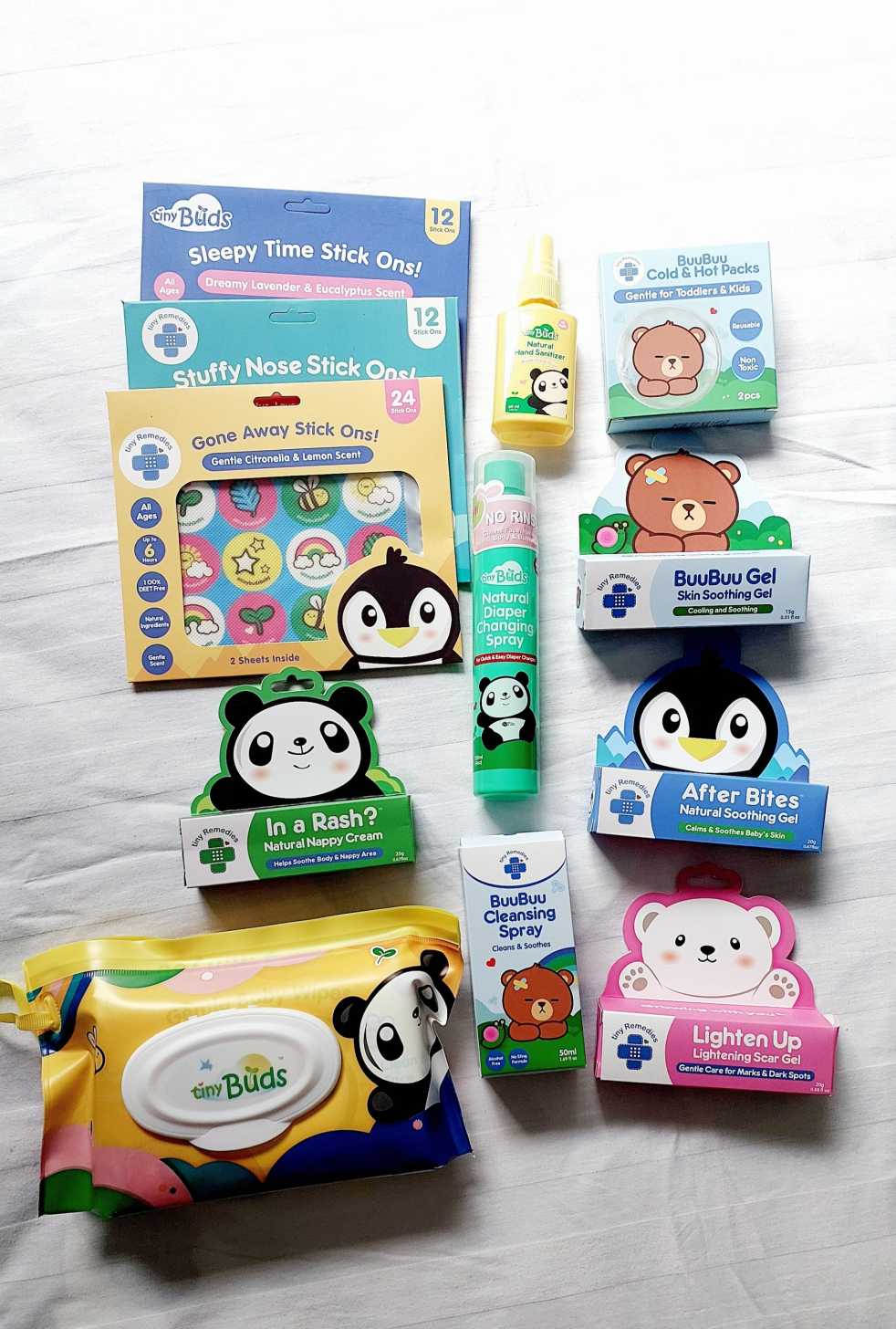
Your baby’s skin is more delicate than most, this is why you have to choose products that are designed for sensitive skin. Tiny Buds is a pioneer in integrating natural ingredients into baby care and today has over 50 innovative natural baby care essentials and is one of the Top Baby Personal Care brands. Here… Continue reading Product Review: Tiny Buds Baby Naturals Baby Essentials
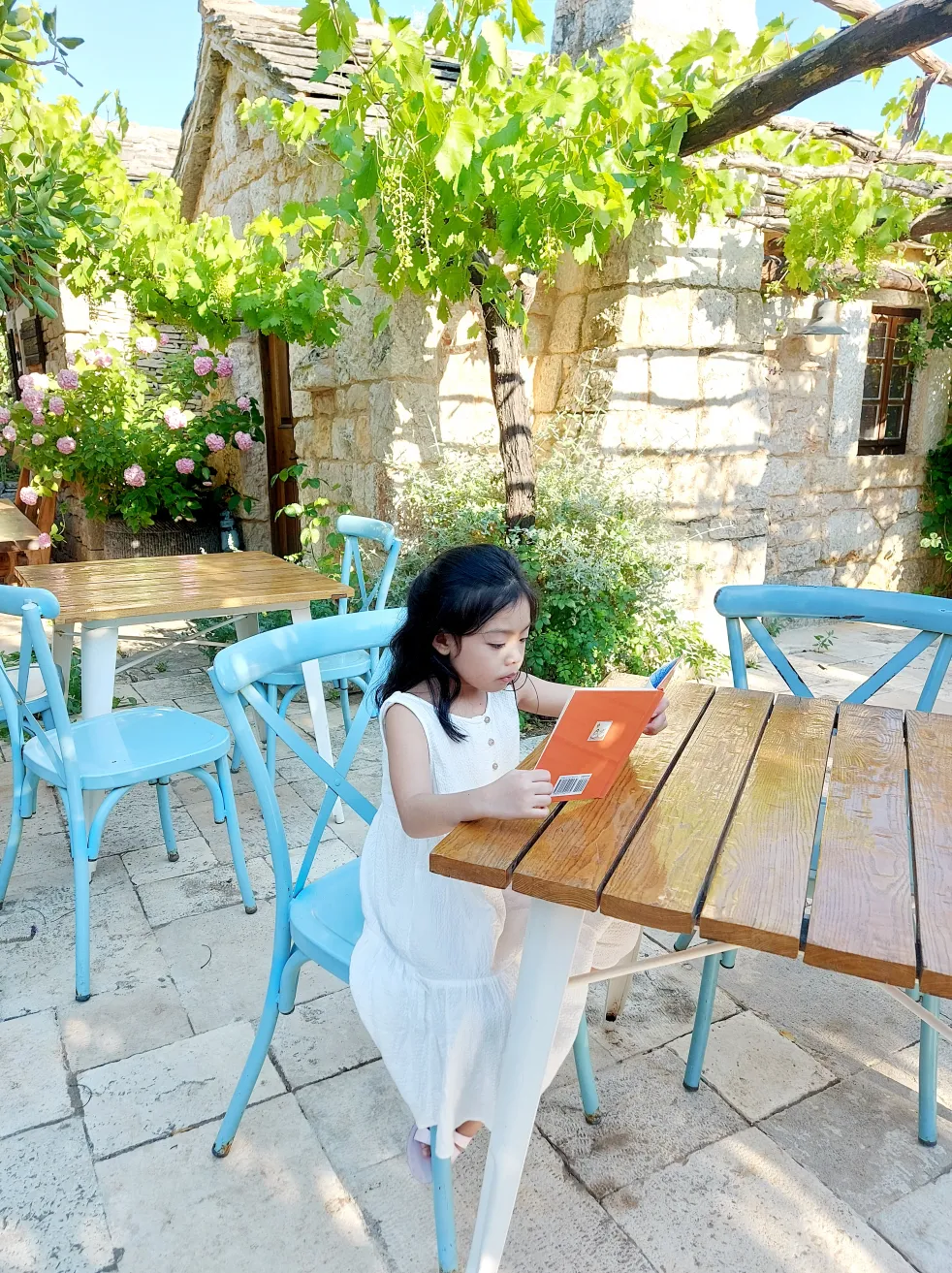
Where your child goes to school is a big decision and shouldn’t be taken lightly. Given how their education can impact their future, you might be tempted to take control and decide for them. However, you might be doing more damage than helping them in the long run. Your job as parents is to support… Continue reading HOW TO CHOOSE THE BEST SCHOOL FOR YOUR CHILD
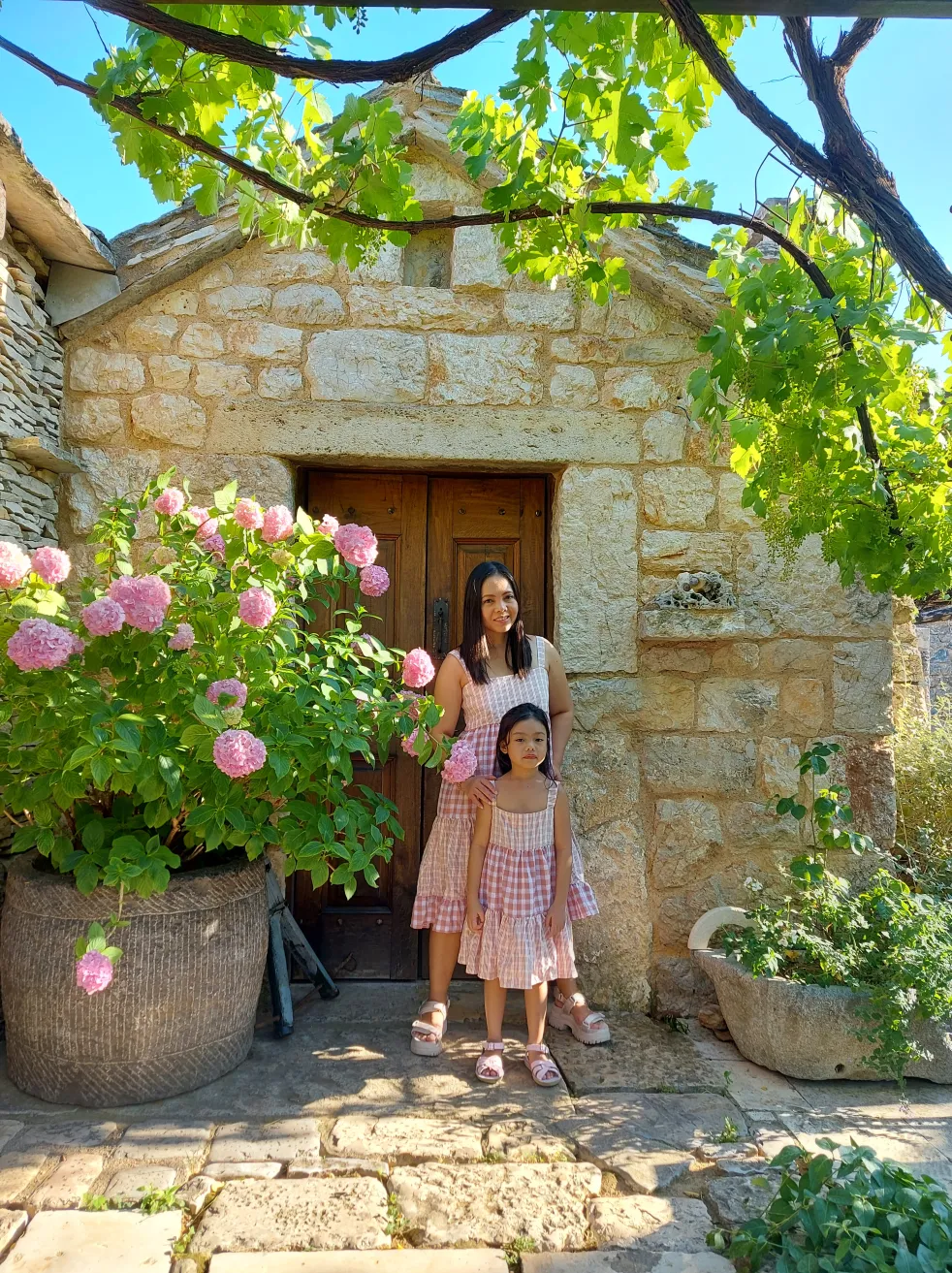
As poet and philosopher Rumi once eloquently said, “raise your words, not your voice. It is rain that grows flowers, not thunder.” Parenting is a challenging journey, and the truth is that nobody has everything figured out. One parenting style might suit others best, and some might favor other methods. However, children respond better to… Continue reading A SIMPLE GUIDE TO GENTLE PARENTING

Whether you’re a new mom to be, mom of a toddler, mom who have school-aged kids, you’re bound to have so many questions. Let's start with your baby's skin. Infant skin has unique needs; gentle care is essential to prevent damage to the skin barrier, which can lead to irritation. When caring for infant skin,… Continue reading Keeping Baby’s Diapered Skin Healthy
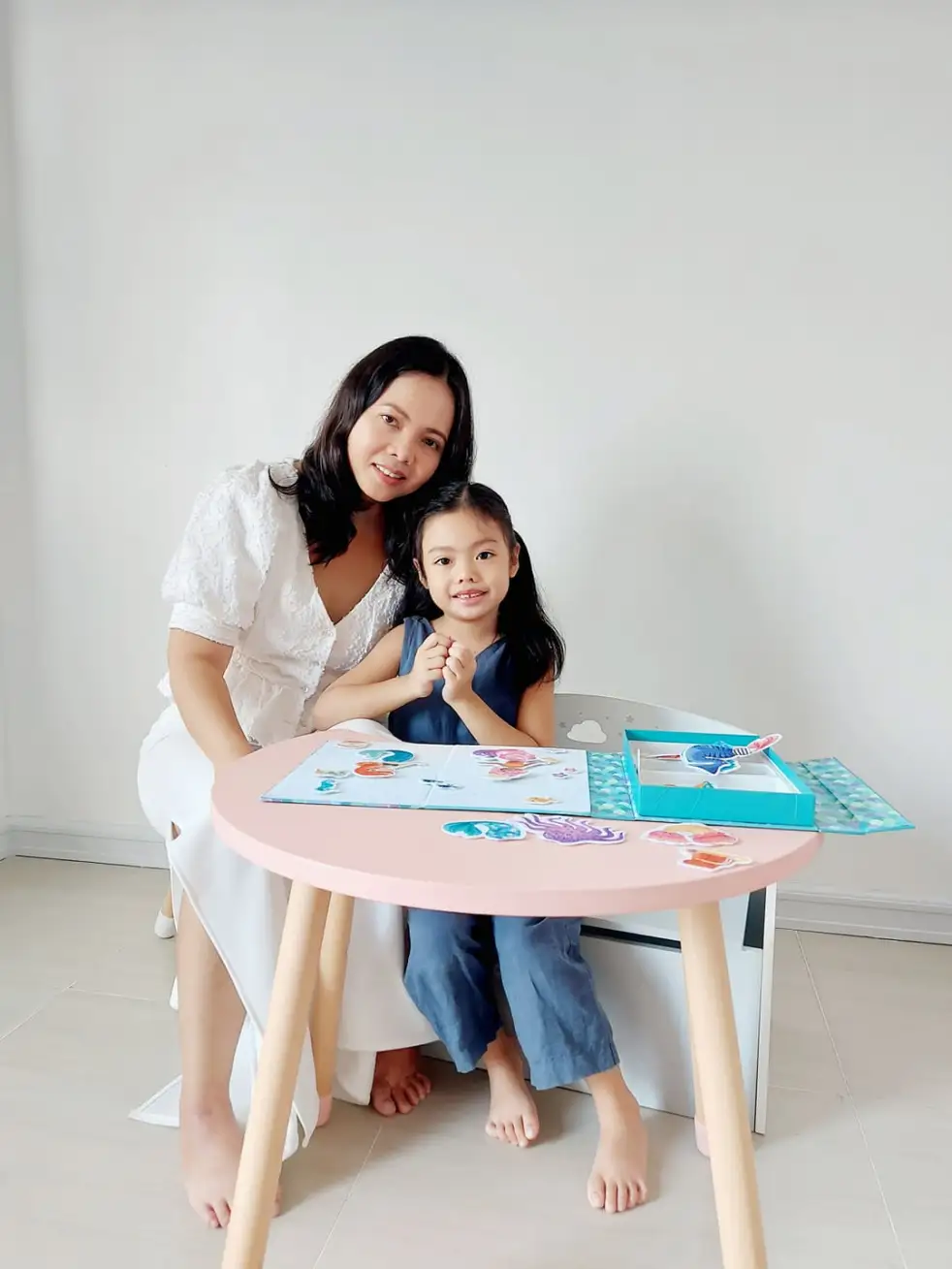
As parents, we want to give our child the best possible start in life and that begins with nurturing their intelligence. Throughout history, the notion of success has been linked to academic intelligence. However, there has been an increased awareness on the importance of emotional intelligence. This question gets at the heart of the never-ending… Continue reading IQ or EQ, which one is a better predictor of your child’s success?
 wondermomma.net