

Last August, IKEA Philippines engaged with Better World Smokey Mountain, a newly opened community center operated by the San Miguel Foundation, which shares a similar goal of improving the lives of many Filipino people. Through this partnership, IKEA Philippines provided and assembled home furnishings for the classrooms and library of Better World Smokey Mountain community… Continue reading Help Create a Better World with IKEA Soft Toys
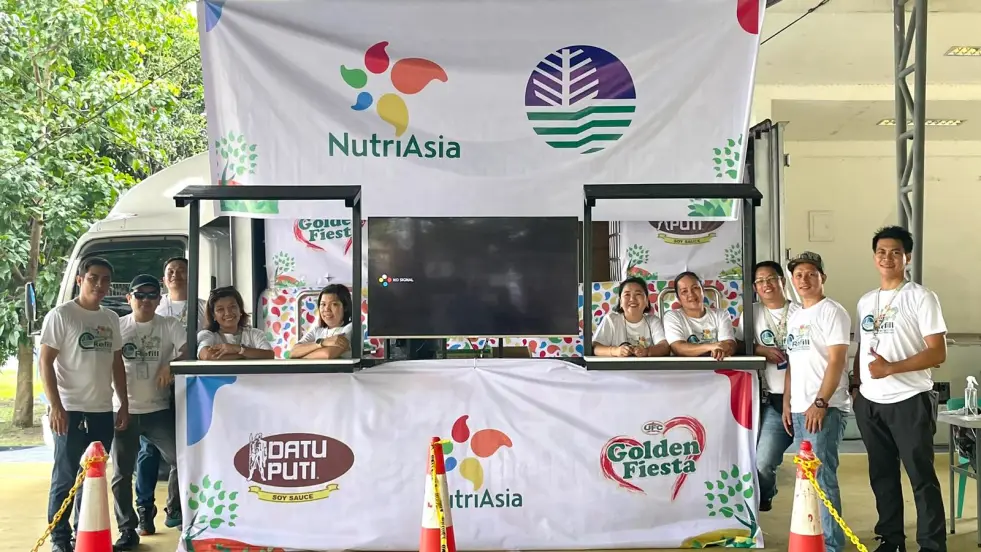
NutriAsia, the country’s top producer of condiments and sauces, continues its support of Refill Revolution; a project by the Department of Environment and Natural Resources EMB 3 that aims to help reduce Filipinos’ single-use plastics consumption. At Refill Revolution, residents get to recycle their single-use plastic bottles by reusing and filling it with their choice… Continue reading NutriAsia and DENR renews partnership for Refill Revolution

Easy ways to keep children happy on long car journeys
Long drives can be part of the fun of a family holiday, but several hours in the car may feel endless to young children. Boredom, hunger, tiredness and the familiar “Are we there yet?” can quickly test everyone’s patience, especially when the route passes through long stretches with few places to stop.
A little preparation makes a significant difference. With a mixture of conversation, travel games, audio entertainment, creative activities, snacks and well-timed breaks, children can stay involved without relying on a screen for the entire journey. The best car activities are simple, safe and suited to your child’s age and personality.
Prepare a flexible travel kit
Pack a small activity bag for each child rather than placing every item within reach at once. A few surprises can be handed out throughout the trip, which gives children something fresh to look forward to after the first burst of excitement has faded. Reusable sticker books, magnetic drawing boards, colouring pads and water-reveal books are useful because they create less mess than felt pens or loose craft materials.
Choose items that are easy to manage while seated and secured in a child restraint. Avoid toys with sharp edges, heavy pieces or tiny parts that could become dangerous if the car stops suddenly. Soft books, chunky crayons and quiet sensory toys are generally better choices than hard objects that can fly around the cabin.
A practical travel kit might include a washable pouch, headphones, a favourite comfort item, a spare change of clothes, tissues, wet wipes and a rubbish bag. In Australia, a sunshade on the window is especially helpful during summer road trips, when bright light and heat can make children irritable before the journey is halfway through.
Use games that make the scenery part of the fun
Classic travel games need little equipment and help children pay attention to the world outside. Younger children can search for colours, animals, road signs or particular types of vehicles. Older children may enjoy spotting a wind turbine, counting caravans or keeping a simple tally of bridges, trucks and water towers.
A family version of “I spy” works well when the prompts are suitable for the child’s age. For children who cannot read yet, use sounds, colours and familiar objects. School-aged children can play alphabet games by finding letters on signs, although it is best to keep the driver out of any activity that demands concentration.
Long Australian routes offer plenty of opportunities for observation. A trip along the Great Ocean Road can become a search for beaches, cliffs and koalas, while a drive through regional Queensland may prompt conversations about cattle stations, cane fields or emus. On a long journey through the outback or across the Nullarbor, explain that there may be fewer landmarks and mobile blackspots, so bring offline activities instead of relying on an internet connection.
Balance screens with audio and conversation
A tablet loaded with downloaded films or games can be useful, particularly when a child is tired or the weather is poor. Download everything before leaving because reception can disappear well outside metropolitan areas. A sturdy case, a secure mount and child-sized headphones can prevent arguments and reduce the need for the driver to pass devices back and forth.
Screens are easier to manage when they are part of a planned rhythm rather than an unlimited option. For example, children might listen to an audiobook after breakfast, play a travel game before lunch and watch a film during the afternoon slump. Keep the brightness comfortable and take regular visual breaks, especially if a child is prone to motion sickness.
Audiobooks, podcasts and music give children entertainment without requiring them to stare down at a screen. Choose a story series that can be enjoyed by different ages, or create a playlist where each child selects a few songs. Australian libraries often provide free digital access to audiobooks through their apps, while services such as ABC Kids offer familiar stories and children’s audio content that can be downloaded before departure.
Plan food, stops and comfort before boredom arrives
Hunger can make a manageable journey feel much harder. Pack small portions of familiar food in containers that are easy to open, such as sandwiches, crackers, sliced fruit and popcorn for children who are old enough to eat it safely. Avoid giving young children foods that are difficult to chew or likely to cause choking while the vehicle is moving, and supervise eating according to their age and development.
A cooler bag is useful during hot Australian summers, particularly on routes where the next petrol station may be a long way away. Freeze a water bottle overnight and use it as an ice pack. Keep water available rather than relying on sweet drinks, which can increase thirst and lead to more toilet stops.
Schedule breaks before children reach their limit. A stop at a roadside rest area, park or family-friendly servo gives everyone a chance to stretch, use the toilet and reset. On major routes, check facilities in advance because some rest areas have toilets and picnic tables but no playground, café or reliable shade. If travelling with a baby, plan for nappy changes and feeds rather than trying to stretch the schedule too tightly.
Match activities to age and temperament
Toddlers often need short activities that can be finished quickly. Singing action songs, looking at picture books, naming passing animals and using a magnetic doodle board can hold their attention for a few minutes at a time. Do not expect one toy to last the whole journey; rotate options and allow space for naps and quiet observation.
Primary-school children usually enjoy a sense of ownership. Give them a simple journey journal where they can draw a landmark, record a funny family moment or tick off places on a printed map. A small reward at a meaningful point, such as reaching the halfway stop, can be motivating without turning every kilometre into a negotiation.
Teenagers may prefer music, podcasts, photography at planned stops or offline games with friends and siblings. Invite them to help choose the playlist, research a destination or plan the next break. Giving older children a role can make the journey feel less like time being imposed on them.
The table below can help families choose activities based on the child’s age, the amount of preparation available and the point in the journey when attention is likely to dip.
| Child’s age | Suitable activity | Preparation needed | Useful time |
|---|---|---|---|
| Babies and toddlers | Soft books, songs, peekaboo, comfort toy | Pack a small rotation of safe items | Short stretches between naps |
| Preschoolers | Colour spotting, sticker books, simple stories, animal searches | Prepare prompts and mess-free supplies | Early and middle parts of the drive |
| Primary-school children | Travel bingo, journals, audiobooks, map challenges | Print cards or download audio | Long middle stretches |
| Tweens | Quiz games, playlists, podcasts, photography plans | Agree on content and device rules | After planned stops |
| Teenagers | Films, music, reading, destination research | Charge devices and download content | Late-day tired periods |
Before setting off, check that child restraints are correctly fitted and that every passenger can reach their seatbelt without leaning across the cabin. Keep activity bags beside children only if the contents are safe and secure; heavier luggage should remain in the boot. A calm, well-prepared journey is easier when the driver can focus on the road, the route and changing conditions.
Small changes in timing can also improve the mood. Leave after a sleep when possible, use quieter activities during nap periods and save high-energy games for after a break. On school holiday weekends, allow extra time for traffic around Sydney, Melbourne, Brisbane and popular coastal destinations, since rushing to meet an exact arrival time often creates more stress than the journey itself.
Make the journey part of the holiday
Children remember the feeling of a trip as much as the destination. Let them notice unusual landscapes, hear family stories about previous holidays and choose a song for the next stretch. Even a brief stop to watch waves, eat morning tea under a shady tree or walk around a country town can turn a long drive into a collection of small adventures.
The goal is not to keep children occupied every second. Quiet time, looking out the window and sleeping are valuable parts of a healthy travel rhythm. With a few age-appropriate activities, reliable snacks, offline entertainment and realistic breaks, families can make long car rides calmer and more enjoyable from departure to arrival.

Mercato Centrale, in collaboration with Indian Women in Enterprise Philippines (I-We), is set to host "The Great Indian Fiesta" to mark 75 years of friendship between India and the Philippines. The dynamic two-day event is scheduled to take place on September 30 to October 1, 2023, at Paseo De Roxas Street, Makati City. Aiming to… Continue reading Mercato Centrale Partners with I-We to Host ‘The Great Indian Fiesta’, Commemorating 75 Years of India-Philippines Friendship

My stomach would usually start growling at 10 am even after taking a big breakfast. This is probably because I am a morning person and I move a lot throughout the day hence snacking is something that I can't avoid. This potatoes and chicken wrap recipe is easy to prepare and would keep me full… Continue reading Potato and Chicken Wrap
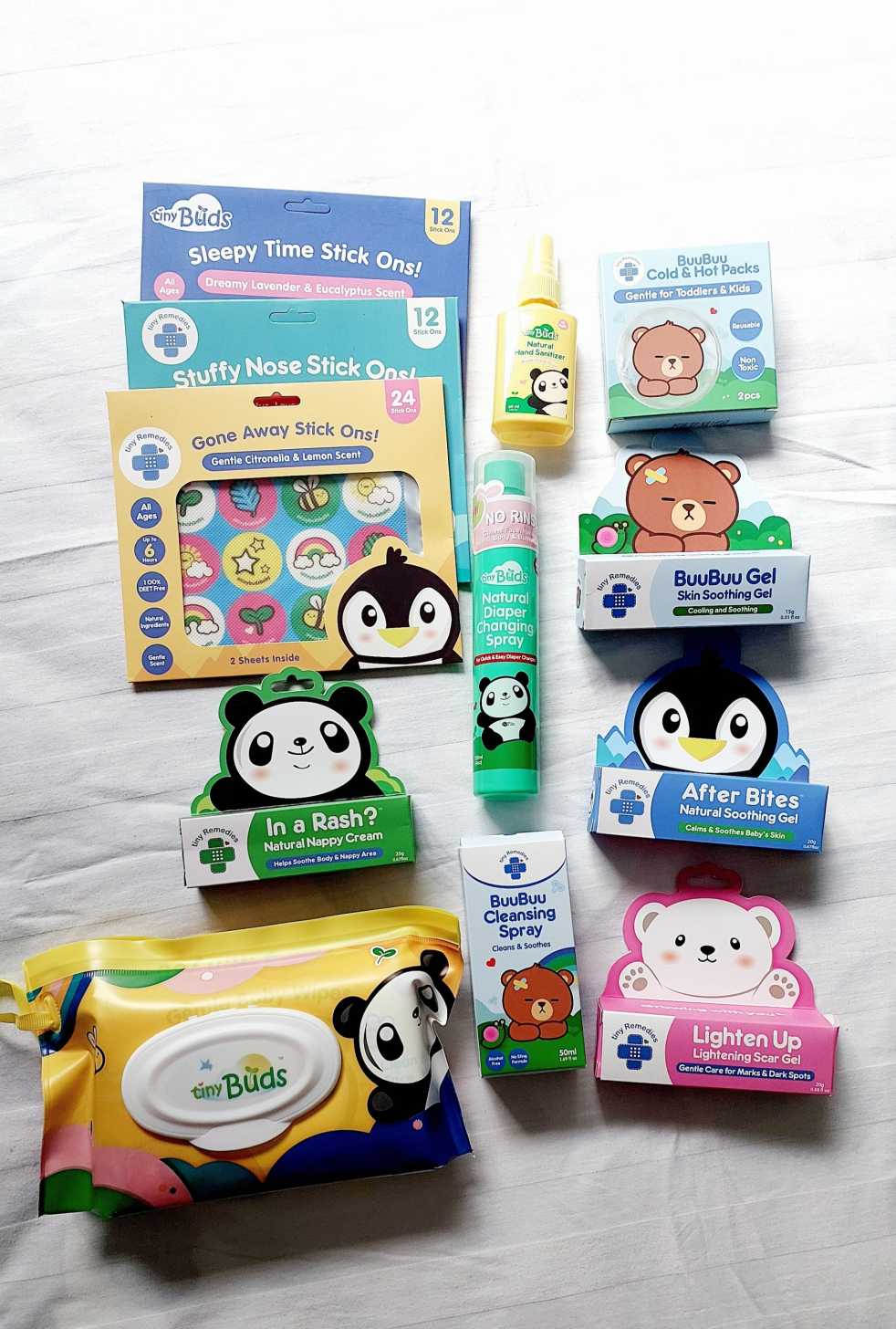
Your baby’s skin is more delicate than most, this is why you have to choose products that are designed for sensitive skin. Tiny Buds is a pioneer in integrating natural ingredients into baby care and today has over 50 innovative natural baby care essentials and is one of the Top Baby Personal Care brands. Here… Continue reading Product Review: Tiny Buds Baby Naturals Baby Essentials
Where your child goes to school is a big decision and shouldn’t be taken lightly. Given how their education can impact their future, you might be tempted to take control and decide for them. However, you might be doing more damage than helping them in the long run. Your job as parents is to support… Continue reading HOW TO CHOOSE THE BEST SCHOOL FOR YOUR CHILD
As poet and philosopher Rumi once eloquently said, “raise your words, not your voice. It is rain that grows flowers, not thunder.” Parenting is a challenging journey, and the truth is that nobody has everything figured out. One parenting style might suit others best, and some might favor other methods. However, children respond better to… Continue reading A SIMPLE GUIDE TO GENTLE PARENTING

Whether you’re a new mom to be, mom of a toddler, mom who have school-aged kids, you’re bound to have so many questions. Let's start with your baby's skin. Infant skin has unique needs; gentle care is essential to prevent damage to the skin barrier, which can lead to irritation. When caring for infant skin,… Continue reading Keeping Baby’s Diapered Skin Healthy
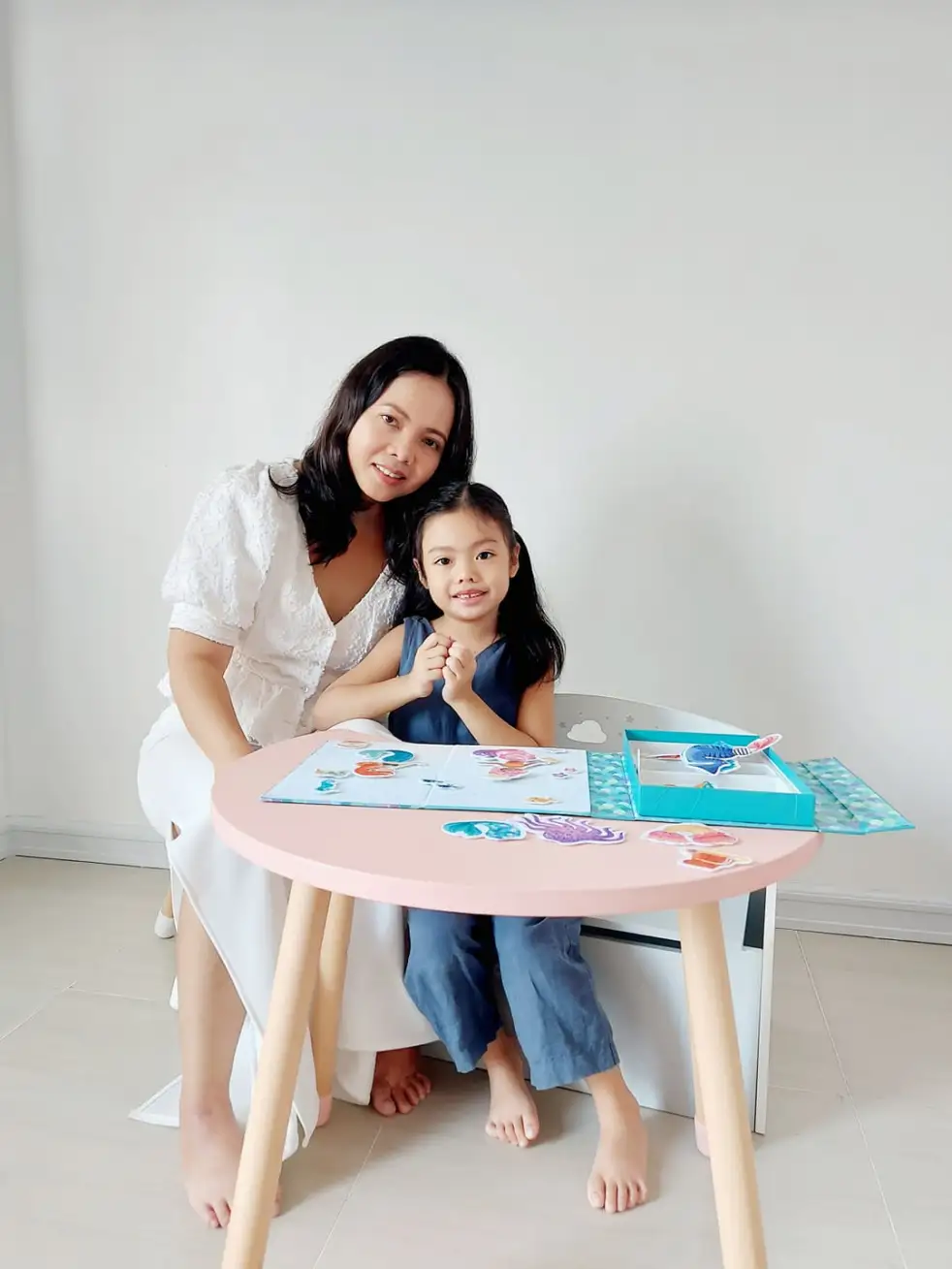
As parents, we want to give our child the best possible start in life and that begins with nurturing their intelligence. Throughout history, the notion of success has been linked to academic intelligence. However, there has been an increased awareness on the importance of emotional intelligence. This question gets at the heart of the never-ending… Continue reading IQ or EQ, which one is a better predictor of your child’s success?
 wondermomma.net