

Last August, IKEA Philippines engaged with Better World Smokey Mountain, a newly opened community center operated by the San Miguel Foundation, which shares a similar goal of improving the lives of many Filipino people. Through this partnership, IKEA Philippines provided and assembled home furnishings for the classrooms and library of Better World Smokey Mountain community… Continue reading Help Create a Better World with IKEA Soft Toys
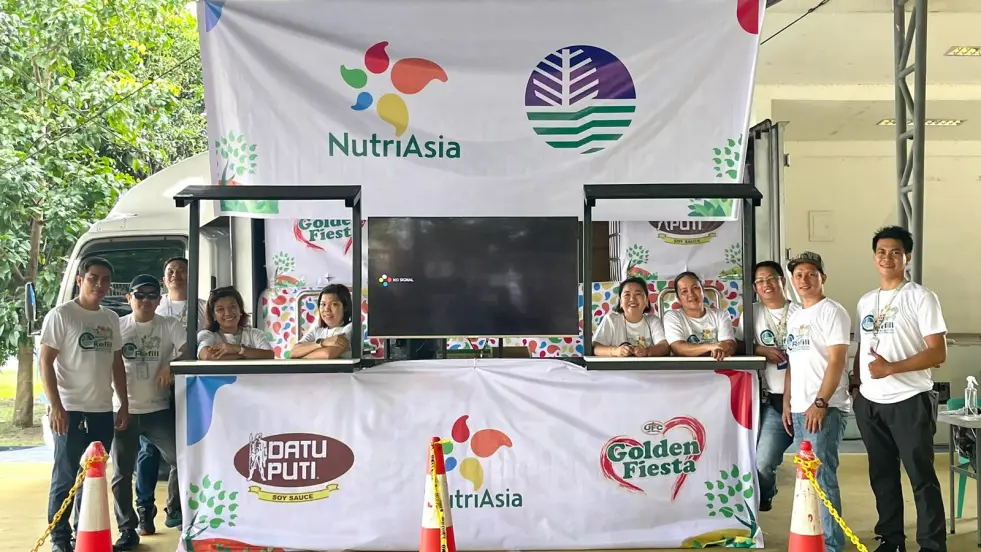
NutriAsia, the country’s top producer of condiments and sauces, continues its support of Refill Revolution; a project by the Department of Environment and Natural Resources EMB 3 that aims to help reduce Filipinos’ single-use plastics consumption. At Refill Revolution, residents get to recycle their single-use plastic bottles by reusing and filling it with their choice… Continue reading NutriAsia and DENR renews partnership for Refill Revolution

Staying Calm When Your Toddler Has a Tantrum in Public
Picture this: you're in the middle of the weekly shop at Woolworths, your trolley half-loaded with nappies and bananas, when your toddler spots a toy at the end of aisle seven. The wail that follows is loud enough to turn heads in the self-checkout queue. Or perhaps you're stuck on a Sydney bus heading into the CBD and your little one decides this is the exact moment to throw their snack on the floor and demand another one. Public emotional outbursts can ambush even the most prepared parent, and almost every mum or dad has felt that hot flush of embarrassment creep up their neck.
For many Australian parents, outings are woven into daily life. School drop-offs, swim lessons at the local pool, weekend brekkie at a beachside cafe in Manly — these aren't optional luxuries, they're how families connect with their community. Which means that managing big feelings in public isn't a skill you can avoid. It's something most parents need, often, and usually without warning.
The good news is that staying composed during a toddler's meltdown isn't about being a perfect parent. It's about having a handful of reliable strategies you can fall back on when your brain feels foggy and the rest of the cafe is looking your way. Some of these techniques take a little practice, others you can start using the next time you grab your keys and head out the door.
What follows is a collection of practical approaches used by Australian parents, child health nurses, and gentle parenting educators. None of them require you to be a zen master. They simply give you something concrete to do when your toddler's emotions spill out far from home.
Recognising the Early Warning Signs
Toddler tantrums rarely arrive without warning. Most children cycle through a few tell-tale signs in the minutes before a full-blown meltdown, and learning to spot them is half the battle. The child who was happily stacking avocados at the greengrocer might suddenly go quiet, start tugging at your sleeve, or hold a toy with white knuckles. These micro-signals are your cue to step in early, before the crying escalates into the kind of scream that echoes through Bunnings on a Saturday arvo.
Triggers often cluster around predictable things: hunger, tiredness, overstimulation, and transitions. A long morning at playgroup followed by a grocery shop is a classic setup for overload, especially in the bright, noisy aisles of an Australian supermarket with fluorescent lighting and unfamiliar music. So is the post-nap window where you've squeezed in one errand too many. Recognising your own family's typical pattern helps you plan outings around the harder moments or bring a snack and a comfort toy just in case.
It also helps to remember that a toddler's brain is still wiring up the parts responsible for impulse control and emotional regulation. A two-year-old simply doesn't have the hardware to "use their words" when they're overwhelmed. They're not giving you a hard time — they're having a hard time. Shifting your mindset from "How do I stop this behaviour?" to "What is my child trying to communicate?" can soften your own internal reaction before the situation fully unfolds.
Ground Yourself First: Breathing and Self-Talk
When your child is screaming in the middle of a busy Adelaide Central Market stall, your nervous system jumps into high alert too. Your heart races, your shoulders tense, and a loop of "Everyone's watching" starts playing in your head. The fastest way to help your toddler is to bring your own breathing back down first. Long, slow exhales — the kind that come from low in the belly — signal to your body that the danger has passed, and children often mirror that calm within seconds.
A simple self-talk script can steady you in the moment. Phrases like "This is hard, and it's also temporary," or "I'm the grown-up, I can handle this," give your brain something neutral to focus on instead of spiralling shame. Some Australian mums swear by silently naming five things they can see, four they can hear, and three they can touch — a quick grounding technique borrowed from mindfulness practice. It only takes thirty seconds and works just as well at the playground as it does in a chemist queue at Chemist Warehouse.
Try not to aim for a complete absence of feeling. The goal isn't to feel nothing; it's to keep your reaction from pouring fuel on the fire. If you catch yourself raising your voice, gently reset. Drop to your child's eye level, soften your face, and let your words be quiet and slow. Children pick up far more from your tone and body language than from the words you actually say.
Have a Calm-Down Kit Ready
A small, well-stocked calm-down kit lives in most seasoned Australian parents' nappy bags. Think of it as a first-aid kit for big feelings. A few favourites include a soft textured square, a small board book, a beloved plush toy, a teething ring, a sealed snack like a rice cake or a few sultanas, and a reusable water bottle. Some parents also tuck in a laminated photo of the family dog or a familiar face, which can be surprisingly soothing for a toddler far from home.
Rotate the contents so your child doesn't get bored with the same items, and keep anything that requires batteries at home — you don't want to be fumbling with a sound toy in the middle of a quiet tram carriage in Melbourne. The aim is for each object to be small enough to fit in a standard nappy bag pocket, lightweight enough that it won't weigh you down on a quick dash to the post office, and soothing enough that it gives your toddler's senses somewhere gentle to land.
Keep the bag accessible from the top, not buried under the spare clothes. In the middle of a meltdown, you don't want to be upending your entire bag looking for a dummy while your child howls beside the magazine stand at the newsagent. A simple grab-and-go pouch, clipped to the pram handle or the side of your backpack, makes all the difference.
Use Simple, Age-Appropriate Language
Toddlers don't need long explanations, and they certainly can't process lectures while they're mid-meltdown. Short, calm sentences work best. "I see you're upset. I am here." "You wanted the blue cup. You have the red one." Naming the feeling and the wish in plain language helps your child feel seen without overwhelming them. It's also the foundation of the gentle parenting approach that many Australian child health nurses now recommend through services like the Pregnancy, Birth and Baby helpline.
Avoid the urge to bargain or distract with screens too early. While a quick video on your phone can buy you a minute in the supermarket queue, it doesn't actually teach your child how to come down from an emotion. Instead, save it for genuine emergencies — like when you're at the GP waiting room and your toddler is about to launch themselves at the fish tank. Use simple language first, then offer a sensory alternative if needed: "Here, hold this cold water bottle" or "Let's squeeze this soft ball together."
Resist the urge to threaten consequences in public. Statements like "If you don't stop right now, we're going home" often make things worse because the child is already beyond the point of listening. Save the bigger conversations for later, when both of you are calm, and your child can actually absorb them. The in-public moment is for connection and safety, not for teaching big lessons.
Find a Quiet Corner When You Can
You don't always have a choice about where a meltdown happens, but when you do, moving to a calmer spot is one of the most effective moves available. Stepping out of the play area at a busy cafe in Fremantle to a bench around the corner can take a meltdown from full volume to manageable within minutes. You're not hiding your child; you're giving them the gift of fewer sensory inputs while they find their way back to themselves.
If you're at home, this might look like moving to a cosy corner with a blanket and a few books. If you're out, it might be as simple as stepping off the main footpath into a quieter street, or ducking into a quiet corner of a library. Many Australian shopping centres now have parent rooms with low lighting and comfortable seating — perfect for a five-minute reset before you head back out. Westfield centres usually have at least one parent room on each level.
Sometimes the move is purely physical for you. Hand the trolley to a friend, pass the baby to your partner, or pop your toddler in the pram and walk briskly around the block. Movement is regulating for both of you. It gives the body something to do while the brain catches up, and it removes the audience that often amplifies a meltdown in the first place.
What to Do When You're Still Struggling
Some days, nothing you try works. Your toddler cries for forty-five minutes on a Sydney ferry, and you feel utterly defeated. That happens to almost every parent, and it's not a reflection of your skill or your love. Australian child psychologist Dr. Sarah Hughes often reminds parents in her workshops that a tantrum is a wave — it has a beginning, a peak, and a slow descent. Your job isn't to stop the wave; it's to ride it out safely.
Reach out if you're finding the emotional load heavy. Your GP can refer you to a child psychologist or a parenting support line. PANDA (Perinatal Anxiety & Depression Australia) supports parents through the early years, and the Beyond Blue helpline is available 24/7. Many local councils also run free gentle parenting workshops, often advertised at the library or community centre. Asking for help isn't weakness — it's one of the smartest things a parent can do.
Try to offer yourself the same kindness you'd offer a friend. The stranger tutting at you in the post office has probably forgotten about the moment by the time they reach their car. Your toddler won't remember the exact wording you used at the supermarket checkout, but they will remember that you stayed close, that you didn't leave, and that you came back to themselves when the storm passed. That quiet reliability is one of the greatest gifts a parent can give.
| Setting | Quick move | Calm-down item | Likely trigger |
|---|---|---|---|
| Supermarket (Coles, Woolworths, Aldi) | Step aside to a quieter aisle | Snack pouch, water bottle | Hunger, long checkout queues |
| Cafe or restaurant | Move to a corner table or outside | Board book, small toy | Waiting for food, overstimulation |
| Public transport (bus, tram, ferry) | Face child toward you, hold close | Comforter, dummy, headhugger toy | Crowds, noise, transitions |
| Playground or park | Sit on a bench away from the main group | Snack, family photo, textured square | Frustration with another child, sharing |
| GP or chemist waiting room | Move to a quieter corner near a window | Soft toy, sticker book | Long wait, unfamiliar environment |

Mercato Centrale, in collaboration with Indian Women in Enterprise Philippines (I-We), is set to host "The Great Indian Fiesta" to mark 75 years of friendship between India and the Philippines. The dynamic two-day event is scheduled to take place on September 30 to October 1, 2023, at Paseo De Roxas Street, Makati City. Aiming to… Continue reading Mercato Centrale Partners with I-We to Host ‘The Great Indian Fiesta’, Commemorating 75 Years of India-Philippines Friendship

My stomach would usually start growling at 10 am even after taking a big breakfast. This is probably because I am a morning person and I move a lot throughout the day hence snacking is something that I can't avoid. This potatoes and chicken wrap recipe is easy to prepare and would keep me full… Continue reading Potato and Chicken Wrap
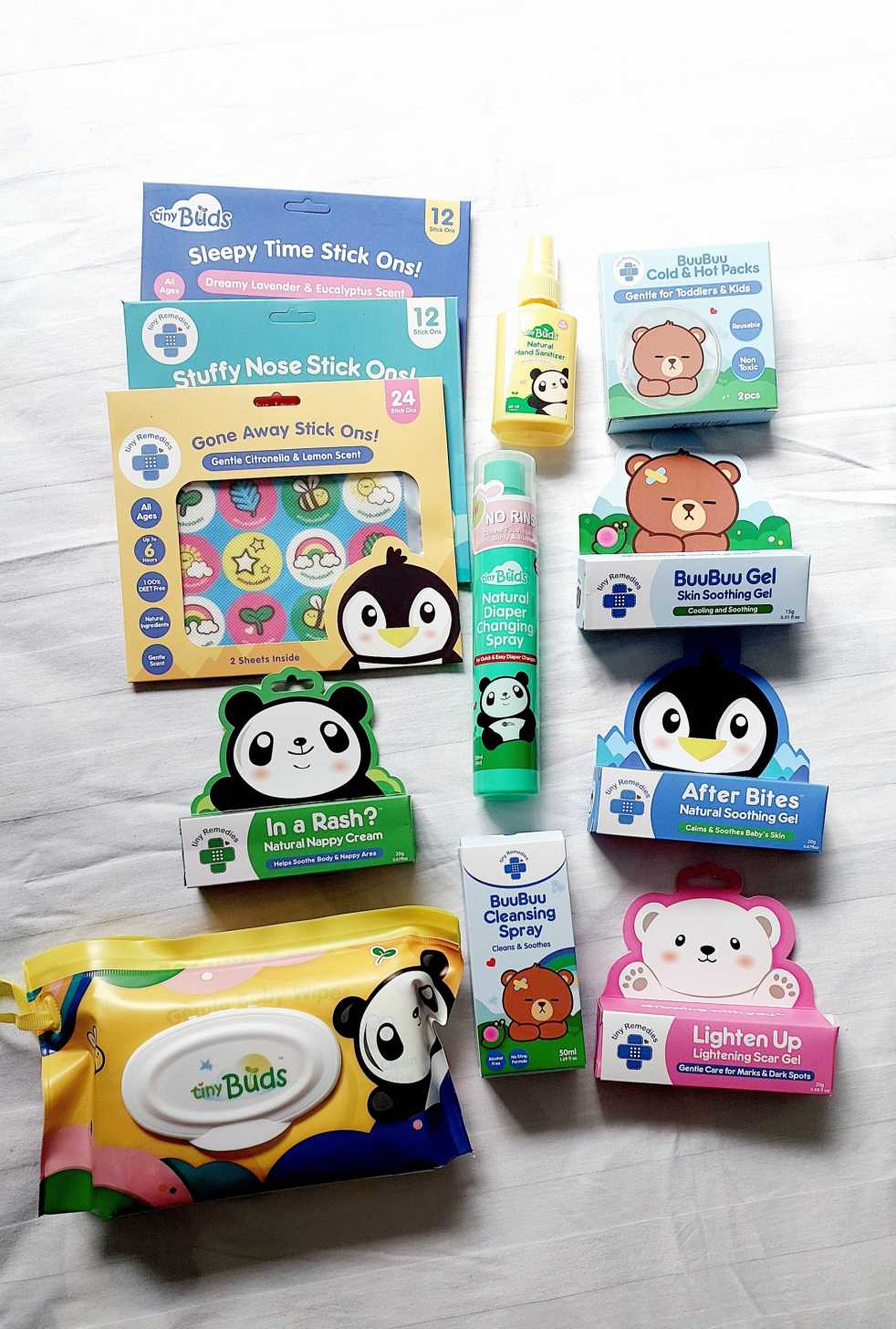
Your baby’s skin is more delicate than most, this is why you have to choose products that are designed for sensitive skin. Tiny Buds is a pioneer in integrating natural ingredients into baby care and today has over 50 innovative natural baby care essentials and is one of the Top Baby Personal Care brands. Here… Continue reading Product Review: Tiny Buds Baby Naturals Baby Essentials
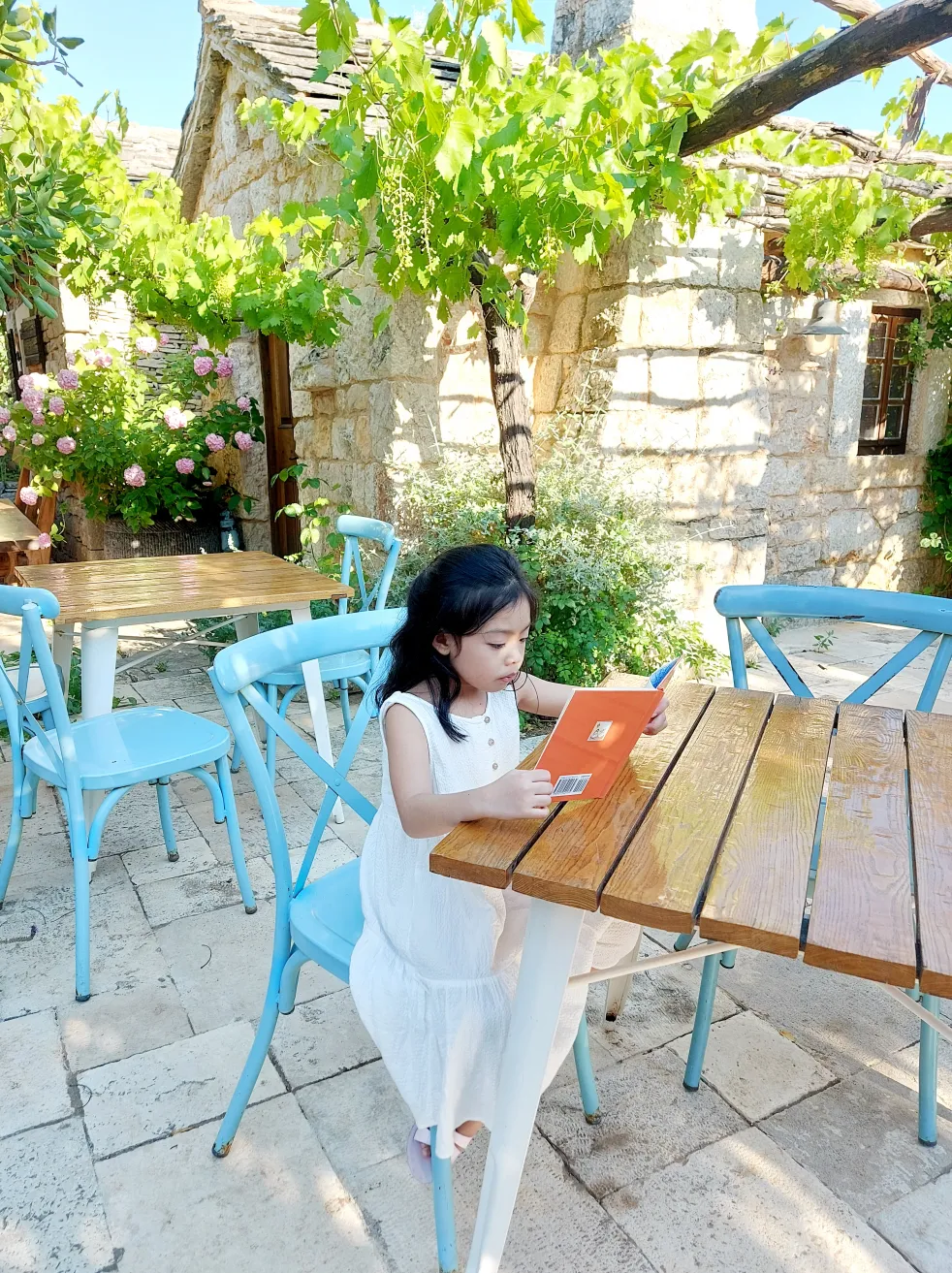
Where your child goes to school is a big decision and shouldn’t be taken lightly. Given how their education can impact their future, you might be tempted to take control and decide for them. However, you might be doing more damage than helping them in the long run. Your job as parents is to support… Continue reading HOW TO CHOOSE THE BEST SCHOOL FOR YOUR CHILD
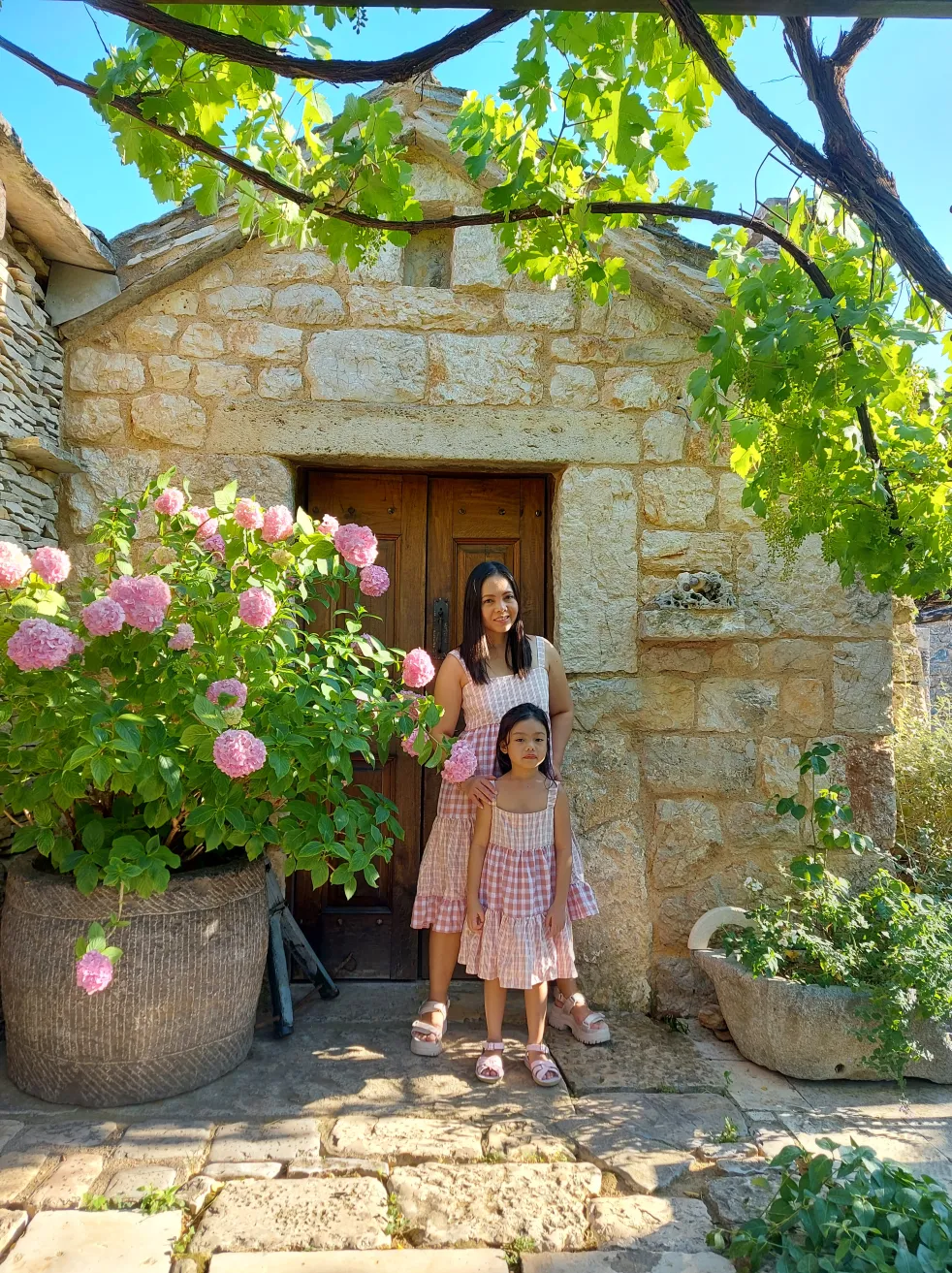
As poet and philosopher Rumi once eloquently said, “raise your words, not your voice. It is rain that grows flowers, not thunder.” Parenting is a challenging journey, and the truth is that nobody has everything figured out. One parenting style might suit others best, and some might favor other methods. However, children respond better to… Continue reading A SIMPLE GUIDE TO GENTLE PARENTING

Whether you’re a new mom to be, mom of a toddler, mom who have school-aged kids, you’re bound to have so many questions. Let's start with your baby's skin. Infant skin has unique needs; gentle care is essential to prevent damage to the skin barrier, which can lead to irritation. When caring for infant skin,… Continue reading Keeping Baby’s Diapered Skin Healthy
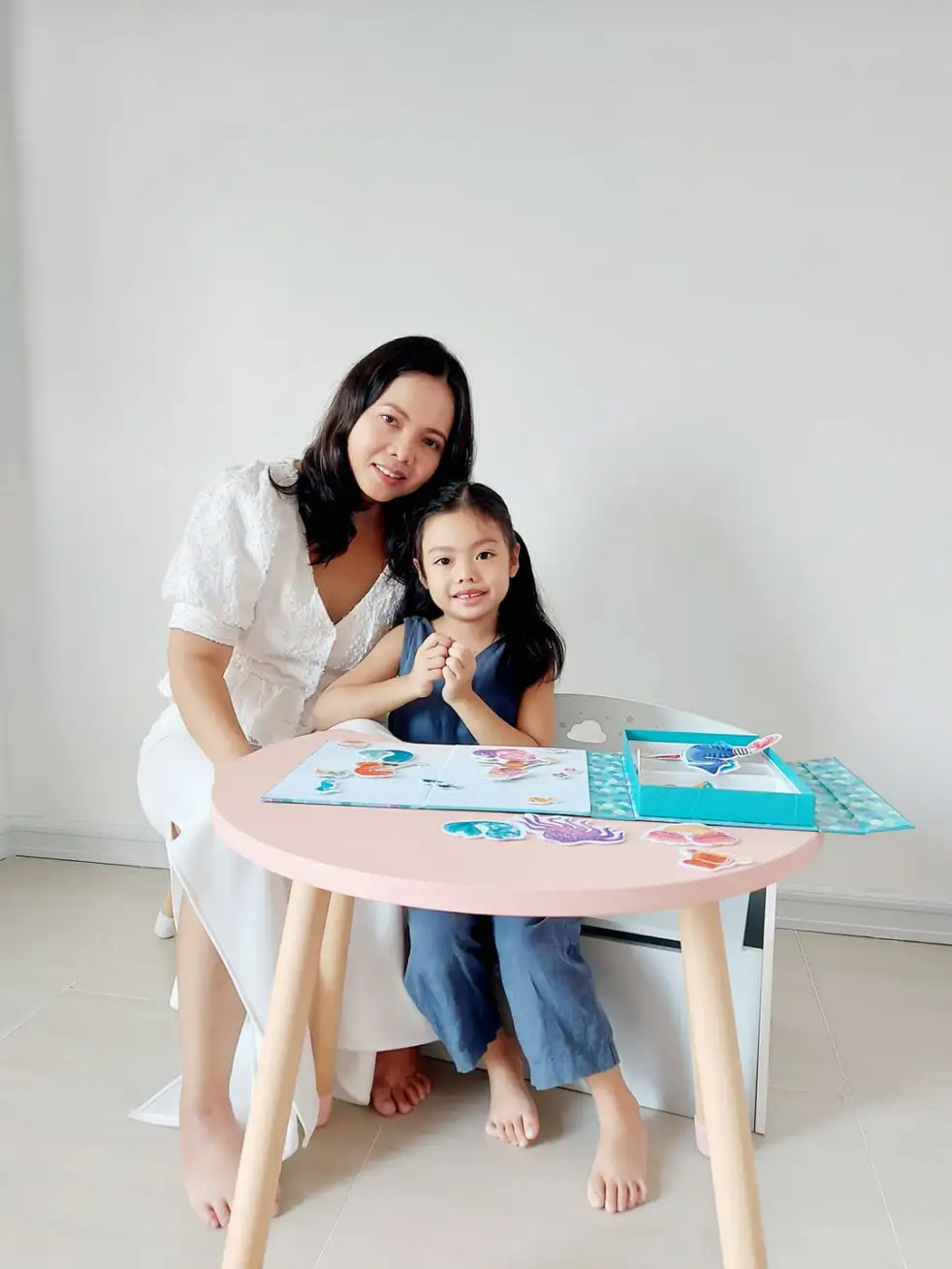
As parents, we want to give our child the best possible start in life and that begins with nurturing their intelligence. Throughout history, the notion of success has been linked to academic intelligence. However, there has been an increased awareness on the importance of emotional intelligence. This question gets at the heart of the never-ending… Continue reading IQ or EQ, which one is a better predictor of your child’s success?
 wondermomma.net