

Last August, IKEA Philippines engaged with Better World Smokey Mountain, a newly opened community center operated by the San Miguel Foundation, which shares a similar goal of improving the lives of many Filipino people. Through this partnership, IKEA Philippines provided and assembled home furnishings for the classrooms and library of Better World Smokey Mountain community… Continue reading Help Create a Better World with IKEA Soft Toys
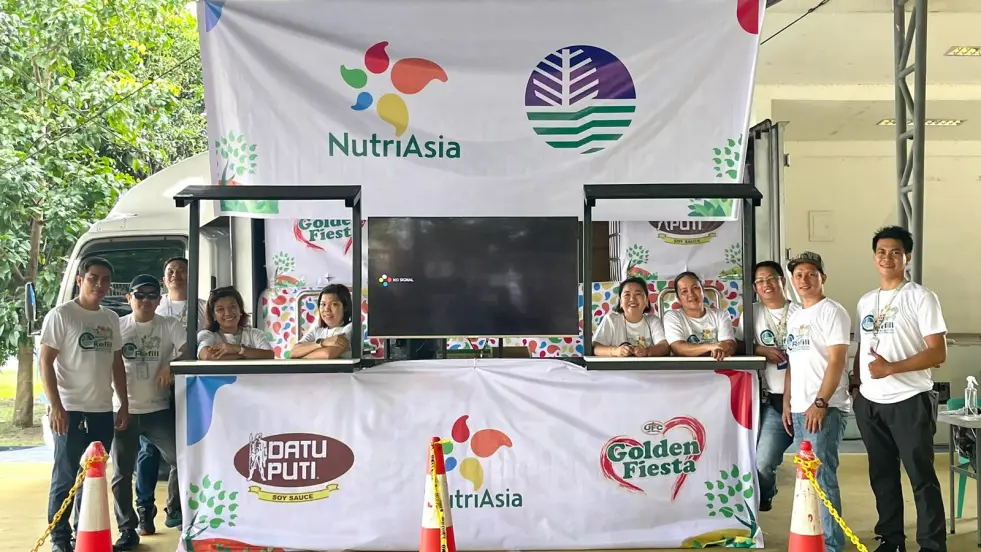
NutriAsia, the country’s top producer of condiments and sauces, continues its support of Refill Revolution; a project by the Department of Environment and Natural Resources EMB 3 that aims to help reduce Filipinos’ single-use plastics consumption. At Refill Revolution, residents get to recycle their single-use plastic bottles by reusing and filling it with their choice… Continue reading NutriAsia and DENR renews partnership for Refill Revolution

Keeping Your Baby's Skin Hydrated in a Tropical Climate
Babies have wonderfully soft skin, but that softness comes with vulnerability. In the sticky, humid conditions found across Australia's tropical north — from Darwin's steamy build-up to the lush wet season around Cairns and Townsville — keeping that delicate barrier protected requires a thoughtful routine. Humidity might sound like a built-in moisturiser, yet the mix of heat, sweat, salt air and constant air-conditioning actually creates a very specific set of challenges for infant skin.
Many Australian parents assume that moisture in the air is enough, only to find their little one developing dry patches, heat rash or unexpected eczema flare-ups. The good news is that a few small adjustments to your daily habits, the products you choose, and the way you dress your baby can make a noticeable difference without overcomplicating your routine.
Why Tropical Humidity Challenges Delicate Skin
A baby's stratum corneum is roughly one-fifth the thickness of an adult's, which means it loses water faster and absorbs irritants more readily. In places like Darwin or the Daintree region, daytime humidity often climbs above 80 percent, but the moment you step into a shopping centre, cafe or air-conditioned nursery the air becomes dry. That sharp swing confuses the skin barrier, leaving it thirsty one moment and sticky the next.
Sweat is another factor. When perspiration mixes with sunscreen, dust and the minerals found in tap water, it can clog pores and lead to miliaria, the common heat rash that appears as tiny red bumps on the neck, chest and back. Parents in Brisbane and on the Gold Coast frequently notice this in summer when temperatures push past thirty degrees and humidity follows close behind.
The high UV index across Australia — regularly reaching the "extreme" category in the tropics — also strips natural oils from the skin. Sun protection matters, but many chemical sunscreens can irritate sensitive baby skin if reapplied too often without a barrier cream underneath, which is why the Cancer Council recommends mineral formulas for very young children.
Bath Time Habits That Lock in Moisture
Bath time should be short, warm and gentle. Five to seven minutes is plenty, since anything longer can strip the natural oils that protect the skin barrier. Use plain water most days, and limit baby wash to two or three times a week, choosing a soap-free formula that maintains the skin's slightly acidic pH.
In areas with hard water — common across parts of Western Australia and some Brisbane suburbs — mineral residue can leave skin feeling tight and itchy. A simple water softener fitted to the bath tap, or adding a small amount of colloidal oatmeal to the water, can reduce this effect. Pat the skin dry with a soft cotton towel rather than rubbing, which can create micro-abrasions that invite irritation.
After the bath, apply your chosen moisturiser immediately and dress your baby in breathable cotton. This routine works particularly well during the Top End's dry season, when overnight temperatures dip and skin needs an extra layer of protection against the cooler air.
Clothing and Sun Protection in the Wet Season
Loose, lightweight clothing is your best ally. Natural fibres like cotton and bamboo allow air to circulate and wick moisture away from the skin, whereas synthetic fabrics can hold sweat against the body. A good rule is to dress your baby in one more layer than you are wearing, but no more, since overheating is a real risk in the tropics.
Sun protection deserves special attention. Australia's UV levels are among the highest in the world, and the Cancer Council recommends keeping babies under twelve months out of direct sun wherever possible. A wide-brimmed hat, UPF-rated clothing and shade are the first line of defence, with mineral sunscreen applied to small exposed areas like the face and hands when shade is limited. If you are building a summer essentials kit, take a moment to read up on choosing a baby sun hat to make sure the brim, fabric and fit all work together.
For very young babies, reapply sunscreen carefully and watch for any signs of irritation. Pairing sunscreen with a physical barrier like a pram cover or muslin wrap reduces how often you need to apply product directly to the skin, which helps the moisture barrier stay intact.
Feeding, Fluids and Indoor Air Quality
Hydration starts from within. Breastfed or formula-fed babies usually get all the fluid they need, but in the tropical heat they may feed more often and for shorter periods. Trust your baby's hunger cues, and offer feeds whenever they seem thirsty. Once weaning begins, water sips and water-rich fruits like watermelon and cucumber can support hydration on scorching days.
Indoor air quality matters more than most parents realise. Running a ceiling fan or air-conditioner cools the room but can dry the air, so consider placing a small bowl of water near the vent or using a humidifier set to around fifty percent humidity. Regular cleaning of air-conditioner filters also prevents dust and mould spores from circulating, which can otherwise trigger skin flare-ups during the long humid months.
Around the home, swap harsh laundry detergents for fragrance-free options and skip fabric softeners, which leave a residue that irritates sensitive skin. Wash new clothes before they are worn, since dyes and finishing chemicals can be surprisingly aggressive on infant skin, even on a breathable cotton onesie.
Mistakes to Avoid and When to See a GP
A few common habits can undo even the best routine. Over-bathing, using adult skincare on a baby, or applying essential oils neat to the skin are frequent culprits behind rashes and dryness. Likewise, skipping moisturiser on cooler or rainy days — because the sun isn't out — leaves skin unprepared when the humidity drops indoors under air-conditioning.
If your baby develops persistent dry patches, weeping eczema, or a rash that doesn't improve within a week, book an appointment with your GP. In tropical regions, conditions like tinea, heat rash and eczema can look similar at first glance, and a correct diagnosis helps you treat the problem properly. A pharmacist at your local Chemist Warehouse or Priceline can also recommend suitable over-the-counter options for mild concerns, and refer you to a paediatric dermatologist if needed.
A Quick Guide to Moisturiser Types for the Tropics
Choosing the right product is less about price and more about ingredient lists. In Australia, parents often turn to pharmacy staples such as Ego QV, Aveeno Baby or Cetaphil Baby, which are widely stocked at Chemist Warehouse and Priceline. These ranges typically avoid fragrance, lanolin and known irritants, and many are recognised by the TGA for sensitive skin.
A useful habit is to apply moisturiser within three minutes of a bath, when the skin is still slightly damp. This soak-and-seal method helps the upper layers hold water far more effectively than applying product to bone-dry skin. Always patch-test a new product on the inner forearm for twenty-four hours before using it more widely, particularly if there is any family history of eczema or allergies.
| Product Type | Best For | Texture | When to Apply | Key Ingredients to Look For |
|---|---|---|---|---|
| Lightweight Lotion | Daytime, hot and humid weather | Thin, fast-absorbing | After bath, before clothes | Glycerin, niacinamide, hyaluronic acid |
| Rich Cream | Evening, dry patches, post-aircon | Thicker, nourishing | After bath, before bed | Colloidal oatmeal, ceramides, shea butter |
| Barrier Balm | Nappy area, cheeks, exposed skin | Thick, occlusive | As needed throughout the day | Zinc oxide, lanolin, petrolatum |
| Bath Oil | Hard water areas, dry skin | Oily, disperses in water | During bath, two to three times weekly | Colloidal oatmeal, sweet almond oil |
| Cooling Gel | Heat rash, mild irritation | Light, water-based | Stored cool, applied to rash | Aloe vera, panthenol, allantoin |
For daytime outings in the tropics, pair a lightweight lotion with a mineral sunscreen and a hat. At bedtime, switch to a richer cream and run a fan on a low setting to keep the room comfortable without drying the air too much. With the right routine and a little local know-how, your baby's skin can stay soft, comfortable and well protected through every season the Australian climate throws at it.

Mercato Centrale, in collaboration with Indian Women in Enterprise Philippines (I-We), is set to host "The Great Indian Fiesta" to mark 75 years of friendship between India and the Philippines. The dynamic two-day event is scheduled to take place on September 30 to October 1, 2023, at Paseo De Roxas Street, Makati City. Aiming to… Continue reading Mercato Centrale Partners with I-We to Host ‘The Great Indian Fiesta’, Commemorating 75 Years of India-Philippines Friendship

My stomach would usually start growling at 10 am even after taking a big breakfast. This is probably because I am a morning person and I move a lot throughout the day hence snacking is something that I can't avoid. This potatoes and chicken wrap recipe is easy to prepare and would keep me full… Continue reading Potato and Chicken Wrap
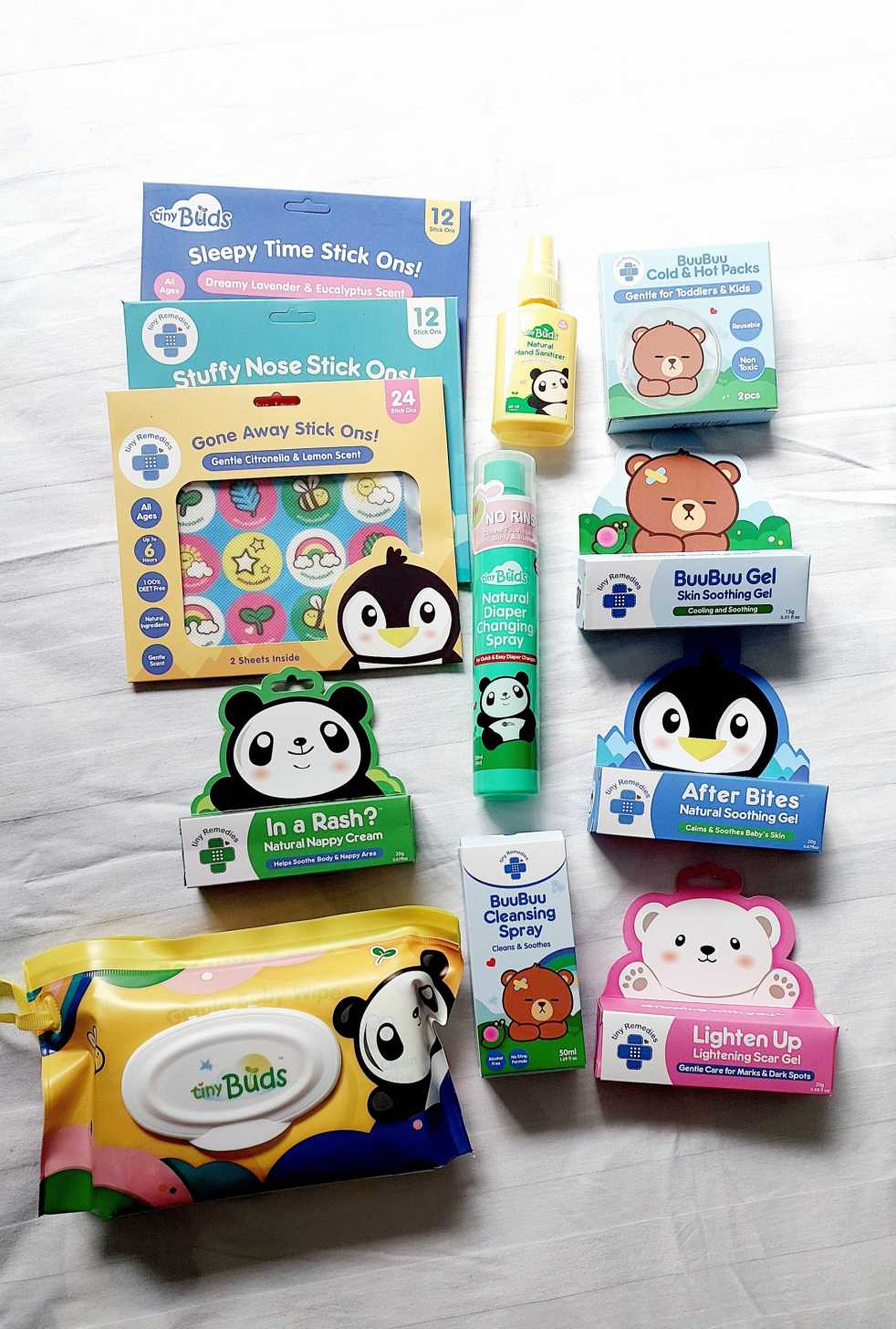
Your baby’s skin is more delicate than most, this is why you have to choose products that are designed for sensitive skin. Tiny Buds is a pioneer in integrating natural ingredients into baby care and today has over 50 innovative natural baby care essentials and is one of the Top Baby Personal Care brands. Here… Continue reading Product Review: Tiny Buds Baby Naturals Baby Essentials
Where your child goes to school is a big decision and shouldn’t be taken lightly. Given how their education can impact their future, you might be tempted to take control and decide for them. However, you might be doing more damage than helping them in the long run. Your job as parents is to support… Continue reading HOW TO CHOOSE THE BEST SCHOOL FOR YOUR CHILD
As poet and philosopher Rumi once eloquently said, “raise your words, not your voice. It is rain that grows flowers, not thunder.” Parenting is a challenging journey, and the truth is that nobody has everything figured out. One parenting style might suit others best, and some might favor other methods. However, children respond better to… Continue reading A SIMPLE GUIDE TO GENTLE PARENTING
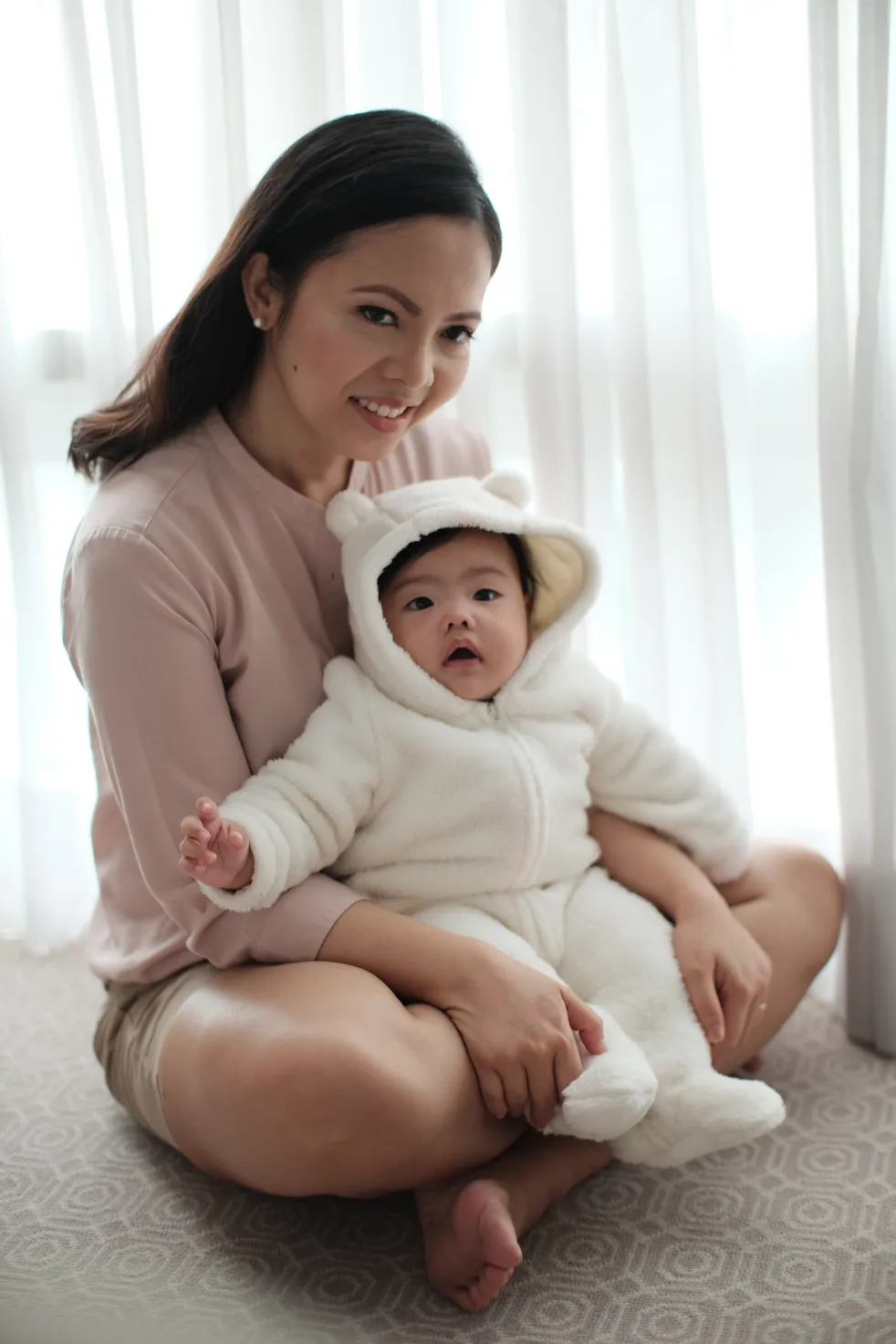
Whether you’re a new mom to be, mom of a toddler, mom who have school-aged kids, you’re bound to have so many questions. Let's start with your baby's skin. Infant skin has unique needs; gentle care is essential to prevent damage to the skin barrier, which can lead to irritation. When caring for infant skin,… Continue reading Keeping Baby’s Diapered Skin Healthy
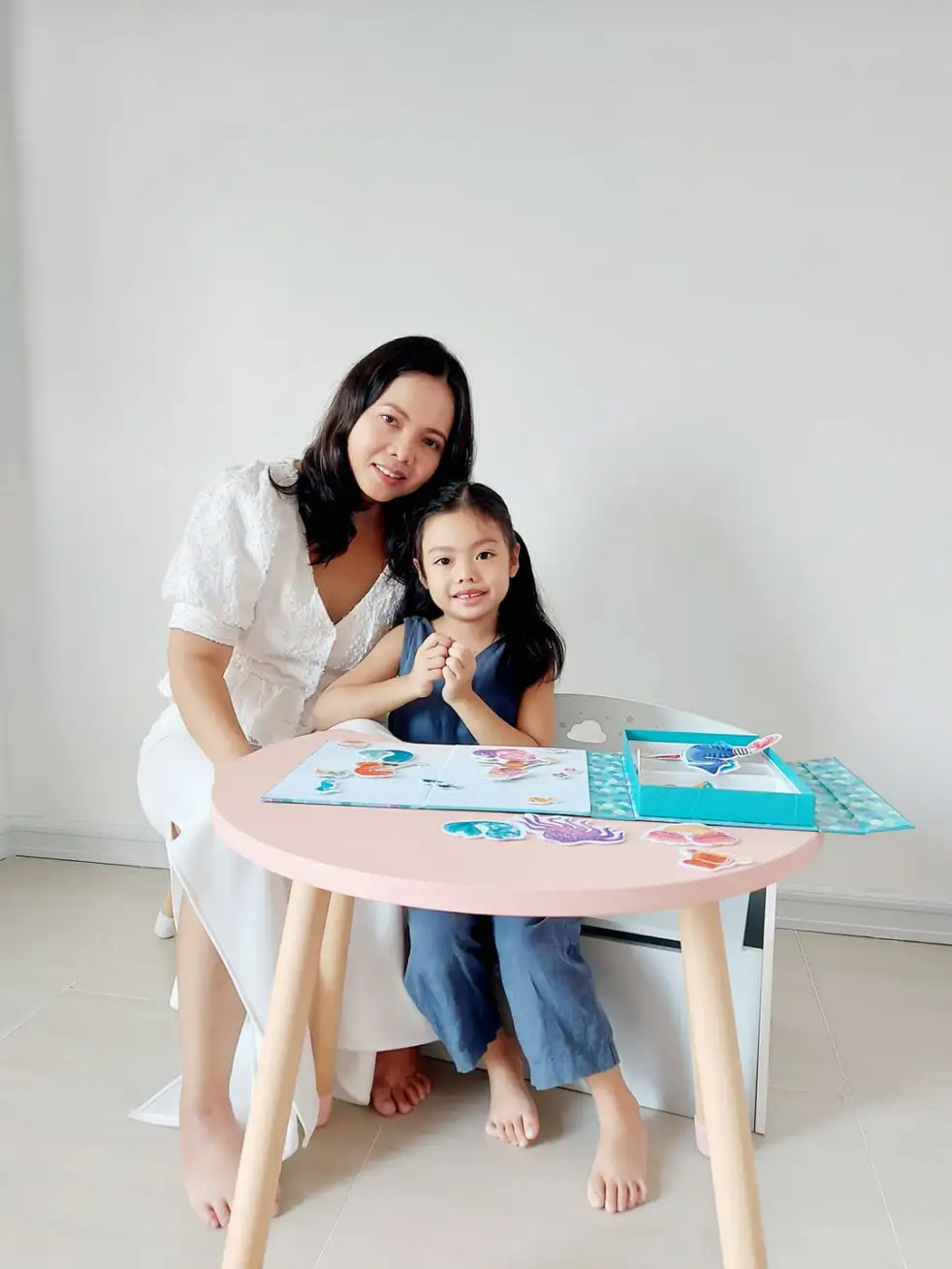
As parents, we want to give our child the best possible start in life and that begins with nurturing their intelligence. Throughout history, the notion of success has been linked to academic intelligence. However, there has been an increased awareness on the importance of emotional intelligence. This question gets at the heart of the never-ending… Continue reading IQ or EQ, which one is a better predictor of your child’s success?
 wondermomma.net