

Last August, IKEA Philippines engaged with Better World Smokey Mountain, a newly opened community center operated by the San Miguel Foundation, which shares a similar goal of improving the lives of many Filipino people. Through this partnership, IKEA Philippines provided and assembled home furnishings for the classrooms and library of Better World Smokey Mountain community… Continue reading Help Create a Better World with IKEA Soft Toys

NutriAsia, the country’s top producer of condiments and sauces, continues its support of Refill Revolution; a project by the Department of Environment and Natural Resources EMB 3 that aims to help reduce Filipinos’ single-use plastics consumption. At Refill Revolution, residents get to recycle their single-use plastic bottles by reusing and filling it with their choice… Continue reading NutriAsia and DENR renews partnership for Refill Revolution

How to Keep Your Baby Cool at Night Without Air Conditioning
Warm nights can make sleep difficult for babies, especially in humid climates such as the Philippines. Infants cannot regulate their body temperature as effectively as older children and adults, so a comfortable sleep environment requires thoughtful clothing, airflow, bedding, and regular checks.
Air conditioning can be helpful, but it is not the only way to cool a nursery. Simple changes can reduce heat buildup and help your baby rest safely through the night. The goal is to keep the room comfortably ventilated without making your baby cold or exposing them to unsafe sleep conditions.
Check For Signs Of Overheating
Your baby may be too warm if their chest, back, or tummy feels hot or sweaty. Flushed cheeks, damp hair, rapid breathing, unusual fussiness, and difficulty settling can also signal discomfort. Hands and feet may feel cool even when the baby is warm enough, so check the torso rather than relying on fingers and toes.
A digital room thermometer can help you understand the nursery temperature, although your baby’s comfort and behavior matter too. Avoid chasing a specific number if your child appears comfortable. A baby who is unusually sleepy, difficult to wake, breathing quickly, vomiting, or showing signs of dehydration needs prompt medical attention.
During very hot weather, offer breastfeeds more frequently. Babies under six months generally do not need extra water unless a healthcare professional advises it. Older babies may need fluids according to their usual feeding routine and medical guidance, but water should not replace breast milk or formula.
Improve Airflow Without Chilling The Room
Open windows on opposite sides of the home when outdoor air is cooler than indoor air. Cross-ventilation can release trapped heat, particularly in the evening and early morning. Close curtains or blinds during the hottest part of the day to prevent sunlight from warming the room.
A fan can circulate air without being aimed directly at your baby. Place it safely out of reach, keep the cord away from the crib, and use a stable model that cannot be pulled over. The fan should move air around the room rather than blow continuously onto your baby’s face or body.
If outdoor air is polluted, smoky, or especially humid, keep windows closed and use the safest available ventilation option. A fan near a window can help push warm air out, while another opening allows cooler air in. Always check that the room remains free from strong drafts and that the baby’s sleep space is not directly beside an open window.
Choose Light, Safe Sleepwear
Dress your baby in one lightweight layer made from breathable fabric such as cotton. A simple short-sleeved bodysuit may be enough on a hot night. Avoid thick pajamas, fleece, padded sleep sacks, hats, socks, and blankets unless the room has genuinely become cool.
The safest sleep space is firm, flat, and clear. Place your baby on their back in a crib, bassinet, or play yard with a fitted sheet. Do not use pillows, positioners, loose blankets, bumpers, stuffed toys, or makeshift covers to manage temperature. These items can increase the risk of overheating and suffocation.
If you use a wearable blanket, choose a lightweight design that fits correctly around the neck and arm openings. Never add a blanket over it. Check the baby’s chest or upper back after changing clothing, and remove a layer if the skin feels hot or damp.
Keep The Bedroom Cooler During The Day
Cooling the nursery starts before bedtime. Keep direct sunlight out with blackout curtains or light-colored window coverings, and turn off unnecessary lights and electronics because they produce heat. If possible, move the crib away from sun-facing walls, windows, and appliances.
A lukewarm bath before bed may help your baby feel refreshed, but avoid very cold water. Sudden cold can be uncomfortable and may cause shivering, which increases the body’s effort to produce heat. Pat the skin dry carefully, especially around the neck, armpits, and diaper area.
For a gentle cleanup after a sweaty evening, use a soft damp cloth or prepare your own baby wipes with skin-friendly ingredients and clean storage practices. Avoid strong fragrances, alcohol, and essential oils, since hot weather can make delicate skin more prone to irritation.
Cooling Methods At A Glance
Different families will have different options depending on their home, budget, and local weather. The safest approach combines several small adjustments rather than relying on one dramatic cooling method.
| Cooling approach | How to use it safely | What to avoid |
|---|---|---|
| Window ventilation | Open windows when outdoor air is cooler and use secure screens | Open access to balconies, unsafe windows, or polluted air |
| Electric fan | Position it across the room to circulate air | Direct airflow, loose cords, or a fan within reach |
| Light clothing | Use one breathable layer suited to the room | Hats, heavy sleepwear, and unnecessary layers |
| Curtains or blinds | Block daytime sunlight and heat | Covering ventilation openings completely |
| Lukewarm bath | Refresh the baby before sleep and dry skin folds well | Ice-cold water or leaving the baby unattended |
| Cool room surfaces | Remove heat-producing lamps and electronics | Cold packs, chilled bedding, or wet items in the crib |
Protect Skin From Heat And Humidity
Sweat trapped in skin folds can lead to prickly heat, redness, or irritation. Check the neck, behind the ears, under the arms, and around the diaper area during hot evenings. Keep these areas clean and dry, but avoid vigorous rubbing, which can worsen inflammation.
Choose loose cotton clothing and allow the skin to breathe during diaper changes. A brief period without a diaper can help if the room is private, clean, and comfortably ventilated. Change wet diapers promptly, since moisture combined with heat can contribute to diaper rash.
Do not apply adult cooling products, mentholated balms, talcum powder, or fragranced creams to a baby’s skin unless a pediatrician recommends them. If a rash spreads, becomes raw, develops blisters, or does not improve with gentle care, contact a healthcare professional.
Build A Calm Bedtime Routine
Heat can make babies restless, and overtired babies may find it even harder to settle. Keep the bedtime routine predictable and quiet: dim the lights, offer a feed, change into light sleepwear, and spend a few minutes cuddling or reading. A calm sequence can reduce stimulation when the room feels uncomfortable.
Room-sharing without bed-sharing allows you to check your baby easily during a hot night. Look for a relaxed face, normal breathing, and a dry, comfortably warm torso. If your baby is sweating or the chest feels hot, remove a layer and improve airflow.
Never place a cold towel, frozen bottle, cooling pad, or ice pack in the crib. These can create unsafe pressure points, wet the sleep surface, or make the baby’s temperature drop too quickly. Cooling products intended for adults are not automatically suitable for infants.
Simple Habits For Hot Nights
A few practical habits can make the evening safer and more manageable for the whole family. Prepare the room before bedtime, keep essential supplies nearby, and check your baby naturally during feeds rather than waking them repeatedly just to measure temperature.
- Use breathable cotton sleepwear and remove layers when the torso feels hot or damp.
- Keep fans, cords, windows, and curtains positioned safely away from the crib.
- Close sun-facing curtains during the day and ventilate when outdoor air is cooler.
- Offer normal feeds more frequently during very hot weather and watch for wet diapers.
- Seek urgent medical care for unusual drowsiness, breathing trouble, persistent vomiting, a very dry mouth, or markedly fewer wet diapers.
If your baby was born prematurely, has a medical condition, or is younger than three months, ask your pediatrician for personalized advice during periods of extreme heat. Infants with fever also need medical guidance; do not assume that a hot room is the only explanation.
Create a simple hot-night plan today: cool the room before bedtime, dress your baby lightly, keep the sleep space clear, and check the chest or back for comfort. With consistent habits and careful observation, your baby can sleep more comfortably even when air conditioning is unavailable.

Mercato Centrale, in collaboration with Indian Women in Enterprise Philippines (I-We), is set to host "The Great Indian Fiesta" to mark 75 years of friendship between India and the Philippines. The dynamic two-day event is scheduled to take place on September 30 to October 1, 2023, at Paseo De Roxas Street, Makati City. Aiming to… Continue reading Mercato Centrale Partners with I-We to Host ‘The Great Indian Fiesta’, Commemorating 75 Years of India-Philippines Friendship

My stomach would usually start growling at 10 am even after taking a big breakfast. This is probably because I am a morning person and I move a lot throughout the day hence snacking is something that I can't avoid. This potatoes and chicken wrap recipe is easy to prepare and would keep me full… Continue reading Potato and Chicken Wrap
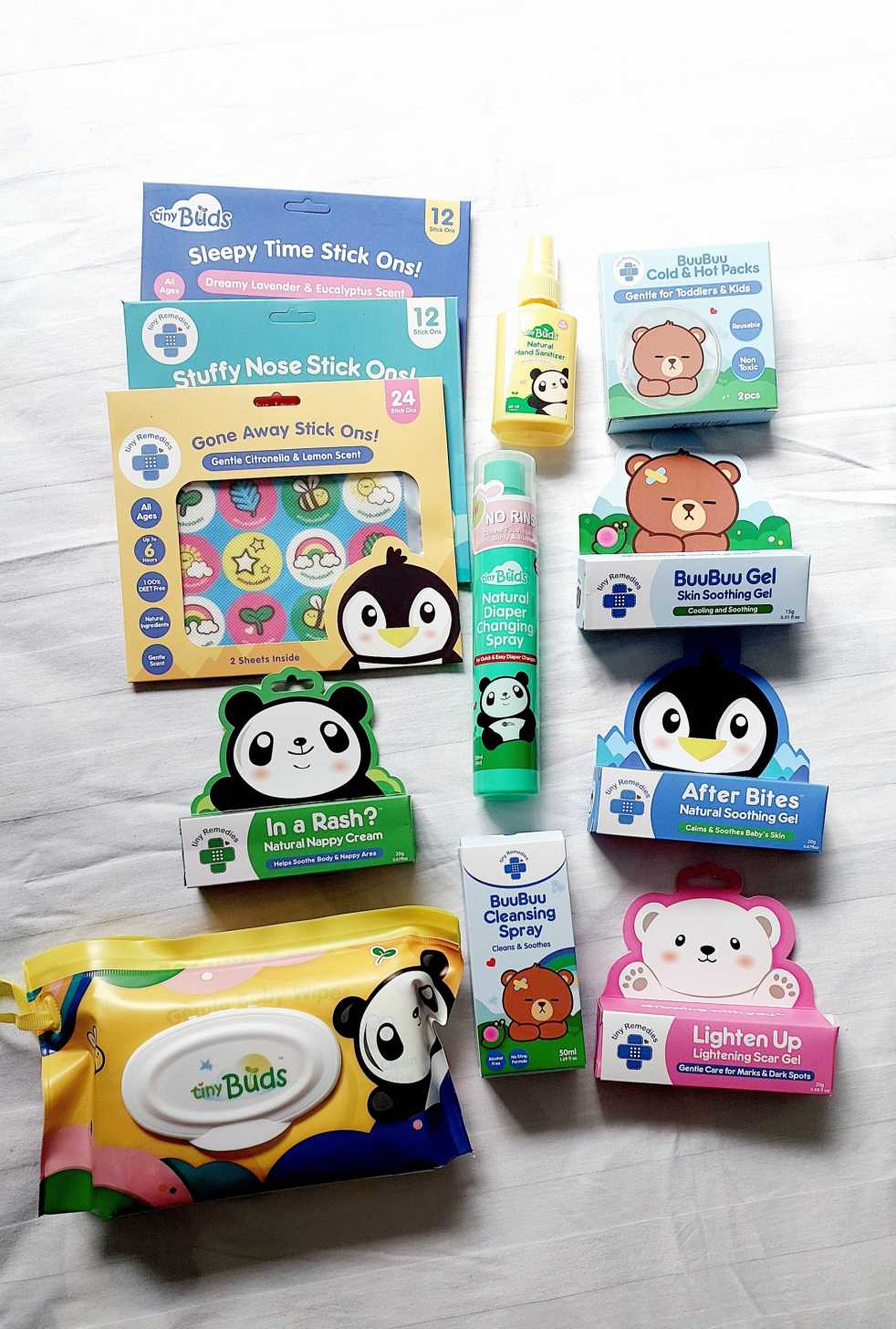
Your baby’s skin is more delicate than most, this is why you have to choose products that are designed for sensitive skin. Tiny Buds is a pioneer in integrating natural ingredients into baby care and today has over 50 innovative natural baby care essentials and is one of the Top Baby Personal Care brands. Here… Continue reading Product Review: Tiny Buds Baby Naturals Baby Essentials
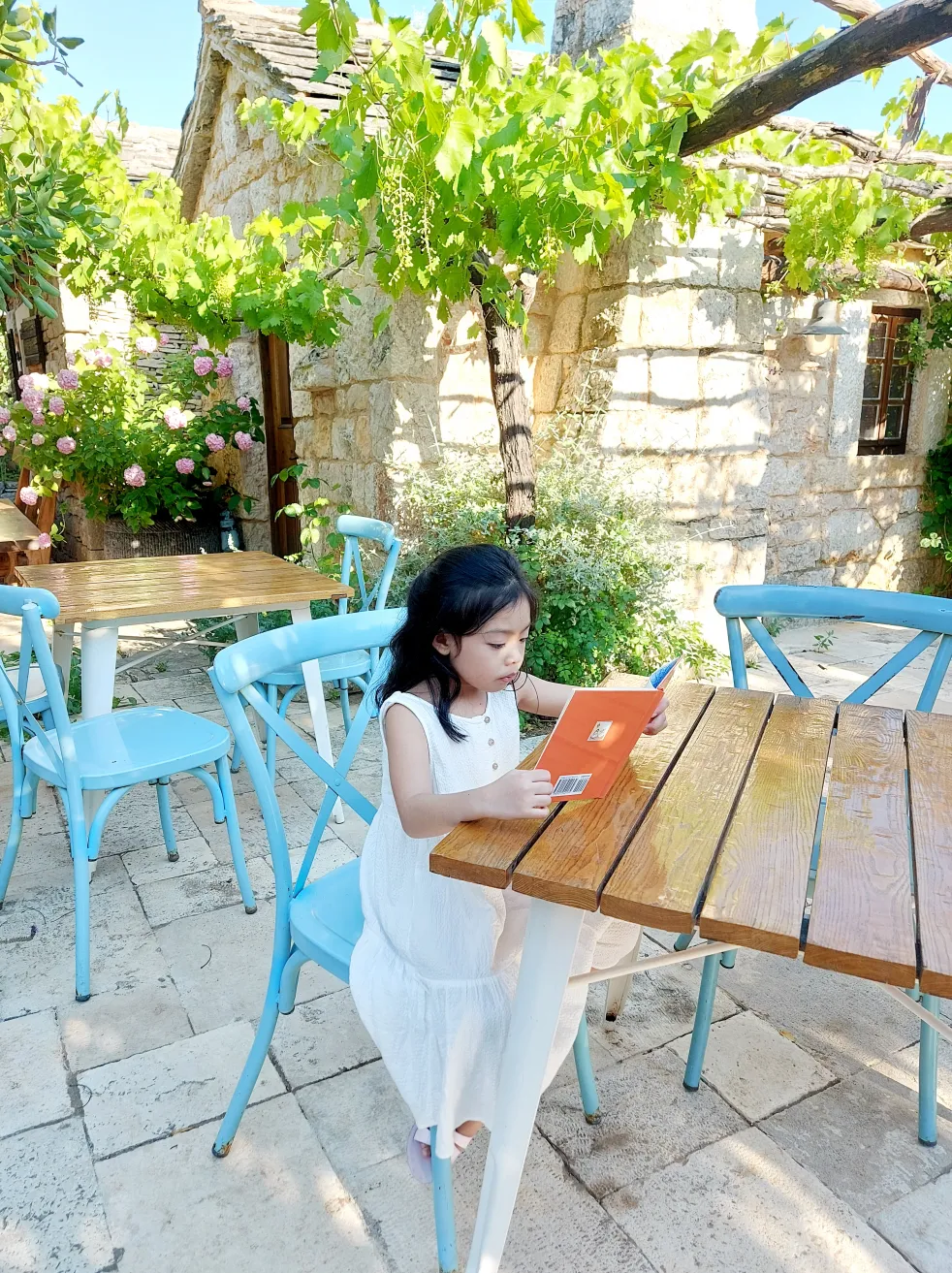
Where your child goes to school is a big decision and shouldn’t be taken lightly. Given how their education can impact their future, you might be tempted to take control and decide for them. However, you might be doing more damage than helping them in the long run. Your job as parents is to support… Continue reading HOW TO CHOOSE THE BEST SCHOOL FOR YOUR CHILD

As poet and philosopher Rumi once eloquently said, “raise your words, not your voice. It is rain that grows flowers, not thunder.” Parenting is a challenging journey, and the truth is that nobody has everything figured out. One parenting style might suit others best, and some might favor other methods. However, children respond better to… Continue reading A SIMPLE GUIDE TO GENTLE PARENTING
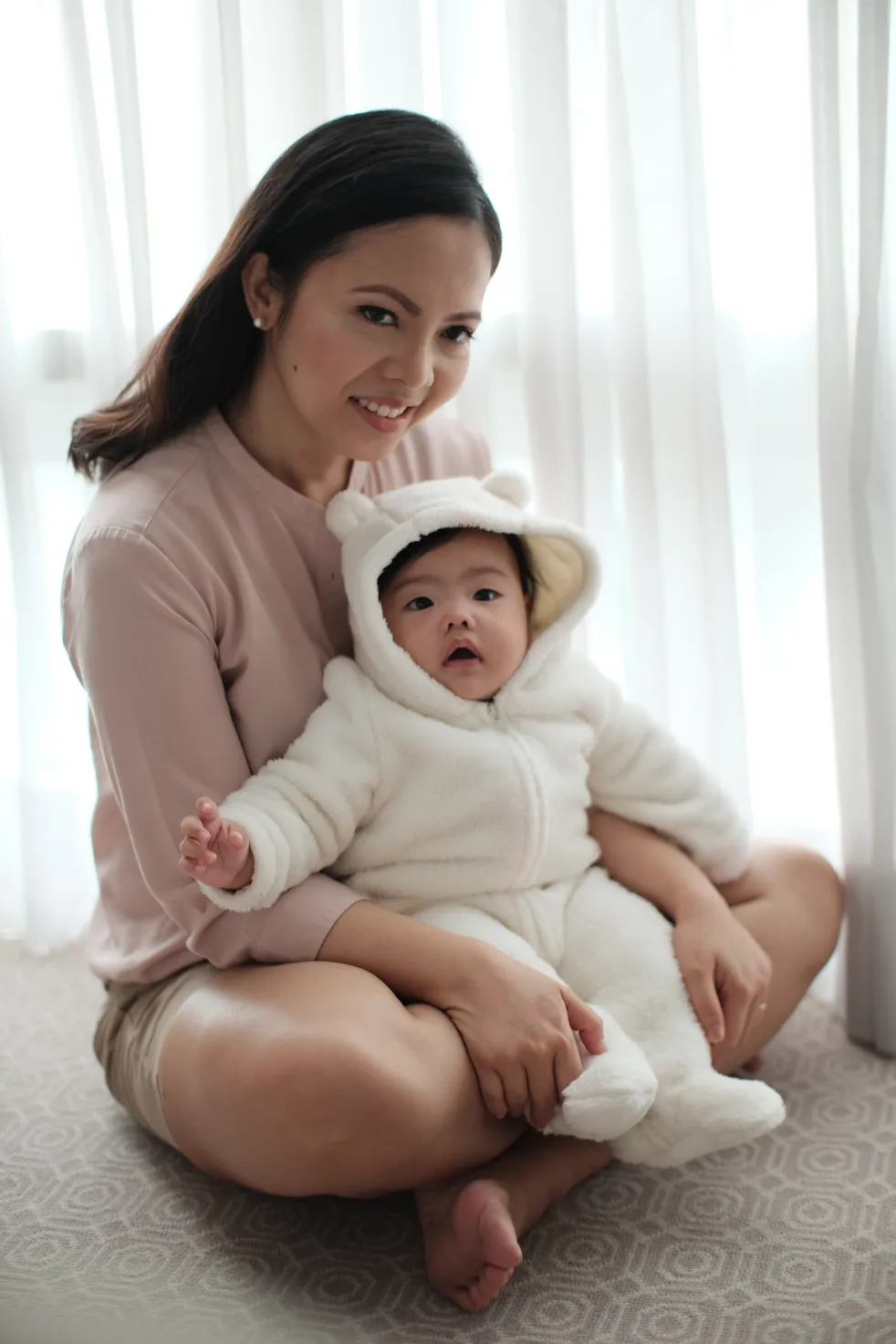
Whether you’re a new mom to be, mom of a toddler, mom who have school-aged kids, you’re bound to have so many questions. Let's start with your baby's skin. Infant skin has unique needs; gentle care is essential to prevent damage to the skin barrier, which can lead to irritation. When caring for infant skin,… Continue reading Keeping Baby’s Diapered Skin Healthy

As parents, we want to give our child the best possible start in life and that begins with nurturing their intelligence. Throughout history, the notion of success has been linked to academic intelligence. However, there has been an increased awareness on the importance of emotional intelligence. This question gets at the heart of the never-ending… Continue reading IQ or EQ, which one is a better predictor of your child’s success?
 wondermomma.net