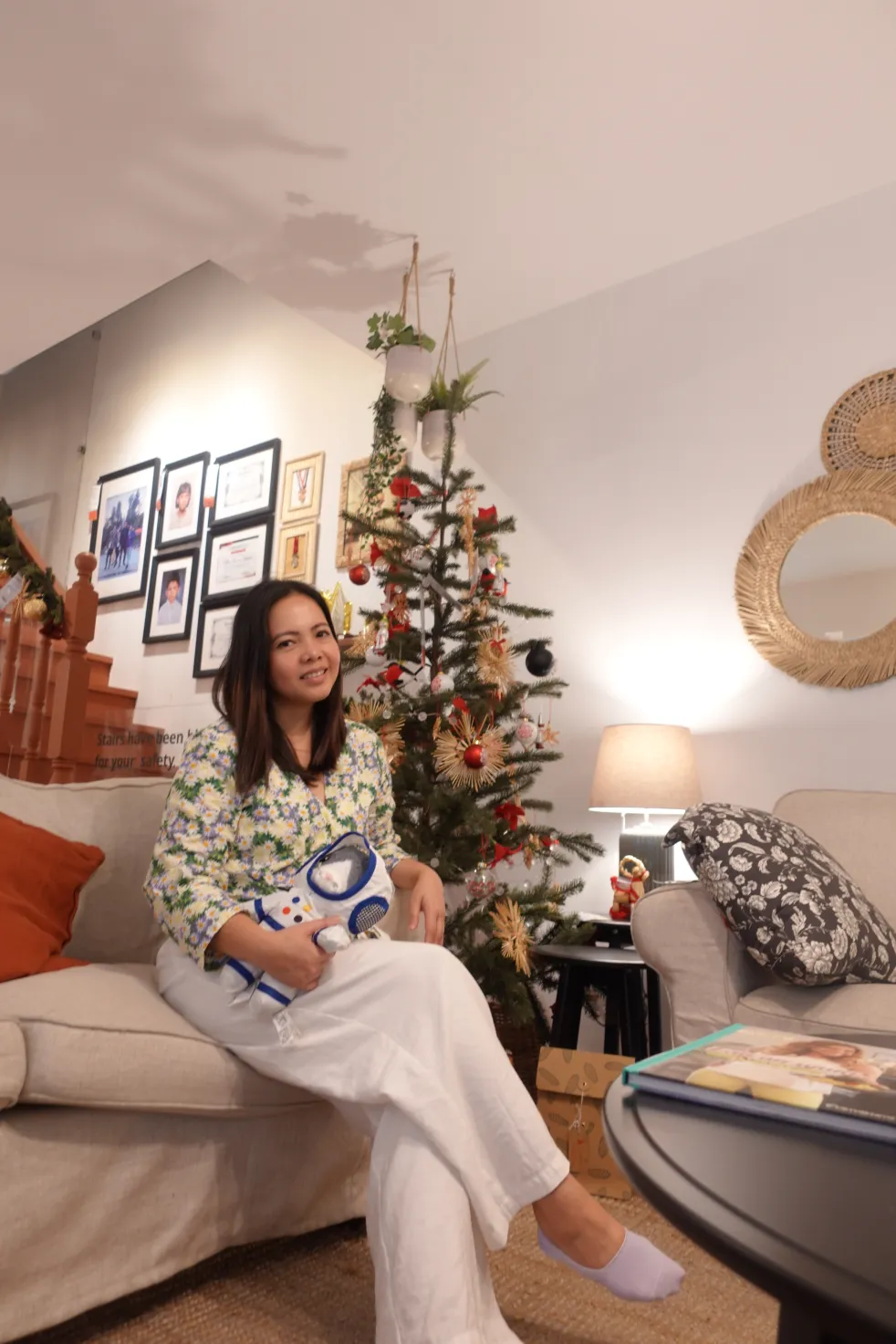
Last August, IKEA Philippines engaged with Better World Smokey Mountain, a newly opened community center operated by the San Miguel Foundation, which shares a similar goal of improving the lives of many Filipino people. Through this partnership, IKEA Philippines provided and assembled home furnishings for the classrooms and library of Better World Smokey Mountain community… Continue reading Help Create a Better World with IKEA Soft Toys
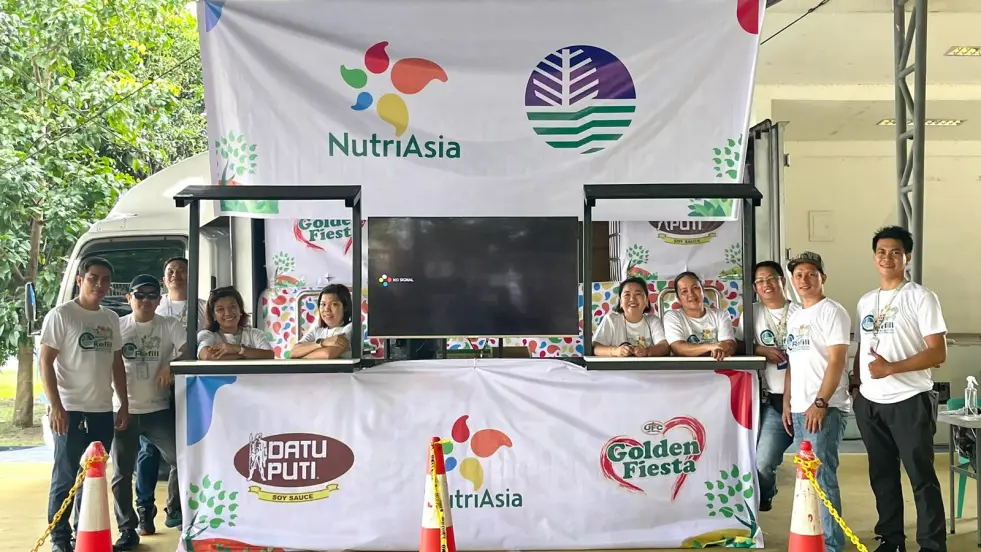
NutriAsia, the country’s top producer of condiments and sauces, continues its support of Refill Revolution; a project by the Department of Environment and Natural Resources EMB 3 that aims to help reduce Filipinos’ single-use plastics consumption. At Refill Revolution, residents get to recycle their single-use plastic bottles by reusing and filling it with their choice… Continue reading NutriAsia and DENR renews partnership for Refill Revolution

How to Introduce Your Child to Household Chores at Each Age
Household chores help children develop practical skills, confidence and a sense of belonging. Folding a tea towel, feeding a pet or placing a plate in the sink may look small to an adult, yet these simple jobs teach children that family life works through shared effort.
The best approach changes as children grow. A toddler needs close supervision and plenty of play, while a primary-school child can follow a routine and a teenager can manage tasks with much less prompting. In Australian homes, routines may also need to fit around school drop-off, sport, daycare, apartment living, hot weather and different council waste systems.
| Age | Suitable household tasks | Adult support |
|---|---|---|
| Two to three | Put toys away, place clothes in the basket, wipe small spills | Demonstrate, stay close and make it playful |
| Four to five | Set the table, sort laundry, water plants, feed a pet with help | Give simple instructions and check safety |
| Six to nine | Make the bed, pack the school bag, sweep, clear dishes | Use a routine chart and occasional reminders |
| Ten to twelve | Prepare simple food, vacuum, hang washing, clean a bathroom basin | Teach the full process and review the result |
| Thirteen and older | Cook family meals, manage laundry, take bins out, shop for essentials | Agree on standards, timing and shared responsibility |
Ages Two To Three: Begin With Joining In
At this age, chores should feel like participation rather than work. Toddlers learn by copying adults, so invite them to carry a nappy to the bin, put blocks into a basket or place dirty clothes in the laundry hamper. A short song, a “ready, set, go” routine or a choice between two jobs can keep the task positive.
Expect the process to be slow and imperfect. The purpose is to build familiarity with household routines, not to achieve a spotless room. Use clear phrases such as “Toys in the basket” or “Cup on the bench,” and show the action rather than giving a long explanation. Praise cooperation specifically: “You put the book back where it belongs.”
Safety matters more than speed. Keep cleaning sprays, dishwasher tablets, medicines and laundry capsules locked away, particularly in homes where children can reach low cupboards. The Australian Poisons Information Centre can be contacted on 13 11 26 for advice after possible exposure. Toddlers should never handle hot cookware, sharp utensils, electrical cords, pet medication or cat litter.
Safe First Jobs
- Put soft toys and books away
- Place used clothes in a laundry basket
- Wipe a child-sized table with a damp cloth
- Help match socks or carry lightweight items
Ages Four To Five: Build A Predictable Routine
Preschoolers can manage a few simple responsibilities each day. They may set napkins on the table, place plastic cutlery beside plates, water pot plants or help sort light and dark clothing. Feeding a family pet can be suitable when an adult measures the food and supervises handwashing afterwards.
Children at this age benefit from one instruction at a time. A picture chart can show the order: put toys away, place shoes in the basket, wash hands and choose a book. This can be especially useful during busy mornings in Sydney, Melbourne or Brisbane, when families are preparing for preschool, school and commuting at the same time.
Avoid tying every chore to pocket money. Regular jobs are part of living together, while occasional paid tasks can introduce saving and spending. If money is used, keep the arrangement simple and age-appropriate. The goal is to develop capability and responsibility, rather than make a child feel that helping at home is optional.
Ages Six To Nine: Teach The Whole Process
Primary-school children can start completing tasks with less hands-on assistance. Making the bed, clearing dishes, sweeping the kitchen, packing a school bag and putting away clean clothes are realistic responsibilities. They can also help with recycling, although families should explain that accepted materials vary between local councils and apartment buildings.
This is a useful age for teaching a complete job from beginning to end. Instead of saying “Clean your room,” break down the process: put rubbish in the bin, return books to the shelf, place clothes in the hamper and make the bed. Once the child understands the sequence, a printed checklist can reduce repeated reminders.
Quality will still vary. A child may fold towels unevenly or leave crumbs after sweeping. Demonstrate the household standard, then let them practise. A calm review works better than silently redoing the task, because children need to see that mistakes can be corrected. In a home without a garden, balcony plants, indoor herbs and shared building areas can provide alternatives to outdoor jobs.
Ages Ten To Twelve: Increase Independence
Older primary-school children can handle chores that require several steps and a little planning. They might vacuum bedrooms, hang washing on a low line, clean a bathroom basin, prepare a cold lunch or help cook a family meal. Begin with instruction and supervision, then gradually step back as the child shows safe judgement.
Kitchen skills deserve careful teaching. Show how to use a peeler, grater, toaster and stovetop safely, and establish rules about handles, hot surfaces and cleaning spills. An adult should decide when a child is ready to use an oven or sharp knife, based on maturity and supervision rather than age alone. In hot Australian summers, also explain safe food storage, prompt refrigeration and the risks of leaving dairy or meat in a warm kitchen.
Chores should fit a child’s school, sport and rest commitments. A family in Perth may need different outdoor routines from one in Hobart during winter, while a high-rise household may rely on shared laundry facilities or avoid noisy vacuuming late at night. Flexibility helps children see chores as practical responsibilities rather than punishments imposed without context.
Ages Thirteen And Older: Prepare For Everyday Life
Teenagers can take responsibility for tasks that support the whole household. Suitable jobs may include cooking one evening meal, washing and folding their own clothes, changing bed linen, taking rubbish and recycling to the collection point, cleaning a bathroom or helping with grocery shopping. They can also learn to compare prices, read labels and plan meals around what the family already has.
Agree on what “done” means. For example, washing up includes rinsing the sink, wiping the bench and putting food scraps in the correct bin. This matters in Australia because waste rules differ between councils: some collect food organics, some provide green-lid garden bins, and some apartment complexes have separate arrangements. Checking the local council website together turns a chore into a useful life skill.
Teenagers may reasonably want more privacy and control, so negotiate timing where possible. A weekly household meeting can cover school demands, sport, work and shared jobs without turning every reminder into an argument. If a teenager has paid work, household expectations should take their roster into account. Australian child employment rules differ between states and territories, but ordinary family chores are generally separate from formal employment; any paid work outside the home must follow the relevant state or territory requirements.
Chores That Build Independence
- Plan and cook a simple family dinner
- Wash, dry, fold and put away personal laundry
- Clean a bedroom and shared bathroom
- Take rubbish and recycling out according to council rules
Across every age, aim for consistency rather than perfection. Children learn best when adults model the behaviour, explain why a task matters and allow enough time to practise. A chore chart can help, but it should support family communication rather than become a source of shame or competition.
Keep responsibilities fair for the child’s age, ability and circumstances. A child with disability, sensory sensitivities or developmental differences may need adapted tools, shorter tasks or a visual sequence. Praise effort, problem-solving and follow-through, while remembering that shared household work is a normal part of family life rather than a test of character.
The most valuable result is a child who understands how to care for their environment and contribute to other people’s wellbeing. Over time, putting away toys can grow into managing laundry, preparing food and maintaining a home with confidence.

Mercato Centrale, in collaboration with Indian Women in Enterprise Philippines (I-We), is set to host "The Great Indian Fiesta" to mark 75 years of friendship between India and the Philippines. The dynamic two-day event is scheduled to take place on September 30 to October 1, 2023, at Paseo De Roxas Street, Makati City. Aiming to… Continue reading Mercato Centrale Partners with I-We to Host ‘The Great Indian Fiesta’, Commemorating 75 Years of India-Philippines Friendship

My stomach would usually start growling at 10 am even after taking a big breakfast. This is probably because I am a morning person and I move a lot throughout the day hence snacking is something that I can't avoid. This potatoes and chicken wrap recipe is easy to prepare and would keep me full… Continue reading Potato and Chicken Wrap
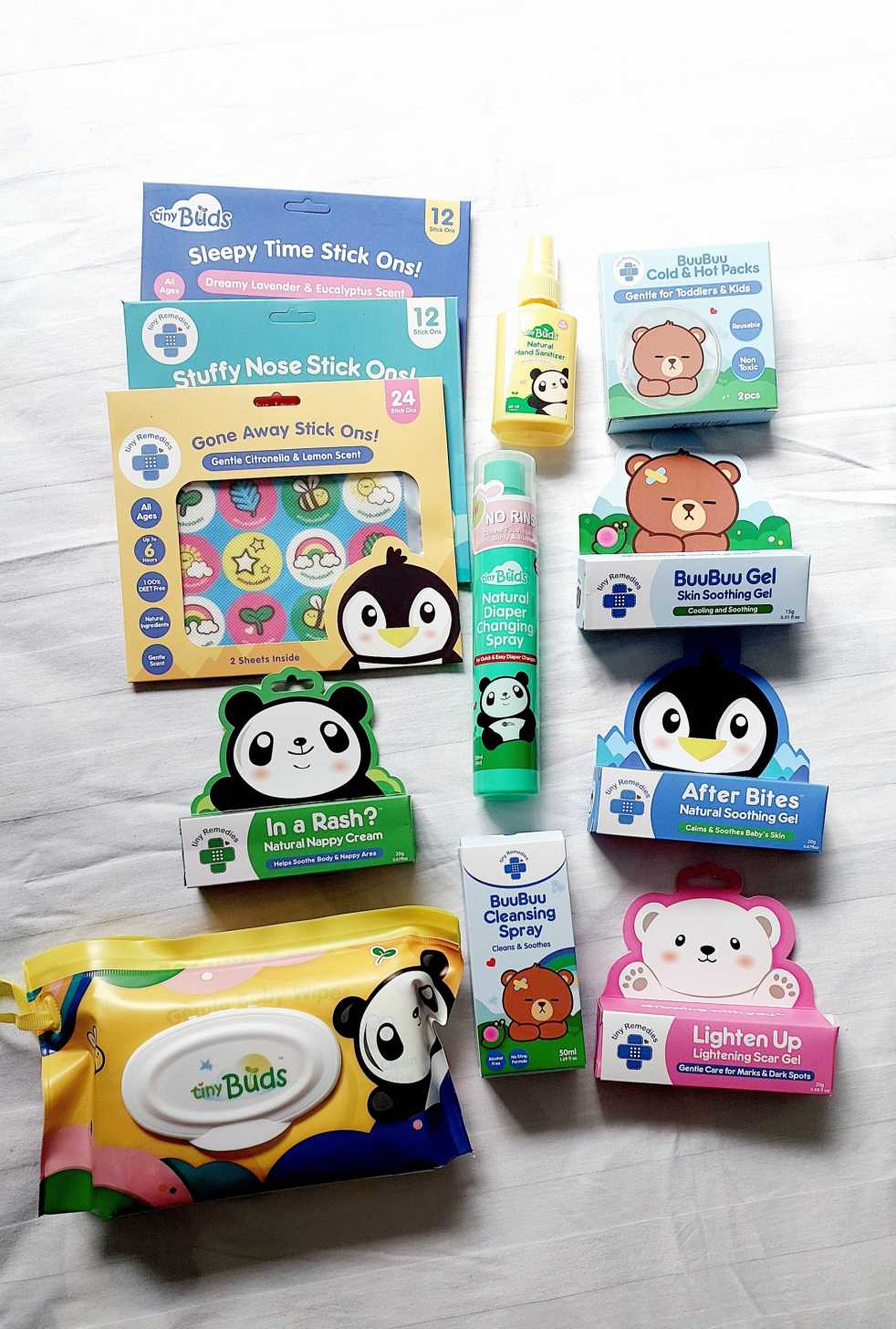
Your baby’s skin is more delicate than most, this is why you have to choose products that are designed for sensitive skin. Tiny Buds is a pioneer in integrating natural ingredients into baby care and today has over 50 innovative natural baby care essentials and is one of the Top Baby Personal Care brands. Here… Continue reading Product Review: Tiny Buds Baby Naturals Baby Essentials
Where your child goes to school is a big decision and shouldn’t be taken lightly. Given how their education can impact their future, you might be tempted to take control and decide for them. However, you might be doing more damage than helping them in the long run. Your job as parents is to support… Continue reading HOW TO CHOOSE THE BEST SCHOOL FOR YOUR CHILD
As poet and philosopher Rumi once eloquently said, “raise your words, not your voice. It is rain that grows flowers, not thunder.” Parenting is a challenging journey, and the truth is that nobody has everything figured out. One parenting style might suit others best, and some might favor other methods. However, children respond better to… Continue reading A SIMPLE GUIDE TO GENTLE PARENTING
Whether you’re a new mom to be, mom of a toddler, mom who have school-aged kids, you’re bound to have so many questions. Let's start with your baby's skin. Infant skin has unique needs; gentle care is essential to prevent damage to the skin barrier, which can lead to irritation. When caring for infant skin,… Continue reading Keeping Baby’s Diapered Skin Healthy
As parents, we want to give our child the best possible start in life and that begins with nurturing their intelligence. Throughout history, the notion of success has been linked to academic intelligence. However, there has been an increased awareness on the importance of emotional intelligence. This question gets at the heart of the never-ending… Continue reading IQ or EQ, which one is a better predictor of your child’s success?
 wondermomma.net