
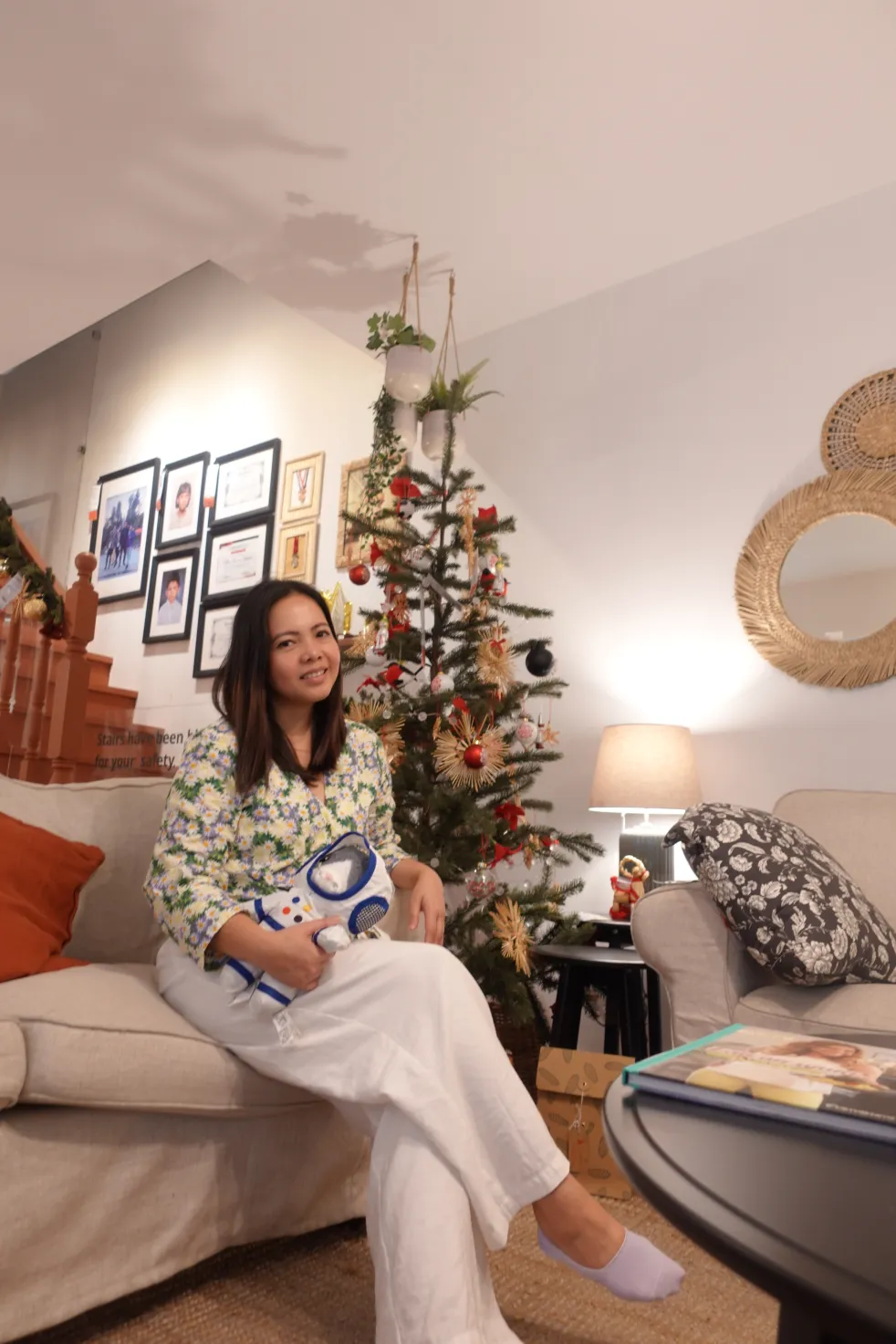
Last August, IKEA Philippines engaged with Better World Smokey Mountain, a newly opened community center operated by the San Miguel Foundation, which shares a similar goal of improving the lives of many Filipino people. Through this partnership, IKEA Philippines provided and assembled home furnishings for the classrooms and library of Better World Smokey Mountain community… Continue reading Help Create a Better World with IKEA Soft Toys
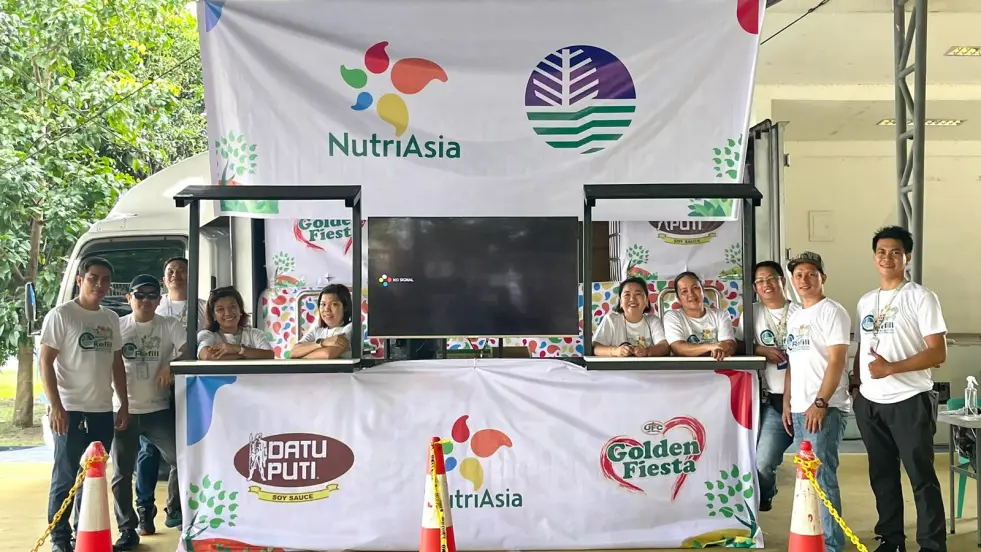
NutriAsia, the country’s top producer of condiments and sauces, continues its support of Refill Revolution; a project by the Department of Environment and Natural Resources EMB 3 that aims to help reduce Filipinos’ single-use plastics consumption. At Refill Revolution, residents get to recycle their single-use plastic bottles by reusing and filling it with their choice… Continue reading NutriAsia and DENR renews partnership for Refill Revolution

How Water Play Supports Your Child’s Sensory Development
Water play is a simple, affordable way to help children explore how the world feels, moves, sounds, and changes. A basin, a few household tools, and close supervision can create an engaging sensory activity for babies, toddlers, and preschoolers.
As children scoop, pour, splash, squeeze, and stir, they receive information through touch, sight, hearing, and movement. These experiences support sensory processing, fine motor coordination, early problem-solving, and language development in a relaxed setting.
The best water activities are child-led. There is no need to create a complicated setup or expect a particular result. A calm adult presence, a safe environment, and time to investigate are usually enough to make water exploration meaningful.
Why Water Play Matters
Water offers immediate sensory feedback. A child can feel the difference between warm and cool water, notice the weight of a full cup, watch a stream flow through a funnel, or hear a container fill. These small discoveries help the brain connect actions with results.
Scooping and pouring strengthen the hands and wrists, while squeezing sponges builds hand muscles needed for drawing, dressing, and using utensils. Reaching across a tub encourages balance and body awareness. Even watching floating objects move supports visual tracking and concentration.
Water play also gives children opportunities to practice emotional regulation. Repetitive actions, such as filling and emptying a cup, can feel calming. Some children become more comfortable with messy textures when they can control the pace and choose how much water touches their hands.
Prepare A Safe And Inviting Setup
Choose a stable, shallow container and place it on a non-slip surface. A low plastic basin on the floor, a small water table, or a clean storage box can work well. Keep the water level low enough that your child can easily move their hands through it without leaning dangerously over the edge.
Young children must remain within arm’s reach during water activities, even when there is only a small amount of water in the container. Empty the basin immediately after play, wipe up spills to prevent slipping, and avoid small objects that could become choking hazards. Check that cups, scoops, and toys are clean and free from sharp edges.
Use comfortably lukewarm water and consider playing outdoors when possible. On hot days, shade is important, and children should be dressed in clothes that dry easily. Indoors, a towel or washable mat beneath the activity area can reduce stress about spills and help children focus on exploration.
Start with a few familiar objects instead of filling the basin with too many choices. Plastic cups, large spoons, measuring containers, bath toys, sponges, and funnels are useful. Natural items such as large leaves or smooth stones can be included only when they are clean, large enough to avoid swallowing, and suitable for supervised play.
Match Activities To Developmental Skills
Babies may begin with simple hand experiences. Let your baby pat the surface, hold a washcloth, or watch water trickle from your hand into a cup. Narrate what is happening with short phrases such as “The water is dripping” or “Your hands are wet.” This adds language without interrupting the child’s concentration.
Toddlers often enjoy filling, dumping, and transferring water from one container to another. Add a sponge for squeezing or a large floating toy for reaching. Preschoolers can explore which objects sink or float, make pretend soups, wash toy animals, or use a funnel to investigate water flow.
| Activity | Sensory Experiences | Skills Supported | Helpful Language |
|---|---|---|---|
| Scooping and pouring | Weight, temperature, movement | Hand control, coordination, cause and effect | “You filled the cup.” |
| Sponge squeezing | Wetness, pressure, texture | Grip strength, bilateral coordination | “You squeezed out the water.” |
| Sink-or-float play | Visual change, prediction | Early science thinking, attention | “What do you think will happen?” |
| Washing toy animals | Slippery textures, sound, pretend play | Sequencing, vocabulary, imaginative play | “First wash, then rinse.” |
| Funnel and tube play | Flow, sound, resistance | Planning, problem-solving, persistence | “The water is moving through.” |
Follow your child’s age, comfort, and interests rather than pushing every activity at once. A toddler who spends ten minutes filling one cup is still learning. A preschooler who repeats the same experiment may be testing a prediction and strengthening a new concept.
Follow Child Cues With Gentle Guidance
Some children love splashing from the beginning, while others dislike wet sleeves, slippery textures, or unexpected drops. Respect those signals. Offer a dry cloth, let the child use a tool instead of their hands, or begin with a small amount of water in a familiar cup.
Avoid forcing participation or turning sensory play into a test. You can model an activity nearby and leave space for your child to approach when ready. Simple observations, such as “You moved the boat away” or “That splash was loud,” help children understand their experiences without demanding a response.
Gentle guidance is useful when water play becomes frustrating or unsafe. Set clear limits in a calm voice: “Water stays in the basin,” or “The scoop is for pouring, not hitting.” For broader strategies about responding to challenging toddler behavior with respect, read this gentle parenting guidance.
Children also benefit from predictable transitions. Give a short warning before cleanup, invite them to place tools in a basket, and describe what will happen next. A consistent ending helps toddlers manage disappointment and gradually builds cooperation.
Keep Sensory Play Fresh At Home
Water activities do not need to happen every day or require special equipment. Small changes can create new learning opportunities while keeping the basic setup familiar. Try adding ice cubes, a baster designed for children, colored water made with a small amount of food coloring, or washable foam letters.
Use the activity to build vocabulary naturally. Words such as full, empty, heavy, light, wet, dry, warm, cold, fast, slow, sink, float, splash, and drip give children practical ways to describe what they notice. For bilingual families, water play is also a relaxed setting for using words in more than one language.
The following ideas can help caregivers choose activities that suit a child’s current interests:
- Add large plastic animals for pretend washing, rinsing, and drying.
- Freeze safe toys in ice and let children observe how the ice changes.
- Offer different-sized cups to explore capacity and comparison.
- Use a whisk to create bubbles, while keeping soap mild and away from eyes.
- Place a towel nearby so children can practice wiping spills and drying objects.
Keep the sensory environment manageable. If food coloring, bubbles, or extra objects seem overwhelming, return to plain water and one or two tools. A simpler activity may provide better focus than a visually crowded one.
Extend Learning Through Conversation
Water play can support early mathematics and science when adults make room for prediction and discovery. Ask an occasional open-ended question, such as “How can we get the water into the bottle?” or “Which cup holds more?” Then give your child time to experiment. Children often need several attempts before they are ready to explain what they notice.
Pretend play adds another layer of development. A child might prepare tea for stuffed animals, wash a doll’s hair, or create a car wash. These scenarios support sequencing, social understanding, and storytelling. Join the play when invited, but allow your child to remain the director.
Cleanup is part of the learning experience. Carrying a light container with help, sorting tools, wiping the surface, and placing items away all involve movement and responsibility. Keep expectations realistic and treat the process as practice rather than a performance.
With regular opportunities for safe exploration, children gradually learn to tolerate new sensations, coordinate their movements, communicate observations, and persist through small challenges. Water is simply the medium; the deeper benefit comes from giving children time, freedom, and supportive attention.
Set up a shallow basin, choose a few safe tools, and follow your child’s curiosity. A few minutes of scooping, pouring, or watching water flow can become a valuable part of everyday sensory learning.

Mercato Centrale, in collaboration with Indian Women in Enterprise Philippines (I-We), is set to host "The Great Indian Fiesta" to mark 75 years of friendship between India and the Philippines. The dynamic two-day event is scheduled to take place on September 30 to October 1, 2023, at Paseo De Roxas Street, Makati City. Aiming to… Continue reading Mercato Centrale Partners with I-We to Host ‘The Great Indian Fiesta’, Commemorating 75 Years of India-Philippines Friendship

My stomach would usually start growling at 10 am even after taking a big breakfast. This is probably because I am a morning person and I move a lot throughout the day hence snacking is something that I can't avoid. This potatoes and chicken wrap recipe is easy to prepare and would keep me full… Continue reading Potato and Chicken Wrap
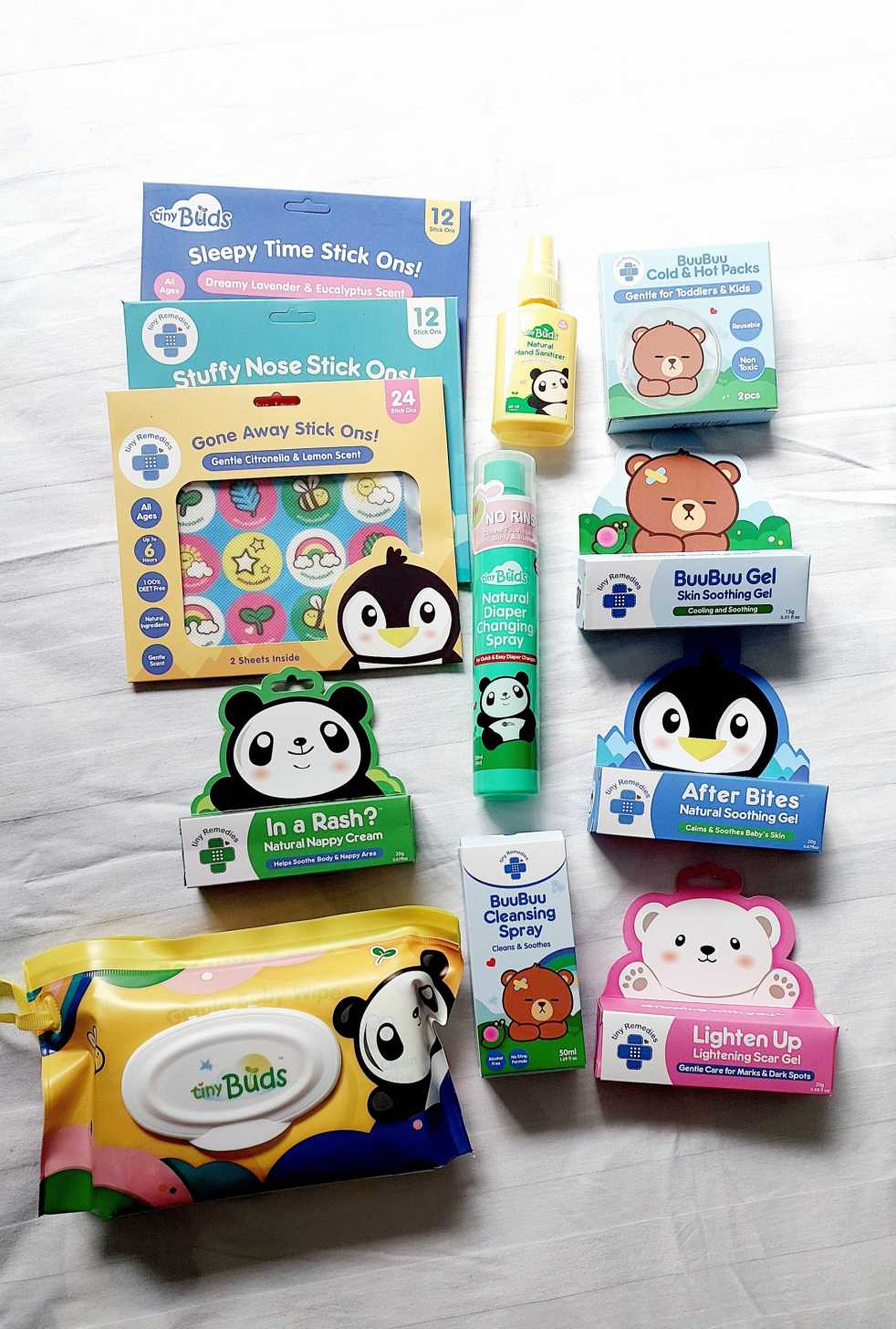
Your baby’s skin is more delicate than most, this is why you have to choose products that are designed for sensitive skin. Tiny Buds is a pioneer in integrating natural ingredients into baby care and today has over 50 innovative natural baby care essentials and is one of the Top Baby Personal Care brands. Here… Continue reading Product Review: Tiny Buds Baby Naturals Baby Essentials
Where your child goes to school is a big decision and shouldn’t be taken lightly. Given how their education can impact their future, you might be tempted to take control and decide for them. However, you might be doing more damage than helping them in the long run. Your job as parents is to support… Continue reading HOW TO CHOOSE THE BEST SCHOOL FOR YOUR CHILD
As poet and philosopher Rumi once eloquently said, “raise your words, not your voice. It is rain that grows flowers, not thunder.” Parenting is a challenging journey, and the truth is that nobody has everything figured out. One parenting style might suit others best, and some might favor other methods. However, children respond better to… Continue reading A SIMPLE GUIDE TO GENTLE PARENTING

Whether you’re a new mom to be, mom of a toddler, mom who have school-aged kids, you’re bound to have so many questions. Let's start with your baby's skin. Infant skin has unique needs; gentle care is essential to prevent damage to the skin barrier, which can lead to irritation. When caring for infant skin,… Continue reading Keeping Baby’s Diapered Skin Healthy
As parents, we want to give our child the best possible start in life and that begins with nurturing their intelligence. Throughout history, the notion of success has been linked to academic intelligence. However, there has been an increased awareness on the importance of emotional intelligence. This question gets at the heart of the never-ending… Continue reading IQ or EQ, which one is a better predictor of your child’s success?
 wondermomma.net