

Last August, IKEA Philippines engaged with Better World Smokey Mountain, a newly opened community center operated by the San Miguel Foundation, which shares a similar goal of improving the lives of many Filipino people. Through this partnership, IKEA Philippines provided and assembled home furnishings for the classrooms and library of Better World Smokey Mountain community… Continue reading Help Create a Better World with IKEA Soft Toys
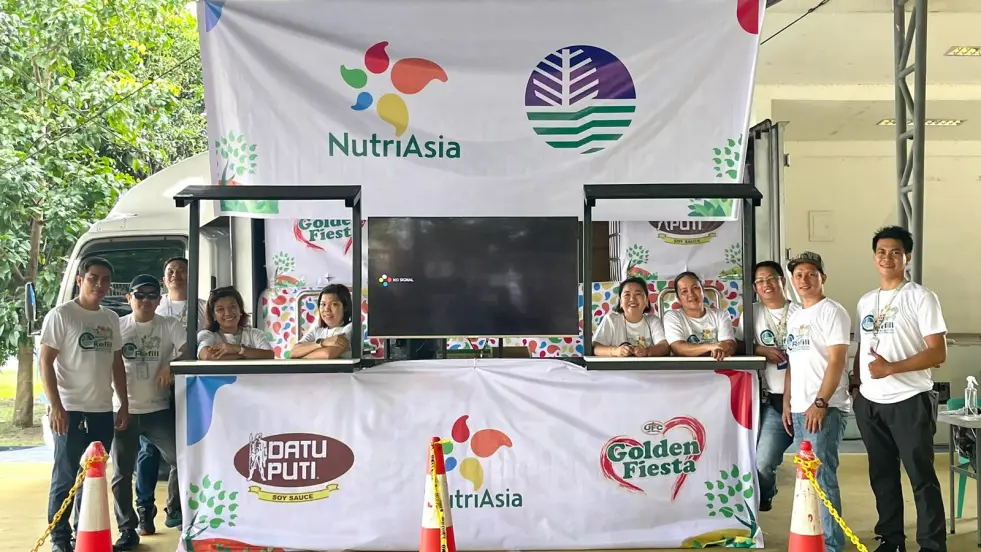
NutriAsia, the country’s top producer of condiments and sauces, continues its support of Refill Revolution; a project by the Department of Environment and Natural Resources EMB 3 that aims to help reduce Filipinos’ single-use plastics consumption. At Refill Revolution, residents get to recycle their single-use plastic bottles by reusing and filling it with their choice… Continue reading NutriAsia and DENR renews partnership for Refill Revolution

How to Introduce Solid Foods Using the Classic Spoon-Feeding Method
Starting solids is a memorable milestone for babies and parents. The classic spoon-feeding method gives your baby smooth, soft food from a small spoon while you guide the pace. It can be a calm and practical way to introduce new tastes, textures, and essential nutrients.
Many families begin with purées because they are easy to prepare and simple for a baby who has only known breast milk or infant formula. The goal is not to replace milk immediately. During the first year, breast milk or formula continues to provide most of a baby’s nutrition while solid food gradually becomes part of the daily routine.
Every child develops differently, so readiness matters more than a strict calendar. Your baby’s pediatrician can provide personalized guidance, especially if your baby was premature, has feeding difficulties, or has a history of allergies or medical concerns.
Recognize Signs Of Feeding Readiness
Most babies are ready to try complementary foods at around six months, when they can sit upright with limited support and hold their head steady. Good head and neck control helps your baby swallow safely and remain comfortable during meals.
Your baby may also show interest when family members eat, open their mouth as food approaches, and bring toys or hands to their mouth. Another useful sign is the ability to move food from the front of the mouth toward the back instead of automatically pushing it out with the tongue.
Readiness does not mean your baby needs large servings right away. Some babies accept a spoon quickly, while others need several relaxed attempts. If your baby turns away, closes their mouth, cries, or becomes tired, pause the meal and try again another day.
Prepare A Safe And Comfortable Feeding Space
Choose a stable, upright high chair with good back support and a secure harness. Your baby should be alert but not extremely hungry, sleepy, or upset. A small amount of breast milk or formula before the meal can prevent frantic feeding while still allowing your baby to explore food.
Use a small, soft-tipped baby spoon. A shallow spoon makes it easier for your baby to take a little food without needing to open very wide. Place the spoon gently on the lips and allow your baby to draw the food in. Avoid scraping the spoon against the upper gum or pushing it deeply into the mouth.
Keep meals away from screens and distractions. Wash your hands, clean preparation surfaces, and use separate utensils for tasting and serving. Homemade food can be nutritious and affordable, including mashed squash, banana, sweet potato, avocado, rice porridge, or well-cooked vegetables commonly enjoyed by Filipino families.
Begin With Small, Simple Servings
Offer one or two teaspoons once a day at first. A thin, smooth purée may be easiest for early spoon-feeding, but it does not need to be completely watery. Gradually make the texture thicker and less smooth as your baby becomes more skilled.
Iron-rich foods deserve an early place in the menu. Smooth purées made from meat, fish with all bones removed, beans, lentils, egg, or iron-fortified infant cereal can complement fruits and vegetables. Pairing plant-based iron sources with vitamin C-rich foods such as mango, papaya, or tomato may help the body absorb iron.
Introduce a single new food or a simple combination at a time so you can notice possible reactions. Once foods are tolerated, there is no need to keep the menu unnecessarily narrow. Offer familiar foods alongside new ones and let your baby gradually experience different flavors.
| Feeding stage | Suitable texture | Examples | Helpful focus |
|---|---|---|---|
| Early tasting | Smooth, soft purée | Mashed banana, squash, avocado, sweet potato | Small amounts and relaxed exploration |
| Building skills | Thicker mashed food | Soft rice porridge, mashed beans, egg, tender vegetables | Encourage swallowing and mouth movement |
| Developing chewing | Soft, lumpy food | Flaked fish, minced meat, mashed lentils, soft fruit | Progress gradually and supervise closely |
| More confident eating | Soft family foods with no added salt | Finely shredded chicken, soft vegetables, rice, pasta | Broaden variety and support self-feeding |
Progress From Purées To More Texture
Spoon-feeding does not require staying with very smooth food for many months. Once your baby manages smooth purées comfortably, move toward thicker mashed foods and soft, small lumps. Texture progression supports oral-motor development and helps babies learn how to manage different foods.
You can adjust family meals before adding salt, fish sauce, soy sauce, sugar, or strong seasonings. Mash a portion for your baby, then season the rest for older family members. Soft rice, vegetables, tender meat, beans, and flaked fish can all be adapted for a baby when prepared without bones, hard pieces, or excess sodium.
A baby may cough, gag, or make expressive faces while learning. Gagging is often noisy and can happen as a child explores texture. Choking is usually quiet and prevents normal breathing. Learn infant first aid, stay within arm’s reach during meals, and never leave a baby alone with food.
Introduce Allergens Carefully And Safely
Common allergens include well-cooked egg, smooth peanut butter, dairy products such as plain yogurt, wheat, soy, fish, and shellfish. Current guidance generally supports introducing these foods when a baby is developmentally ready rather than delaying them without a medical reason.
Offer one allergenic food in a small amount when your baby is well, preferably earlier in the day. Use safe forms, such as smooth peanut butter thinned with water or purée, fully cooked egg, and finely flaked fish with every bone removed. Never give a spoonful of thick peanut butter because it can be a choking hazard.
Watch for hives, swelling, repeated vomiting, coughing, wheezing, or breathing difficulty. Stop feeding and seek urgent medical care for serious symptoms. Families of babies with severe eczema, an existing food allergy, or a strong allergy history should discuss an introduction plan with a pediatrician first.
Keep Milk, Water, And Mealtimes Balanced
Breast milk or infant formula remains the primary drink during the first year. Solid food portions increase slowly, so a baby may still have the usual milk feeds while learning to eat. Avoid pressuring your baby to finish a bowl, since appetite changes from day to day.
Small sips of water can be offered with meals once solids begin, particularly in hot weather, but water should not replace milk feeds. Do not give cow’s milk as the main drink before 12 months. It can be used in small amounts in cooking when appropriate, but it does not provide the right balance of nutrients for an infant’s primary beverage.
Avoid honey before 12 months because of the risk of infant botulism. Limit added sugar and salt, and avoid sweet drinks, juice, processed snacks, and highly salty family foods. Rice-based foods can be included, but offering a variety of grains helps prevent overreliance on one staple.
Follow Your Baby’s Cues
Responsive feeding means you decide what, when, and where food is offered, while your baby decides whether to eat and how much. Watch for signs of interest, such as reaching for food or opening the mouth, as well as fullness cues such as turning away, slowing down, or closing the lips.
A calm response helps mealtimes remain positive. Do not distract, bribe, force, or chase your baby with the spoon. If a food is rejected, offer it again on another day without pressure. Babies may need repeated exposure before accepting a new flavor or texture.
Mealtime is also a chance to model healthy habits. Sit with your baby when possible, eat a variety of nourishing foods, and describe what is happening in a gentle voice. The spoon is a useful tool, but your patience, attention, and trust in your baby’s cues are equally important.
A Simple Routine For New Eaters
- Offer solids once daily at a calm time, then gradually increase to two or three meals as your baby becomes ready.
- Start with a small spoonful and wait for your baby to open their mouth before offering more.
- Include an iron-rich food regularly, along with fruits, vegetables, grains, and healthy fats.
- Increase thickness and softness in stages rather than keeping every food completely smooth.
- Sit close, supervise every bite, and stop when your baby shows clear signs of fullness or distress.
With a safe seat, a soft spoon, suitable foods, and a responsive approach, classic spoon-feeding can become a gentle foundation for family meals. Keep offering nourishing choices, allow your baby time to learn, and speak with a healthcare professional whenever feeding or allergy concerns arise. Share this guide with another parent preparing for the first spoonfuls and make the milestone a relaxed part of everyday family life.

Mercato Centrale, in collaboration with Indian Women in Enterprise Philippines (I-We), is set to host "The Great Indian Fiesta" to mark 75 years of friendship between India and the Philippines. The dynamic two-day event is scheduled to take place on September 30 to October 1, 2023, at Paseo De Roxas Street, Makati City. Aiming to… Continue reading Mercato Centrale Partners with I-We to Host ‘The Great Indian Fiesta’, Commemorating 75 Years of India-Philippines Friendship

My stomach would usually start growling at 10 am even after taking a big breakfast. This is probably because I am a morning person and I move a lot throughout the day hence snacking is something that I can't avoid. This potatoes and chicken wrap recipe is easy to prepare and would keep me full… Continue reading Potato and Chicken Wrap
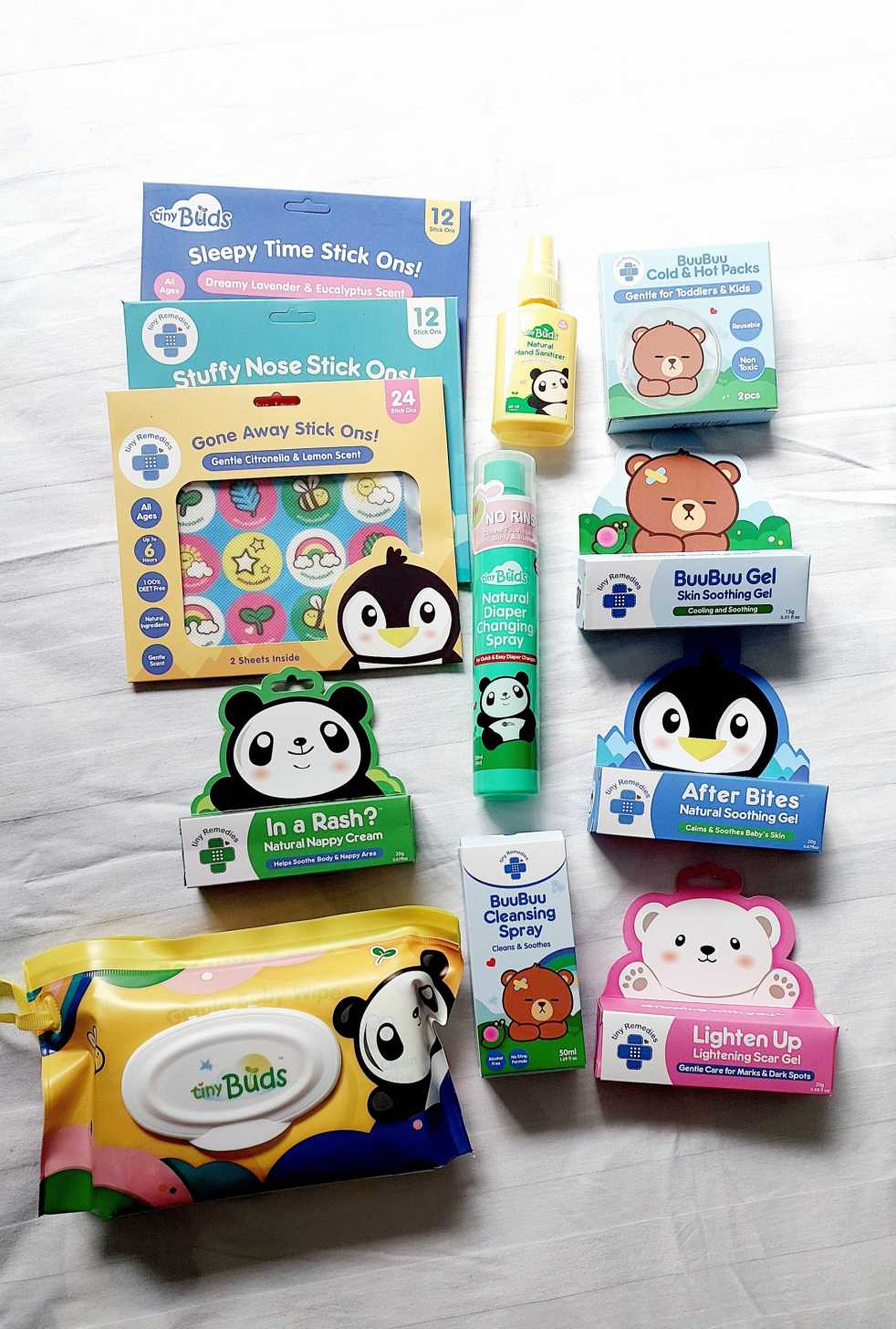
Your baby’s skin is more delicate than most, this is why you have to choose products that are designed for sensitive skin. Tiny Buds is a pioneer in integrating natural ingredients into baby care and today has over 50 innovative natural baby care essentials and is one of the Top Baby Personal Care brands. Here… Continue reading Product Review: Tiny Buds Baby Naturals Baby Essentials
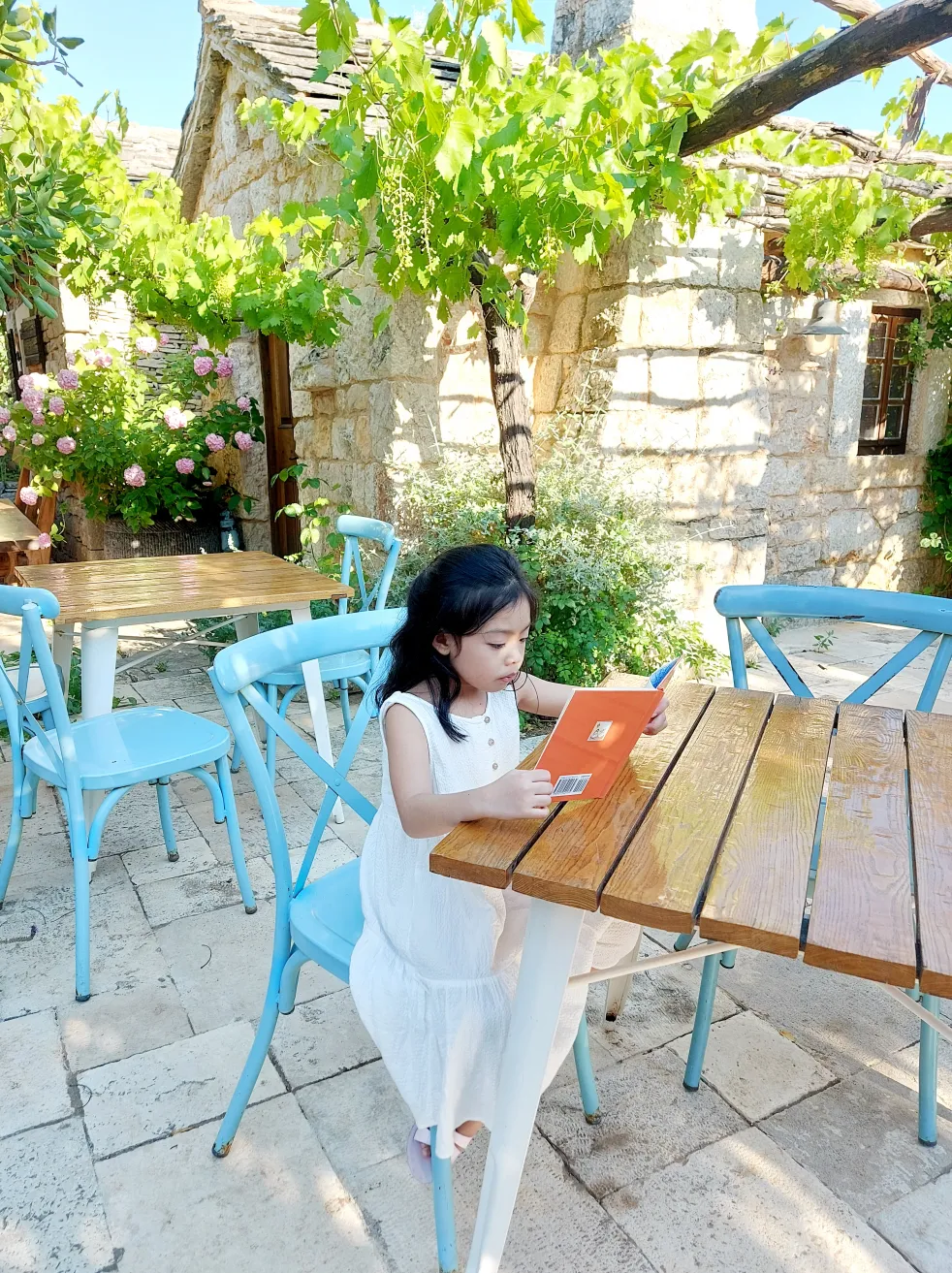
Where your child goes to school is a big decision and shouldn’t be taken lightly. Given how their education can impact their future, you might be tempted to take control and decide for them. However, you might be doing more damage than helping them in the long run. Your job as parents is to support… Continue reading HOW TO CHOOSE THE BEST SCHOOL FOR YOUR CHILD

As poet and philosopher Rumi once eloquently said, “raise your words, not your voice. It is rain that grows flowers, not thunder.” Parenting is a challenging journey, and the truth is that nobody has everything figured out. One parenting style might suit others best, and some might favor other methods. However, children respond better to… Continue reading A SIMPLE GUIDE TO GENTLE PARENTING

Whether you’re a new mom to be, mom of a toddler, mom who have school-aged kids, you’re bound to have so many questions. Let's start with your baby's skin. Infant skin has unique needs; gentle care is essential to prevent damage to the skin barrier, which can lead to irritation. When caring for infant skin,… Continue reading Keeping Baby’s Diapered Skin Healthy
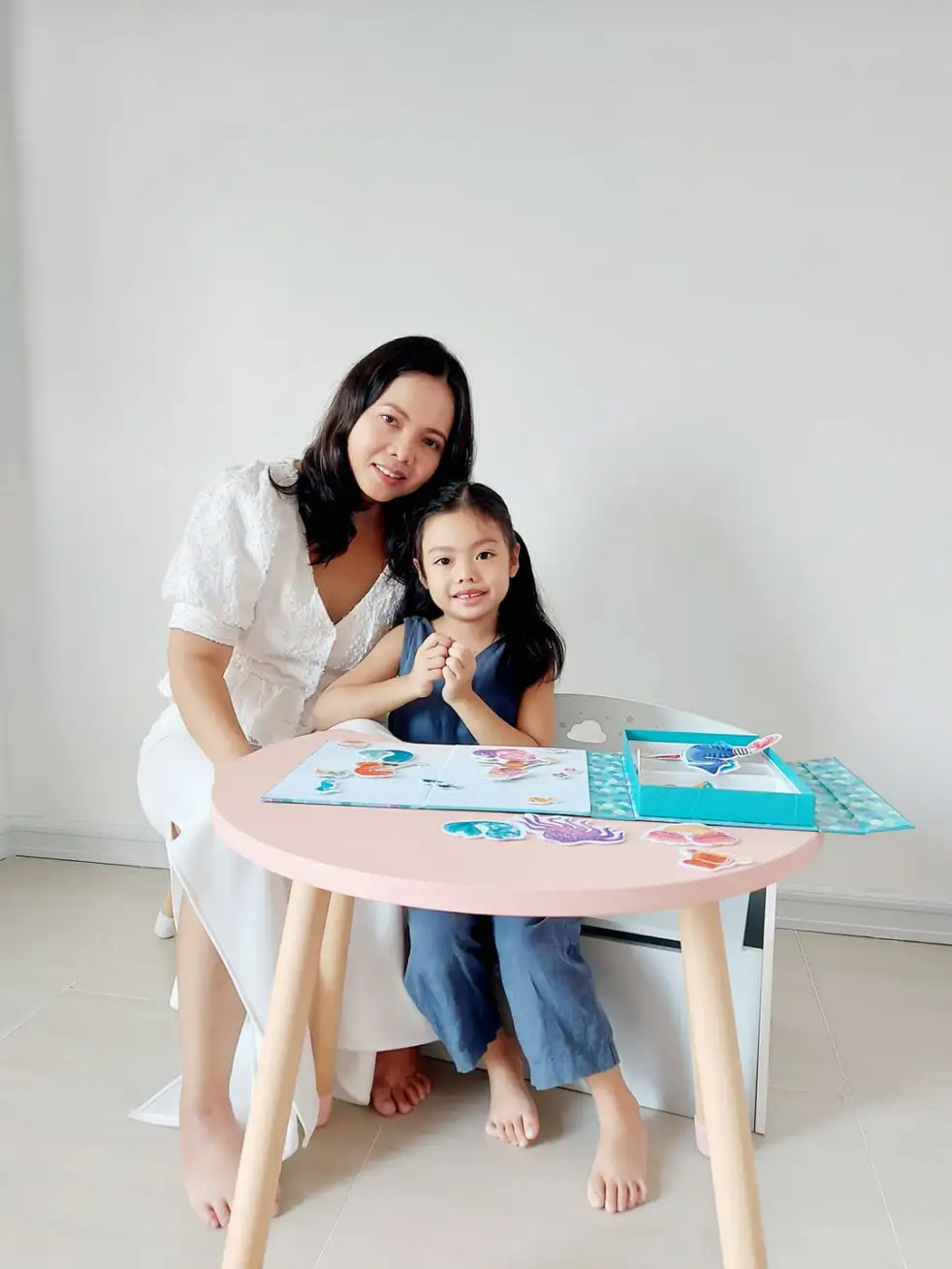
As parents, we want to give our child the best possible start in life and that begins with nurturing their intelligence. Throughout history, the notion of success has been linked to academic intelligence. However, there has been an increased awareness on the importance of emotional intelligence. This question gets at the heart of the never-ending… Continue reading IQ or EQ, which one is a better predictor of your child’s success?
 wondermomma.net