

Last August, IKEA Philippines engaged with Better World Smokey Mountain, a newly opened community center operated by the San Miguel Foundation, which shares a similar goal of improving the lives of many Filipino people. Through this partnership, IKEA Philippines provided and assembled home furnishings for the classrooms and library of Better World Smokey Mountain community… Continue reading Help Create a Better World with IKEA Soft Toys
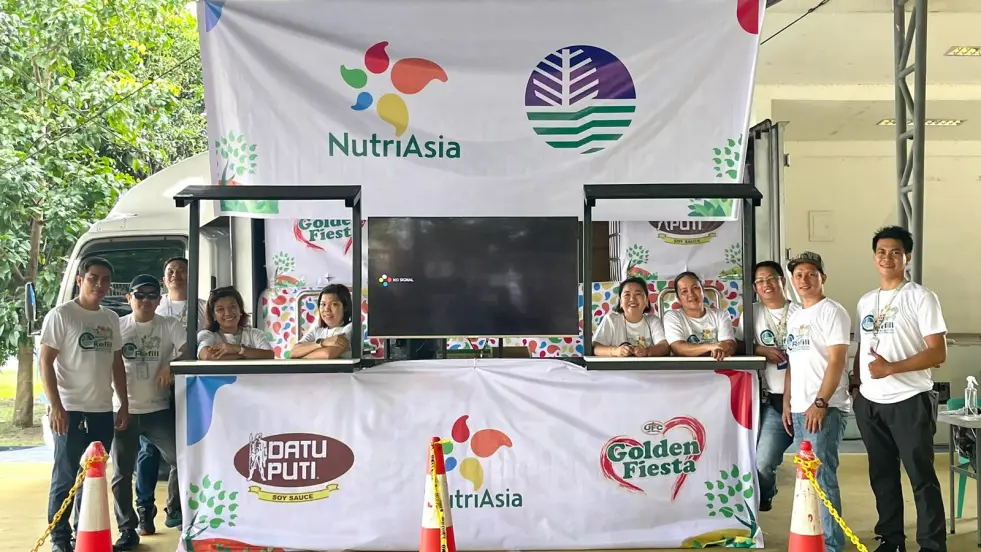
NutriAsia, the country’s top producer of condiments and sauces, continues its support of Refill Revolution; a project by the Department of Environment and Natural Resources EMB 3 that aims to help reduce Filipinos’ single-use plastics consumption. At Refill Revolution, residents get to recycle their single-use plastic bottles by reusing and filling it with their choice… Continue reading NutriAsia and DENR renews partnership for Refill Revolution

Starting solids with your baby: a practical guide for Australian families
The first time your baby opens their mouth for a spoonful of mashed pumpkin is a moment you will probably remember for years. It marks the slow shift from milk-only feeds to the wide world of family meals, and it can feel equal parts exciting and nerve-racking. Most parents find themselves flipping between advice from the mother's group chat, the local Child and Family Health nurse, and a dozen parenting websites at 11pm.
In Australia, current guidance from the Raising Children Network suggests introducing solids when your baby is around six months old, though some healthy babies show readiness a little earlier or later. Waiting until this age matters because most infants have developed the head control, tongue movements and digestive maturity needed to manage textured foods safely. It also reduces the risk of iron deficiency, which is one of the most common nutritional concerns raised at your baby's six-month check at the GP.
Before you grab the high chair and the bib, it helps to understand what the journey actually looks like. The following sections walk you through recognising readiness, picking first foods, managing fussy reactions and building balanced meals as your little one approaches their first birthday. For printable checklists and recipe ideas, wondermomma.net has a small library of Australian-friendly resources to bookmark.
Spotting the signs your baby is ready for solids
Around five to six months, your baby starts sending subtle signals that they are ready for something beyond milk. They might watch you eat with intense curiosity, reach for the food on your plate, or open their mouth when a spoon approaches. Sitting upright with minimal support and holding their head steady are the two physical milestones that matter most, because they protect against choking.
Other signs include bringing hands or toys to the mouth, chewing motions even when there is nothing inside, and seeming unsatisfied after a full milk feed. Increased night waking alone does not always mean your baby needs solids — sometimes they are simply going through a developmental leap or a growth spurt. If you are unsure, your local Child and Family Health nurse (a free service available across NSW, Queensland and other states) can weigh your baby and discuss their individual progress.
Many parents find that the four-month immunisation appointment is a useful checkpoint. You can ask the practice nurse or GP whether your baby is on track, and they can refer you to a paediatric dietitian if there are concerns about weight gain or feeding. Trusting your instincts, backed by professional reassurance, tends to lead to calmer first feeds.
Choosing your first foods and how to prepare them
Single-ingredient purées are a popular starting point because they let you spot any reactions clearly. Sweet potato, pumpkin, carrot, pear and apple are gentle options commonly recommended by Tresillian and Karitane parenting line advisers. Iron-rich foods such as iron-fortified rice cereal, pureed meat or legumes should be introduced early too, as iron stores built up during pregnancy begin to deplete around this age.
Texture matters more than many new parents realise. Start with a smooth purée and gradually move to mashed, then lumpy, then soft finger foods by around eight to nine months. Skipping straight to very chunky textures can put babies off, while staying on smooth purées for too long may delay chewing skills. A stick blender or a Thermomix — both pantry staples in many Aussie kitchens — makes batch-cooking simple, and you can freeze portions in ice-cube trays for busy weeks.
There is no strict rule about which food to offer first, despite what well-meaning relatives might say. Vegetable before fruit is a common suggestion to prevent babies from refusing savoury flavours, but the evidence on this is mixed. Variety is the real aim, so introduce a new food every two to three days, and keep notes in a small notebook or app if your family has a history of allergies.
Setting up a safe and happy feeding routine
A high chair with a wipeable tray and a sturdy footrest makes mealtimes far less stressful. Position your baby at the family table so they can see you eating, and turn off the television so everyone focuses on the social side of the meal. Eating is a learned skill, and babies learn best by watching the people they love.
Offer solids after a milk feed rather than before, particularly in the early weeks, so your baby is not too hungry to be patient with new flavours. Around six months, one meal a day is plenty; by eight months, two meals work well; and by twelve months most babies are eating three small meals plus snacks alongside their usual milk. Australian summers can be intense, so keep water or expressed milk available in a sippy cup during the meal, especially if your baby is teething or unwell.
Expect mess. A splat mat under the chair, a long-sleeved bib and a damp cloth within reach will save you from scrubbing puréed peas out of the carpet. Most of the food will end up on the floor or in your baby's hair during the first few months, and that is completely normal. The goal at six to nine months is exposure and practice, not volume.
Handling common hurdles: refusal, gagging and allergies
Refusing a new food is not the same as disliking it. Research suggests babies may need ten or more exposures before they accept a flavour, so patience beats pressure. Try offering the same food again the next day in a slightly different texture, or pair it with a familiar favourite. Forcing a spoonful into a clamped mouth usually backfires and can create long-term mealtime battles.
Gagging is a protective reflex and sounds more dramatic than it is. Babies often gag on textured food as they learn to move it around their mouth, and it is very different from choking. Taking an infant first-aid course through St John Ambulance Australia or your local community centre will give you confidence to tell the two apart and respond quickly if needed.
For allergy introduction, the Australasian Society of Clinical Immunology and Allergy recommends introducing common allergens such as peanut butter, egg and wheat before twelve months, particularly in babies with eczema or a family history of allergy. Start with a tiny amount at a time when your baby is well, and watch for any rash, swelling or breathing changes. If you have a strong family history, speak with your GP before introducing these foods.
Comparing homemade, store-bought and baby-led approaches
Parents often wonder whether homemade food is genuinely better than jars from the supermarket. In reality, both can be nutritious, and many Australian families use a mix of both depending on the day. The table below compares the three most common approaches to starting solids.
| Approach | Main benefits | Watch out for | Typical cost |
|---|---|---|---|
| Homemade purées | Full control over ingredients, batch-friendly, cheaper long-term | Time-intensive, requires freezer space, risk of nutrient loss if overcooked | Low — seasonal vegies from the local farmers' market, around $10–15 a week |
| Store-bought jars and pouches | Convenient for travel and childcare, consistent texture, no prep | More expensive over time, some contain added fruit purees for sweetness | Moderate — roughly $1.50–$3 per pouch at Coles or Woolworths |
| Baby-led weaning | Encourages self-feeding and fine motor skills, family meals shared | Higher food waste, not suitable for every baby, requires close supervision | Variable — soft fruit, steamed veg and strips of meat |
There is no single right path. Some parents begin with smooth purées at six months and gradually introduce finger foods around seven months, while others skip purées entirely and offer soft sticks of food from day one. Combining methods is perfectly acceptable and often the easiest fit for busy households juggling work, daycare drop-offs and the morning rush.
Building a balanced diet from 6 to 12 months
As your baby approaches their first birthday, solids should be taking over from milk as the main source of nutrition. Aim for meals that include an iron-rich food, a vegetable or two, a fruit, and a source of healthy fat such as avocado or a drizzle of olive oil. Wholegrains, yoghurt, cheese and legumes round out a varied weekly menu that supports growth and brain development.
Be mindful of a few foods to delay or limit. Honey is not recommended before twelve months due to the risk of infant botulism, and added salt and sugar should be avoided in family meals prepared for babies. Cow's milk can be used in small amounts in cooking from around six months, but it should not replace breastmilk or formula as the main drink until after twelve months.
By nine to twelve months, most babies are managing soft finger foods, using a cup, and showing preferences for certain flavours. Continue offering a wide variety even when your baby seems stuck on bread or banana — repeated, low-pressure exposure is how adventurous eaters are made. Trust the process, enjoy the messy milestones, and lean on your local GP, child health nurse and trusted parenting communities whenever you need a sanity check.

Mercato Centrale, in collaboration with Indian Women in Enterprise Philippines (I-We), is set to host "The Great Indian Fiesta" to mark 75 years of friendship between India and the Philippines. The dynamic two-day event is scheduled to take place on September 30 to October 1, 2023, at Paseo De Roxas Street, Makati City. Aiming to… Continue reading Mercato Centrale Partners with I-We to Host ‘The Great Indian Fiesta’, Commemorating 75 Years of India-Philippines Friendship

My stomach would usually start growling at 10 am even after taking a big breakfast. This is probably because I am a morning person and I move a lot throughout the day hence snacking is something that I can't avoid. This potatoes and chicken wrap recipe is easy to prepare and would keep me full… Continue reading Potato and Chicken Wrap
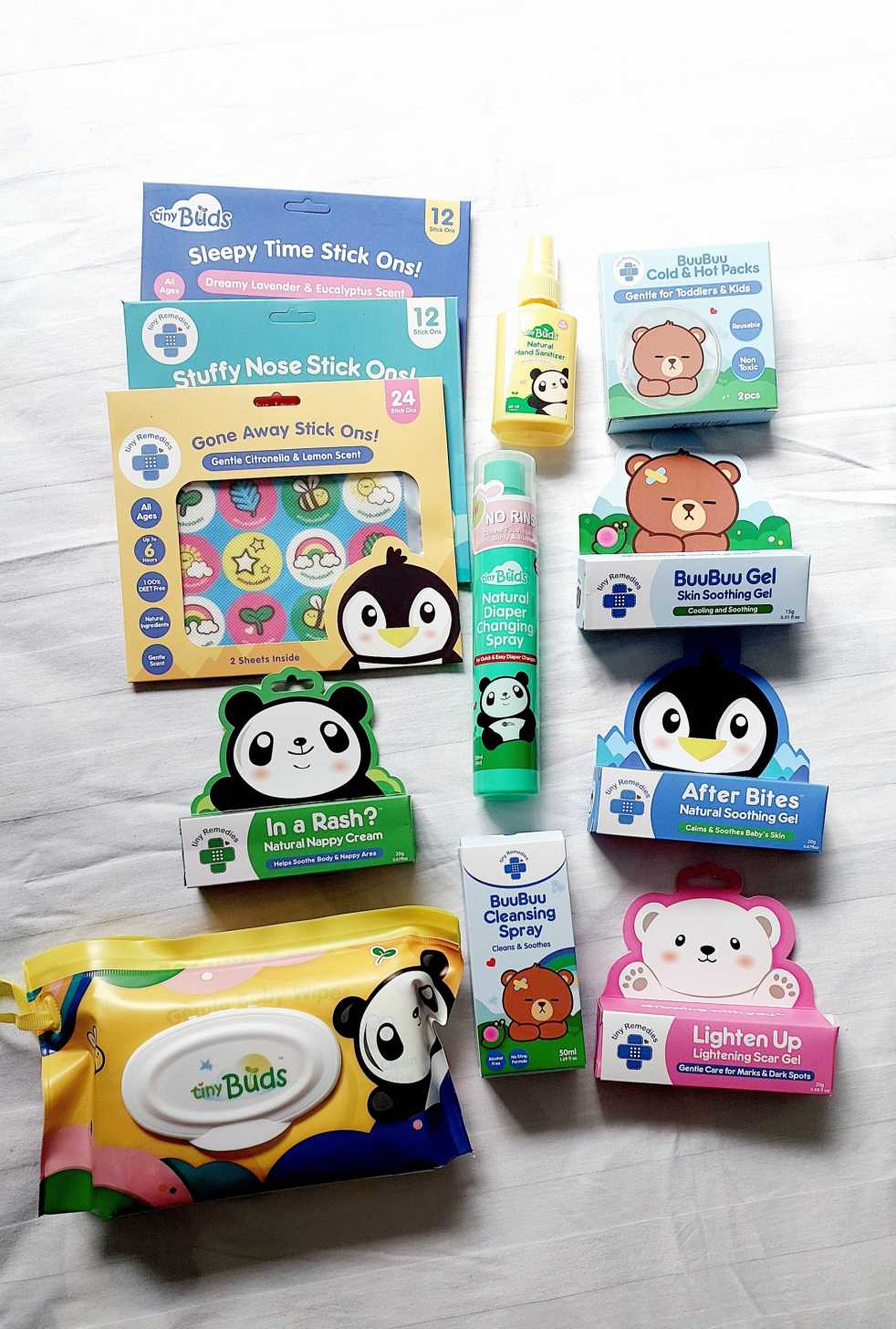
Your baby’s skin is more delicate than most, this is why you have to choose products that are designed for sensitive skin. Tiny Buds is a pioneer in integrating natural ingredients into baby care and today has over 50 innovative natural baby care essentials and is one of the Top Baby Personal Care brands. Here… Continue reading Product Review: Tiny Buds Baby Naturals Baby Essentials
Where your child goes to school is a big decision and shouldn’t be taken lightly. Given how their education can impact their future, you might be tempted to take control and decide for them. However, you might be doing more damage than helping them in the long run. Your job as parents is to support… Continue reading HOW TO CHOOSE THE BEST SCHOOL FOR YOUR CHILD
As poet and philosopher Rumi once eloquently said, “raise your words, not your voice. It is rain that grows flowers, not thunder.” Parenting is a challenging journey, and the truth is that nobody has everything figured out. One parenting style might suit others best, and some might favor other methods. However, children respond better to… Continue reading A SIMPLE GUIDE TO GENTLE PARENTING

Whether you’re a new mom to be, mom of a toddler, mom who have school-aged kids, you’re bound to have so many questions. Let's start with your baby's skin. Infant skin has unique needs; gentle care is essential to prevent damage to the skin barrier, which can lead to irritation. When caring for infant skin,… Continue reading Keeping Baby’s Diapered Skin Healthy
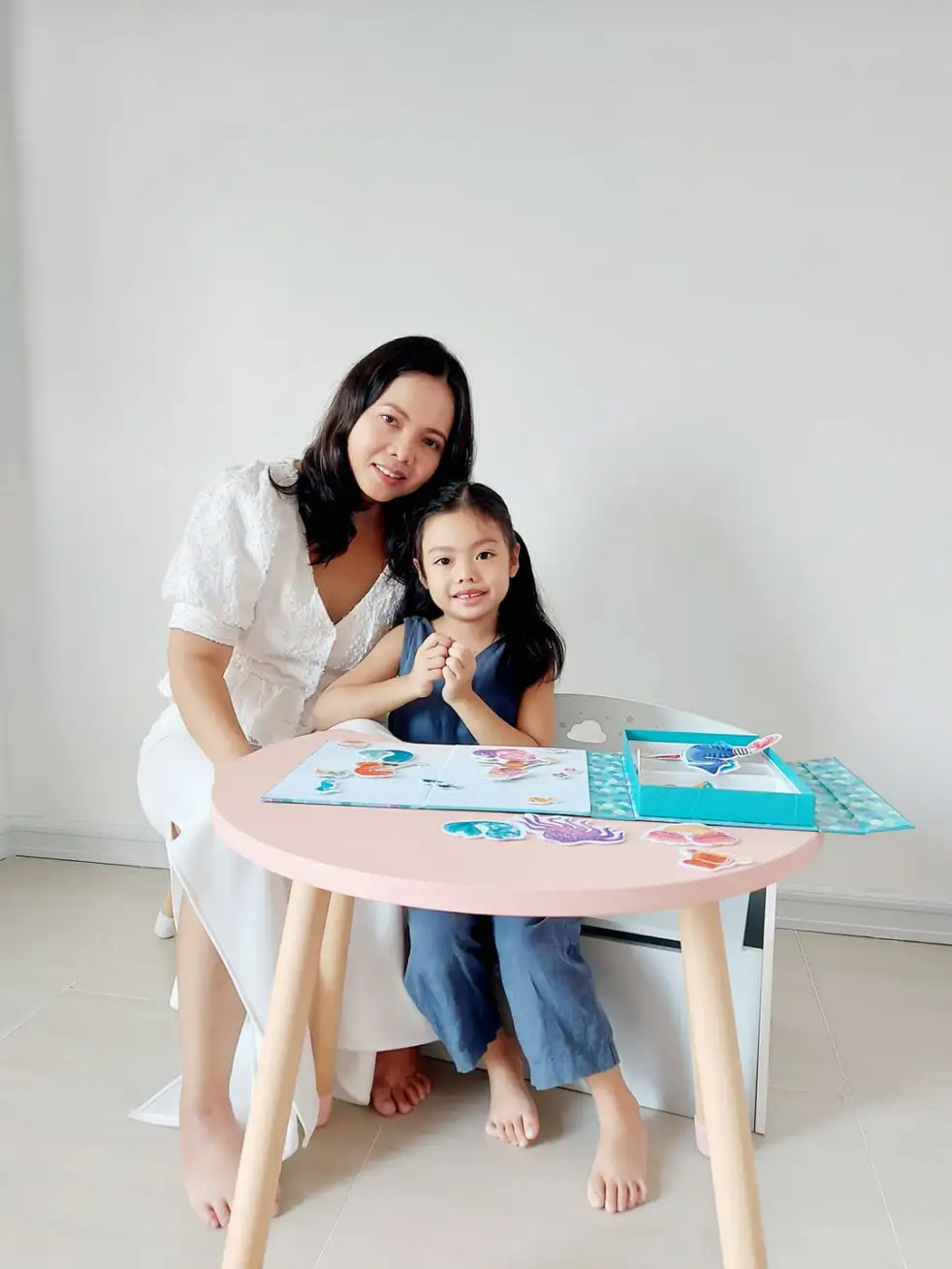
As parents, we want to give our child the best possible start in life and that begins with nurturing their intelligence. Throughout history, the notion of success has been linked to academic intelligence. However, there has been an increased awareness on the importance of emotional intelligence. This question gets at the heart of the never-ending… Continue reading IQ or EQ, which one is a better predictor of your child’s success?
 wondermomma.net