

Last August, IKEA Philippines engaged with Better World Smokey Mountain, a newly opened community center operated by the San Miguel Foundation, which shares a similar goal of improving the lives of many Filipino people. Through this partnership, IKEA Philippines provided and assembled home furnishings for the classrooms and library of Better World Smokey Mountain community… Continue reading Help Create a Better World with IKEA Soft Toys

NutriAsia, the country’s top producer of condiments and sauces, continues its support of Refill Revolution; a project by the Department of Environment and Natural Resources EMB 3 that aims to help reduce Filipinos’ single-use plastics consumption. At Refill Revolution, residents get to recycle their single-use plastic bottles by reusing and filling it with their choice… Continue reading NutriAsia and DENR renews partnership for Refill Revolution

How to Introduce Pets to Your Toddler for a Safe Bond
A family pet can become a treasured companion, teaching a toddler about kindness, patience, responsibility, and gentle care. Dogs and cats also offer comfort during everyday routines, from story time to quiet afternoons at home. Still, young children are naturally curious and may not understand when an animal needs space.
Safe pet introductions work best when adults guide every interaction. A toddler should never be expected to manage an excited puppy, a nervous rescue animal, or even a familiar family cat without supervision. The goal is to build trust gradually while protecting both the child and the pet.
Preparation matters as much as the first meeting. Consider your pet’s temperament, your toddler’s communication skills, and the layout of your home. With clear boundaries and repeated practice, your child can learn how to enjoy animal companionship in a calm and respectful way.
Understand Your Pet’s Temperament
Before bringing your toddler and pet together, observe how the animal responds to noise, sudden movement, touch, visitors, and changes in routine. A relaxed dog may tolerate household activity well, while a shy cat may hide when the home becomes busy. An animal that has a history of fear or aggression requires professional guidance before close contact with a young child.
Watch for early stress signals. Dogs may yawn, lick their lips, turn away, lower their body, tuck their tail, or show the whites of their eyes. Cats may flatten their ears, flick their tails, crouch, hiss, or retreat. These behaviors are communication, not misbehavior. Give the animal distance rather than forcing a toddler to continue interacting.
A veterinary checkup is useful when a new baby or toddler is entering the pet’s daily life. Ask about vaccinations, parasite prevention, dental concerns, and any pain that could make handling uncomfortable. A healthy animal is generally better prepared for the noise and activity of family life.
Prepare The Home Before The First Meeting
Create separate spaces before the introduction takes place. A baby gate, pet pen, crate, cat tree, or quiet room allows the animal to retreat without being followed. Keep food bowls, litter boxes, chew toys, and sleeping areas away from your toddler’s play zone. These boundaries protect resources that pets may guard.
Teach your child a few simple rules using the same words every time: “Gentle hands,” “Let the pet rest,” and “We do not pull.” Demonstrate open-palm strokes on a stuffed animal or doll before allowing touch. Toddlers learn through repetition, so short lessons are more effective than a long explanation.
Check the home for hazards that affect both sides. Secure electrical cords, small pet toys, medications, cleaning products, and litter supplies. Keep dog treats and cat food out of reach, since overeating or swallowing packaging can cause illness. Make sure doors and gates latch properly, especially in a busy household.
Plan A Calm First Interaction
Choose a quiet time when your toddler is fed, rested, and unlikely to become frustrated. If you are introducing a dog, allow the animal to exercise and relieve itself first. A calm walk can reduce excess energy, though an over-tired pet may also become irritable. For cats, provide access to a high perch or another safe retreat.
Let the pet approach at its own pace. Avoid holding a toddler directly over an animal, placing the child’s face near the pet’s face, or encouraging hugs. Instead, have your toddler sit beside you while the pet observes from a comfortable distance. Reward calm behavior with praise or a small treat, provided the animal is comfortable taking it.
Keep the first interaction brief, perhaps a few minutes, and finish while everyone is still relaxed. Several positive meetings are safer than one long session. If the pet walks away, allow that choice. A child can learn that affection includes respecting another living being’s “no.”
Teach Touch, Play, And Personal Space
Toddlers often explore by grabbing, squeezing, chasing, or reaching for tails and ears. Calmly block unsafe contact and redirect the child to a safer action. Show how to stroke along the shoulder or back rather than touching the face, paws, tail, or belly. Some pets enjoy gentle brushing, but this should happen only when an adult controls the activity.
Keep play predictable and supervised. Tossing a toy for a dog may be appropriate once the dog understands the game, while tugging games can be too intense for some toddlers. Do not allow a child to ride a dog, climb on a cat, take away a toy, or disturb an animal while it eats or sleeps.
Use a simple “pause and check” routine. Ask your toddler to stop, look at the pet’s body, and notice whether the animal stays loose and nearby or tries to move away. This builds early empathy without expecting the child to interpret every signal independently. An adult remains responsible for ending the interaction.
Build A Predictable Family Routine
Pets and toddlers both benefit from consistent schedules. Feeding, walks, naps, play, and quiet time can be arranged so the animal does not compete with the child for attention. A dog might receive a walk before the toddler’s most active play period, while a cat can have undisturbed time in another room during meals or bedtime.
| Family Situation | Safer Approach | Helpful Toddler Lesson |
|---|---|---|
| The pet is eating | Use a gate or keep the child with an adult elsewhere | Food is private |
| The pet is sleeping | Let the animal rest without touching | Rest deserves respect |
| The child wants to hug | Offer a gentle stroke with adult help | Affection needs permission |
| The pet becomes excited | Separate calmly and reduce stimulation | Everyone can take a break |
| Toys are mixed together | Keep animal toys in a designated basket | Ask before taking things |
| Visitors arrive | Give the pet a quiet retreat | New situations need space |
Family changes can affect pets and children emotionally. If your toddler is also adjusting to daycare, a steady home routine may provide reassurance. Resources about handling daycare separation can help parents support emotional transitions while keeping mornings predictable for the whole household.
Manage Hygiene And Health Safely
Handwashing should become part of the pet routine. Help your toddler wash after touching an animal, its toys, food bowls, bedding, or litter area, and always before eating. Keep your child away from feces, vomit, saliva on open cuts, and areas treated with flea or tick products until they are safe.
Regular grooming reduces loose hair, dirt, and parasites, but it does not remove the need for supervision. Keep vaccinations and parasite control current according to advice from a Philippine veterinarian. Children with eczema, allergies, asthma, or sensitive skin may need extra monitoring for rashes, sneezing, coughing, or breathing changes.
Teach your toddler to tell an adult about scratches, bites, or unusual behavior rather than hiding what happened. Wash minor scratches promptly with soap and running water, then seek medical advice when a wound is deep, involves the face or hands, or comes from an unfamiliar or unvaccinated animal. Any bite, even one that appears small, deserves careful attention.
Create Small Responsibilities With Supervision
A toddler can participate in pet care without being placed in charge. Children may help pour food with an adult, choose a toy, refill a water bowl while supervised, or place a soft blanket near the pet’s bed. These tasks should be simple, optional, and focused on care rather than control.
Praise specific behavior: “You waited while the cat finished eating,” or “You used gentle hands with the dog.” This connects kindness to an observable action. Avoid punishing a pet or child for fear-based reactions, since harsh responses can increase anxiety and make future interactions less predictable.
Some days, the safest choice is no direct contact. A tired toddler, an unwell pet, a noisy celebration, or a stressful family event can lower everyone’s patience. Separation is a positive safety tool, not a sign that the bond is failing.
Habits That Support A Safe Bond
- Supervise every interaction between a toddler and a pet, even when the animal is familiar.
- Give the pet a child-free retreat with food, water, bedding, and room to settle.
- Teach gentle touch through demonstrations, short practice sessions, and consistent language.
- Separate pets and children during meals, sleep, high-energy play, and moments of distress.
- Contact a veterinarian or qualified animal behavior professional when fear, guarding, chasing, or aggression appears.
A strong relationship grows through many brief, peaceful experiences. Let the pet choose contact, help your toddler notice body language, and protect daily periods of rest. With patient guidance, children can develop compassion while animals learn that family life includes safe boundaries.
Start with one calm interaction today, prepare the space around it, and keep supervision close. These small steps can help your toddler and pet form a trusting friendship that feels secure for everyone in the home.

Mercato Centrale, in collaboration with Indian Women in Enterprise Philippines (I-We), is set to host "The Great Indian Fiesta" to mark 75 years of friendship between India and the Philippines. The dynamic two-day event is scheduled to take place on September 30 to October 1, 2023, at Paseo De Roxas Street, Makati City. Aiming to… Continue reading Mercato Centrale Partners with I-We to Host ‘The Great Indian Fiesta’, Commemorating 75 Years of India-Philippines Friendship

My stomach would usually start growling at 10 am even after taking a big breakfast. This is probably because I am a morning person and I move a lot throughout the day hence snacking is something that I can't avoid. This potatoes and chicken wrap recipe is easy to prepare and would keep me full… Continue reading Potato and Chicken Wrap
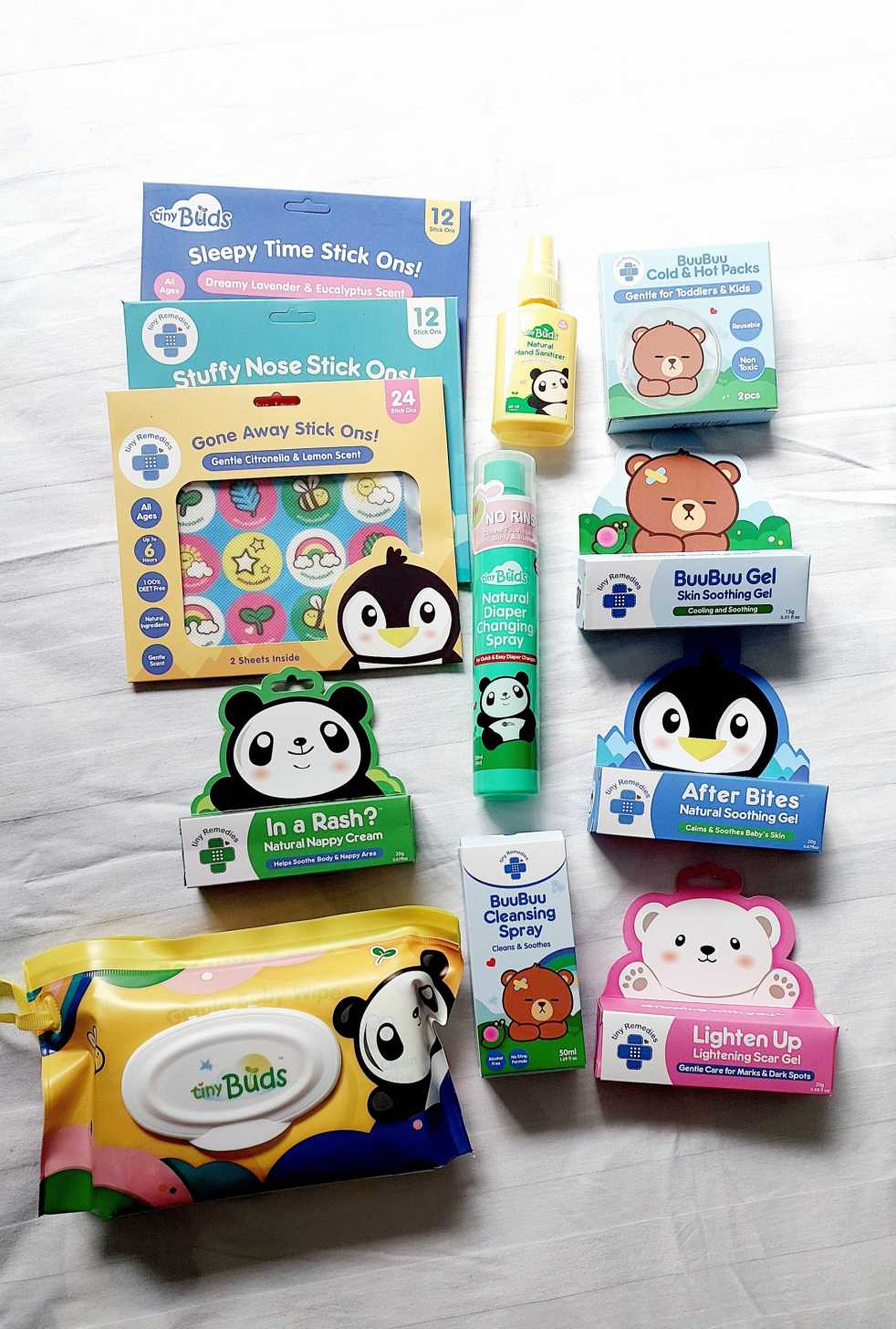
Your baby’s skin is more delicate than most, this is why you have to choose products that are designed for sensitive skin. Tiny Buds is a pioneer in integrating natural ingredients into baby care and today has over 50 innovative natural baby care essentials and is one of the Top Baby Personal Care brands. Here… Continue reading Product Review: Tiny Buds Baby Naturals Baby Essentials
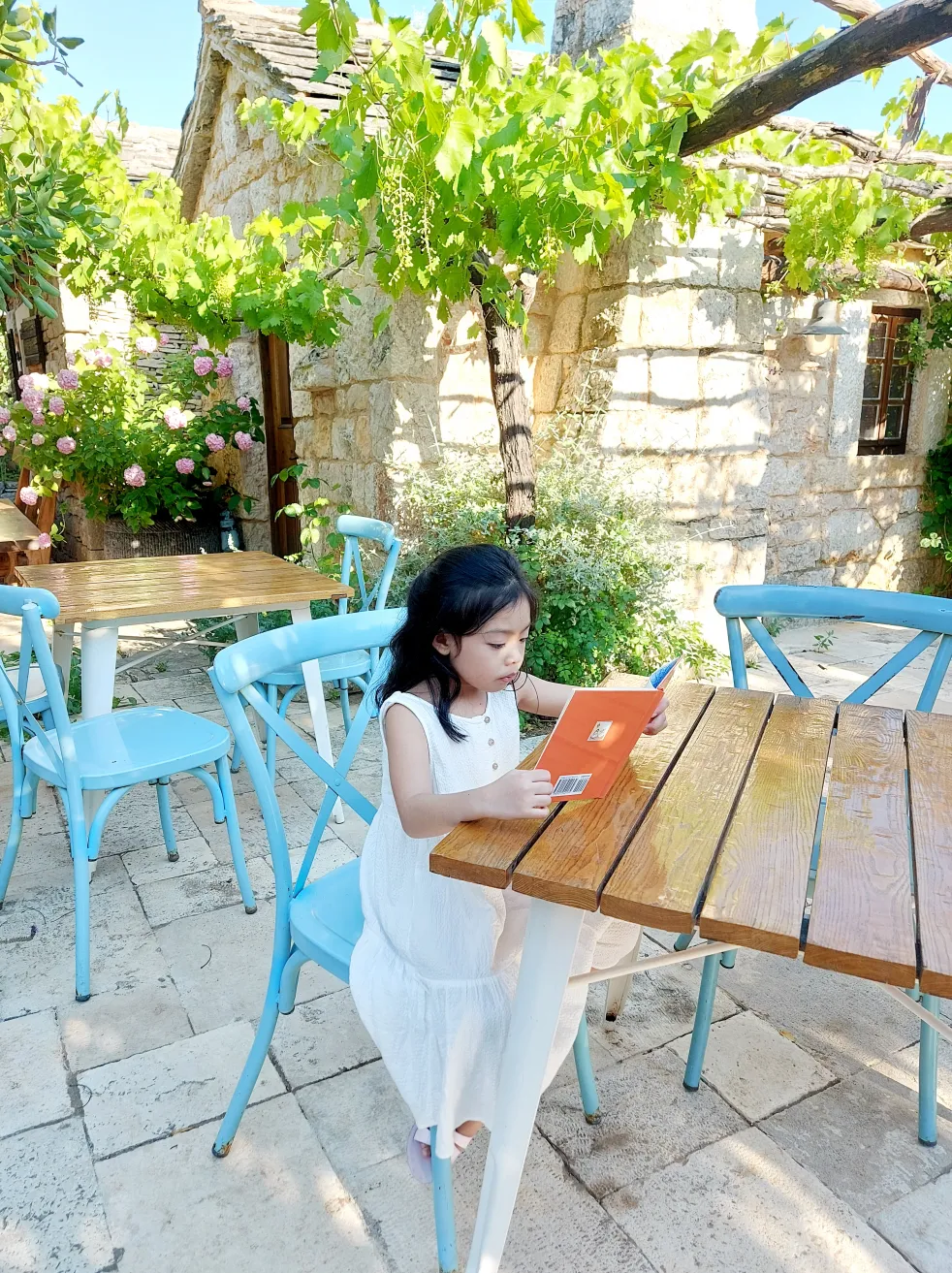
Where your child goes to school is a big decision and shouldn’t be taken lightly. Given how their education can impact their future, you might be tempted to take control and decide for them. However, you might be doing more damage than helping them in the long run. Your job as parents is to support… Continue reading HOW TO CHOOSE THE BEST SCHOOL FOR YOUR CHILD
As poet and philosopher Rumi once eloquently said, “raise your words, not your voice. It is rain that grows flowers, not thunder.” Parenting is a challenging journey, and the truth is that nobody has everything figured out. One parenting style might suit others best, and some might favor other methods. However, children respond better to… Continue reading A SIMPLE GUIDE TO GENTLE PARENTING
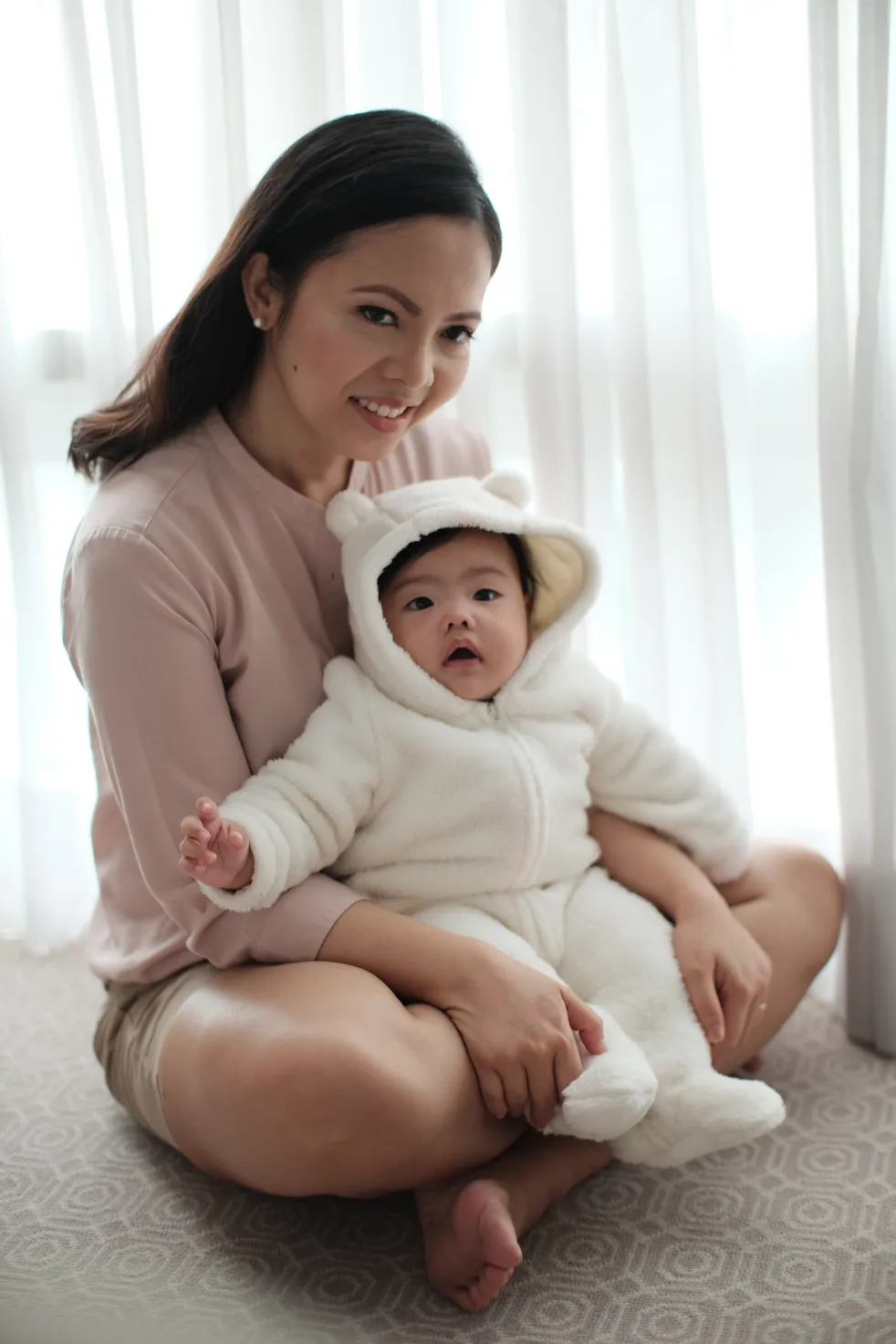
Whether you’re a new mom to be, mom of a toddler, mom who have school-aged kids, you’re bound to have so many questions. Let's start with your baby's skin. Infant skin has unique needs; gentle care is essential to prevent damage to the skin barrier, which can lead to irritation. When caring for infant skin,… Continue reading Keeping Baby’s Diapered Skin Healthy
As parents, we want to give our child the best possible start in life and that begins with nurturing their intelligence. Throughout history, the notion of success has been linked to academic intelligence. However, there has been an increased awareness on the importance of emotional intelligence. This question gets at the heart of the never-ending… Continue reading IQ or EQ, which one is a better predictor of your child’s success?
 wondermomma.net