

Last August, IKEA Philippines engaged with Better World Smokey Mountain, a newly opened community center operated by the San Miguel Foundation, which shares a similar goal of improving the lives of many Filipino people. Through this partnership, IKEA Philippines provided and assembled home furnishings for the classrooms and library of Better World Smokey Mountain community… Continue reading Help Create a Better World with IKEA Soft Toys
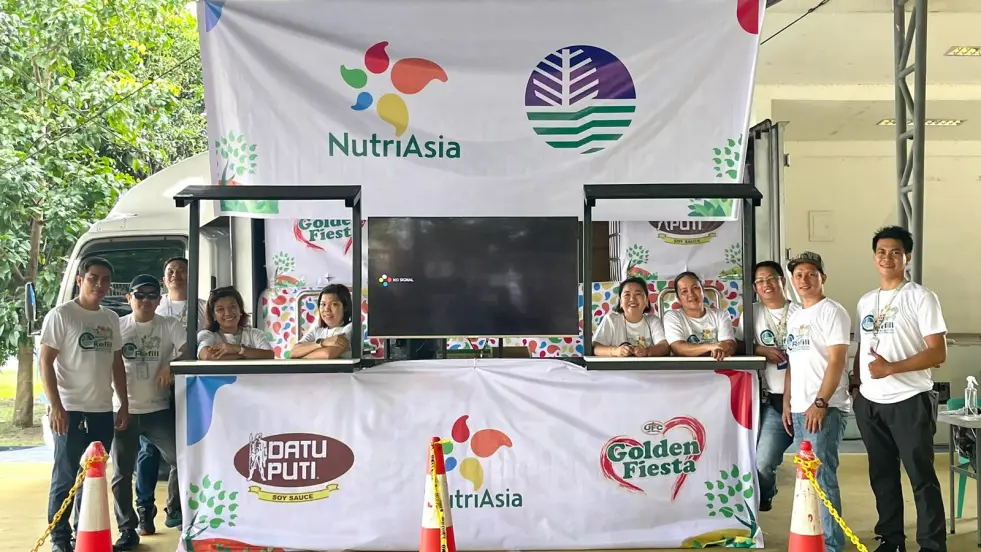
NutriAsia, the country’s top producer of condiments and sauces, continues its support of Refill Revolution; a project by the Department of Environment and Natural Resources EMB 3 that aims to help reduce Filipinos’ single-use plastics consumption. At Refill Revolution, residents get to recycle their single-use plastic bottles by reusing and filling it with their choice… Continue reading NutriAsia and DENR renews partnership for Refill Revolution
Introducing Allergenic Foods to Your Baby Safely
When you first hold your baby in your arms, the idea of feeding them foods that could trigger a reaction feels daunting. The good news is that Australian research has transformed how we think about early allergen introduction, and the current advice is far less restrictive than the rules many parents grew up with. Instead of avoiding common culprits, the Australasian Society of Clinical Immunology and Allergy (ASCIA) now actively encourages families to offer these foods in the first year of life.
The shift came after landmark studies such as the LEAP trial, which showed that early and regular exposure to peanut products dramatically reduced the likelihood of a peanut allergy later on. These findings shaped Australia's "Nip Allergies in the Bub" campaign, a national initiative designed to help parents understand how and when to introduce foods like egg, peanut, and sesame. For families in cities like Melbourne, Sydney, and Brisbane, this guidance is reinforced through local child health nurses, paediatric allergists, and community clinics that offer free feeding consultations during the first twelve months.
Australian families also benefit from access to evidence-based resources through Medicare-subsidised visits with GPs and allergists, plus support networks run by organisations such as Allergy and Anaphylaxis Australia. The result is a more confident feeding journey for parents and a measurable drop in childhood allergy rates over the past decade. Understanding the why behind the recommendations makes it easier to follow them at home.
Before you start, take a moment to read through your baby's readiness cues, gather a few simple supplies, and choose a calm morning when you can observe them closely. With preparation and the right mindset, you can introduce allergenic foods to your baby safely while still enjoying the messy, exciting milestone of starting solids.
The Updated Australian Guidelines Explained
The ASCIA guidelines, last revised in 2023, recommend introducing solid foods when your baby is around six months old and showing signs of readiness such as sitting with support and showing interest in family meals. Allergenic foods are no longer treated as a separate category to delay; instead, they are considered an essential part of the early feeding experience. Once your baby is tolerating a few low-risk foods like pureed vegetables or rice cereal, common allergens can be introduced one at a time, in small amounts, and continued regularly to maintain tolerance.
Australia's approach differs from older advice that suggested waiting until a child was three years old before offering peanut or egg. Local paediatricians in Adelaide and Perth have reported a clear drop in new allergy diagnoses among infants whose parents followed the newer protocols. The "Nip Allergies in the Bub" resources, available in several languages, walk parents through each food and explain how to spot a reaction versus a normal response to a new taste or texture.
It is worth noting that the guidelines apply to all babies, including those with mild or moderate eczema. In fact, infants with eczema are at higher risk of developing food allergies, which makes early introduction especially important for them. Your GP or local child health nurse can help assess your baby's individual risk and tailor a plan that suits your family's situation, including whether an allergist referral might be helpful before you begin.
Choosing the Right Time and Place
The best time to offer a new allergen is in the morning, ideally on a weekday morning rather than a weekend or holiday, so that pharmacies and medical clinics are easily accessible if you have concerns. Most Australian families find it convenient to introduce new foods before a feed, when the baby is hungry but not fussy, and to choose a moment when you can give them your full attention for at least two hours afterwards.
Avoid offering new allergens when your baby is unwell, has a rash, or is recovering from a recent immunisation. A calm, well-rested baby is more likely to tolerate the new experience and give you clearer cues about how they feel. Some Melbourne-based paediatric dietitians suggest keeping a simple food and symptom diary for the first few weeks of solids, which helps you track exposures and identify any patterns. Apps such as those recommended by the Royal Children's Hospital in Melbourne can make this tracking easier for busy parents.
It is also a good idea to involve your partner or another trusted adult during the first few introductions, so someone else can observe your baby's face and skin while you handle the food. This small step makes it easier to spot subtle changes like a few hives around the mouth or sudden tiredness.
Preparing Each Common Allergen Safely
The way you prepare an allergen matters as much as when you introduce it. For peanut, smooth Australian brands like Mayver's or Pic's Peanut Butter are ideal because they contain no added sugar, salt, or honey. Mix a small amount into breast milk, formula, or pureed fruit to create a thin paste that your baby can swallow safely. Whole peanuts and thick chunks are choking hazards and should never be given to babies under five.
Hard-boiled egg is one of the easiest foods to introduce. Mash a fully cooked yolk with a little breast milk or vegetable puree, and offer a small teaspoon at a time. If your baby tolerates the yolk, you can introduce the white a couple of days later, as the white contains more of the allergenic proteins. Some Sydney-based allergy clinics recommend egg as one of the first allergens because it is so widely used in Australian family meals, from breakfast scrambles to toddler-friendly sushi.
Cow's milk in cooked form, such as a béchamel sauce or a small amount of full-fat yoghurt, is generally well tolerated by babies older than six months. Unpasteurised milk and soft cheeses should still be avoided. For wheat, simple options include fortified infant cereal, plain wheat-based toast strips for older babies who can manage finger foods, or a little cooked pasta. Fish and shellfish are best introduced in pureed or finely flaked form, cooked through with no added salt, and offered early in the day to monitor for any reaction.
Soy is usually well accepted in the form of tofu or unsweetened soy yoghurt, both of which are widely available at Coles and Woolworths. Sesame can be introduced as a thin smear of tahini mixed into puree or a small amount of hummus, though always check labels for added salt and avoid whole sesame seeds until your baby is older.
Recognising a Mild Versus Serious Reaction
Most babies will not react to their first exposure to common allergens, but it is important to know the difference between a mild response and a medical emergency. A mild reaction might include a few hives around the mouth, slight swelling of the lips, or a short bout of vomiting. These symptoms usually appear within minutes and settle on their own, but you should still mention them to your GP at the next visit.
Signs of a moderate to severe reaction include widespread hives, facial swelling, wheezing, persistent coughing, difficulty breathing, pale skin, or sudden drowsiness. These can indicate anaphylaxis, which requires immediate treatment with an adrenaline injector such as EpiPen and a call to emergency services on 000. Australian ambulance services and hospital emergency departments are well equipped to manage paediatric allergic reactions, and paramedics can administer adrenaline on the spot if needed.
Keep your phone charged and within reach during the first few exposures, and consider saving the contact details of your nearest emergency department. In regional areas of Queensland or Western Australia, knowing the location of the closest hospital in advance can save precious minutes. Trust your instincts: if something does not feel right, call 000 or visit your closest emergency department straight away.
Mistakes to Avoid During Early Introduction
One of the most common mistakes Australian parents make is assuming that a tiny taste is enough. Research shows that tolerance builds through repeated, regular exposure, so offering a food once and never again does very little to prevent allergies. Aim to include each allergen in your baby's diet at least once or twice a week once introduced, adjusting the serving size as they grow.
Another misstep is hiding allergens in foods your baby dislikes, which can create a negative association with that meal. Instead, mix new allergens into familiar purees or pair them with a flavour your baby already enjoys. Parents sometimes delay introduction out of fear, waiting until the second birthday or relying on outdated advice from older relatives. Following the current ASCIA guidelines and not delaying past twelve months is one of the strongest steps you can take to protect your child.
Finally, skipping allergenic foods during travel or holidays can interrupt the routine and slow tolerance building. Pack small portions of smooth peanut butter sachets, boiled egg, or tahini paste when you visit family in places like Cairns or Hobart, so your baby continues to receive regular exposure even when away from home.
| Allergen | Best Form for Babies | Preparation Tip | First Serving Size |
|---|---|---|---|
| Peanut | Smooth unsalted paste such as Mayver's or Pic's | Stir into breast milk, formula, or fruit puree | 1/4 teaspoon |
| Egg | Hard-boiled yolk, then white once tolerated | Mash with vegetable puree or soft rice | 1/2 teaspoon |
| Cow's milk | Full-fat yoghurt or cooked into sauces | Use pasteurised products only | 2 teaspoons |
| Wheat | Fortified infant cereal or toast finger | Choose whole grain when possible | 1 tablespoon |
| Fish | Boneless, well-cooked flakes | Pair with sweet potato or pea puree | 1 teaspoon |
| Sesame | Smooth tahini or hummus | Spread thinly on toast or mix into puree | 1/4 teaspoon |
| Soy | Soft silken tofu or unsweetened yoghurt | Steam lightly or blend into fruit puree | 1 tablespoon |
Building a Confident Feeding Routine
Once your baby has tolerated a range of allergens, focus on variety rather than perfection. Offering different textures, colours, and combinations helps expand their palate and supports ongoing tolerance. Rotate through egg dishes, nut pastes, dairy, fish, and grains across the week, and involve your baby in family meals so they can observe how others enjoy these foods.
If your baby has eczema, work closely with your GP or dermatologist to keep their skin well moisturised, as healthy skin is part of the allergy prevention picture. Many Australian pharmacies, including chains like Chemist Warehouse, stock paediatric-approved moisturisers that can be used daily from infancy. Staying consistent with skin care and feeding routines creates a strong foundation for long-term food confidence.
Watchful Signs of an Early Allergic Response:
- A few raised hives around the mouth or cheeks within minutes of eating
- Sudden swelling of the lips, eyelids, or face
- Vomiting, gagging, or unusual distress shortly after the meal
- Sudden paleness, floppiness, or unusual tiredness within minutes
Calm, Confident Habits for the First Tastes:
- Offer the new allergen on a calm weekday morning when you are home
- Keep a charged phone, the EpiPen (if prescribed), and emergency contacts within reach
- Mix a small amount into a familiar food your baby already enjoys
- Repeat the allergen two to three times that same week to build tolerance
Remember that every baby is different, and a calm, responsive approach works best. With the right information, a bit of planning, and support from your local health team, introducing allergenic foods can be a positive and empowering part of your parenting journey.

Mercato Centrale, in collaboration with Indian Women in Enterprise Philippines (I-We), is set to host "The Great Indian Fiesta" to mark 75 years of friendship between India and the Philippines. The dynamic two-day event is scheduled to take place on September 30 to October 1, 2023, at Paseo De Roxas Street, Makati City. Aiming to… Continue reading Mercato Centrale Partners with I-We to Host ‘The Great Indian Fiesta’, Commemorating 75 Years of India-Philippines Friendship

My stomach would usually start growling at 10 am even after taking a big breakfast. This is probably because I am a morning person and I move a lot throughout the day hence snacking is something that I can't avoid. This potatoes and chicken wrap recipe is easy to prepare and would keep me full… Continue reading Potato and Chicken Wrap
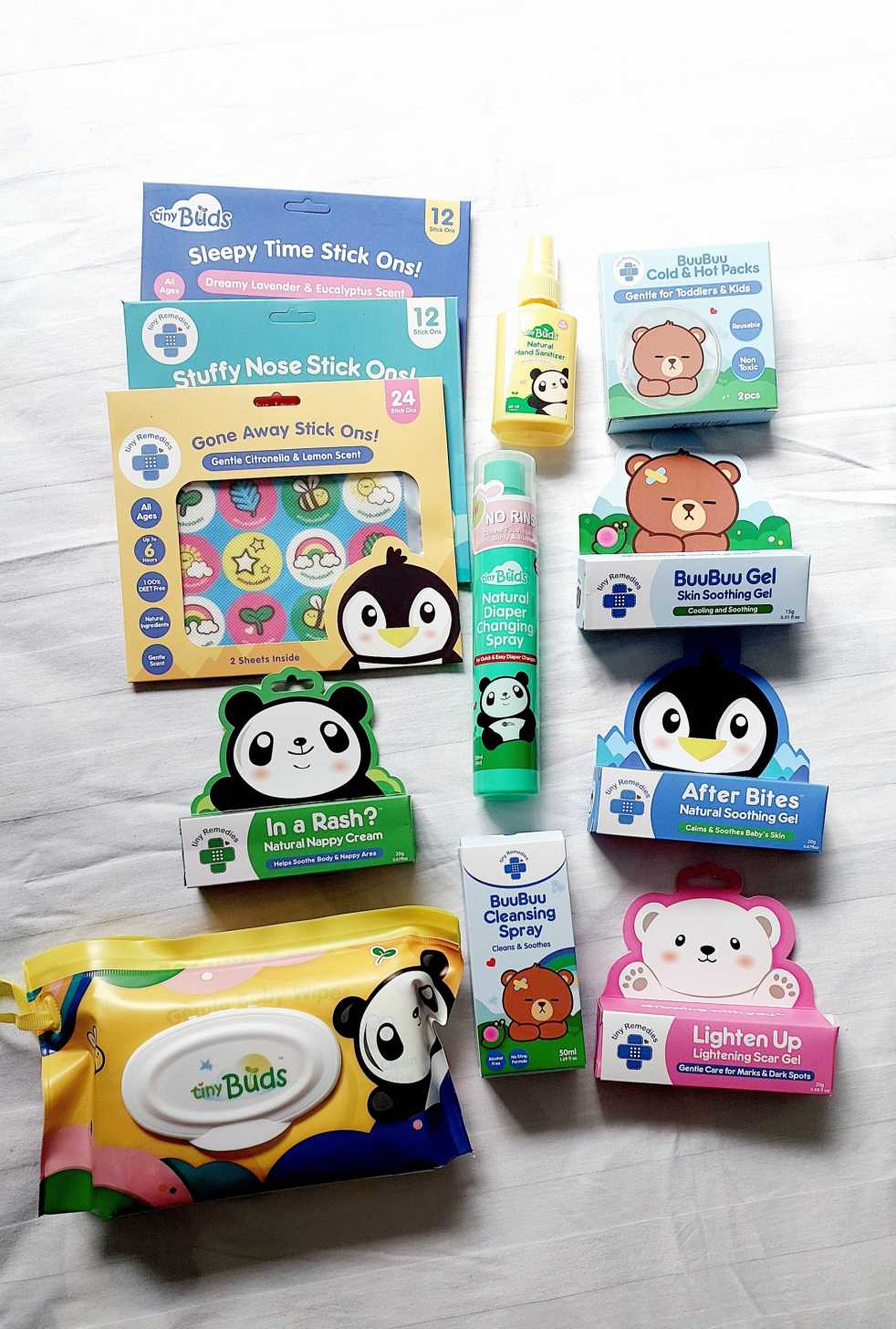
Your baby’s skin is more delicate than most, this is why you have to choose products that are designed for sensitive skin. Tiny Buds is a pioneer in integrating natural ingredients into baby care and today has over 50 innovative natural baby care essentials and is one of the Top Baby Personal Care brands. Here… Continue reading Product Review: Tiny Buds Baby Naturals Baby Essentials
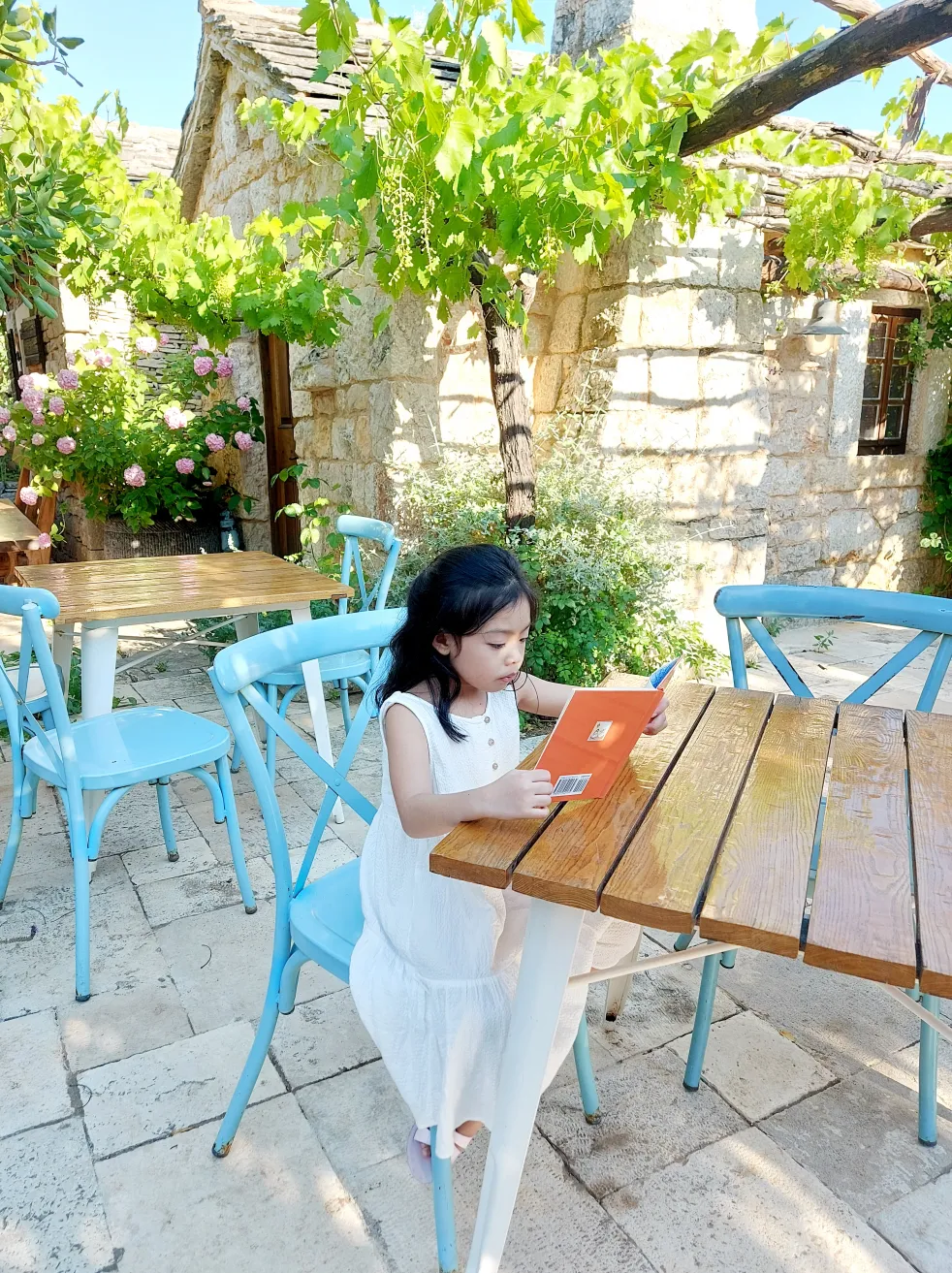
Where your child goes to school is a big decision and shouldn’t be taken lightly. Given how their education can impact their future, you might be tempted to take control and decide for them. However, you might be doing more damage than helping them in the long run. Your job as parents is to support… Continue reading HOW TO CHOOSE THE BEST SCHOOL FOR YOUR CHILD

As poet and philosopher Rumi once eloquently said, “raise your words, not your voice. It is rain that grows flowers, not thunder.” Parenting is a challenging journey, and the truth is that nobody has everything figured out. One parenting style might suit others best, and some might favor other methods. However, children respond better to… Continue reading A SIMPLE GUIDE TO GENTLE PARENTING

Whether you’re a new mom to be, mom of a toddler, mom who have school-aged kids, you’re bound to have so many questions. Let's start with your baby's skin. Infant skin has unique needs; gentle care is essential to prevent damage to the skin barrier, which can lead to irritation. When caring for infant skin,… Continue reading Keeping Baby’s Diapered Skin Healthy
As parents, we want to give our child the best possible start in life and that begins with nurturing their intelligence. Throughout history, the notion of success has been linked to academic intelligence. However, there has been an increased awareness on the importance of emotional intelligence. This question gets at the heart of the never-ending… Continue reading IQ or EQ, which one is a better predictor of your child’s success?
 wondermomma.net