

Last August, IKEA Philippines engaged with Better World Smokey Mountain, a newly opened community center operated by the San Miguel Foundation, which shares a similar goal of improving the lives of many Filipino people. Through this partnership, IKEA Philippines provided and assembled home furnishings for the classrooms and library of Better World Smokey Mountain community… Continue reading Help Create a Better World with IKEA Soft Toys

NutriAsia, the country’s top producer of condiments and sauces, continues its support of Refill Revolution; a project by the Department of Environment and Natural Resources EMB 3 that aims to help reduce Filipinos’ single-use plastics consumption. At Refill Revolution, residents get to recycle their single-use plastic bottles by reusing and filling it with their choice… Continue reading NutriAsia and DENR renews partnership for Refill Revolution

How to Introduce a Lovey to Your Baby for Better Sleep
A lovey is a small comfort object that can help a baby feel secure during naps, bedtime, and familiar daily routines. It may be a soft blanket, a little animal, or a fabric square that becomes associated with calm moments. For some children, this familiar item offers reassurance when a parent leaves the room or the environment changes.
The timing and method matter. A lovey should support healthy sleep habits rather than replace safe sleep practices, feeding, responsive care, or a consistent bedtime routine. Babies develop attachments at different rates, so there is no need to hurry the process if your child shows little interest.
Parents also need to separate comfort from sleep safety. Loose bedding, stuffed toys, pillows, and other soft items should stay out of a baby’s sleep space during the first year, following guidance from the American Academy of Pediatrics and your child’s healthcare provider. You can build familiarity during supervised awake time long before the lovey is ready to accompany your child at bedtime.
Choose a safe comfort object
Start with a small, lightweight lovey made from breathable fabric. A simple cotton or muslin square is often easier for a baby to hold than a large stuffed toy. Look for secure stitching, colorfast fabric, and a design without ribbons, cords, buttons, beads, sequins, plastic parts, or detachable decorations.
Avoid anything weighted, scented, heated, or attached to a pacifier. Long straps and loops can create an entanglement risk, while loose threads may wrap around tiny fingers. The lovey should be easy to wash because it will spend time on the floor, in a diaper bag, and near milk or food.
Check the item regularly for tears, thinning fabric, loose seams, or damaged features. Wash it according to the care instructions before offering it to your baby. If the material has a strong fragrance from detergent or packaging, rinse it again with a mild, fragrance-free product.
Build familiarity during the day
Introduce the comfort object while your baby is awake and supervised. Place it beside you during cuddles, story time, feeding, or a quiet song. You can gently hold it between you and your baby so it becomes connected with your warmth, voice, and relaxed presence.
At first, your baby may ignore it, mouth it, pull it away, or use it only as a toy. These responses are normal. Let your child explore safely without forcing the lovey into their hands or placing it over their face. A positive association grows through repeated, pleasant exposure.
Include the lovey in predictable rituals. For example, it can sit beside your baby during a diaper change before a nap, appear during a bedtime story, and be held during a final cuddle. When the same object appears at similar points each day, it becomes a gentle cue that the household is moving toward rest.
Families looking for more practical ideas about baby care and daily routines can browse WonderMomma’s parenting resources alongside advice from their pediatrician.
Connect it with a calming bedtime routine
A lovey works best as one part of a reliable sleep routine. A sequence such as bath, pajamas, feeding, tooth or gum care, a short story, cuddles, and a lullaby can help your baby understand what comes next. Keep the routine short enough to repeat consistently, even on busy evenings.
Use the same calm language each time. You might say, “Your lovey is here, and it is time to rest,” while offering a cuddle. The words themselves do not need to be elaborate; your steady tone and predictable actions are more important.
Keep the room comfortable, dim, and free from unnecessary stimulation. If your baby becomes excited by the lovey, take it out of the activity and return to a quiet song or embrace. The goal is to create a soothing sleep association, not another source of play before bed.
If your baby wakes during the night, respond according to their age, needs, and your family’s approach. A comfort object may provide reassurance, but hunger, illness, teething discomfort, a wet diaper, or a need for connection still deserves attention.
Follow age-appropriate sleep safety
For babies younger than 12 months, place your child on their back on a firm, flat, separate sleep surface with a fitted sheet. Keep the crib, bassinet, or play yard free of the lovey and all other loose objects while your baby is sleeping. During this stage, the lovey can be used only when an awake adult is supervising.
Around the first birthday, many healthy babies can begin having a small comfort object in the sleep space, but individual development matters. A baby who cannot move an item away from their face, has limited mobility, or has a medical condition may need a more cautious plan. Ask your pediatrician when you are unsure.
Never drape the lovey over your baby’s face, secure it to the crib, tuck it under the mattress, or attach it to clothing during sleep. Do not use it as a cover. A comfort object should remain loose and easy for an older, mobile child to move independently.
The following guide can help you decide how to use a lovey at different stages:
| Baby’s stage | Appropriate use | Safety reminder |
|---|---|---|
| Newborn to 6 months | Offer brief supervised exploration during cuddles and quiet play | Keep the lovey out of the sleep space |
| 6 to 12 months | Use it during stories, feeding, and pre-sleep cuddles with an adult nearby | Remove it before placing your baby down to sleep |
| Around 12 months and older | Consider a small, simple lovey for naps or bedtime if your child is developmentally ready | Check that it has no cords, loose parts, or damaged seams |
| Toddler years | Allow the child to help choose when and where to use it | Keep a spare clean version and inspect it regularly |
Make the transition gradual
Some babies immediately reach for a lovey, while others need several weeks before showing a preference. Begin with short periods of use rather than making it part of every sleep. This gives your baby time to form a connection without making the object feel unfamiliar or compulsory.
You can place the lovey near your baby during a supervised contact nap, stroller walk, or reading session. If your child turns away, simply try again another day. Respecting their signals helps keep the experience gentle and avoids turning comfort into a struggle.
When the lovey becomes part of bedtime, keep other soothing tools available. Your voice, touch, rocking, white noise, and a familiar room can continue to support your baby. This prevents the child from depending on a single object for every moment of calm.
If your baby becomes distressed when the lovey is unavailable, acknowledge the feeling and offer another familiar comfort. A short phrase such as “The lovey is being washed; your cuddle is here” validates the disappointment while teaching flexibility.
Prevent attachment problems and lost-lovey panic
Once your child becomes attached, purchase one or two identical loveys if possible. Rotate them so each one receives similar washing and wear. A backup can prevent a major bedtime disruption if the original is lost, damaged, or left at daycare.
Store the spare in a safe, consistent place rather than giving both to your child at once if the extras create distraction. For toddlers, you can practice putting the lovey in a basket during the day and finding it again later. This turns caring for the object into a manageable routine.
Create a simple travel plan before visiting relatives or staying in a hotel. Pack the lovey in a labeled bag, keep it out of the laundry pile, and check the room before leaving. Older toddlers can help place it in the travel bag, which gives them a sense of participation.
A lovey should remain a source of comfort, never a reward that can be taken away to control behavior. If it becomes dirty, worn, or unsafe, explain the change calmly and replace it with the backup. Consistent limits are easier for children to accept when the adult remains warm and matter-of-fact.
Helpful habits for peaceful sleep
Small adjustments can make the comfort object easier to introduce and maintain:
- Choose a breathable lovey with a simple design and no detachable or hanging parts.
- Offer it during supervised cuddles, stories, and calming routines before using it around sleep.
- Keep all soft objects out of the sleep space for babies under 12 months.
- Wash and inspect the lovey regularly, and keep an identical spare available.
- Let the lovey complement responsive parenting and a predictable routine rather than replace them.
Notice your baby’s individual response
A lovey may help some babies settle, but it is not a guaranteed sleep solution. Your child’s temperament, age, developmental stage, feeding pattern, health, and surroundings all influence sleep. Some children prefer a parent’s voice or touch, while others form a strong attachment to fabric, a toy, or a particular bedtime song.
Watch how your baby interacts with the object. Comforting signs may include holding it during a story, relaxing when it appears, or looking for it during a familiar routine. Stop using it and seek advice if it causes coughing, overheating, skin irritation, facial covering, or unsafe behavior.
Sleep concerns that persist, such as frequent waking with breathing difficulties, loud snoring, unusual movements, poor feeding, or significant daytime tiredness, deserve medical attention. A pediatrician can help you distinguish ordinary sleep changes from issues that require further support.
Begin with connection, keep safety at the center, and allow attachment to develop at your baby’s own pace. Choose a suitable lovey, weave it into calm daytime and bedtime rituals, and review its safety as your child grows. Save this guide for future reference and share it with the caregivers who help make your baby’s sleep routine consistent.

Mercato Centrale, in collaboration with Indian Women in Enterprise Philippines (I-We), is set to host "The Great Indian Fiesta" to mark 75 years of friendship between India and the Philippines. The dynamic two-day event is scheduled to take place on September 30 to October 1, 2023, at Paseo De Roxas Street, Makati City. Aiming to… Continue reading Mercato Centrale Partners with I-We to Host ‘The Great Indian Fiesta’, Commemorating 75 Years of India-Philippines Friendship

My stomach would usually start growling at 10 am even after taking a big breakfast. This is probably because I am a morning person and I move a lot throughout the day hence snacking is something that I can't avoid. This potatoes and chicken wrap recipe is easy to prepare and would keep me full… Continue reading Potato and Chicken Wrap
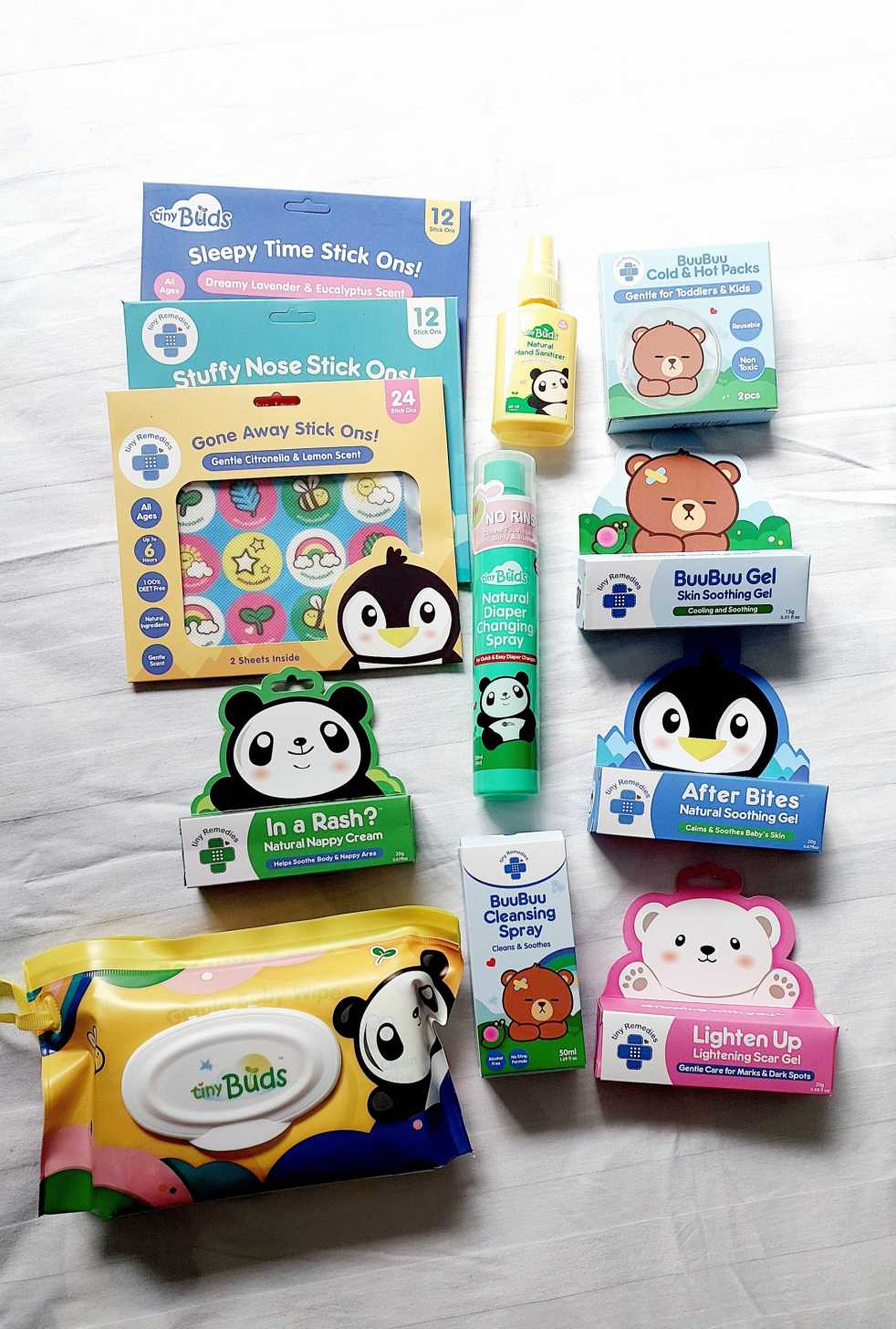
Your baby’s skin is more delicate than most, this is why you have to choose products that are designed for sensitive skin. Tiny Buds is a pioneer in integrating natural ingredients into baby care and today has over 50 innovative natural baby care essentials and is one of the Top Baby Personal Care brands. Here… Continue reading Product Review: Tiny Buds Baby Naturals Baby Essentials
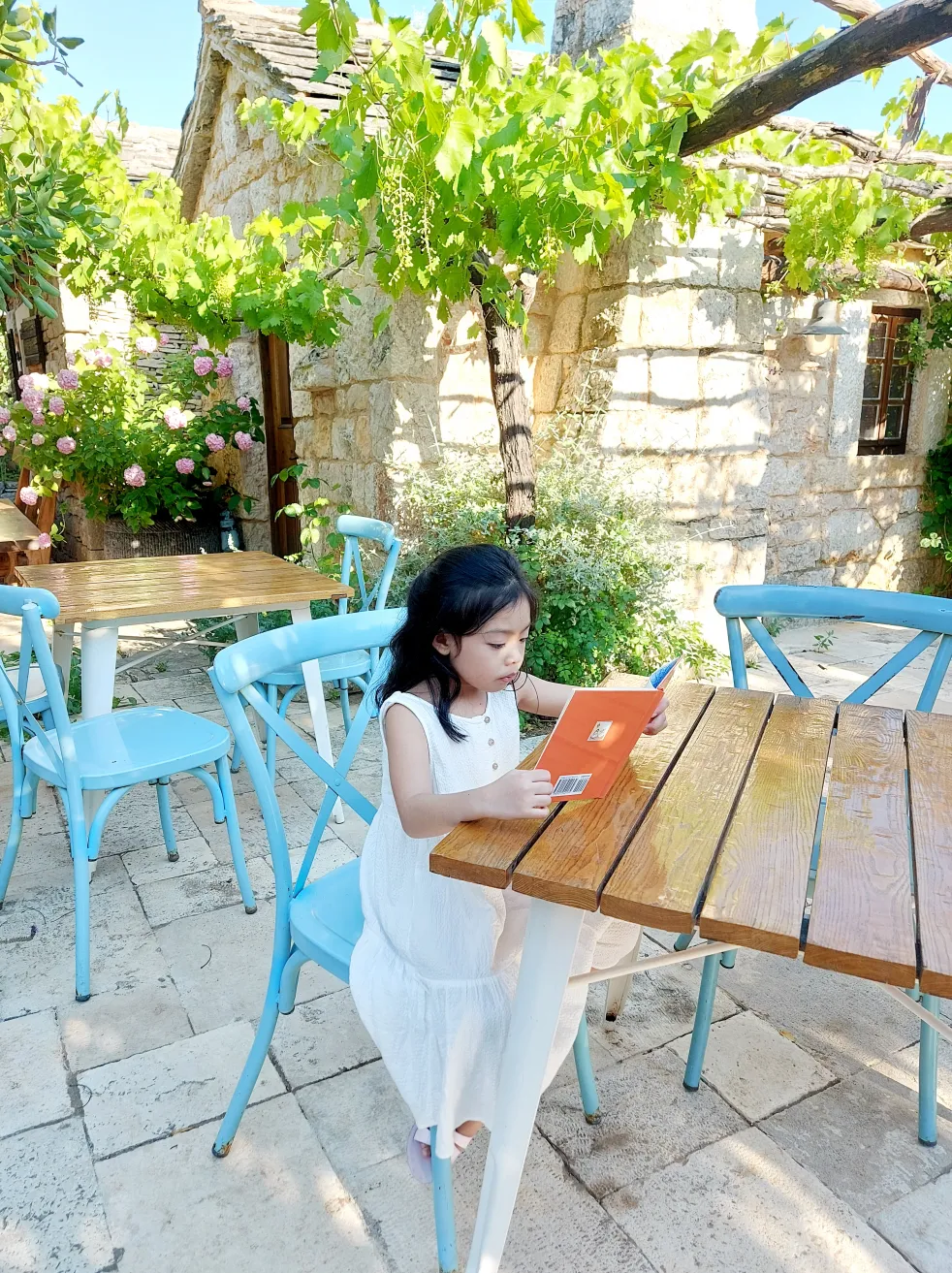
Where your child goes to school is a big decision and shouldn’t be taken lightly. Given how their education can impact their future, you might be tempted to take control and decide for them. However, you might be doing more damage than helping them in the long run. Your job as parents is to support… Continue reading HOW TO CHOOSE THE BEST SCHOOL FOR YOUR CHILD
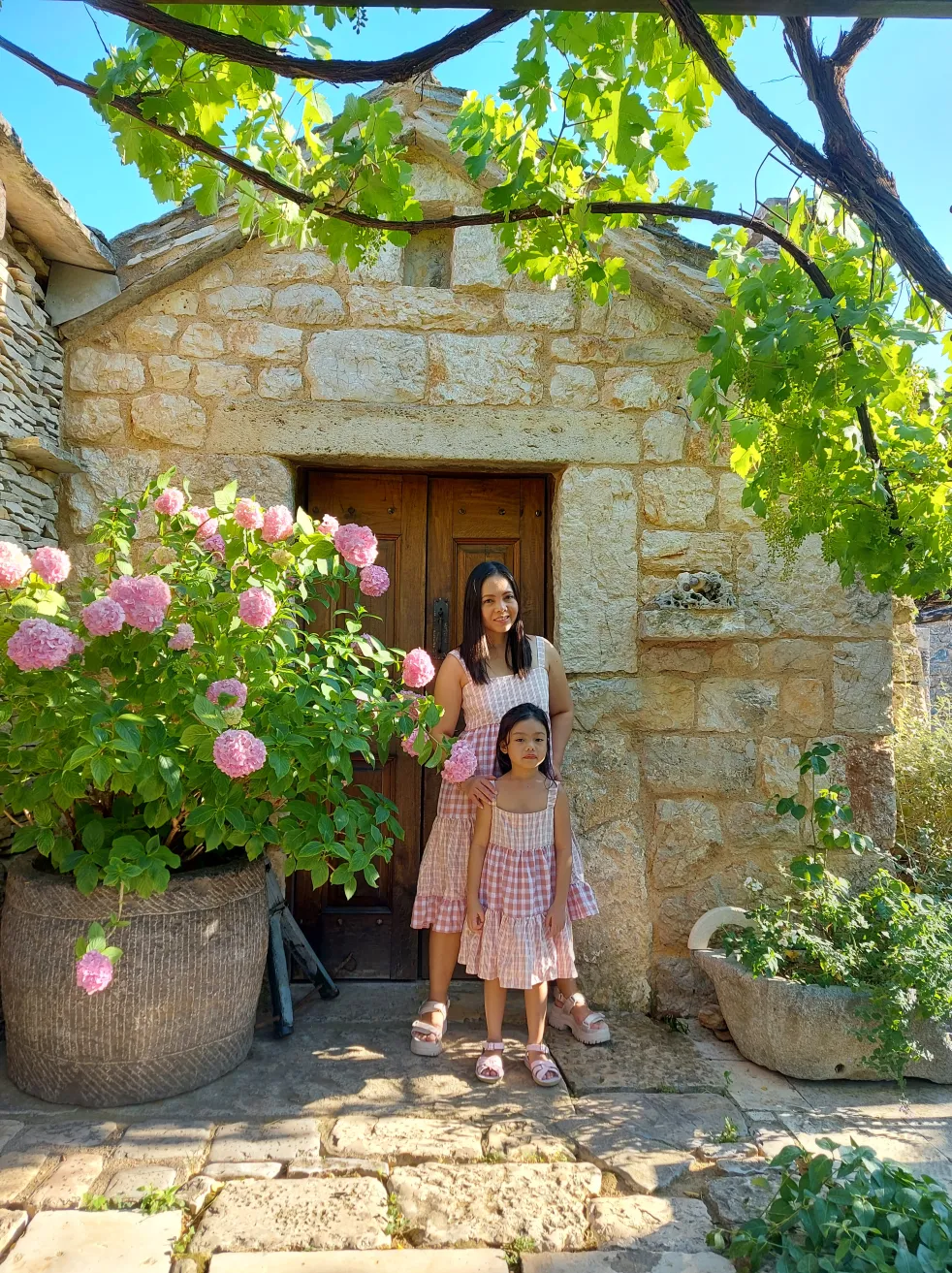
As poet and philosopher Rumi once eloquently said, “raise your words, not your voice. It is rain that grows flowers, not thunder.” Parenting is a challenging journey, and the truth is that nobody has everything figured out. One parenting style might suit others best, and some might favor other methods. However, children respond better to… Continue reading A SIMPLE GUIDE TO GENTLE PARENTING
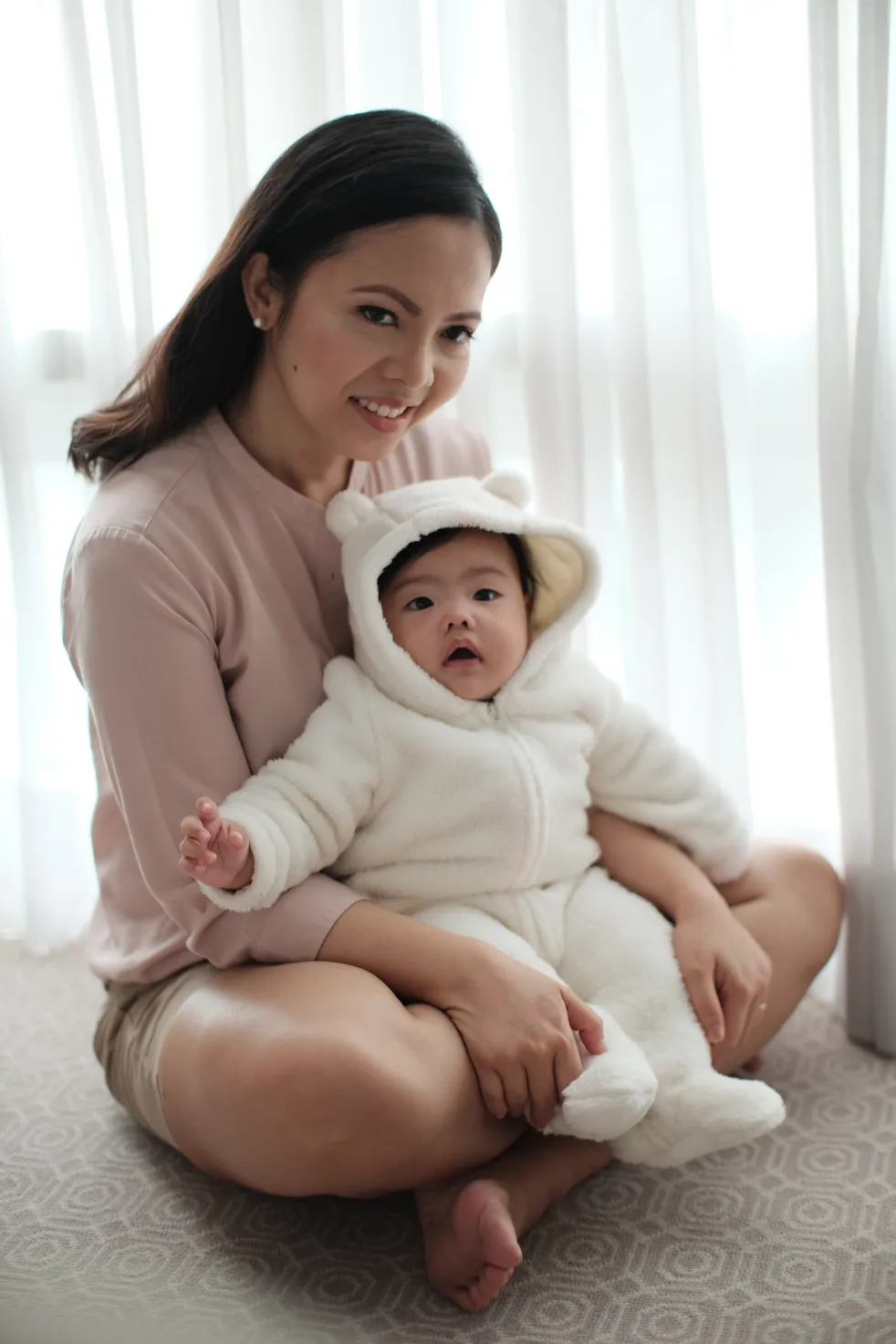
Whether you’re a new mom to be, mom of a toddler, mom who have school-aged kids, you’re bound to have so many questions. Let's start with your baby's skin. Infant skin has unique needs; gentle care is essential to prevent damage to the skin barrier, which can lead to irritation. When caring for infant skin,… Continue reading Keeping Baby’s Diapered Skin Healthy
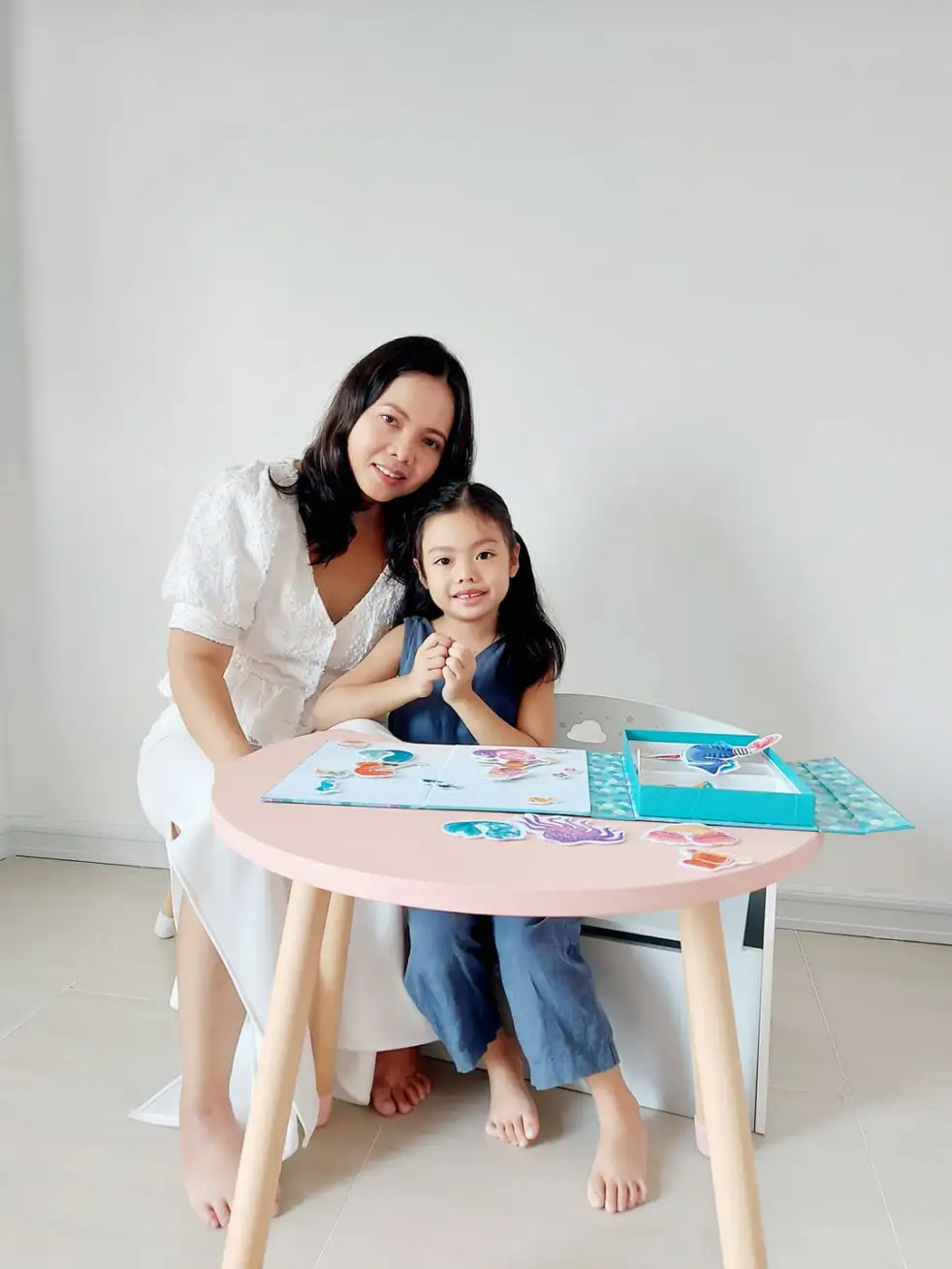
As parents, we want to give our child the best possible start in life and that begins with nurturing their intelligence. Throughout history, the notion of success has been linked to academic intelligence. However, there has been an increased awareness on the importance of emotional intelligence. This question gets at the heart of the never-ending… Continue reading IQ or EQ, which one is a better predictor of your child’s success?
 wondermomma.net