

Last August, IKEA Philippines engaged with Better World Smokey Mountain, a newly opened community center operated by the San Miguel Foundation, which shares a similar goal of improving the lives of many Filipino people. Through this partnership, IKEA Philippines provided and assembled home furnishings for the classrooms and library of Better World Smokey Mountain community… Continue reading Help Create a Better World with IKEA Soft Toys

NutriAsia, the country’s top producer of condiments and sauces, continues its support of Refill Revolution; a project by the Department of Environment and Natural Resources EMB 3 that aims to help reduce Filipinos’ single-use plastics consumption. At Refill Revolution, residents get to recycle their single-use plastic bottles by reusing and filling it with their choice… Continue reading NutriAsia and DENR renews partnership for Refill Revolution

Helping children feel safe when the lights go out
Fear of the dark is common in early childhood. A child who happily plays in a sunny room may become tense when the bedroom lights are switched off, especially after a vivid dream, a scary story or a change in their routine. For many children, darkness makes ordinary sounds and shadows feel much bigger than they are.
This fear is usually part of healthy development rather than a sign that something is wrong. Young children have active imaginations, yet they are still learning to separate pretend events from real danger. Their growing independence can also make bedtime feel like a long period away from a trusted parent.
A calm, predictable response can help your child build confidence. The goal is not to force them to “be brave” instantly, but to show that nighttime is safe and that they have manageable ways to cope with uncomfortable feelings.
Understand what may be behind the fear
Children may be afraid of monsters, burglars, animals, shadows or noises they cannot identify. A jacket hanging on a door can look like a person, while a tree branch moving across the curtains can seem like something alive. These fears often become stronger after watching frightening television, hearing older siblings talk about scary topics or reading an intense story before bed.
Changes at home can also bring nighttime worries to the surface. Starting childcare or school, moving house, welcoming a new baby and parental separation may leave a child needing extra reassurance. A child who has recently experienced a thunderstorm, power outage or frightening event may connect darkness with that memory.
Listen without dismissing the feeling. Saying “There is nothing to be scared of” may be intended to reassure, but it can sound as though the child’s experience does not matter. Try, “The dark feels scary tonight. I’m here with you, and we can make your room feel safer.” This validates the emotion without agreeing that a real threat is present.
Create a reassuring bedtime environment
A consistent evening rhythm helps children know what will happen next. A bath, pyjamas, teeth, a story, a cuddle and a short goodnight phrase can create a sense of security. Keep the routine similar on school nights and weekends, while allowing a little flexibility for family events, travel or visits from relatives.
Check the room together before lights-out. Look behind the curtains, under the bed and inside the wardrobe if this genuinely helps your child settle. Then use a clear closing ritual, such as saying, “The room is checked, the doors are secure and your body is ready for sleep.” Repeating the same words can gradually reduce the need for lengthy inspections.
A soft night-light may help, especially if it gives off warm, gentle light rather than a bright blue glow. Place it where it does not shine directly into your child’s eyes, and avoid projecting frightening shapes onto the walls. In Australia, families can find child-friendly night-lights at retailers such as Kmart, Big W and Target, as well as through independent baby stores. A dim bedside lamp with a timer can work just as well.
Keep the bedroom comfortable for local conditions. A hot summer evening in Brisbane or Perth can make children restless, while a chilly night in Melbourne or Canberra may increase the urge to call out. Light cotton sleepwear, suitable bedding, a quiet fan and safe room ventilation can make settling easier. Follow safe sleep advice for babies and never place loose electrical cords, heavy blankets or unstable lamps within reach.
Teach practical ways to manage nighttime worry
Give your child a small set of coping tools rather than offering constant reassurance. A favourite soft toy, a family photo, a comfort blanket for an age-appropriate child or a torch kept beside the bed can provide a sense of control. A torch should be used briefly and safely, rather than turned into an exciting game that delays sleep.
Practise calming skills during the day. Ask your child to breathe in slowly through the nose and out like they are cooling hot soup. They can place one hand on their tummy and notice it rising and falling. Simple phrases such as “I am safe in my bed” or “Mum will check on me soon” can become familiar mental anchors.
Creative play can make the unknown feel more manageable. Draw the “worry monster” and give it a silly hat, make a paper badge that says “nighttime helper” or invent a story in which a small character learns to sleep peacefully. Avoid creating a detailed monster-fighting routine, since this can accidentally suggest that monsters might be real and need to be defeated every night.
| Helpful response | Why it works | What to avoid |
|---|---|---|
| “You feel worried, and I’m close by.” | Acknowledges the emotion and offers connection | Laughing at the fear |
| A dim, warm night-light | Makes the room easier to recognise | Bright screens or flashing lights |
| A brief room check | Gives a predictable boundary | Repeated searches under the bed |
| Slow breathing and a comfort object | Builds independent coping skills | Staying for hours every night |
| Gradual practice with less light | Develops confidence at a manageable pace | Turning off every light suddenly |
Build confidence gradually
If your child needs a parent to remain in the room, change the pattern slowly. Start by sitting beside the bed, then move the chair a little farther away every few nights. After that, sit near the doorway before leaving for short, predictable intervals. Return when you said you would, so your child learns that separation is temporary and dependable.
Some children respond well to a “check-in plan”. Explain that you will come back after two minutes, then five minutes, using a quiet voice and keeping the visit brief. A visual clock or a simple picture schedule may help preschoolers understand the sequence. Praise the specific effort: “You stayed in bed and used your breathing while you waited.”
Avoid sneaking out once your child is distracted. Although it may seem easier in the moment, discovering that you have disappeared can increase vigilance the following night. It is kinder to give a short, consistent goodbye and follow through with the agreed plan.
Daytime exposure to gentle darkness can also help. Sit together in a dim room while listening to music, play with a torch under a blanket or spend a few minutes outside at dusk. Families in Sydney or Adelaide may use the later light of summer evenings for this practice, while daylight saving in some states can shift children’s natural bedtime cues. Keep the activity relaxed and stop before your child becomes overwhelmed.
Know when extra support may help
Most children gradually become less afraid as their imagination, reasoning and self-soothing skills develop. Progress may be uneven, particularly after illness, a family disruption, a move or a stressful event. Look for small signs of improvement, such as needing fewer checks, settling more quickly or using a calming phrase without prompting.
Seek advice from your GP, child and family health nurse or psychologist if fear of the dark regularly causes intense distress, severe sleep loss, nightmares, panic, school refusal or daytime anxiety. Professional guidance is also worthwhile when the fear begins suddenly after a frightening experience or continues to affect the whole household for several weeks.
An Australian GP can help determine whether the issue is an ordinary developmental fear, a broader anxiety pattern or a response to a recent event. Depending on your child’s age and needs, they may suggest a referral to a paediatrician or mental health professional. Support is available through local community health services, and families can ask about costs, referral requirements and options through the Medicare system.
Make reassurance part of family life
A secure bedtime grows from connection throughout the day. Ten minutes of child-led play, a calm chat after school or a cuddle before dinner can fill your child’s emotional cup before nighttime arrives. When children feel noticed and listened to during daylight hours, they may have less need to seek prolonged reassurance after lights-out.
Avoid using darkness as a threat or discipline. Warnings such as “The dark will get you” can turn an ordinary bedtime setting into evidence of danger. Keep media choices age-appropriate, and remember that even a short trailer or news report can stay in a young child’s mind longer than expected.
Families can also create a gentle record of progress. A sticker chart may suit some preschoolers, while older children might keep a short sleep diary. You could pair it with a personal family ritual, such as writing down a brave moment or keeping a small notebook beside the bed. Parents who enjoy recording family memories may find ideas in this motherhood journal guide, adapting the practice for nighttime achievements.
The aim is steady confidence rather than perfect sleep every evening. With empathy, consistent boundaries and practical coping tools, your child can learn that feeling afraid does not mean being unsafe. Over time, the dark becomes a familiar part of bedtime instead of a problem that controls the entire routine.

Mercato Centrale, in collaboration with Indian Women in Enterprise Philippines (I-We), is set to host "The Great Indian Fiesta" to mark 75 years of friendship between India and the Philippines. The dynamic two-day event is scheduled to take place on September 30 to October 1, 2023, at Paseo De Roxas Street, Makati City. Aiming to… Continue reading Mercato Centrale Partners with I-We to Host ‘The Great Indian Fiesta’, Commemorating 75 Years of India-Philippines Friendship

My stomach would usually start growling at 10 am even after taking a big breakfast. This is probably because I am a morning person and I move a lot throughout the day hence snacking is something that I can't avoid. This potatoes and chicken wrap recipe is easy to prepare and would keep me full… Continue reading Potato and Chicken Wrap
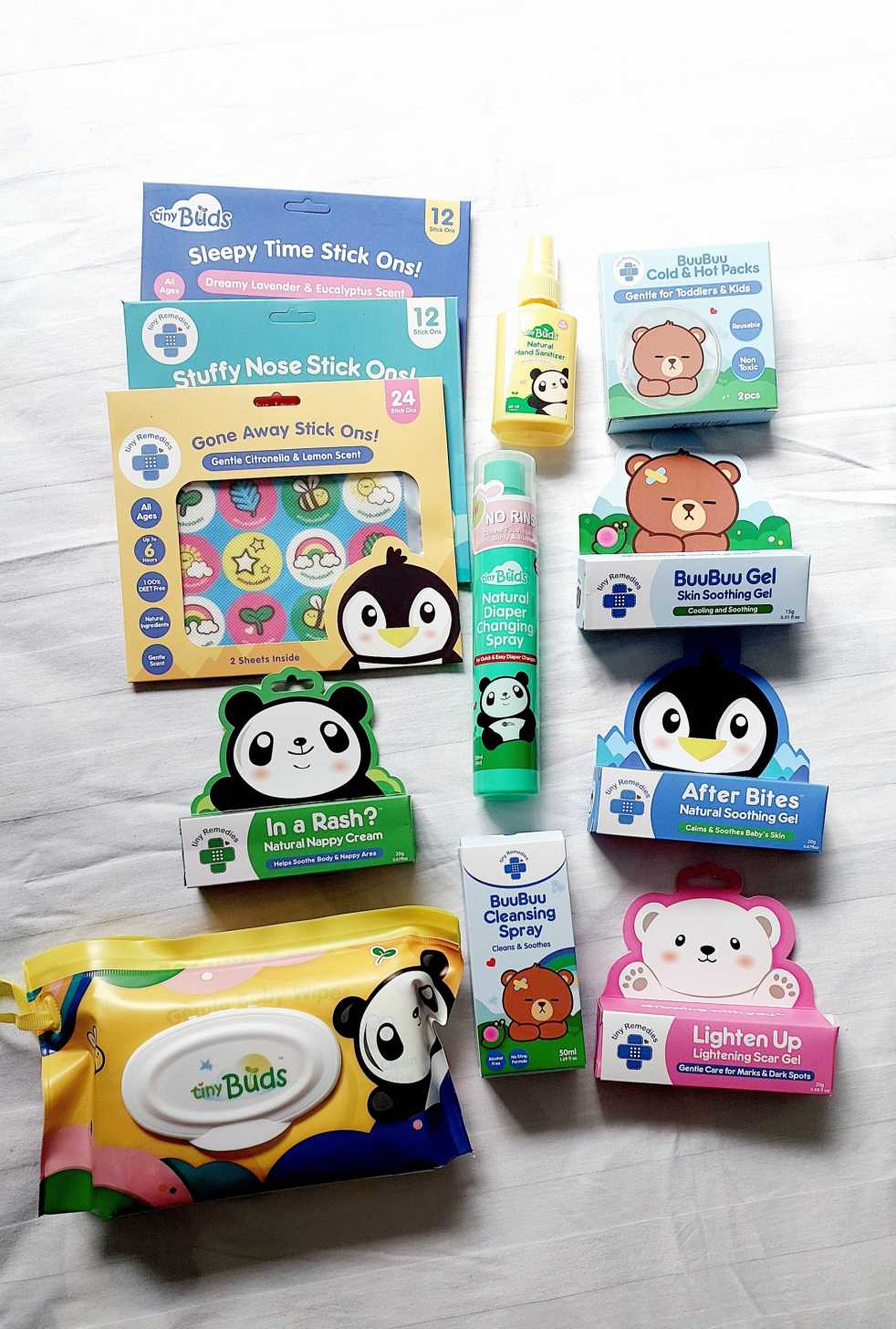
Your baby’s skin is more delicate than most, this is why you have to choose products that are designed for sensitive skin. Tiny Buds is a pioneer in integrating natural ingredients into baby care and today has over 50 innovative natural baby care essentials and is one of the Top Baby Personal Care brands. Here… Continue reading Product Review: Tiny Buds Baby Naturals Baby Essentials
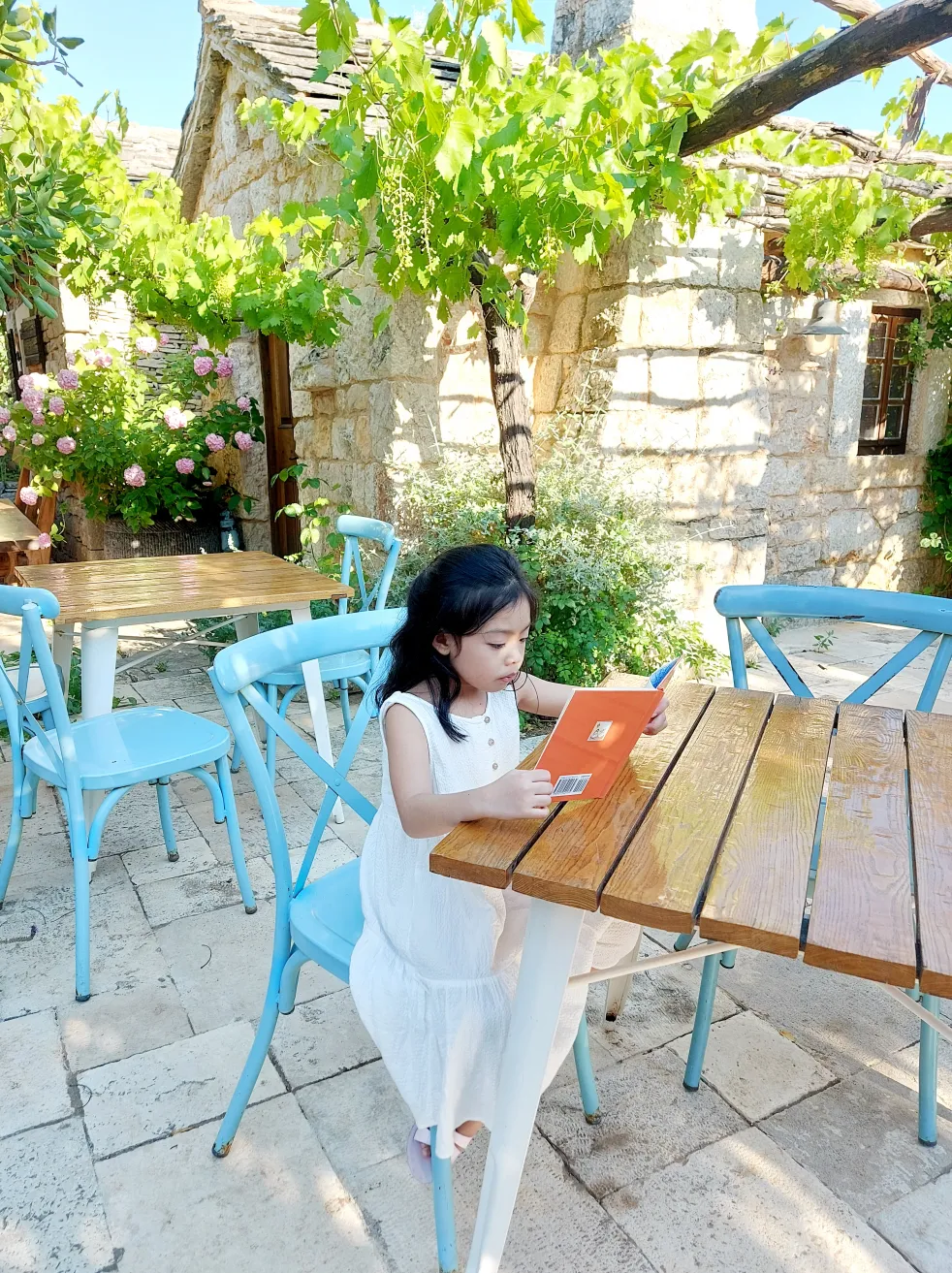
Where your child goes to school is a big decision and shouldn’t be taken lightly. Given how their education can impact their future, you might be tempted to take control and decide for them. However, you might be doing more damage than helping them in the long run. Your job as parents is to support… Continue reading HOW TO CHOOSE THE BEST SCHOOL FOR YOUR CHILD
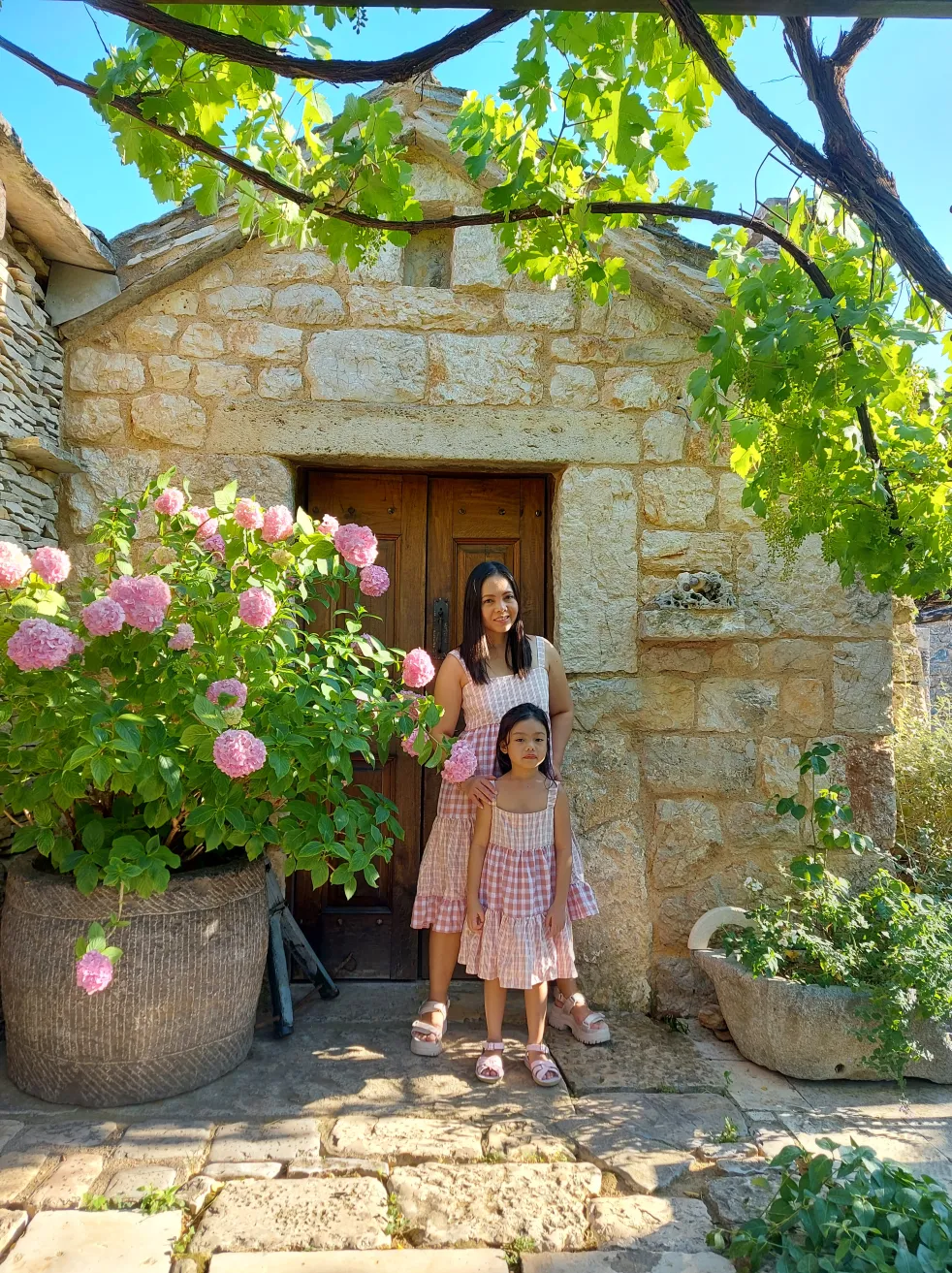
As poet and philosopher Rumi once eloquently said, “raise your words, not your voice. It is rain that grows flowers, not thunder.” Parenting is a challenging journey, and the truth is that nobody has everything figured out. One parenting style might suit others best, and some might favor other methods. However, children respond better to… Continue reading A SIMPLE GUIDE TO GENTLE PARENTING

Whether you’re a new mom to be, mom of a toddler, mom who have school-aged kids, you’re bound to have so many questions. Let's start with your baby's skin. Infant skin has unique needs; gentle care is essential to prevent damage to the skin barrier, which can lead to irritation. When caring for infant skin,… Continue reading Keeping Baby’s Diapered Skin Healthy
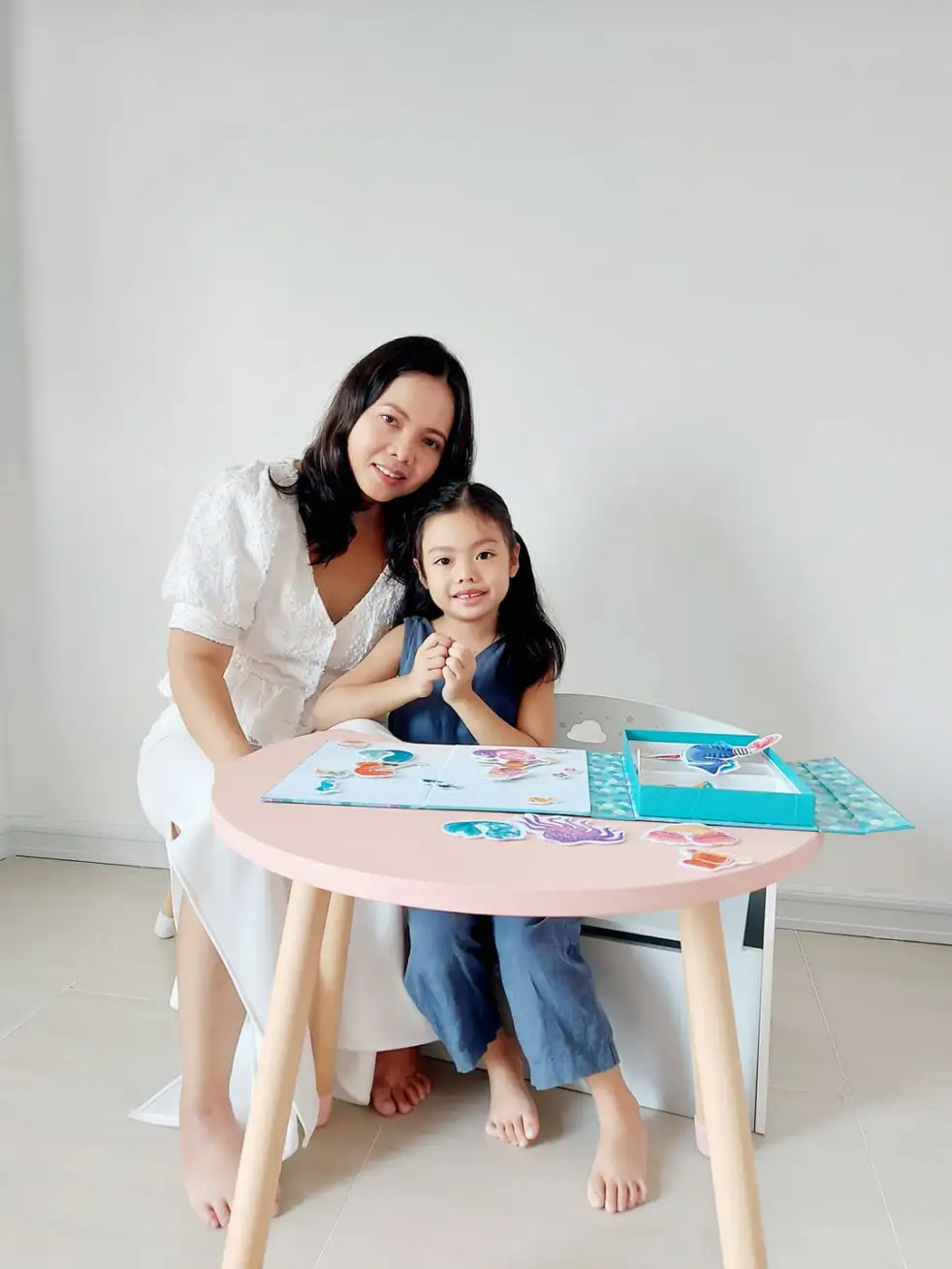
As parents, we want to give our child the best possible start in life and that begins with nurturing their intelligence. Throughout history, the notion of success has been linked to academic intelligence. However, there has been an increased awareness on the importance of emotional intelligence. This question gets at the heart of the never-ending… Continue reading IQ or EQ, which one is a better predictor of your child’s success?
 wondermomma.net