

Last August, IKEA Philippines engaged with Better World Smokey Mountain, a newly opened community center operated by the San Miguel Foundation, which shares a similar goal of improving the lives of many Filipino people. Through this partnership, IKEA Philippines provided and assembled home furnishings for the classrooms and library of Better World Smokey Mountain community… Continue reading Help Create a Better World with IKEA Soft Toys

NutriAsia, the country’s top producer of condiments and sauces, continues its support of Refill Revolution; a project by the Department of Environment and Natural Resources EMB 3 that aims to help reduce Filipinos’ single-use plastics consumption. At Refill Revolution, residents get to recycle their single-use plastic bottles by reusing and filling it with their choice… Continue reading NutriAsia and DENR renews partnership for Refill Revolution

Helping Your Child Feel at Home After a Family Move
Moving to a new home can bring excitement, fresh possibilities, and a comfortable space for the whole family. For a child, however, the change may feel much bigger than a new address. Familiar rooms disappear, daily routines shift, and trusted faces may be farther away. Even a move that adults consider positive can create uncertainty for a young child.
Children respond to relocation in different ways. Some become clingy or quiet, while others show anger, sleep difficulties, toileting accidents, or sudden resistance to ordinary requests. These reactions do not mean your child is ungrateful or unable to cope. They often show that your child needs reassurance, predictability, and time to understand what is happening.
With patient preparation and steady connection, parents can help children settle into a new house and community. Small choices, familiar rituals, and clear explanations can make the transition gentler for toddlers, preschoolers, school-age children, and teenagers alike.
Talk about the move early
Share the news as soon as the plan is reasonably certain, using words your child can understand. Explain where the family is going, why the move is happening, and what will stay the same. A toddler may need a simple explanation such as, “We are going to live in a different house, and Mama and Papa will be with you.” An older child may want details about school, transport, bedrooms, and nearby friends.
Avoid promising that everything will be perfect. Honest reassurance builds trust. You might say that some parts may feel strange at first, while the family will work together to make the new home comfortable. Give your child opportunities to revisit the conversation because children often process major changes gradually.
Books about moving, photos of the new neighborhood, and a simple calendar can make the transition more concrete. Mark important events such as packing day, the final night in the old home, the journey, and the first day at the new house. This helps your child see the move as a sequence of manageable steps rather than one confusing event.
Give your child a role in the process
Children cope better when they have some control over what is changing. Invite your child to choose which toys belong in a special moving box, select a color for the bedroom, or decide where familiar books should go. Small decisions can create a sense of ownership without placing adult responsibilities on young shoulders.
Let your child help pack a personal essentials bag with pajamas, a favorite toy, snacks, books, and comfort items. Keep this bag accessible during travel and on the first night. If the move involves a baby or toddler, pack feeding supplies, diapers, wipes, and skincare products separately so that care routines remain easy during a busy day. Families who use reusable nappies may find this cloth diapering guide useful when organizing supplies for travel and the first week.
Be mindful of how you describe belongings that will be donated or discarded. A child may hear “we do not need this anymore” as a message that their memories do not matter. Sort items respectfully, preserve a few meaningful objects, and allow your child to say goodbye to a familiar room, garden, neighbor, or favorite place.
Protect familiar routines
A predictable daily rhythm can reduce stress during a house move. Try to maintain regular mealtimes, naps, bedtime rituals, bath routines, and school preparation wherever possible. The home may look different, but repeated actions tell a child that life remains dependable.
For babies and young children, keep familiar comfort cues nearby. Use the same sleep sack, blanket, white-noise machine, bedtime story, or lullaby if these are already part of the routine. Older children may benefit from a consistent after-school snack, family dinner, or short check-in before bed.
The first weeks may be untidy, especially while boxes remain unpacked. Focus on restoring the spaces that support rest, hygiene, and connection before decorating every room. A child usually needs a safe sleeping area, familiar objects, and access to a calm caregiver more urgently than a perfectly organized house.
| Age group | Common adjustment needs | Helpful parent response |
|---|---|---|
| Babies and toddlers | Extra clinginess, disrupted sleep, separation anxiety | Keep feeding and sleep routines steady; offer physical comfort |
| Preschoolers | Repeated questions, regression, worries about being left behind | Use simple explanations, visual reminders, and pretend play |
| School-age children | Concerns about friends, school, and fitting in | Involve them in planning and arrange contact with familiar people |
| Teenagers | Grief over lost independence, privacy, or social connections | Share practical information, respect their feelings, and protect autonomy |
Make the new home emotionally familiar
Rather than waiting for your child to “get used to it,” actively create familiar experiences in the new space. Place treasured photographs at child height, display artwork, and recreate a small corner that resembles the old home. A favorite chair, toy basket, or reading area can act as an emotional bridge between the two houses.
Spend relaxed time together in the new home before filling every hour with unpacking. Eat a simple meal on the floor, play a familiar game, or have a family story time surrounded by boxes. These ordinary moments help the new house become associated with security and closeness.
If your child is anxious about noises, unfamiliar rooms, or sleeping alone, explore the house together during daylight. Name sounds and explain what causes them. Use night-lights, open doors, or a gradual bedtime approach when needed. Avoid dismissing fears, even when they seem small to an adult.
Help children build new connections
A new neighborhood becomes less intimidating when children recognize people and places. Walk around together and point out practical landmarks such as the school, pharmacy, playground, market, clinic, or public transport stop. In the Philippines, weather, traffic, and travel time can strongly affect family routines, so help your child understand how the new location changes everyday activities.
Introduce yourselves to nearby families when appropriate, but avoid pressuring a shy child to make friends immediately. Arrange a short playdate, visit a local library or community space, or join an age-appropriate activity. Regular visits matter more than a busy schedule because familiarity grows through repetition.
Maintain contact with important people from the previous home. Schedule video calls, voice messages, or visits with grandparents, cousins, godparents, teachers, and close friends when practical. A child can form new relationships while still loving and remembering the people who remain part of their life.
Watch for signs of stress
Temporary changes in behavior are common after relocation. A child may ask the same questions repeatedly, have more tantrums, resist school, wake at night, or return to an earlier developmental behavior such as thumb-sucking or needing help with toileting. Respond with calm limits and extra connection rather than shame or punishment.
Set aside a few minutes each day for one-on-one attention. Let your child choose the activity, put away your phone, and listen without rushing to solve every concern. Drawing, dolls, building blocks, and storytelling may reveal feelings that are difficult to express directly. Gently reflect what you notice: “You miss your old room,” or “The new school feels like a lot today.”
Look for support if distress is intense, lasts for several weeks without easing, or interferes with sleep, learning, eating, friendships, or safety. A pediatrician, school counselor, child psychologist, or trusted family health professional can help identify whether your child needs additional care. Seek immediate help if a child talks about self-harm, feels unsafe, or shows a sudden and severe change in behavior.
Build a steady family rhythm
The adjustment period is easier when adults coordinate their responses. Agree on a few simple messages about the move, bedtime expectations, school attendance, and emotional support. Children can become more unsettled when one caregiver minimizes their feelings while another changes every rule in response to distress.
Create small rituals that belong to the new home. Friday pizza night, a weekend walk, watering balcony plants, choosing a family breakfast, or sharing one good moment before bed can give the week a recognizable shape. These rituals do not need to cost money or require elaborate planning.
Parents also need space to manage their own stress. Children notice tension, exhaustion, and conflict, even when adults do not explain them. Accept practical help, lower unnecessary standards during the first weeks, and make time for rest. A regulated caregiver is better able to offer the patience and warmth a child needs while adjusting.
Keep connection at the center
A new house becomes home through repeated experiences of safety, belonging, and family connection. Your child may settle quickly or need many months to feel fully comfortable. Progress may appear in small ways: sleeping more peacefully, inviting someone to play, unpacking a favorite toy, or speaking positively about a nearby place.
Continue acknowledging what was lost while celebrating what is beginning. Family photos, memory boxes, visits, and conversations can honor the old home without preventing your child from embracing the new one. With time, children learn that change can include sadness and still lead to meaningful new memories.
Begin this transition with one manageable step today: unpack your child’s comfort items, plan a familiar meal, take a walk around the neighborhood, or spend ten quiet minutes listening. Consistent reassurance and everyday presence will help your child feel secure as the new address gradually becomes a cherished family home.

Mercato Centrale, in collaboration with Indian Women in Enterprise Philippines (I-We), is set to host "The Great Indian Fiesta" to mark 75 years of friendship between India and the Philippines. The dynamic two-day event is scheduled to take place on September 30 to October 1, 2023, at Paseo De Roxas Street, Makati City. Aiming to… Continue reading Mercato Centrale Partners with I-We to Host ‘The Great Indian Fiesta’, Commemorating 75 Years of India-Philippines Friendship

My stomach would usually start growling at 10 am even after taking a big breakfast. This is probably because I am a morning person and I move a lot throughout the day hence snacking is something that I can't avoid. This potatoes and chicken wrap recipe is easy to prepare and would keep me full… Continue reading Potato and Chicken Wrap
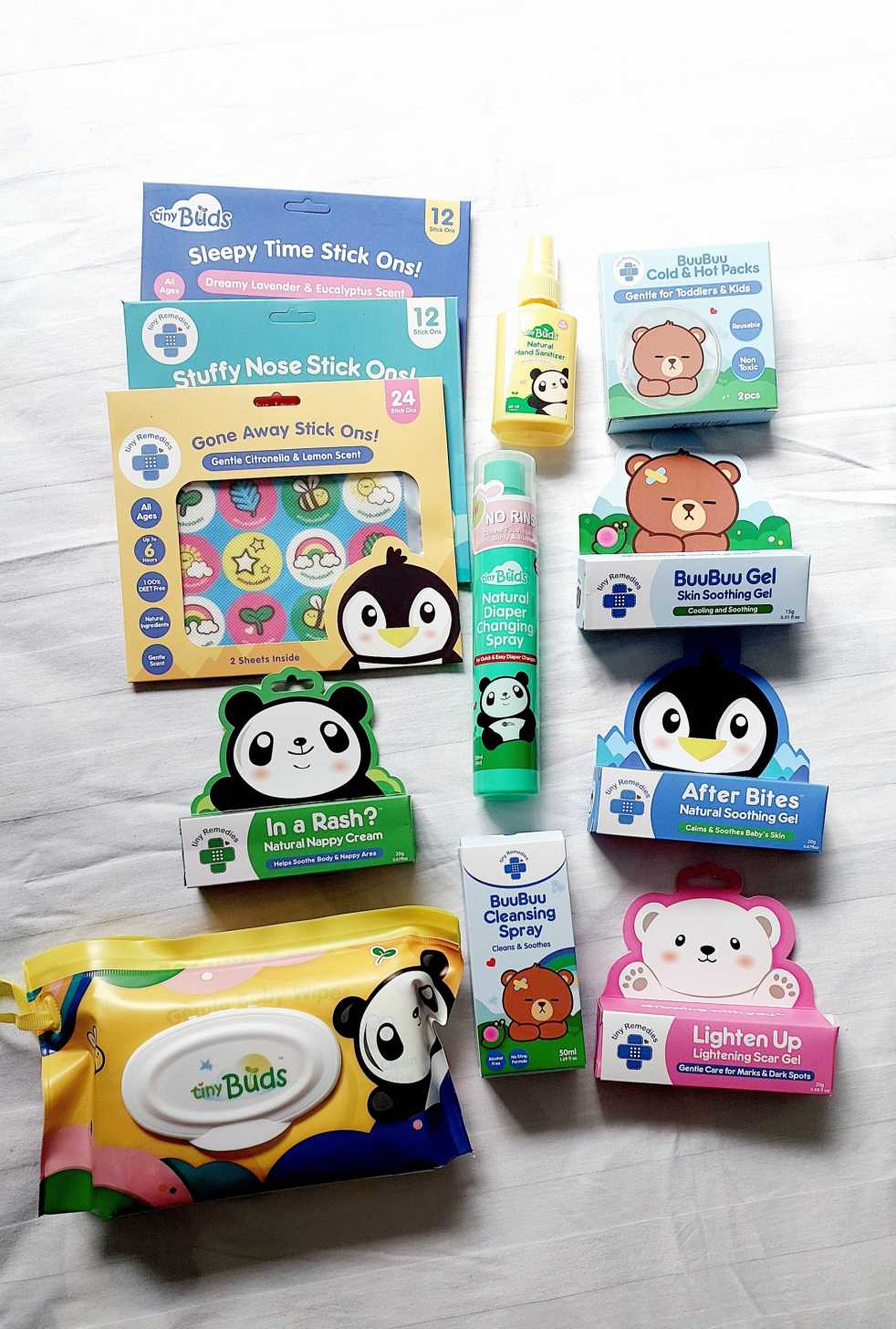
Your baby’s skin is more delicate than most, this is why you have to choose products that are designed for sensitive skin. Tiny Buds is a pioneer in integrating natural ingredients into baby care and today has over 50 innovative natural baby care essentials and is one of the Top Baby Personal Care brands. Here… Continue reading Product Review: Tiny Buds Baby Naturals Baby Essentials
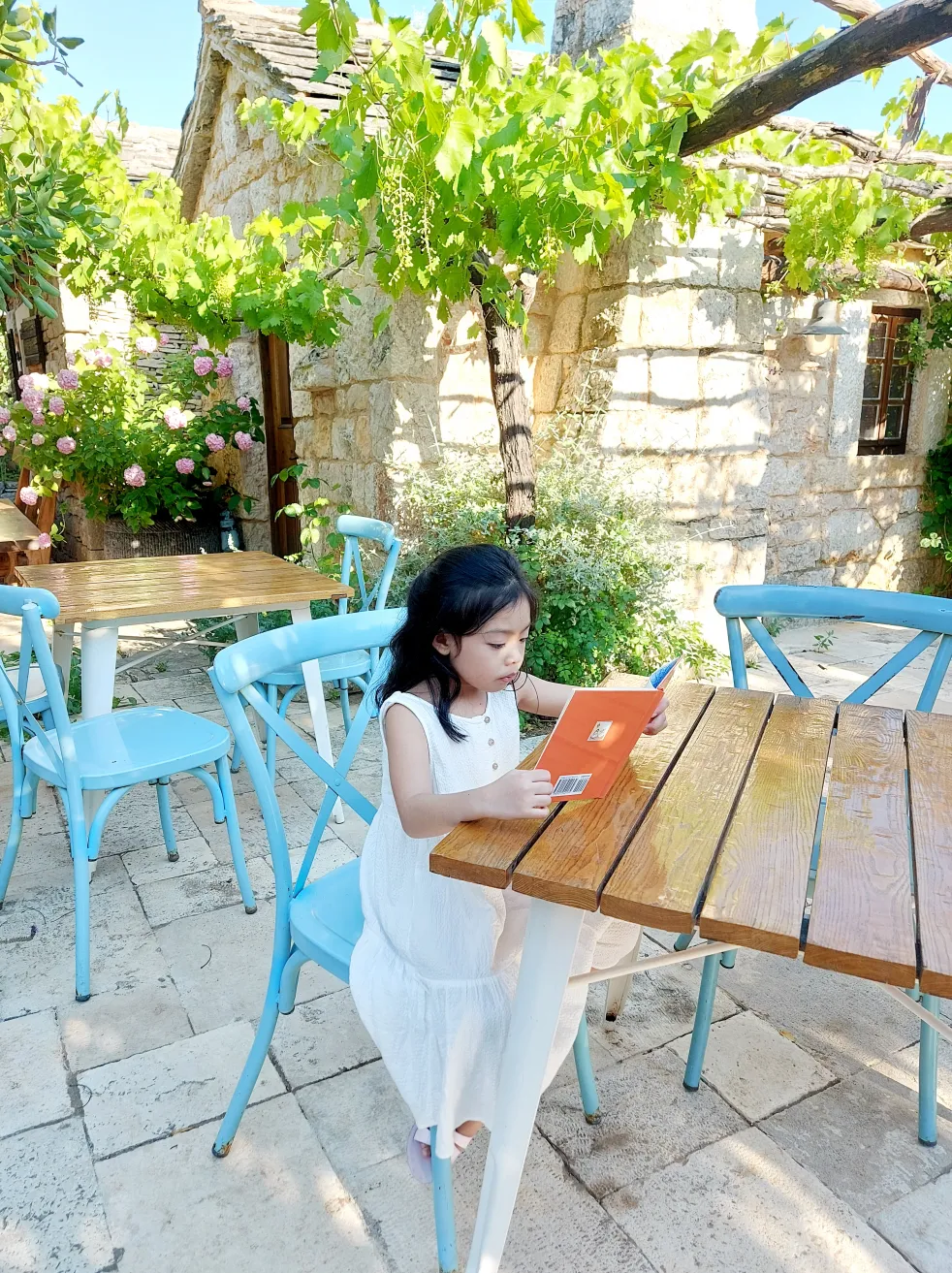
Where your child goes to school is a big decision and shouldn’t be taken lightly. Given how their education can impact their future, you might be tempted to take control and decide for them. However, you might be doing more damage than helping them in the long run. Your job as parents is to support… Continue reading HOW TO CHOOSE THE BEST SCHOOL FOR YOUR CHILD
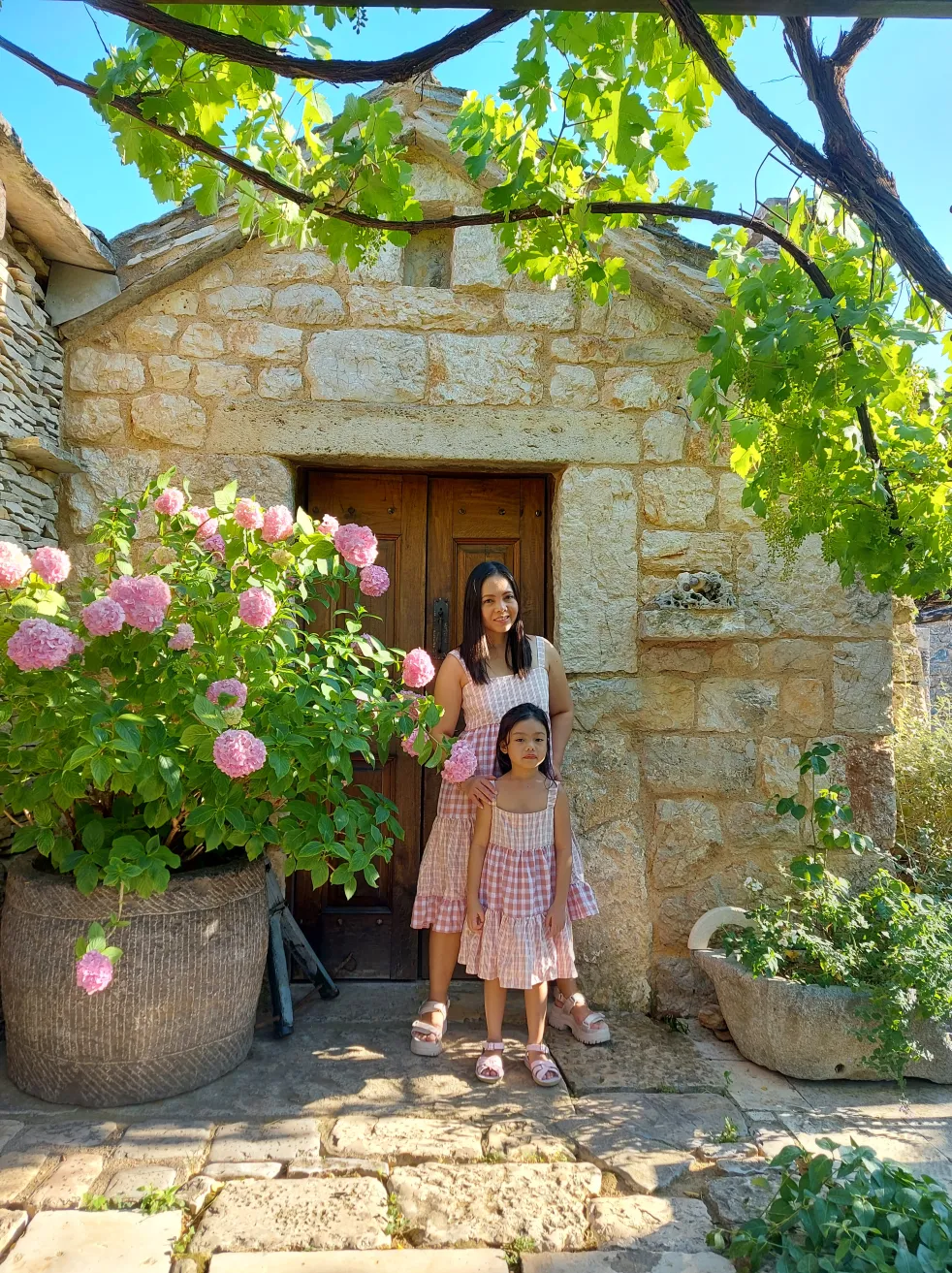
As poet and philosopher Rumi once eloquently said, “raise your words, not your voice. It is rain that grows flowers, not thunder.” Parenting is a challenging journey, and the truth is that nobody has everything figured out. One parenting style might suit others best, and some might favor other methods. However, children respond better to… Continue reading A SIMPLE GUIDE TO GENTLE PARENTING
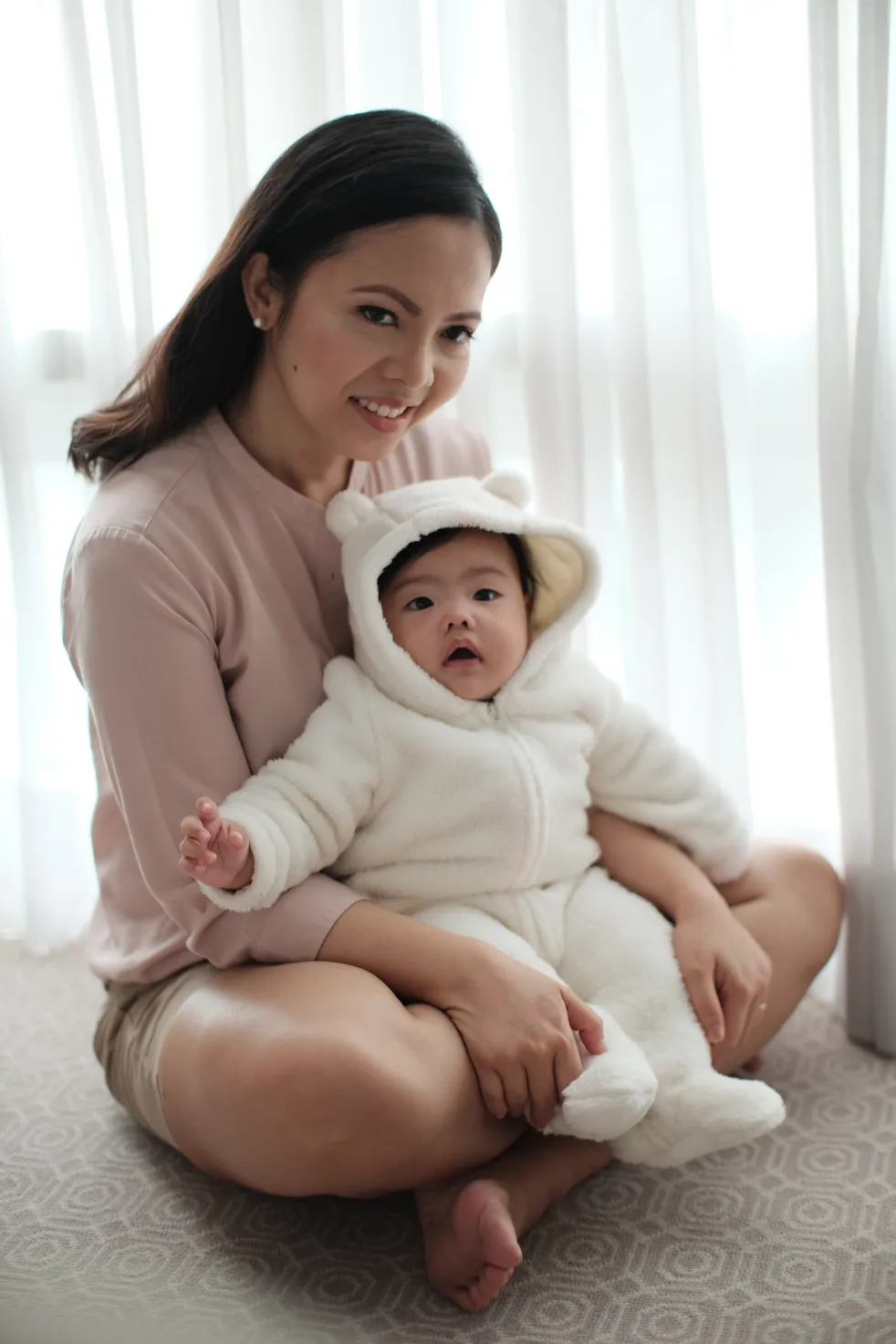
Whether you’re a new mom to be, mom of a toddler, mom who have school-aged kids, you’re bound to have so many questions. Let's start with your baby's skin. Infant skin has unique needs; gentle care is essential to prevent damage to the skin barrier, which can lead to irritation. When caring for infant skin,… Continue reading Keeping Baby’s Diapered Skin Healthy
As parents, we want to give our child the best possible start in life and that begins with nurturing their intelligence. Throughout history, the notion of success has been linked to academic intelligence. However, there has been an increased awareness on the importance of emotional intelligence. This question gets at the heart of the never-ending… Continue reading IQ or EQ, which one is a better predictor of your child’s success?
 wondermomma.net