

Last August, IKEA Philippines engaged with Better World Smokey Mountain, a newly opened community center operated by the San Miguel Foundation, which shares a similar goal of improving the lives of many Filipino people. Through this partnership, IKEA Philippines provided and assembled home furnishings for the classrooms and library of Better World Smokey Mountain community… Continue reading Help Create a Better World with IKEA Soft Toys

NutriAsia, the country’s top producer of condiments and sauces, continues its support of Refill Revolution; a project by the Department of Environment and Natural Resources EMB 3 that aims to help reduce Filipinos’ single-use plastics consumption. At Refill Revolution, residents get to recycle their single-use plastic bottles by reusing and filling it with their choice… Continue reading NutriAsia and DENR renews partnership for Refill Revolution

How to Help Your Child Adjust to a New Nanny
A new nanny can bring valuable support to a family, yet the change may feel unsettling for a child. Even a friendly, experienced caregiver is still a stranger at first. Your child may cling, cry, refuse meals, wake at night, or suddenly ask for more attention from you.
These reactions are common forms of separation anxiety and adjustment stress. They do not automatically mean that the nanny is unsuitable or that your child is being difficult. Children often need time, repeated positive experiences, and reassurance before they feel secure with a new person.
A calm transition helps everyone. When parents, children, and caregivers share the same expectations, daily routines become easier to manage. The goal is not to make your child bond instantly, but to create a safe path toward trust.
Start Before The First Day
If possible, arrange a short meeting before the nanny begins regular work. Choose a relaxed setting, such as your home or a nearby playground. Let your child observe the caregiver without pressure to talk, hug, or play. A low-pressure first encounter gives your child time to study this new adult at their own pace.
During the meeting, share a few details about your child’s personality, favorite activities, comfort items, fears, and usual schedule. The nanny can join an activity your child already enjoys, such as reading a familiar book, building blocks, drawing, or preparing a simple snack. Familiar surroundings and predictable play can make the first interaction feel less intimidating.
Use simple, honest language to explain the change. Tell your child when the nanny will arrive, what the nanny will do, and when you will return. Avoid promising that your child will have “the best time ever,” because that can make normal sadness feel like a failure. A clear message such as, “You may miss me, and your nanny will help you while I am away,” is more reassuring.
Build Familiarity Gradually
A gradual transition is especially helpful for toddlers, preschoolers, and children who have recently experienced another major change. Begin with the nanny present while you remain nearby. Later, step into another room for a few minutes, then extend the time apart as your child becomes more comfortable.
Try to leave and return in a predictable way. A brief goodbye ritual can include a hug, a phrase, and a wave from the same place each day. Long, emotional departures may increase anxiety because children sense hesitation. Leaving without saying goodbye, however, can damage trust, so aim for warmth and consistency instead.
A comfort object may help bridge the gap between home and caregiving. This could be a small blanket, family photo, favorite stuffed animal, or familiar book. For babies, the nanny can follow established soothing methods, including gentle rocking, singing, or quiet time. For older children, the caregiver might create a small routine reserved for their time together, such as watering plants or choosing an afternoon story.
Make The First Week Predictable
Children often cope better when the new nanny fits into an existing rhythm. Keep meals, naps, bath time, school preparation, and bedtime as consistent as possible during the first week. Major changes to the schedule can make it harder to understand what will happen next.
Write down practical information instead of relying on memory during a busy handover. Include emergency contacts, allergies, medication instructions, food preferences, screen-time rules, sleep habits, and household safety guidelines. If your family is in the Philippines, include local emergency numbers, building or subdivision procedures, and clear instructions for transport during heavy rain or other disruptions.
| Area | Information To Share | Why It Helps |
|---|---|---|
| Daily rhythm | Wake-up, meals, naps, school, and bedtime | Keeps the child’s day familiar |
| Comfort strategies | Favorite songs, objects, books, and calming routines | Helps the nanny respond consistently |
| Boundaries | Screen use, sweets, discipline, visitors, and outdoor play | Prevents mixed messages |
| Health and safety | Allergies, medicines, contacts, and emergency steps | Supports quick, appropriate action |
| Communication | Updates, photos, concerns, and preferred contact times | Builds trust between adults |
A short daily handover can be more useful than a long conversation once a week. Tell the nanny what your child enjoyed, where they struggled, and whether anything unusual happened. Invite observations from the caregiver as well. This creates a partnership rather than making the nanny feel as if they are being tested.
Respond To Big Feelings
Your child may reject the nanny even when the caregiver is kind and capable. Avoid forcing affection or saying, “You have to like her.” Instead, name what you see: “You wanted Mommy to stay. It is hard to say goodbye.” This validates the feeling without changing the boundary.
The nanny can offer comfort while allowing your child space. A young child may sit nearby before accepting help. An older child might prefer to choose between two activities. Small choices provide a sense of control: “Would you like to read or draw first?” The caregiver should remain calm if the child says, “Go away,” while gently communicating availability.
When tears occur after you leave, ask the nanny to use familiar calming strategies and give you a brief update at an agreed time. Frequent calls or returning immediately may unintentionally teach a child that crying is the only way to stop separation. If there is a genuine safety or health concern, respond promptly; otherwise, consistency usually supports adjustment.
At reunion, offer connection before asking for a report. A hug, snack, or quiet few minutes together may help your child release the emotions they held during the day. Try not to interrogate them with repeated questions. Simple prompts such as “What did you and your nanny play?” can invite sharing without making the experience feel like an examination.
Align Caregiving At Home
Children adjust more smoothly when the adults around them agree on basic expectations. Discuss how the nanny handles tantrums, refusal, hitting, screen limits, sibling conflict, and unsafe behavior. Gentle discipline works best when it focuses on safety, clear limits, and teaching skills instead of threats or humiliation.
The nanny does not need to copy every detail of your parenting style, but major differences should be addressed early. If parents use calm language and redirection while a caregiver relies on shouting or punishment, the child may become confused or fearful. A written family guide can explain preferred phrases, routines, and non-negotiable safety rules.
Small Choices That Build Trust
- Invite the nanny to learn one favorite game, song, or story from your child.
- Keep a small family photo or familiar comfort item available during caregiving hours.
- Let your child help choose a snack, activity, or book when appropriate.
- Praise specific cooperation, such as sharing a toy or accepting help with shoes.
- Schedule a short weekly check-in to discuss routines, concerns, and progress.
Show appreciation for the nanny’s efforts while keeping the child’s needs at the center. A caregiver who feels respected is more likely to communicate openly about difficulties. At the same time, parents should remain attentive to their child’s behavior and any changes that may require further discussion.
Know When To Adjust The Plan
Adjustment usually takes time, but ongoing distress deserves attention. Watch for patterns rather than reacting to one difficult morning. Persistent fear, sleep disruption, unexplained injuries, extreme withdrawal, sudden regression, or repeated statements that a caregiver hurt or frightened them should be taken seriously.
Speak privately with the nanny and compare observations. Sometimes the problem is a mismatch in style, an overly demanding schedule, or a routine that does not suit the child. In other cases, the child may be responding to several changes at once, such as starting school, welcoming a new sibling, or moving homes.
Trust your instincts while gathering specific information. Ask the child open, non-leading questions and listen without showing panic. If a safety concern arises, prioritize the child’s immediate protection and seek appropriate professional or local support. A nanny arrangement should provide dependable care, emotional security, and respect.
Some children settle within days, while others need several weeks. Progress may look subtle: accepting a snack, playing nearby, waving at departure, or recovering faster after a tearful goodbye. Notice these small signs and avoid comparing your child with siblings or other families.
A new nanny becomes familiar through repeated, respectful experiences. Give the relationship room to grow while remaining clear about safety, boundaries, and communication. Begin with manageable separations, preserve comforting routines, and allow trust to develop at your child’s pace. With steady support from the adults, the caregiver can gradually become a reassuring part of family life. Use these steps during the next transition and keep the conversation open as your child grows.

Mercato Centrale, in collaboration with Indian Women in Enterprise Philippines (I-We), is set to host "The Great Indian Fiesta" to mark 75 years of friendship between India and the Philippines. The dynamic two-day event is scheduled to take place on September 30 to October 1, 2023, at Paseo De Roxas Street, Makati City. Aiming to… Continue reading Mercato Centrale Partners with I-We to Host ‘The Great Indian Fiesta’, Commemorating 75 Years of India-Philippines Friendship

My stomach would usually start growling at 10 am even after taking a big breakfast. This is probably because I am a morning person and I move a lot throughout the day hence snacking is something that I can't avoid. This potatoes and chicken wrap recipe is easy to prepare and would keep me full… Continue reading Potato and Chicken Wrap
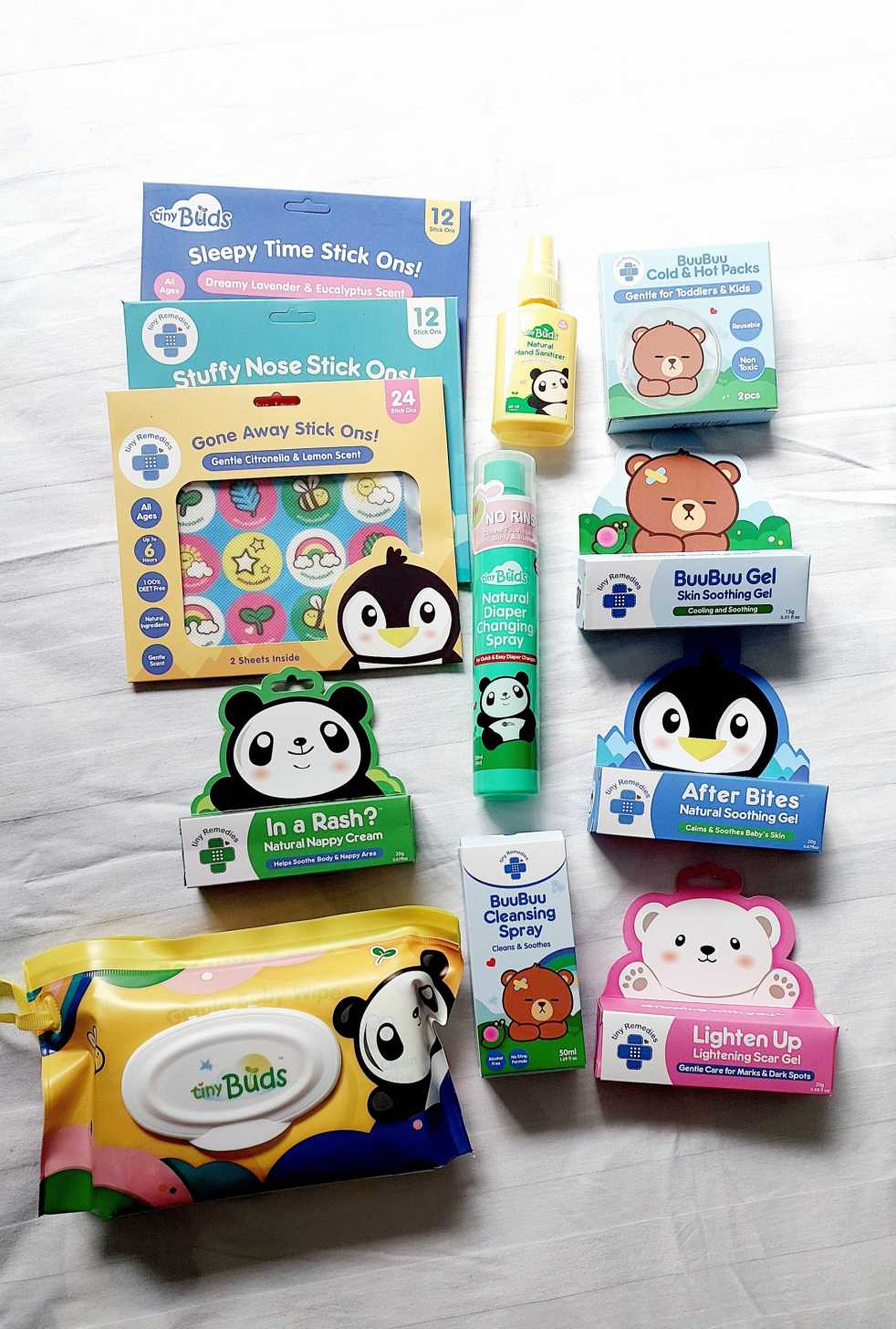
Your baby’s skin is more delicate than most, this is why you have to choose products that are designed for sensitive skin. Tiny Buds is a pioneer in integrating natural ingredients into baby care and today has over 50 innovative natural baby care essentials and is one of the Top Baby Personal Care brands. Here… Continue reading Product Review: Tiny Buds Baby Naturals Baby Essentials
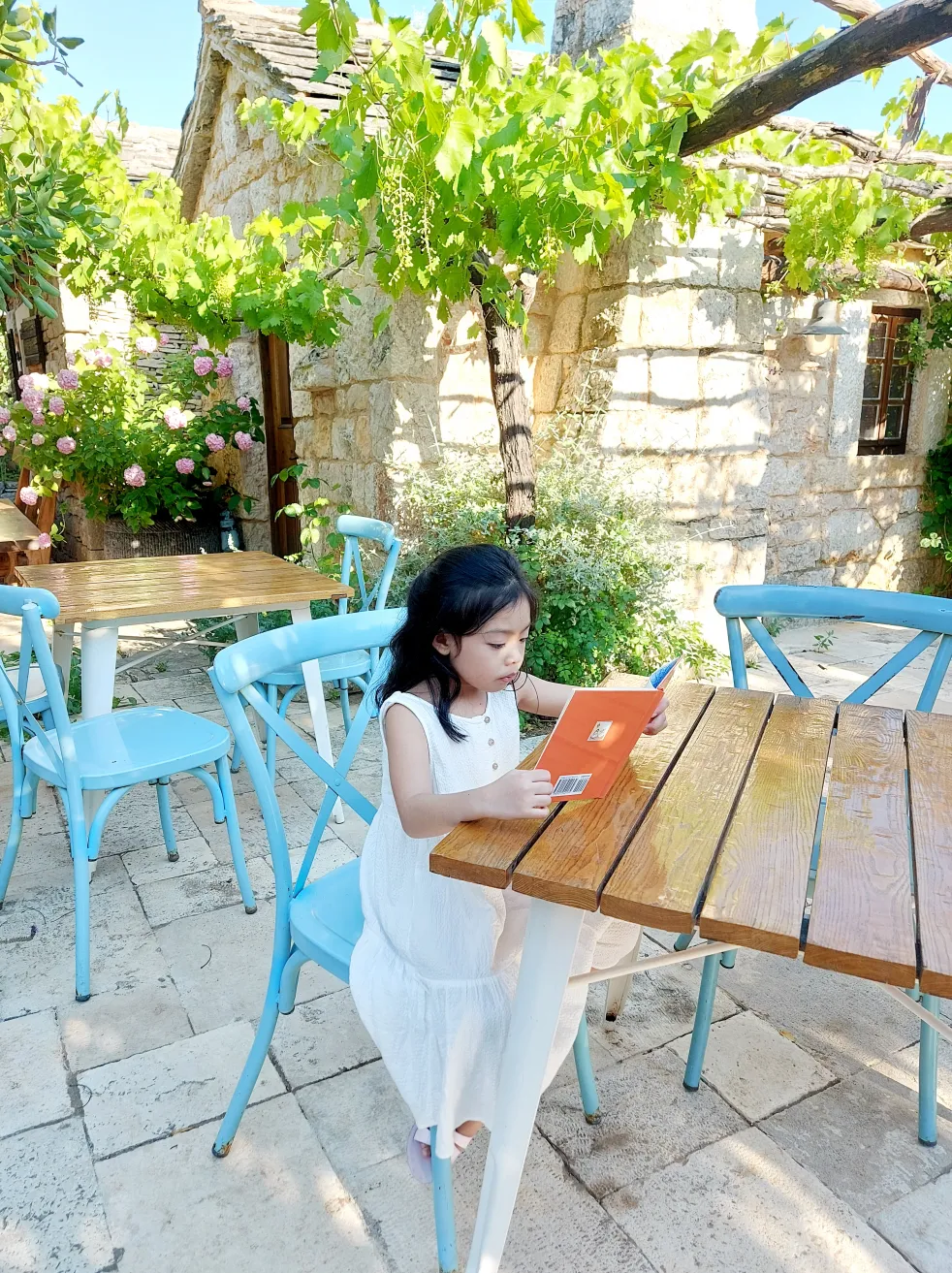
Where your child goes to school is a big decision and shouldn’t be taken lightly. Given how their education can impact their future, you might be tempted to take control and decide for them. However, you might be doing more damage than helping them in the long run. Your job as parents is to support… Continue reading HOW TO CHOOSE THE BEST SCHOOL FOR YOUR CHILD

As poet and philosopher Rumi once eloquently said, “raise your words, not your voice. It is rain that grows flowers, not thunder.” Parenting is a challenging journey, and the truth is that nobody has everything figured out. One parenting style might suit others best, and some might favor other methods. However, children respond better to… Continue reading A SIMPLE GUIDE TO GENTLE PARENTING

Whether you’re a new mom to be, mom of a toddler, mom who have school-aged kids, you’re bound to have so many questions. Let's start with your baby's skin. Infant skin has unique needs; gentle care is essential to prevent damage to the skin barrier, which can lead to irritation. When caring for infant skin,… Continue reading Keeping Baby’s Diapered Skin Healthy
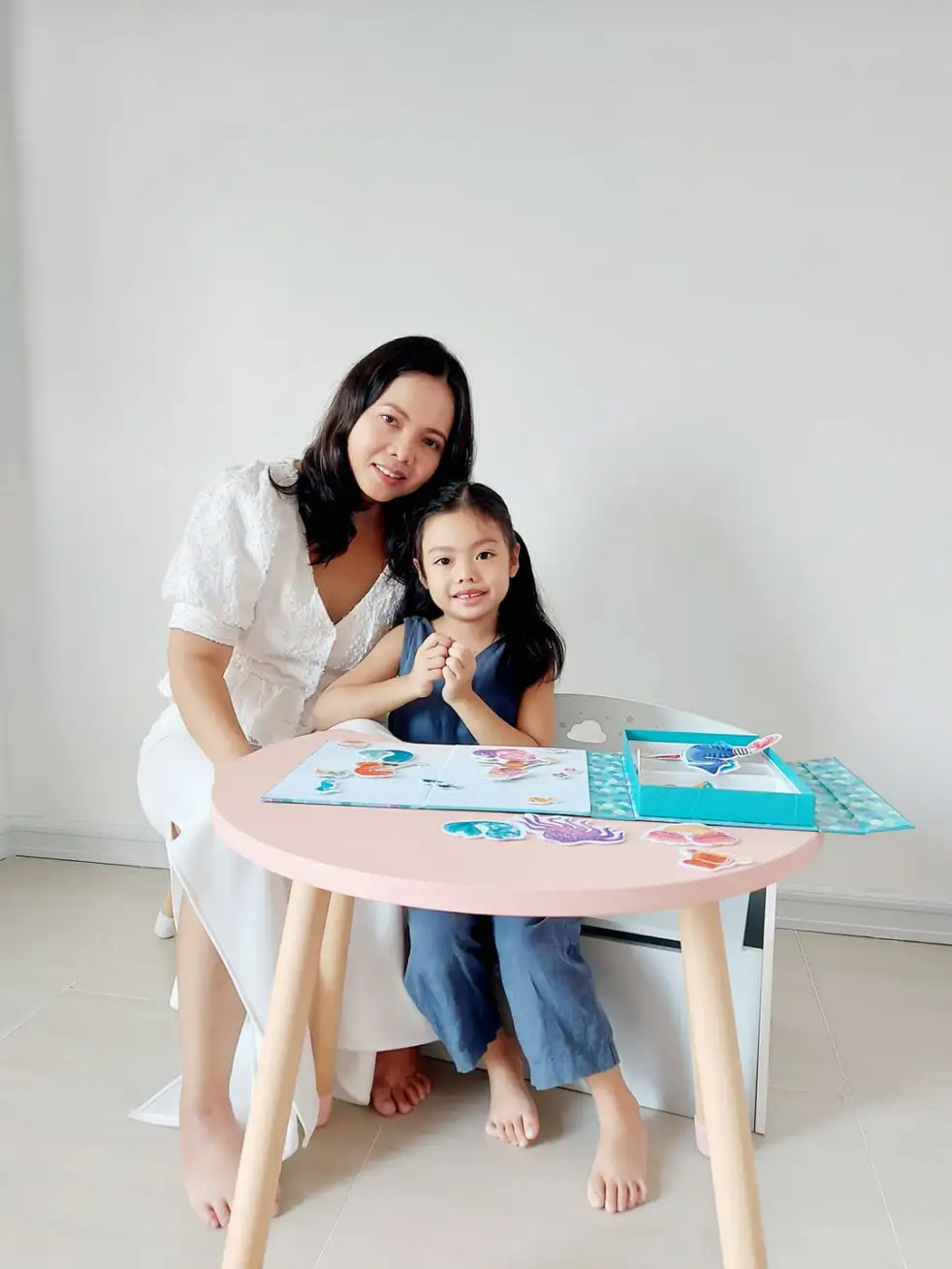
As parents, we want to give our child the best possible start in life and that begins with nurturing their intelligence. Throughout history, the notion of success has been linked to academic intelligence. However, there has been an increased awareness on the importance of emotional intelligence. This question gets at the heart of the never-ending… Continue reading IQ or EQ, which one is a better predictor of your child’s success?
 wondermomma.net