

Last August, IKEA Philippines engaged with Better World Smokey Mountain, a newly opened community center operated by the San Miguel Foundation, which shares a similar goal of improving the lives of many Filipino people. Through this partnership, IKEA Philippines provided and assembled home furnishings for the classrooms and library of Better World Smokey Mountain community… Continue reading Help Create a Better World with IKEA Soft Toys

NutriAsia, the country’s top producer of condiments and sauces, continues its support of Refill Revolution; a project by the Department of Environment and Natural Resources EMB 3 that aims to help reduce Filipinos’ single-use plastics consumption. At Refill Revolution, residents get to recycle their single-use plastic bottles by reusing and filling it with their choice… Continue reading NutriAsia and DENR renews partnership for Refill Revolution

How to Help Your Child Adjust to a New Baby Sibling
Bringing a newborn into the family changes the rhythm of everyday life. Parents have less time, sleep becomes unpredictable, and an older child may suddenly need to share attention, space, toys, and familiar routines. Even a child who was excited about becoming a big brother or sister can feel confused once the baby comes home.
Children may show their feelings through clinginess, tantrums, baby talk, sleep problems, or requests for help with tasks they previously managed alone. These reactions are common forms of communication. Your child is learning where they belong in a family that now feels different.
A calm, predictable approach can help your older child feel secure while they build a relationship with the baby. The goal is not to expect instant affection or perfect behavior. It is to provide connection, clear limits, and reassurance while everyone settles into a new family dynamic.
Preparing your older child before birth
Talk about the baby in simple, age-appropriate language before the birth. Explain that newborns sleep, cry, feed, and need help with almost everything. Avoid presenting the baby as a constant playmate, since an older child may feel disappointed when the newborn cannot immediately interact.
Use books, dolls, or pretend play to explore what caring for a baby might look like. Your child can practice gentle touches, fetching a diaper, or singing softly. Keep the activity relaxed rather than turning it into training. Some children will enjoy being involved, while others may lose interest quickly.
Prepare your child for practical changes ahead of time. If the older child will move to another room, change beds, start preschool, or stop using a pacifier, make those adjustments well before the due date when possible. Too many changes at the same time can make the arrival of the baby feel like a series of losses.
Protecting your child’s sense of belonging
Make it clear that your older child’s place in the family has not changed. Say specific things such as, “You will always be my child,” or “There is enough love and care for both of you.” Young children may understand these words gradually, so repeat the reassurance during ordinary moments rather than offering it only after a difficult incident.
Try to preserve a few familiar routines. A bedtime story, morning cuddle, shared snack, or short walk can give your child a reliable point of connection. The activity does not need to be long. Ten focused minutes without a phone or household task can feel more meaningful than an entire afternoon of distracted attention.
When relatives or friends visit, encourage them to greet the older child too. In many Filipino families, grandparents, aunts, uncles, and family friends play an important role in welcoming a newborn. Kindly remind visitors to ask about the older child’s day, bring a small token for them when appropriate, and avoid making every conversation about the baby.
Making room for mixed feelings
An older child may love the baby and resent the disruption at the same time. They may say, “Take the baby away,” then become protective a few minutes later. Instead of demanding affection, acknowledge the feeling calmly: “You wanted me to play, and I was feeding the baby. Waiting was hard.”
Avoid shaming words such as “jealous,” “selfish,” or “big kids do not act like that.” These labels can make children hide their emotions rather than learn to manage them. You can accept the feeling while setting a firm boundary: “It is okay to feel angry. I will not let you hit the baby.”
Regression is also common. A toilet-trained child may have accidents, or a preschooler may ask to be fed, carried, or dressed. Offer help without making the behavior a family performance. You might say, “You can try first, and I will help with the last part,” giving reassurance while gently supporting independence.
| What your child may do | What it may communicate | A helpful response |
|---|---|---|
| Ask to be carried or fed | “I need reassurance that I still matter” | Offer brief one-to-one care without criticism |
| Interrupt baby feeds | “I want your attention now” | Give a clear waiting cue and a nearby activity |
| Act roughly toward the baby | “I feel overwhelmed or unsure” | Block gently, name the feeling, and teach safe touch |
| Become unusually quiet | “I do not know how to express this change” | Spend calm time together and observe patterns |
| Repeat baby talk or accidents | “I want the care the baby receives” | Respond warmly while encouraging age-appropriate skills |
| Say they dislike the baby | “The family change feels difficult” | Accept the statement and reassure them without arguing |
Involving your child without creating pressure
Small responsibilities can help an older child feel included. They might choose between two baby outfits, bring a clean cloth, select a lullaby, or help place diapers in a basket. Keep tasks optional and supervised. A child should never be made responsible for the newborn’s safety or expected to act like a second parent.
Use language that emphasizes contribution rather than obligation. “Would you like to help me choose the baby’s socks?” gives a choice. “You are the big sibling, so you have to help” can make the role feel like a burden, especially when your child is already missing individual time with you.
Create opportunities for the siblings to be near each other safely. You can narrate gentle interactions: “The baby is looking at your picture,” or “You sang very softly, and the baby calmed down.” Do not force hugs, kisses, or shared play. Respecting physical boundaries helps both children develop a positive relationship.
Building a workable family rhythm
A flexible schedule can reduce uncertainty. Keep regular anchors such as meals, school or daycare drop-off, bath time, and bedtime. Let other parts of the day remain adaptable because newborn care rarely follows a perfect plan. A simple visual routine with pictures can help toddlers and preschoolers understand what happens next.
Prepare a small “together time” basket for moments when you are feeding or settling the baby. Include puzzles, coloring materials, reusable stickers, board books, or a favorite audio story. Rotate the items so they remain interesting, and position your child in a safe place where you can still offer eye contact and conversation.
When possible, coordinate support with your partner or trusted family members. One adult can care for the baby while another plays with the older child, takes them outside, or helps with homework. If you have household help, explain that your older child also needs warmth and attention, rather than treating them as independent simply because they are no longer the baby.
Small habits that make the transition easier
Practical choices repeated each day can help your child adjust to a new baby sibling with less stress:
- Give advance notice before ending one-on-one time: “We have five more minutes, then I will feed the baby.”
- Offer choices where possible, such as which book to read or whether to sit beside you during a feed.
- Notice positive behavior specifically: “You waited while I changed the diaper, and that was patient.”
- Keep a private connection ritual, such as a secret handshake, bedtime phrase, or weekend breakfast.
- Avoid comparing the children’s sleep, eating, temperament, appearance, or development.
Praise does not need to focus on being a “good big sibling.” Celebrate your child’s identity beyond that role too. Talk about their drawings, friendships, interests, humor, and efforts. This reminds them that they are valued as a whole person, not only for how helpful they are with the baby.
Take care with comparisons and jokes. Statements such as “The baby is easier than you were” or “You are the clever one” may sound harmless but can create competition. Describe each child’s individual qualities and make space for different needs without ranking them.
Knowing when to seek additional support
Most adjustment behaviors ease as the family finds a new rhythm, but persistent or intense changes deserve attention. Speak with your child’s pediatrician or a qualified child development professional if your child has ongoing sleep disruption, significant withdrawal, frequent aggression, loss of previously established skills, or distress that interferes with school, eating, or daily activities.
Safety comes first when there is hitting, biting, smothering attempts, or repeated unsafe behavior around the baby. Stay close during interactions, use calm physical blocking when necessary, and keep the newborn’s sleeping area protected. Do not leave a baby and a young child alone together, even if they usually get along.
Parents also need support during this transition. Exhaustion, recovery after birth, feeding challenges, and household demands can make patience difficult. Accept practical help, lower nonessential expectations, and speak honestly with a partner or trusted support person. A regulated adult is better able to offer the steady connection that children need.
Give the relationship time. Sibling closeness often develops through ordinary moments rather than a dramatic first meeting: sitting together during a story, laughing at a baby’s sound, or sharing a snack after the baby falls asleep. Keep offering safety, attention, and gentle boundaries as your family grows into its new shape. Start with one dependable daily ritual today, and let those small connections guide your children toward a secure and caring sibling bond.

Mercato Centrale, in collaboration with Indian Women in Enterprise Philippines (I-We), is set to host "The Great Indian Fiesta" to mark 75 years of friendship between India and the Philippines. The dynamic two-day event is scheduled to take place on September 30 to October 1, 2023, at Paseo De Roxas Street, Makati City. Aiming to… Continue reading Mercato Centrale Partners with I-We to Host ‘The Great Indian Fiesta’, Commemorating 75 Years of India-Philippines Friendship

My stomach would usually start growling at 10 am even after taking a big breakfast. This is probably because I am a morning person and I move a lot throughout the day hence snacking is something that I can't avoid. This potatoes and chicken wrap recipe is easy to prepare and would keep me full… Continue reading Potato and Chicken Wrap
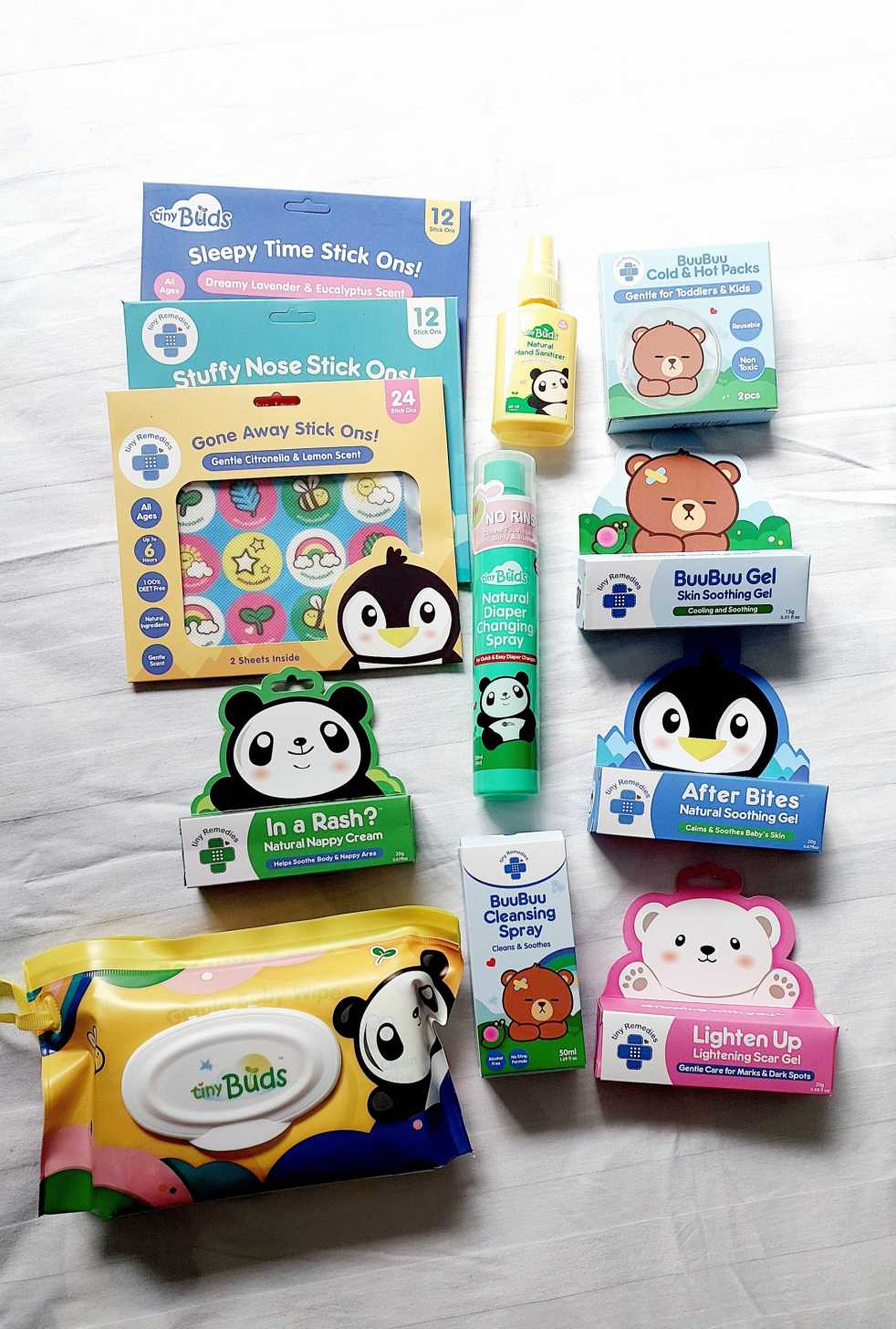
Your baby’s skin is more delicate than most, this is why you have to choose products that are designed for sensitive skin. Tiny Buds is a pioneer in integrating natural ingredients into baby care and today has over 50 innovative natural baby care essentials and is one of the Top Baby Personal Care brands. Here… Continue reading Product Review: Tiny Buds Baby Naturals Baby Essentials
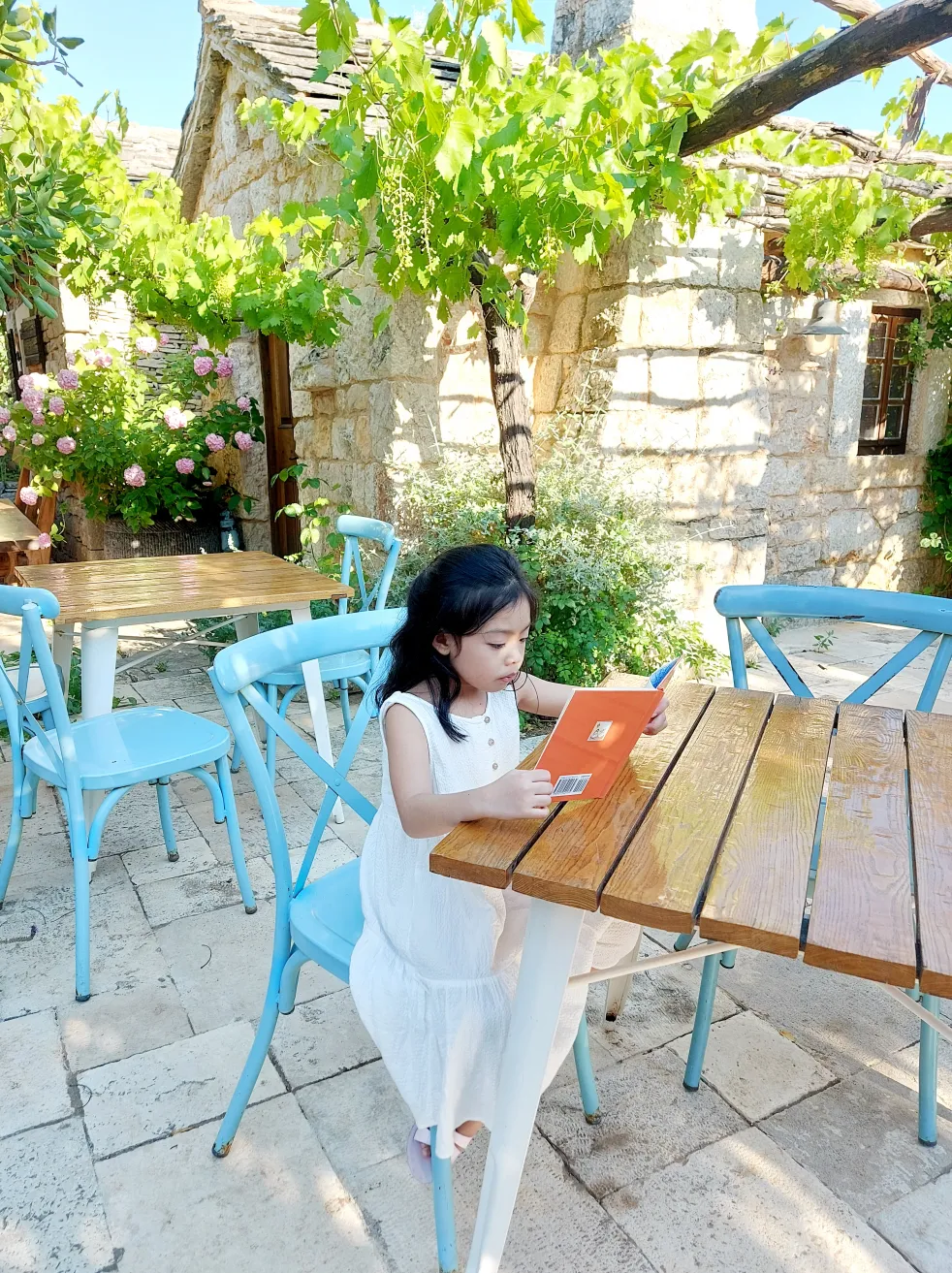
Where your child goes to school is a big decision and shouldn’t be taken lightly. Given how their education can impact their future, you might be tempted to take control and decide for them. However, you might be doing more damage than helping them in the long run. Your job as parents is to support… Continue reading HOW TO CHOOSE THE BEST SCHOOL FOR YOUR CHILD
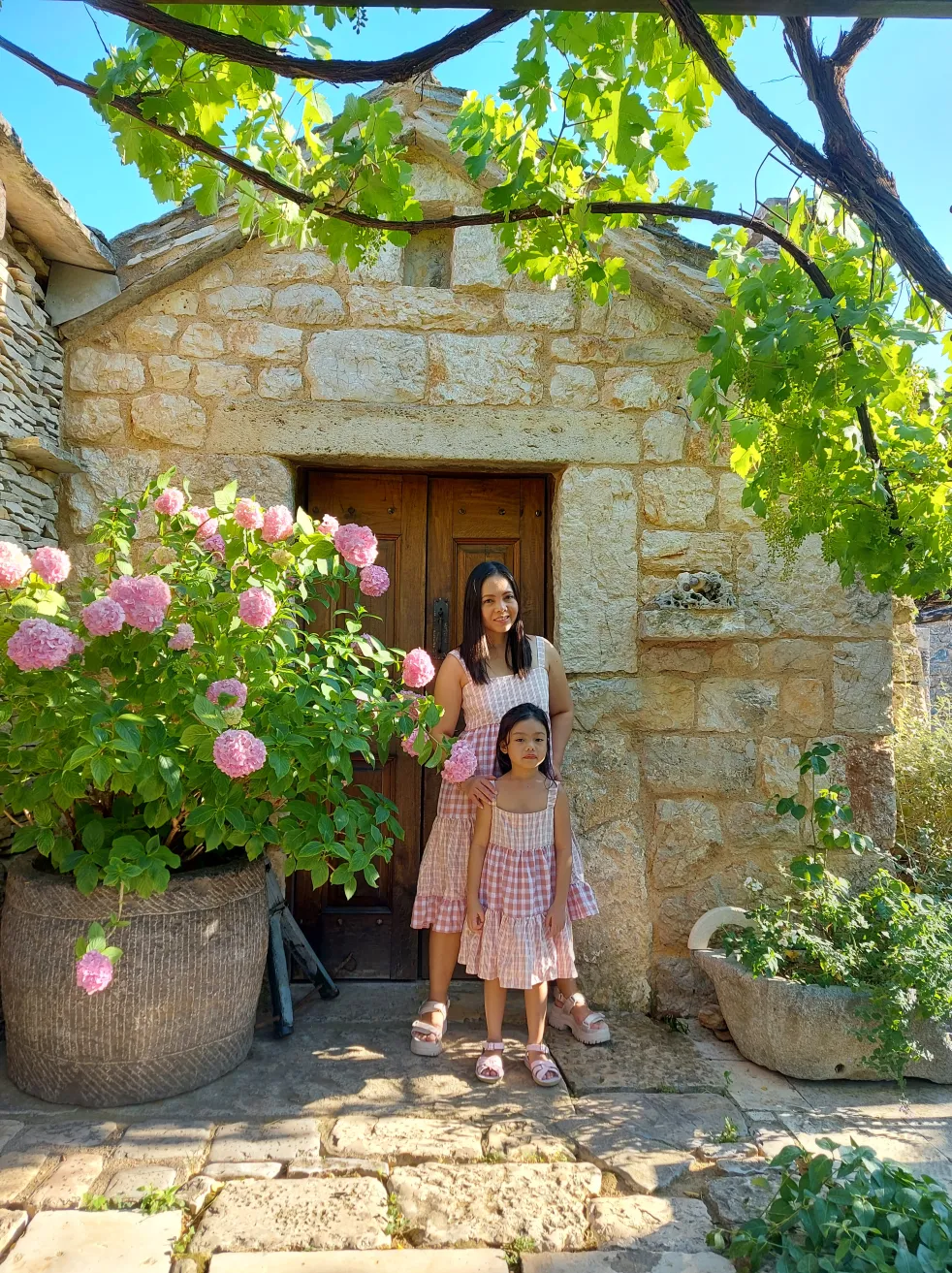
As poet and philosopher Rumi once eloquently said, “raise your words, not your voice. It is rain that grows flowers, not thunder.” Parenting is a challenging journey, and the truth is that nobody has everything figured out. One parenting style might suit others best, and some might favor other methods. However, children respond better to… Continue reading A SIMPLE GUIDE TO GENTLE PARENTING

Whether you’re a new mom to be, mom of a toddler, mom who have school-aged kids, you’re bound to have so many questions. Let's start with your baby's skin. Infant skin has unique needs; gentle care is essential to prevent damage to the skin barrier, which can lead to irritation. When caring for infant skin,… Continue reading Keeping Baby’s Diapered Skin Healthy
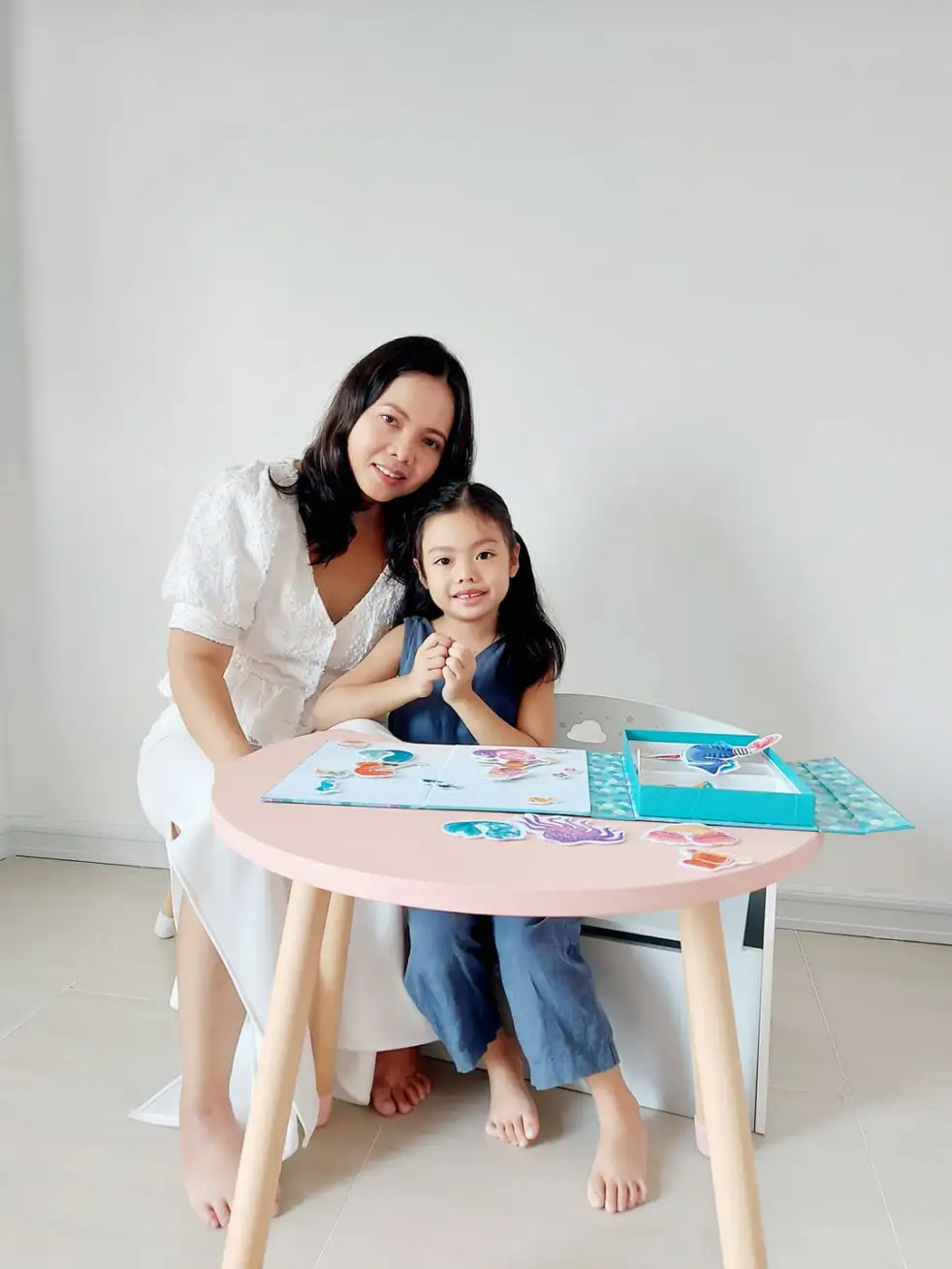
As parents, we want to give our child the best possible start in life and that begins with nurturing their intelligence. Throughout history, the notion of success has been linked to academic intelligence. However, there has been an increased awareness on the importance of emotional intelligence. This question gets at the heart of the never-ending… Continue reading IQ or EQ, which one is a better predictor of your child’s success?
 wondermomma.net