
Last August, IKEA Philippines engaged with Better World Smokey Mountain, a newly opened community center operated by the San Miguel Foundation, which shares a similar goal of improving the lives of many Filipino people. Through this partnership, IKEA Philippines provided and assembled home furnishings for the classrooms and library of Better World Smokey Mountain community… Continue reading Help Create a Better World with IKEA Soft Toys
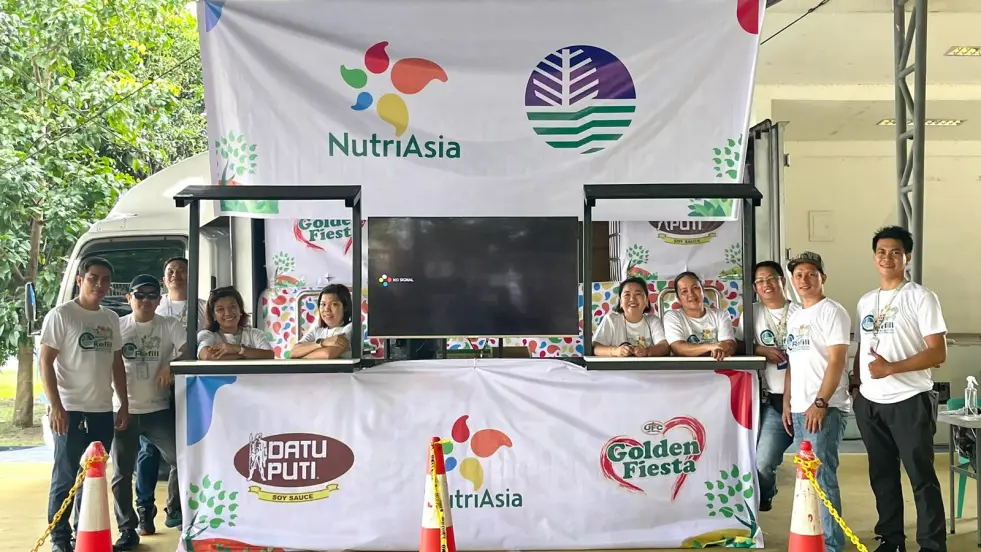
NutriAsia, the country’s top producer of condiments and sauces, continues its support of Refill Revolution; a project by the Department of Environment and Natural Resources EMB 3 that aims to help reduce Filipinos’ single-use plastics consumption. At Refill Revolution, residents get to recycle their single-use plastic bottles by reusing and filling it with their choice… Continue reading NutriAsia and DENR renews partnership for Refill Revolution

When Your Child Says I Hate You in Anger
Hearing “I hate you” from your child can feel deeply personal, especially when you are tired, already managing a busy household, or trying to hold a boundary. The words may come during a school-morning rush, after screen time ends, or when a younger sibling receives attention. Your child’s anger is real, but the statement usually does not represent a settled opinion about you.
Children often use powerful language when their emotional skills cannot keep pace with their feelings. A calm, connected response can teach them that anger is safe to express, while hurtful words and unsafe behaviour still have limits. The aim is not to win the moment; it is to help your child return to calm and learn a better way to communicate.
What “I Hate You” Usually Means
Young children may say “I hate you” when they mean, “I hate this rule,” “I am disappointed,” or “I want you to change your mind.” Their vocabulary for frustration is still developing, so a strong phrase can become a shortcut for a complicated emotional experience. This is especially common after a denied request, a transition, or a consequence.
Older children may use the phrase to create distance or test whether your relationship can withstand conflict. They might feel embarrassed, powerless, jealous, overwhelmed, or worried about losing control. Teenagers can also use harsh language when they need privacy or independence but do not yet know how to ask for it respectfully.
Taking the words seriously does not mean treating them as a final truth. You can acknowledge the impact without arguing about whether your child genuinely hates you. A response such as, “You are very angry with me right now,” reflects the feeling without accepting the label as an accurate description of the relationship.
Stay Calm While Holding The Boundary
Your first job is to regulate yourself. Lower your voice, slow your speech, and pause before responding. A shocked or angry reaction can turn one difficult sentence into a long power struggle. If you need a moment, say, “I am going to take a breath so I can help you properly.”
Then name the limit clearly: “You can be angry. You cannot use words to hurt people.” Keep the statement brief. A child in the middle of a meltdown is unlikely to absorb a lecture about gratitude, respect, or everything you do for the family.
You can also separate the emotion from the behaviour. “It is okay to feel furious when screen time ends. It is not okay to hit, threaten, swear at someone, or throw the controller.” If your child is unsafe, move nearby siblings away, remove dangerous objects, and focus on physical safety before discussing manners.
Connect Before You Correct
Connection does not mean giving in. It means showing your child that you are present while the limit remains firm. Try, “You wanted another episode, and I said no. That feels really unfair to you.” This kind of validation can reduce the need to repeat the angry statement.
Younger children often need co-regulation rather than explanations. Sit at their level if they tolerate closeness, offer a cuddle without forcing one, or stay quietly nearby. Some children calm more effectively while walking, drawing, squeezing playdough, or having a drink of water.
Avoid demanding an apology during the peak of anger. An automatic “sorry” may end the immediate conflict, but it does not teach emotional awareness. Once your child is calm, return to the incident and ask what happened in their body, what they wanted, and what they could say next time.
Teach Words That Carry The Real Message
Children need replacement phrases they can remember under pressure. Practise them when everyone is calm, perhaps during a relaxed moment after dinner or while travelling home from school. You might teach, “I am really angry,” “I need space,” “That feels unfair,” “I do not like your decision,” or “Can we talk later?”
Role-play common family situations. Pretend that a parent has ended a game, a sibling has taken a toy, or a teenager has been asked to put a phone away. Let your child practise responding without insults. Keep the exercise playful and short rather than turning it into another lesson.
Notice attempts to repair. If your child later says, “I was angry, but I do not hate you,” respond warmly: “Thank you for explaining. I know the feeling was huge. Next time, tell me you are furious without using words meant to hurt.” Repair can include a genuine apology, helping fix damage, writing a note, or reconnecting through a shared activity.
Useful Phrases For The Heated Moment
- “You are angry, and I am listening. I will not let you hurt me with words or actions.”
- “You can say, ‘I hate this rule,’ instead of ‘I hate you.’”
- “We will talk when your body is calmer.”
- “I love you, and the answer is still no.”
- “Would you like space, a cuddle, or to sit near me quietly?”
Consider Age, Development And Context
A preschooler may say “I hate you” because they are exhausted, hungry, overstimulated, or struggling with a transition. Predictable routines can help: offer warnings before leaving the park, use a visual timer before stopping a game, and keep snacks available during long errands. At school pick-up, a child may release all the feelings they held together during the day.
Primary-aged children can often discuss fairness and consequences after they have calmed. They may need help identifying triggers such as losing a game, being corrected in front of friends, or comparing themselves with a sibling. At this age, consistent family rules matter more than lengthy punishments.
Teenagers need respect for their growing autonomy. A Sydney teenager rushing for a train, a child balancing homework and sport in Brisbane, or a young person navigating friendship stress in Melbourne may have little emotional capacity left at the end of the day. Give reasonable privacy while maintaining expectations about safety, abusive language, and participation in family responsibilities.
Know When Extra Support Is Needed
Occasional angry statements are usually part of learning emotional regulation. Seek additional support if the words are frequent, escalating, accompanied by threats, cruelty, self-harm, property destruction, or prolonged withdrawal. Also pay attention to major changes in sleep, appetite, school attendance, friendships, or enjoyment of usual activities.
Start with a calm conversation when there is no conflict. Ask what has been difficult lately and listen without rushing to correct the story. Your child may be reacting to bullying, learning difficulties, anxiety, family changes, sensory overload, or pressure that is not obvious at home.
Australian families can speak with a GP, child and family health nurse, school wellbeing staff, or a registered psychologist. Medicare may help with eligible mental health care plans, while services such as Parentline and the Raising Children Network offer Australia-focused guidance. If there is immediate danger, contact emergency services on 000.
A Consistent Response For Everyday Conflicts
The same approach works across many family settings: recognise the feeling, hold the boundary, allow time to settle, then teach and repair. Consistency is more useful than finding a perfect sentence. If different adults respond in completely different ways, children may receive mixed messages about which behaviour is acceptable.
Agree on a simple family script with co-parents and other carers. Whether the incident happens at home, in the car, at childcare, or after a weekend visit to grandparents, the response can remain predictable. Australian families may also need to adjust expectations around hot weather, long commutes, public transport, or crowded shopping centres, all of which can reduce a child’s tolerance.
| Situation | Calm response | Follow-up after calm |
|---|---|---|
| Your child is angry about a limit | “You hate the rule right now. The rule stays.” | Practise asking for a different option respectfully |
| Your child says it and runs away | “I will give you space and stay close enough to keep you safe.” | Discuss where they can cool down next time |
| Your child insults a sibling | “You may be angry, but insults are not allowed.” | Help name the feeling and make a repair |
| Your child becomes physically unsafe | “I will stop you from hitting. Everyone needs safety.” | Review triggers and create a safety plan |
| The phrase happens repeatedly | “I hear that you are struggling. We need more help with this.” | Speak with a GP, school, or child mental health professional |
A child who says “I hate you” is often communicating distress with the strongest words available. Responding with steadiness, empathy, and firm limits protects the relationship while teaching emotional responsibility. Over time, repeated practice helps children replace hurtful declarations with honest language that others can understand.

Mercato Centrale, in collaboration with Indian Women in Enterprise Philippines (I-We), is set to host "The Great Indian Fiesta" to mark 75 years of friendship between India and the Philippines. The dynamic two-day event is scheduled to take place on September 30 to October 1, 2023, at Paseo De Roxas Street, Makati City. Aiming to… Continue reading Mercato Centrale Partners with I-We to Host ‘The Great Indian Fiesta’, Commemorating 75 Years of India-Philippines Friendship

My stomach would usually start growling at 10 am even after taking a big breakfast. This is probably because I am a morning person and I move a lot throughout the day hence snacking is something that I can't avoid. This potatoes and chicken wrap recipe is easy to prepare and would keep me full… Continue reading Potato and Chicken Wrap
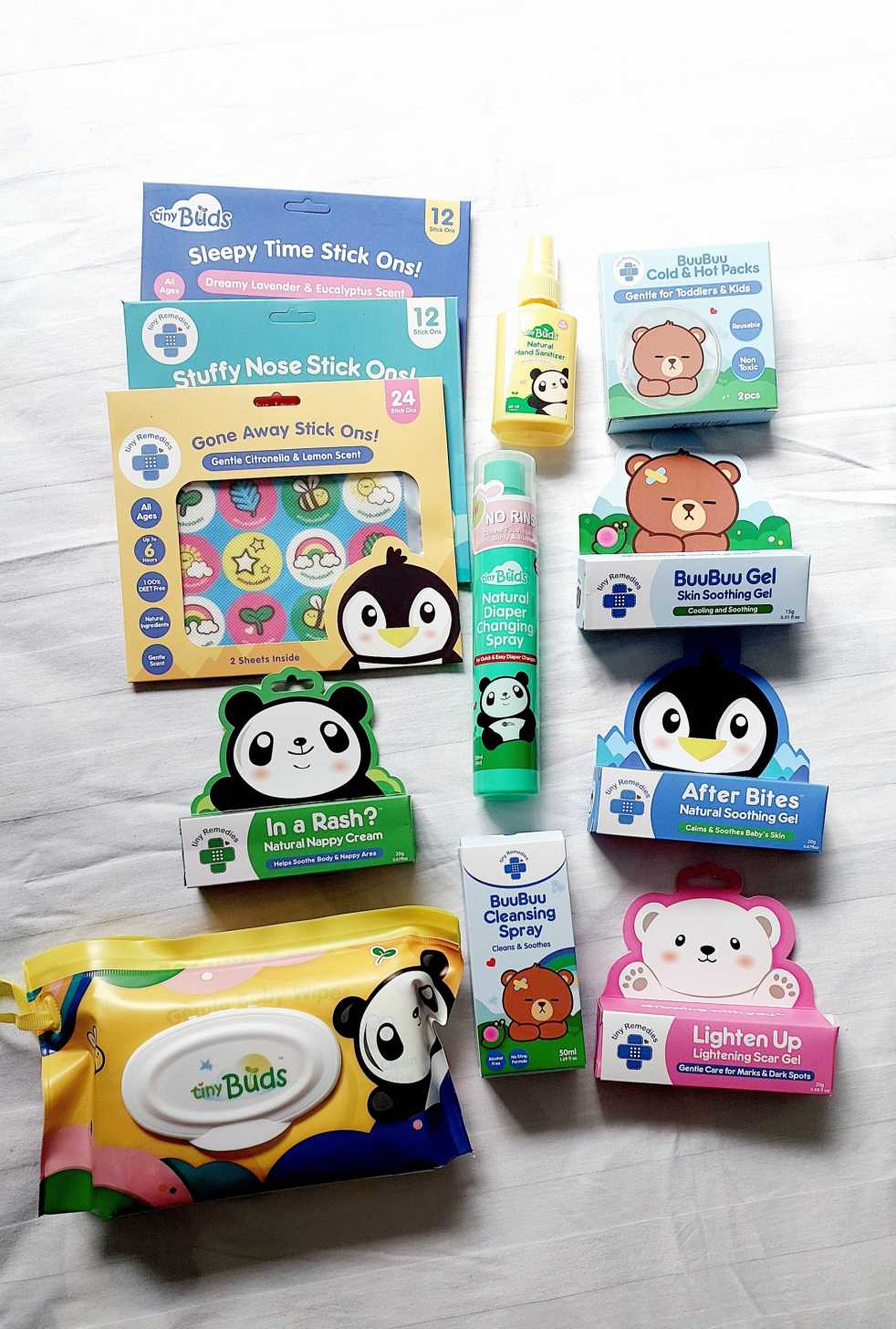
Your baby’s skin is more delicate than most, this is why you have to choose products that are designed for sensitive skin. Tiny Buds is a pioneer in integrating natural ingredients into baby care and today has over 50 innovative natural baby care essentials and is one of the Top Baby Personal Care brands. Here… Continue reading Product Review: Tiny Buds Baby Naturals Baby Essentials
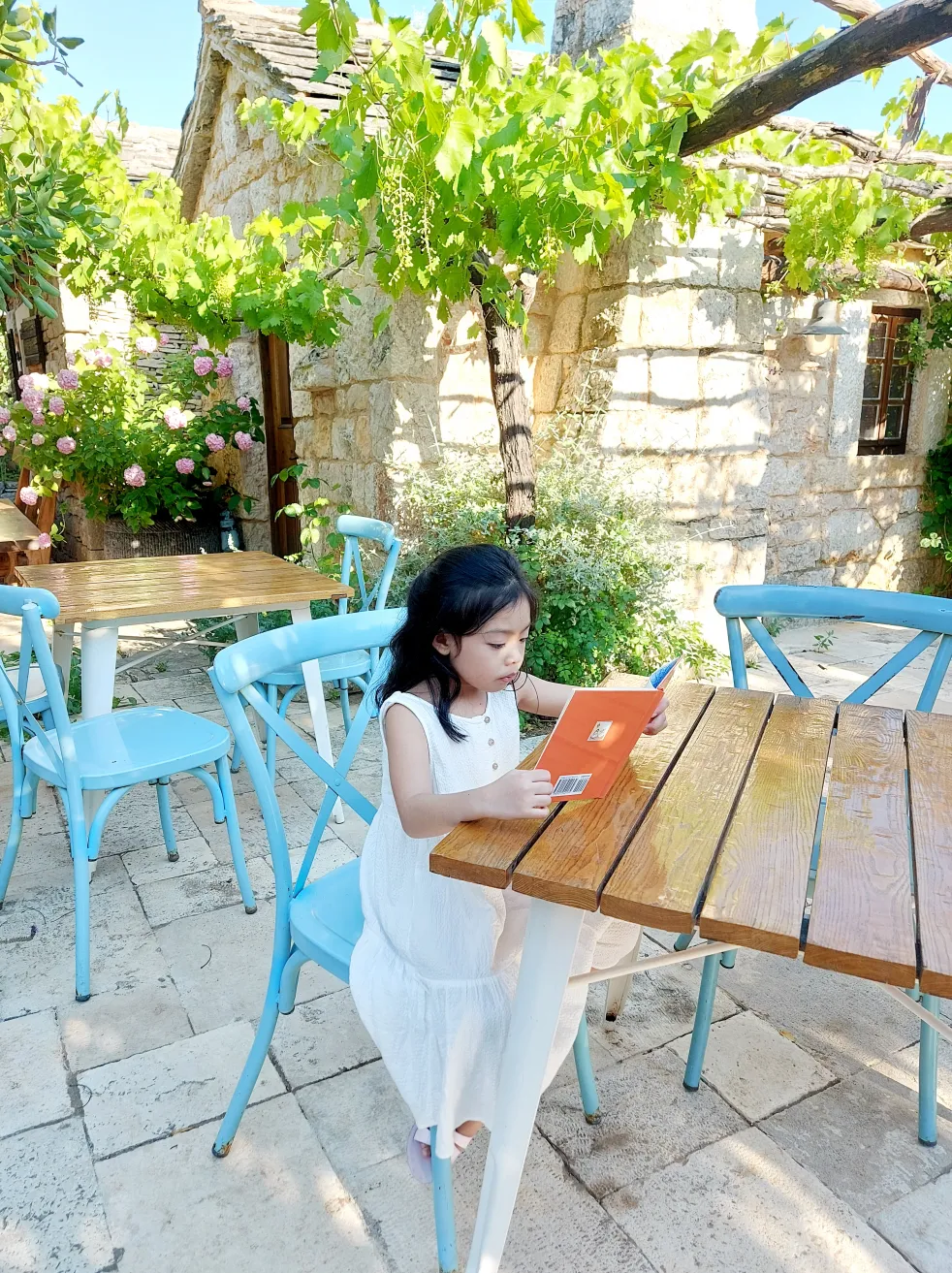
Where your child goes to school is a big decision and shouldn’t be taken lightly. Given how their education can impact their future, you might be tempted to take control and decide for them. However, you might be doing more damage than helping them in the long run. Your job as parents is to support… Continue reading HOW TO CHOOSE THE BEST SCHOOL FOR YOUR CHILD
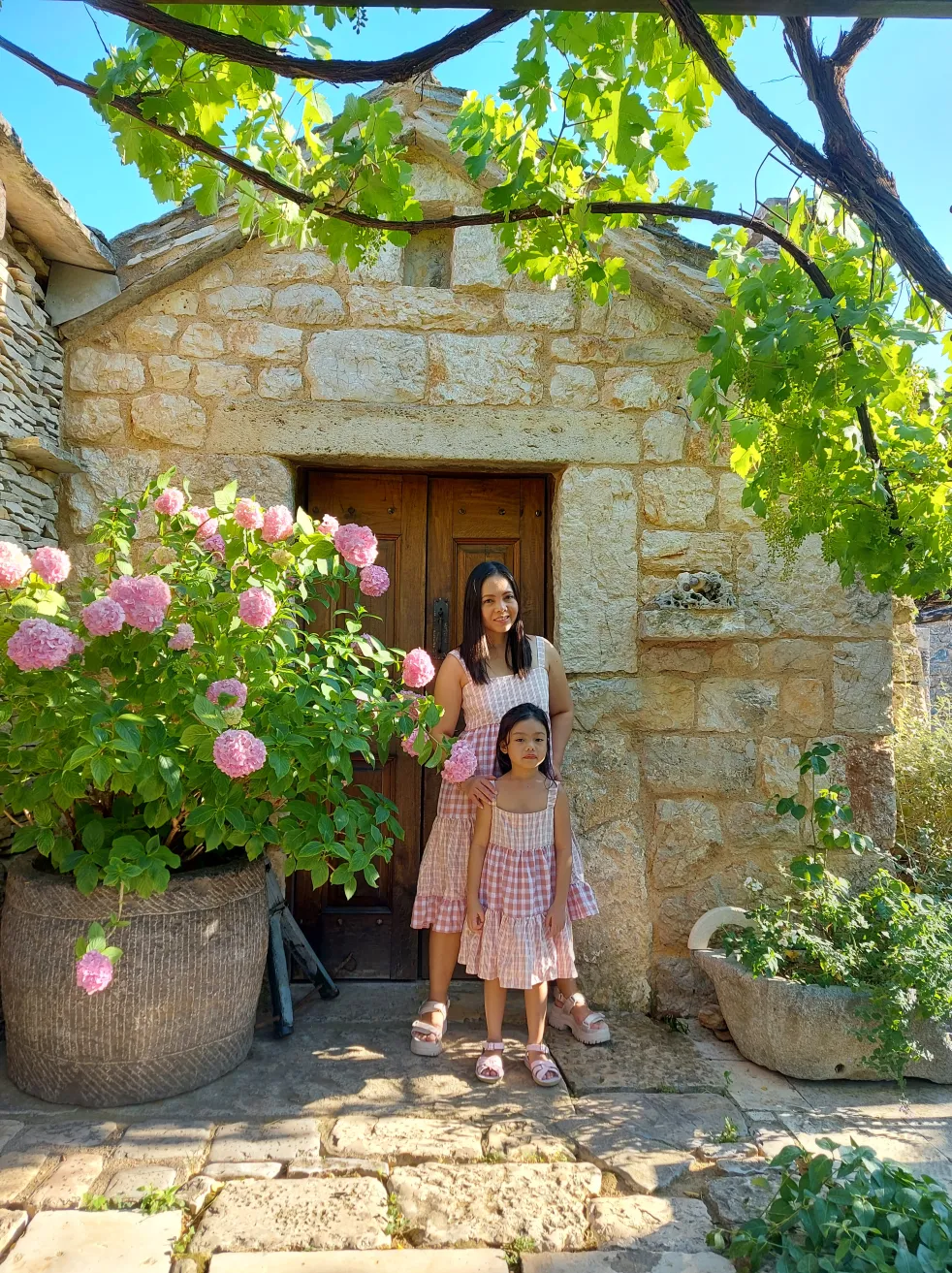
As poet and philosopher Rumi once eloquently said, “raise your words, not your voice. It is rain that grows flowers, not thunder.” Parenting is a challenging journey, and the truth is that nobody has everything figured out. One parenting style might suit others best, and some might favor other methods. However, children respond better to… Continue reading A SIMPLE GUIDE TO GENTLE PARENTING

Whether you’re a new mom to be, mom of a toddler, mom who have school-aged kids, you’re bound to have so many questions. Let's start with your baby's skin. Infant skin has unique needs; gentle care is essential to prevent damage to the skin barrier, which can lead to irritation. When caring for infant skin,… Continue reading Keeping Baby’s Diapered Skin Healthy
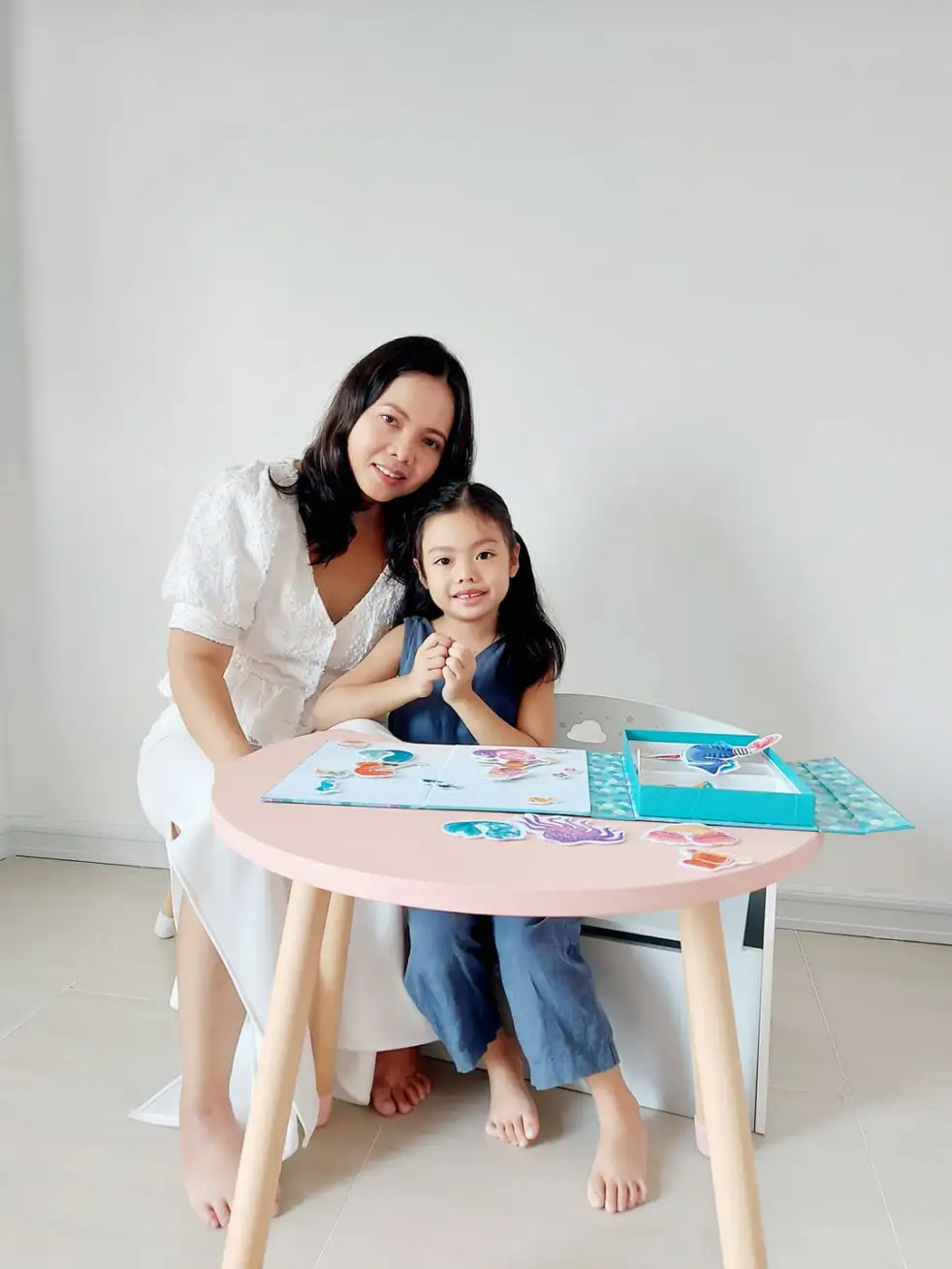
As parents, we want to give our child the best possible start in life and that begins with nurturing their intelligence. Throughout history, the notion of success has been linked to academic intelligence. However, there has been an increased awareness on the importance of emotional intelligence. This question gets at the heart of the never-ending… Continue reading IQ or EQ, which one is a better predictor of your child’s success?
 wondermomma.net