

Last August, IKEA Philippines engaged with Better World Smokey Mountain, a newly opened community center operated by the San Miguel Foundation, which shares a similar goal of improving the lives of many Filipino people. Through this partnership, IKEA Philippines provided and assembled home furnishings for the classrooms and library of Better World Smokey Mountain community… Continue reading Help Create a Better World with IKEA Soft Toys

NutriAsia, the country’s top producer of condiments and sauces, continues its support of Refill Revolution; a project by the Department of Environment and Natural Resources EMB 3 that aims to help reduce Filipinos’ single-use plastics consumption. At Refill Revolution, residents get to recycle their single-use plastic bottles by reusing and filling it with their choice… Continue reading NutriAsia and DENR renews partnership for Refill Revolution

Helping Your Child Feel Ready for the Dentist
A child’s first dental appointment can feel like a major milestone for the whole family. New surroundings, unfamiliar instruments, and a dentist wearing a mask may seem overwhelming to a young child, especially when they do not yet understand why someone needs to look inside their mouth.
With calm preparation and realistic expectations, the visit can become a gentle introduction to lifelong oral care. The goal is not a perfectly still child or a long examination. It is to build trust, check early development, and help your child feel safe returning for future dental visits.
Parents often worry about what to say, how to manage crying, or whether they should wait until all the baby teeth have appeared. Starting early is usually helpful because a dentist can identify concerns, discuss brushing and fluoride, and guide families before small problems become painful ones.
Choose The Right Time For The First Visit
Many dental professionals recommend arranging a child’s first check-up by the first birthday or within six months of the first tooth appearing. This early appointment is usually preventive rather than corrective. The dentist may examine the gums and teeth, assess oral habits, and explain how to care for developing baby teeth.
You do not need to wait for a toothache, visible cavity, or serious concern. Early dental care allows the dentist to spot enamel changes, plaque buildup, bite issues, or signs of tooth decay while they are easier to manage. It also gives your child a chance to become familiar with the clinic before treatment is ever needed.
Look for a dentist who regularly works with babies and children. A pediatric dentist may have a child-friendly clinic, smaller instruments, playful language, and experience helping nervous young patients. Ask about the clinic’s approach to crying, parental presence, fluoride advice, and appointments for toddlers.
Prepare Without Creating Fear
Children often take their emotional cues from adults. If you describe the appointment as frightening, painful, or something they must be brave enough to endure, they may assume danger is waiting. Use simple, neutral language such as “The dentist will count your teeth and make sure they are healthy.”
Avoid promising that nothing will hurt, since the dentist may need to perform an unfamiliar action. Instead, explain that the dentist will tell them what is happening and that they can ask for a break. A short picture book, pretend dental check-up with a stuffed toy, or demonstration using a toothbrush can make the routine feel more predictable.
Timing matters as well. Schedule the visit when your child is usually rested and fed, rather than close to nap time or when hunger is likely to cause irritability. For babies, bring a familiar comfort item if the clinic allows it. For toddlers, keep the explanation brief and repeat it casually rather than discussing the appointment for several days.
Make Oral Care Part Of Everyday Life
A positive dental appointment begins at home. Brush your child’s teeth twice a day with a soft, age-appropriate toothbrush. Ask your dentist or local health professional about the recommended amount and concentration of fluoride toothpaste for your child’s age and needs. Parents should generally help young children brush because toddlers do not yet have the coordination to clean every surface properly.
Keep the routine gentle and consistent. Singing a short song, using a visual timer, or letting your child choose between two toothbrushes can provide a sense of control. Avoid turning brushing into a contest or using sweets as a reward, since these approaches can make oral hygiene feel like a punishment or make sugary foods seem especially valuable.
Nutrition also influences dental health. Frequent sugary drinks and sticky snacks can increase the risk of tooth decay. Water between meals is a simple choice, while regular meals and snacks help avoid constant exposure to fermentable carbohydrates. Families exploring early feeding routines may also find this baby-led weaning guide useful when planning age-appropriate foods and mealtime habits.
Know What Happens At The Clinic
The first appointment is often shorter and more conversational than parents expect. The dentist may ask about pregnancy and birth history, feeding patterns, thumb-sucking or pacifier use, brushing habits, and any concerns about discoloration or discomfort. They may then invite your child to sit in the dental chair, sit on a parent’s lap, or remain standing while the mouth is checked.
The dentist might count the teeth, examine the gums, look for early decay, and assess the jaw or bite. X-rays are not always needed during an initial visit, particularly when there is no specific concern. Fluoride varnish may be discussed or applied depending on your child’s age, cavity risk, local guidance, and parental preference.
| Appointment Stage | What Your Child May Experience | How Parents Can Help |
|---|---|---|
| Arrival | New sights, sounds, and people | Speak calmly and allow time to look around |
| Conversation | Simple questions about brushing and eating | Answer honestly while keeping explanations brief |
| Oral check | A mirror, light, counting, or gentle examination | Offer a hand to hold and avoid forcing cooperation |
| Preventive care | Brushing advice or possible fluoride treatment | Ask for clear instructions and repeat them at home |
| Farewell | Praise, a sticker, or a planned return visit | Celebrate participation rather than perfect behavior |
A child may cry, turn away, or refuse to open their mouth. That does not mean the appointment has failed. Sometimes the dentist will complete only a visual check and use the visit to build familiarity. If your child is distressed, ask whether a pause, lap examination, or gradual reintroduction would be appropriate.
Support Your Child During The Examination
Stay close and keep your body language relaxed. A child may cooperate more readily when sitting on a parent’s lap, especially during the first dental check-up. Let the dental team lead the instructions, since several adults giving directions at once can make the experience confusing.
Use a calm voice and specific encouragement. “You kept your mouth open while the dentist looked” is more helpful than a general command to be brave. You can also agree on a signal, such as raising a hand, to show that your child needs a pause. This gives them a safe way to communicate without suggesting that the dentist is unsafe.
Try not to bargain with expensive treats or threaten consequences for crying. Do not shame a child for having plaque, a cavity, or difficulty cooperating. Dental anxiety can develop when children believe that a dentist’s visit is a test they can fail. Reassurance, patience, and predictable boundaries work better than pressure.
Handle Common Concerns With Calm Answers
Some parents worry that a toddler who refuses the chair will need sedation or restraint. In many cases, the dentist can postpone non-urgent treatment, use gradual visits, or adjust the appointment style. If treatment is necessary, ask the dentist to explain every option, including benefits, risks, costs, and the clinic’s experience with young children.
A child with sensory sensitivities may need additional preparation. Tell the clinic in advance about reactions to bright lights, loud sounds, smells, touch, or changes in routine. The team may be able to reduce stimulation, offer a quieter appointment, allow headphones, or plan extra time for transitions.
Babies who are breastfed, bottle-fed, or still using a pacifier also deserve individualized guidance rather than criticism. Ask how feeding frequency, night feeds, oral habits, or emerging teeth may affect dental health. The discussion should help your family make practical changes without creating guilt.
Build Confidence After The Appointment
Once the visit is over, keep your response warm and matter-of-fact. Praise your child for entering the clinic, sitting near the dentist, opening their mouth, or trying something unfamiliar. These small steps matter even when the examination is incomplete.
Avoid giving a detailed replay of every moment, particularly if your child was upset. Instead, mention one positive memory and explain what will happen next time. A simple routine such as brushing together, looking at the new toothbrush, or placing the next appointment on a family calendar can reinforce continuity.
Use the dentist’s advice to create one or two manageable goals, such as brushing before bedtime without skipping or replacing a sugary drink with water. Too many changes at once may create resistance. Consistency at home, regular preventive appointments, and a respectful relationship with the dental team will gradually make oral care feel ordinary.
Simple Ways To Encourage A Positive Visit
- Choose a child-focused dental clinic and share relevant concerns before the appointment.
- Schedule the visit when your child is rested, comfortable, and not overly hungry.
- Practice opening the mouth and counting teeth through playful pretend games.
- Bring a comfort item and agree on a pause signal with the dental team.
- Praise effort, communication, and participation instead of demanding perfect cooperation.
A first dental visit is an opportunity to establish trust, not a performance that your child must get right. With age-appropriate preparation, supportive language, and regular home care, children can learn that the dentist is a familiar partner in keeping their smiles healthy. Book an early check-up, prepare gently, and let each visit build confidence at your child’s own pace.

Mercato Centrale, in collaboration with Indian Women in Enterprise Philippines (I-We), is set to host "The Great Indian Fiesta" to mark 75 years of friendship between India and the Philippines. The dynamic two-day event is scheduled to take place on September 30 to October 1, 2023, at Paseo De Roxas Street, Makati City. Aiming to… Continue reading Mercato Centrale Partners with I-We to Host ‘The Great Indian Fiesta’, Commemorating 75 Years of India-Philippines Friendship

My stomach would usually start growling at 10 am even after taking a big breakfast. This is probably because I am a morning person and I move a lot throughout the day hence snacking is something that I can't avoid. This potatoes and chicken wrap recipe is easy to prepare and would keep me full… Continue reading Potato and Chicken Wrap
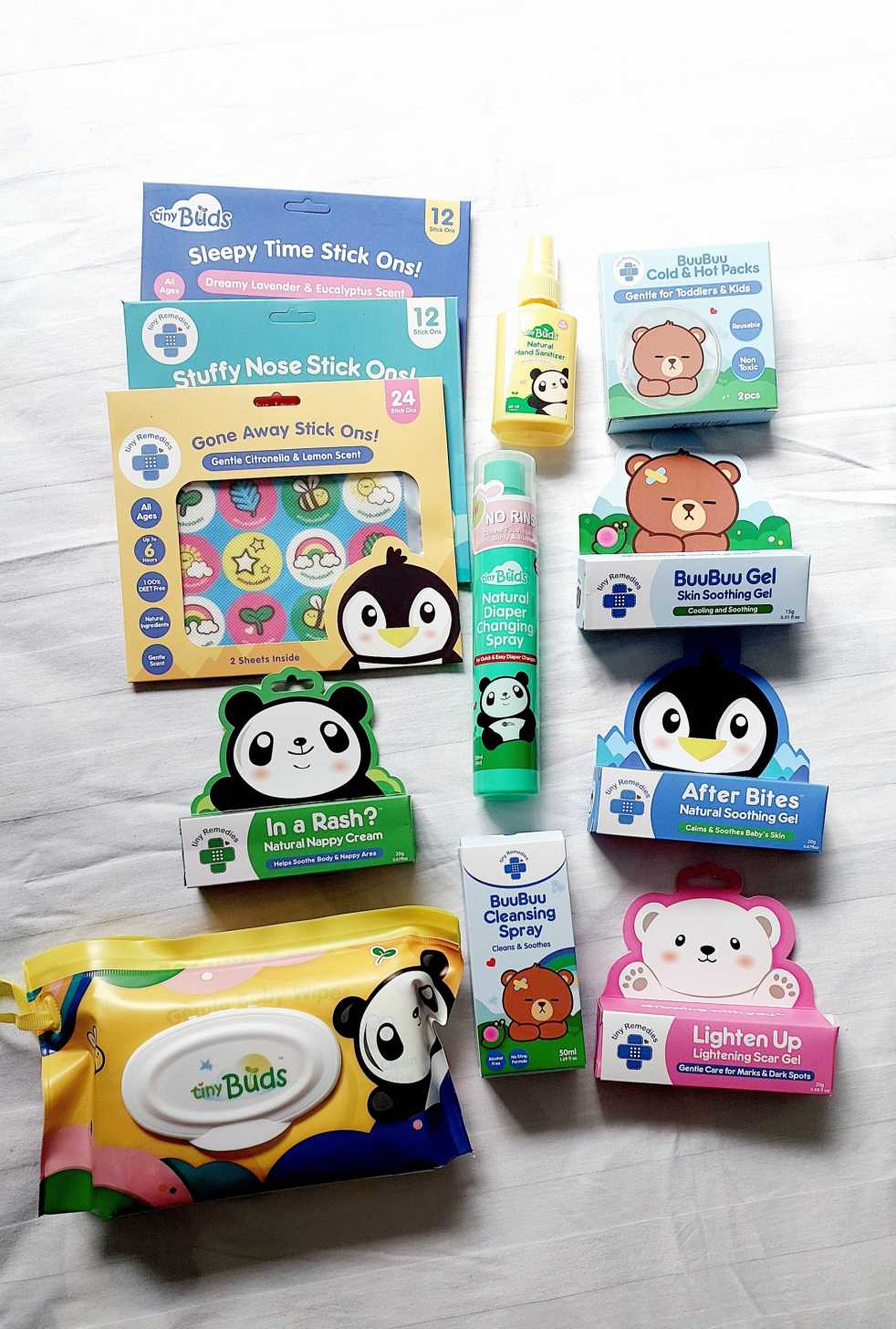
Your baby’s skin is more delicate than most, this is why you have to choose products that are designed for sensitive skin. Tiny Buds is a pioneer in integrating natural ingredients into baby care and today has over 50 innovative natural baby care essentials and is one of the Top Baby Personal Care brands. Here… Continue reading Product Review: Tiny Buds Baby Naturals Baby Essentials

Where your child goes to school is a big decision and shouldn’t be taken lightly. Given how their education can impact their future, you might be tempted to take control and decide for them. However, you might be doing more damage than helping them in the long run. Your job as parents is to support… Continue reading HOW TO CHOOSE THE BEST SCHOOL FOR YOUR CHILD

As poet and philosopher Rumi once eloquently said, “raise your words, not your voice. It is rain that grows flowers, not thunder.” Parenting is a challenging journey, and the truth is that nobody has everything figured out. One parenting style might suit others best, and some might favor other methods. However, children respond better to… Continue reading A SIMPLE GUIDE TO GENTLE PARENTING

Whether you’re a new mom to be, mom of a toddler, mom who have school-aged kids, you’re bound to have so many questions. Let's start with your baby's skin. Infant skin has unique needs; gentle care is essential to prevent damage to the skin barrier, which can lead to irritation. When caring for infant skin,… Continue reading Keeping Baby’s Diapered Skin Healthy

As parents, we want to give our child the best possible start in life and that begins with nurturing their intelligence. Throughout history, the notion of success has been linked to academic intelligence. However, there has been an increased awareness on the importance of emotional intelligence. This question gets at the heart of the never-ending… Continue reading IQ or EQ, which one is a better predictor of your child’s success?
 wondermomma.net