

Last August, IKEA Philippines engaged with Better World Smokey Mountain, a newly opened community center operated by the San Miguel Foundation, which shares a similar goal of improving the lives of many Filipino people. Through this partnership, IKEA Philippines provided and assembled home furnishings for the classrooms and library of Better World Smokey Mountain community… Continue reading Help Create a Better World with IKEA Soft Toys

NutriAsia, the country’s top producer of condiments and sauces, continues its support of Refill Revolution; a project by the Department of Environment and Natural Resources EMB 3 that aims to help reduce Filipinos’ single-use plastics consumption. At Refill Revolution, residents get to recycle their single-use plastic bottles by reusing and filling it with their choice… Continue reading NutriAsia and DENR renews partnership for Refill Revolution

How to Handle Your Child's First Crush
A child's first crush can arrive long before you think they are ready for dating. It may look like intense friendship, admiration for a popular classmate, excitement about a teacher, or fondness for a character. At its heart, the feeling is often about noticing someone new and wondering where they fit in the child's world.
Many Australian mums and dads feel unsure whether to treat it seriously, laugh it off or say nothing. Each reaction can shape how safely a child explores affection. Calm interest signals acceptance; ridicule can make the child hide the feeling, while overreaction may make ordinary curiosity feel like a confession.
Australian school life often provides the first social laboratory. You may notice changed moods around a school friend at the gate, lunch at the tuckshop or plans involving the oval and local park. Across Sydney, Melbourne, Brisbane and regional communities, uniforms, school runs and after-school care make peer relationships part of everyday family logistics.
The aim is not to label the feeling or manage every detail. It is to stay connected, protect your child from pressure and help them learn that attraction can exist alongside disappointment, disagreement and personal boundaries. Their first crush is also a chance to introduce emotional skills they will use far beyond the playground.
What a first crush can mean
A first crush may be puppy love, a school-based romance, an admiration of confidence or a crush on a celebrity or character. Younger children often use adult words for intense friendship because they do not yet have a precise language for attraction. Let your child describe it in their own terms instead of supplying a label too quickly.
Development matters more than the calendar. Some children develop strong preferences by five or six, while others show little interest in romantic relationships until early secondary school. Early feelings can also be directed toward an older child, a teacher or an online personality, so adults should respond with curiosity rather than suspicion.
Reading thoughtful parenting guidance can help you separate a normal phase from something that needs attention. The most useful question is simple: is the feeling bringing your child comfort and connection, or distress, fear and secrecy? The answer gives you a better starting point than arguing over what it “really means”.
Spot the signs without overreacting
Watch for emotional and behavioural changes: persistent daydreaming, sudden interest in appearance, reluctance to attend school, repeated mentions of one person or distress after a message goes unanswered. These signs are not proof of a crush. Sleep, friendship trouble, exam stress and family conflict can look similar, especially around the middle primary years.
Start with an open observation rather than an interrogation. “You seem happy after seeing Jordan today” gives your child room to explain. “Why do you keep talking about them?” can sound like an accusation. If your child is not ready, respect that; trust often grows when privacy is offered rather than demanded.
Also notice whether the relationship is mutual and caring. A child who is repeatedly excluded, mocked, threatened or pressured may be describing bullying or coercion rather than romance. When power is unbalanced, the issue is safety, not whether the affection is serious enough to be called a crush.
Match your response to their age
For a preschooler or early-primary child, keep the response concrete. Accept the feeling, answer simple questions about bodies and privacy and explain that affection does not mean another child must become their partner. Playdates can continue in public, with the same adult supervision you would use for any friendship.
During the middle primary years, children may swap notes, choose one another first at lunch or ask to join an after-school activity. Adults can discuss kindness, sharing and safe contact without labelling the friendship. Avoid teasing about a “boyfriend” or “girlfriend”; children often withdraw when their private feelings become public entertainment.
Digital boundaries should be explained before problems arise. Agree on which apps are suitable, keep messaging age-appropriate and tell your child that an online connection is not proof of safety. If adults are involved, make it clear that trusted grown-ups can help without automatically taking over the friendship.
| Stage | What you may notice | A helpful response | What to avoid |
|---|---|---|---|
| Early childhood | Play becomes exclusive or a friend is treated as special | Welcome the feeling and keep play child-led | Labeling it as love or teasing |
| Middle primary | Daydreaming, notes or a fixed lunch partner | Ask open questions and model respectful friendships | Interrogation or public comments |
| Early secondary | Messaging, after-school plans or mood changes | Set digital boundaries and check wellbeing | Forcing disclosure or contacting the other child |
| Older teen | A private relationship affects routines and priorities | Offer privacy while remaining reachable | Mocking, comparisons or ultimatums |
Supporting tweens and teenagers
By early secondary school, young people need more autonomy and directness. Ask whether they want advice, practical help or simply someone to listen. During “schoolies” celebrations in some states and at unsupervised social events in Sydney or other cities, discuss transport, alcohol, consent and where to seek help without treating every outing as a crisis.
Older children may also experience a crush through group chats, gaming platforms or shared social media accounts. A useful approach is to discuss what a healthy relationship looks like, then agree on privacy, posting and contact rules together. Candid family perspectives can offer reassurance that these conversations are more natural when they happen before embarrassment takes over.
Use Australia’s eSafety resources when messaging turns coercive, sexual or unsafe. The eSafety Commissioner provides guidance on image-based abuse, online harassment and reporting options. Give your child the specific steps for blocking, saving evidence and telling an adult; vague advice to “just log off” leaves too much work to a frightened young person.
Boundaries that protect without controlling
Boundaries are not a punishment; they help a child learn how to care for themselves and others. A crush should not require secrecy, isolation, constant availability or giving up sleep, study and friendships. Explain that genuine interest grows from mutual respect and that both people can say no without losing the friendship.
Use these signs to decide when a more specific conversation may help:
- Their mood repeatedly depends on one person’s replies.
- They want to meet privately or hide plans from adults.
- The other person asks for money, passwords, pictures or loyalty tests.
- The relationship makes them afraid to say no or share what they feel.
If any of these appear, pause the labels and focus on what should stop. Reassure the child that asking for help means they have handled a difficult situation well. If there is an age gap, an adult is involved or threats are present, contact local safeguarding services or police as appropriate.
Use prompts that invite honest answers:
- “What do you admire about them?”
- “Do you feel safe and respected around them?”
- “How do you feel when they do not reply?”
- “What would you like to do, and what support would help?”
After listening, offer one or two practical actions: talk to a teacher, revise a message together, plan activities with a friend or wait before replying. Avoid turning every decision into a lesson. A child also needs room to feel excited and disappointed without being corrected at every turn.
When outside support may be needed
Involve the school when the crush is affecting attendance, learning, sleep or safety, especially if there is bullying, sexual pressure or a significant age gap. A school wellbeing coordinator or counsellor can offer a neutral conversation. Parents can coordinate with the school while still telling the child what support is available and who will hear what.
Family relationships also shape the lesson. Children watch how adults handle disagreement, affection, jealousy and repair. If two adults are separated, do not use the child to deliver messages or gather loyalty. Model apologies, calm limits and honest conversations so the child has examples of respect outside the crush.
Most first crushes are brief, and many become treasured memories rather than lasting relationships. Your child’s response will depend less on perfect words than on whether they experienced steady interest, safe limits and freedom from ridicule. Secure connection gives them room to explore affection now and to recognise healthy partnership later.

Mercato Centrale, in collaboration with Indian Women in Enterprise Philippines (I-We), is set to host "The Great Indian Fiesta" to mark 75 years of friendship between India and the Philippines. The dynamic two-day event is scheduled to take place on September 30 to October 1, 2023, at Paseo De Roxas Street, Makati City. Aiming to… Continue reading Mercato Centrale Partners with I-We to Host ‘The Great Indian Fiesta’, Commemorating 75 Years of India-Philippines Friendship

My stomach would usually start growling at 10 am even after taking a big breakfast. This is probably because I am a morning person and I move a lot throughout the day hence snacking is something that I can't avoid. This potatoes and chicken wrap recipe is easy to prepare and would keep me full… Continue reading Potato and Chicken Wrap
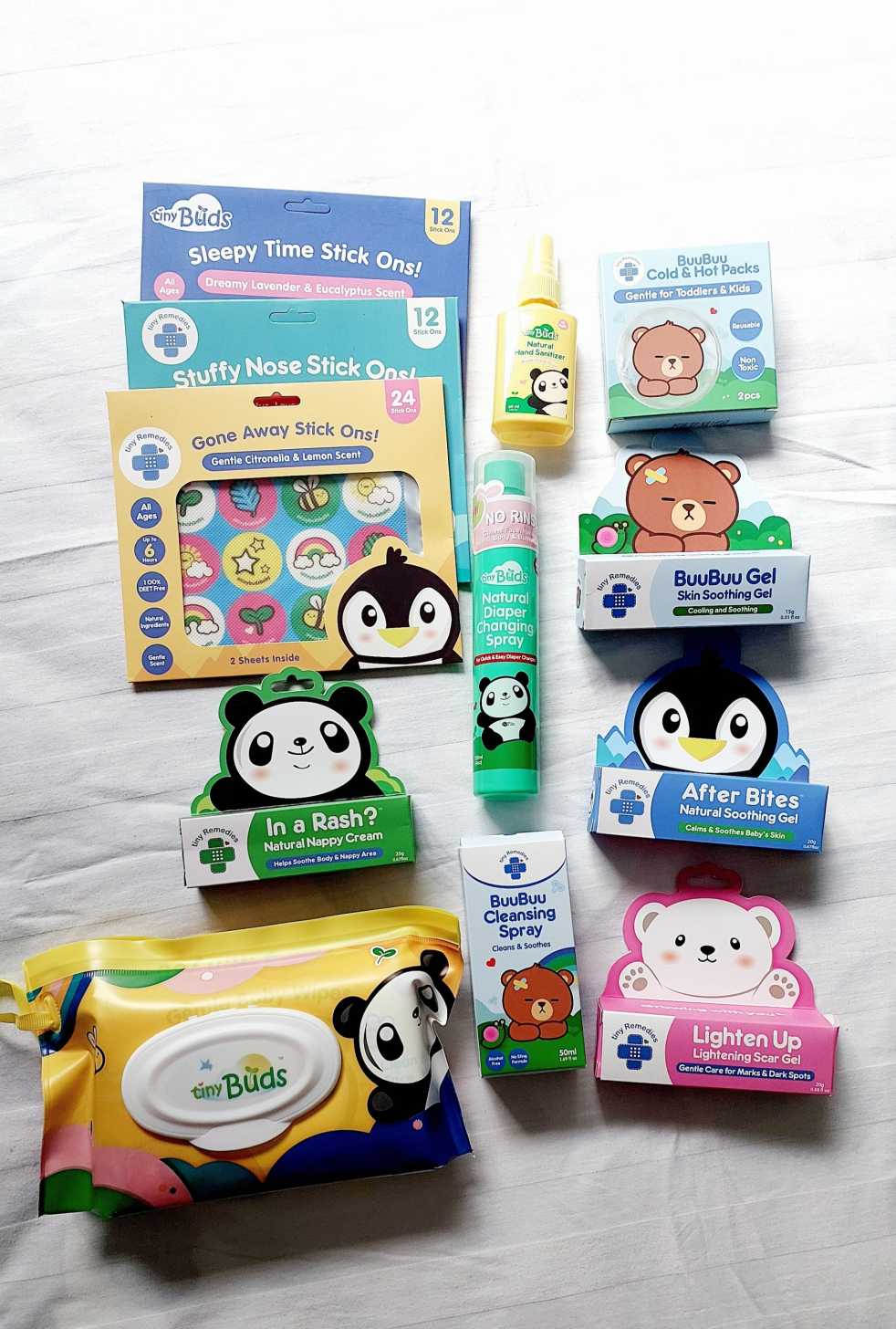
Your baby’s skin is more delicate than most, this is why you have to choose products that are designed for sensitive skin. Tiny Buds is a pioneer in integrating natural ingredients into baby care and today has over 50 innovative natural baby care essentials and is one of the Top Baby Personal Care brands. Here… Continue reading Product Review: Tiny Buds Baby Naturals Baby Essentials
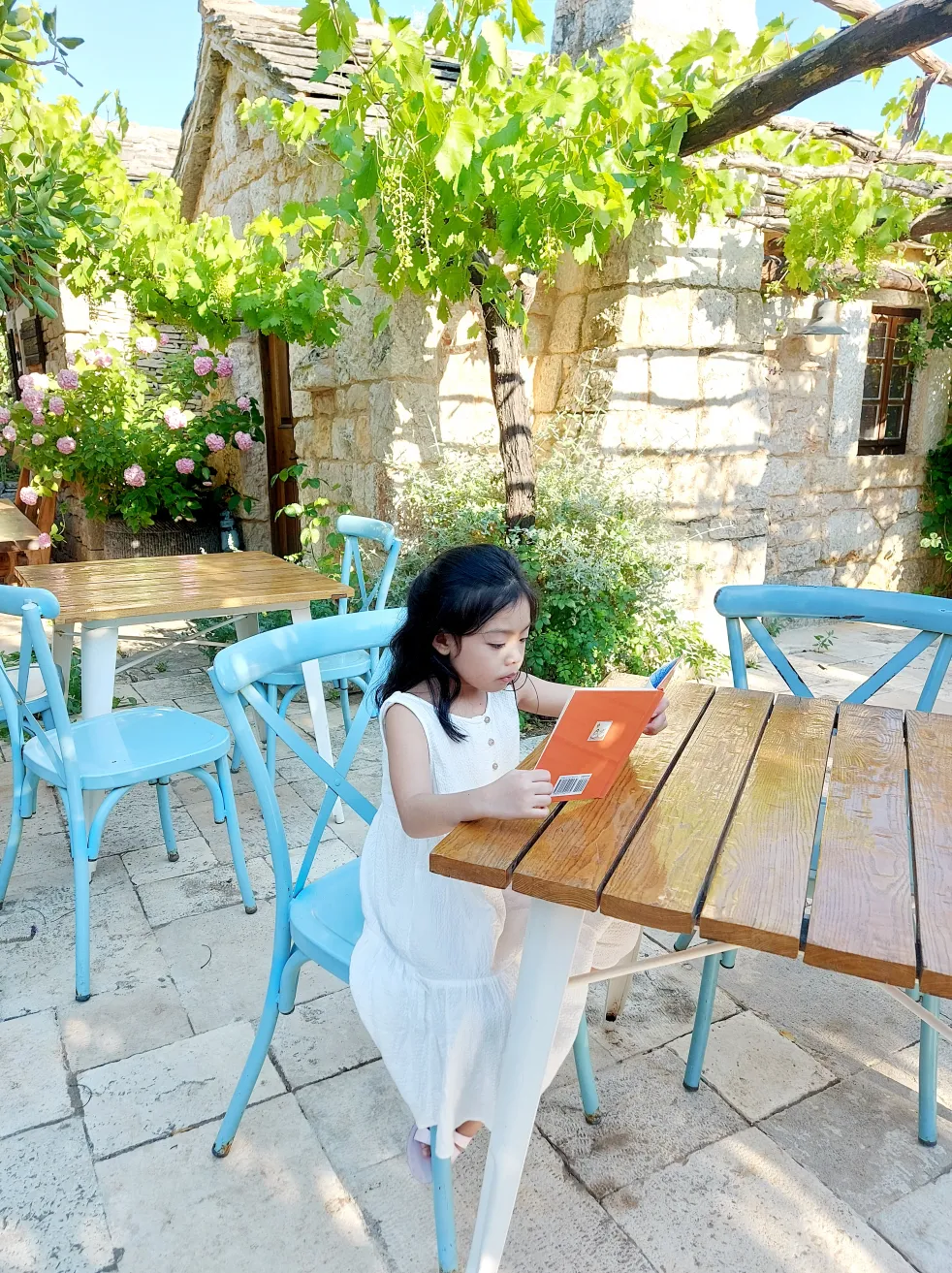
Where your child goes to school is a big decision and shouldn’t be taken lightly. Given how their education can impact their future, you might be tempted to take control and decide for them. However, you might be doing more damage than helping them in the long run. Your job as parents is to support… Continue reading HOW TO CHOOSE THE BEST SCHOOL FOR YOUR CHILD
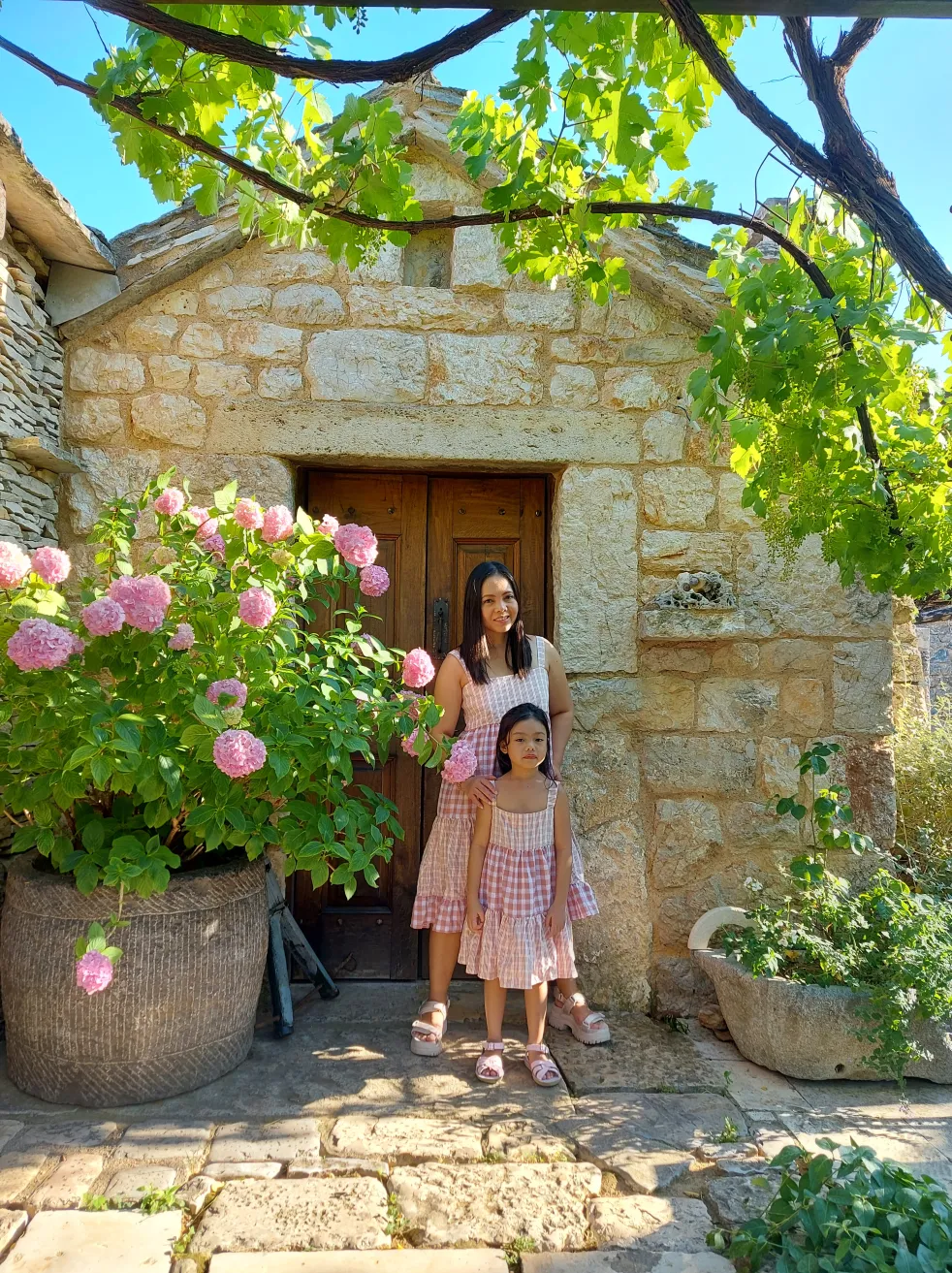
As poet and philosopher Rumi once eloquently said, “raise your words, not your voice. It is rain that grows flowers, not thunder.” Parenting is a challenging journey, and the truth is that nobody has everything figured out. One parenting style might suit others best, and some might favor other methods. However, children respond better to… Continue reading A SIMPLE GUIDE TO GENTLE PARENTING

Whether you’re a new mom to be, mom of a toddler, mom who have school-aged kids, you’re bound to have so many questions. Let's start with your baby's skin. Infant skin has unique needs; gentle care is essential to prevent damage to the skin barrier, which can lead to irritation. When caring for infant skin,… Continue reading Keeping Baby’s Diapered Skin Healthy
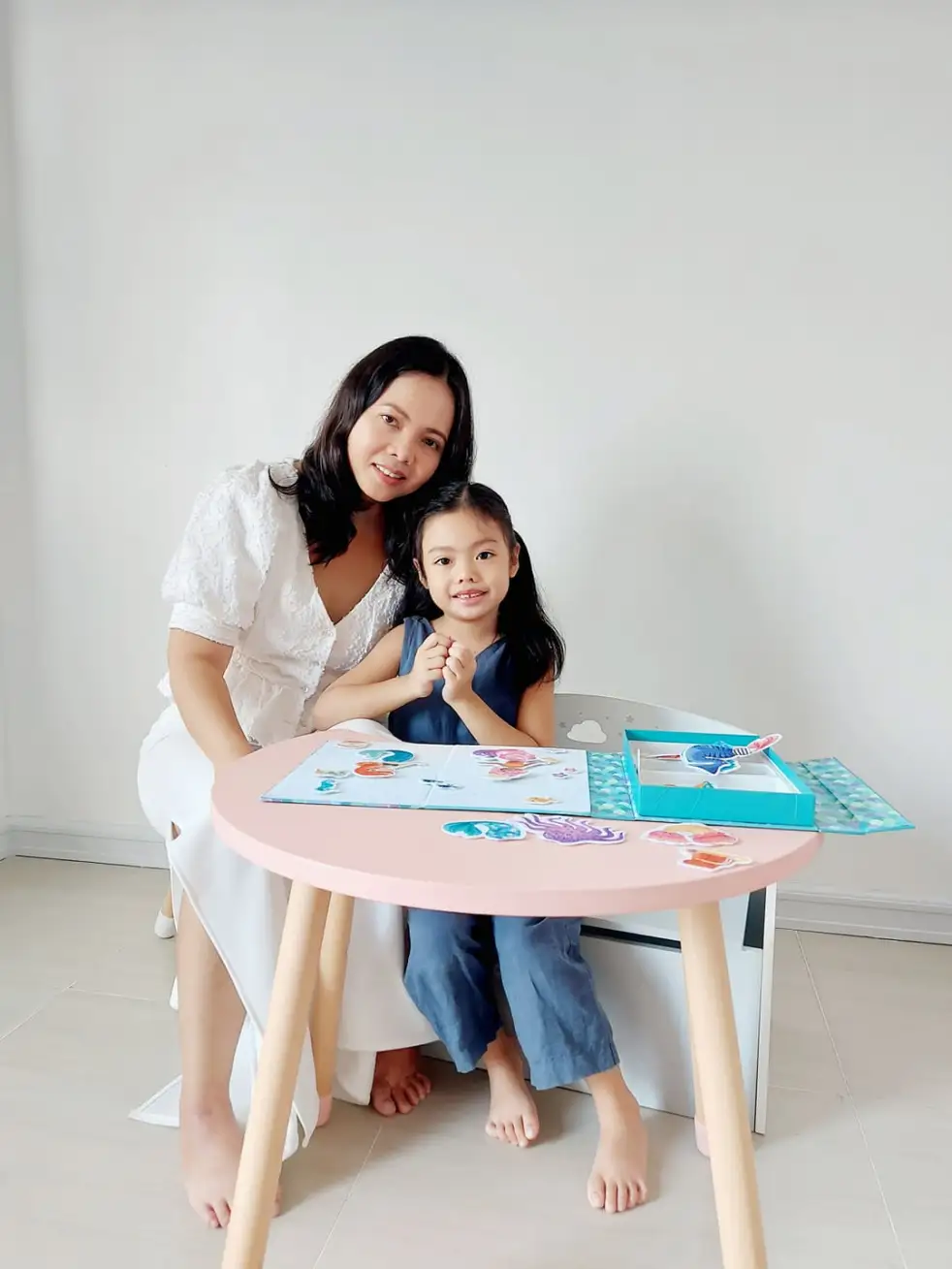
As parents, we want to give our child the best possible start in life and that begins with nurturing their intelligence. Throughout history, the notion of success has been linked to academic intelligence. However, there has been an increased awareness on the importance of emotional intelligence. This question gets at the heart of the never-ending… Continue reading IQ or EQ, which one is a better predictor of your child’s success?
 wondermomma.net