

Last August, IKEA Philippines engaged with Better World Smokey Mountain, a newly opened community center operated by the San Miguel Foundation, which shares a similar goal of improving the lives of many Filipino people. Through this partnership, IKEA Philippines provided and assembled home furnishings for the classrooms and library of Better World Smokey Mountain community… Continue reading Help Create a Better World with IKEA Soft Toys

NutriAsia, the country’s top producer of condiments and sauces, continues its support of Refill Revolution; a project by the Department of Environment and Natural Resources EMB 3 that aims to help reduce Filipinos’ single-use plastics consumption. At Refill Revolution, residents get to recycle their single-use plastic bottles by reusing and filling it with their choice… Continue reading NutriAsia and DENR renews partnership for Refill Revolution

A parent's guide to 18 month sleep regressions and beyond
Few things shake a parent's confidence quite like a toddler who suddenly refuses to sleep. After months (or even a blissful year) of reliable naps and full nights, your little one starts fighting bedtime, waking at 2am, or greeting you at 4:30am with a cheerful "Mum, up!" Just when you thought the worst was over, sleep regressions arrive to test your patience.
The 18 month mark is one of the most notorious flashpoints for toddler sleep disruption. At this age, your child is learning dozens of new words each week, cutting their first molars, asserting independence, and becoming acutely aware of who is (and isn't) in the room. Sleep often becomes the stage where all this developmental pressure plays out at 3am. Many Australian parents notice these wobbles stretch well past 2 years and even pop up again around the third birthday.
The good news is that regressions are temporary, even when they feel endless. With the right mix of reassurance, routine tweaks, and a few Australian-specific strategies, you can help your toddler — and yourself — catch up on rest. Here's what to expect, what to try, and when to reach out for backup.
What drives the 18 month regression and when it lingers
Sleep regressions aren't random punishment from the universe. They tend to coincide with major developmental leaps, and the 18 month stretch packs several into a small window. Around their first birthday, toddlers typically experience a massive language burst, moving from single words to short phrases like "more milk" and "no sleep." Their little brains are practising these new skills even while they should be asleep, which can lead to babbling, calling out, or full-on bedtime protests.
Teething also plays a genuine role. The first molars usually arrive between 13 and 19 months, and those big back teeth can cause enough discomfort to fragment sleep. Layer on a sharp rise in separation anxiety, a possible transition out of a cot, and the social upheaval of starting long daycare days or family day care, and you've got a perfect storm.
In Australia, the timing can feel especially brutal because the regression often coincides with the long, bright evenings of November through January. In Sydney, sunset doesn't fall until well past 8pm during peak summer, which keeps toddlers wired long after bath time. Many parents find these late-light seasons turn already tricky bedtimes into hour-long negotiations. The regression phase frequently stretches into the 2 year old stage, where nightmares, the move to a toddler bed, and the arrival of a new sibling can all disrupt sleep again.
Recognising the signs your toddler is in a regression
Distinguishing a regression from illness or a genuine schedule problem can be tricky at 3am. The hallmark of a sleep regression is a sudden, noticeable change in a child who was previously sleeping reasonably well. Common patterns include multiple night wakings after months of sleeping through, fighting bedtime with newfound stubbornness, nap refusal in a child who previously napped reliably, and early morning wakings that feel earlier than usual.
At 18 months, clinginess often ramps up. Your toddler may cry when you leave the room, demand extra cuddles, or insist on a parent lying next to them. Around 2 years, the regression may look more verbal — calling "Mum!" or "Dad!" repeatedly, asking for water, or slipping out of the cot to find you. By 3 years, you might see bedtime fears, requests for night lights, and vivid dreams interrupting sleep.
The key is to rule out physical causes first. A fever, persistent cough, ear-tugging, or wet nappies every hour point to something other than a developmental wobble. If the disrupted nights cluster around a developmental milestone and resolve within two to six weeks, you're most likely dealing with a regression.
Australian support for exhausted parents
You don't have to white-knuckle your way through these weeks alone. Australia has a strong network of child and family health services, many of which are free or low-cost. In New South Wales, Tresillian offers phone advice, day-stay programs, and residential stays for families struggling with sleep and settling. In Victoria, parents can tap into Maternal Child Health Nurses through their local council, as well as the Karitane helpline. Queensland families can reach out to Child Health Nurses, while parents in Perth, Adelaide, and Hobart have access to similar state-run services.
For ongoing guidance, the Possums Sleep program developed by Brisbane GP Dr Pamela Douglas has become popular with parents seeking a gentle, evidence-based approach. The Red Nose organisation (formerly SIDS and Kids) provides safe sleep advice and 24-hour bereavement support, and its safe sleep guidelines are tailored to Australian conditions, including our warmer climate.
If you prefer face-to-face help, sleep consultants operate in most capital cities. Melbourne's inner suburbs, Sydney's North Shore, Brisbane's western corridors, and Perth's coastal areas all have practitioners who offer in-home visits, telehealth, and small-group workshops. Just make sure anyone you engage is qualified through an accredited body and follows safe sleep recommendations.
| Regression trigger | 18 months | 2 years | 3 years |
|---|---|---|---|
| Language explosion | Very high | High | Moderate |
| Molar teething | High (first molars) | Moderate (second molars) | Low |
| Separation anxiety | Peak | Rising | Fading |
| Cot to bed transition | Common | Common | Less common |
| New sibling or carer | Moderate | High | Variable |
| Daycare or kindy changes | Moderate | High | High |
Rebuilding a calm bedtime routine
When sleep falls apart, a predictable routine acts as a tether. Toddlers thrive on knowing what comes next, and a clear sequence signals that sleep is approaching even when their little brains are buzzing. A workable routine for an 18 month old might run for 30 to 45 minutes: dinner, a warm bath, nappy change, massage or quiet play, a couple of books, a final milk or water, then into the cot awake but drowsy.
Dim the lights well before bedtime. Australian homes often have big windows that flood rooms with late-afternoon sun, so blackout curtains or removable blinds are worth the investment. Switch screens off at least an hour before bed, since the blue light suppresses melatonin and the content itself can amp up little minds. A small fan or air conditioner helps on hot nights; many Brisbane and Darwin families rely on these year-round.
Tactile cues can also settle a wired toddler. A lavender-scented room spray, a comforting sleep sack, or a small lovey tucked beside them give their senses something familiar to focus on. Brands sold at chemists and Baby Bunting across Australia — such as Euky Bear, Gaia, or Lovekins — offer gentle options designed for sensitive skin.
Don't forget daylight saving time. When New South Wales, Victoria, South Australia, Tasmania, and the ACT spring forward in October, toddlers often struggle to adjust. Shift bedtime by 15 minutes every few days in the lead-up rather than making a sudden jump.
Naps, schedules, and managing overtiredness
Overtiredness is the enemy of good sleep, and 18 month olds are notoriously bad at signalling when they've had enough. Most toddlers this age still need around 5 to 5.5 hours of awake time between sleeps, with one nap landing in the early afternoon. Watch for subtle tired signs — rubbing eyes, zoning out, becoming clumsy, or suddenly hyper — and aim to begin the nap routine before the meltdown hits.
Some children are ready to drop their morning nap around this age, but most 18 month olds aren't. Pushing through to a single nap too early can backfire, leaving them overtired at bedtime and more prone to night wakings. If your toddler is in long daycare, talk to educators about a consistent nap slot, and on weekends try to keep wake-up and nap times within 30 minutes of the weekday schedule.
If you're getting afternoon kindy pickups in suburbs like Parramatta, Footscray, or Morley, factor in travel time. A 20-minute drive home plus afternoon tea can eat into nap windows quickly. Bringing a snack and a familiar comfort item for the car helps bridge the gap until you're back in your calm sleep space.
When regressions need professional input
Most regressions clear up with consistency and patience, but some sleep issues warrant a chat with your GP or child health nurse. Loud snoring, mouth breathing, or long pauses in breathing can point to sleep apnoea, which is more common than many parents realise. Persistent night terrors, where your child seems awake but is confused and unreachable, may need a paediatric review, especially if they happen several nights a week.
Other red flags include sleep that doesn't improve after six weeks of consistent intervention, daytime behaviour that seems extreme (severe tantrums, loss of skills), or weight and growth concerns. Maternal Child Health Nurses and your family doctor can refer you on to paediatricians, sleep clinics at children's hospitals (including the Royal Children's in Melbourne and Sydney Children's at Randwick), or specialist developmental services.
Until then, remember that regressions are a sign your child is growing. The chatter at bedtime, the protests at nap time, the marathon cuddles in the dark — they're all part of how your toddler learns to trust the world even while they sleep. With a steady routine, a little Australian pragmatism, and a strong coffee within reach, you'll both get through it.

Mercato Centrale, in collaboration with Indian Women in Enterprise Philippines (I-We), is set to host "The Great Indian Fiesta" to mark 75 years of friendship between India and the Philippines. The dynamic two-day event is scheduled to take place on September 30 to October 1, 2023, at Paseo De Roxas Street, Makati City. Aiming to… Continue reading Mercato Centrale Partners with I-We to Host ‘The Great Indian Fiesta’, Commemorating 75 Years of India-Philippines Friendship

My stomach would usually start growling at 10 am even after taking a big breakfast. This is probably because I am a morning person and I move a lot throughout the day hence snacking is something that I can't avoid. This potatoes and chicken wrap recipe is easy to prepare and would keep me full… Continue reading Potato and Chicken Wrap
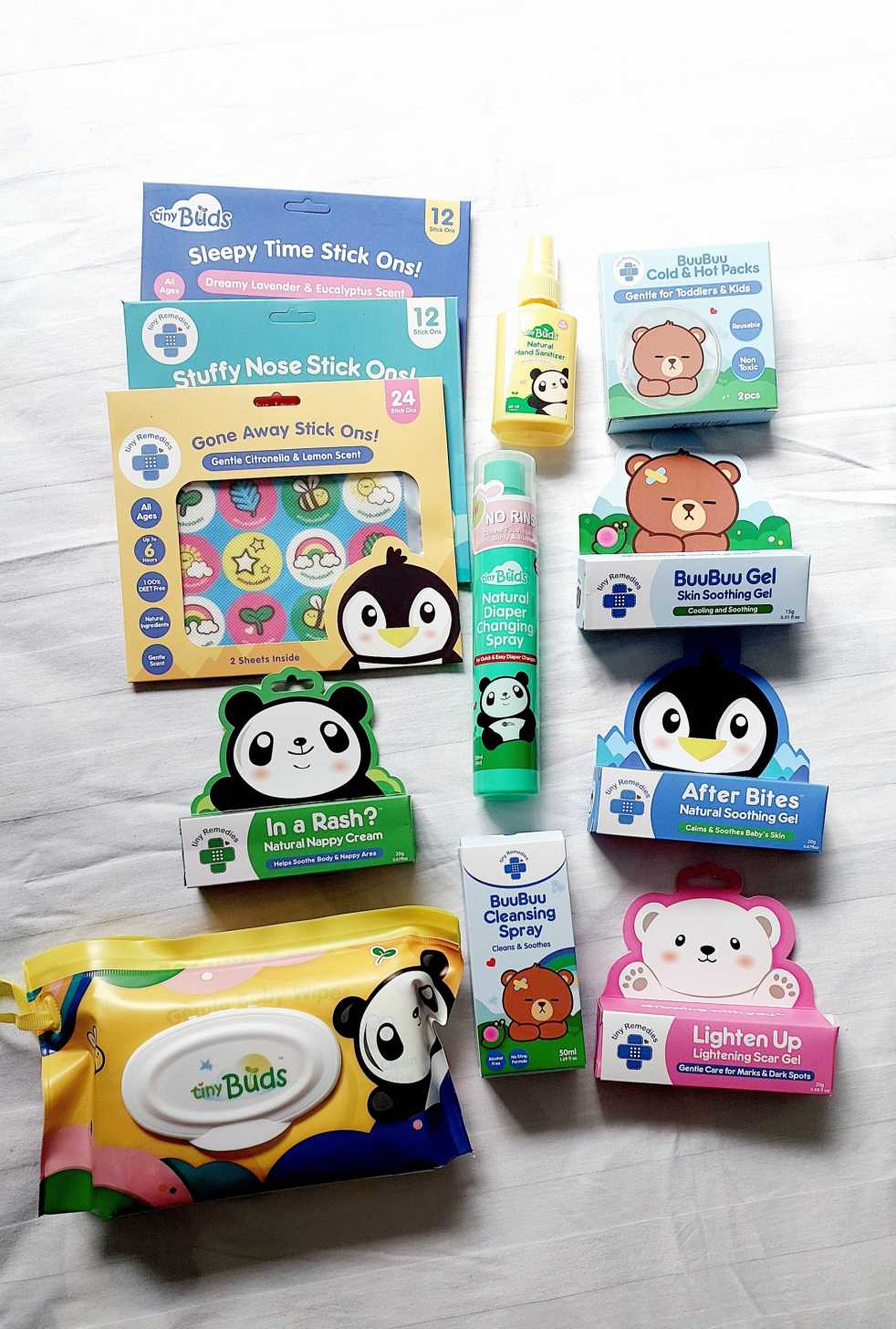
Your baby’s skin is more delicate than most, this is why you have to choose products that are designed for sensitive skin. Tiny Buds is a pioneer in integrating natural ingredients into baby care and today has over 50 innovative natural baby care essentials and is one of the Top Baby Personal Care brands. Here… Continue reading Product Review: Tiny Buds Baby Naturals Baby Essentials
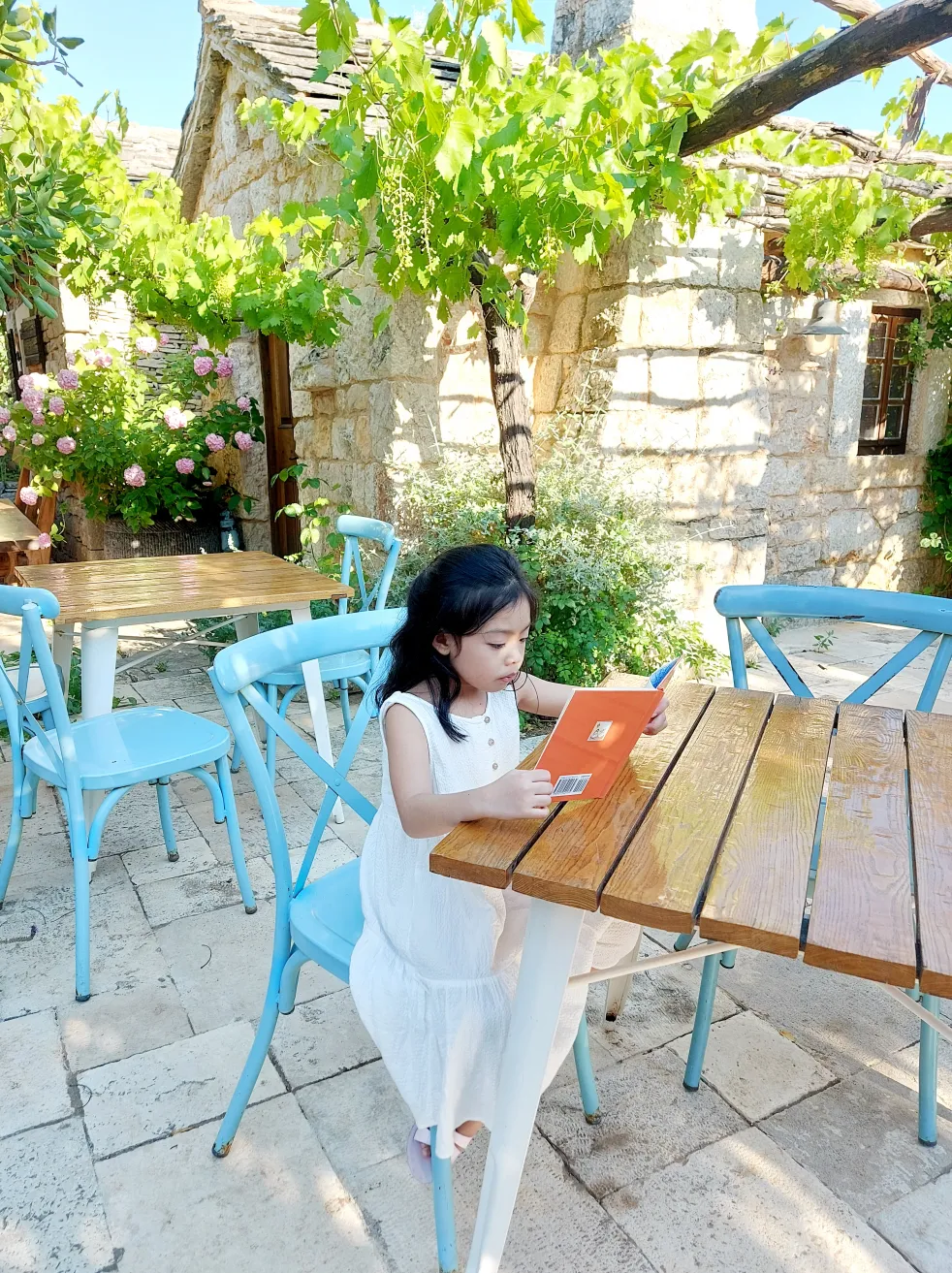
Where your child goes to school is a big decision and shouldn’t be taken lightly. Given how their education can impact their future, you might be tempted to take control and decide for them. However, you might be doing more damage than helping them in the long run. Your job as parents is to support… Continue reading HOW TO CHOOSE THE BEST SCHOOL FOR YOUR CHILD

As poet and philosopher Rumi once eloquently said, “raise your words, not your voice. It is rain that grows flowers, not thunder.” Parenting is a challenging journey, and the truth is that nobody has everything figured out. One parenting style might suit others best, and some might favor other methods. However, children respond better to… Continue reading A SIMPLE GUIDE TO GENTLE PARENTING

Whether you’re a new mom to be, mom of a toddler, mom who have school-aged kids, you’re bound to have so many questions. Let's start with your baby's skin. Infant skin has unique needs; gentle care is essential to prevent damage to the skin barrier, which can lead to irritation. When caring for infant skin,… Continue reading Keeping Baby’s Diapered Skin Healthy
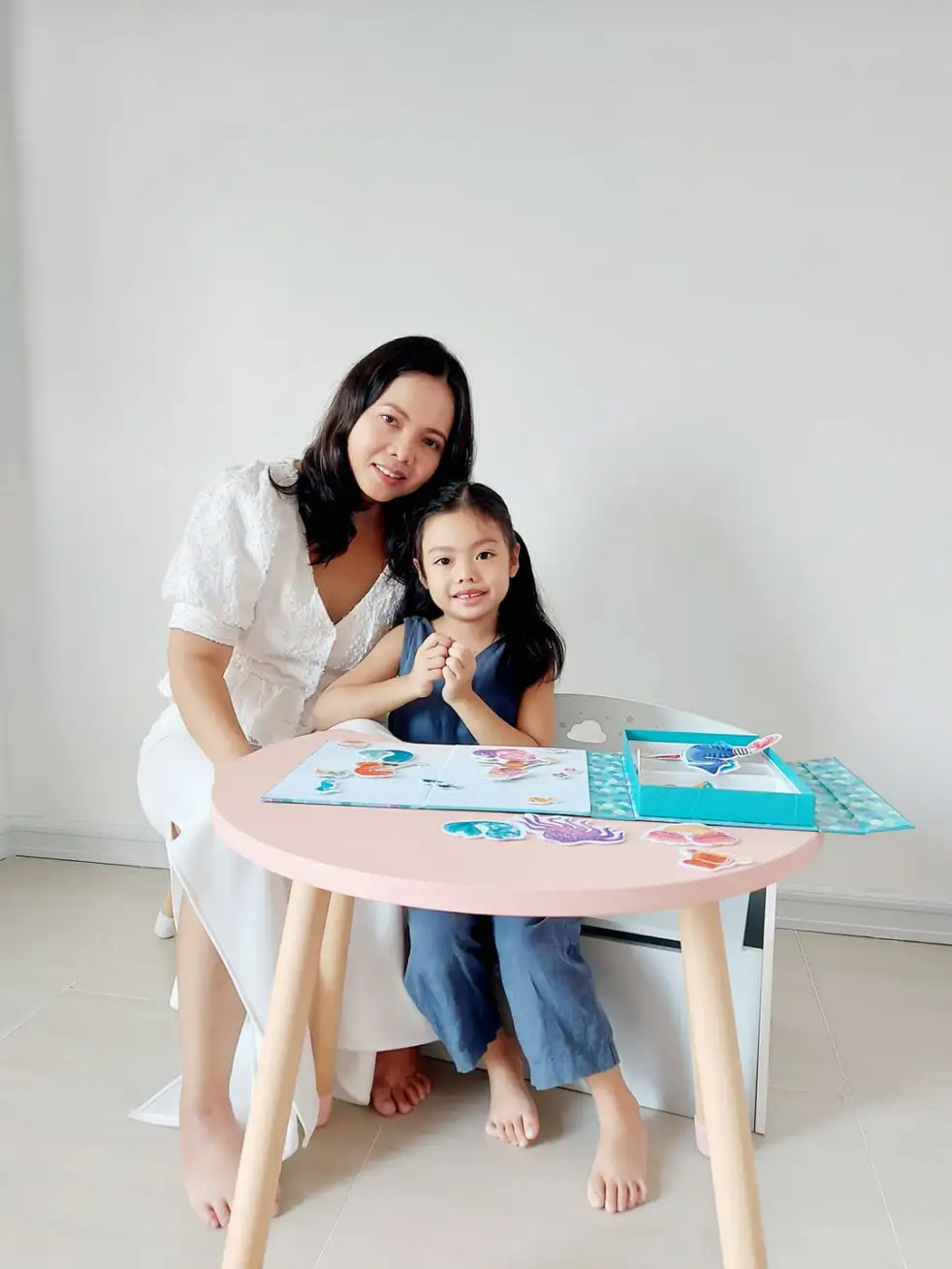
As parents, we want to give our child the best possible start in life and that begins with nurturing their intelligence. Throughout history, the notion of success has been linked to academic intelligence. However, there has been an increased awareness on the importance of emotional intelligence. This question gets at the heart of the never-ending… Continue reading IQ or EQ, which one is a better predictor of your child’s success?
 wondermomma.net