

Last August, IKEA Philippines engaged with Better World Smokey Mountain, a newly opened community center operated by the San Miguel Foundation, which shares a similar goal of improving the lives of many Filipino people. Through this partnership, IKEA Philippines provided and assembled home furnishings for the classrooms and library of Better World Smokey Mountain community… Continue reading Help Create a Better World with IKEA Soft Toys

NutriAsia, the country’s top producer of condiments and sauces, continues its support of Refill Revolution; a project by the Department of Environment and Natural Resources EMB 3 that aims to help reduce Filipinos’ single-use plastics consumption. At Refill Revolution, residents get to recycle their single-use plastic bottles by reusing and filling it with their choice… Continue reading NutriAsia and DENR renews partnership for Refill Revolution

How to handle sibling rivalry without losing your cool
Sibling conflict is a normal part of family life. Children may argue over toys, compete for a parent’s attention, complain about fairness, or react strongly when a brother or sister receives something they want. These moments can be exhausting, especially when they happen during meals, bedtime, school preparation, or an already stressful day.
The goal is not to eliminate every disagreement. Siblings are still learning emotional regulation, communication, patience, and problem-solving. Your role is to provide boundaries and guidance while showing them that conflict can be handled safely.
A calmer household begins with realistic expectations. Young children do not yet have the skills to share consistently, wait patiently, or explain their feelings clearly. When parents respond with steady limits and empathy, children gradually learn how to manage rivalry without relying on shouting, hitting, or blaming.
Why siblings compete for attention
Children often fight because they want reassurance that they matter. A new baby, a parent returning to work, a change in school, or a sibling’s achievement can make a child feel overlooked. Even positive family events may increase competition when children worry that love, time, or praise is limited.
Age also shapes sibling behaviour. A toddler may grab because impulse control is still developing, while an older child may use sarcasm, exclusion, or complaints to express frustration. Treating every conflict as deliberate misbehaviour can intensify the situation. Looking beneath the behaviour helps you respond to the need as well as the action.
Children may also copy the emotional patterns they observe. If family disagreements regularly involve raised voices or threats, siblings can absorb those habits. A parent who pauses, lowers their voice, and uses clear language models the self-control children are still learning.
Calm yourself before correcting the conflict
When siblings are shouting, your nervous system may react before your thinking brain catches up. Take one slow breath, lower your volume, and move close to the children. A calm physical presence can stop the conflict from spreading while giving you time to choose your words.
Start with safety rather than blame. If someone is hitting, biting, pushing, or throwing objects, separate the children gently and state the limit clearly: “I won’t let you hurt each other.” Avoid demanding an immediate apology while emotions are high. Children rarely learn from a lecture when they are overwhelmed.
Once everyone is calmer, acknowledge the feelings without approving harmful behaviour. You might say, “You were angry because your sister took the blocks. It is okay to feel angry. It is not okay to hit.” This approach teaches that emotions are acceptable, while unsafe actions still have firm boundaries.
Move away from fairness as sameness
Children often define fairness as receiving the exact same thing at the exact same time. Family life cannot always work that way. One child may need medicine, extra help with homework, a new pair of shoes, or private time with a parent. Explaining this difference can reduce resentment over time.
Use language such as, “Fair means everyone gets what they need, and everyone is treated with care.” Keep explanations brief and avoid turning every decision into a courtroom discussion. Too much justification can invite further negotiation when a clear boundary is needed.
Individual attention can also reduce competition. A few uninterrupted minutes with each child may be more meaningful than trying to divide every moment equally. Read together, prepare a snack, walk to the neighbourhood shop, or listen to a child describe their day. These small rituals reassure children that they have a secure place in the family.
Give children words for difficult moments
Many sibling arguments escalate because children do not know how to express a need. Teach practical phrases during calm moments, then remind them to use those phrases when conflict begins. Keep the language simple enough for the youngest child to remember.
| Situation | Helpful phrase | Parent response |
|---|---|---|
| A toy is being taken | “I’m still using it. Please wait.” | Support a timer or turn-taking plan |
| A child wants attention | “Can I have special time after this?” | Give a realistic time for connection |
| Someone feels excluded | “I want to play too. What can I do?” | Help children agree on a role |
| A disagreement is escalating | “I need space to calm down.” | Create a safe quiet area |
| A child has caused harm | “I’m sorry I hurt you. How can I help?” | Guide repair without forcing affection |
Role-play these phrases with toys or during a relaxed family activity. Preschoolers may need repeated practice, while school-age children can help develop their own respectful alternatives. The objective is not perfect wording; it is giving children a safer path than yelling or grabbing.
When children use an appropriate phrase, notice it specifically. Say, “You told your brother you needed a turn without pushing. That helped me understand you.” Specific encouragement strengthens the behaviour you want to see again.
Build routines that prevent unnecessary battles
Predictable routines reduce the number of decisions children must make when they are tired or hungry. Clear expectations for screen time, shared toys, bedtime, chores, and personal belongings can prevent arguments before they start. Post simple family rules where children can see them.
For shared items, use a timer, a turn-taking chart, or a designated “first choice” system. Let children help choose the method when everyone is calm. Some families keep special possessions private and identify other toys as communal. Respecting ownership can make sharing feel less threatening.
Create spaces for both togetherness and separation. Children do not need to play together all day. A younger child may need a protected nap, while an older child may need quiet time for reading or schoolwork. Separate activities are not a sign of family failure; they can give siblings the rest they need to reconnect successfully.
Habits that make peaceful parenting easier
Small changes in the way adults organise family life can lower the intensity of sibling rivalry. Choose a few practices that fit your children’s ages, temperament, and daily schedule:
- Spend brief one-on-one time with each child every day, even if it lasts only ten minutes.
- Praise cooperation, patience, problem-solving, and gentle touch when you notice them.
- Keep snacks, sleep, and transitions predictable to reduce avoidable irritability.
- Avoid comparing siblings, including comments about grades, behaviour, appearance, or maturity.
- Teach children to pause, move away, and seek adult help before a disagreement becomes unsafe.
It also helps to reserve correction for behaviour that truly needs intervention. Not every complaint requires a parent to investigate every detail. If children are safe and beginning to negotiate, give them room to practise. Step in when there is harm, a significant power imbalance, repeated intimidation, or a conflict that they cannot resolve.
Parents need recovery time as well. A short pause in another room, a glass of water, or support from a partner or trusted relative can help you return with more patience. Caring for your own emotional capacity is part of positive parenting, not an extra task to earn.
Know when conflict needs more support
Some sibling rivalry is frequent but manageable. Other patterns may signal a deeper concern. Pay attention when one child is consistently afraid, isolated, targeted, or blamed. Repeated physical aggression, destruction of belongings, threats, or cruelty toward pets should be addressed promptly and seriously.
Consider whether stress outside the sibling relationship is affecting the family. Changes in school, friendship problems, learning difficulties, sensory needs, grief, or anxiety can appear as irritability at home. A child who seems “difficult” may be communicating that something feels overwhelming.
Speak privately with each child and listen without rushing to defend the other. If the pattern continues, consult a paediatrician, school counsellor, or qualified child development professional. Support is especially important when aggression causes injury, disrupts sleep, or leaves a child persistently distressed.
Keep the long view
Sibling relationships change across childhood. Children who argue intensely as preschoolers may become supportive companions later, while close siblings may still have difficult seasons. The quality of your parenting is not measured by whether your children ever fight. It is reflected in the safety, boundaries, repair, and emotional skills you build around those fights.
After a conflict, guide children toward repair rather than demanding a quick performance of remorse. They can return a toy, help rebuild a knocked-over game, draw a note, offer comforting words, or try the conversation again. Repair teaches responsibility while preserving dignity.
Choose one strategy to practise this week, such as one-on-one time, a turn-taking timer, or the phrase “I won’t let you hurt each other.” Share the approach with everyone who cares for your children so that home, school routines, and family visits reinforce the same calm, respectful boundaries.

Mercato Centrale, in collaboration with Indian Women in Enterprise Philippines (I-We), is set to host "The Great Indian Fiesta" to mark 75 years of friendship between India and the Philippines. The dynamic two-day event is scheduled to take place on September 30 to October 1, 2023, at Paseo De Roxas Street, Makati City. Aiming to… Continue reading Mercato Centrale Partners with I-We to Host ‘The Great Indian Fiesta’, Commemorating 75 Years of India-Philippines Friendship

My stomach would usually start growling at 10 am even after taking a big breakfast. This is probably because I am a morning person and I move a lot throughout the day hence snacking is something that I can't avoid. This potatoes and chicken wrap recipe is easy to prepare and would keep me full… Continue reading Potato and Chicken Wrap
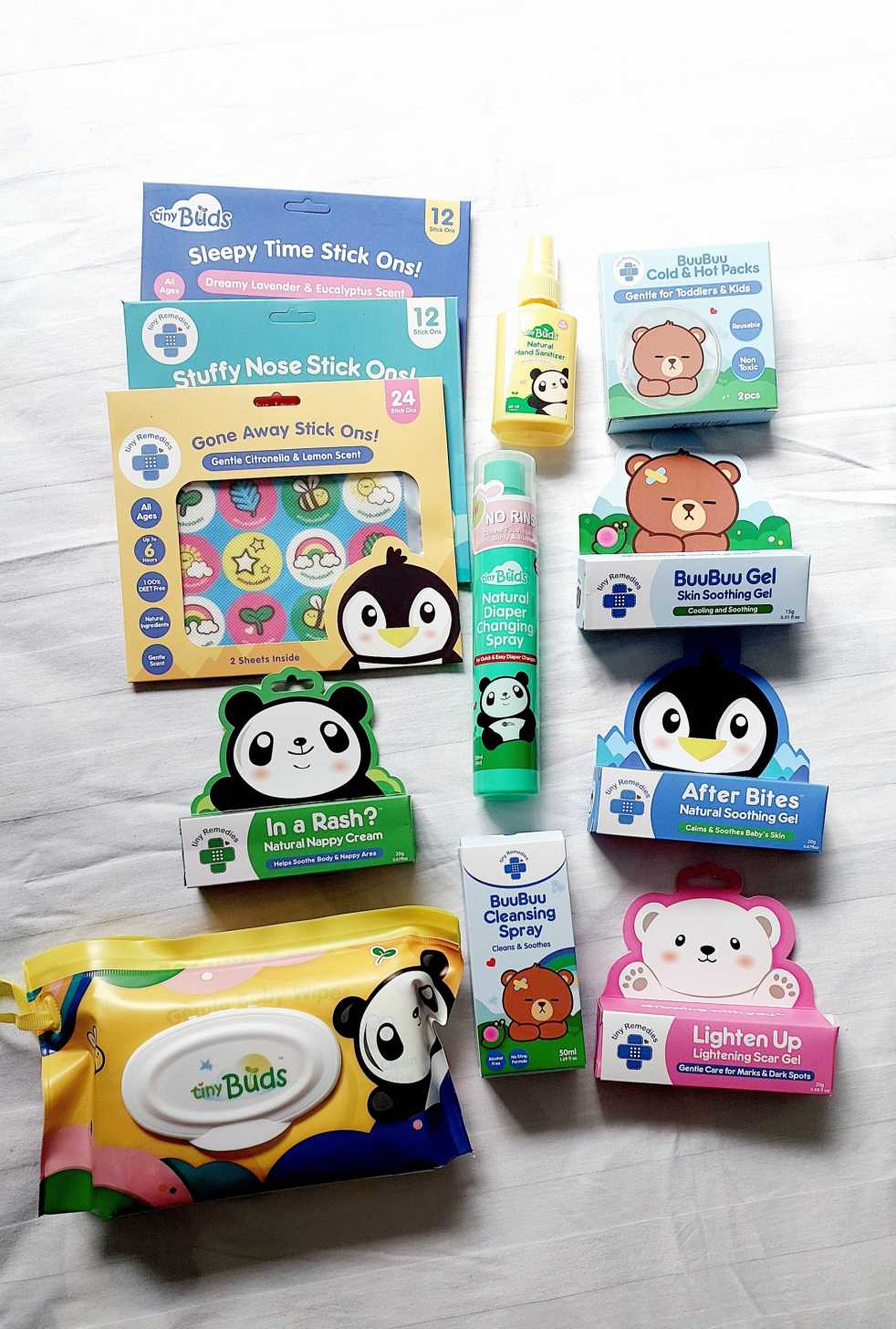
Your baby’s skin is more delicate than most, this is why you have to choose products that are designed for sensitive skin. Tiny Buds is a pioneer in integrating natural ingredients into baby care and today has over 50 innovative natural baby care essentials and is one of the Top Baby Personal Care brands. Here… Continue reading Product Review: Tiny Buds Baby Naturals Baby Essentials
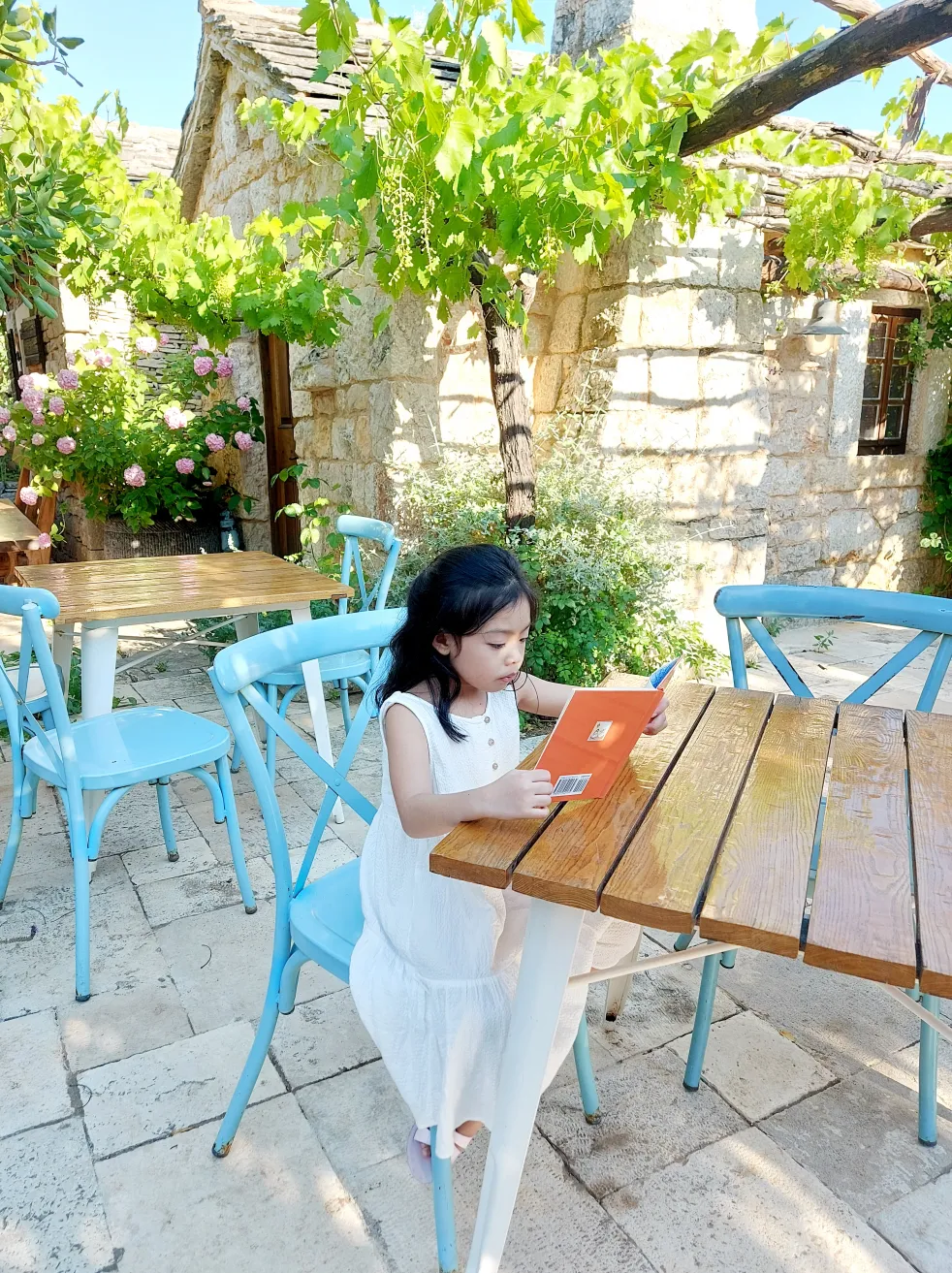
Where your child goes to school is a big decision and shouldn’t be taken lightly. Given how their education can impact their future, you might be tempted to take control and decide for them. However, you might be doing more damage than helping them in the long run. Your job as parents is to support… Continue reading HOW TO CHOOSE THE BEST SCHOOL FOR YOUR CHILD
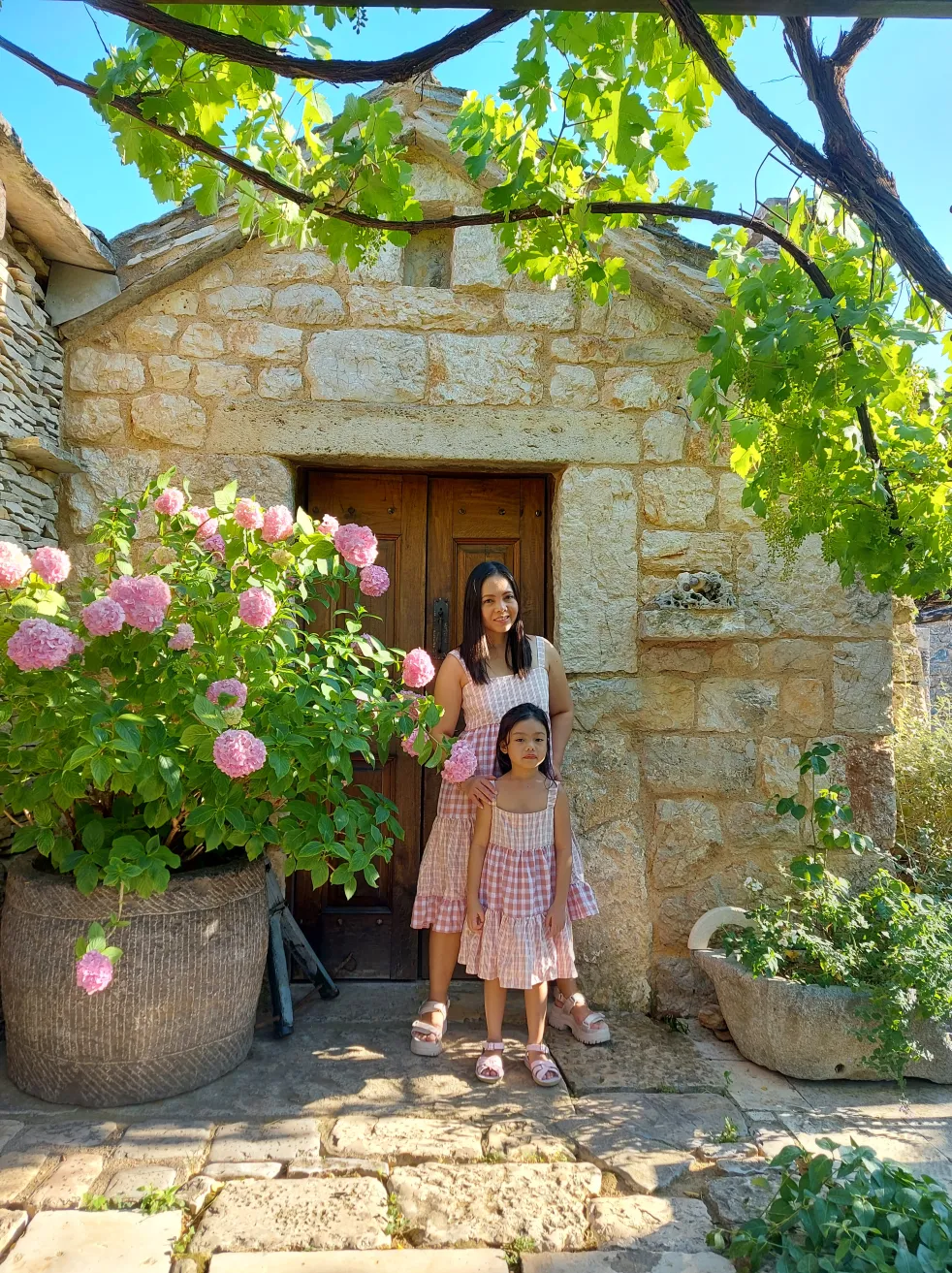
As poet and philosopher Rumi once eloquently said, “raise your words, not your voice. It is rain that grows flowers, not thunder.” Parenting is a challenging journey, and the truth is that nobody has everything figured out. One parenting style might suit others best, and some might favor other methods. However, children respond better to… Continue reading A SIMPLE GUIDE TO GENTLE PARENTING

Whether you’re a new mom to be, mom of a toddler, mom who have school-aged kids, you’re bound to have so many questions. Let's start with your baby's skin. Infant skin has unique needs; gentle care is essential to prevent damage to the skin barrier, which can lead to irritation. When caring for infant skin,… Continue reading Keeping Baby’s Diapered Skin Healthy
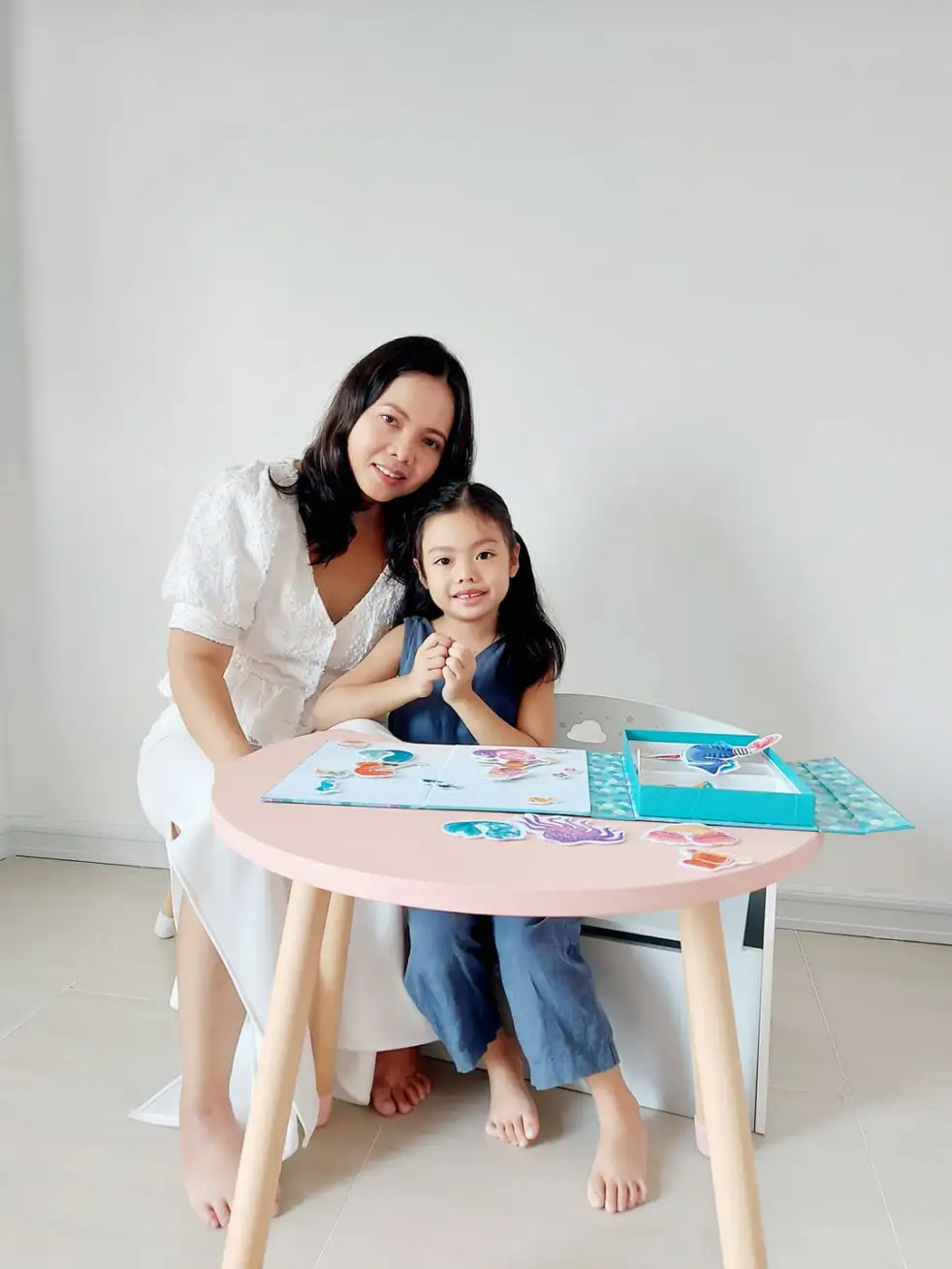
As parents, we want to give our child the best possible start in life and that begins with nurturing their intelligence. Throughout history, the notion of success has been linked to academic intelligence. However, there has been an increased awareness on the importance of emotional intelligence. This question gets at the heart of the never-ending… Continue reading IQ or EQ, which one is a better predictor of your child’s success?
 wondermomma.net