

Last August, IKEA Philippines engaged with Better World Smokey Mountain, a newly opened community center operated by the San Miguel Foundation, which shares a similar goal of improving the lives of many Filipino people. Through this partnership, IKEA Philippines provided and assembled home furnishings for the classrooms and library of Better World Smokey Mountain community… Continue reading Help Create a Better World with IKEA Soft Toys

NutriAsia, the country’s top producer of condiments and sauces, continues its support of Refill Revolution; a project by the Department of Environment and Natural Resources EMB 3 that aims to help reduce Filipinos’ single-use plastics consumption. At Refill Revolution, residents get to recycle their single-use plastic bottles by reusing and filling it with their choice… Continue reading NutriAsia and DENR renews partnership for Refill Revolution

How to Handle Sibling Rivalry with Gentle Parenting
Sibling rivalry can appear in many forms: arguments over toys, complaints about fairness, teasing, shouting, tattling, or competing for a parent’s attention. These conflicts are common in family life, yet they can leave everyone feeling tired and discouraged. Gentle parenting offers a calmer way to respond without ignoring poor behaviour or expecting children to solve every disagreement alone.
The goal is not to create a home where siblings never disagree. Children are still learning emotional regulation, communication, empathy, and problem-solving. The aim is to help them move through conflict safely while building a stronger relationship over time.
When parents respond with connection and clear limits, rivalry becomes an opportunity to teach important life skills. Children learn that big feelings are acceptable, hurting people is not, and there are respectful ways to ask for space, attention, or a turn.
Understand What Is Behind The Conflict
Sibling fights often involve more than the toy or snack at the centre of the argument. A child may be tired, hungry, overstimulated, anxious about a change, or seeking reassurance that they are still loved. A new baby, a move, school pressure, or a parent’s busy schedule can make competition for attention feel more intense.
Age and development also affect sibling behaviour. Toddlers have limited impulse control and a strong sense of possession. Preschoolers are still learning to share and wait. Older children may understand family rules but feel frustrated when younger siblings receive different expectations. Treating every conflict as deliberate misbehaviour can cause parents to miss the need underneath it.
Observe patterns without assigning fixed labels such as “the difficult one” or “the jealous one.” Notice when disputes happen, who is usually tired, which activities create tension, and whether one child regularly feels overlooked. This information helps you prevent problems instead of reacting only after everyone is upset.
Begin With Connection And Calm
When children are shouting, their brains are less ready to listen or reason. Start by regulating yourself. Lower your voice, move closer, and use short sentences. If necessary, separate the children gently while saying, “I won’t let anyone hit. We are going to make space and calm down.”
Connection does not mean approving hurtful behaviour. It means acknowledging the emotion before teaching the limit. You might say, “You really wanted the blue truck, and it was upsetting when your brother took it. I won’t let you grab it from him.” This approach communicates both empathy and responsibility.
Give each child a chance to speak without turning the moment into a courtroom. Reflect what you hear rather than deciding immediately who is right: “You thought it was your turn. You felt angry when she reached for it.” Children are more likely to cooperate when they feel seen, even when the final decision does not go their way.
Set Boundaries Without Shame
Gentle discipline needs clear, consistent boundaries. Children should know that hitting, biting, pushing, name-calling, destroying belongings, and threatening others are not acceptable. State the rule simply and focus on the action: “Hands are for helping, not hurting,” or “You may be angry, but you may not call your sister stupid.”
Avoid humiliation, forced apologies, and public comparisons. Telling a child that they are selfish or that their sibling is “the good one” can deepen resentment. It may stop the behaviour briefly, but it does not teach the skills needed for the next disagreement.
A boundary can include a safe alternative. If a child grabs a toy, help them return it and practise a phrase such as, “Can I have a turn when you are finished?” If they are too dysregulated to practise, wait until they are calm. Teaching can happen after the emotional storm, when children are able to absorb the message.
Teach Children How To Solve Disagreements
Children need practical scripts for common sibling problems. Teach them during peaceful moments, then remind them during conflict. Useful phrases include “I’m still using it,” “Please stop,” “Can I join?” and “I need some space.” Role-play can make these words easier to use when emotions rise.
Problem-solving should match the child’s age. Younger children may need an adult to offer two choices, such as taking turns with a timer or choosing another activity. Older children can help create an agreement about shared devices, bedroom space, or household responsibilities. The solution should protect everyone’s safety rather than reward the loudest voice.
| Situation | Gentle parenting response | Skill to practise |
|---|---|---|
| Both children want the same toy | Acknowledge the frustration, stop grabbing, and guide turn-taking | Waiting and requesting |
| One child hits or pushes | Block the action, create space, and discuss the feeling later | Safe expression of anger |
| A younger child interrupts an older sibling | Validate the need for attention and protect the older child’s activity | Patience and respectful interruption |
| Children argue over fairness | Explain that equal and fair are not always identical | Understanding different needs |
| One child repeatedly teases another | Stop the teasing, support the hurt child, and set a firm limit | Respecting boundaries |
When children cannot reach an agreement, parents may need to decide. This is not a failure of independence. A calm adult can say, “You both want the same game, so I’m putting it away for now. We can try again after lunch.” The consequence should relate to safety or the activity, rather than being a punishment designed to cause distress.
Reduce Competition In Everyday Family Life
Children are less likely to fight for connection when they regularly receive warm, undivided attention. Even ten minutes of child-led time can help. Read together, take a short walk, prepare a snack, or listen while your child explains a drawing. Consistent small moments often matter more than occasional elaborate activities.
Try to notice cooperation as specifically as you notice conflict. Instead of saying only “Good job,” describe what happened: “You moved over so your sister could sit beside you,” or “You waited while he finished speaking.” This reinforces helpful behaviour without turning siblings into performers competing for praise.
Be thoughtful about comparison during routines. Children do not need identical treatment to feel secure. One child may need more help with homework while another needs a quieter bedtime. Explain this in simple terms: “Your brother needs help tying his shoes, and you need me to check your reading.” Fairness means responding to needs, not making every experience exactly the same.
Family routines can also reduce friction around meals and chores. Give children manageable responsibilities and predictable choices. For example, one child can wash vegetables while another mixes ingredients. When planning nourishing meals, involve them in age-appropriate ways and try vegetable recipes that make family cooking feel collaborative rather than competitive.
Prepare For Common Pressure Points
Many sibling disputes happen during transitions: leaving for school, getting dressed, bathing, screen time, and bedtime. Give advance notice before a change and use visual reminders for younger children. A simple routine chart can make expectations feel less personal because the schedule, rather than the parent, signals what happens next.
Shared possessions deserve clear arrangements. Some items can be communal, while special belongings remain private. Help children choose a place for personal treasures and teach siblings to ask before borrowing. In homes where children share rooms, create small areas or containers that each child can regard as their own.
Pay attention to physical needs. Hunger and fatigue reduce patience, especially after school or before dinner. A snack, quiet time, or outdoor movement may prevent a minor irritation from becoming a major fight. Children in busy households, including homes with extended family, may also need brief periods away from noise and group activity.
When a new baby arrives, invite an older child to participate without making them responsible for the baby. Let them choose a nappy, sing during bath time, or help select a book, while protecting their right to decline. Make space for mixed feelings: “You love the baby, and sometimes you wish things were the way they used to be. You can tell me that.”
Build Sibling Skills Through Daily Practice
Sibling cooperation grows through repeated experiences rather than one serious family meeting. Use games that involve teamwork, such as building a tower together, completing a puzzle, or preparing part of a meal. Keep the task short enough to end before frustration takes over.
These simple practices can support a more peaceful relationship:
- Schedule brief one-on-one time with each child, especially during major family changes.
- Create a family rule that feelings may be expressed, while hurting people and damaging belongings are not allowed.
- Teach children to pause, breathe, move away, or ask for adult help before a disagreement escalates.
- Hold short family discussions about recurring problems and invite children to suggest workable solutions.
- Celebrate repair, such as returning an item, checking on a sibling, or trying a respectful phrase after an argument.
Repair is more important than demanding instant harmony. After everyone is calm, help children reflect: “What happened? What were you trying to communicate? What could we try next time?” A child may not be ready to apologise immediately, but they can begin by helping rebuild a block tower, bringing an ice pack, or giving the other person space.
If rivalry becomes extreme, involves frequent injuries, or causes persistent fear and distress, seek guidance from a paediatrician, school counsellor, or qualified child development professional. Support is especially valuable when conflict changes sleep, school participation, friendships, or the child’s sense of safety at home.
Gentle parenting does not require perfect patience. Parents will sometimes raise their voices or respond more sharply than intended. What matters is returning to the relationship, acknowledging the impact, and showing how to repair: “I was overwhelmed and shouted. That was not a respectful way to speak. I’m going to try again.”
With steady boundaries, emotional support, and realistic expectations, sibling rivalry can become a setting where children practise cooperation, self-control, and compassion. Start with one change this week, such as daily individual attention or a clear plan for handling toy disputes, and keep building from there.

Mercato Centrale, in collaboration with Indian Women in Enterprise Philippines (I-We), is set to host "The Great Indian Fiesta" to mark 75 years of friendship between India and the Philippines. The dynamic two-day event is scheduled to take place on September 30 to October 1, 2023, at Paseo De Roxas Street, Makati City. Aiming to… Continue reading Mercato Centrale Partners with I-We to Host ‘The Great Indian Fiesta’, Commemorating 75 Years of India-Philippines Friendship

My stomach would usually start growling at 10 am even after taking a big breakfast. This is probably because I am a morning person and I move a lot throughout the day hence snacking is something that I can't avoid. This potatoes and chicken wrap recipe is easy to prepare and would keep me full… Continue reading Potato and Chicken Wrap
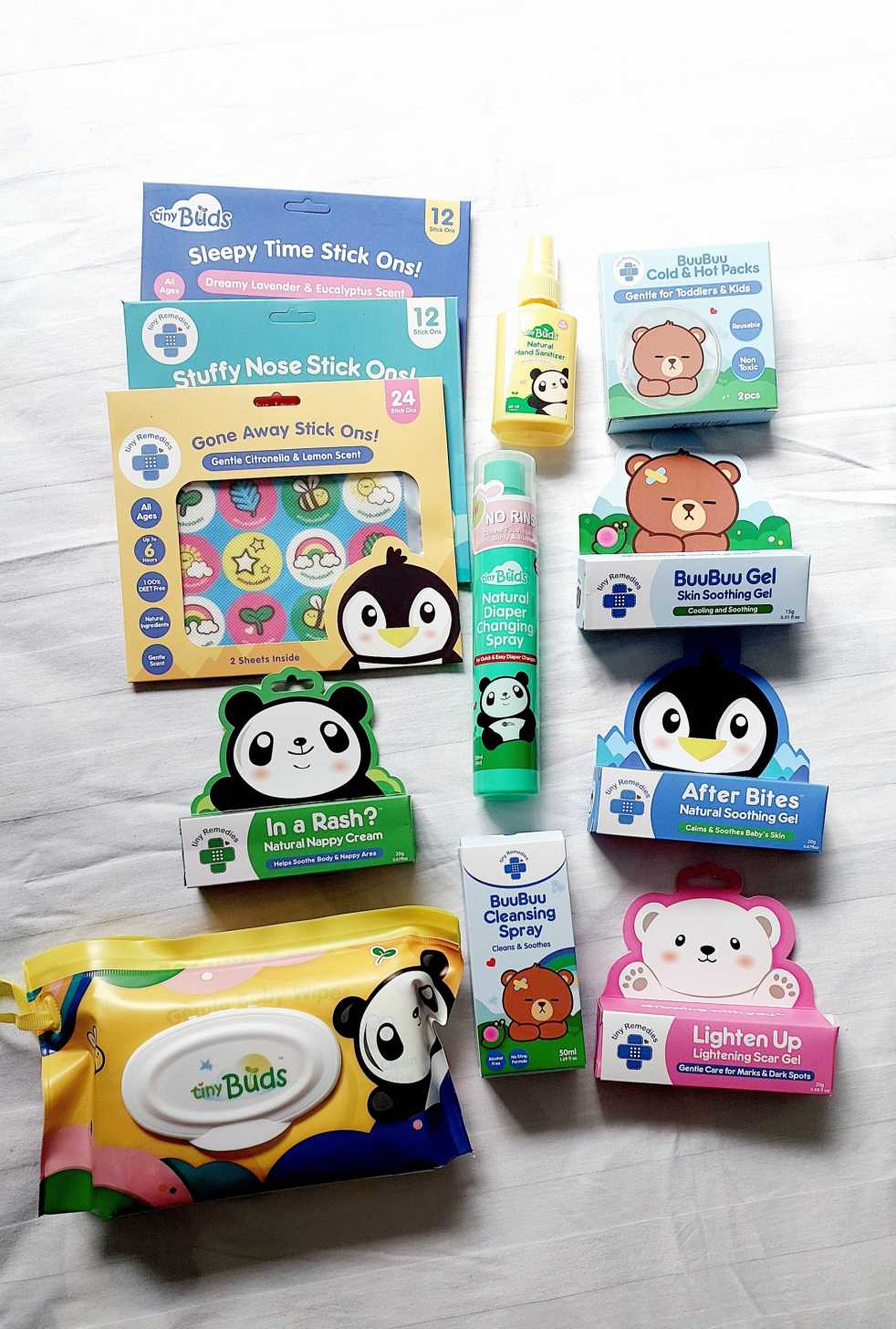
Your baby’s skin is more delicate than most, this is why you have to choose products that are designed for sensitive skin. Tiny Buds is a pioneer in integrating natural ingredients into baby care and today has over 50 innovative natural baby care essentials and is one of the Top Baby Personal Care brands. Here… Continue reading Product Review: Tiny Buds Baby Naturals Baby Essentials
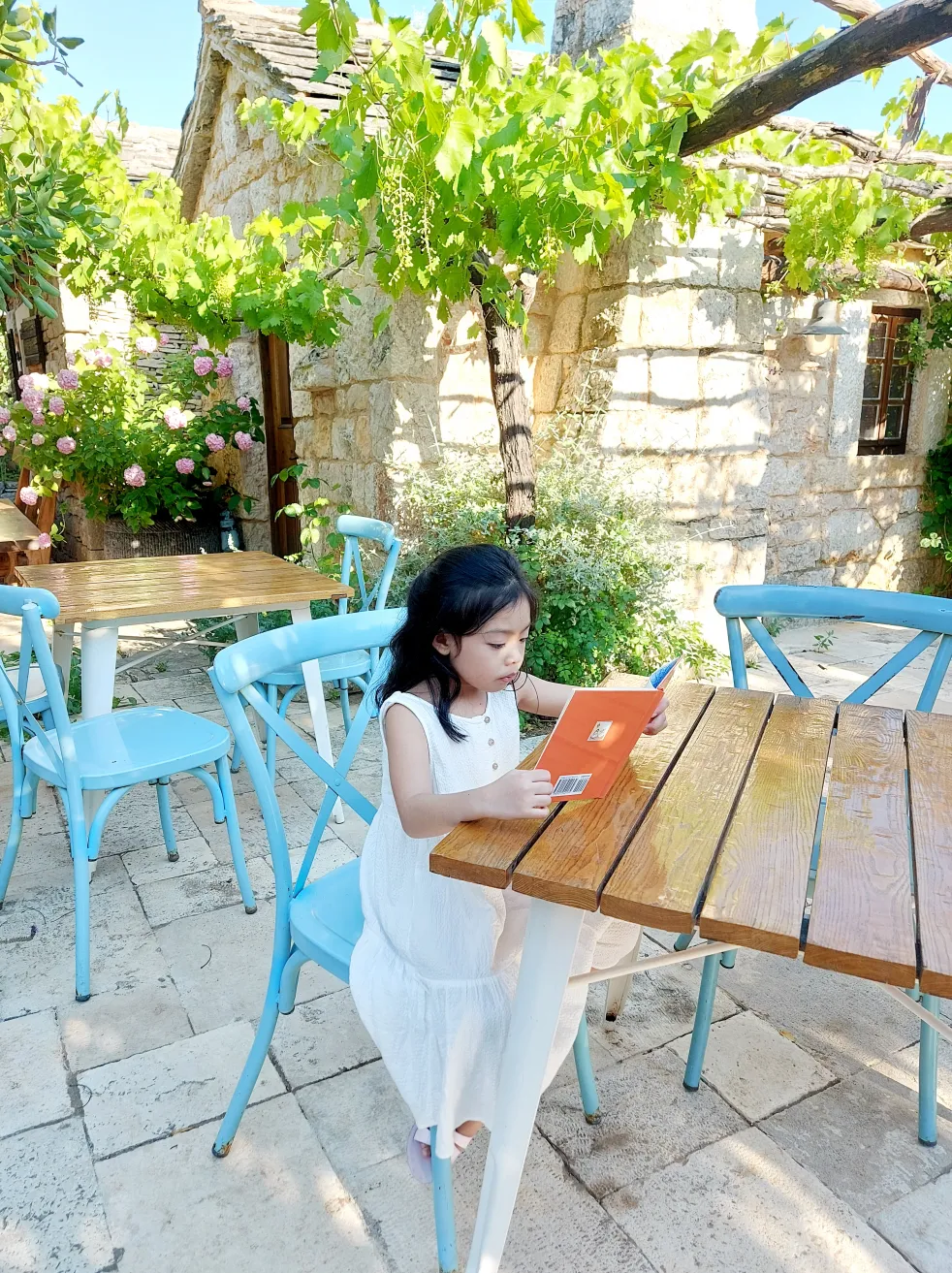
Where your child goes to school is a big decision and shouldn’t be taken lightly. Given how their education can impact their future, you might be tempted to take control and decide for them. However, you might be doing more damage than helping them in the long run. Your job as parents is to support… Continue reading HOW TO CHOOSE THE BEST SCHOOL FOR YOUR CHILD
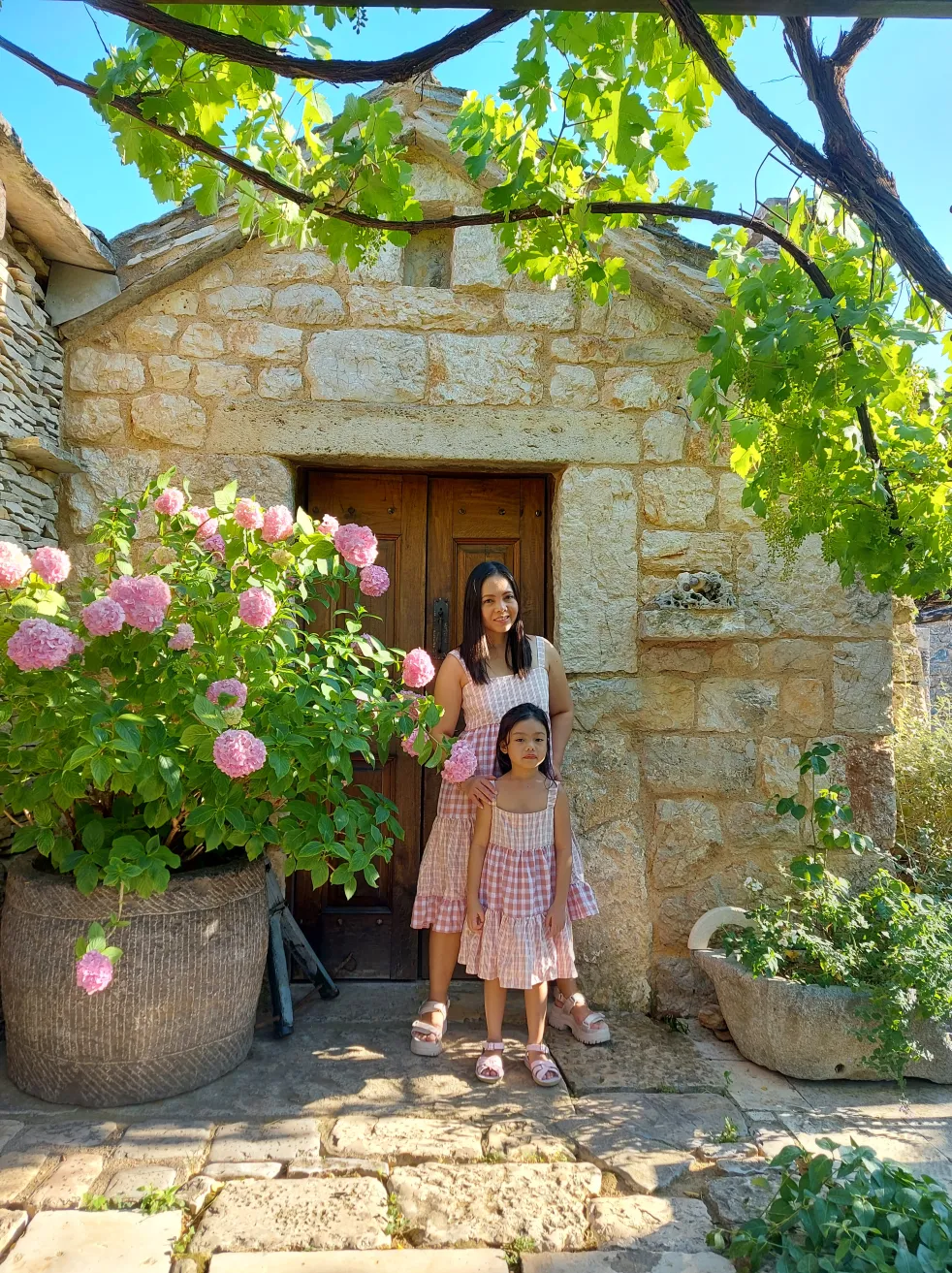
As poet and philosopher Rumi once eloquently said, “raise your words, not your voice. It is rain that grows flowers, not thunder.” Parenting is a challenging journey, and the truth is that nobody has everything figured out. One parenting style might suit others best, and some might favor other methods. However, children respond better to… Continue reading A SIMPLE GUIDE TO GENTLE PARENTING

Whether you’re a new mom to be, mom of a toddler, mom who have school-aged kids, you’re bound to have so many questions. Let's start with your baby's skin. Infant skin has unique needs; gentle care is essential to prevent damage to the skin barrier, which can lead to irritation. When caring for infant skin,… Continue reading Keeping Baby’s Diapered Skin Healthy
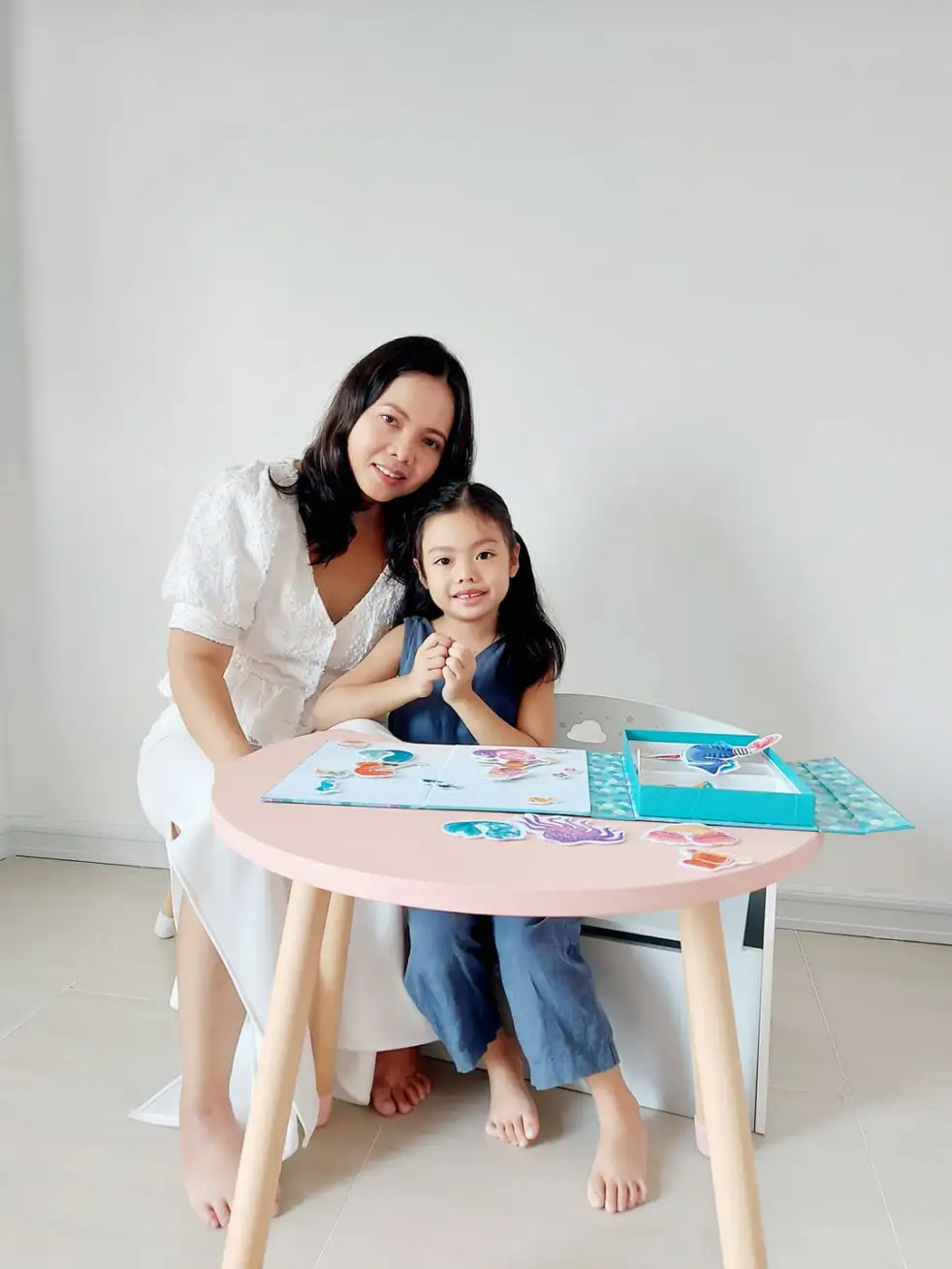
As parents, we want to give our child the best possible start in life and that begins with nurturing their intelligence. Throughout history, the notion of success has been linked to academic intelligence. However, there has been an increased awareness on the importance of emotional intelligence. This question gets at the heart of the never-ending… Continue reading IQ or EQ, which one is a better predictor of your child’s success?
 wondermomma.net