

Last August, IKEA Philippines engaged with Better World Smokey Mountain, a newly opened community center operated by the San Miguel Foundation, which shares a similar goal of improving the lives of many Filipino people. Through this partnership, IKEA Philippines provided and assembled home furnishings for the classrooms and library of Better World Smokey Mountain community… Continue reading Help Create a Better World with IKEA Soft Toys

NutriAsia, the country’s top producer of condiments and sauces, continues its support of Refill Revolution; a project by the Department of Environment and Natural Resources EMB 3 that aims to help reduce Filipinos’ single-use plastics consumption. At Refill Revolution, residents get to recycle their single-use plastic bottles by reusing and filling it with their choice… Continue reading NutriAsia and DENR renews partnership for Refill Revolution

How to Handle Sibling Rivalry with Gentle Discipline
Sibling conflict is a normal part of family life. Children may argue over toys, compete for a parent’s attention, complain about fairness, or react strongly when a brother or sister seems to get special treatment. These moments can be exhausting, especially when they happen several times a day, but they also give children opportunities to practise communication, patience, empathy, and problem-solving.
Gentle discipline does not mean allowing hurtful behaviour or ignoring repeated conflicts. It means setting clear limits while respecting each child’s feelings and dignity. The goal is to guide children toward better choices without shame, fear, or harsh punishment.
In a busy family home, including households where grandparents, cousins, or helpers are closely involved, consistency matters. Children need to know that adults will protect their safety, listen fairly, and help them repair relationships after disagreements.
Understand What Fuels The Conflict
Sibling rivalry often begins with a genuine need rather than deliberate misbehaviour. A child may be tired, hungry, overstimulated, worried about losing a parent’s affection, or struggling with a new family change. A toddler who grabs a toy may need help waiting, while an older child who interrupts may be seeking connection after feeling overlooked.
Age and development also shape how children respond. Young children are still learning impulse control and may understand “sharing” as giving up something immediately. School-aged children can reason more clearly but may be highly sensitive to fairness. Teenagers may argue over privacy, responsibilities, screen time, or being treated like a child.
Before correcting the behaviour, pause to identify the need beneath it. This does not excuse hitting, name-calling, or intimidation. It helps you choose a response that teaches rather than simply stops the noise for a few minutes.
Set Firm And Respectful Boundaries
Gentle parenting requires boundaries that are calm, specific, and enforceable. Instead of saying, “Stop being mean,” describe the limit: “I won’t let you hit. Hands need to stay safe.” This gives children a clear standard without labelling one child as bad.
When emotions are high, use fewer words. Move close, separate children if necessary, and keep your voice steady. You might say, “You both want the same truck. I will help you solve this, but I won’t let anyone grab or push.” Safety comes before discussion.
Avoid forcing an apology while a child is still crying or angry. A rushed “sorry” may teach performance rather than responsibility. Once everyone is calm, guide a meaningful repair: returning an item, checking on a sibling, helping rebuild a tower, or using a sincere statement such as, “I pushed you. That hurt. Next time I will ask.”
Respond To Arguments In A Consistent Way
Children benefit when parents follow a predictable process. A simple routine reduces the need to improvise during stressful moments and helps siblings understand what will happen when conflict starts.
| Situation | Calm parental response | Skill children practise |
|---|---|---|
| Both children want the same toy | Name the problem and offer a timed turn or shared activity | Waiting and negotiating |
| One child grabs an object | Return the object, acknowledge the desire, and set a limit | Asking instead of taking |
| Name-calling begins | Stop the hurtful words and invite a respectful rephrase | Emotional expression |
| Hitting or pushing occurs | Separate children, attend to safety, and discuss repair later | Self-control and accountability |
| Children disagree about fairness | Listen to each perspective and apply the agreed family rule | Perspective-taking |
Try to avoid deciding who is the “winner” of every disagreement. Investigating every detail can turn parents into permanent judges and encourage children to collect evidence against one another. When the facts are unclear, focus on what you can observe: “The toy is being pulled. I’m going to hold it until we make a plan.”
Some conflicts can be left for children to handle when everyone is safe and the disagreement is manageable. Stay nearby and provide support without taking over. Say, “You can choose turns, trade, or find another toy.” This gives siblings practice while assuring them that an adult is available.
Reduce Competition For Attention
Children may fight more when they believe love, praise, or parental attention is limited. Comparing siblings, even positively, can intensify this fear. Statements such as “Why can’t you be organised like your sister?” or “Your brother is the easy one” can create resentment that appears later as teasing, sabotage, or constant rivalry.
Give each child regular moments of focused attention. These do not need to be expensive outings or long activities. Ten minutes of reading, preparing merienda together, walking around the neighbourhood, or listening without a phone can reassure a child that there is a secure place for them in the family.
Notice cooperation as specifically as you notice conflict. Instead of general praise, say, “You moved your blocks so your brother could sit down,” or “You waited while she finished speaking.” This reinforces helpful behaviour without turning siblings into competitors for approval.
Fairness does not always mean giving every child the same thing at the same time. A baby may need more physical care, while an older child may need privacy or help with schoolwork. Explain differences when appropriate: “Your sister needs help tying her shoes. You can choose the story while we wait.” Clear explanations help children understand that individual needs can differ without changing the amount of love they receive.
Teach Problem-Solving During Peaceful Moments
Children are more able to learn conflict-resolution skills when they are calm. Practise outside an argument by using toys, drawings, or role-play. Show how to say, “Can I have a turn when you’re finished?” “I don’t like that game,” or “Let’s choose a timer.”
A useful family process has four steps: stop unsafe behaviour, name each person’s perspective, identify the shared problem, and choose a workable solution. Keep the language simple. “You wanted the red cup, and you wanted it too. The problem is there is one red cup. We can use the blue cup, take turns, or wait for it to be washed.”
Older children can participate in creating household agreements. They might help decide how to share devices, where personal belongings are kept, and what happens when someone breaks a rule. When children have a voice in reasonable expectations, they are more likely to remember and accept them.
Teach emotional vocabulary as part of daily life. Words such as disappointed, jealous, left out, annoyed, proud, and worried help children express the feeling before it becomes physical behaviour. A child who can say, “I feel left out because you are playing without me,” has a better chance of receiving support than one who kicks the game apart.
Avoid Common Discipline Traps
Some parental responses provide quick silence but increase resentment over time. Publicly shaming a child, threatening to withdraw affection, or repeatedly calling one sibling “the difficult one” can damage trust. Harsh punishment may suppress an argument temporarily without teaching children what to do differently next time.
Taking sides too quickly can also deepen the rivalry. Even if one child usually starts the conflict, each incident deserves a fresh response. Focus on the behaviour you witnessed rather than relying on labels or past mistakes. “I saw you take the marker from his hand” is more useful than “You always ruin everything.”
Be careful with forced sharing. Children should learn generosity, but they also need to understand that personal belongings and special projects deserve boundaries. Create a system for toys: some may be family toys, some may belong to one child, and some may be available only with permission. This reduces confusion and protects important possessions.
When you make a mistake, repair it openly. You can say, “I shouted, and that was too loud. I was frustrated, but I should have spoken calmly. I’m going to try again.” Parental modelling teaches that accountability belongs to everyone, including adults.
Build Routines That Support Cooperation
Many sibling arguments are predictable. Hunger before dinner, tiredness after school, crowded bedrooms, and rushed mornings can lower everyone’s patience. Adjusting the environment may prevent more conflict than giving repeated lectures.
Use routines that make expectations visible. A simple chart can show who chooses the bedtime story, who feeds a pet, or when each child gets access to a shared device. Rotate privileges rather than allowing the loudest child to decide. For younger children, timers, picture cards, and transition warnings can make turn-taking easier.
Create spaces for both togetherness and separation. Siblings may enjoy shared play but still need time apart. A quiet corner, individual storage box, or protected homework period can give children a sense of ownership. In smaller homes, even a designated chair or mat can serve as a personal space.
Use family meetings for recurring problems rather than addressing the same dispute every day. Keep the meeting brief, invite ideas, and agree on one change to try. Review it after a few days and adjust if it is not working. The purpose is cooperation, not another opportunity to criticise.
Give Children A Path Back To Each Other
The aim of discipline is not to prevent every disagreement. Children will still compete, complain, and lose their tempers. What matters is helping them return to safety and connection after conflict.
After everyone settles, invite reflection without demanding a long explanation. Ask what happened, what each child needed, and what could help next time. For young children, offer choices: “Were you angry because the game stopped, or because you wanted the blue piece?”
End with a practical repair rather than a lecture. Children can rebuild a game, draw a peace card, bring water, or sit together for a short story. Reconnection should not erase accountability, but it reminds siblings that a difficult moment does not define their relationship.
If rivalry includes frequent injuries, serious threats, persistent bullying, or one child appearing fearful at home, seek support from a paediatrician, child psychologist, or qualified family counsellor. Extra guidance can help identify developmental, emotional, or family pressures that need attention.
Gentle Habits That Make A Difference
- Protect each child’s individual belongings, interests, and time with a parent.
- Use short, calm statements when behaviour becomes unsafe.
- Praise cooperation, waiting, thoughtful words, and genuine repair.
- Practise turn-taking and problem-solving when siblings are already calm.
- Review routines when conflicts happen repeatedly at the same time of day.
Start with one recurring conflict this week. Identify the trigger, choose a clear family rule, and practise the response during a peaceful moment. With steady boundaries and warm connection, siblings can learn that disagreements are problems to solve—not proof that one child matters more than another.

Mercato Centrale, in collaboration with Indian Women in Enterprise Philippines (I-We), is set to host "The Great Indian Fiesta" to mark 75 years of friendship between India and the Philippines. The dynamic two-day event is scheduled to take place on September 30 to October 1, 2023, at Paseo De Roxas Street, Makati City. Aiming to… Continue reading Mercato Centrale Partners with I-We to Host ‘The Great Indian Fiesta’, Commemorating 75 Years of India-Philippines Friendship

My stomach would usually start growling at 10 am even after taking a big breakfast. This is probably because I am a morning person and I move a lot throughout the day hence snacking is something that I can't avoid. This potatoes and chicken wrap recipe is easy to prepare and would keep me full… Continue reading Potato and Chicken Wrap
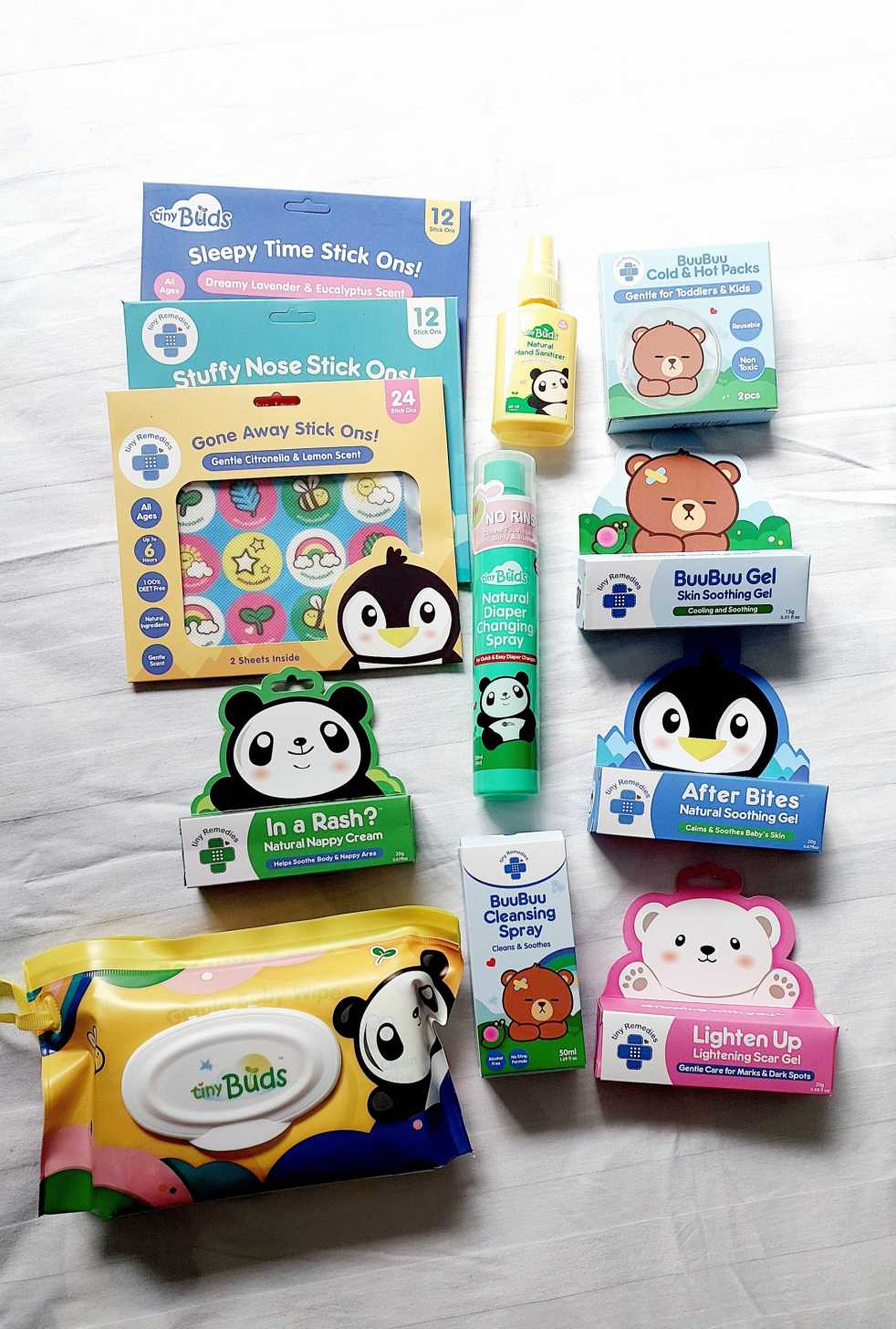
Your baby’s skin is more delicate than most, this is why you have to choose products that are designed for sensitive skin. Tiny Buds is a pioneer in integrating natural ingredients into baby care and today has over 50 innovative natural baby care essentials and is one of the Top Baby Personal Care brands. Here… Continue reading Product Review: Tiny Buds Baby Naturals Baby Essentials
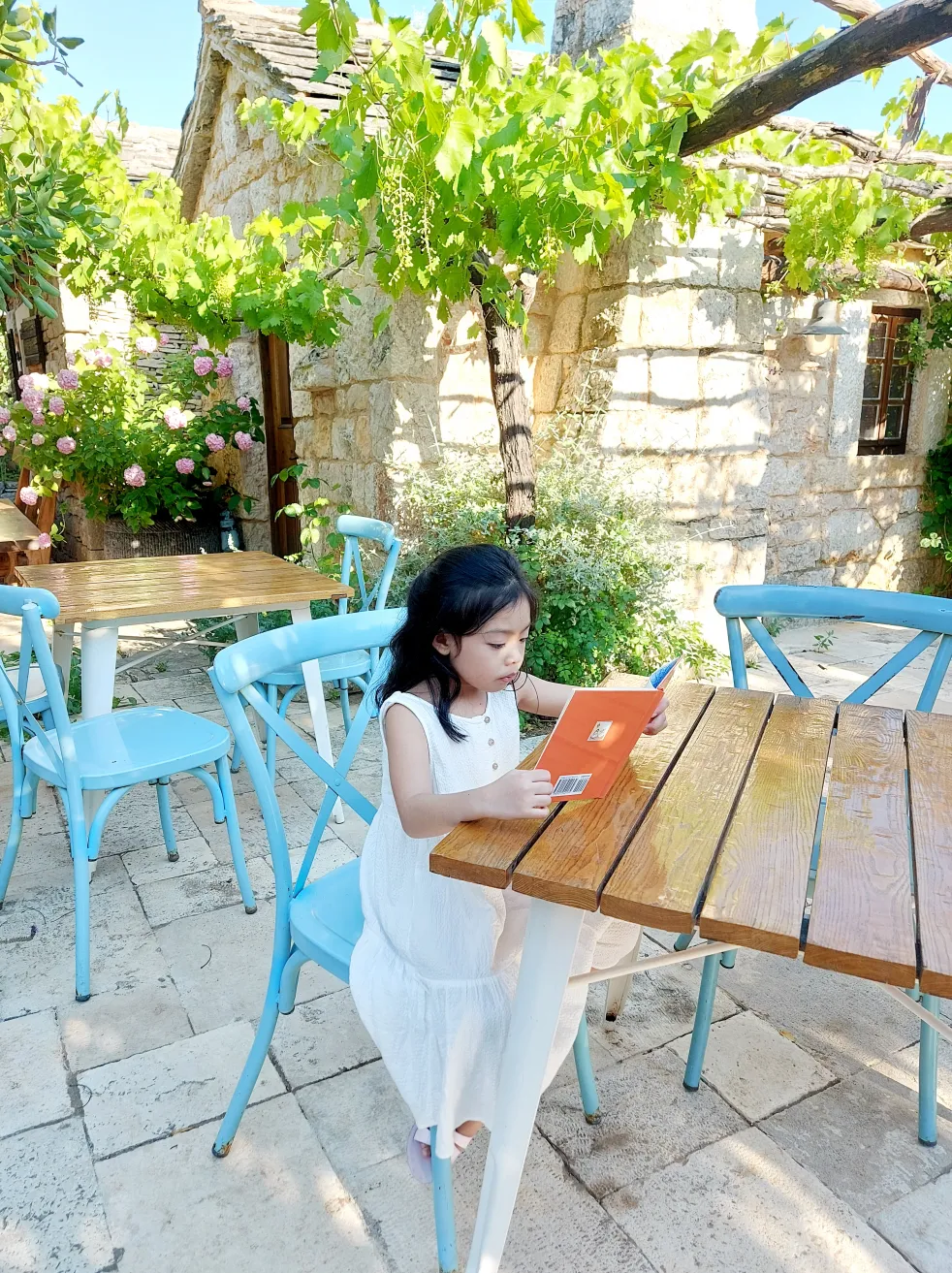
Where your child goes to school is a big decision and shouldn’t be taken lightly. Given how their education can impact their future, you might be tempted to take control and decide for them. However, you might be doing more damage than helping them in the long run. Your job as parents is to support… Continue reading HOW TO CHOOSE THE BEST SCHOOL FOR YOUR CHILD
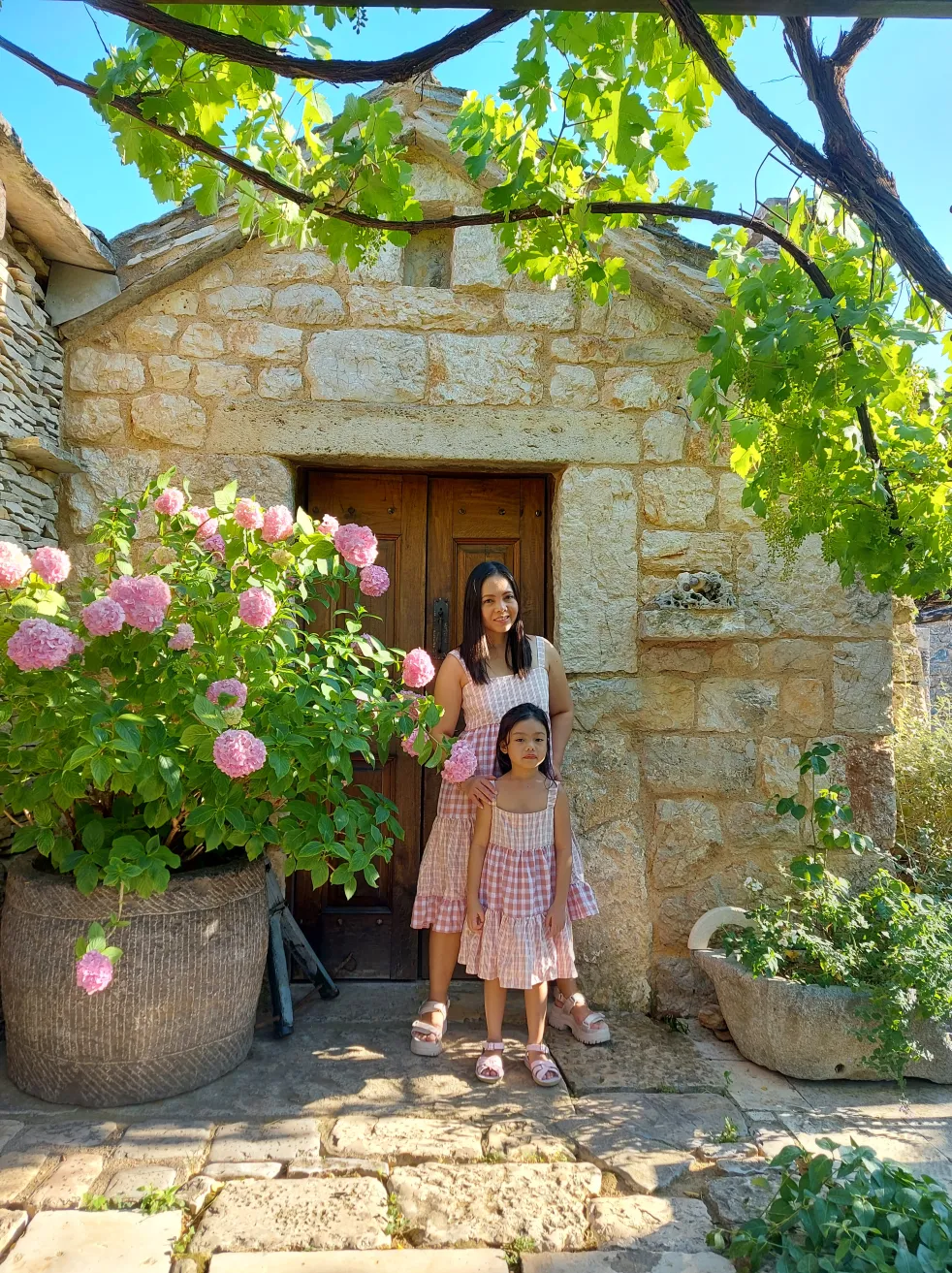
As poet and philosopher Rumi once eloquently said, “raise your words, not your voice. It is rain that grows flowers, not thunder.” Parenting is a challenging journey, and the truth is that nobody has everything figured out. One parenting style might suit others best, and some might favor other methods. However, children respond better to… Continue reading A SIMPLE GUIDE TO GENTLE PARENTING

Whether you’re a new mom to be, mom of a toddler, mom who have school-aged kids, you’re bound to have so many questions. Let's start with your baby's skin. Infant skin has unique needs; gentle care is essential to prevent damage to the skin barrier, which can lead to irritation. When caring for infant skin,… Continue reading Keeping Baby’s Diapered Skin Healthy
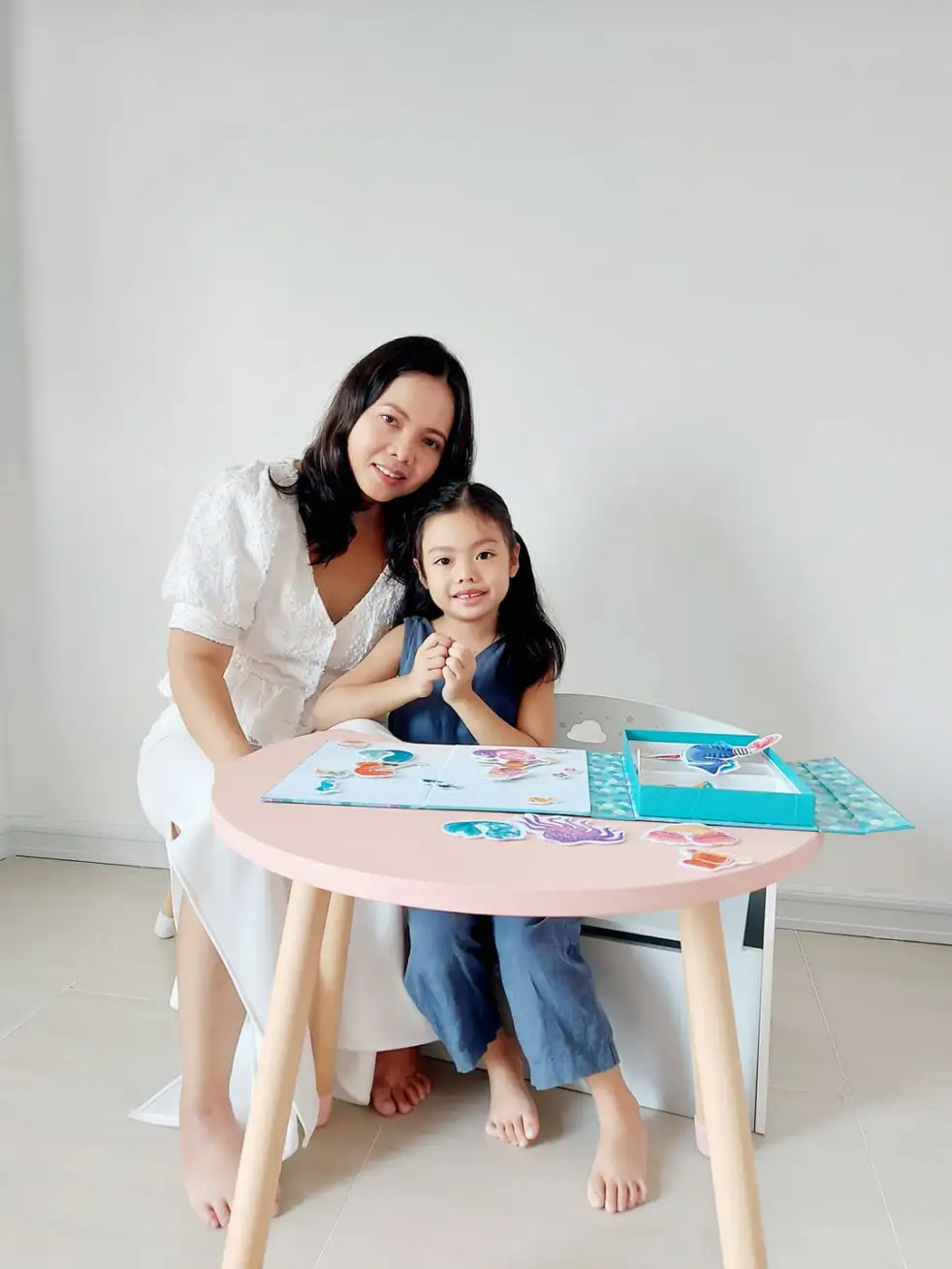
As parents, we want to give our child the best possible start in life and that begins with nurturing their intelligence. Throughout history, the notion of success has been linked to academic intelligence. However, there has been an increased awareness on the importance of emotional intelligence. This question gets at the heart of the never-ending… Continue reading IQ or EQ, which one is a better predictor of your child’s success?
 wondermomma.net