

Last August, IKEA Philippines engaged with Better World Smokey Mountain, a newly opened community center operated by the San Miguel Foundation, which shares a similar goal of improving the lives of many Filipino people. Through this partnership, IKEA Philippines provided and assembled home furnishings for the classrooms and library of Better World Smokey Mountain community… Continue reading Help Create a Better World with IKEA Soft Toys

NutriAsia, the country’s top producer of condiments and sauces, continues its support of Refill Revolution; a project by the Department of Environment and Natural Resources EMB 3 that aims to help reduce Filipinos’ single-use plastics consumption. At Refill Revolution, residents get to recycle their single-use plastic bottles by reusing and filling it with their choice… Continue reading NutriAsia and DENR renews partnership for Refill Revolution

How to Handle Sibling Rivalry with Empathy
Sibling conflict can make family life feel loud, repetitive and emotionally draining. Arguments over toys, screen time, attention, personal space and whose turn it is are common, but they still need thoughtful guidance. Children are learning how to manage strong feelings while living closely with someone who may be their greatest companion and most persistent competitor.
An empathetic approach does not mean allowing hitting, hurtful language or constant disruption. It means looking beneath the behaviour, protecting everyone’s safety and teaching children skills they cannot yet use independently. For Australian families managing school runs, childcare timetables and busy weekends, small changes in the way adults respond can gradually reduce tension at home.
See the Need Beneath The Behaviour
Sibling rivalry often begins with a need for connection, control, rest or recognition. A preschooler who grabs a baby’s toy may be saying, “I still matter here.” An older child who interrupts every conversation may be trying to reclaim attention after a new sibling’s arrival. The behaviour is unacceptable when it causes harm, but the underlying need deserves attention.
Age and temperament also shape conflict. A toddler has limited impulse control, while a primary-school child may understand fairness but still struggle when disappointed. Teenagers may argue over privacy, belongings and household responsibilities rather than toys. Treating every disagreement as deliberate misbehaviour can intensify shame and defensiveness.
Try describing what you see without assigning a character label: “You both want the blue truck,” or “You were still using that cushion when your sister took it.” This helps children feel understood and gives them language for the problem. Avoid calling one child selfish, bossy or difficult, because labels can become roles children feel pressured to repeat.
Stay Calm During Heated Moments
When children are yelling or pushing, begin with safety rather than a lecture. Move close, separate bodies if needed and use a steady voice: “I won’t let you hit. I’m going to help you keep your bodies safe.” A calm adult nervous system gives children a better chance of settling, especially when they are too overwhelmed to process long explanations.
You do not need to decide who is entirely right in the first few seconds. Children often tell different versions of the same event, and rushing to investigate can turn the parent into a judge. First lower the intensity, then listen to each child separately or together when everyone is capable of hearing the other person.
In a crowded Sydney flat or a busy Melbourne household, there may be very little space to separate children for long. A quiet corner, a short walk to the letterbox or sitting beside one child on the couch can create enough distance. The aim is not forced isolation as punishment; it is a brief pause for regulation and safety.
Make Room For Individual Connection
Children are less likely to compete intensely when they regularly experience secure, personal attention. This does not require expensive outings or equal hours with every child. Ten focused minutes reading, cooking, watering plants or walking to school can communicate, “I enjoy being with you.”
Australian family routines often involve early childcare drop-offs, school pick-ups and after-school activities. Use ordinary moments rather than waiting for a perfect block of free time. A chat while preparing Vegemite toast, folding uniforms or travelling on the tram can become meaningful when phones are put aside and the child leads the conversation.
Equal treatment is not always identical treatment. One child may need help with homework while another needs a cuddle after a difficult day. Explain this simply: “You both get what you need, and needs can be different.” Avoid public comparisons, even positive ones, because praise directed at one sibling can feel like criticism to another.
Replace Competition With Cooperation
Children need opportunities to work towards a shared goal. Invite siblings to wash vegetables for dinner, build a cubby together, sort laundry or plan a family movie night. Give each child a defined role so cooperation does not become another contest for control.
Be cautious with reward systems that place siblings in competition. A chart where only the “best” child earns a privilege can deepen resentment, especially for children with different developmental abilities. Shared goals are usually kinder: “If we pack away before the timer ends, there will be time for a story.”
A family meeting can help older children create practical agreements about borrowing possessions, taking turns and entering bedrooms. Record the rules in simple language and revisit them when circumstances change. Resources from gentle parenting guidance can also support families who want respectful boundaries without permissiveness.
Teach Fairness And Repair
Fairness is not always about splitting everything into identical portions. It may mean taking turns, using a timer, replacing something that was damaged or giving the younger child help while the older child receives privacy. Explain the reason behind a decision so children understand the principle rather than simply hearing, “Because I said so.”
Teach short scripts children can use during conflict: “Can I have a turn when you’re finished?”, “Please stop touching my things,” and “I need help.” Practise these phrases when everyone is calm. Role-playing with soft toys can be particularly effective for younger children who cannot yet organise their words in the middle of an argument.
Repair should be specific and voluntary rather than a forced apology. A child might fetch an ice pack, rebuild a knocked-down tower, draw a picture or say, “I’m sorry I pushed you.” The harmed child does not have to hug or immediately forgive. Repair restores trust while respecting personal boundaries.
Australian law places children’s best interests at the centre of family decisions under the Family Law Act 1975. In everyday parenting, that principle can translate into prioritising safety, emotional security and stable relationships rather than rewarding the loudest child. If conflict includes ongoing fear, serious aggression or coercive control, families should seek professional support rather than trying to manage it through household rules alone.
Create A Family Plan That Works
A simple plan prevents parents from having to invent a response during every argument. Decide in advance what happens when children fight over a device, damage property or cannot agree on a game. Consistency matters more than a perfect response, and both caregivers should use broadly similar boundaries where possible.
Consider children’s routines and physical needs. Hunger after school, tiredness after swimming lessons and overstimulation at a crowded weekend market can make small frustrations explode. A snack, quiet transition time and realistic expectations may prevent more conflict than another reminder to “be kind.”
Use the following practices as a starting point:
- Protect bodies and property before discussing blame.
- Name each child’s feeling and the shared problem.
- Offer limited choices, such as taking turns with a timer or choosing another activity.
- Schedule individual connection during ordinary family routines.
- Revisit the event later and practise a safer response for next time.
| Common conflict | Empathetic response | Skill to practise |
|---|---|---|
| Fighting over a toy | “You both want it. I won’t let you pull it from each other.” | Turn-taking |
| One child constantly interrupting | “You want my attention. Put your hand on my arm, and I’ll finish this sentence.” | Waiting |
| Teasing or name-calling | “Those words hurt. You can say you’re angry without attacking.” | Respectful expression |
| Hitting during an argument | “I’m stopping your hands. You are angry, and hitting is not safe.” | Regulation and repair |
| Complaints about unequal treatment | “The plan is different because your needs are different today.” | Understanding fairness |
Progress may look modest at first. A child who once hit immediately may begin shouting for help; siblings who fought for twenty minutes may recover in five. Notice these changes aloud without comparing them: “You were upset and used words to tell me. That was safer.” Empathy becomes effective through repeated practice, predictable limits and a family culture where every child is allowed to belong.

Mercato Centrale, in collaboration with Indian Women in Enterprise Philippines (I-We), is set to host "The Great Indian Fiesta" to mark 75 years of friendship between India and the Philippines. The dynamic two-day event is scheduled to take place on September 30 to October 1, 2023, at Paseo De Roxas Street, Makati City. Aiming to… Continue reading Mercato Centrale Partners with I-We to Host ‘The Great Indian Fiesta’, Commemorating 75 Years of India-Philippines Friendship

My stomach would usually start growling at 10 am even after taking a big breakfast. This is probably because I am a morning person and I move a lot throughout the day hence snacking is something that I can't avoid. This potatoes and chicken wrap recipe is easy to prepare and would keep me full… Continue reading Potato and Chicken Wrap
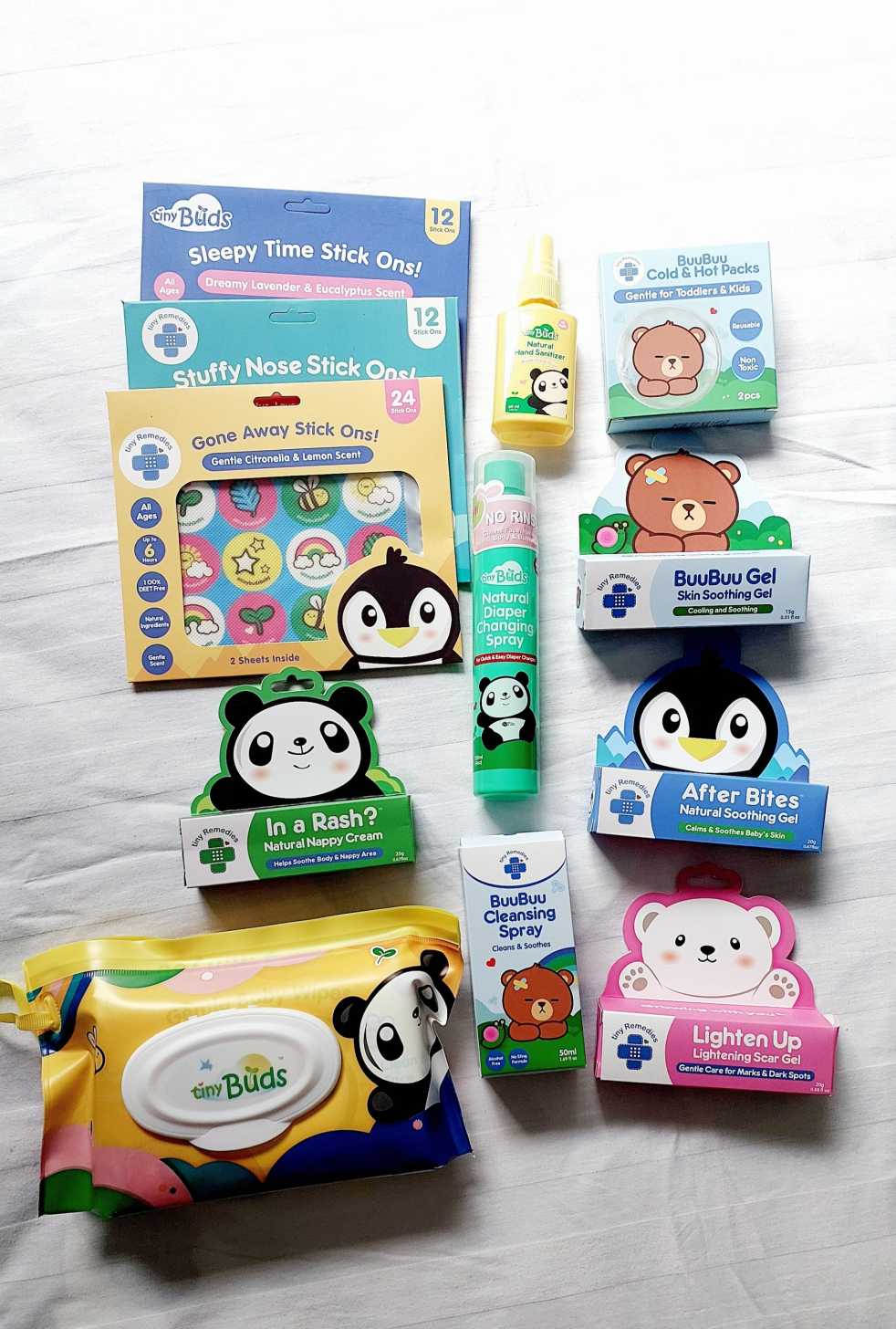
Your baby’s skin is more delicate than most, this is why you have to choose products that are designed for sensitive skin. Tiny Buds is a pioneer in integrating natural ingredients into baby care and today has over 50 innovative natural baby care essentials and is one of the Top Baby Personal Care brands. Here… Continue reading Product Review: Tiny Buds Baby Naturals Baby Essentials
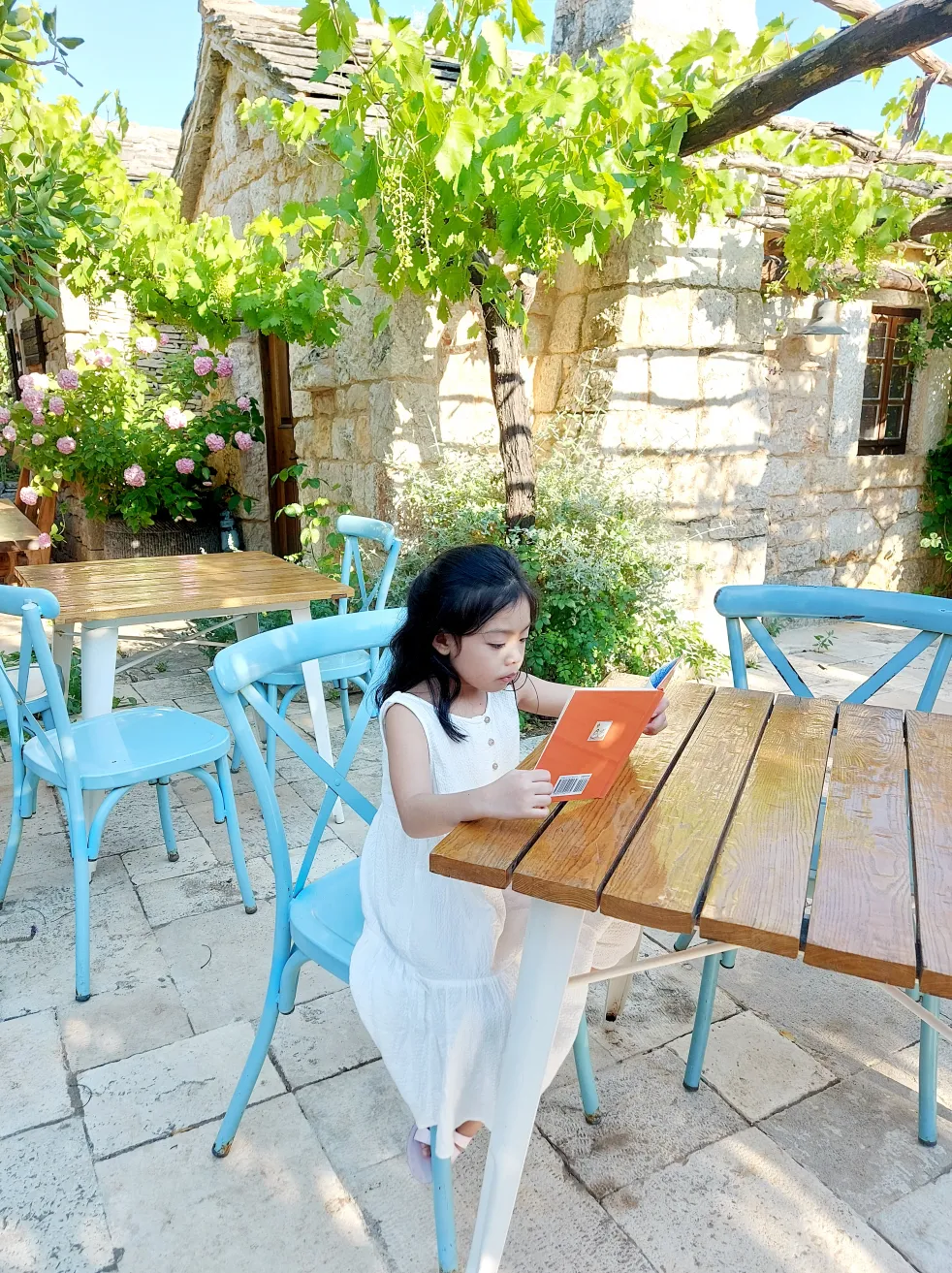
Where your child goes to school is a big decision and shouldn’t be taken lightly. Given how their education can impact their future, you might be tempted to take control and decide for them. However, you might be doing more damage than helping them in the long run. Your job as parents is to support… Continue reading HOW TO CHOOSE THE BEST SCHOOL FOR YOUR CHILD
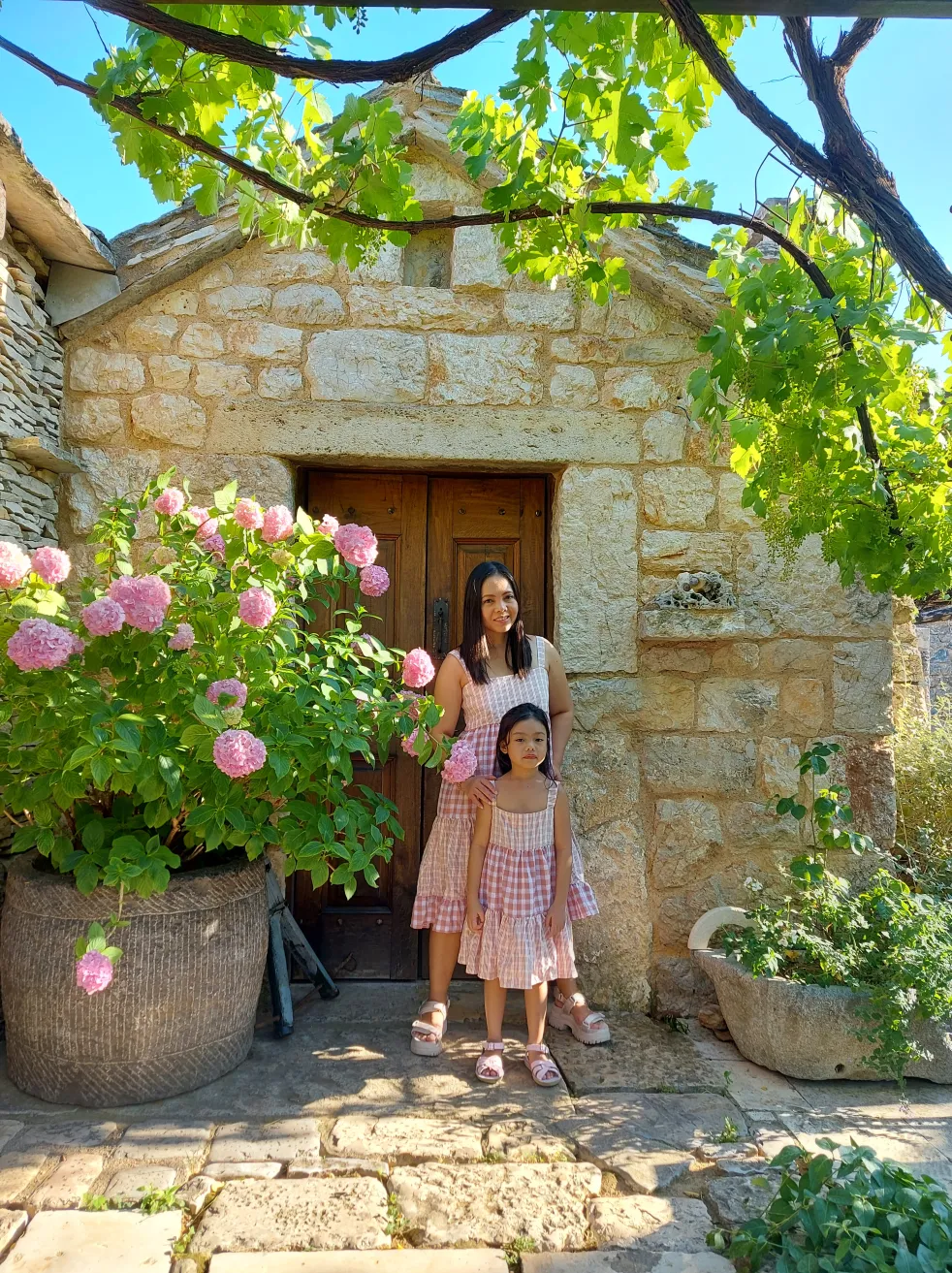
As poet and philosopher Rumi once eloquently said, “raise your words, not your voice. It is rain that grows flowers, not thunder.” Parenting is a challenging journey, and the truth is that nobody has everything figured out. One parenting style might suit others best, and some might favor other methods. However, children respond better to… Continue reading A SIMPLE GUIDE TO GENTLE PARENTING

Whether you’re a new mom to be, mom of a toddler, mom who have school-aged kids, you’re bound to have so many questions. Let's start with your baby's skin. Infant skin has unique needs; gentle care is essential to prevent damage to the skin barrier, which can lead to irritation. When caring for infant skin,… Continue reading Keeping Baby’s Diapered Skin Healthy
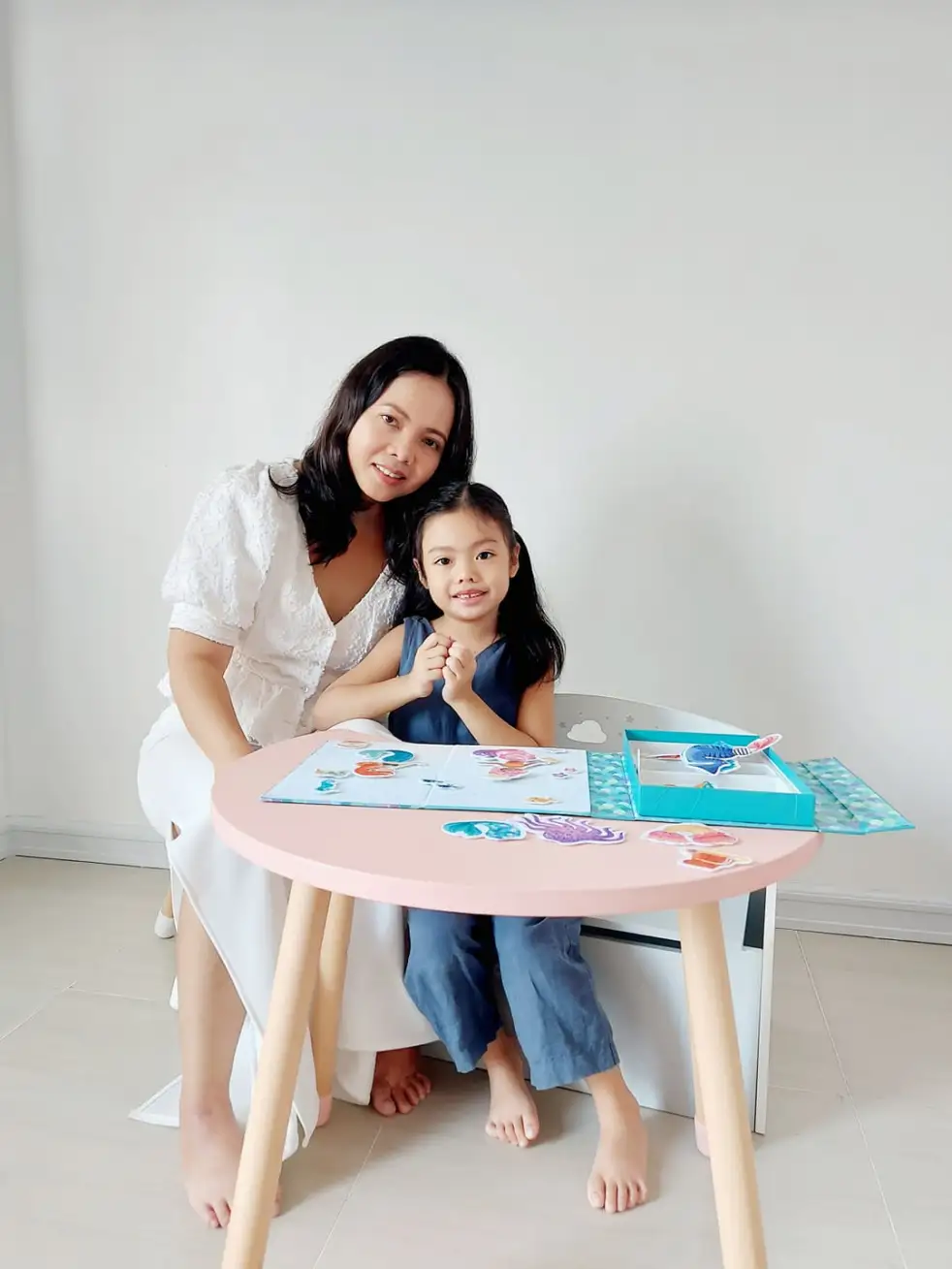
As parents, we want to give our child the best possible start in life and that begins with nurturing their intelligence. Throughout history, the notion of success has been linked to academic intelligence. However, there has been an increased awareness on the importance of emotional intelligence. This question gets at the heart of the never-ending… Continue reading IQ or EQ, which one is a better predictor of your child’s success?
 wondermomma.net