

Last August, IKEA Philippines engaged with Better World Smokey Mountain, a newly opened community center operated by the San Miguel Foundation, which shares a similar goal of improving the lives of many Filipino people. Through this partnership, IKEA Philippines provided and assembled home furnishings for the classrooms and library of Better World Smokey Mountain community… Continue reading Help Create a Better World with IKEA Soft Toys

NutriAsia, the country’s top producer of condiments and sauces, continues its support of Refill Revolution; a project by the Department of Environment and Natural Resources EMB 3 that aims to help reduce Filipinos’ single-use plastics consumption. At Refill Revolution, residents get to recycle their single-use plastic bottles by reusing and filling it with their choice… Continue reading NutriAsia and DENR renews partnership for Refill Revolution

Helping Your Child Feel Safe at Daycare Drop-Off
Daycare drop-off can turn into a difficult moment for the whole family. A child who was cheerful at home may cling, cry, hide, or beg a parent not to leave as soon as they reach the classroom door. These reactions can be upsetting, yet they are often a normal response to being apart from a familiar caregiver.
Separation anxiety happens when a child understands that a parent is leaving but does not yet feel confident about when they will return. Changes in routine, a new classroom, tiredness, illness, or a recent family transition can make these feelings stronger. Even children who have attended daycare for months may experience a sudden return of tears.
The goal is not to force a child to stop feeling anxious. It is to help them experience departure as predictable, safe, and temporary. With preparation, a brief goodbye routine, and close cooperation with daycare staff, many families gradually find that mornings become easier.
Why daycare separation feels so big
Young children do not measure time in the same way adults do. “I’ll be back after work” may not mean much to a toddler who is still learning the order of daily events. A child may know that a parent returns every afternoon and still feel overwhelmed during the moment of separation.
Drop-off also asks children to manage several changes at once: a new environment, different adults, group activities, noise, and a new rhythm. Crying can be a child’s way of releasing tension rather than proof that daycare is harmful. Some children settle within minutes after the parent leaves and become engaged in play soon afterward.
Parents can feel anxious too, especially when a child reaches for them or calls after them. Children often notice facial expressions, hesitation, and repeated checks at the doorway. A calm manner does not mean ignoring their feelings; it gives them a steady signal that the adults around them believe they are safe.
Prepare before the first morning
Talk about daycare in simple, positive, realistic language before attendance begins. Describe what your child may see and do: “Your teacher will welcome you, you’ll have a snack, and I’ll come back after nap time.” Avoid promising that the child will never cry or that every moment will be fun. Honest reassurance builds trust.
Use pretend play to practise the routine. A stuffed animal can go to “school,” wave goodbye, eat a snack, and reunite with its caregiver. Read age-appropriate books about starting childcare, then allow your child to act out both the leaving and returning parts. Repetition helps make an unfamiliar experience feel more manageable.
If the daycare offers a visit or orientation, take advantage of it. Let your child see the entrance, meet a teacher, and explore the room while you remain nearby. At home, practise short separations with a trusted adult. Begin with a few minutes and gradually extend the time, always returning when promised.
A familiar object can provide comfort during the transition. Ask the centre whether your child may bring a small family photo, soft toy, or cloth that carries a familiar scent. Keep the item safe and appropriately sized for the setting, and choose something that will not create conflict if another child wants to touch it.
Create a short, dependable goodbye
A consistent drop-off ritual can help children understand what happens next. For example, a parent might offer one hug, say the same reassuring sentence, help the child hand over a comfort item, and leave after a final wave. The routine should be warm but brief enough that the child is not left waiting for the goodbye to end.
Use clear language such as, “You are safe. Teacher Ana will help you. I will come back after your afternoon snack.” Avoid slipping away without saying goodbye, since a child may become more watchful and fearful at future drop-offs. Avoid returning several times after leaving unless the caregiver requests it, as repeated departures can intensify distress.
| Drop-off moment | Helpful response | What to avoid |
|---|---|---|
| Child clings at the door | Acknowledge the feeling, give a hug, and follow the routine | Negotiating for a long time |
| Child cries when the parent leaves | Let the teacher comfort the child and request a brief update | Calling repeatedly in front of the child |
| Child refuses to enter | Offer two small choices, such as walking or being carried | Threats, shame, or bribes that cannot be kept |
| Child settles after several minutes | Praise their effort during pick-up | Focusing only on how much they cried |
| Distress continues for many days | Review the plan with the caregiver and look for patterns | Assuming the child is simply being difficult |
Choose words that support confidence
Children need their feelings named without making the situation sound dangerous. Try, “You feel sad because we are saying goodbye. Your teacher is here, and I will return.” This validates the emotion while communicating confidence in the caregiver and the daycare environment.
Keep explanations short during the actual handoff. A long speech can give anxiety more time to grow. Young children often respond better to a familiar phrase, a visual schedule, or a simple sequence: shoes away, hug, wave, teacher, play.
Avoid saying that a child is being naughty, too sensitive, or a baby for crying. Avoid comparing them with siblings or classmates who walk in happily. Instead, notice small steps: entering the room, accepting the teacher’s hand, placing a bag away, or recovering after a difficult goodbye.
At pick-up, show interest in the child’s whole day rather than asking only whether they cried. Say, “What did you play with?” or “Who helped you today?” This shifts attention toward relationships, activities, and growing independence.
Work closely with the daycare team
Caregivers can make the transition smoother when they know what comforts your child, how your family says goodbye, and whether there have been changes at home. Share practical details such as sleep patterns, favourite songs, food sensitivities, and the words your child uses for important needs.
Ask the teacher what happens after you leave. A caregiver may guide the child to a familiar activity, show a family photo, offer a classroom job, or invite them to help feed a class pet. A planned first activity gives the child somewhere to direct their attention.
Agree on how updates will be shared. For some families, one short message after the child settles provides reassurance. Constant updates may increase a parent’s worry and can interfere with the classroom routine. Trust the centre’s safeguarding procedures and respect its policies for communication.
Look for patterns across the week. Is anxiety stronger after a late bedtime, a long commute, a Monday morning, or a change in caregiver? Sharing these observations with staff can reveal practical adjustments. If your child reports fear of a particular person or activity, listen calmly and discuss the concern promptly with the daycare.
Respond when progress is uneven
Improvement rarely follows a straight line. A child may manage a calm drop-off for several days and then cry again after a holiday, illness, family trip, or classroom change. Treat a difficult morning as information rather than failure. Return to the familiar routine and offer extra connection at home.
A child may need more support if distress remains intense over an extended period, prevents participation throughout the day, affects sleep or eating, or appears alongside frequent physical complaints. Speak first with the daycare team and your child’s paediatrician or another qualified health professional. They can help consider developmental, emotional, sensory, or health-related factors.
Also pay attention to the quality of the care setting. A warm caregiver, predictable schedule, respectful communication, and safe supervision matter greatly. If concerns about treatment, safety, or a child’s repeated fear are not addressed, document what you observe and raise the issue through the centre’s proper channels.
Small steps that make mornings easier
The most effective approach is usually simple and repeatable. Families can support a smoother transition by focusing on the parts they can control:
- Prepare clothes, bag, food, and comfort items the night before.
- Keep wake-up, breakfast, and departure times as consistent as possible.
- Build in a few extra minutes so rushing does not add pressure.
- Use the same brief goodbye words and gestures each day.
- Give limited choices, such as which shoes to wear or whether to walk beside you.
- Celebrate brave actions without demanding a cheerful performance.
At home, fill the reunion with warmth rather than an interrogation. Offer a hug, a snack, quiet play, or a few minutes of connection before discussing the day. This helps your child associate daycare with a predictable cycle: separation, care, activities, and reunion.
Parents also deserve support during this adjustment. Feeling guilty or tearful does not mean you are making the wrong choice. Share concerns with a trusted family member, your partner, or the daycare teacher, and give yourself permission to take the process one morning at a time.
A calm goodbye is a skill that develops through repeated experiences of leaving and returning safely. Prepare your child, keep the handoff consistent, and work with caregivers who understand the importance of gentle transitions. Save this guide for the next challenging morning, and share it with another parent who is helping a child settle into daycare.

Mercato Centrale, in collaboration with Indian Women in Enterprise Philippines (I-We), is set to host "The Great Indian Fiesta" to mark 75 years of friendship between India and the Philippines. The dynamic two-day event is scheduled to take place on September 30 to October 1, 2023, at Paseo De Roxas Street, Makati City. Aiming to… Continue reading Mercato Centrale Partners with I-We to Host ‘The Great Indian Fiesta’, Commemorating 75 Years of India-Philippines Friendship

My stomach would usually start growling at 10 am even after taking a big breakfast. This is probably because I am a morning person and I move a lot throughout the day hence snacking is something that I can't avoid. This potatoes and chicken wrap recipe is easy to prepare and would keep me full… Continue reading Potato and Chicken Wrap
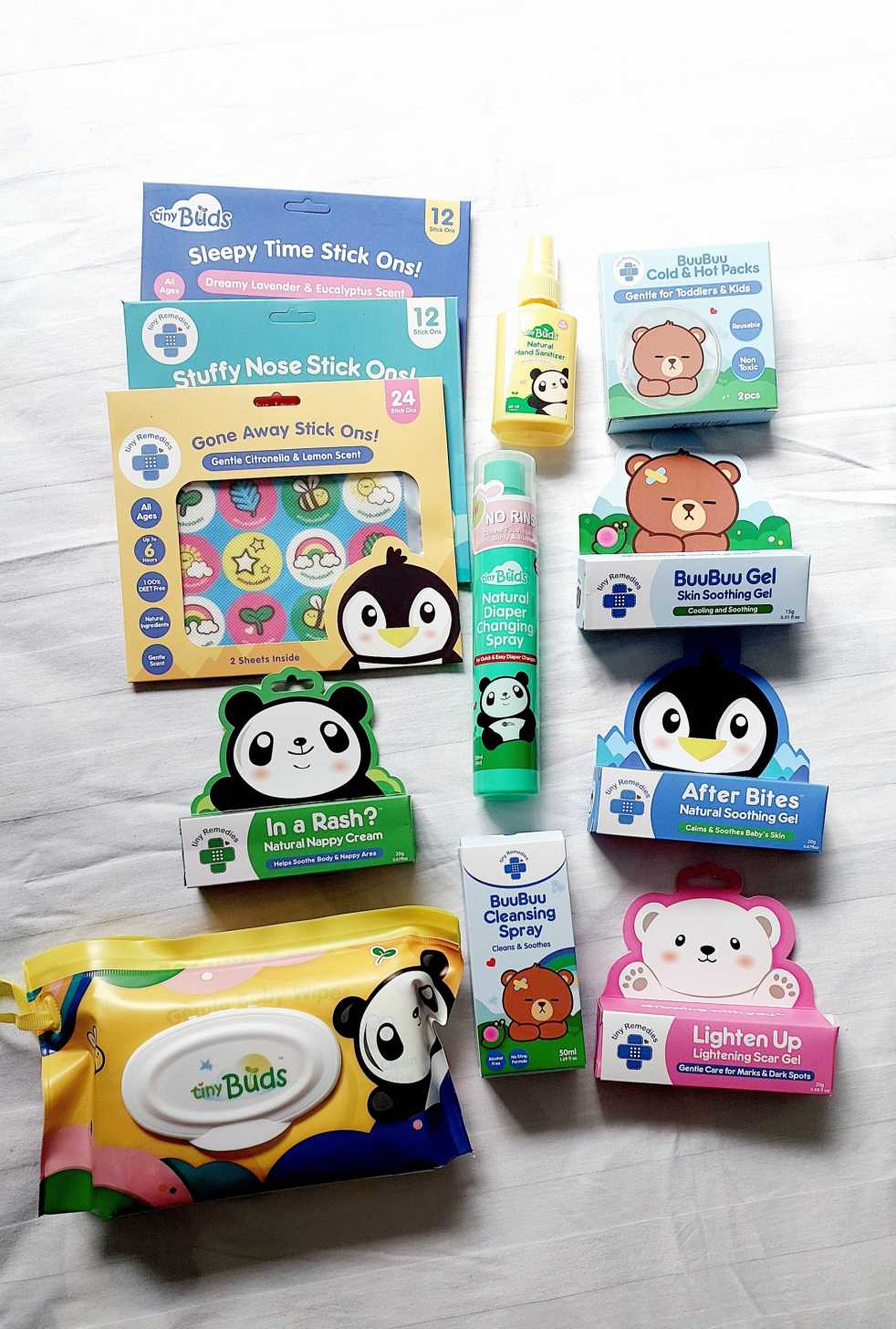
Your baby’s skin is more delicate than most, this is why you have to choose products that are designed for sensitive skin. Tiny Buds is a pioneer in integrating natural ingredients into baby care and today has over 50 innovative natural baby care essentials and is one of the Top Baby Personal Care brands. Here… Continue reading Product Review: Tiny Buds Baby Naturals Baby Essentials
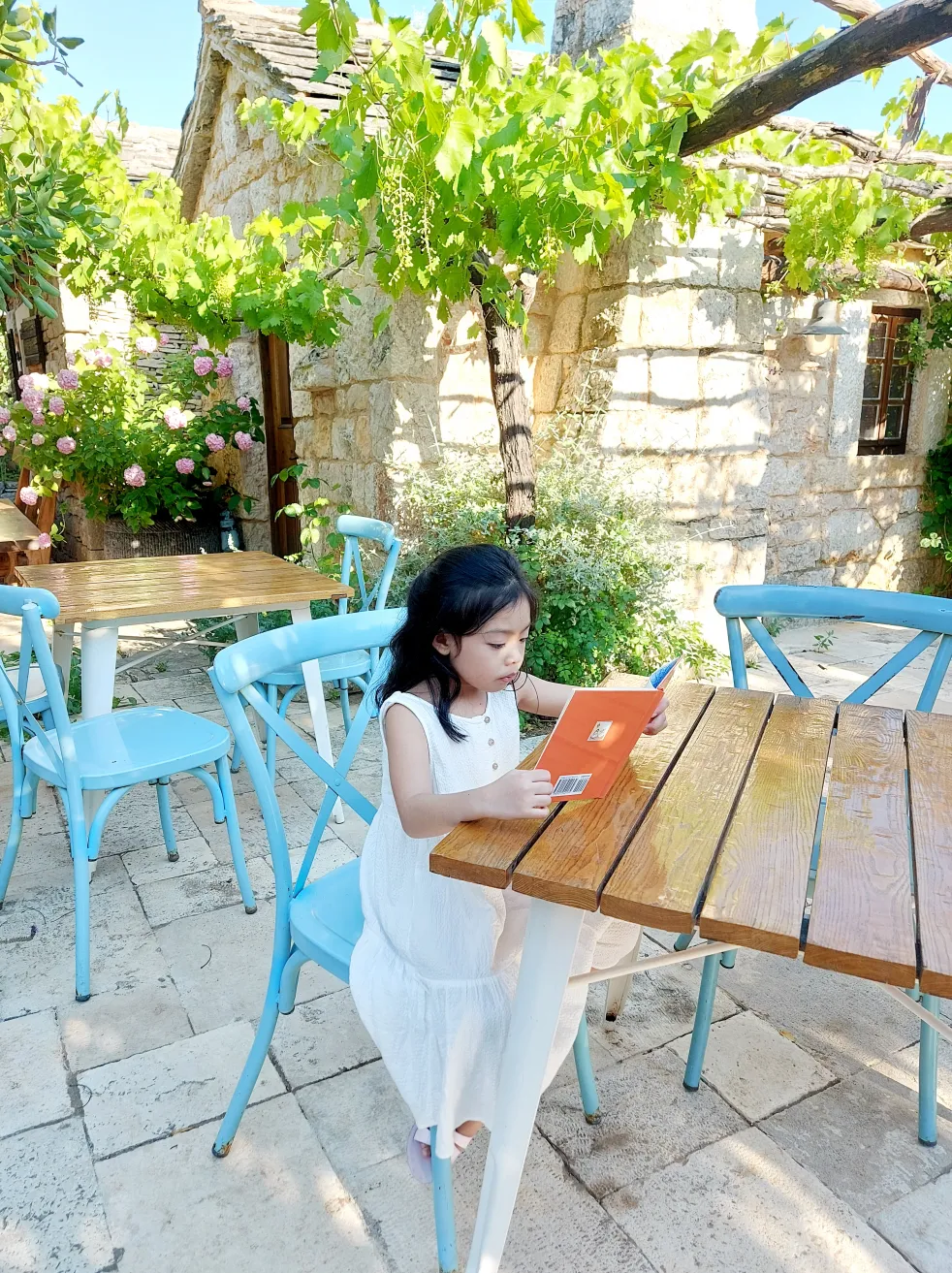
Where your child goes to school is a big decision and shouldn’t be taken lightly. Given how their education can impact their future, you might be tempted to take control and decide for them. However, you might be doing more damage than helping them in the long run. Your job as parents is to support… Continue reading HOW TO CHOOSE THE BEST SCHOOL FOR YOUR CHILD

As poet and philosopher Rumi once eloquently said, “raise your words, not your voice. It is rain that grows flowers, not thunder.” Parenting is a challenging journey, and the truth is that nobody has everything figured out. One parenting style might suit others best, and some might favor other methods. However, children respond better to… Continue reading A SIMPLE GUIDE TO GENTLE PARENTING

Whether you’re a new mom to be, mom of a toddler, mom who have school-aged kids, you’re bound to have so many questions. Let's start with your baby's skin. Infant skin has unique needs; gentle care is essential to prevent damage to the skin barrier, which can lead to irritation. When caring for infant skin,… Continue reading Keeping Baby’s Diapered Skin Healthy
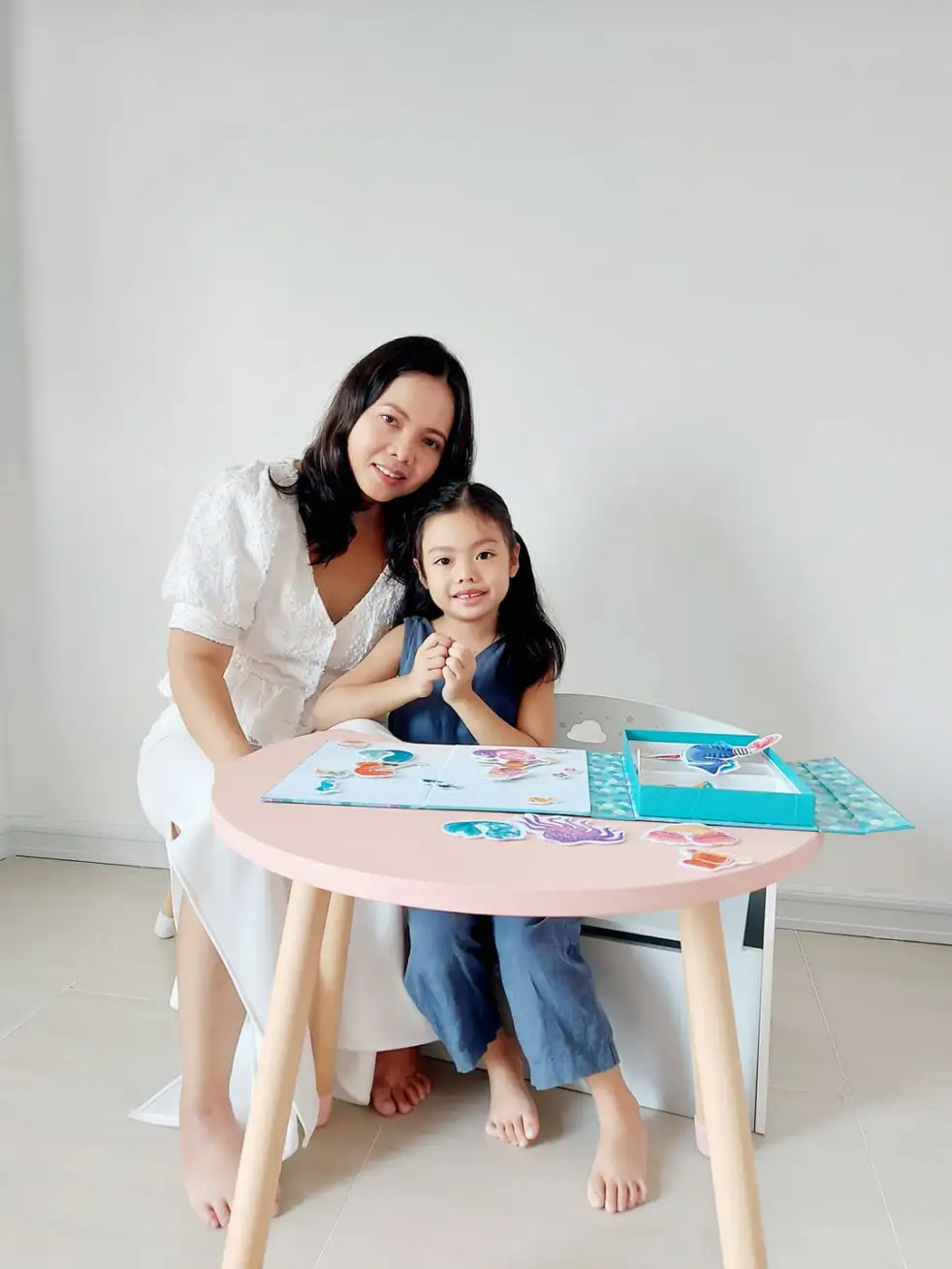
As parents, we want to give our child the best possible start in life and that begins with nurturing their intelligence. Throughout history, the notion of success has been linked to academic intelligence. However, there has been an increased awareness on the importance of emotional intelligence. This question gets at the heart of the never-ending… Continue reading IQ or EQ, which one is a better predictor of your child’s success?
 wondermomma.net