
Last August, IKEA Philippines engaged with Better World Smokey Mountain, a newly opened community center operated by the San Miguel Foundation, which shares a similar goal of improving the lives of many Filipino people. Through this partnership, IKEA Philippines provided and assembled home furnishings for the classrooms and library of Better World Smokey Mountain community… Continue reading Help Create a Better World with IKEA Soft Toys
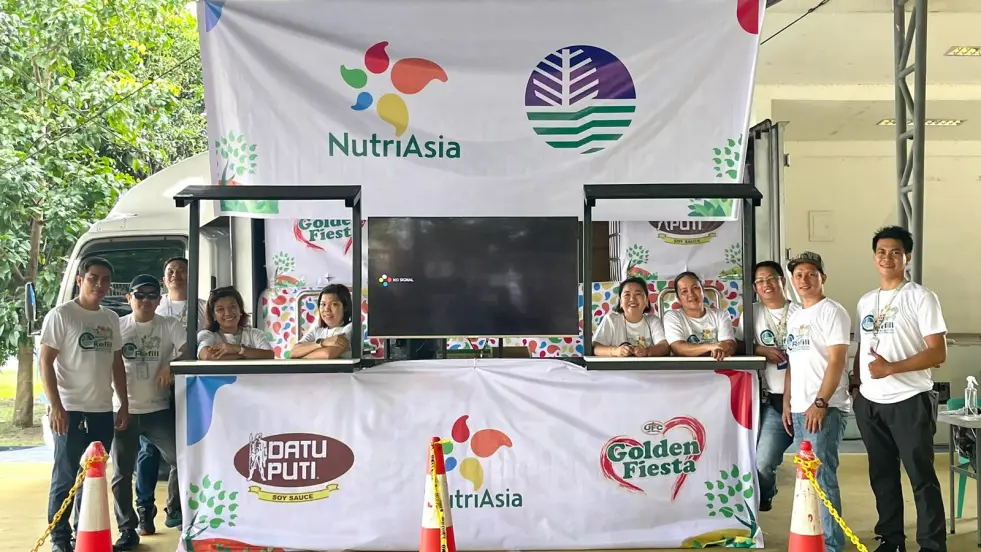
NutriAsia, the country’s top producer of condiments and sauces, continues its support of Refill Revolution; a project by the Department of Environment and Natural Resources EMB 3 that aims to help reduce Filipinos’ single-use plastics consumption. At Refill Revolution, residents get to recycle their single-use plastic bottles by reusing and filling it with their choice… Continue reading NutriAsia and DENR renews partnership for Refill Revolution
How to Talk With Children About Where Babies Come From
Children often ask where babies come from when they notice a pregnant person, meet a newborn, or hear adults discussing pregnancy. The question may sound simple, yet it can bring up uncertainty for parents who want to be honest without sharing more detail than their child can understand.
A calm, factual response gives children reliable information and shows that bodies, birth and family life are safe subjects to discuss. In Australia, families may also encounter different approaches through childcare, school health lessons, books and conversations with grandparents, so it helps to build an open and consistent foundation at home.
Why Children Ask About Babies
A child’s question usually reflects curiosity rather than a request for a complete biology lesson. They may want to know how a baby got into a pregnant person’s tummy, why babies cry, or how a newborn comes out. Sometimes they are checking whether an adult will react with embarrassment or anger.
Listen to the exact wording before answering. “Where do babies come from?” could mean “Where are babies born?”, “How does pregnancy happen?” or “Can I have a baby too?” A brief answer followed by “What made you wonder?” can reveal what they already know and prevent an unnecessarily complicated explanation.
Try to answer in a neutral voice, using correct terms such as uterus, vagina, sperm and egg when they become relevant. Children who know proper body-part names are better equipped to describe discomfort, understand health information and seek help if something feels unsafe.
Match the Explanation to Age
Toddlers and preschoolers generally need short, concrete answers. You might say, “A baby grows in a special organ inside a person’s body called the uterus. When the baby is ready, it is born through the vagina or comes out during an operation called a caesarean birth.” Stop there unless the child asks another question.
Primary-school children can understand that a sperm cell from one adult and an egg cell from another can join, creating the beginning of a pregnancy. Keep the language factual: “Usually, sperm and egg join during sex between adults, although some families need medical help, such as IVF, to start a pregnancy.” This recognises different family stories without making one route sound like the only valid one.
Older children may ask about sexual intercourse, contraception, fertility treatment, adoption or surrogacy. Give a more complete answer and acknowledge that reproduction involves physical, emotional and ethical choices. Parents can draw on age-appropriate parenting resources when they want language that supports gentle, respectful conversations.
Explain Pregnancy Without Overloading Them
A useful explanation separates conception, pregnancy and birth. For example: “After a sperm and egg join, the tiny beginning of a baby can settle in the uterus. It grows there for about nine months, while the pregnant person’s body supplies oxygen and nourishment through the placenta and umbilical cord.”
Children may imagine that the baby floats freely in the stomach or eats ordinary food through the pregnant person’s mouth. Explain that the uterus is different from the stomach and that the umbilical cord connects the baby to the placenta. A simple drawing, anatomy book or model can make this easier than a long verbal explanation.
Be prepared for questions about families formed through IVF, donor conception, adoption or surrogacy. A child does not need every adult detail at once. You can say, “Families begin in different ways, and doctors sometimes help sperm and egg meet,” then offer more information as their understanding develops. This approach is especially helpful when speaking with a child about their own birth story.
Describe Birth Clearly and Calmly
When children ask how the baby gets out, use straightforward language rather than euphemisms that may confuse them. “Most babies are born through the vagina. Sometimes doctors make an opening in the abdomen and uterus so the baby can be born; this is called a caesarean birth.” You can add that medical staff monitor the parent and baby throughout the process.
Australia’s maternity system includes public hospitals, private hospitals, birth centres, midwives and planned homebirth services, depending on location and individual circumstances. A child may hear different birth stories from relatives in Sydney, Melbourne, Brisbane or a regional town. Explain that the place and method can vary, while each family makes decisions with qualified health professionals.
It is also fine to say that birth can involve strong sensations, blood and medical equipment without presenting it as frightening. A balanced description might be: “Birth can be hard work, and adults receive support to keep the parent and baby safe.” Avoid promising that every birth is quick, painless or predictable, since children may later feel confused if real experiences differ.
Handle Unexpected or Personal Questions
Children often ask, “Did I come from your tummy?” or “How did the sperm get there?” Answer honestly while protecting privacy. For a young child, “An adult’s penis can go into an adult’s vagina, and that is one way sperm can meet an egg” may be enough. An older child may need a fuller explanation of sex, consent, contraception and sexually transmitted infections.
If you do not know how to answer, say, “That is a good question. I want to give you the right information, so I will check and talk with you soon.” Follow through promptly. Avoid laughing, shaming or telling children they are too young to ever ask. A dismissive response can encourage them to search online or rely on playground rumours.
For children who ask whether they can have a baby, explain that pregnancy is an adult responsibility involving health, relationships and practical care. In Australia, respectful relationships and consent education are included in school learning in age-appropriate ways, though content and timing can differ between states and territories. Home conversations should reinforce that no one is entitled to touch another person’s body and that consent must be freely given.
Create Ongoing, Safe Conversations
This subject works best as a series of small conversations rather than one major talk. A pregnancy seen at a supermarket, a picture book from the local library or a newborn visit can create a natural opening. Everyday routines such as bath time, getting dressed for school or applying sunscreen also provide opportunities to discuss body privacy and boundaries.
Use books and health information designed for children, checking that the illustrations and language suit your child’s age. Australian parents can find resources through state library services, maternal and child health nurses, GPs and school communities. If a child’s questions involve fear, secrecy, coercion or an adult’s inappropriate behaviour, take the concern seriously and seek professional support through a GP or child-protection service.
The comparison below can help parents choose a starting point, while remembering that children of the same age may have very different knowledge and communication styles.
| Child’s stage | Suitable explanation | What to add when they ask more |
|---|---|---|
| Toddler or preschooler | A baby grows in the uterus and is born through the vagina or by caesarean birth | Name body parts and explain basic privacy |
| Early primary school | A sperm and an egg can join and begin a pregnancy | Describe sex between adults in simple, factual terms |
| Later primary school | Pregnancy can happen through sex or medical assistance such as IVF | Discuss consent, contraception and different family structures |
| Teenager | Reproduction involves biology, relationships, health and personal decisions | Include safer sex, sexually transmitted infections, fertility and emotional wellbeing |
Keep your tone steady even when the question arrives in public, such as during school pickup or a family gathering. You can say, “That is something we can discuss privately when we get home,” without suggesting the topic is dirty or forbidden. Regular, respectful answers help children understand where babies come from while giving them the confidence to ask for trustworthy information about their bodies and safety.

Mercato Centrale, in collaboration with Indian Women in Enterprise Philippines (I-We), is set to host "The Great Indian Fiesta" to mark 75 years of friendship between India and the Philippines. The dynamic two-day event is scheduled to take place on September 30 to October 1, 2023, at Paseo De Roxas Street, Makati City. Aiming to… Continue reading Mercato Centrale Partners with I-We to Host ‘The Great Indian Fiesta’, Commemorating 75 Years of India-Philippines Friendship

My stomach would usually start growling at 10 am even after taking a big breakfast. This is probably because I am a morning person and I move a lot throughout the day hence snacking is something that I can't avoid. This potatoes and chicken wrap recipe is easy to prepare and would keep me full… Continue reading Potato and Chicken Wrap
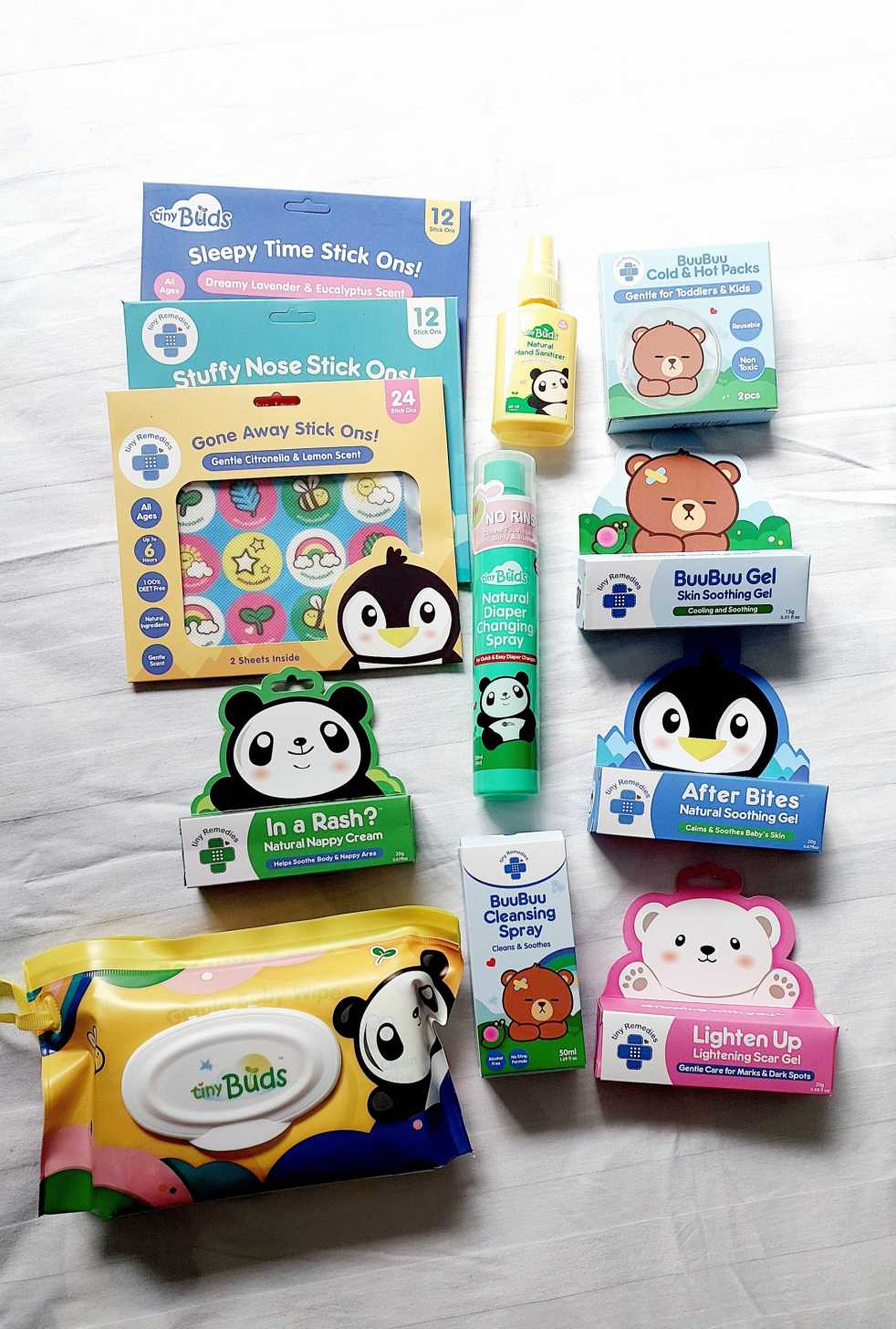
Your baby’s skin is more delicate than most, this is why you have to choose products that are designed for sensitive skin. Tiny Buds is a pioneer in integrating natural ingredients into baby care and today has over 50 innovative natural baby care essentials and is one of the Top Baby Personal Care brands. Here… Continue reading Product Review: Tiny Buds Baby Naturals Baby Essentials
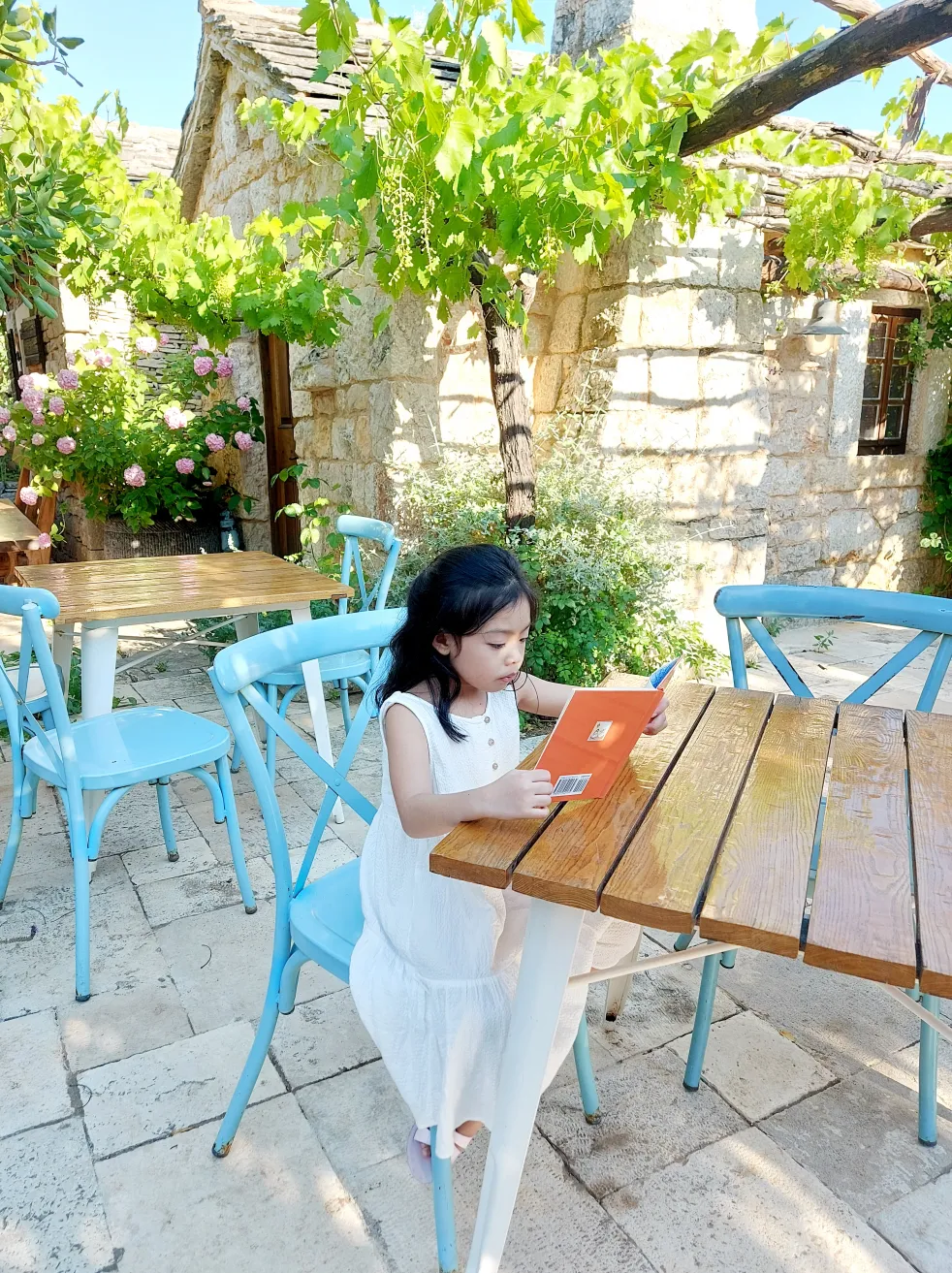
Where your child goes to school is a big decision and shouldn’t be taken lightly. Given how their education can impact their future, you might be tempted to take control and decide for them. However, you might be doing more damage than helping them in the long run. Your job as parents is to support… Continue reading HOW TO CHOOSE THE BEST SCHOOL FOR YOUR CHILD
As poet and philosopher Rumi once eloquently said, “raise your words, not your voice. It is rain that grows flowers, not thunder.” Parenting is a challenging journey, and the truth is that nobody has everything figured out. One parenting style might suit others best, and some might favor other methods. However, children respond better to… Continue reading A SIMPLE GUIDE TO GENTLE PARENTING
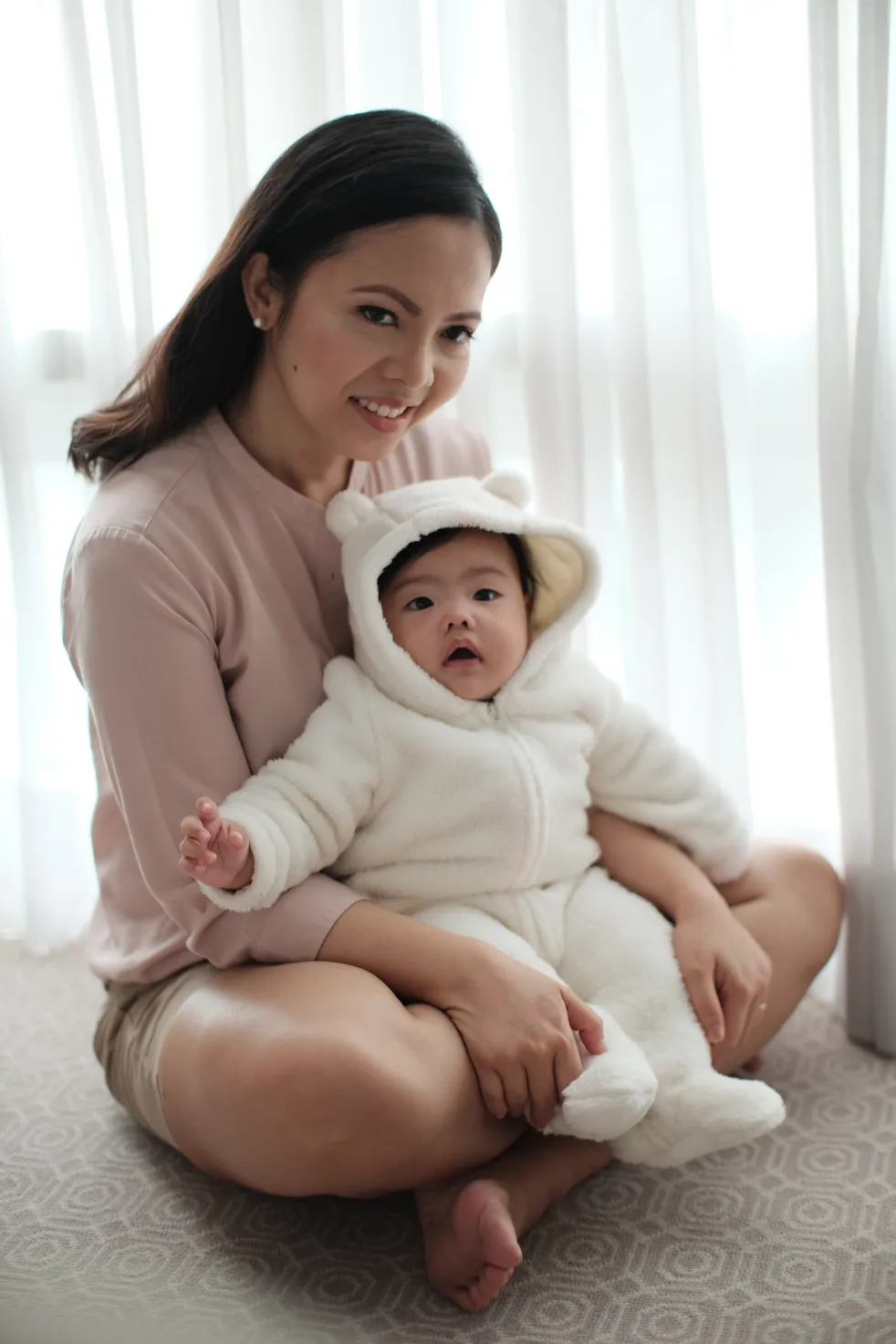
Whether you’re a new mom to be, mom of a toddler, mom who have school-aged kids, you’re bound to have so many questions. Let's start with your baby's skin. Infant skin has unique needs; gentle care is essential to prevent damage to the skin barrier, which can lead to irritation. When caring for infant skin,… Continue reading Keeping Baby’s Diapered Skin Healthy
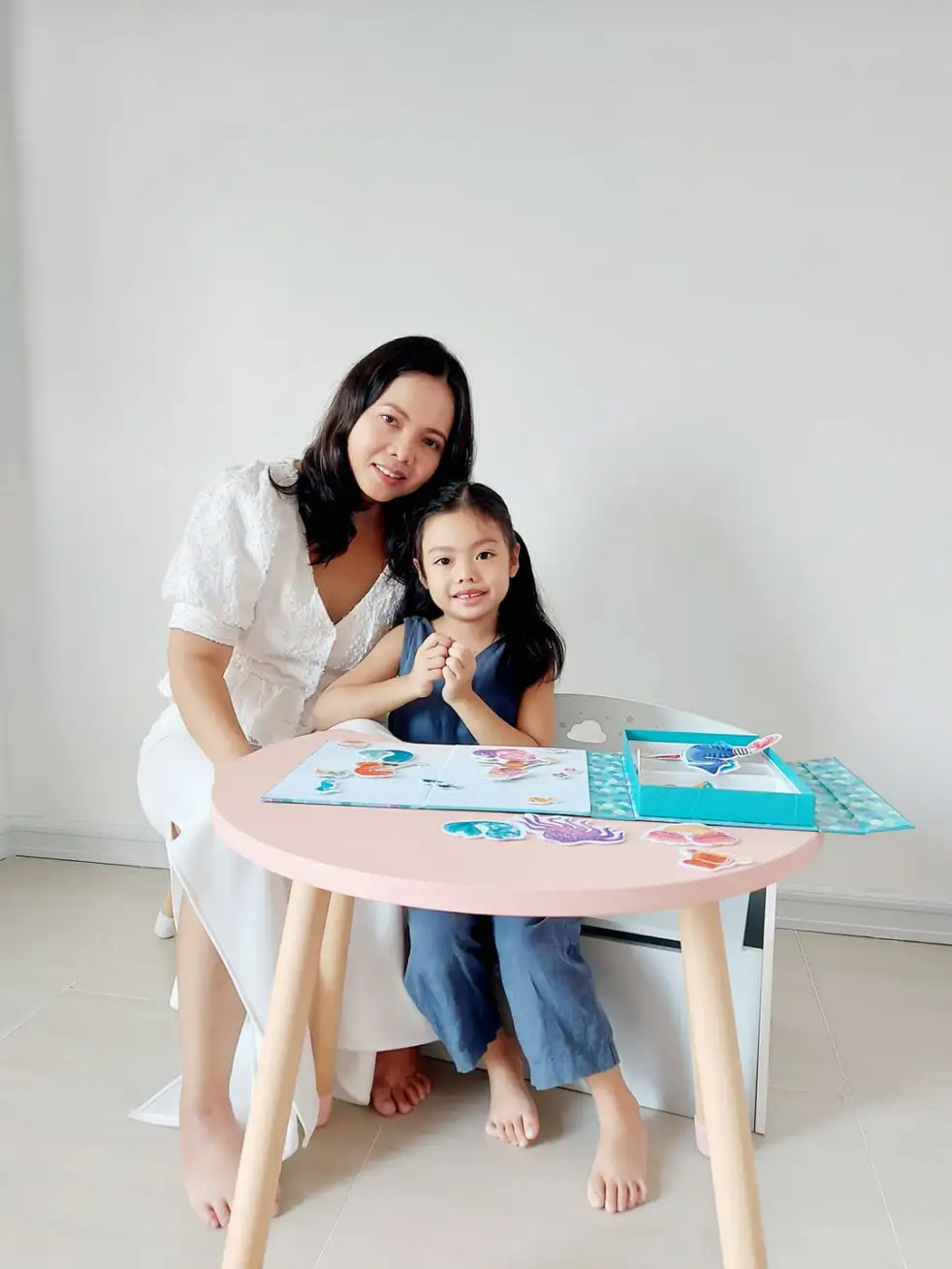
As parents, we want to give our child the best possible start in life and that begins with nurturing their intelligence. Throughout history, the notion of success has been linked to academic intelligence. However, there has been an increased awareness on the importance of emotional intelligence. This question gets at the heart of the never-ending… Continue reading IQ or EQ, which one is a better predictor of your child’s success?
 wondermomma.net