

Last August, IKEA Philippines engaged with Better World Smokey Mountain, a newly opened community center operated by the San Miguel Foundation, which shares a similar goal of improving the lives of many Filipino people. Through this partnership, IKEA Philippines provided and assembled home furnishings for the classrooms and library of Better World Smokey Mountain community… Continue reading Help Create a Better World with IKEA Soft Toys
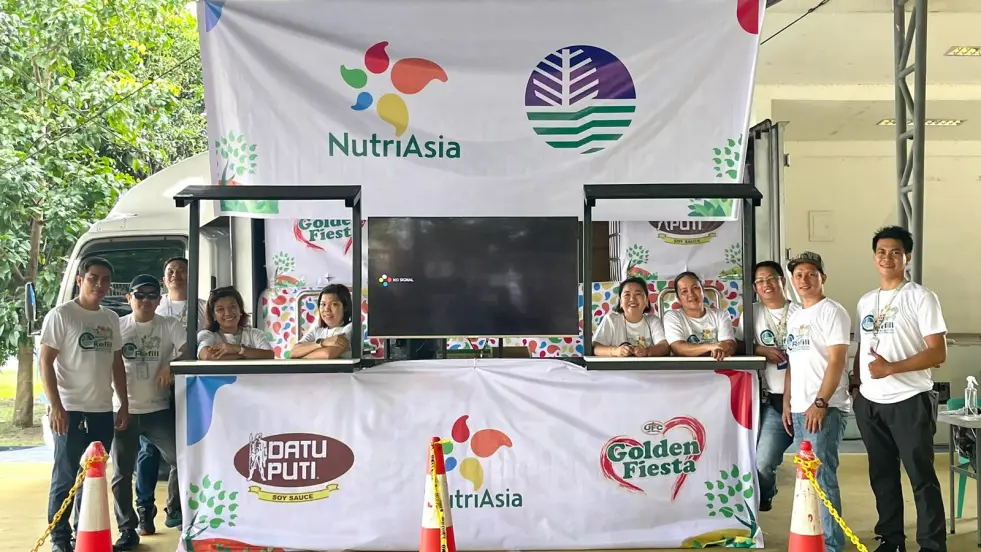
NutriAsia, the country’s top producer of condiments and sauces, continues its support of Refill Revolution; a project by the Department of Environment and Natural Resources EMB 3 that aims to help reduce Filipinos’ single-use plastics consumption. At Refill Revolution, residents get to recycle their single-use plastic bottles by reusing and filling it with their choice… Continue reading NutriAsia and DENR renews partnership for Refill Revolution

How to handle public meltdowns without losing your cool
A child’s meltdown in a supermarket, café or busy shopping centre can make even a calm parent feel exposed. The crying may be loud, the body may be flailing, and nearby adults may seem to be watching every move. In that moment, it is easy to focus on appearances rather than the child’s need for safety and support.
A meltdown is usually a sign of overwhelm, not a calculated attempt to embarrass you. Hunger, tiredness, sensory input, frustration, unexpected changes and limited communication skills can all push a child beyond their ability to cope. Young children are still developing the brain skills needed to manage strong emotions, so they often need an adult to lend them calm.
Handling a public tantrum does not mean giving in to every demand. It means staying connected while holding a clear, appropriate boundary. With preparation, simple language and a willingness to leave when necessary, families can move through these difficult moments with less shame and more confidence.
Prepare for the situations most likely to unravel
A small amount of planning can reduce the likelihood of a public outburst. Before heading out, consider whether your child has eaten, slept and had enough downtime. A toddler who has skipped lunch may cope poorly with a long Coles shop, while an overstimulated preschooler may struggle with the noise and bright lights at a large shopping centre.
Set expectations before entering the location. Keep the message brief: “We are buying three things. You can help choose the apples, and we will go home afterwards.” If you are using public transport in Melbourne or Sydney, explain the sequence of the trip, including waiting on the platform, sitting safely and what will happen at the other end.
Bring practical supports rather than relying on willpower. Water, a snack, wipes, a comfort item and a small quiet activity can help. For a child sensitive to noise, child-sized earmuffs may make a busy food court or supermarket more manageable. In hot Australian weather, especially during a summer outing in Brisbane, Perth or Adelaide, sunscreen, a hat and regular drinks can prevent heat-related irritability.
Stay calm and make safety the priority
When a meltdown begins, slow yourself down before trying to change your child’s behaviour. Take one steady breath, lower your voice and use fewer words. A parent who is shouting instructions over a screaming child may unintentionally add more stimulation to an already overloaded nervous system.
Move away from hazards and, when possible, from the centre of the crowd. In a shopping centre, step towards a quieter corridor or an outdoor area. At a park, guide your child away from roads, car parks and climbing equipment. If your child is hitting, biting, running or throwing objects, block the behaviour calmly and say, “I won’t let you hurt yourself or me.”
Physical contact should be gentle, necessary and appropriate to the child’s safety. Some children calm with a cuddle, while others become more distressed when touched. Stay nearby, keep your body relaxed and allow space where possible. If an adult makes a judgemental comment, you do not need to defend your parenting. “We are safe and handling it” is enough before returning your attention to your child.
Use connection before correction
During peak distress, reasoning and long explanations rarely work. A child who is sobbing on the floor cannot easily process a lecture about manners or the family budget. Name what you can see without accusing them: “You really wanted the toy, and it is hard to leave it here.” This validates the feeling without changing the decision.
Offer one small choice when your child is able to respond. “Would you like to walk or hold my hand?” gives a sense of control while keeping the boundary intact. If they cannot choose, make the decision kindly: “You are having trouble walking, so I will help you to the car.” Avoid asking repeated questions, threatening consequences you cannot follow through on or bargaining with treats every time distress appears.
A firm limit can sit alongside empathy. You might say, “You want another turn on the playground. It is time to go. You can be angry, and I will help you leave.” The words should match the situation. A child who is hungry may need food and rest more than a lesson, while a child who is upset about a purchase may need calm acceptance of disappointment.
Protect your own regulation and dignity
Parents often feel pressure to stop the noise immediately because strangers are staring. That pressure can lead to yelling, shame or rushed decisions. Remind yourself that a public meltdown is a hard moment, not evidence that you are failing. Most people in Woolworths, Aldi or a local café will forget the incident quickly; your child needs your steady presence more than a perfect performance.
Use a simple internal script: “My child is overwhelmed. I can be calm and clear. We can leave if we need to.” Relax your jaw, drop your shoulders and breathe out for longer than you breathe in. If another trusted adult is present, agree on a handover so one person can manage the child while the other pays, gathers belongings or takes a sibling outside.
Leaving is sometimes the most respectful choice, not a defeat. You may abandon the trolley, ask a staff member at Chemist Warehouse for a safe place to wait, or return to the car without completing the errand. In an emergency, seek help from staff or call 000 if there is immediate danger. Safety matters more than finishing a coffee or buying every item on the list.
After the event, avoid making the child relive it through criticism. Once everyone is calm, offer water, a cuddle or quiet time. Later, briefly review what happened: “The supermarket was noisy and your body felt too full. Next time we can use your earmuffs and take a break.” This builds awareness without attaching shame to big feelings.
Build a practical response plan
A consistent plan helps all caregivers respond in a similar way. Share the approach with grandparents, babysitters and educators, including useful calming strategies, words to avoid and the point at which an outing should end. Children benefit when adults across home, childcare and school respond with predictable boundaries.
Keep expectations realistic for the child’s age and circumstances. A two-year-old may manage a ten-minute errand but not a long appointment followed by a crowded café. A child with autism, ADHD, anxiety, language delay or sensory processing differences may need additional preparation and environmental adjustments. Frequent, intense or unusually distressing meltdowns are worth discussing with a GP, child health nurse, maternal and child health service or qualified psychologist.
A simple record can reveal patterns. Note the time, location, activity, food, sleep, noise and what helped. You may discover that the hardest moments occur after daycare, during long queues or when plans change without warning. Australian families can also ask their local council library, playgroup or family support service about low-sensory sessions and parenting resources.
Quick tools for the next outing
Before leaving home:
- Pack water, a snack, comfort item and any sensory support.
- Explain the plan in one or two simple sentences.
- Choose a shorter visit when your child is tired or unwell.
- Identify a quiet place or easy exit before entering.
During a meltdown:
- Move away from traffic, crowds and unsafe objects.
- Use a calm voice and acknowledge the feeling.
- Hold a clear boundary around hitting, biting and running.
- Leave the venue if your child cannot regain safety.
The following guide can help match your response to what is happening:
| What you notice | What your child may need | A helpful response |
|---|---|---|
| Whining, refusal or repeated requests | Connection, a snack, rest or a clear limit | Get close, acknowledge the wish and offer two simple choices |
| Crying, shouting and dropping to the floor | Less stimulation and time to recover | Move to a quieter place, reduce language and stay nearby |
| Hitting, biting, kicking or throwing | Immediate safety and firm protection | Block the action, state the limit and remove hazards |
| Running away or moving towards danger | Physical safety and close supervision | Follow promptly, secure the child and seek help if needed |
| Repeated meltdowns in similar settings | A broader support plan | Track patterns and discuss them with a health or developmental professional |
A calm response will not stop every public tantrum, and it does not need to. The goal is to help your child feel safe while teaching that emotions are acceptable and unsafe actions have limits. Over time, repeated experiences of being guided through distress can strengthen your child’s ability to pause, communicate and recover, even when the world around them feels overwhelming.

Mercato Centrale, in collaboration with Indian Women in Enterprise Philippines (I-We), is set to host "The Great Indian Fiesta" to mark 75 years of friendship between India and the Philippines. The dynamic two-day event is scheduled to take place on September 30 to October 1, 2023, at Paseo De Roxas Street, Makati City. Aiming to… Continue reading Mercato Centrale Partners with I-We to Host ‘The Great Indian Fiesta’, Commemorating 75 Years of India-Philippines Friendship

My stomach would usually start growling at 10 am even after taking a big breakfast. This is probably because I am a morning person and I move a lot throughout the day hence snacking is something that I can't avoid. This potatoes and chicken wrap recipe is easy to prepare and would keep me full… Continue reading Potato and Chicken Wrap
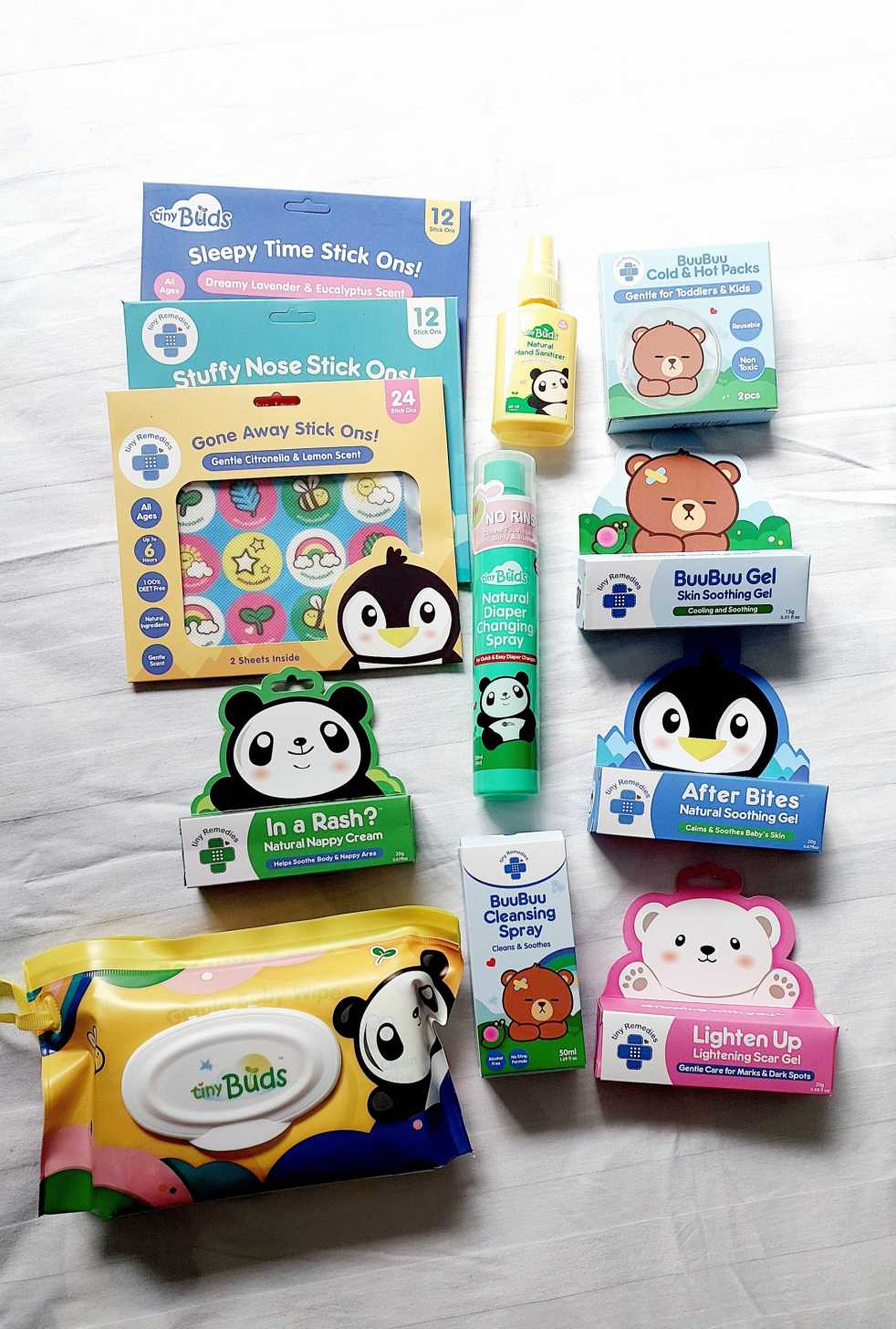
Your baby’s skin is more delicate than most, this is why you have to choose products that are designed for sensitive skin. Tiny Buds is a pioneer in integrating natural ingredients into baby care and today has over 50 innovative natural baby care essentials and is one of the Top Baby Personal Care brands. Here… Continue reading Product Review: Tiny Buds Baby Naturals Baby Essentials
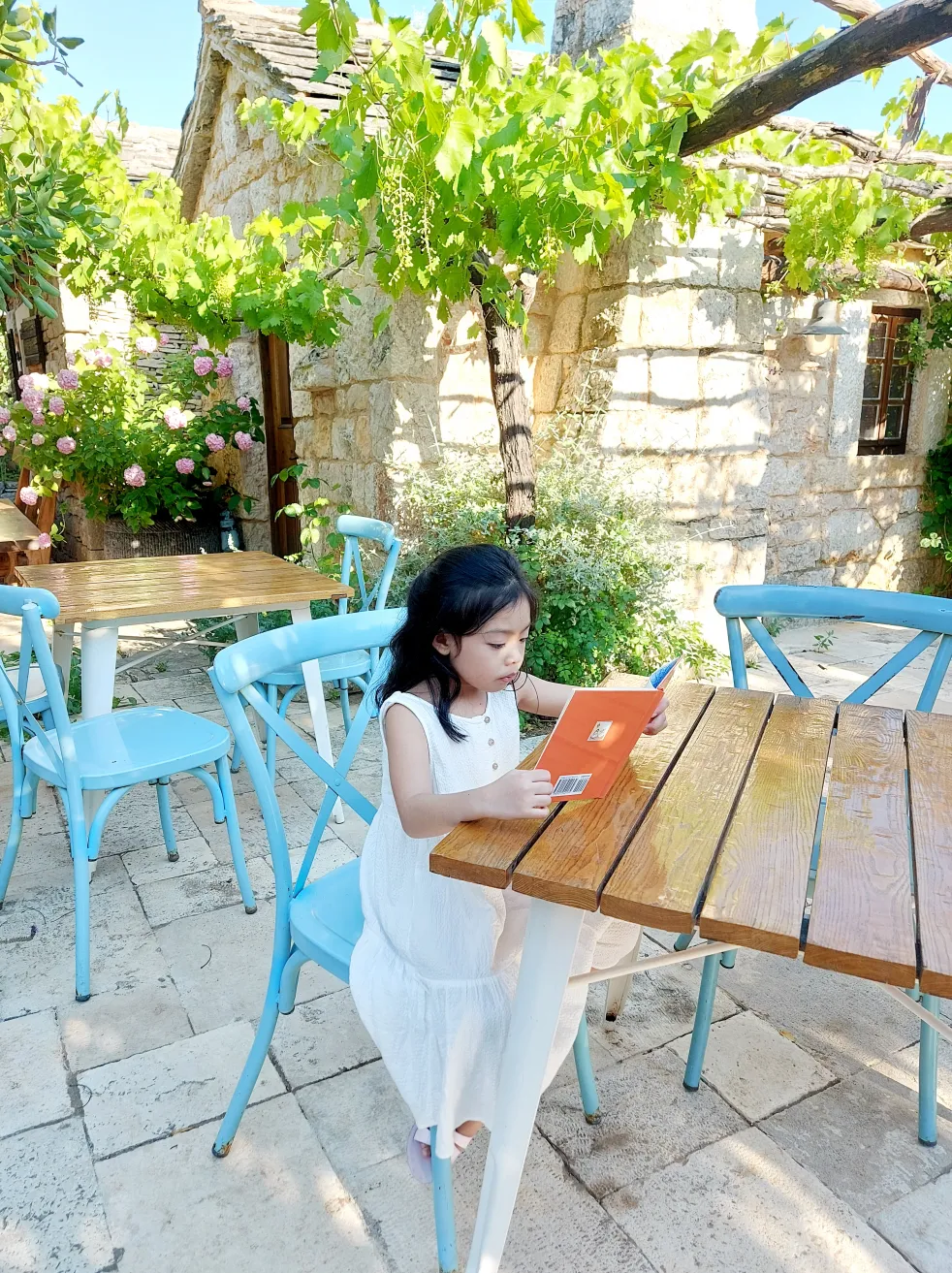
Where your child goes to school is a big decision and shouldn’t be taken lightly. Given how their education can impact their future, you might be tempted to take control and decide for them. However, you might be doing more damage than helping them in the long run. Your job as parents is to support… Continue reading HOW TO CHOOSE THE BEST SCHOOL FOR YOUR CHILD

As poet and philosopher Rumi once eloquently said, “raise your words, not your voice. It is rain that grows flowers, not thunder.” Parenting is a challenging journey, and the truth is that nobody has everything figured out. One parenting style might suit others best, and some might favor other methods. However, children respond better to… Continue reading A SIMPLE GUIDE TO GENTLE PARENTING

Whether you’re a new mom to be, mom of a toddler, mom who have school-aged kids, you’re bound to have so many questions. Let's start with your baby's skin. Infant skin has unique needs; gentle care is essential to prevent damage to the skin barrier, which can lead to irritation. When caring for infant skin,… Continue reading Keeping Baby’s Diapered Skin Healthy
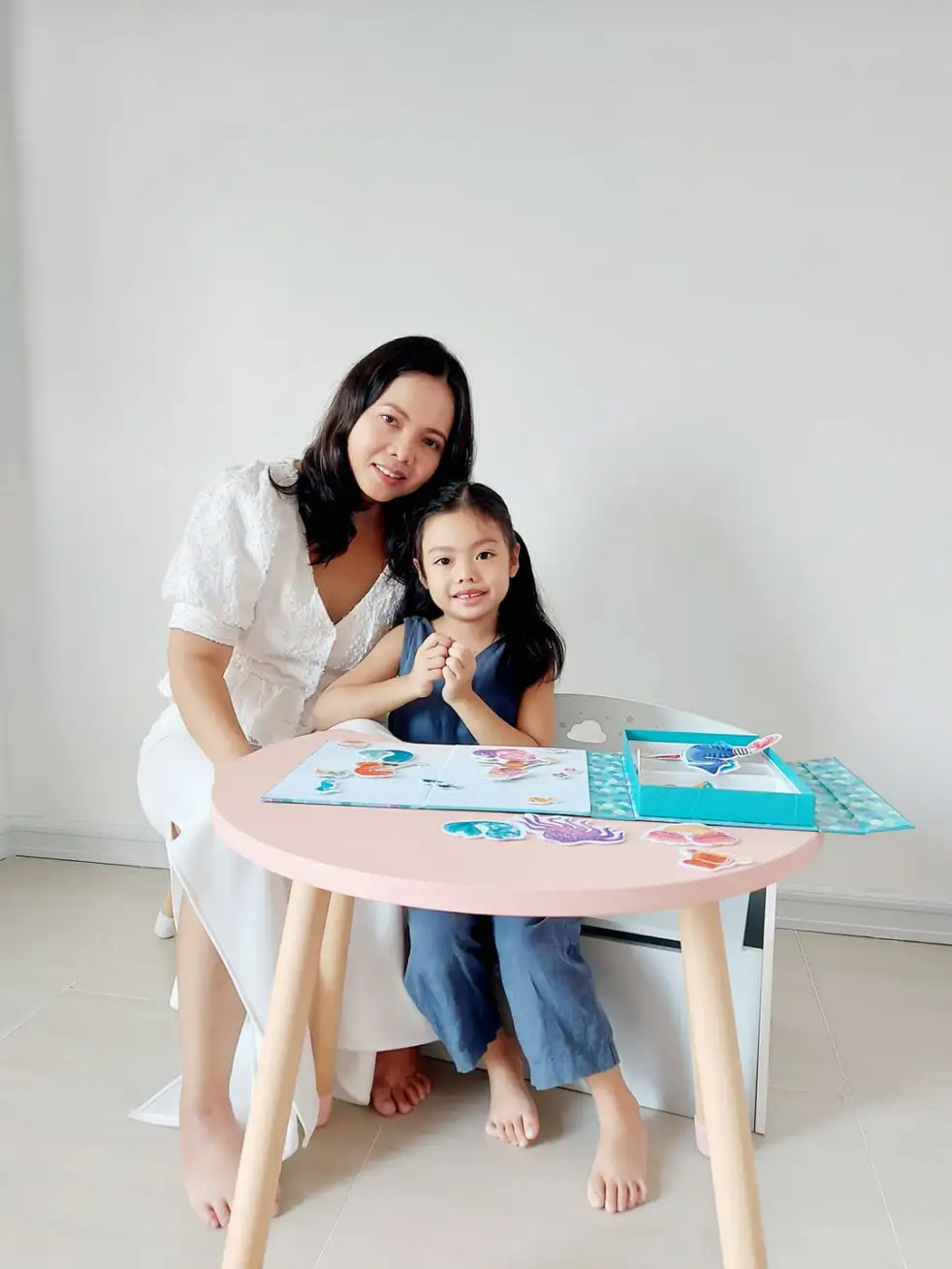
As parents, we want to give our child the best possible start in life and that begins with nurturing their intelligence. Throughout history, the notion of success has been linked to academic intelligence. However, there has been an increased awareness on the importance of emotional intelligence. This question gets at the heart of the never-ending… Continue reading IQ or EQ, which one is a better predictor of your child’s success?
 wondermomma.net