

Last August, IKEA Philippines engaged with Better World Smokey Mountain, a newly opened community center operated by the San Miguel Foundation, which shares a similar goal of improving the lives of many Filipino people. Through this partnership, IKEA Philippines provided and assembled home furnishings for the classrooms and library of Better World Smokey Mountain community… Continue reading Help Create a Better World with IKEA Soft Toys
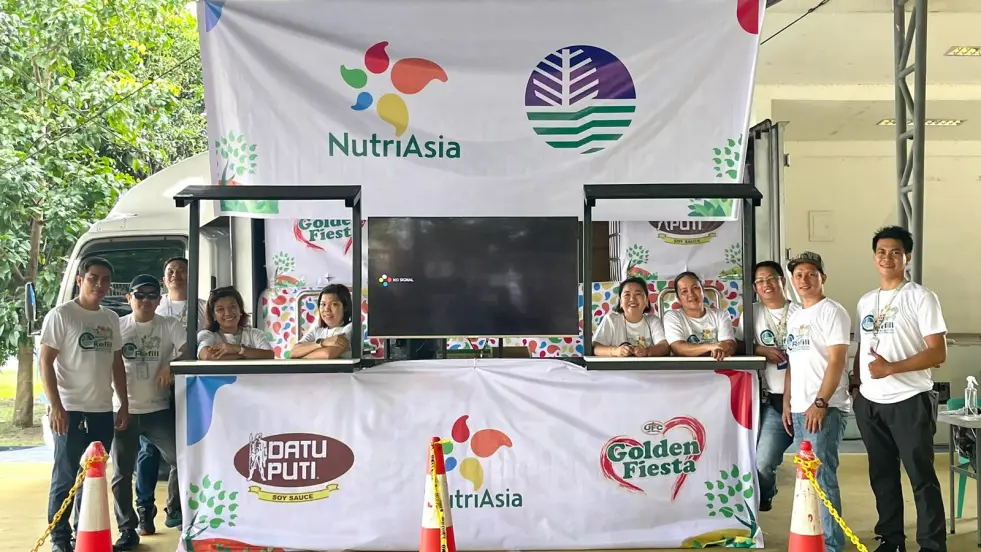
NutriAsia, the country’s top producer of condiments and sauces, continues its support of Refill Revolution; a project by the Department of Environment and Natural Resources EMB 3 that aims to help reduce Filipinos’ single-use plastics consumption. At Refill Revolution, residents get to recycle their single-use plastic bottles by reusing and filling it with their choice… Continue reading NutriAsia and DENR renews partnership for Refill Revolution

How to Handle Picky Eating Without Turning Mealtime into a Battle
Picky eating is common in early childhood, particularly when children become more independent and start deciding what feels familiar, safe or appealing. A toddler who happily ate pumpkin last month may suddenly reject it, while a preschooler may live on toast, yoghurt and plain pasta for a period of time. This behaviour can be tiring, but it does not mean you are doing anything wrong.
The aim is to create calm, predictable meals where children can learn to enjoy a wider range of foods at their own pace. Parents in Australia are balancing busy school and childcare routines, rising grocery costs and different food traditions, so a practical approach needs to work in real family kitchens from Melbourne to Brisbane, Perth to regional communities.
Understand what picky eating means
Children often eat selectively because their appetite changes from day to day. Growth slows after infancy, and a child may need less food than a parent expects. Toddlers can also be wary of unfamiliar textures, strong smells or mixed dishes. Rejecting dinner does not automatically indicate defiance or poor nutrition.
Food neophobia, or reluctance to try new foods, is especially common between the ages of two and six. A child might accept carrots when they are raw but refuse them when cooked, or eat chicken nuggets while rejecting chicken prepared at home. These preferences can shift with repeated, pressure-free exposure.
Look at eating patterns over a week rather than judging one meal. Energy levels, growth, bowel habits and general wellbeing provide more useful information than whether a child finishes a plate. If food refusal is severe, sudden or accompanied by weight loss, choking, pain or extreme anxiety, speak with a GP or paediatric dietitian.
Create a calm mealtime rhythm
A predictable routine helps children arrive at the table hungry but not desperate. Many families find that three meals and two planned snacks work well, with water offered between eating occasions. Constant grazing on crackers, milk or fruit can reduce appetite for family meals.
Try to keep meals at roughly consistent times, even when weekdays are busy. In Australia, school drop-offs, childcare pickups and weekend sport can make regular eating difficult, so portable snacks may be useful. Choose filling options such as cheese and wholegrain crackers, banana, boiled egg or natural yoghurt rather than allowing children to snack continuously in the car.
Keep meals reasonably short, often around 20 to 30 minutes. Turn off screens, sit together where possible and use a relaxed tone. A child who is not eating can remain at the table for a little while, but forcing them to sit until the plate is empty can make food feel like punishment.
Share responsibility without pressure
A helpful framework is to divide feeding responsibilities. Adults decide what food is offered, when it is offered and where it is eaten. Children decide whether to eat and how much. This approach supports appetite awareness and reduces the need for bargaining.
Serve at least one familiar food alongside less familiar foods. If dinner is vegetable curry, the familiar item might be rice, cucumber or flatbread. The child does not need to eat the curry immediately. Seeing, smelling, touching and having a tiny taste are all stages of learning.
Avoid pressure, bribes and threats such as “just one more bite” or “you can have dessert if you finish”. Praise can also become uncomfortable when it focuses heavily on eating. Instead, use neutral language: “The beans are crunchy,” or “You noticed the sauce is spicy.” This gives children room to explore without feeling watched.
Make unfamiliar foods easier to approach
Repeated exposure is more effective than insisting on a large serving. Place a small amount of a new food on the plate and continue offering it at different meals. Some children need many exposures before accepting a food, especially when it has a strong flavour or unusual texture.
Change the presentation while keeping expectations gentle. A child who rejects cooked vegetables may accept grated carrot in a fritter, roasted pumpkin in a wrap or peas mixed through rice. Let children help wash strawberries, tear lettuce, stir pancake batter or choose between two vegetables at the supermarket.
Family meals do not need to be elaborate. Australian staples such as lentil bolognese, vegetable fried rice, fish with potatoes or chicken and salad can be adapted without preparing a completely separate dinner. Keep sauces on the side and deconstruct mixed meals when necessary, so children can see and manage each ingredient.
Support balanced nutrition in everyday life
A varied diet includes foods from several groups: vegetables and fruit, grains, protein foods and dairy or suitable alternatives. The Australian Dietary Guidelines provide a useful foundation, but balance does not need to appear on every plate. A child may eat mostly fruit and yoghurt one day, then show more interest in toast and egg the next.
For children who are selective, focus on adding nutritious choices rather than removing every preferred food. Wholegrain toast, avocado, baked beans, tuna, tofu, nut-free seed spreads and grated cheese can add energy and nutrients to familiar meals. Check childcare and school policies before packing foods containing nuts, as many Australian settings restrict them because of allergy risks.
Milk can be filling, so large amounts may reduce interest in meals. Water is the best everyday drink, while sweet drinks and juice are best kept for occasional use. If a child eats very few foods or avoids entire food groups, a health professional can advise whether supplements or blood tests are needed.
Work with allergies, culture and family routines
Food refusal becomes more complicated when a child has allergies, intolerances, sensory sensitivities or a medical condition. Never deliberately offer a suspected allergen to test a reaction. Symptoms such as hives, facial swelling, vomiting, breathing difficulty or sudden lethargy require urgent medical attention. Follow an individual action plan from a doctor or allergist.
Australian food packaging uses mandatory allergen declarations under the Food Standards Code, which makes label checking easier, although families still need to ask questions about unpackaged foods. At a farmers’ market in Adelaide, a bakery in Sydney or a café in Cairns, ask staff about ingredients and possible cross-contact when a child has a diagnosed allergy.
Cultural foods deserve a place at the family table. Mild versions of Filipino, Indian, Chinese, Lebanese, Greek and other dishes can help children connect food with family identity. A child may accept a familiar rice dish, noodle soup or dumpling before showing interest in a standard “kid’s meal”. Respectful exposure works better than presenting one narrow idea of healthy food.
Respond to refusal and build confidence
When a child says, “I hate it,” keep the response brief and calm. You might say, “You do not have to eat it. It is staying on the plate,” or, “You can choose the rice or the corn.” This acknowledges the child’s preference without turning refusal into a dramatic event.
If the child leaves food untouched, clear it away without criticism and offer the next planned meal or snack. Avoid immediately cooking several replacements, because that can teach children that rejecting dinner produces a preferred alternative. Still, flexibility matters: a simple bedtime snack may be appropriate if dinner was early or unusually small.
The comparison below can help families distinguish supportive boundaries from approaches that increase conflict.
| Mealtime situation | Helpful response | Approach to avoid |
|---|---|---|
| Child rejects a new vegetable | Offer a tiny portion beside a familiar food | Demanding a clean plate |
| Child asks for a separate meal | Include one accepted item in the family meal | Cooking several different dinners |
| Child eats very little at dinner | Trust appetite and offer the next planned snack | Offering constant grazing afterwards |
| Child dislikes mixed textures | Serve ingredients separately | Saying the child is being difficult |
| Child refuses food repeatedly | Track patterns and seek professional advice if needed | Ignoring weight loss, pain or distress |
| Child helps prepare food | Let them touch, smell and taste voluntarily | Expecting kitchen help to guarantee eating |
A low-pressure mealtime does not mean allowing unlimited snacks or abandoning nutrition. It means setting clear boundaries while leaving space for appetite, sensory preferences and gradual learning. When adults stay consistent and calm, children are more likely to approach food with curiosity rather than anxiety. Over time, familiar routines and repeated exposure can make family meals easier for everyone.

Mercato Centrale, in collaboration with Indian Women in Enterprise Philippines (I-We), is set to host "The Great Indian Fiesta" to mark 75 years of friendship between India and the Philippines. The dynamic two-day event is scheduled to take place on September 30 to October 1, 2023, at Paseo De Roxas Street, Makati City. Aiming to… Continue reading Mercato Centrale Partners with I-We to Host ‘The Great Indian Fiesta’, Commemorating 75 Years of India-Philippines Friendship

My stomach would usually start growling at 10 am even after taking a big breakfast. This is probably because I am a morning person and I move a lot throughout the day hence snacking is something that I can't avoid. This potatoes and chicken wrap recipe is easy to prepare and would keep me full… Continue reading Potato and Chicken Wrap
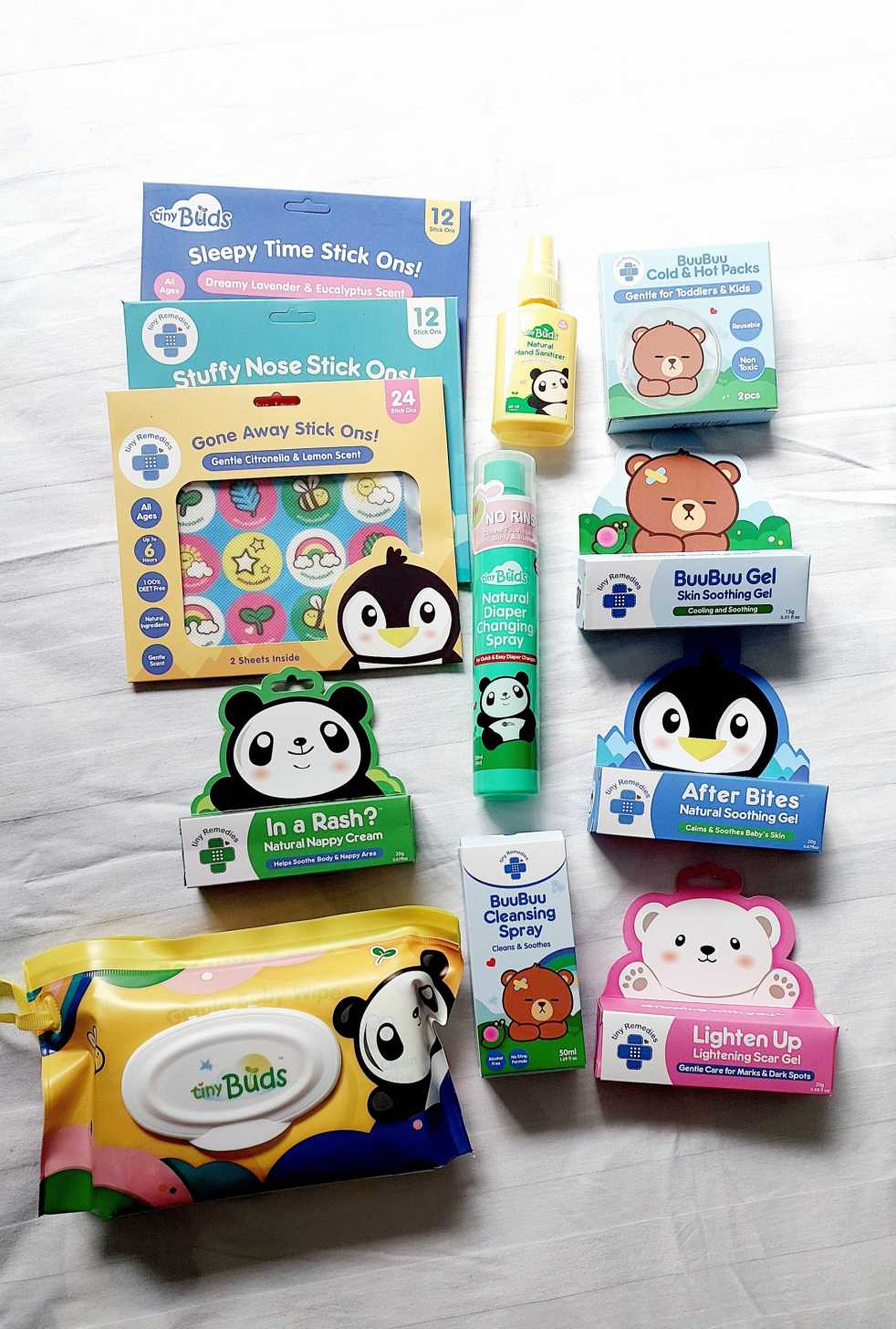
Your baby’s skin is more delicate than most, this is why you have to choose products that are designed for sensitive skin. Tiny Buds is a pioneer in integrating natural ingredients into baby care and today has over 50 innovative natural baby care essentials and is one of the Top Baby Personal Care brands. Here… Continue reading Product Review: Tiny Buds Baby Naturals Baby Essentials
Where your child goes to school is a big decision and shouldn’t be taken lightly. Given how their education can impact their future, you might be tempted to take control and decide for them. However, you might be doing more damage than helping them in the long run. Your job as parents is to support… Continue reading HOW TO CHOOSE THE BEST SCHOOL FOR YOUR CHILD
As poet and philosopher Rumi once eloquently said, “raise your words, not your voice. It is rain that grows flowers, not thunder.” Parenting is a challenging journey, and the truth is that nobody has everything figured out. One parenting style might suit others best, and some might favor other methods. However, children respond better to… Continue reading A SIMPLE GUIDE TO GENTLE PARENTING

Whether you’re a new mom to be, mom of a toddler, mom who have school-aged kids, you’re bound to have so many questions. Let's start with your baby's skin. Infant skin has unique needs; gentle care is essential to prevent damage to the skin barrier, which can lead to irritation. When caring for infant skin,… Continue reading Keeping Baby’s Diapered Skin Healthy
As parents, we want to give our child the best possible start in life and that begins with nurturing their intelligence. Throughout history, the notion of success has been linked to academic intelligence. However, there has been an increased awareness on the importance of emotional intelligence. This question gets at the heart of the never-ending… Continue reading IQ or EQ, which one is a better predictor of your child’s success?
 wondermomma.net