

Last August, IKEA Philippines engaged with Better World Smokey Mountain, a newly opened community center operated by the San Miguel Foundation, which shares a similar goal of improving the lives of many Filipino people. Through this partnership, IKEA Philippines provided and assembled home furnishings for the classrooms and library of Better World Smokey Mountain community… Continue reading Help Create a Better World with IKEA Soft Toys
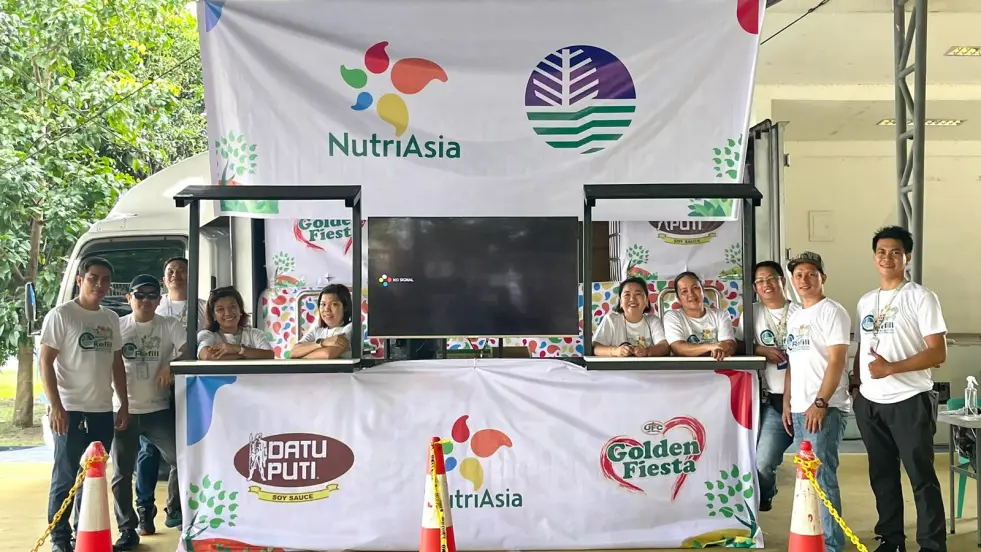
NutriAsia, the country’s top producer of condiments and sauces, continues its support of Refill Revolution; a project by the Department of Environment and Natural Resources EMB 3 that aims to help reduce Filipinos’ single-use plastics consumption. At Refill Revolution, residents get to recycle their single-use plastic bottles by reusing and filling it with their choice… Continue reading NutriAsia and DENR renews partnership for Refill Revolution

How to handle picky eating without pressure
Picky eating can turn ordinary family meals into a daily source of tension. A child may reject vegetables, avoid mixed textures, ask for the same food repeatedly, or decide that dinner is “yucky” before taking a bite. These habits are common in early childhood, and they often change as children grow.
The goal is not to make every meal perfect or persuade a child to enjoy every food. A healthier approach is to create regular opportunities to eat, offer a balanced selection, and protect the emotional safety of the table. Children learn to trust food through repeated, low-pressure experiences.
Parents also need realistic expectations. Appetite can vary from day to day, especially when a child is tired, teething, constipated, unwell, or going through a growth slowdown. A small lunch may be followed by a bigger dinner, while a favorite food may suddenly lose its appeal.
Why picky eating happens
Young children are still learning how food looks, smells, feels, and tastes. New foods can seem unpredictable, while familiar foods provide comfort and control. Strong reactions to bitter flavors, crunchy textures, sauces, or foods touching each other may reflect sensory sensitivity rather than defiance.
A child’s eating pattern is also influenced by routine and development. Toddlers have smaller stomachs and changing appetites. Preschoolers may become more selective as they practice independence. In many cases, food refusal is a way to say, “I want to decide,” rather than a sign that a child is trying to make mealtimes difficult.
Pressure can make this process harder. Bribing, threatening, forcing bites, or preparing several replacement meals may teach a child to associate eating with conflict. Calm consistency gives children room to become more comfortable with food while keeping parents responsible for providing nourishing choices.
Build a calm mealtime rhythm
A predictable schedule helps children arrive at meals with a manageable appetite. Offer three meals and planned snacks at roughly consistent times, with water available between them. Grazing throughout the day can reduce hunger and make it harder for a child to explore a family meal.
Keep meals long enough for everyone to eat but avoid letting them stretch into an exhausting negotiation. Around 20 to 30 minutes is often reasonable for young children. Turn off screens, bring the family to the table when possible, and keep conversation relaxed. The atmosphere matters as much as the menu.
When mornings are rushed, a simple routine can prevent hunger from becoming another source of stress. Keep a few dependable options ready, such as banana with oats, egg and toast, or rice with fruit. These quick breakfast ideas can help families begin the day with less pressure and more structure.
Share responsibility at meals
A useful feeding approach gives adults and children different jobs. Parents decide what food is offered, when it is served, and where the family eats. Children decide whether to eat and how much to eat from the food available. This division supports a child’s appetite awareness without leaving nutrition entirely to chance.
Include at least one familiar food at meals, but avoid making it the only appealing item. For example, serve rice with grilled fish and cucumber, or pasta with a small portion of vegetables and fruit. A safe food can make the plate feel manageable while the child observes less familiar choices.
Portions should be small enough to avoid overwhelming the child. A tablespoon of a new vegetable may be a better starting point than a large serving. Children can ask for more if they want it, and untouched food can be cleared without dramatic reactions.
| Mealtime challenge | Low-pressure response | What to avoid |
|---|---|---|
| The child refuses a new food | Leave a tiny portion on the plate and offer it again another day | Insisting on “just one bite” |
| The child asks for a separate meal | Serve one family meal with at least one familiar item | Becoming a short-order cook every night |
| The child eats only one part of the meal | Stay neutral and continue offering variety | Commenting repeatedly on what was not eaten |
| The child becomes upset at the table | Pause, comfort, and end the meal calmly if needed | Using shame, threats, or food rewards |
| The child wants snacks soon after eating | Keep snack times predictable and offer nourishing choices | Allowing unlimited grazing |
Respond to refusal with steady language
A child’s “no” does not need an argument. Try simple phrases such as, “You do not have to eat it,” or, “It is here if you decide you want to explore it.” This communicates that the parent is in charge of the meal while the child retains control over their own body.
Avoid praise that makes eating feel like a performance. Saying “You are such a good girl for finishing” may seem encouraging, but it can make approval dependent on appetite. Instead, describe what you notice: “You touched the carrot,” “You smelled it,” or “You kept it on your plate.” Exploring food includes looking, smelling, licking, and taking a small bite.
If a child says the food is disgusting, remain curious without demanding a taste. You might say, “You do not like the soft texture,” or, “That flavor feels strong to you.” Naming a sensory experience validates the child while leaving space for preferences to change.
Parents can also model flexibility by eating the same foods with enjoyment. Keep personal reactions moderate, especially around vegetables, fish, or unfamiliar dishes. Children watch how adults talk about food, body size, health, and pleasure at the table.
Expand food variety gently
Food acceptance usually grows through repeated exposure. A child may need to see a new food many times before tasting it, and tasting it does not guarantee immediate acceptance. Offer foods regularly without making the child finish them. A rejected food can return later in a different form, such as steamed carrots, grated carrots in an omelet, or roasted carrots with rice.
Use familiar foods to create a bridge to new flavors. If a child likes plain noodles, add a small amount of sauce beside them rather than coating the whole portion. If banana is accepted, try banana with oats, then gradually introduce other soft fruits. The change should be small enough to feel safe.
Food play can reduce anxiety outside formal mealtimes. Washing vegetables, tearing lettuce, arranging fruit, stirring pancake batter, or choosing between two side dishes gives children sensory contact and a sense of participation. Kitchen involvement does not guarantee that a child will eat the result, but it can build familiarity.
Respect sensory needs while still offering balanced choices. Some children manage raw vegetables better than cooked ones, prefer foods separated on the plate, or need extra time with strong smells. Adapt presentation without narrowing the diet permanently. The aim is gradual flexibility, not forcing a child to tolerate every texture immediately.
Watch nutrition without creating fear
A selective eater may still receive adequate nutrition across a week rather than at every individual meal. Look at the overall pattern: energy, growth, bowel habits, sleep, and the range of foods accepted. Include sources of protein, carbohydrates, healthy fats, fruits or vegetables, and calcium-rich foods in ways the child can manage.
For children who eat a narrow range, nutrient-dense additions can be useful. Yogurt, eggs, nut or seed butter when safe, avocado, beans, tofu, fish, and fortified foods can provide value in small portions. Follow age-appropriate choking guidance, especially with whole nuts, hard raw produce, popcorn, and sticky spoonfuls of nut butter.
Food refusal deserves professional attention when a child is losing weight, falling off their growth curve, choking or gagging frequently, experiencing pain, vomiting, showing extreme anxiety around eating, or accepting very few foods. A pediatrician, dietitian, or feeding therapist can assess medical, oral-motor, sensory, and developmental factors.
Do not use supplements as a substitute for assessment. Some children may need additional support, but the right choice and dose depend on age, diet, health history, and professional advice. A calm feeding environment remains important even when medical guidance is needed.
Small habits that make meals easier
Consistency is more helpful than perfection. Decide which routines are realistic for your household, explain them simply, and repeat them without turning each meal into a test. Family members and caregivers should use similar expectations so the child receives a clear, steady message.
These practical habits can support a more peaceful relationship with food:
- Serve one familiar food alongside the rest of the family meal.
- Offer small portions and allow the child to request more.
- Keep snacks scheduled rather than available all day.
- Invite children to help with safe food preparation and serving.
- Describe food neutrally instead of labeling it good, bad, clean, or naughty.
Picky eating often improves in small steps that are easy to miss: sitting near a new food, allowing it on the plate, touching it, or accepting a different brand of a familiar item. Notice these signs of progress without turning them into demands. A relaxed table gives children the confidence to keep learning.
Make mealtimes a shared family experience rather than a daily test of obedience. Offer nourishing choices, trust the gradual process, and seek professional support when warning signs appear. With patience and steady boundaries, children can develop a broader and more comfortable relationship with food.

Mercato Centrale, in collaboration with Indian Women in Enterprise Philippines (I-We), is set to host "The Great Indian Fiesta" to mark 75 years of friendship between India and the Philippines. The dynamic two-day event is scheduled to take place on September 30 to October 1, 2023, at Paseo De Roxas Street, Makati City. Aiming to… Continue reading Mercato Centrale Partners with I-We to Host ‘The Great Indian Fiesta’, Commemorating 75 Years of India-Philippines Friendship

My stomach would usually start growling at 10 am even after taking a big breakfast. This is probably because I am a morning person and I move a lot throughout the day hence snacking is something that I can't avoid. This potatoes and chicken wrap recipe is easy to prepare and would keep me full… Continue reading Potato and Chicken Wrap
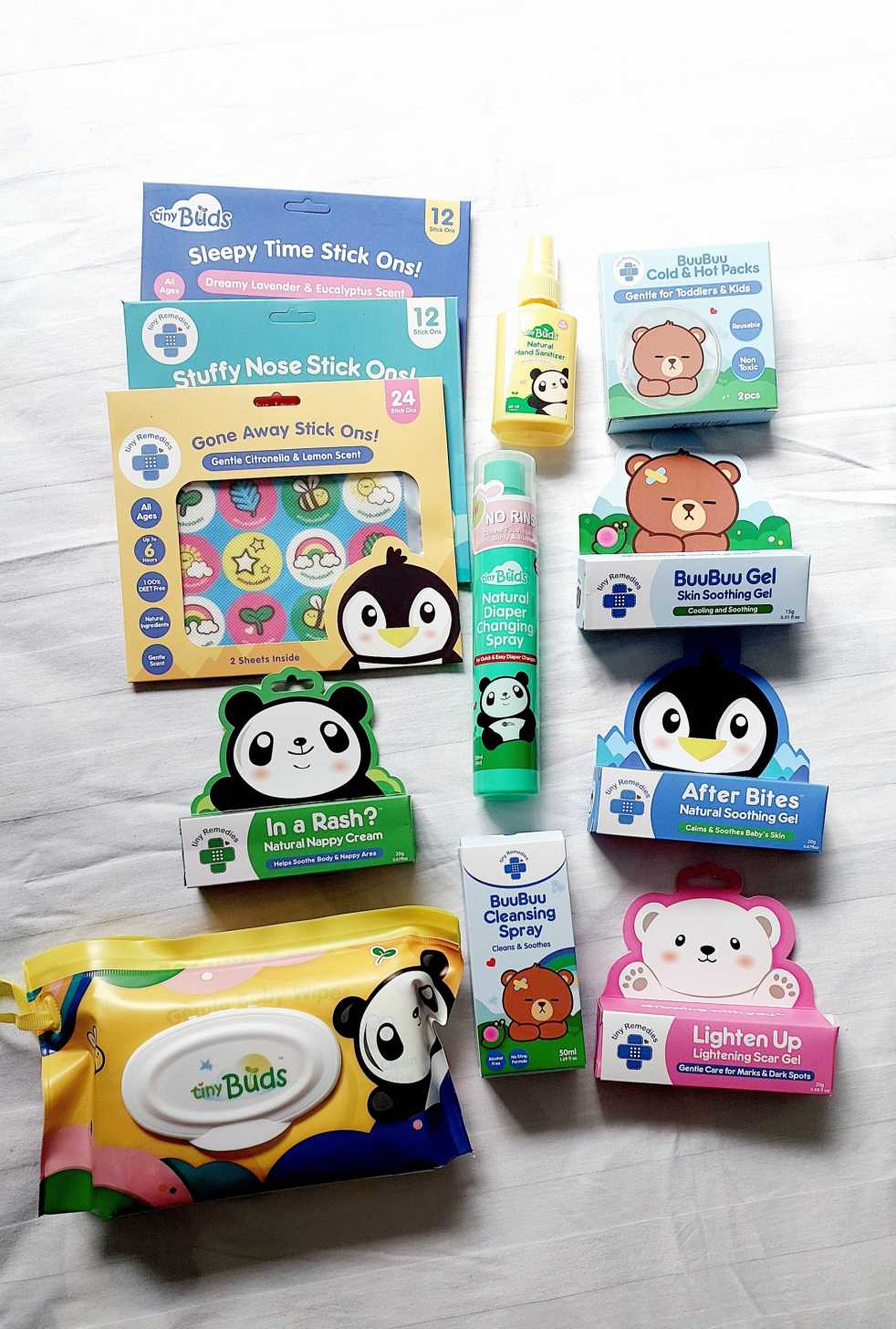
Your baby’s skin is more delicate than most, this is why you have to choose products that are designed for sensitive skin. Tiny Buds is a pioneer in integrating natural ingredients into baby care and today has over 50 innovative natural baby care essentials and is one of the Top Baby Personal Care brands. Here… Continue reading Product Review: Tiny Buds Baby Naturals Baby Essentials
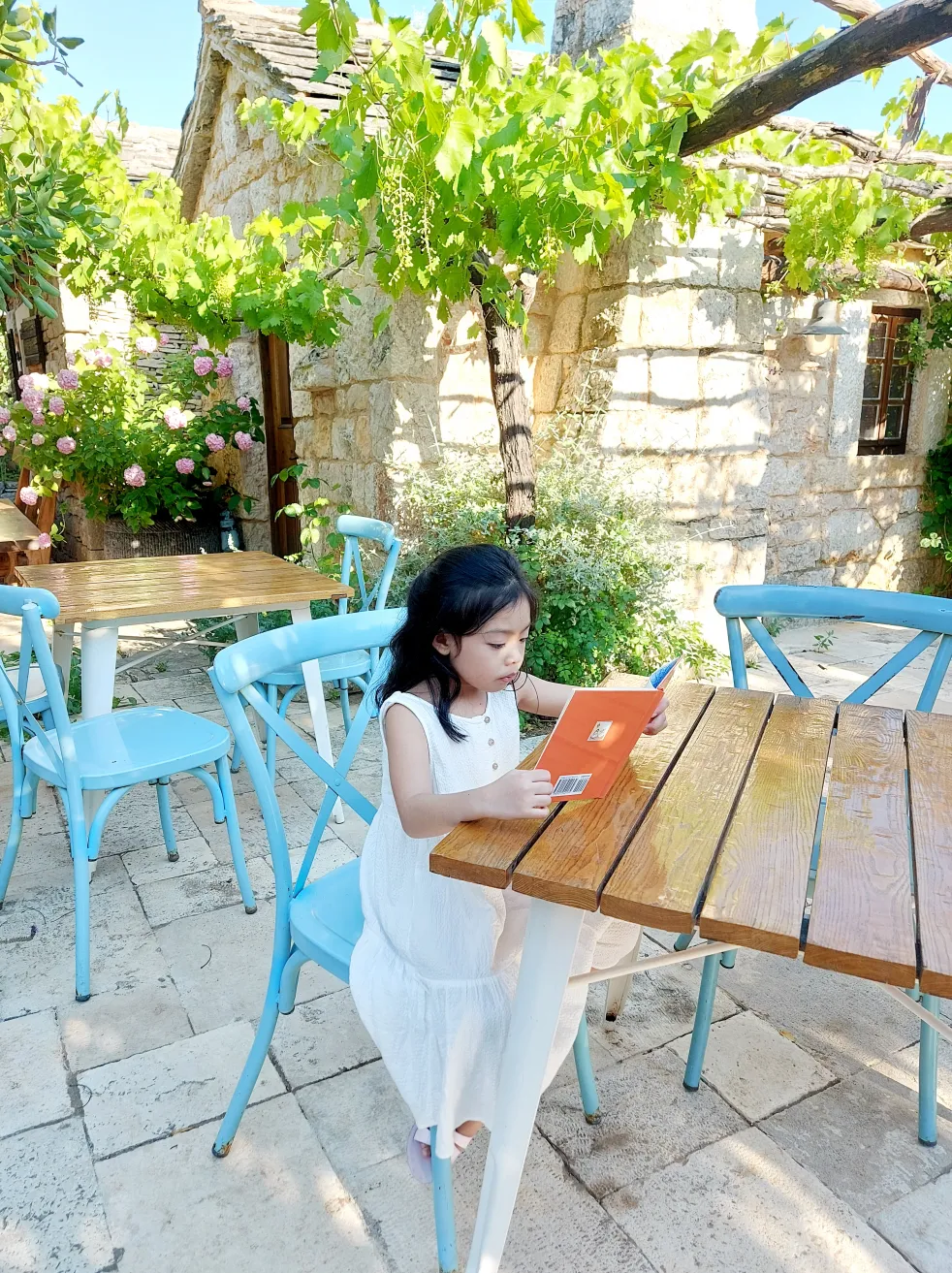
Where your child goes to school is a big decision and shouldn’t be taken lightly. Given how their education can impact their future, you might be tempted to take control and decide for them. However, you might be doing more damage than helping them in the long run. Your job as parents is to support… Continue reading HOW TO CHOOSE THE BEST SCHOOL FOR YOUR CHILD
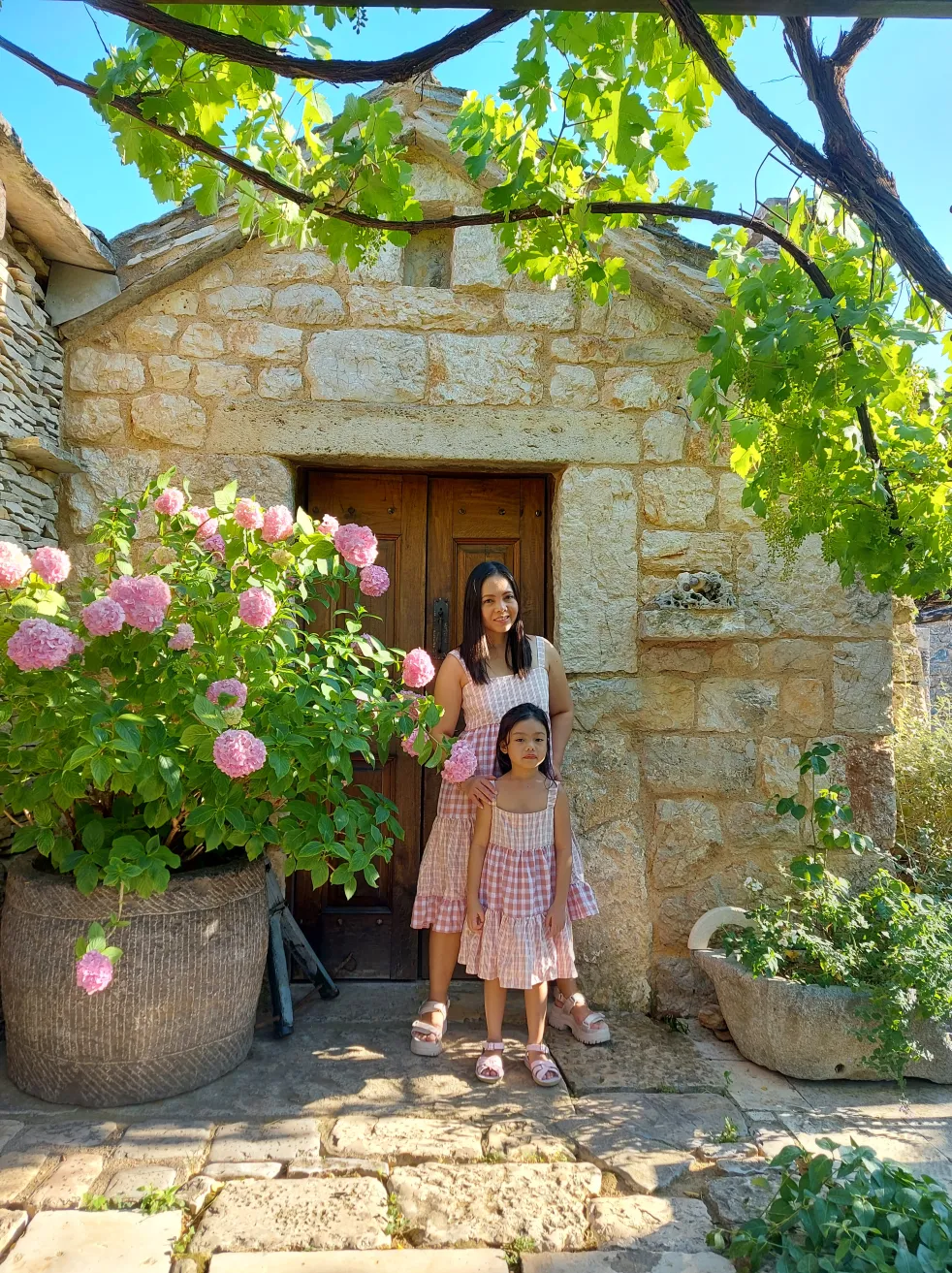
As poet and philosopher Rumi once eloquently said, “raise your words, not your voice. It is rain that grows flowers, not thunder.” Parenting is a challenging journey, and the truth is that nobody has everything figured out. One parenting style might suit others best, and some might favor other methods. However, children respond better to… Continue reading A SIMPLE GUIDE TO GENTLE PARENTING

Whether you’re a new mom to be, mom of a toddler, mom who have school-aged kids, you’re bound to have so many questions. Let's start with your baby's skin. Infant skin has unique needs; gentle care is essential to prevent damage to the skin barrier, which can lead to irritation. When caring for infant skin,… Continue reading Keeping Baby’s Diapered Skin Healthy
As parents, we want to give our child the best possible start in life and that begins with nurturing their intelligence. Throughout history, the notion of success has been linked to academic intelligence. However, there has been an increased awareness on the importance of emotional intelligence. This question gets at the heart of the never-ending… Continue reading IQ or EQ, which one is a better predictor of your child’s success?
 wondermomma.net