

Last August, IKEA Philippines engaged with Better World Smokey Mountain, a newly opened community center operated by the San Miguel Foundation, which shares a similar goal of improving the lives of many Filipino people. Through this partnership, IKEA Philippines provided and assembled home furnishings for the classrooms and library of Better World Smokey Mountain community… Continue reading Help Create a Better World with IKEA Soft Toys

NutriAsia, the country’s top producer of condiments and sauces, continues its support of Refill Revolution; a project by the Department of Environment and Natural Resources EMB 3 that aims to help reduce Filipinos’ single-use plastics consumption. At Refill Revolution, residents get to recycle their single-use plastic bottles by reusing and filling it with their choice… Continue reading NutriAsia and DENR renews partnership for Refill Revolution

When Your Toddler Keeps Getting Out of Bed at Night
A toddler who leaves bed repeatedly can turn bedtime into a tiring cycle of requests, negotiations, tears, and hallway visits. The behavior may begin suddenly after a change in routine, illness, travel, a new sibling, or a developmental leap. It can also become a learned pattern when getting up reliably brings extra attention or more time with a parent.
Handling a toddler who won’t stay in bed at night works best when warmth and firmness are used together. Your child needs reassurance that they are safe, while also learning that nighttime has a predictable boundary. The goal is not to punish movement or fear, but to make returning to sleep easier and less rewarding than staying awake.
A gentle, consistent plan can help children feel secure without turning every bedtime into a long discussion. It may take several nights for a new habit to settle, especially if your toddler has become accustomed to repeated visits or extended cuddles.
Why bedtime resistance happens
Toddlers are gaining independence quickly. Saying “no,” testing limits, and asking for one more story can be normal ways to practise control. Leaving the bedroom may be your child’s attempt to delay separation, continue playing, or check whether the household is still active.
Some children also struggle with an overactive or under-tired body clock. A late nap, a busy evening, or too little physical activity during the day can make sleep feel less appealing. In the Philippines, warm nights, household noise, bright lights, and family members coming home late may add to the problem.
Fear can be another factor. Toddlers may begin worrying about shadows, storms, unfamiliar sounds, or being alone in a dark room. They may not have the language to explain the feeling clearly, so they call out, cry, or walk into a parent’s room instead.
Check the basics before changing sleep
Start by looking for a practical reason your toddler cannot settle. Hunger, thirst, a wet nappy, constipation, teething pain, eczema, a stuffy nose, or an uncomfortable room temperature can all cause repeated waking. Addressing these needs first prevents a behavior plan from overlooking genuine discomfort.
Keep the bedroom calm and suitable for sleep. Use breathable clothing and light bedding in hot weather, reduce harsh lighting, and consider steady background sound if household activity continues nearby. A dim night-light may help a child who is nervous in the dark, but avoid bright lamps or screens that signal daytime.
The following guide can help you identify the likely reason for repeated bed-leaving and choose a proportionate response.
| What may be happening | Helpful response | What to avoid |
|---|---|---|
| Your toddler wants more time with you | Offer brief connection before bed and return them calmly afterward | Long conversations or repeated negotiations |
| They are afraid of the dark or separation | Use a comfort object, night-light, and reassuring phrase | Mocking the fear or insisting they “be brave” |
| Nap timing is too late | Gradually move the nap earlier or shorten it | Removing naps suddenly when your child is overtired |
| They need the toilet or a drink | Provide easy access and practise the routine during the day | Turning every request into extended attention |
| They are uncomfortable or unwell | Treat the cause and offer extra comfort | Assuming every wake-up is defiance |
| They have learned that leaving brings rewards | Return them with minimal stimulation and repeat the same boundary | Changing the rule from night to night |
Build a bedtime routine toddlers can follow
A predictable routine gives your child repeated cues that sleep is approaching. Keep it short enough to maintain every night, usually around 20 to 40 minutes. A simple sequence might include washing, putting on pyjamas, brushing teeth, reading two stories, cuddling, and saying goodnight.
Use a visual bedtime chart if your toddler enjoys pictures. Images of a bath, toothbrush, book, bed, and moon can make the sequence easier to understand than spoken instructions. Let your child choose between two acceptable options, such as the blue or yellow pyjamas, while keeping the overall routine fixed.
Give connection before the final goodnight so your toddler does not need to create reasons to come back. You might say, “We have time for one cuddle and one song. Then it is sleep time.” A timer can make the ending feel neutral, especially when a child repeatedly asks for another story.
Set a clear and calm nighttime boundary
Use one brief phrase whenever your toddler leaves the room. For example, “It is nighttime. You are safe. Back to bed.” Avoid adding new explanations each time, because lengthy conversations can accidentally make getting up more interesting.
Walk your child back with as little stimulation as possible. Keep the lights low, use a quiet voice, and avoid eye-catching toys, snacks, television, or phone use. If your toddler cries, acknowledge the feeling without reopening the decision: “You want to stay with me. I hear you. It is time to rest.”
The first few nights may involve many returns to bed. Consistency matters more than speed. If the response changes from a quick return on one night to an hour of play or sleeping in the parents’ bed on another, your toddler may keep testing the boundary to discover which outcome is available.
Gentle parenting does not require endless negotiation. A calm limit can be respectful and emotionally supportive: “I will help you get back into bed, but I will not play now.” This communicates acceptance of the child while holding the limit around nighttime behavior.
Match the response to the real reason
When fear is driving the behavior, provide a small, repeatable comfort rather than trying to prove there is nothing to fear. Check the room once, name the night-light, offer a familiar stuffed toy, and remind your child that you are nearby. A “bravery spray” made from water may become a playful ritual, provided it does not replace reassurance or create a new dependency.
For separation worries, practise short separations during the day. Step out of the room for a moment, return as promised, and gradually increase the time. At bedtime, a predictable phrase such as “I will check on you after you are quiet in bed” may help. Keep checks brief and spaced out rather than responding to every call immediately.
If your toddler is leaving because they are not tired, examine the daytime schedule. Most toddlers still need a daytime nap, but its timing and length affect nighttime sleep. A nap that ends late in the afternoon may delay bedtime, while skipping sleep altogether can create overtiredness, fussiness, and more frequent waking.
Toilet training can also lead to repeated trips. Make the bathroom easy to reach, use a dim light, and practise walking there independently during the day. Keep nighttime toilet visits boring and brief, then return directly to bed.
Keep the plan steady for one week
Choose a response that your family can realistically repeat. Agree with other caregivers about the bedtime phrase, where your toddler will sleep, and how requests will be handled. Grandparents, babysitters, and relatives may need the same information when they are caring for your child.
Track a few details for several nights: nap time, bedtime, how often your toddler gets up, and what happened before sleep. Look for patterns rather than expecting immediate perfection. Progress may appear as fewer visits, shorter periods of crying, or a quicker return to sleep.
A practical seven-night approach can keep everyone focused:
- Keep wake-up and bedtime within a similar range each day.
- Follow the same short routine, including the same final phrase.
- Meet genuine needs before lights out, including water, comfort, and toilet use.
- Return your toddler to bed quietly and consistently after each unnecessary exit.
- Praise the specific behavior you want in the morning, such as staying in bed until the clock changes color.
Praise should be warm but not overwhelming. Try, “You stayed in your bed after our goodnight. That showed strong nighttime practice.” A sticker chart may motivate some children, while others respond better to cuddles, specific praise, or choosing the morning story.
Speak with a pediatrician if your child snores loudly, gasps, pauses in breathing, seems to struggle for air, has persistent pain, experiences intense night terrors, or remains unusually tired during the day. Seek professional guidance as well if sleep disruption continues for weeks and is affecting your child’s mood, development, or the family’s ability to function.
The most effective response to a toddler who keeps leaving bed is usually calm, predictable, and compassionate. Begin tonight by checking comfort, simplifying the routine, and choosing one reassuring boundary you can repeat. Give the plan several consistent nights, celebrate small improvements, and reach out to your child’s healthcare provider when physical symptoms or ongoing exhaustion suggest that bedtime resistance may have a deeper cause.

Mercato Centrale, in collaboration with Indian Women in Enterprise Philippines (I-We), is set to host "The Great Indian Fiesta" to mark 75 years of friendship between India and the Philippines. The dynamic two-day event is scheduled to take place on September 30 to October 1, 2023, at Paseo De Roxas Street, Makati City. Aiming to… Continue reading Mercato Centrale Partners with I-We to Host ‘The Great Indian Fiesta’, Commemorating 75 Years of India-Philippines Friendship

My stomach would usually start growling at 10 am even after taking a big breakfast. This is probably because I am a morning person and I move a lot throughout the day hence snacking is something that I can't avoid. This potatoes and chicken wrap recipe is easy to prepare and would keep me full… Continue reading Potato and Chicken Wrap
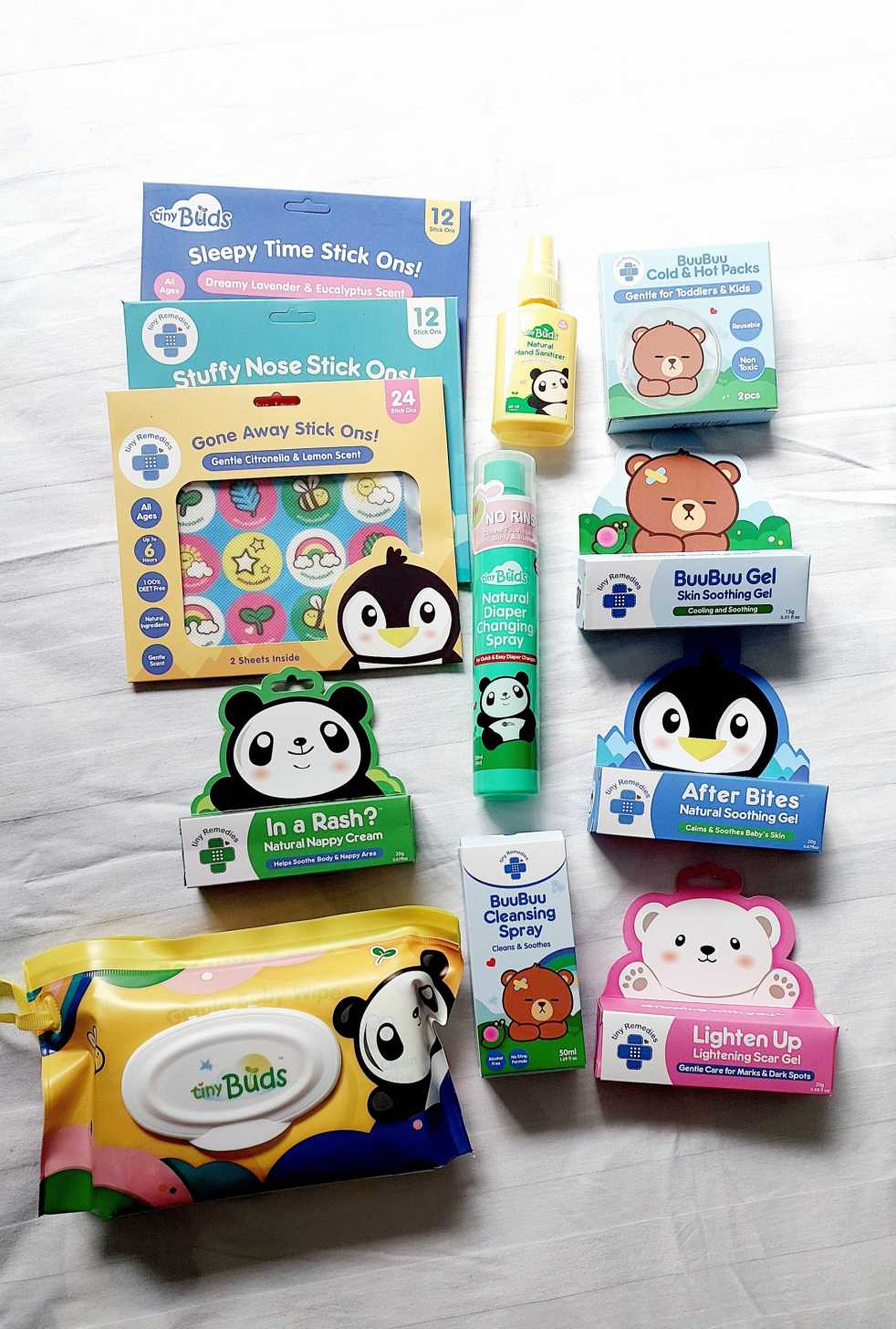
Your baby’s skin is more delicate than most, this is why you have to choose products that are designed for sensitive skin. Tiny Buds is a pioneer in integrating natural ingredients into baby care and today has over 50 innovative natural baby care essentials and is one of the Top Baby Personal Care brands. Here… Continue reading Product Review: Tiny Buds Baby Naturals Baby Essentials
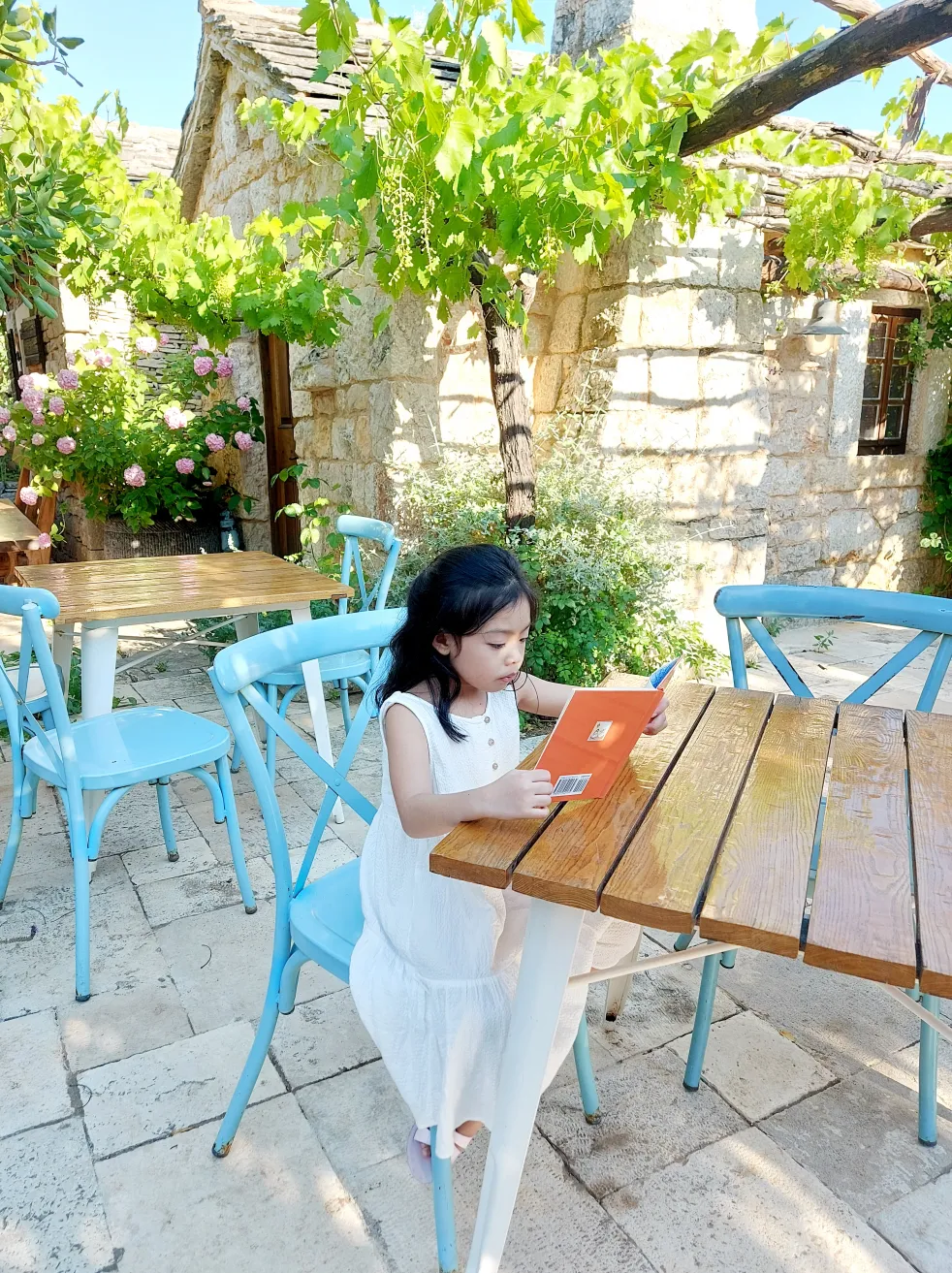
Where your child goes to school is a big decision and shouldn’t be taken lightly. Given how their education can impact their future, you might be tempted to take control and decide for them. However, you might be doing more damage than helping them in the long run. Your job as parents is to support… Continue reading HOW TO CHOOSE THE BEST SCHOOL FOR YOUR CHILD

As poet and philosopher Rumi once eloquently said, “raise your words, not your voice. It is rain that grows flowers, not thunder.” Parenting is a challenging journey, and the truth is that nobody has everything figured out. One parenting style might suit others best, and some might favor other methods. However, children respond better to… Continue reading A SIMPLE GUIDE TO GENTLE PARENTING

Whether you’re a new mom to be, mom of a toddler, mom who have school-aged kids, you’re bound to have so many questions. Let's start with your baby's skin. Infant skin has unique needs; gentle care is essential to prevent damage to the skin barrier, which can lead to irritation. When caring for infant skin,… Continue reading Keeping Baby’s Diapered Skin Healthy
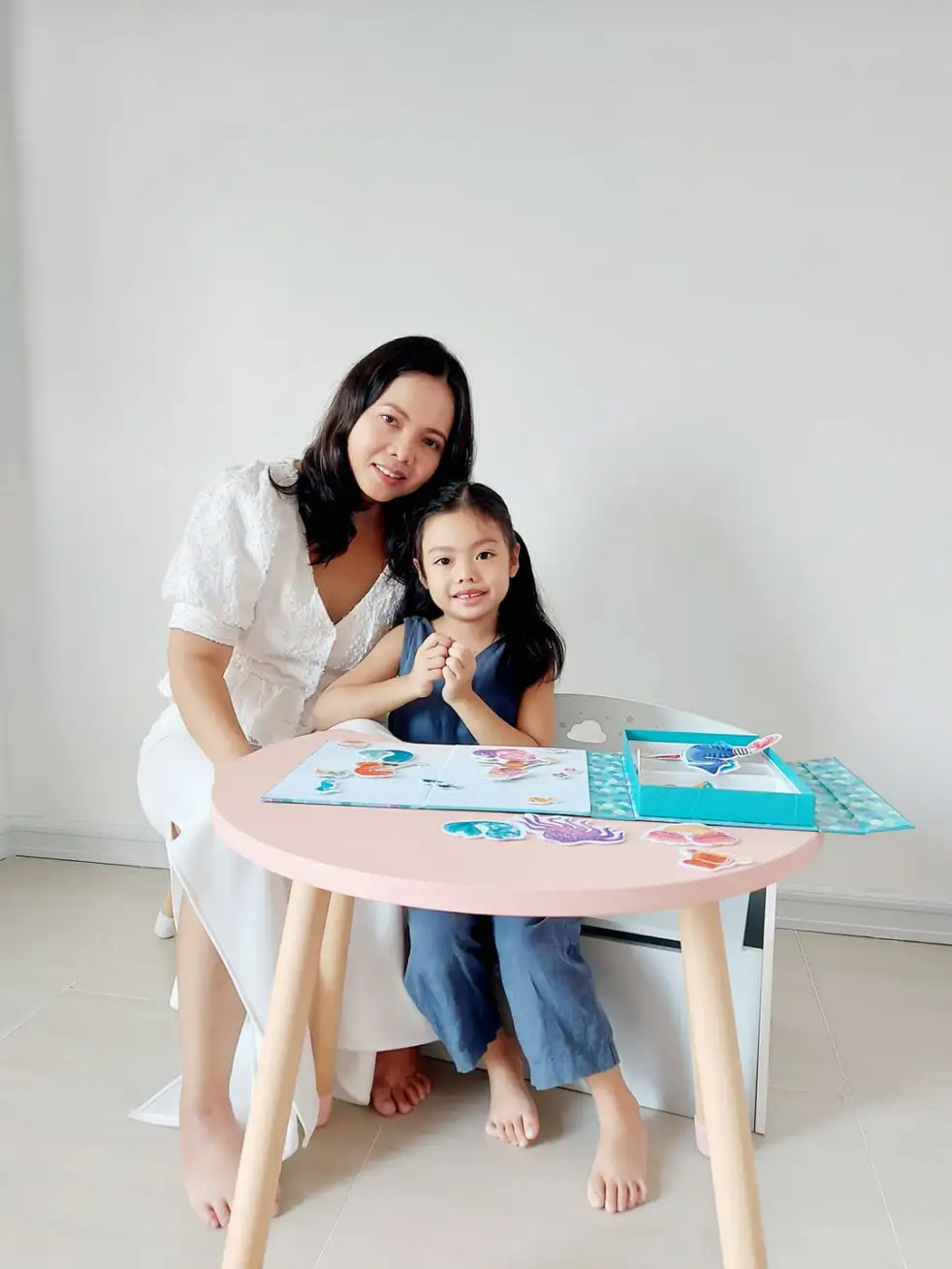
As parents, we want to give our child the best possible start in life and that begins with nurturing their intelligence. Throughout history, the notion of success has been linked to academic intelligence. However, there has been an increased awareness on the importance of emotional intelligence. This question gets at the heart of the never-ending… Continue reading IQ or EQ, which one is a better predictor of your child’s success?
 wondermomma.net